Kuala Terengganu
🇲🇾 Malaysia
The East Coast's Quiet Contender
Kuala Terengganu, or KT as the locals call it, doesn't try to compete with the neon chaos of Kuala Lumpur or the digital nomad saturation of Penang. Instead, it offers a window into a side of Malaysia that feels deeply rooted and unhurried. It's a place where the DE Rantau program is starting to take hold, bringing fiber optic cables and remote work infrastructure to a city that still revolves around the rhythm of the tides and the call to prayer.
The vibe here is conservatively coastal. You'll spend your mornings watching fishing boats return to the estuary and your afternoons working from a cafe while the scent of grilled fish (ikan bakar) drifts through the air. It’s a city of contrasts where the futuristic, glowing Crystal Mosque sits on the water while traditional wooden boat builders continue their craft just a few miles away. Most nomads find that while the nightlife is virtually non-existent, the trade-off is a level of peace and local connection that’s hard to find in more westernized hubs.
The Daily Budget
Living in KT is remarkably easy on the wallet. It’s one of the most affordable spots in Malaysia, allowing you to live comfortably for a fraction of what you’d spend in the capital. Here’s what you can expect for monthly expenses:
- Budget Lifestyle: $350 to $450. This covers a modest apartment outside the center, plenty of street food, and getting around via local buses.
- Mid-Range Lifestyle: $500 to $700. You'll get a nicer 1-bedroom in the city center, regular cafe visits, and frequent Grab rides.
- Comfortable Lifestyle: $800 to $1,200. This gets you a high-end condo, upscale dining several times a week, and a dedicated coworking setup.
Specific costs are equally low. A 1-bedroom apartment in the city center typically runs about $181 per month. When you're hungry, a plate of local rice or noodles at a stall costs around $2.40, while a cappuccino at a specialty cafe is about $2.90. Even a monthly gym membership is affordable, usually hovering around $30 to $35.
Where to Set Up Camp
Choosing a neighborhood in KT depends on whether you want the breeze or the buzz. Expats and long-term travelers usually gravitate toward these areas:
- City Center (Bandaraya): This is the most practical choice for nomads. You’re within walking distance of the KTCC Mall and Mayang Mall, and the connectivity is the most reliable here. It’s the best spot if you don't want to rely on a scooter or car every single day.
- Batu Burok: If you want to wake up near the ocean, this is it. It’s a residential stretch along the beach. It’s quieter than the center but has a great evening food market scene. It feels more like a getaway than a workspace.
- Chinatown (Kampung Cina): Located along the river, this is the most colorful part of town. The shophouses are centuries old, and it’s one of the few places where the atmosphere feels a bit more "tourist-friendly" in terms of food variety.
- Kuala Ibai: A bit further out, this area is home to the famous floating mosque. It’s peaceful and scenic, though you'll definitely need a Grab account to get into the city for supplies.
The Emotional Experience
Being in Kuala Terengganu feels like being let in on a secret. There’s a specific kind of "slow" here. You won't find the frantic energy of a startup hub. Instead, you'll find locals who are genuinely curious about why you've chosen their city. Travelers often mention the "Terengganu smile," a warmth that isn't transactional.
You’ll likely spend your Fridays (the start of the weekend here) watching the city go quiet for prayers, then come alive at the night markets. It’s a destination for the nomad who is tired of the "same old" digital hubs and wants to actually experience Malaysia, not just a filtered version of it. It requires a bit more effort to navigate, especially with the limited English compared to KL, but the sense of authenticity is the real reward.
The Lowdown on Local Costs
Kuala Terengganu is one of the most affordable cities you'll find in Malaysia, especially if you're comparing it to the price tags in Kuala Lumpur or Penang. It's a place where your money stretches remarkably far without forcing you to live a "budget" lifestyle. Most digital nomads find they can live quite comfortably here for under $800 a month, while those on a tighter budget can easily manage on $450.
The local economy is still very much geared toward residents rather than tourists. This means you aren't paying a "foreigner tax" on every meal or coffee. You'll notice the savings most in the daily small stuff: a bag of fresh fruit from Pasar Payang or a quick Grab ride across town usually costs less than a fancy latte back home.
Housing and Utilities
Rent is likely going to be your biggest saving. While the city doesn't have a massive inventory of luxury high-rises, the available apartments are incredibly cheap. Most expats recommend looking for modern condos near the KTCC Mall or in the Batu Burok area if you want ocean views.
- City Center 1BR Apartment: Expect to pay between $150 and $200 per month. If you're looking for something more upscale or newer, it might nudge toward $280.
- Outside the Center: Prices drop significantly, often landing around $100 to $130 for a decent spot.
- Utilities: A standard monthly bill for electricity, water, and trash usually hits about $35 to $50. Keep in mind that heavy AC usage in the tropical heat can push this higher.
- Internet: A solid fiber connection with 50 Mbps+ speeds costs around $27 monthly.
Eating and Drinking
The food scene is a highlight for anyone living here. If you're happy eating like a local, you'll find it hard to spend more than a few dollars a meal. Street food is king, and a plate of Nasi Dagang or a bowl of laksa at a local stall will only set you back about $2 or $3.
- Quick Lunch: A meal at an inexpensive local joint is usually around $2.40.
- Mid-range Dinner: A nice meal for two at a sit-down restaurant typically costs between $20 and $25.
- Coffee: A cappuccino at a nomad-friendly spot like QAWA Coffee or Oliva Cafe is about $2.90.
- Groceries: If you prefer cooking at home, 1kg of chicken breast is roughly $4.25, a dozen eggs cost about $2.65, and local rice is around $1.20 per kilo.
One thing to remember is that Terengganu is a conservative state. Alcohol isn't as widely available as it is in the west coast cities, and when you do find it, it's relatively expensive due to taxes. A beer will cost you about $3.80, which is high compared to the price of a full meal.
Transport and Lifestyle
Getting around is cheap but requires a bit of planning since the city isn't perfectly walkable outside the immediate core. Most nomads rely on Grab for daily trips. A typical 8km ride costs about $6, making it a very affordable way to get to your favorite cafe or the beach.
- Monthly Transport Budget: Most people spend between $20 and $30 if they use ride-hailing apps frequently.
- Gym Memberships: A monthly pass at a decent local gym averages $30 to $35.
- Healthcare: A visit to a private doctor at a place like SALAM Specialist Hospital usually costs around $26, which is a steal for the quality of care you receive.
Overall, Kuala Terengganu offers a rare balance. You get the perks of a coastal capital with modern hospitals and malls, but the daily cost of living feels like a throwback to a much cheaper era. It's the kind of place where you can stop checking your bank balance every time you go out for dinner.
For Digital Nomads: City Center (Bandaraya)
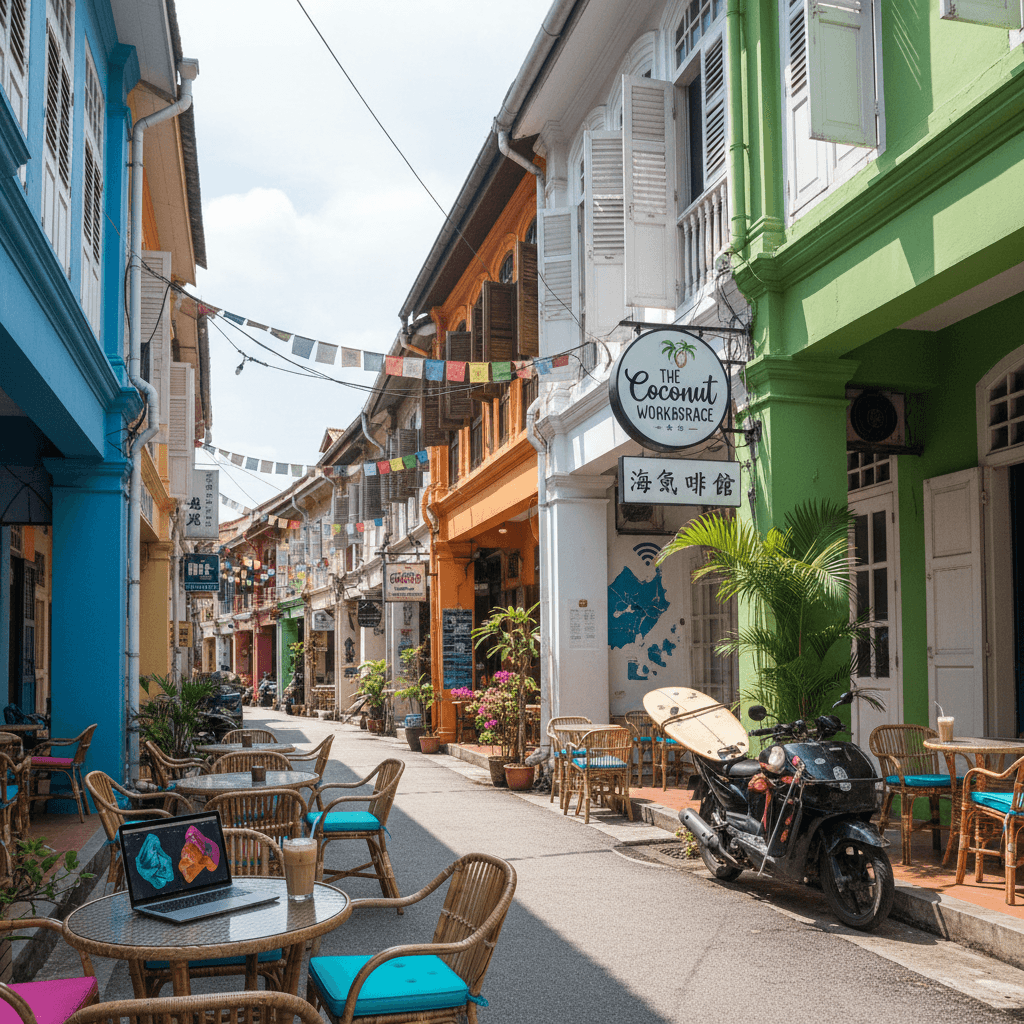
If you're coming to Kuala Terengganu to work, the Bandaraya is where you want to be. It's the only part of town where you can realistically walk from your apartment to a cafe with decent WiFi and then hit a mall for groceries without breaking a sweat. Most nomads gravitate toward the area around Jalan Kampung Cina (Chinatown) because it's packed with character and has the best coffee shops for laptop work.
You'll find spots like Beans Work Superhero Cafe and QAWA Coffee & Sandwich here, which are the unofficial headquarters for remote workers in the city. Living here means you're close to the KTCC Mall and the Mayang Mall for modern amenities. Expect to pay around $180 to $250 for a decent one bedroom apartment in this zone. It's the most "urban" the city gets, making it the easiest transition for those used to bigger hubs like KL.
For Expats and Long-Termers: Kuala Ibai
Expats looking for a more "settled" feel often head south to Kuala Ibai. It's famous for the Tengku Tengah Zaharah Mosque (the Floating Mosque) and offers a much more scenic, residential atmosphere than the city center. It's quiet, green, and feels like a proper neighborhood rather than a transit point.
The vibe here is relaxed and community focused. You'll need a car or a Grab account to get around, as it's a bit of a trek to the main business district. Rent for a larger house or a high end condo here can range from $200 to $350. It's a top pick if you value a view of the water and a slower morning routine over being next door to a coworking space.
For Families: Batu Burok
Batu Burok is the go to for families because of the immediate access to the beach and the massive playground areas. It's not a swimming beach, but the breeze and the open space make it the primary evening hangout for locals and residents alike. You'll find plenty of spacious landed houses here that offer more room for kids than the downtown apartments.
The area is dotted with local food stalls and is home to the Hospital Sultanah Nur Zahirah, which provides peace of mind for parents. It's a safe, breezy neighborhood where you can get a large family home for under $400. Most families find the proximity to the Kuala Terengganu Cultural Center and the weekend markets a huge plus for keeping everyone entertained.
For Solo Travelers and Culture Seekers: Pasar Payang Area
If you're only in town for a few weeks and want to soak up the local soul, stay near Pasar Payang. This is the traditional heart of the city. It's loud, colorful, and smells like spices and dried fish. You'll be steps away from the best street food in the state, with meals like Nasi Dagang costing as little as $2.
Accommodation here is mostly guesthouses and boutique hotels rather than luxury condos. It's perfect for solo travelers who want to be in the thick of the action and don't mind the 6 AM call to prayer from nearby mosques. Walkability is high, and you're right by the jetty if you want to hop on a boat to Pulau Duyung to see traditional boat building. It's authentic, affordable, and puts you exactly where the locals live and trade.
Neighborhood Comparison at a Glance
- City Center: Best for connectivity and cafes. Rent: $180+. Vibe: Convenient.
- Kuala Ibai: Best for peace and scenery. Rent: $200+. Vibe: Residential.
- Batu Burok: Best for families and beach air. Rent: $250+. Vibe: Active.
- Pasar Payang: Best for budget and culture. Rent: $100 to $150. Vibe: Traditional.
Connectivity in the Coastal Capital
Kuala Terengganu isn't Kuala Lumpur, and that's exactly why people are starting to show up here. While the pace is slower, the digital infrastructure is surprisingly robust. The Malaysian government has designated the city as a DE Rantau hub, which means there's a concerted effort to keep the fiber optic cables humming and the coffee shops laptop friendly.
Most nomads find that a standard home fiber connection through providers like Unifi or Maxis is the way to go for long stays. You'll likely pay around $27.50 (RM113) per month for 50 Mbps+ speeds. It's stable enough for Zoom calls even during the occasional tropical downpour. If you're just passing through, your guesthouse WiFi will usually suffice for basic tasks, though it's always smart to have a local SIM as a backup.
The Best Mobile Data Options
Don't rely solely on hotel WiFi. Grab a local SIM card as soon as you land or hit the city center. The big three providers here are Maxis (Hotlink), CelcomDigi, and U Mobile. Most expats recommend Maxis for the most consistent coverage across the state, while CelcomDigi has great penetration in more rural beach areas.
- Prepaid Cost: Expect to spend between $5 and $15 a month for a solid data plan.
- Speeds: 4G is the standard here, and 5G is rolling out in the city center. You'll have no trouble tethering your laptop for a beachside work session.
- Where to buy: Head to KTCC Mall or Mayang Mall. You'll need your passport to register the SIM.
Where to Work: Cafes and Spaces
Kuala Terengganu doesn't have a massive selection of dedicated coworking spaces yet. You won't find a WeWork on every corner. Instead, the "work from anywhere" crowd tends to congregate in modern cafes that have embraced the laptop culture. Most of these spots are open from 8:30 AM to 11:00 PM, giving you plenty of flexibility.
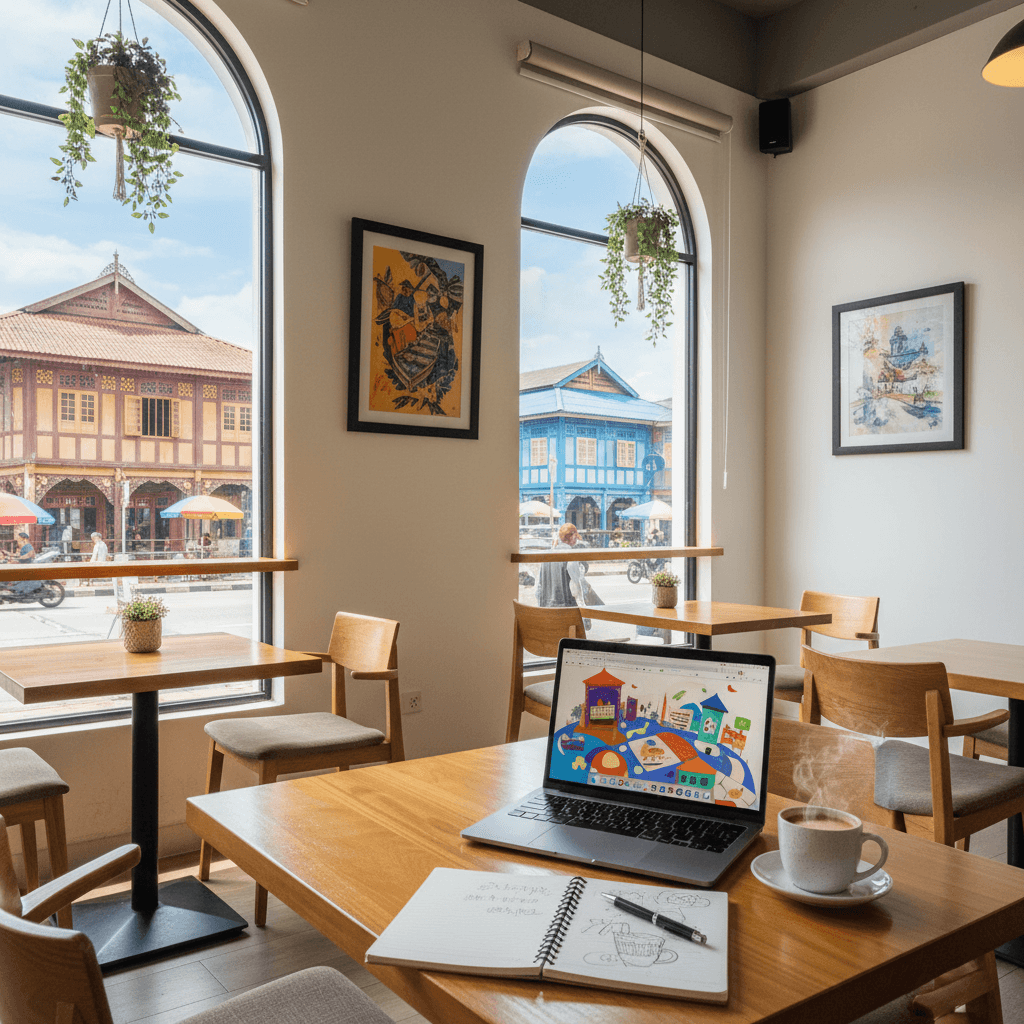
Beans Work Superhero Cafe is a local staple located on Jalan Kampung Cina. It's got a quirky vibe, reliable WiFi, and enough table space that you won't feel like you're crowding the lunch rush. A coffee here runs about $2.89, and they don't mind if you stay for a few hours.
QAWA Coffee & Sandwich is another favorite. It has a more minimalist, industrial feel that helps with focus. The WiFi is snappy, and the sandwiches are a step up from typical cafe fare. If you prefer a bit more ambiance, Oliva Cafe and Hidden Cafe are well regarded by the remote work community for their quiet corners and consistent connectivity.
Coworking Costs and Expectations
Since dedicated desks are rare, your "office rent" usually manifests as the price of a few lattes. Most nomads budget $2 to $5 per session for beverages and snacks. If you're looking for a more formal setup, you might have to look toward the neighboring hub of Penang or Kuala Lumpur where day passes cost $5 to $10. In KT, it's all about the cafe life.
- Daily Spend: $4 to $8 for coffee and a light meal while working.
- Atmosphere: Expect a mix of students and young professionals. It's rarely loud, but it's not a library either.
- Power Outlets: Most modern cafes have them, but it's worth arriving early to snag a seat near a wall.
Travelers often say the lack of corporate coworking spaces is actually a plus. It forces you to integrate with the local scene. You'll find yourself working alongside local entrepreneurs and creatives rather than just other travelers. Just remember that Friday is a weekend day in Terengganu; some smaller local spots might close for midday prayers, though the larger cafes usually stay open.
Safety Standards and Local Culture
Kuala Terengganu feels remarkably safe, even compared to other Malaysian cities. You'll notice a distinct lack of the aggressive street touts or petty crime found in more tourist-saturated hubs. Most nomads find the local community incredibly welcoming, though it's a conservative area. Respecting local norms, like dressing modestly when away from the beach, goes a long way in building rapport with neighbors.
Expats generally walk around at night without worry, though it's always smart to stay in well lit areas. The city center is well policed, and the biggest "danger" you're likely to face is a lack of sidewalks in certain neighborhoods. If you're out late, just use Grab to get home. It's cheap, tracked, and saves you from navigating dark roads on foot.
Healthcare Facilities
If you get sick, you're in good hands. The healthcare system here is split between efficient private hospitals and more affordable public ones. For anything urgent or specialized, the SALAM Specialist Hospital Kuala Terengganu is the top choice for the international community. They offer everything from physiotherapy to dietetic services in a modern setting.
For routine issues or 24 hour pharmacy needs, KMI Healthcare is the local go to. If you just need a quick consultation for a cold or minor infection, a visit to a private GP usually costs around $26. Most doctors speak excellent English, so you won't have to worry about a language barrier when explaining your symptoms.
Pharmacies and Medication
Finding a pharmacy is easy. Farmasilautan is the major local chain with over 46 locations across the region. They're well stocked with international brands and standard over the counter meds. If you have a specific prescription from home, it's a good idea to bring the physical script or the original packaging, as pharmacists here are thorough but helpful.
- Emergency Number: Dial 999 for police, ambulance, or fire services.
- Private Care: SALAM Specialist Hospital is located right in the city for easy access.
- Pharmacies: Look for the Farmasilautan sign; they've been around since 1985 and are highly reliable.
- Cost: Expect to pay about $25 to $30 for a standard doctor's visit at a private clinic.
Practical Tips for Staying Healthy
The tropical heat is the most common health hurdle for newcomers. Stay hydrated and don't underestimate the sun, especially if you're spending the day at Batu Burok Beach. While tap water is generally treated in Malaysia, most expats prefer to boil it or use a filter. Bottled water is cheap and available at every 7-Eleven or local grocery store if you're unsure.
Mosquitoes can be a nuisance, particularly during the monsoon season from November to January. Most apartments are screened, but keeping some repellent handy for evening sessions at outdoor cafes like QAWA is a move you won't regret. Overall, the lifestyle here is clean and conducive to staying healthy, with plenty of fresh seafood and outdoor spaces to keep you active.
Navigating the Streets
Kuala Terengganu isn't a city where you'll find a sprawling subway system or a complex rail network. It's a place that moves at a coastal pace, and your transport choices will reflect that. Most nomads find that while the city center is manageable on foot, you'll definitely need a strategy for reaching the beaches or the iconic mosques on the outskirts.
Ride-Hailing and Taxis
Grab is the undisputed king of transport here. It's reliable, transparent, and incredibly cheap by international standards. A typical 8 km ride across town usually costs around $6.00. It's the go-to for expats heading to the airport or moving between the city center and Batu Burok.
- GrabCar: The most common way to get around. Drivers are usually quick to arrive in the central districts.
- GrabBike: If you're traveling solo and want to beat the afternoon traffic near the markets, these motorcycle taxis are a faster, cheaper alternative.
- Traditional Taxis: You'll see them at the airport and major bus terminals. They don't always use meters, so you'll need to agree on a price before getting in. A monthly transport budget for a frequent traveler usually sits between $20 and $50.
The Heritage Bus (Bas Kite)
For a bit of local flavor, the city operates the "Bas Kite," which are buses designed to look like traditional timber houses. They run from 6 AM to 10 PM and are specifically routed to hit the major cultural spots. It's a great way to reach the Crystal Mosque or the craft centers without spending much.
The fare is nominal, often just a few ringgit, making it the most budget-friendly way to sightsee. You'll recognize them by their unique wood-carving aesthetics, a nod to the state's famous carpentry heritage.
Walking and Micromobility
The city center, particularly around Chinatown (Kampung Cina) and Pasar Payang, is quite walkable. You can easily hop between cafes like Beans Work and the local markets on foot. However, the tropical heat and humidity are real factors. Most people avoid walking long distances between 11 AM and 4 PM.
- Trishaws (Beca): These three-wheeled pedal cycles are mostly found near Pasar Payang. They’re slower and more about the experience than efficiency, but they're perfect for a breezy short trip along the waterfront.
- Scooter Rentals: While common in places like Bali or Langkawi, formal scooter rental shops are rarer here. Some smaller guesthouses might have a lead on a rental, but don't count on finding a shop on every corner.
Getting to and from the Airport
Sultan Mahmud Airport is about 15 kilometers from the city center. A Grab ride is the most seamless way to make the trip, taking about 20 to 25 minutes depending on traffic. If you're arriving late at night, it's smart to have the app downloaded and ready, as the queue for traditional taxis can get long when multiple flights land at once.
The River Routes
Don't forget that Kuala Terengganu is a waterfront city. Small passenger boats (penambang) still operate across the Terengganu River. Travelers often use these to get from the jetty near Pasar Payang over to Seberang Takir. It’s a fast, scenic, and very cheap way to see the skyline from the water for just a couple of ringgit.
While you can get by with English in the more touristy pockets of Kuala Lumpur or Penang, Kuala Terengganu requires a bit more effort. It's a predominantly Malay city where the local dialect, Terengganu Malay (or Basa Tranung), reigns supreme. You'll find that most locals under 40 speak decent English, especially in the service industry, but learning a few phrases goes a long way in building rapport at the markets.
The Language Landscape
Standard Malay (Bahasa Malaysia) is the official language and what you'll see on all government signs and official documents. However, the spoken reality is different. The local dialect is famous for its "heavy" sounds, often adding an "ng" to the end of words. For example, the word makan (eat) becomes makang. It sounds melodic once you get used to it, though it can be confusing for those who only studied standard Malay before arriving.
In Kampung Cina (Chinatown), you'll hear Hokkien and Mandarin spoken among the older generation. Most shopkeepers there are multilingual, switching effortlessly between Malay, English, and Chinese dialects. If you're staying near Jalan Kampung Cina or the Pasar Payang area, English proficiency is generally higher because of the steady stream of travelers.
Communication Tips for Nomads
Don't expect every menu to have an English translation, especially at the smaller warungs (roadside stalls) in Batu Burok. Digital nomads often find that pointing and smiling works wonders, but having a translation app downloaded for offline use is a lifesaver. Most expats recommend Google Translate, though its Malay translation can sometimes be a bit too formal for the casual streets of KT.
- Greeting Locals: Use "Apa khabar?" (How are you?) or a simple "Salam" if you're entering a Muslim-run establishment.
- Ordering Food: "Satu" (One), "Kira" (The bill), and "Terima Kasih" (Thank you) are your daily essentials.
- Digital Tools: Use WhatsApp for almost everything. Whether you're booking a tour, talking to a landlord, or ordering a cake from a local bakery, residents and business owners rarely use email.
Social Nuances and Etiquette
Communication in Kuala Terengganu is deeply rooted in budi bahasa, a concept of politeness and respect. It's a conservative city, so keeping your voice at a moderate volume is appreciated. When speaking with locals, especially elders, a gentle nod of the head is a sign of respect. Avoid using your left hand to hand over money or documents at the bank or grocery store, as it's traditionally considered unclean.
If you're working from cafes like Beans Work Superhero Cafe or QAWA Coffee, you'll find the staff are quite used to English speakers. They're often happy to help you practice your Malay if the shop isn't too busy. Most nomads find that while the language barrier exists, the local community is incredibly patient. They'd rather you try a few broken words of Malay than expect them to be perfectly fluent in English.
Essential Apps for Staying Connected
To keep the lines of communication open, make sure you have these installed before you land:
- Grab: Essential for communicating with drivers via the in-app chat, which has a built-in translator.
- WhatsApp: The primary way to contact local businesses, landlords, and new friends.
- Google Lens: Perfect for translating physical menus at the night markets.
Expect to pay around $10 to $15 for a solid monthly data plan from Maxis or Celcom. This ensures you're never caught without a translation tool when you're exploring the more remote parts of the coast.
Understanding the Monsoon Rhythm
Kuala Terengganu follows a distinct seasonal pattern that differs from Malaysia's west coast. The city is heavily influenced by the Northeast Monsoon, which dictates when the region is open for business and when it goes into a quiet hibernation. If you're planning a trip to the nearby islands like Redang or Perhentian, timing is everything.
The "closed" season typically runs from mid-November to late March, aligning with the Northeast Monsoon. During these months, the city experiences heavy rainfall and strong winds. It's not just a bit of drizzle; we're talking about consistent downpours that can cause local flooding. Most island resorts shut down completely because the sea becomes too rough for boat transfers. While the city remains functional, the vibe is damp and the outdoor activities are limited.
The Sweet Spot: March to September
For most nomads and travelers, the best window to visit is between March and September. This is the dry season, characterized by sunny skies and calm turquoise waters. If you want to dive, snorkel, or just enjoy the beaches at Batu Burok without getting soaked, this is your time.
- March to May: These are the shoulder months. The rain starts to clear, the islands reopen, and the heat hasn't reached its peak yet. It's a great time for photography as the air is clear.
- June to August: This is the high season. Expect the most consistent sunshine, but also the highest temperatures. Daytime highs often hover around 32°C (90°F) with high humidity. It's also the busiest time for local tourism, especially during Malaysian school holidays.
- September to October: The weather starts to turn. You'll get more frequent afternoon thunderstorms, but you can often find better deals on accommodation as the crowds thin out.
Temperature and Humidity Realities
Kuala Terengganu is tropical year round. You won't ever need a jacket unless you're sitting directly under a powerful air conditioning unit in a mall. Temperatures typically stay between 23°C (73°F) at night and 33°C (91°F) during the day. The humidity is the real factor here, often staying above 80%. Expats usually plan their outdoor errands for early morning or after 5:00 PM to avoid the midday sun.
Key Cultural Dates to Watch
Beyond the weather, the calendar is shaped by Islamic holidays. Since Terengganu is a more conservative state, Ramadan significantly changes the city's rhythm. During this holy month, many local eateries stay closed during the day, reopening for the evening Iftar markets. These markets are a food lover's dream, but if you're working remotely, you might find your usual lunch spots unavailable until sunset.
Also, keep in mind that the weekend in Terengganu falls on Friday and Saturday. Friday is a day of prayer, and many businesses close for a few hours in the afternoon. Sunday is a normal working day here. Planning your schedule around this shift is one of the first things new residents have to get used to.
Seasonal Packing Essentials
If you're arriving during the dry season, lightweight, breathable fabrics like linen or cotton are your best friends. Even though it's hot, remember that the city is culturally conservative. Most travelers find that dressing modestly, covering shoulders and knees, helps them blend in and shows respect for local norms. If you happen to visit during the monsoon, a high quality raincoat and waterproof covers for your laptop bag are non negotiable items.
Survival Basics: Money and Connectivity
Living in Kuala Terengganu feels like a massive life hack for your bank account. It’s one of the most affordable coastal cities in Malaysia, and you’ll find your money goes much further here than in Kuala Lumpur or Penang. Most nomads get by comfortably on $500 to $700 a month, while those living a bit more luxuriously rarely cross the $1,200 mark.
A basic one bedroom apartment in the city center typically costs around $180 per month. If you’re willing to live just ten minutes away in the suburbs, that price can drop to $100. Utilities like electricity and water usually add another $30 to $50 to your monthly bill. Food is equally cheap; a solid lunch at a local spot costs about $2.50, and even a mid range dinner for two at a nice restaurant will only set you back about $20.
For work, the internet is generally reliable. A fiber optic plan from Unifi or Maxis costs around $27 a month for 50 Mbps. While there aren't many formal coworking spaces yet, the cafe scene is stepping up. Expats often gather at QAWA Coffee & Sandwich or Beans Work Superhero Cafe. Both have solid WiFi and don't mind if you stay for a few hours with your laptop as long as you're ordering coffee.
Getting Around Town
Public transport isn't the city's strongest suit, so you'll need a plan for moving around. While there are local buses that service specific routes, most remote workers rely on apps for more consistent travel.
- Grab: This is the go to for everyone. A ten minute ride across town usually costs less than $3. It’s reliable, safe, and avoids the need to haggle with taxi drivers.
- Trishaws (Beca): You’ll see these near the markets. They’re fun for a short trip around the heritage areas, though they’re more for the experience than daily commuting.
- Walking: The city center near Pasar Payang is quite walkable, but the heat can be intense. Most people save their walking for the early morning or after the sun goes down.
Safety and Health
Kuala Terengganu is incredibly safe. Violent crime is rare, and the vibe is much more community focused than in the bigger cities. That said, it is a conservative area. It’s a good idea to dress modestly when you're out in public to respect the local culture; most expats suggest keeping shoulders and knees covered when you aren't at the beach.
If you get sick, the healthcare system is efficient and surprisingly affordable. Private hospitals are the way to go for expats because the wait times are shorter and most doctors speak excellent English. SALAM Specialist Hospital is the main private facility in town. A standard consultation with a doctor usually costs around $25. For smaller issues, Farmasilautan is a local pharmacy chain that you can find all over the city.
Local Logistics and Tips
Fridays and Saturdays are the weekend in Terengganu, which is different from the rest of Malaysia. Many government offices and some local businesses close on Fridays for prayers, so don't plan on getting any paperwork or banking done then. Sunday is a normal working day here.
Alcohol isn't widely available in supermarkets due to local regulations. If you want a drink, you'll mostly find it in Chinese restaurants in Kampung Cina (Chinatown) or at higher end hotels. Most nomads find that the lack of a party scene is actually a plus for their productivity, though it does make the city feel very quiet after 9:00 PM.
Need visa and immigration info for Malaysia?
🇲🇾 View Malaysia Country GuideEasy Landing
Settle in, no stress
Monthly Budget Estimates
More cities in Malaysia
Miri
🇲🇾 Malaysia