Kotor
🇲🇪 Montenegro
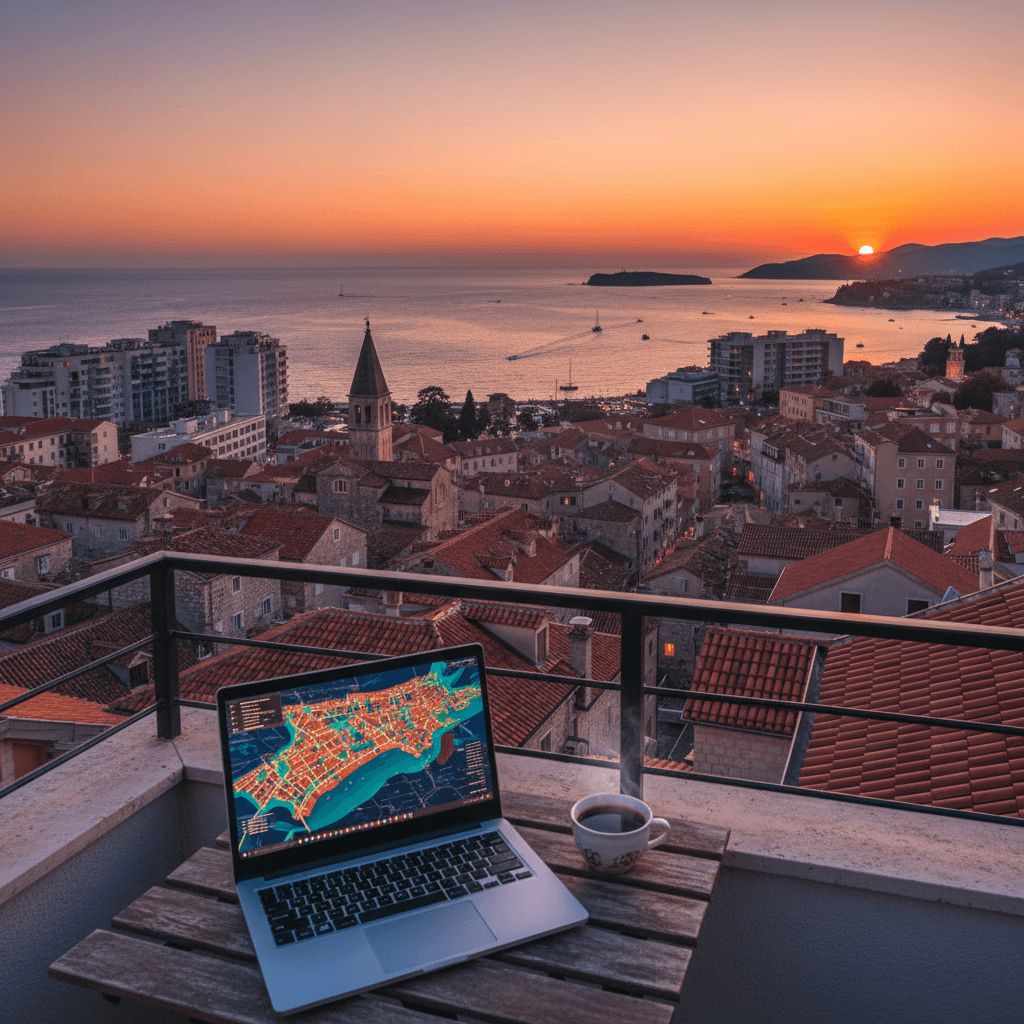
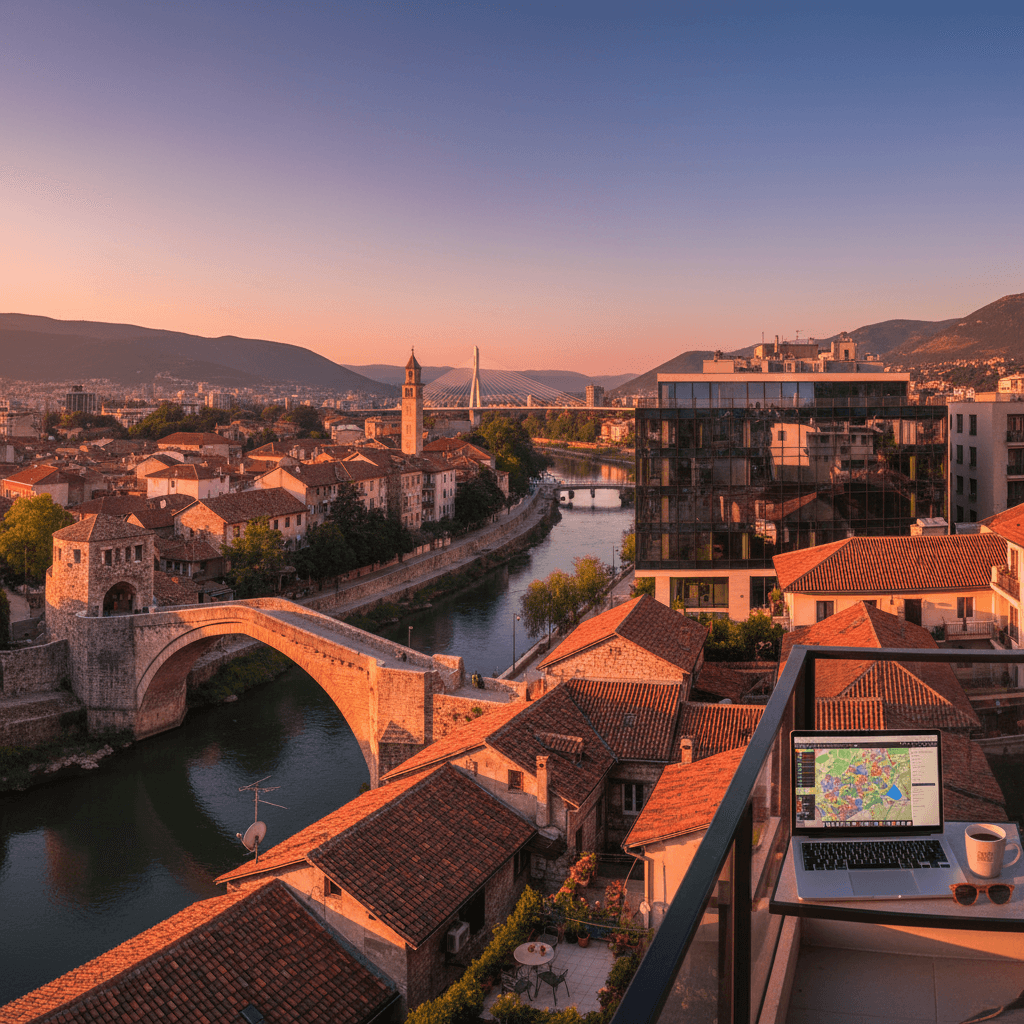
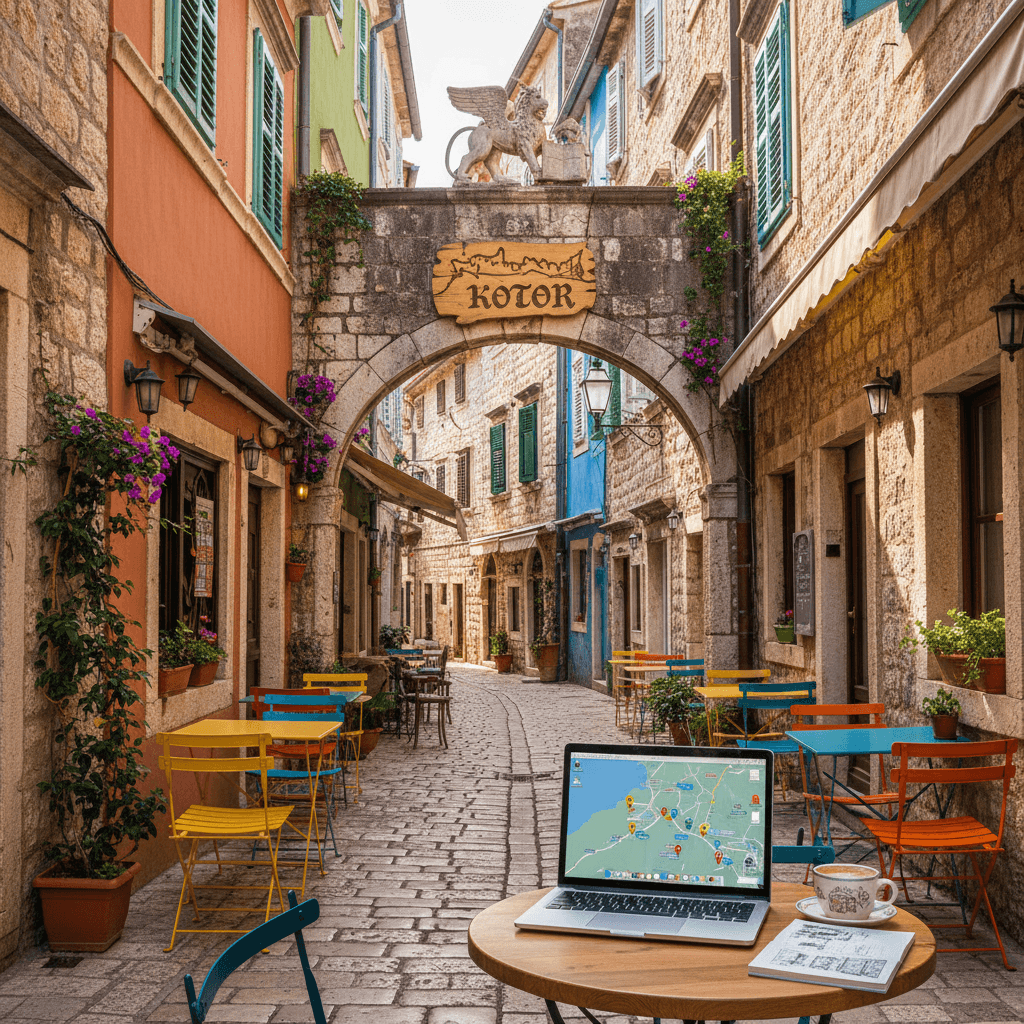
Kotor feels slow in the best and worst ways. The bay is dramatic, the Old Town is all stone alleys and church bells and the whole place has a sleepy Mediterranean rhythm that works beautifully if you like long coffees, sea air and a smaller social circle. It’s safe, scenic and oddly calming, though the summer crush can make the center feel like a postcard someone’s standing in front of, not living inside.
Nomads come here for the views and stay for the pace, though some leave after a season because the scene is small and winter in the Old Town can get soggy fast. Flooding, especially October to December, is a real headache and the cobbles turn slick, the air smells faintly of salt and damp stone and the square gets quiet in a way that can feel charming one day and lonely the next.
What it feels like: laid-back, compact, a little sleepy, with tourist noise in summer and eerie stillness in winter.
Best fit: remote workers who want bay views, decent internet and don’t need a huge community every night.
Budget reality: a comfortable month usually lands around €1,000 to €1,600 and honestly, that range makes more sense once you factor in rent, taxis and the occasional dinner out.
Where Nomads Usually End Up
- Old Town: Best for charm and walkability, but rent runs about €500 to €850, summer is packed and flooding can be miserable.
- Škaljari: More practical for longer stays, with studios and 1BRs around €300 to €500, plus easier daily life and fewer tourist crowds.
- Dobrota: Quiet, scenic and good for people who don’t mind being a short drive from the center.
- Prčanj and Muo: Cheaper and calmer, which sounds great until you need groceries or a taxi at 9 p.m.
The coworking scene, turns out, is small but workable. Kotor Coworking in Old Town and The Workspace in Škaljari are the main anchors and cafes like Cafe Teatro or Cafe Buza can carry a workday if you don’t mind the clink of cups, occasional scooter buzz and one too many curious glances at your laptop.
Social life is friendly, just limited. There are nomad meetups, a few expat events and enough regulars to recognize faces, but this isn’t the kind of place where networking falls into your lap, so if you want big-city momentum, Kotor will feel a bit slow. For some people, that’s the point.
Kotor isn’t cheap by Montenegrin standards, though it’s still lighter on the wallet than a lot of coastal Europe. A single nomad usually lands somewhere between €1,000 and €1,600 a month and that range swings fast depending on whether you want a plain room, your own apartment or Old Town bragging rights. Not cheap. Still manageable.
If you keep it lean, shared housing, home cooking and the occasional bus ride can keep you near €1,000. Mid-range life, which is what most long stays drift toward, looks more like €1,300 with a one-bedroom in Škaljari, some cafe lunches and a few taxis when your legs are done with the hills. Comfortable living starts around €1,600 and that usually means Old Town rent, coworking and not thinking too hard about every dinner bill.
Typical monthly costs
- Rent: Old Town studios and 1BRs run about €500 to €850, Škaljari sits around €300 to €500 and Prčanj can dip to €200 to €350 if you don’t mind being farther out.
- Food: Street food and BBQ plates cost €5 to €10, casual sit-down meals are usually €15 to €20 and nicer dinners jump past €30 pretty quickly, honestly.
- Transport: Budget €80 to €150 a month if you’re using taxis, buses or the odd scooter ride, because the hills get old fast.
- Coworking: Expect €100 to €200 monthly, with Kotor Coworking and The Workspace/Kreativni Hub both sitting in that range.
Škaljari is the practical pick, turns out, because it’s cheaper, close to Old Town and less annoying than paying tourist prices for a postcard view. Old Town is prettier, no question, but winter flooding, summer crowds and the constant clatter of rolling suitcases on stone can wear you down. Prčanj and Muo are quieter and cheaper, though you’ll feel that distance every time you need groceries or a late taxi.
For day-to-day spending, the city feels fair rather than bargain-bin and the bigger expenses are usually rent and getting around, not groceries. The smell of grilled meat drifting from a corner bbq joint, the screech of scooters and the sticky July humidity all remind you pretty fast that this is a seaside town with a price tag attached, just not a brutal one.
Kotor looks small on a map, then you land and realize the best area depends on how much noise, stairs and summer chaos you can stomach. Old Town is lovely, but it’s pricey and gets packed, while the quieter bayside neighborhoods give you more space for the money, honestly. Flooding in the center is a real thing in autumn, too.
Nomads
- Best pick: Old Town if you want walkability and cafe life.
- Better long-stay bet: Škaljari, which, surprisingly, gives you easier day-to-day living for less money.
- Rent: About €500 to €850 in Old Town, €300 to €500 in Škaljari.
- Why here: You can work at Kotor Coworking or Cafe Teatro, then wander out for ćevapi, a beer and those stone streets that smell like salt, coffee and hot exhaust.
Nomads usually like Old Town for a week or two, then get tired of the crowds and the tourist noise. Škaljari is hillier, so your calves will complain, but the tradeoff is saner prices, faster access to groceries and fewer selfie sticks outside your window.
Expats
- Best pick: Dobrota for bay views and a calmer routine.
- Also good: Prčanj or Muo if you want peace and don’t mind being farther out.
- Rent: Around €200 to €350 in Prčanj, €300 to €500 in Škaljari.
- Tradeoff: You’ll probably want a car, because errands without one can turn into a sweaty bus-and-taxi shuffle.
Dobrota feels easier for longer stays, with supermarkets, quieter streets and bay views that make morning coffee better than it should be. Prčanj is cheaper and prettier in a sleepy way, but it’s remote, so you’re signing up for fewer spontaneous plans and more planning ahead.
Families
- Best pick: Dobrota.
- Why it works: It’s quieter, less cramped and close enough to Kotor center without living in the crush of cruise-day foot traffic.
- Watch for: Car dependence, especially for groceries, school runs and rainy days.
Families tend to prefer Dobrota because it feels less like a postcard and more like a place you can actually live in. There’s still bay air, jasmine in the evening and that damp stone smell after rain, but you’re not fighting buskers and tour groups outside the front door.
Solo Travelers
- Best pick: Old Town for short stays.
- Safer, cheaper base: Škaljari if you’re staying longer and want more breathing room.
- Social scene: Small, friendly and a bit thin, so check Kotor Digital Nomads and Nomad Coffee if you want company.
Solo travelers usually do best in Old Town if they want easy evenings, bars like Karampana and everything within a few minutes on foot. If you’re staying longer, though, Škaljari makes more sense, because you’ll sleep better, spend less and won’t feel trapped in the summer crush when the alleys get loud and sticky.
Kotor’s internet is decent enough for remote work and honestly, that’s the story here, steady rather than thrilling. In Old Town, speeds usually land around 30 to 50 Mbps, while newer spots on the edge of town often get faster fiber, so video calls are fine if you’re not trying to upload giant files all day.
The real annoyance is consistency, not raw speed, because summer crowds clog cafes and winter weather can mess with routines, especially when rain bangs on the shutters and the humidity hangs in the air. Still, most nomads get by without drama and the backup connections in better coworking spaces usually keep things moving.
Coworking Spaces
- Kotor Nest: In Old Town, coliving and coworking space with community focus and a good fit if you want people around instead of working solo in silence.
- Kreativni Hub: In Old Town, creative workspace with meeting rooms and a terrace, which, surprisingly, makes it one of the more practical options for longer stays.
I’d pick Škaljari if you’re staying more than a few weeks, because Old Town looks gorgeous but the flood-prone streets, the tourist noise and the cramped layouts get old fast. Škaljari is a bit hilly, sure, yet it’s cheaper and easier to live in than the postcard center.
Cafes That Work
- Cafe Teatro: In Old Town, a solid all-day work spot with coffee, sockets and enough foot traffic to keep you from feeling trapped.
- Cafe Buza: In Škaljari, quieter and better for long laptop sessions, though you’ll still hear cups clinking and scooters buzzing past outside.
Mobile data is easy to sort out, too, with Telenor and Mtel SIMs usually costing €10 to €20 and tourist packages at Tivat Airport can be a very lazy solution if you want data the minute you land. A 500GB plan for around €15 sounds absurdly generous, but that’s Montenegro for you, cheap enough that you stop complaining.
If you want social energy, Kotor’s scene stays small and a little cliquey, so don’t expect a huge startup crowd or endless networking nights. There are Facebook groups like Kotor Digital Nomads and a weekly Nomad Coffee meetup, but the bigger expat chatter often drifts to nearby Tivat, where the cafés feel less sleepy and the sea breeze actually clears your head.
Best setup: work from Škaljari or Dobrota, keep a local SIM, then drop into Old Town cafes when you want stone alleys, espresso and the sound of church bells echoing off the walls. It’s a nice rhythm and it beats fighting for a table in the middle of peak-season tourist chaos.
Safety
Kotor feels safe, honestly safer than a lot of coastal stops and most nomads move around without thinking twice in daylight. Pickpockets do work the crowded lanes in Old Town, especially when cruise groups bunch up and the street smells like sunscreen, espresso and hot stone.
Keep your phone zipped away in busy spots, don’t leave a backpack dangling off a chair in cafes and avoid dark side streets late at night, especially if they’re empty and echoing with footsteps. There aren’t any real no-go zones, but isolated corners near the waterfront can feel weirdly deserted once the tour groups vanish.
Pickpocketing: The main nuisance in Old Town.
Night walking: Fine in central areas, but don’t drift into quiet, unlit lanes alone.
Overall vibe: Low violent crime, relaxed and very manageable.
Healthcare
Medical care in Kotor is basic but usable for everyday stuff and that’s the honest reality. The General Hospital Kotor handles common issues, while the Primary Health Center covers routine care, but for anything serious, you’ll likely want private treatment or a trip to Podgorica or Dubrovnik.
Pharmacies are easy to find, staff usually know what they’re doing and you can sort out headaches, minor infections and cold meds without drama. Private insurance makes sense here because public care can be slow, a little old-school and frankly not what most Western nomads expect.
For emergencies, call 112. If you need help fast, don’t overthink it, just call. The number works across the EU-style emergency system and locals will usually point you toward the right clinic if you’re standing there looking lost.
Practical Tips
- Hospital: General Hospital Kotor, +382 32 325-595.
- Primary care: Primary Health Center, +382 32 334-533.
- Pharmacies: Easy to find in town, with decent everyday stock.
- Insurance: Get private coverage, especially if you’re staying longer than a few weeks.
Travelers often say they feel secure here year-round, though winter flooding in Old Town can be a pain and the damp air makes the stone streets slick. That’s not a safety crisis, just a nuisance, still, good shoes and a bit of common sense go a long way.
If you’re working remotely, keep a copy of your insurance details and emergency contacts on your phone and save a local taxi number before you need one. Kotor’s medical system won’t wow you, but for a small Adriatic town, it gets the job done.
Kotor is easy once you learn its rhythms. Old Town is fully walkable and mostly pedestrian-only, so you’ll be dodging church bells, tour groups and the smell of espresso instead of sitting in traffic. That part’s lovely.
The annoyance comes when you need to go farther. Buses are cheap but a bit clunky, taxis are limited and Bolt can be hit-or-miss and if you’re staying outside the center, a car starts to make sense pretty fast.
Walking and local moves
- Old Town: Best on foot, everything’s close and the narrow stone lanes stay lively late into the evening.
- Škaljari: Walkable to Old Town for some people, but the hills are real, so groceries turn into a sweaty workout.
- Dobrota: Pleasant for bay walks, though you’ll usually want wheels for shops and center runs.
If you’re living in Old Town, you can skip most transport costs entirely, though winter flooding can make the cobbles slick and annoying. In Škaljari, a bike helps a lot and e-scooters from Step Up Scooters are handy for short hops when the road feels too steep for your mood.
Buses and taxis
- Blue Line buses: Around €1.5 to €3 for Tivat or Budva and tickets are easier if you check busticket4.me before heading out.
- Taxis: Usually €5 to €15 inside town, about €20 to Tivat Airport, but availability can be patchy.
- Airport transfer: From Tivat Airport, the bus is about €3, which is the cheap option if your bag isn’t a nightmare.
The bus is fine for one-off trips, especially to Budva or Tivat, but don’t expect Swiss precision, because schedules can be loose and the whole thing feels a little improvised. Taxis are the calmer option, frankly, though in peak summer you may wait longer than you’d like while heat shimmers off the bay and horns creep through the streets.
Best setup for nomads
- Short stay: Stay in Old Town and walk everywhere, it’s the easiest life.
- Longer stay: Škaljari is usually the smarter pick, cheaper rent and easier day-to-day logistics.
- Exploring the bay: Rent a car, because Perast, Muo and the farther coves are much easier that way.
For most nomads, the real answer is simple, live central if you want charm, live just uphill if you want sanity. Kotor doesn’t need complicated transport, it needs patience, a good pair of shoes and a willingness to wait for the next bus while the sea wind smells faintly of salt and exhaust.
Language & Communication
Montenegrin is the default here, with Serbian used everywhere too and in Old Town you’ll get by with English far more easily than you would inland. That said, don’t expect perfect fluency, especially in supermarkets, taxis or with landlords, where a few phrases and Google Translate, honestly, save a lot of blank stares.
Tourist-heavy streets are easy. The rest isn’t. In cafes around Stari Grad, staff usually switch to English without drama, but outside that bubble the conversation can get choppy fast, so keep your phone handy and don’t be shy about speaking slowly, pointing and repeating yourself.
Most nomads pick up a tiny survival set and stop there, which, surprisingly, works fine in daily life. Say Zdravo for hello, Govorite li engleski? for do you speak English and Ne razumijem when you’re lost, then move on, because people here usually appreciate the effort more than the grammar.
What Communication Feels Like
- In Old Town: English is common in cafes, coworking spaces and tourist shops, though accents vary and some conversations still get messy.
- In neighborhoods like Škaljari or Dobrota: Expect more Montenegrin and Serbian, plus a lot of gesturing, half-English and quick phone translations.
- With services: Taxis, apartment agents and utility offices can be blunt and impatient, so have your address written down and your app ready.
- Best backup: Download Google Translate before you arrive, because spotty phrasing beats trying to improvise while someone waits at the door.
Language in Kotor isn’t a barrier so much as a small daily friction, the kind that shows up when you’re trying to ask for laundry, find a pharmacy or explain that the water heater sounds weird. You’ll hear church bells, scooters and the clang of café cups around you, then suddenly realize the person helping you speaks little English, so a calm smile goes further than rushed phrases.
Frankly, the city’s communication style is practical, not polished. If you’re polite, direct and don’t act offended when someone answers in short bursts, you’ll do fine and the locals who work with visitors tend to be patient enough once they see you’re trying.
Useful Phrases
- Zdravo: Hello.
- Hvala: Thanks.
- Molim: Please or you’re welcome.
- Koliko košta? How much does it cost?
- Ne razumijem: I don’t understand.
My advice, skip the embarrassment and speak what you can. Even broken Montenegrin gets you better service than silence and in Kotor that small effort usually turns a cold interaction into a decent one, sometimes with a grin, a shrug and a faster answer than you expected.
Kotor looks dreamy in May and June, then again in September and early October, when the bay still feels warm, the Old Town tables are full but not slammed and you can work with the windows open instead of sweating through a sticky afternoon. July and August are a different story. Hot, crowded, loud.
Summer brings cruise crowds, packed cafes and that constant mix of scooter buzz, church bells and dish clatter from the restaurants. The sun bakes the stone streets, so walking around Old Town at midday can feel like standing next to an oven and honestly, most nomads end up hiding out until evening. If you like long swims and late dinners, fine, but for day to day living it gets tiring fast.
Best Times to Be Here
- May to June: Warm weather, decent prices, fewer tour groups and good conditions for bay walks, boat trips and laptop days in Cafe Teatro or Kotor Coworking.
- September to October: Still mild, sea stays swimmable and the town feels calmer, though October can turn wet quickly and the first storms start rolling in.
- November to March: Cheaper and quiet, but rain gets serious, bora winds can whip through the bay and Old Town flooding can make some streets miserable.
- July to August: Best for beach people, worst for anyone who wants focus, sleep or a cheap apartment.
Winter here has a mood. Rain taps on tin roofs, wind hisses around the bay and Old Town can get damp enough that stone floors feel cold all day, which, surprisingly, bothers people more than the temperature itself. Flooding in the lower parts of Old Town is the real nuisance, not dramatic, just annoying enough to make errands and groceries a pain.
What to Expect Month to Month
- January to March: Mild on paper, around 12 to 16°C, but grey skies and rain make it feel heavier than the numbers suggest.
- April to June: The sweet spot. By late spring you get blue water, open terraces and comfortable evenings without AC blasting all night.
- July to August: Highs hit the upper 20s and humidity clings to you, so even short errands can feel sweaty and slow.
- September to October: My pick for a longer stay, because you still get warmth, but the crowds thin out and prices ease a bit.
If you’re coming to work remotely, aim for shoulder season and book something in Škaljari or Dobrota if you can, because Old Town is charming for a week and a little much after that. The quieter months also make it easier to find a seat, hear yourself think and not hear every rolling suitcase on the cobbles.
Kotor’s practical side is a mixed bag. The bay views are absurdly good, the Old Town is easy to love and then winter rain hits the stone streets, water creeps up the lanes and you realize why locals talk about flooding with such tired faces.
Budget: a comfortable month usually lands between €1,000 and €1,600. Shared housing and home cooking can keep you near €1,000, while an Old Town apartment, coworking and more taxis push you past €1,600, honestly pretty fast once you start eating seafood and taking cabs after dark.
Where to stay
- Old Town: Best for short stays, cafe work and being in the middle of everything, but it’s pricier, crowded in summer and flood-prone from October to December.
- Škaljari: Better for longer stays, cheaper rents and decent views, though you’ll climb hills and probably want a car for groceries.
- Dobrota: Quiet, scenic and good for families, but you’ll feel the distance from the center unless you’re happy driving.
- Prčanj and Muo: Cheapest and calmest, weirdly lovely at sunset, but they’re remote enough that daily life can feel a bit disconnected.
If you’re staying more than a few weeks, most nomads pick Škaljari because it’s practical, not postcard-perfect. Old Town looks magical at 7 p.m., with church bells, clinking glasses and the smell of grilled meat drifting out of narrow lanes, but day-to-day life there can get annoying fast.
Money, internet and getting around
- SIM cards: Grab Telenor or Mtel at Tivat Airport for about €15 and 500GB, which is a ridiculous amount of data for the price.
- Internet: Expect 30 to 50 Mbps in many apartments, with better speeds in newer builds and business-grade backups in coworking spaces like Kotor Coworking and The Workspace in Škaljari.
- Transport: Blue Line buses are cheap at about €1.50 to €3, Bolt taxis usually run €5 to €15 and a car helps if you want to explore the bay without waiting around.
- Banking: Use Wise or Revolut to dodge fees, ATMs are everywhere and local banking through Crnogorska Komercijalna Banka is straightforward enough.
For errands, Facebook groups and local property sites are still where plenty of rentals surface, so don’t rely on glossy listings alone. Day trips are easy and worth it, Perast boats cost about €5, Lovćen hikes are a proper leg workout and Budva beaches are a cheap bus ride away when you need salt, noise and a change of scene.
People tip around 10 percent, greet with “Zdravo” and usually get by with English in touristy areas, though Google Translate will save you from awkward pharmacy or landlord conversations. Kotor feels safe, but keep an eye on your wallet in packed streets, because pickpockets love distracted visitors just as much as the gulls do.
Frequently asked questions
How much does it cost to live in Kotor as a digital nomad?
Which neighborhood is best for digital nomads in Kotor?
How fast is the internet in Kotor?
Are there coworking spaces in Kotor?
Is Kotor safe for solo travelers and remote workers?
Does Kotor flood during the year?
What healthcare options are available in Kotor?
Need visa and immigration info for Montenegro?
🇲🇪 View Montenegro Country GuideHidden Gem
Worth the effort