Killarney
🇮🇪 Ireland
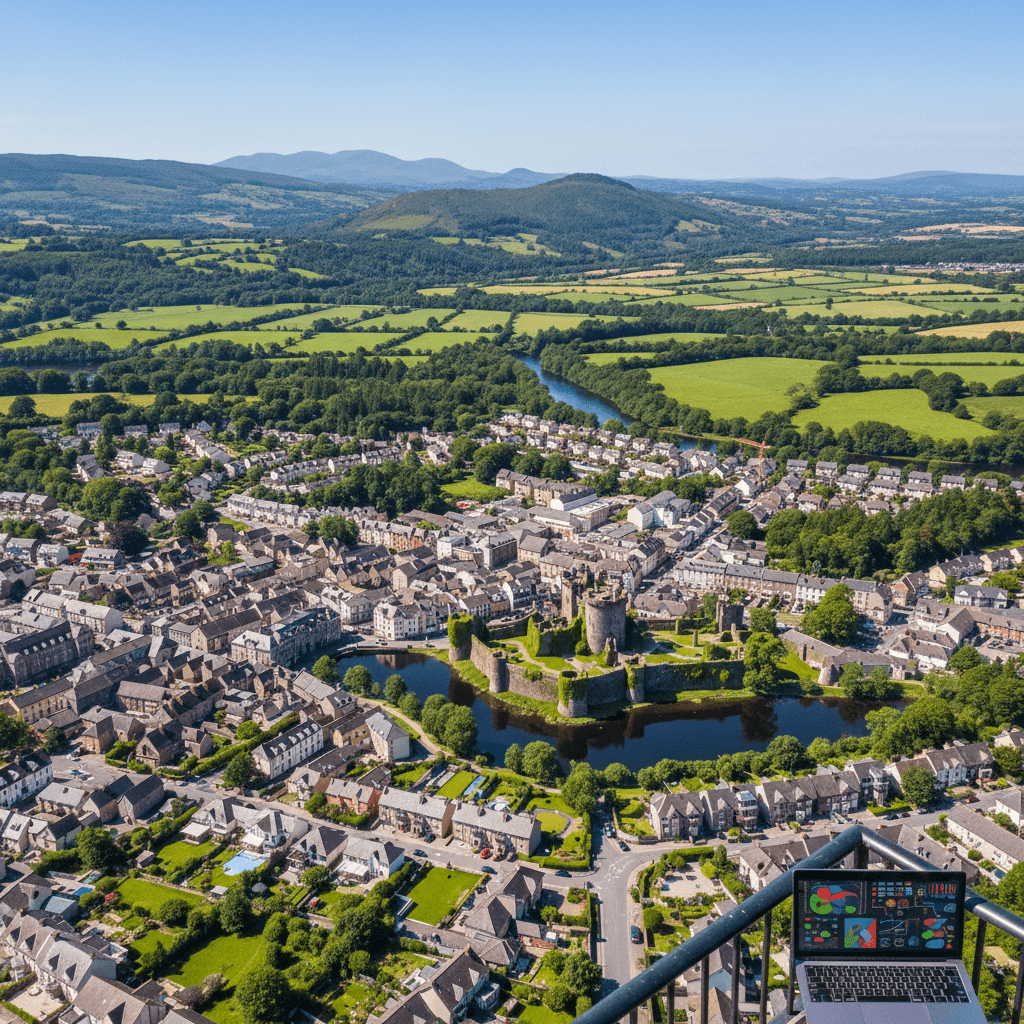
Killarney feels like a town that still belongs to itself. The pace is slow, the greetings are warm and the soundtrack is usually pub chatter, fiddles and rain tapping on windows, not traffic. For digital nomads and expats, that’s either the appeal or the drawback.
The big draw is the setting. Killarney National Park is right there, with lakes, mountains and walking trails close enough to become part of your routine, so lunch breaks can mean damp grass, pine scent and a quick reset by the water. It’s also the natural launch point for the Ring of Kerry, which makes weekends easy to fill if you like being outside more than being in a mall or a coworking district.
That said, Killarney isn’t trying to be a mini Dublin. The town center has the basics, plus pubs, cafes and a few work-friendly spots, but the choice is limited if you want big-city variety, late-night food or a dense startup scene. The rain shows up a lot, winter can feel raw and there’s a slightly isolating edge if you’re used to constant movement and lots of new faces.
Most nomads settle into one of three areas:
Town center, around High Street and Bishop’s Lane
- Best for: Solo travelers and nomads who want everything on foot
- Feel: Lively, especially in the evenings, with pub music drifting into the street
- Trade-off: Higher rents and more tourist noise
Aghadoe
- Best for: Expats and anyone who wants more space
- Feel: Quieter, greener and more residential
- Trade-off: You’ll probably need a car or very good patience
Beaufort
- Best for: Families and people who’d rather have trails than nightlife
- Feel: Rural, calm and a bit removed
- Trade-off: Less convenient for day-to-day errands
Costs sit in the middle rather than the cheap end. A one-bedroom in town can run about €1,100 to €1,200 a month, while places outside the center are lower and The Box CoWork charges around €30 for a day pass if you need a proper desk and fast internet. Killarney works best if you’re okay trading convenience for air, space and a slower rhythm. If you want that constant city buzz, you’ll get restless fast.
Killarney isn’t cheap for a small town, but it’s still a manageable base if you’re coming in with a mid-range budget. A solo nomad can keep monthly costs around €1,800 if they share housing and eat simply, while a more comfortable setup with a one-bedroom place and regular restaurant meals runs closer to €2,500. If you want a center apartment and nicer dinners, expect €3,500 or more.
Rent is the big swing factor. In town, a one-bedroom studio or apartment around High Street can run about €1,100 to €1,200 a month, while places outside the center, like Aghadoe, may drop to around €800. Short-term rentals are another story and weekly rates for a one-bedroom in town can land around €400, which adds up fast if you stay longer than a few weeks.
What you’ll pay day to day
- Cheap meal: €13 to €20, with fast food combos like McDonald’s around €9 to €10.
- Mid-range dinner for one: €50 to €60, for example at places like Foley’s Townhouse.
- Upscale meal for two: €80 or more.
- Gas: About €1.78 per liter.
- Taxi: Base fare starts around €3.
- Coworking: The Box CoWork day pass is €30.
Food is easy to budget if you stick to pubs, takeaway spots and supermarket runs. The town’s restaurant scene leans casual, so you’ll smell fry oil, wood smoke and the damp air coming off the lakes more often than fancy espresso. That said, a few nicer dinners can blow through a week’s budget quickly.
Monthly budget snapshots
- Budget: Around €1,800, usually shared housing and cheap eats.
- Mid-range: Around €2,500, with an outside-the-center rental and mixed dining.
- Comfortable: €3,500 or more, for a central apartment and more frequent splurges.
For a small town, Killarney gives you decent value if you don’t need big-city perks every day. You’ll save money on the slower pace and the short walks between cafes, pubs and errands, but you may spend more on rent than you’d expect in a place this size. Scarce coworking options and the pull of tourist-season pricing can make it feel pricier than it should.
Daft.ie and Airbnb are the main places to watch for housing. Expats often say the town center is worth the premium if you want to live without a car, while people who don’t mind a quiet commute usually get better value on the edge of town.
Killarney is small enough that you can cross town without much drama, but the feel changes fast from one pocket to the next. The town center suits people who want cafés, pubs and easy access to Killarney National Park, while the outskirts give you more breathing room and less noise. It’s not a place for people who need a big-city buzz every night.
For nomads and solo travelers
The town center around High Street and Bishop’s Lane is the obvious pick. You’ll be able to walk to pubs, coffee spots and The Box CoWork and you won’t need a car for most daily errands.
- Rent: about €1,100 to €1,200 ($1,190 to $1,300) for a 1BR in the center
- Best for: people who want to work in cafés, meet locals and stay near nightlife
- Downside: it gets noisy fast, especially when the tour groups roll through and the rain hits the windows
This is the best base if you like being in the middle of things. The tradeoff is simple, more foot traffic, more pub noise and higher rents.
For expats
Aghadoe works well if you want a quieter setup and don’t mind being a short drive from town. It’s greener, more spread out and feels less like a tourist funnel, which a lot of newcomers prefer after a few weeks in the center.
- Rent: about €800 ($865) outside the center, with some homes listed around €400 a week for short stays
- Best for: people who want calm evenings, views and a bit more space
- Downside: you’ll need transport more often and the social scene is thinner
Beaufort, about 10 km west, is another solid option if you’re settling longer term. It’s handy for trails and family life, but it’s too far out if you want to drift into town for dinner without planning ahead.
For families
Aghadoe and Beaufort are the safer bets for families because they’re quieter and less cramped than the center. You’ll get more room, easier parking and a slower pace that suits school runs and weekend walks.
- Best for: families who want space, scenery and a low-stress routine
- Good fit: homes with gardens and easy access to outdoor trails
- Watch out for: limited amenities, so you’ll probably do more driving than you expect
If you’re staying short term, the town center still makes sense. If you’re planning a longer move, the outskirts feel less hectic and a lot less touristy, even if the internet in Killarney can be a bit patchy outside the core.
Killarney’s internet is good enough for remote work, but don’t expect big-city convenience. Most places in town run on broadband around 60 Mbps or better, which is fine for video calls, cloud docs and normal work, though heavy uploads can still drag when the network gets busy on rainy afternoons.
The Box CoWork on Pawn Office Lane is the main dedicated option and the one most nomads end up talking about. Day passes are about €30 and the setup is straightforward, with high-speed access, dedicated desks for longer stays and a cafe feel that’s useful if you want a screen between you and the chatter from the street.
Where to work
- The Box CoWork: Best all-in-one choice in town, especially if you need reliable internet and a proper desk.
- Main Street cafes: Handy for lighter work, emails and a few hours on a laptop, but don’t hog a table at lunch.
- Town center stays: Good if you’re near High Street or Bishop’s Lane and want to pop back for calls or a quick charge.
Cafes can work surprisingly well here, especially if you’re fine with a bit of clatter, espresso steam and the occasional burst of trad music drifting in from the next room. You’ll also get the usual small-town tradeoff, friendly staff and an easygoing pace, then the odd dead zone or weak spot when you’re trying to upload something large.
Internet basics
- Broadband: Around 60 Mbps and up is common in town.
- Mobile plans: Roughly €19 for 10GB+ is a typical starting point.
- eSIMs: Many nomads use Holafly for short stays and backup data.
- Best setup: A local SIM plus cafe WiFi gives you the least grief.
That backup matters. Weather can knock your rhythm around and Killarney gets plenty of damp days, so having mobile data on hand saves you from sitting in a café staring at a frozen screen while rain taps the windows and people shuffle in with wet jackets and the smell of takeaway chips.
If you’re staying a month or more, the town center is the smartest base. You’ll be close to The Box CoWork, pubs, grocery shops and the places where people actually meet, which matters in a town this size. Skip the dream of effortless city-style coworking, though. Killarney is workable, not spoiled.
Killarney feels safe in a way that’s hard to fake. The town center is busy with tourists, buses and pub crowds, but petty theft is still uncommon and most people are quick to help if you look lost or flustered in the rain. Gardaí are visible, especially around the center and transport links and there aren’t any neighborhoods locals tend to flag as no-go areas.
That said, it’s still a small town, not a big-city bubble. After dark, the streets can go quiet fast, especially once the live music dies down and the damp air settles in. If you’re walking home from High Street or a pub near the center, it feels more like a sleepy village than an urban core, which is reassuring for many travelers but a bit isolating if you’re used to constant street life.
Healthcare basics
For day-to-day care, Killarney is straightforward. O'Sullivan's Pharmacy on New Street handles prescriptions, over-the-counter meds and quick advice, which is handy when you’ve got a stubborn cold or you’ve soaked through in one of Kerry’s endless showers. For anything serious, University Hospital Kerry is the main emergency option and it’s the place people head when private clinics or local GPs can’t deal with the problem.
The hospital has had system improvements flagged by HIQA, but don’t expect slick, big-city speed. Waiting times can be frustrating, especially for non-urgent issues, so if you’re staying for a while, line up a local GP and keep your travel insurance details somewhere easy to find.
- Emergency number: 999 or 112
- Pharmacy: O'Sullivan's Pharmacy, New Street
- Main hospital: University Hospital Kerry
- Best move: Save your insurance and passport details in your phone before you need them
For most nomads and expats, the bigger issue isn’t danger, it’s convenience. If you’re coming from a city with 24-hour clinics and late-night chemists, Killarney can feel a bit thin after 6 p.m. Still, for a place with drizzle on the windows, church bells in the distance and the smell of wet pavement drifting off the street, it’s a very manageable base. Just keep your expectations practical and your first-aid kit stocked.
Killarney is easy to cover on foot if you’re staying near the center. High Street, New Street and the lanes around Bishop’s Lane put you within a short walk of cafes, pubs, shops and the edge of the town’s tourist action, so most day-to-day errands don’t need a car.
The catch is that Killarney is small. Once you leave town for Aghadoe, Beaufort or the park roads, walking stops being practical and the rain can make even a short trip feel longer than it looks on a map. Wet pavements, low cloud and the smell of damp grass are part of the deal.
Walking and cycling
- Best for: Town center stays and quick errands.
- What it’s like: Flat enough in the center, with easy access to pubs, cafes and the park entrance, though tourist traffic can clog the sidewalks in summer.
- Bike rentals: Good for greenways and park rides, especially if you want to get out toward the lakes without relying on buses.
Cycling works well if you’re comfortable sharing narrow roads with cars and tour buses. The air gets sharp fast once you’re out of town and a good rain jacket matters more than fancy gear.
Buses, taxis and airport runs
- Bus Éireann and Local Link: Useful for regional hops and airport connections, but schedules aren’t built for spontaneity.
- Kerry Airport: Bus connections usually take about 20 to 45 minutes and cost around €10 to €15 ($11 to $16).
- Taxis: Handy after dinner or late music sessions, with fares starting around €3.
- No Uber: You’ll need local cabs or prebooked transfers.
That lack of ride-hailing is annoying if you’re used to tapping a button and forgetting about it. In practice, locals lean on taxis, hotel transfers and bus services and that usually gets the job done if you plan ahead.
Driving and day trips
- Best for: Ring of Kerry drives, trailheads and errands outside town.
- Road reality: Good for flexibility, but parking in the center can be tight and summer traffic slows everything down.
- Fuel: Gas runs about €1.78 per liter ($1.93).
If you’re staying for more than a week or two, having a car makes life easier once you start exploring beyond town. For short stays, though, the center is manageable without one and that’s part of Killarney’s appeal, you can hear the horse-and-carriage clips, pub music drifting onto the street and still get home on foot.
English does the heavy lifting in Killarney. You’ll get by fine in shops, pubs and taxis without Irish and most people switch straight into easy, chatty English as soon as they hear your accent. The pace is unhurried, though, so don’t expect rushed service or clipped small talk. People here linger. You’ll hear doors slam, glasses clink and the steady patter of rain on pavements more often than city noise.
Gaeilge or Irish, still matters culturally, especially if you head toward Gaeltacht areas outside town. In Killarney itself, it’s more of a marker of identity than a day-to-day requirement. You’ll still catch the odd sign, a school notice or a local phrase in conversation and that’s enough to remind you you’re not in a generic tourist town.
The local English has its own rhythm and a few words are worth learning because they’ll save you from sounding stiff or clueless.
- "What's the craic?" means what’s going on or what’s the fun?
- "Grand" usually means fine, okay or no problem.
- "Fair play" is praise, like well done.
- "Ye" is the plural you and it shows up constantly.
Most expats pick up the local phrasing quickly. Don’t overthink it. If someone says “grand” after you ask a question, they’re not being vague, they’re telling you everything’s sorted. If a bartender asks for “the craic,” they’re usually making conversation, not testing you.
Digital communication is straightforward. The internet is decent enough for remote work in town and you’ll get by with WhatsApp, email and Google Translate if you’re still finding your feet. In practice, though, the bigger adjustment is tone. Killarney communication is warm but indirect, so people may soften a no, circle around a problem or answer with a joke before giving you the real point.
If you need anything official, keep your messages short and polite. A friendly email often works better than a blunt one. For day-to-day life, locals are helpful, but they’re not big on performative efficiency. You’ll usually get what you need, just not always in the order or on the timeline you expected.
For newcomers, the best communication tip is simple: listen first, speak plainly and don’t be afraid to ask someone to repeat themselves. The accent isn’t heavy in town, but it can still catch you out after a long day or a few pints.
Killarney’s weather is mild, damp and honestly a little stubborn. Summers are cool by most standards, winters stay wet rather than brutal and rain can roll in fast enough to turn a bright morning into a grey, dripping afternoon. The upside is that you’re rarely dealing with extreme heat or deep freeze, so you can still get out to Killarney National Park, even if you’ve got to wear a shell and accept soggy boots.
The best stretch is usually May through August. Days feel longer, the lakes look sharp in better light and rainfall drops enough that you’re not fighting the weather every other outing. July is the warmest month, with average highs around 19 C, while January sits near 8 C and can feel colder because of the wind and constant moisture.
Rain is the real factor here. October through January is the wettest stretch, with roughly 22 to 23 rainy days a month and 140 to 166 mm of rain. You’ll hear it on tin roofs, see it bead on pub windows and feel it in the damp that creeps into jackets, shoes and old stone buildings. If you hate grey skies, skip that window.
Best time to plan around your priorities
- For hiking and day trips: May, June and September are the sweet spot. You get decent weather without peak summer crowds.
- For lake time and easier outdoor socializing: July and August are your best bet, though it can still turn showery without warning.
- For lower prices and fewer tourists: late autumn and winter can work, but the weather gets raw and daylight feels short.
- For a long stay: any season is workable if you don’t mind rain gear and a flexible schedule.
If you’re a digital nomad or expat, Killarney rewards people who don’t need perfect weather to be happy. A wet week here can still be a good week if you’ve got decent internet, a warm cafe on Main Street and a plan for a dry spell between showers. If you want sun-baked sidewalks and constant city energy, this won’t be your place.
The practical move is simple, pack layers, a proper waterproof jacket and shoes you don’t mind getting filthy. Book flexible stays if you can, because a clear forecast in Kerry can change by lunchtime.
Killarney is easy enough to settle into, but it’s not the place to arrive unprepared. The town runs on small-town rhythms, so things like banking, SIM cards and apartment hunting are more old-school than in Dublin. Rain shows up often, pub chatter carries late into the evening and the air can feel damp and cool even in summer.
SIMs and internet: Local mobile plans start around €19 for 10GB or more and most nomads end up pairing a local SIM with an eSIM for backup. WiFi is generally solid for a smaller town, with broadband around 60Mbps and plenty for calls, email and normal remote work. The Box CoWork on Pawn Office Lane is the cleanest paid option if you need steady speed and fewer interruptions.
- Banking: Revolut and N26 are handy for day-to-day spending and ATMs are easy to find around town.
- Housing: Check Daft.ie, Rent.ie and Airbnb. Town-center places near High Street are pricier, while Aghadoe is quieter and usually cheaper.
- Getting around: The center is walkable, but for Kerry Airport or farther-flung trips, Local Link and Bus Éireann are the main options. Taxis start around €3 and there’s no Uber.
Apartment hunting can be frustrating if you wait too long. Short-term one-bed listings in town sometimes sit around €400 a week, while a central one-bed can run €1,100 to €1,200 a month and outskirts places drop closer to €800. If you want quiet, Aghadoe makes sense. If you want to live near the pubs, buses and the afternoon stream of visitors, stay near High Street or Bishop’s Lane and accept the noise.
Day-to-day life is built around pubs, the weather and a fair bit of friendly repetition. Buy the next round when you’re out with locals, say “grand” when asked how you are and don’t overthink the small stuff. A weather app helps, but so does a proper rain jacket, because the drizzle can hit like a thin cold mist that settles on your sleeves and never quite leaves.
- Food: Budget roughly €13 to €20 for a simple meal, €50 to €60 per person for mid-range dinner and more than €80 for two if you go upscale.
- Healthcare: University Hospital Kerry handles emergencies and O'Sullivan's Pharmacy on New Street covers everyday basics.
- Day trips: Keep the Ring of Kerry and Killarney National Park on your list. They’re the main reason a lot of people end up staying longer than planned.
Tip 10% in restaurants if service is good. It’s not mandatory everywhere, but it’s appreciated. For social life, don’t expect a big nomad scene to fall into your lap, join local events, use Meetup and talk to people in pubs, because that’s still how Killarney works.
Frequently asked questions
How much does a one-bedroom apartment cost in Killarney town center?
Is Killarney good for digital nomads who work online?
How much does coworking cost in Killarney?
What is the average monthly cost of living in Killarney for a solo nomad?
Which neighborhood is best for living without a car in Killarney?
Is Killarney safe for expats and remote workers?
Where do people go for healthcare in Killarney?
Need visa and immigration info for Ireland?
🇮🇪 View Ireland Country GuideEasy Landing
Settle in, no stress