Jeddah
🇸🇦 Saudi Arabia
The Gateway to the Red Sea
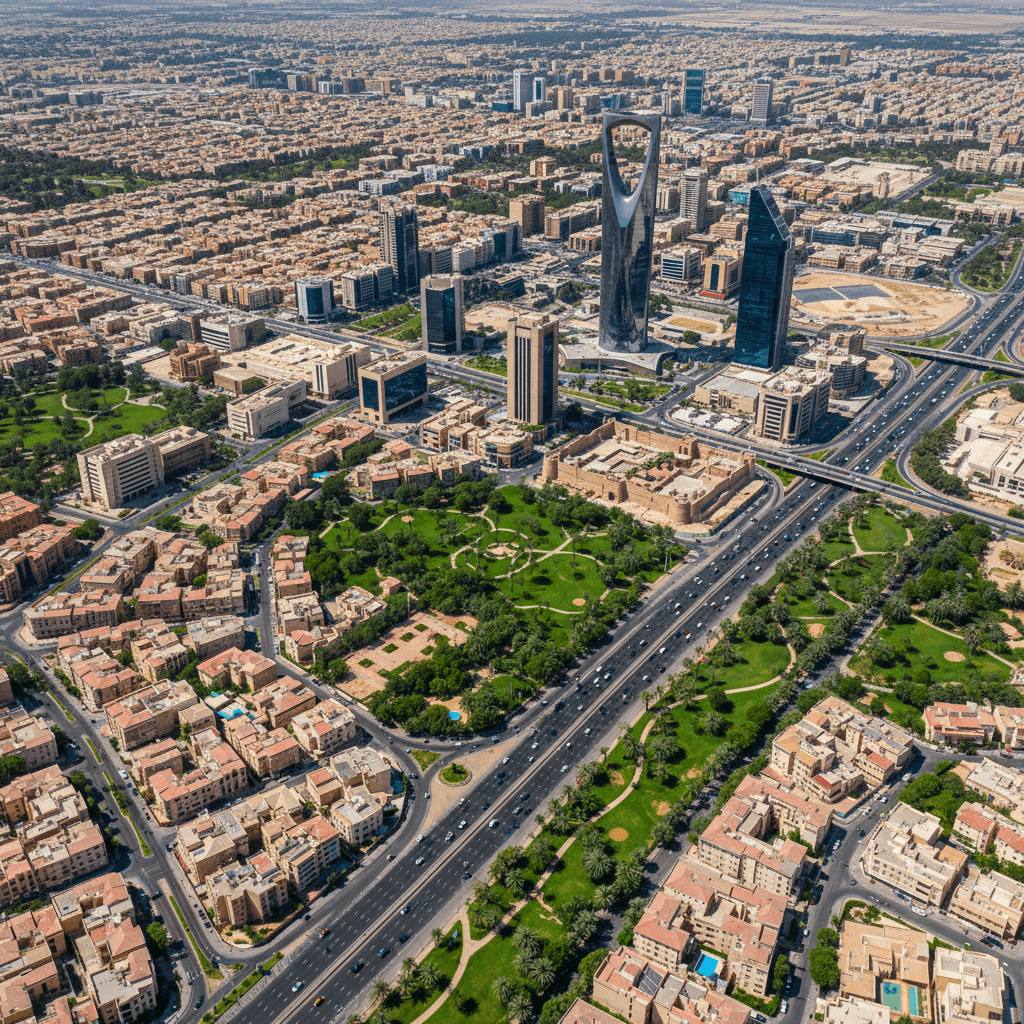
Jeddah is the rebellious, salty, and soulful cousin to Riyadh's polished corporate image. It’s a city where the scent of Oud mingles with the humid sea breeze, and where the call to prayer echoes over high end shopping malls and 3,000 year old coral stone houses. For digital nomads, it’s easily the most approachable entry point into Saudi Arabia. You’ll find a cosmopolitan energy here that’s been brewing for centuries, thanks to its history as the primary port for pilgrims heading to Makkah.
The vibe is distinctly coastal and surprisingly relaxed. While the rest of the country can feel buttoned up, Jeddah has a "Jeddah Ghair" (Jeddah is different) mentality. You’ll see it in the late night cafe culture, the diverse faces of an expat community that’s been here for generations, and the way the city truly comes alive after the sun sets. It’s a place where you can spend your morning on a Zoom call and your afternoon snorkeling in the crystal clear waters of the Red Sea.
Life on the Ground
Living here isn't exactly a budget backpacker’s dream. You should plan for a monthly burn rate of around $2,313. While that might feel steep compared to Southeast Asia, the infrastructure is rapidly catching up to the price tag. The newly launched 2025 digital nomad visa has made the legalities much smoother, offering 1 to 2 years of residency for remote workers looking to plant roots in the Middle East.
The biggest hurdle for most is the climate and the social rhythm. From July to September, the humidity is oppressive, with temperatures hitting 42°C (108°F). Most nomads retreat to air conditioned malls or compounds during these months. You also have to navigate the lack of traditional nightlife. There’s no alcohol and no clubs; instead, the social scene revolves around high end mocktails, shisha lounges, and a food scene that is genuinely world class. If you can trade a beer for a premium Arabic coffee and a $5 plate of Al Baik chicken, you’ll fit right in.
Where to Set Up Your Desk
Your experience in Jeddah depends heavily on which neighborhood you call home. Most expats and nomads gravitate toward the northern and coastal strips where the lifestyle feels more familiar.
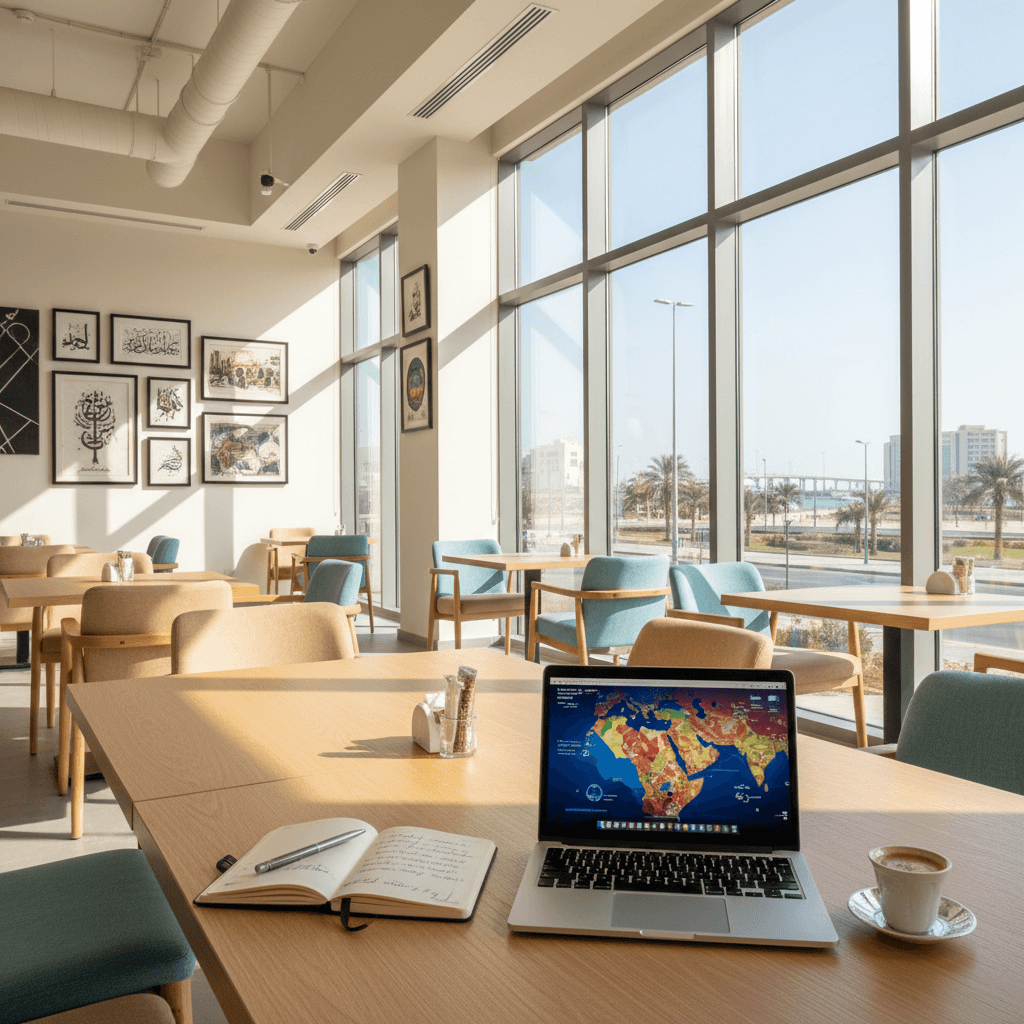
- Al-Hamra & Al-Salamah: This is the sweet spot for most remote workers. It’s walkable by Saudi standards, packed with cafes, and offers great sea views. Expect to pay between $800 and $1,200 for a decent studio.
- Tahlia Street: If you want to be in the thick of the action, this is it. It’s the city's fashion and dining heart. You’ll find spots like The Cheesecake Factory and high end boutiques. Rents for upscale apartments here range from $1,500 to $2,500.
- Al-Rawdah: A favorite for those staying longer term. It’s quieter and full of green spaces and gated compounds. Compounds are highly recommended because they offer private gyms, pools, and a more relaxed dress code for about $1,200 to $2,000 a month.
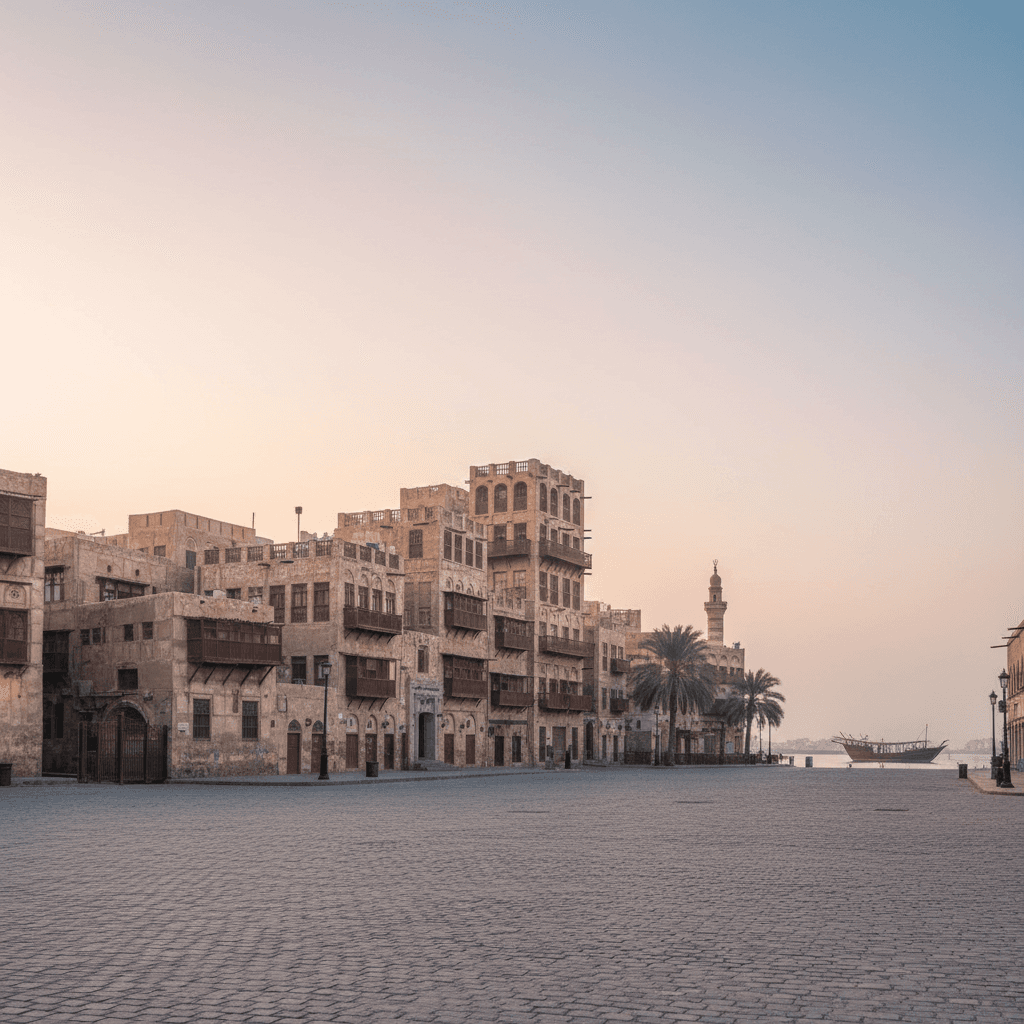
- Al-Balad: The historic soul of the city. It’s incredible for a weekend wander through the souks, but the 7th century architecture doesn't always play nice with modern WiFi needs. It’s better for a visit than a long term stay.
Connectivity and Coffee
Internet speeds can be a bit of a mixed bag. Basic hotel WiFi might hover around 9 Mbps, which is frustrating for video calls. However, most modern apartments and coworking spaces offer fiber connections reaching 100+ Mbps. For mobile data, grab an STC or Mobily SIM at the airport. You can get 20GB for about $10 to $20, and 5G coverage across the city is generally excellent.
When you need a professional environment, head to RUH1 or WeWork Jeddah. Monthly memberships usually run between $150 and $350. If you prefer the cafe route, the local scene is booming. Just keep in mind that many places don't open until late morning and stay busy until well past midnight. Most nomads use apps like Careem or Jeeny to get around, as the city isn't built for pedestrians and the metro is still a few years away. A typical ride across town will set you back $5 to $10.
The Reality Check
Jeddah is safe, welcoming, and undergoing a massive transformation. While you need to respect local customs, like dressing modestly and being mindful during Ramadan, the "rules" are softening. Women aren't required to wear abayas anymore, and English is widely spoken by at least 70% of the people you’ll interact with. It’s a city for the curious nomad who wants to see a country in the middle of a historical pivot while enjoying some of the best diving and sunsets in the world.
The Monthly Breakdown
Living in Jeddah isn't exactly a budget backpacker experience. Since the 2025 reforms, prices have crept up, but the quality of infrastructure has followed suit. Most digital nomads find they need between $2,313 and $3,000 per month to maintain a comfortable mid-range lifestyle. If you're sticking to a strict budget, you can scrape by on $1,500 to $2,000, but you'll likely be sacrificing the convenience of central neighborhoods or the social perks of compound living.
Rent is your biggest hurdle. In popular nomad hubs like Al-Hamra or Al-Salamah, a decent studio or one-bedroom apartment usually lands between $800 and $1,200. If you want to be in the heart of the action near Tahlia Street, expect to pay $1,500 to $2,500 for high-end digs. Expats often recommend looking into compounds in Al-Rawdah or Al-Muhammadiyah; while they cost $1,200 to $2,000, they often include gyms and pools, which are lifesavers during the humid summer months.
Eating and Socializing
Your food budget can go one of two ways. You can eat like a local for surprisingly cheap. Street food staples like shawarma or kabsa cost between $3 and $5. Mid-range spots like Al Baik, which is a local legend for fried chicken, or various grill houses will set you back $10 to $15 per meal.
- Upscale Dining: If you're heading to places like The Globe or Mamas & Papas, expect to drop $30 to $50 per person.
- Groceries: Shopping at local markets or supermarkets is affordable, though imported Western brands carry a premium.
- Social Scene: Since there's no alcohol, social spending goes toward shisha lounges, high-end cafes, and late-night mall trips. It's a different kind of nightlife, but it can still be pricey if you're frequently dining out in Tahlia Street.
Connectivity and Workspaces
Working from cafes is a growing trend, but for serious productivity, you'll want a dedicated desk. Coworking spaces like the Jeddah branch of RUH1 or local hubs generally cost between $150 and $350 per month. If you just need a spot for a day, expect to pay $20 to $30 for a day pass.
Internet speeds at home can be hit or miss. Standard WiFi often hovers around 9 Mbps, which is frustrating for video calls. Most nomads upgrade to fiber packages to hit 100+ Mbps. For mobile data, grab an STC or Mobily SIM at the airport. You can get 20GB for about $10 to $20, and the 5G coverage across the city is actually quite impressive.
Getting Around
Jeddah isn't a walkable city, especially when the mercury hits 40°C (104°F). There's no metro system yet, so you'll live on ride-hailing apps. Careem and Jeeny are the go-to choices here. A typical trip across town costs $5 to $10, while an airport transfer usually runs between $20 and $30.
If you're staying in a compound or one of the newer coastal developments, you might find Lime or WeRide scooters for about $5 an hour. Most expats find that budgeting $50 to $100 a month for transport is plenty if they aren't commuting daily.
Neighborhood Comparison
Al-Hamra / Al-Salamah
- Best for: Nomads who want a coastal vibe and walkable cafes.
- Rent: $1,000+ for a studio.
- Pros: Modern, expat-heavy, and great sea views.
- Cons: Can be noisy and relatively expensive.
Tahlia Street
- Best for: Social butterflies and fans of high-end dining.
- Rent: $1,500 to $2,500.
- Pros: Trendy shops like The Cheesecake Factory and a vibrant atmosphere.
- Cons: Heavy traffic and constant tourist crowds.
Al-Balad
- Best for: History buffs and short-term stays.
- Rent: Varies, but generally cheaper for short stays.
- Pros: Incredible architecture and cheap souk food.
- Cons: Lacks modern office amenities and can feel cramped.
For Digital Nomads: Al Hamra and Al Salamah
If you want to be where the action is, Al Hamra and Al Salamah are the top picks for the remote work crowd. These areas sit right along the coast, giving you easy access to the Corniche for sunset walks after a day of staring at screens. It is the most walkable part of a city that otherwise relies heavily on cars.
Most nomads find the vibe here more relaxed and international. You will find plenty of modern apartments and a high concentration of specialty coffee shops like Sculpture or Brew92 where you can get some light work done. For serious deep work, Huna Jeddah (located at Kings Row Tower) is a leading coworking space, with memberships typically ranging from $150 to $350 per month.
- Average Rent: $800 to $1,200 for a studio or one bedroom.
- Internet: Fiber is common here, reaching speeds of 100+ Mbps, though standard hotel WiFi can be sluggish at 9 Mbps.
- Best Perk: Proximity to the sea and the highest concentration of English speaking expats.
For Solo Travelers: Tahlia Street
Tahlia Street is the pulse of modern Jeddah. If you are traveling alone and want to avoid feeling isolated, this is your spot. It is packed with high end boutiques and international dining like The Cheesecake Factory and P.F. Changs. While there is no alcohol, the nightlife here is surprisingly energetic, with shisha lounges and cafes staying open well past midnight.
The downside is the traffic, which can be a nightmare during peak evening hours. However, you will never run out of things to see or eat. Solo travelers often say it is the easiest place to meet people, especially if you join local Facebook groups like Jeddah Expats to find weekend meetups.
- Average Rent: $1,500 to $2,500 for upscale apartments.
- Dining: Mid range meals at local grills cost about $15, while upscale fusion spots like Firefly can run $50+.
- Transport: Use Careem or Jeeny to get around; a typical trip costs $5 to $10.
For Families and Long Term Expats: Al Rawdah and Al Muhammadiyah
Expats moving with partners or children usually head straight for Al Rawdah or Al Muhammadiyah. These neighborhoods are quieter, greener, and feel more like traditional suburbs. This is where you will find the famous Jeddah compounds. These gated communities are popular because they offer a Western style lifestyle behind the walls, including private pools, gyms, and more relaxed dress codes.
Living here means you are close to international schools and the Red Sea Mall, but you will definitely need a car or a dedicated driver. It is less about the "hustle" and more about comfort and security. Many families appreciate the proximity to high quality healthcare at King Faisal Specialist Hospital.
- Average Rent: $1,200 to $2,000 for larger family units or compound villas.
- Lifestyle: Very safe and quiet, but low walkability.
- Apps to Use: Download Aqar or Bayut.sa to browse listings in these specific zones.
For Short Term Culture Seekers: Al Balad
If you are only in town for a few days and want to soak up the history, stay near Al Balad. This is the historic heart of Jeddah, famous for its coral stone architecture and ancient souks. It is a sensory overload in the best way possible, with the smell of spices and the sound of the call to prayer echoing through narrow alleys.
Travelers recommend visiting the souks for cheap street food like shawarma or kabsa for under $5. Just keep in mind that the infrastructure here is much older. You won't find many modern coworking spaces, and the streets can get uncomfortably crowded during the Hajj season. It is best to explore during the day and head back to more modern districts at night.
- Vibe: Intense cultural immersion and unique photography spots.
- Cost: The most affordable area for food and shopping.
- Safety: Generally safe, but it is better to avoid the deeper, unlit alleys late at night.
The Connectivity Reality
Jeddah is a city in transition, and its digital infrastructure reflects that. While the general public WiFi speeds often hover around a modest 9 Mbps, don't let that number discourage you. Most professional nomads in the city bypass the basic hotel or cafe connections by opting for fiber upgrades in their apartments or relying on the robust 4G and 5G mobile networks. Since the 2025 infrastructure overhauls, power outages have become a rarity, making it a surprisingly stable base for remote work.
For a seamless setup, grab a local SIM card immediately upon landing at King Abdulaziz International Airport. STC, Mobily, and Zain are the primary players. If you prefer a digital-first approach, Airalo or Jawwal offer eSIM packages that'll get you online before you even clear customs. Expect to pay between $10 and $20 for a solid 20GB data starter pack.
Coworking Spaces and Hubs
The coworking scene in Jeddah has matured significantly, moving away from loud coffee shops toward dedicated professional environments. You'll find the most reliable setups in the business districts around Tahlia Street and Al-Hamra.
- Huna Jeddah (at Kings Row Tower): This is a premier choice for many expats, offering ergonomic seating and high speed fiber in a professional environment. Monthly memberships typically range from $150 to $350.
- Local Innovation Hubs: Smaller, homegrown spots are popping up in Al-Salamah. These are often more affordable, with monthly rates between $150 and $250, and they're better for networking with local Saudi entrepreneurs.
Cafe Culture and Remote Work
If you prefer the hum of a coffee shop, Jeddah has a massive cafe culture, but it's better suited for light admin tasks rather than heavy video conferencing. The city's "night owl" schedule means many cafes don't get busy until late afternoon and stay open well past midnight.
Expats frequently recommend the cafes along Tahlia Street for their social energy, though the WiFi can be hit or miss. For a quieter vibe, head to the smaller specialty coffee roasters in Al-Rawdah. Just keep in mind that during prayer times, some smaller shops might briefly close or pause service, though this is becoming less common in the major international chains.
Essential Apps for the Digital Nomad
To stay productive and mobile in Jeddah, you'll need a specific toolkit on your phone. Since the city isn't particularly walkable and public transit is still in development, these apps are your lifeline.
- Careem and Jeeny: These are the local equivalents to Uber. They're reliable and essential for getting to your coworking space, with most city trips costing between $5 and $10.
- Bayut.sa and Aqar.fm: If you're looking for a long term apartment with specific internet requirements, these are the best platforms to browse listings in neighborhoods like Al-Hamra.
- Al Rajhi App: This is the go to for local banking and payments, and it has a very user friendly English interface.
- Google Translate: While English proficiency is high among the youth (around 70%), having the offline Arabic pack is a lifesaver when dealing with older landlords or navigating the Al-Balad souks.
Most nomads find that as long as they invest in a 5G backup and a dedicated desk, Jeddah offers a unique, high energy environment that's well worth the $2,313 average monthly cost. The launch of the one to two year digital nomad visa in 2025 has only made the community here more permanent and welcoming.
Staying Safe on the Red Sea
Jeddah is widely considered one of the safest hubs in the Middle East for digital nomads. Violent crime is remarkably low, and you'll likely feel comfortable walking through most modern neighborhoods at any hour. The city has a relaxed, cosmopolitan energy compared to Riyadh, but it still honors its traditional roots. Respecting local customs is your best safety strategy. While the 2025 reforms have made things much more flexible, wearing modest clothing is still the standard. Women don't need to wear an abaya anymore, but keeping shoulders and knees covered helps you blend in and avoid unwanted attention.
Most expats and nomads suggest sticking to well lit areas. While Al-Hamra and Tahlia Street are lively and safe well into the night, Al-Balad is a different story. The historic district is stunning by day, but its narrow, winding alleys can get confusing and poorly lit after dark. It's better to wrap up your spice shopping before the sun goes down. If you're visiting during the Hajj season, be prepared for massive crowds and heavy security. It's a logistical challenge more than a safety risk, but the sheer volume of people can be overwhelming if you aren't used to it.
Healthcare Infrastructure
If you get sick, you're in good hands. Jeddah's private healthcare system is top tier and many doctors are Western trained. English is the primary language in most major hospitals, so you won't struggle to explain your symptoms. For serious issues or specialized care, King Faisal Specialist Hospital is the gold standard. Dr. Erfan & Bagedo General Hospital is another favorite among the expat community for its efficiency and modern equipment.
Pharmacies are everywhere. You'll see the Nahdi logo on almost every street corner, and many of them stay open 24/7. They stock most international brands, though some medications that are over the counter in the West might require a local prescription here. Always carry a digital copy of your insurance card; while care is excellent, it isn't cheap for those paying out of pocket.
Insurance and Emergency Basics
Don't skip out on high quality expat insurance. Most local clinics expect payment upfront or a direct guarantee from a recognized provider. If you're moving into a compound in Al-Rawdah or Al-Muhammadiyah, check if they have a resident nurse or a preferred clinic nearby, as many do.
- Police: Dial 997
- Ambulance: Dial 998
- Emergency Language: English is common in emergency dispatch, but speaking slowly and clearly helps.
- App to Download: Sehaty is the official health app for booking appointments and tracking records.
A Note on Environmental Safety
The biggest physical threat you'll face in Jeddah isn't crime, it's the heat. Between July and September, temperatures regularly soar past 40°C (104°F) with intense humidity. Dehydration hits fast. Nomads who've lived here for a while recommend doing your outdoor activities before 9:00 AM or after 7:00 PM. If you're out during the day, move between air conditioned spaces and keep a bottle of water with you at all times. The sun is punishing, and heatstroke can sneak up on you even during a short walk to a cafe.
Getting Around the Bride of the Red Sea
Jeddah is a sprawling coastal giant that stretches along the Red Sea, and while its Corniche is a dream for sunset strolls, the city is not built for walking. You will find that the urban layout favors cars heavily. Most nomads quickly realize that their daily rhythm revolves around ride-hailing apps rather than public transit. The Jeddah Metro project was revived in early 2026 with the Blue Line tender issued in January. The system is expected to be operational by 2034, so ride-hailing apps will remain essential for the foreseeable future.
The Ride-Hailing Standard
Since ride-hailing is the primary way to navigate the city, Careem is your best friend. It is the regional equivalent of Uber and generally offers better local driver support and more consistent pricing. You can also download Jeeny, which often runs slightly cheaper for short hops between neighborhoods like Al-Hamra and Al-Salamah.
- Short trips: Expect to pay between $5 and $10 for most rides within the central districts.
- Airport transfers: A ride from King Abdulaziz International (JED) to the Tahlia Street area usually costs between $20 and $30 depending on traffic.
- Monthly budget: Regular commuters typically spend $50 to $100 per month on transport apps if they live in well-connected areas.
Walking and Micromobility
Outside of the air-conditioned malls and the coastal promenades, walking is a challenge. The heat is a major factor, especially from April to September when humidity levels make a ten-minute walk feel like a marathon. However, if you are staying in a residential compound, you will have a much easier time. Many expats use Lime or WeRide scooters within these gated communities or along the new waterfront sections for about $5 per hour.
Al-Balad is the one major exception to the car-only rule. This historic district is a maze of narrow coral-stone alleys where cars can't fit. It's the only place in Jeddah where you'll spend hours on your feet, though nomads generally suggest heading there in the late afternoon to avoid the midday sun and staying alert as the crowds thicken after dark.
Driving Yourself
If you plan on staying for several months, renting a car might cross your mind. The roads are modern and well-maintained, but the driving style is fast-paced and can be aggressive for those used to quieter European or American suburbs. If you do choose to drive, stick to the major highways like Madinah Road to get north to south quickly.
Navigating the Airport
King Abdulaziz International is a massive, modern hub. When you land, ignore the unofficial drivers soliciting rides in the arrivals hall. They often overcharge. Head straight to the designated Careem pickup zone or use the official taxi rank where prices are regulated. The trip into the city center takes anywhere from 20 to 40 minutes, though Thursday evening traffic can easily double that time as the city heads out to the coast for the weekend.
Pro Tips for Smooth Travel
- Peak Traffic: Avoid being on the road between 8:00 AM and 9:30 AM and again from 5:00 PM to 7:00 PM. Jeddah's rush hour is notorious.
- Data is Key: Ensure your STC or Mobily SIM is active before leaving the airport. You cannot reliably hail rides without a steady 4G or 5G connection.
- Pin Accuracy: Always double-check your pickup pin in the app. Many Jeddah streets have similar names, and drivers rely heavily on the GPS coordinates rather than street addresses.
The Language Landscape
While Arabic is the official language of Saudi Arabia, Jeddah is easily the most linguistically diverse city in the Kingdom. Decades of being the gateway for pilgrims and a hub for international trade have made English a common currency here. You'll find that over 70% of the youth and professional workforce speak conversational English, and in neighborhoods like Al-Hamra or along Tahlia Street, you can get by almost exclusively in English.
That said, making an effort with the local dialect goes a long way. The Hejazi dialect spoken in Jeddah is often described as softer and more melodic than the Najdi dialect of Riyadh. Most nomads find that learning a few polite phrases opens doors and turns a standard transaction into a warm conversation.
- Shukran: Thank you.
- Min fadlak: Please.
- Kam?: How much?
- Afwan: You're welcome or excuse me.
- Salam: A casual, universal greeting.
Digital Tools for Communication
Even with high English proficiency in the city center, you'll want a few apps on your phone to handle more complex situations or to read menus in older parts of Al-Balad. Google Translate is the standard choice, especially since you can download the Arabic dictionary for offline use. For real-time voice translation during a quick taxi ride or at a local souk, iTranslate is a favorite among the expat community.
Communication isn't just about what you say, it's about how you stay connected. Most nomads head straight to the STC or Mobily kiosks at King Abdulaziz International Airport to grab a local SIM. If you prefer the digital route, Airalo or Jawwal offer eSIMs that provide 20GB of data for around $10 to $20. This is vital because while cafe culture is booming, WiFi can be hit or miss, and having a 5G backup is a productivity lifesaver.
Navigating Social Nuances
Communication in Jeddah is deeply tied to hospitality and respect. You'll notice that greetings are often extended and inquiries about one's well-being are standard before diving into business. When talking to locals, it's best to keep topics light. Avoid discussing politics or sensitive religious matters. Since the 2025 reforms, social norms have relaxed significantly, but modesty is still the name of the game. Women no longer need to wear an abaya, but dressing conservatively is a silent form of communication that shows you respect the local culture.
If you're looking to expand your social circle, WhatsApp is the undisputed king of communication here. Almost all business, from booking a coworking desk at RUH1 to joining a weekend snorkeling trip in Obhur, happens over WhatsApp. Expats frequently use Facebook groups like Jeddah Expats or Meetup.com to coordinate gatherings, while InterNations remains a reliable hub for professional networking.
Emergency Contacts
In the rare event of an emergency, the dispatchers for major services usually speak English, particularly in a cosmopolitan city like Jeddah. Keep these numbers saved in your phone just in case:
- 997: Police assistance.
- 998: Ambulance services.
- 911: General emergency (available in most regions).
For health-related communication, pharmacies like Nahdi are everywhere and usually staffed by pharmacists who speak excellent English. If you need a hospital, facilities like King Faisal Specialist Hospital are world-class and cater to a large international patient base, so language barriers are virtually non-existent in a clinical setting.
The Sweet Spot: November to March
If you're planning a stint in Jeddah, timing is everything. Most nomads and expats agree that the window from November to March is the gold standard. During these months, the aggressive Red Sea humidity takes a backseat, and daytime highs settle into a comfortable 28°C to 32°C (82°F to 90°F). It is the only time of year when the city becomes truly walkable, especially along the Corniche or the historic alleys of Al-Balad.
Evenings during this peak season are surprisingly pleasant, often dipping into the low 20s. You will see the local cafe culture explode during this time, with digital nomads moving their laptops from air-conditioned hubs like RUH1 to outdoor terraces in Al-Hamra. While a short rainy season exists between November and February, it usually amounts to just a few quick showers that barely disrupt your plans.
The Shoulder Season: April to June and October
The transition months are a bit of a gamble. By April, the heat starts to climb toward 35°C (95°F). You can still get things done, but you will find yourself relying heavily on Careem or Jeeny to get between meetings rather than attempting even a ten-minute walk. October is similar, acting as the cooling-off period where the peak summer intensity begins to fade. Prices for short-term rentals in trendy spots like Tahlia Street might be slightly more flexible during these weeks before the winter crowds arrive.
The Summer Survival Guide: July to September
Unless you have a high tolerance for extreme heat and thick humidity, avoid Jeddah from July through September. Temperatures frequently soar above 40°C (104°F). Because Jeddah is a coastal city, the humidity makes the "real feel" significantly higher, often making it feel like a sauna the moment you step outside. Productivity often dips during this period as the city shifts into a nocturnal rhythm to escape the sun.
During these months, life happens almost entirely indoors. You will spend your time hopping from your air-conditioned apartment in Al-Salamah to high-end malls like Red Sea Mall or enclosed coworking spaces. If you are in the city during the summer, follow the local lead: stay inside during the day and wait until after 8:00 PM to head out for social calls or grocery runs.
Cultural Timing and Ramadan
Beyond the thermometer, the Islamic calendar plays a huge role in the city's vibe. If your visit coincides with Ramadan, the pace of the city changes completely. Many businesses and coworking spaces shift their hours, opening much later in the day and staying active well into the early morning hours. While you will need to be respectful of fasting customs in public during daylight, the communal iftar feasts at sunset are a highlight for many travelers.
Quick Climate Snapshot:
- Best for Outdoor Work: January and February (Avg 28°C/82°F)
- Peak Heat: August (Avg 42°C/108°F plus high humidity)
- Rainy Period: November to February (Minimal, roughly 10mm)
- Nomad Strategy: Aim for a 3-month stay starting in November to catch the best weather and the height of the social season.
The Cost of Doing Business
Jeddah isn't the cheapest stop on the nomad circuit, but it provides a high standard of living if you budget correctly. Most nomads find they need between $2,000 and $3,000 a month to live comfortably. While you can scrape by on $1,500 if you stick to street food and modest studios, the city is designed for a bit of splurge.
Rent will be your biggest overhead. A studio in a trendy spot like Al Hamra usually runs between $800 and $1,200, while upscale pads near Tahlia Street can easily hit $2,500. Food costs are flexible; you can grab a shawarma or kabsa for $5, but a mid range dinner at a spot like Al Baik or a local grill usually lands around $15. If you are heading to high end venues like The Globe, expect to pay $50 or more.
Where to Set Up Base
Choosing the right neighborhood defines your Jeddah experience. The city is sprawling, so proximity to your favorite cafes or the coast is everything.
Al Hamra and Al Salamah
- The Vibe: Modern, expat heavy, and surprisingly walkable by Saudi standards.
- Rent: Expect to pay $1,000+ for a decent studio.
- Pros: Great sea views and a high density of cafes.
Tahlia Street
- The Vibe: The heart of the city's social life with high end shopping and international dining.
- Rent: Premium pricing, often $1,500 to $2,500.
- Pros: You are steps away from The Cheesecake Factory and a lively evening atmosphere.
Al Rawdah
- The Vibe: Quiet and residential, favored by long term expats and families.
- Rent: $1,200 to $2,000 for larger spaces.
- Pros: Access to compounds with private gyms and pools, though you will need a car or app to get around.
Staying Connected
Internet speeds in older apartments can be a sluggish 9 Mbps, but most modern rentals and coworking spaces offer fiber reaching 100+ Mbps. For mobile data, pick up an STC or Mobily SIM at the airport. An eSIM with 20GB of data typically costs around $20. Use the Jawwal app to manage your top ups.
For serious productivity, you'll want a dedicated desk. Coworking spaces like Huna Jeddah or other local hubs generally cost between $150 and $350 per month. If you just need a day pass, local hubs charge about $25. Most nomads find the 5G coverage across the city reliable enough for hotspotting in a pinch.
Getting Around
Public transport is still in development, so your phone is your best friend here. Download Careem or Jeeny immediately. A typical trip across town costs between $5 and $10, while the trek from King Abdulaziz International Airport to the city center is usually $25. If you are staying in one of the newer coastal developments, you can find Lime or WeRide scooters for about $5 an hour, but don't expect to walk much between neighborhoods due to the heat and infrastructure.
Climate and Timing
The weather dictates the rhythm of the city. From November to March, the temperature sits between 28°C and 32°C, making it the perfect time for outdoor meetings and coastal walks. Avoid the peak summer months of July to September if possible; the humidity and 42°C heat make it difficult to be productive outside of air conditioned spaces.
Local Etiquette and Safety
Jeddah is incredibly safe, even for solo travelers, but respecting local customs is the key to a smooth stay. While the new Digital Nomad Visa makes staying for a year or two much easier, you still need to be mindful of social norms. Women no longer have to wear an abaya, but modest dress is still the standard. There is no alcohol or traditional nightlife, so social life revolves around late night meals, shisha lounges, and mall culture. If you arrive during Ramadan, be prepared for shifted business hours and avoid eating or drinking in public during daylight hours.
Need visa and immigration info for Saudi Arabia?
🇸🇦 View Saudi Arabia Country GuideEasy Landing
Settle in, no stress