Jarabacoa
🇩🇴 Dominican Republic
The City of Eternal Spring
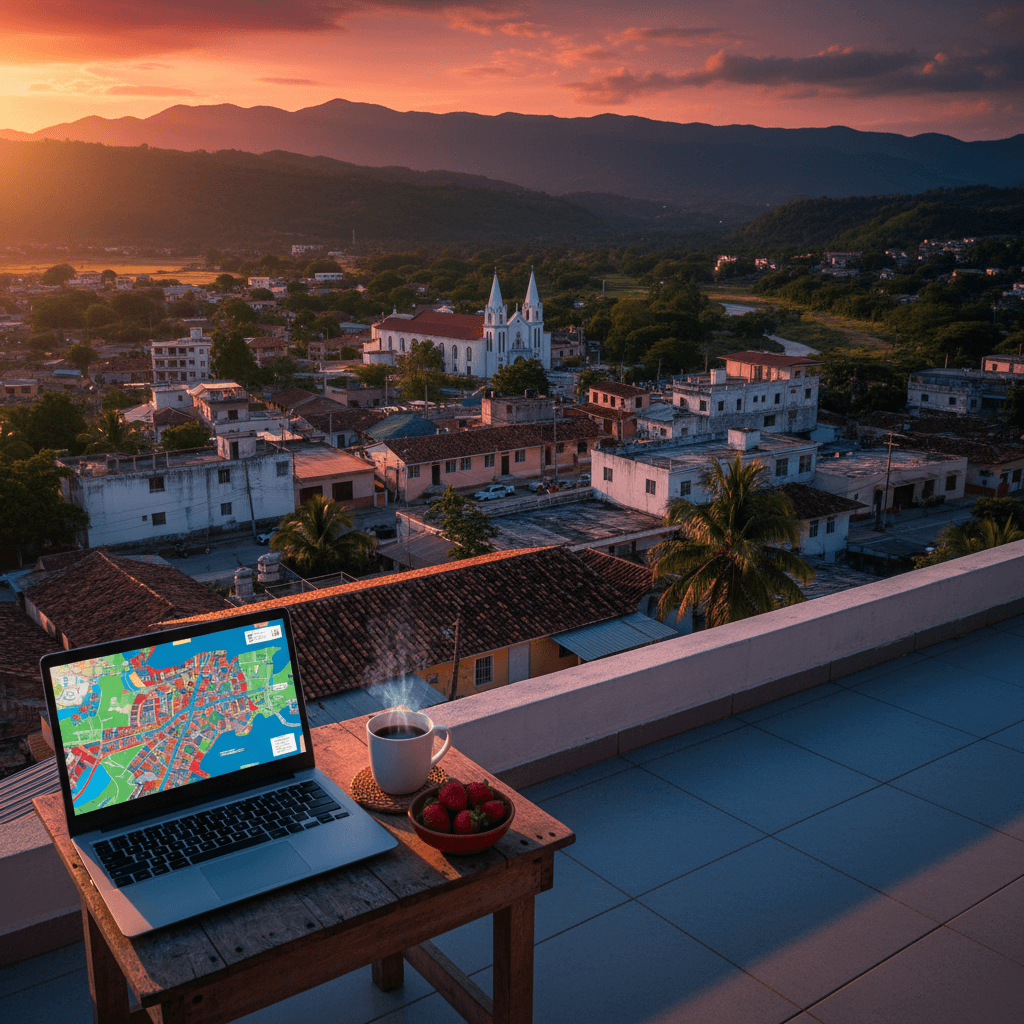
If you're tired of the humidity and salt air of the coast, Jarabacoa is the breath of fresh mountain air you didn't know you needed. Tucked away at 500 meters in the Cordillera Central, this is the Dominican Republic's high country. Locals call it the City of Eternal Spring because the temperature stays a comfortable 22 to 26°C year round. You can finally leave the AC off and sleep under a real blanket.
The vibe here is noticeably slower and more authentic than the beach hubs of Cabarete or Las Terrenas. It’s a town of 70,000 residents where the sound of the Yaque del Norte river and the scent of pine forests replace the thumping bass of beachfront reggaeton. It feels like a secret, mostly because it’s a favorite weekend getaway for wealthy Dominicans from Santo Domingo rather than a magnet for mass tourism. You’ll find yourself trading your flip-flops for hiking boots and swapping sunset cocktails for morning coffee overlooking misty valleys.
The Nomad Reality Check
Jarabacoa is arguably the most affordable spot in the country for remote workers, with an average monthly cost of living around $1,920. However, there’s a trade-off for that low price tag: the internet. If your job involves heavy video calls or large file uploads, you cannot rely on local terrestrial connections, which often crawl at a measly 8 Mbps. Successful nomads here treat Starlink as a requirement, not a luxury. Most modern Airbnbs now include it, but you should always double-check before booking.
The social scene is centered around the outdoors. You won't find sleek coworking spaces or a "buzzy" nightlife district. Instead, you'll meet people while canyoning with JarabacoaEcoAdventures or grabbing a post-hike meal at a local eatery. It’s the perfect spot for writers, designers, or anyone working asynchronously who wants to spend their afternoons rafting or exploring waterfalls like Salto de Jimenoa.
Cost of Living Breakdown
- Budget Tier ($1,000 to $1,500/month): Staying in a basic apartment in the town center, eating at local comedores for $5 to $10, and using a 4G hotspot for work.
- Mid-Range Tier ($1,500 to $2,000/month): A private 1-bedroom rental with mountain views, regular dining at mid-range cafes ($15 to $20), and a dedicated Starlink setup.
- Comfortable Tier ($2,000+/month): An upscale villa in the outskirts, frequent adventure tours, and dining at the town's top-tier restaurants where meals exceed $30.
Where to Plant Your Roots
Jarabacoa is small enough that you don't have to worry about complex neighborhood dynamics, but your choice of location will dictate your daily experience.
Central Jarabacoa
- Rent: $300 to $500 for a furnished studio.
- Pros: Everything is walkable. You’re close to the main cafes, supermarkets, and the local buzz. It’s the best choice for solo travelers who want to feel part of the community.
- Cons: It can get noisy with motoconchos, and you won't get that "isolated mountain retreat" feeling.
Mountain Outskirts
- Rent: $300 to $600 for a small house or cabin.
- Pros: Incredible scenery and total peace. You’re steps away from rivers and trails. Great for families or those who prioritize nature.
- Cons: You’ll need your own transport or have to rely on motorbike taxis. Internet is even spottier out here, making Starlink non-negotiable.
Getting Around and Staying Safe
The town is very safe, feeling more like a large village than a city. Crime is low, and the locals are generally welcoming to the small expat community. For daily errands, motoconchos (motorbike taxis) are the standard way to get around for $1 to $5. If you’re coming from the airport, Santiago (STI) is only about an hour away, and a taxi will cost between $50 and $100.
Don't expect much English here. While tour guides speak it well, you'll need basic Spanish for the grocery store or chatting with your neighbors. Grab a local Claro or Altice SIM card (about $10 to $30 for a month of data) as soon as you arrive. It’s your lifeline for when the power flickers or the mountain mist decides to mess with your signal.
The Price of Eternal Spring
Jarabacoa is widely considered the most affordable base for remote workers in the Dominican Republic. Because it caters more to local vacationers than international luxury travelers, prices haven't inflated at the same rate as coastal hubs like Cabarete or Las Terrenas. You can live a comfortable, middle-class lifestyle here for significantly less than you would in the capital.
Most solo nomads find that a monthly budget of $1,500 to $2,000 covers a private apartment, frequent dining out, and weekend adventures. If you're willing to live like a local, eating at comedores and using public transport, you can get by on $1,200. High-end living, including a luxury villa in the hills and a private vehicle, typically starts around $2,500.
Monthly Budget Breakdown
- Housing (Furnished 1BR): $300 to $500
- Groceries: $300 to $400
- Dining Out: $250 to $450
- Internet (Starlink): $120
- Local Transport: $50 to $100
Housing and Neighborhoods
Rent is the biggest variable in your budget. In the town center, a furnished studio or one-bedroom apartment usually goes for $300 to $400. These spots are walkable and close to the action, but they can be noisy during the day. If you head toward the mountain outskirts near the rivers, you'll find larger homes and quieter surroundings for $500 or more. While these areas are scenic, you'll likely need a scooter or car to get around.
Since there aren't many dedicated apartment complexes for expats, most people use Airbnb to find a place initially and then negotiate long-term rates with owners. Look for listings that specifically mention Starlink, as standard terrestrial internet in the mountains is notoriously slow, often averaging just 8 Mbps.
Food and Dining
Eating out is a bargain if you stick to Dominican staples. A plate of sancocho or mangu at a local eatery will cost between $5 and $10. Mid-range cafes and spots popular with visitors generally charge $15 to $20 for a meal with a drink. If you choose to cook at home, stick to the local markets for fresh mountain produce to keep your grocery bill low. Imported goods at the supermarkets come with a premium, often costing 30 percent more than they would in the U.S. or Europe.
Connectivity Costs
This is the one area where Jarabacoa is more expensive than the coast. Because the local fiber infrastructure is almost nonexistent, serious remote workers almost always rely on Starlink. Starlink subscription runs about $120 a month, plus an initial hardware investment of approximately $380-$599 depending on the plan. For backup, a Claro 4G SIM card with an unlimited data plan costs roughly $30 per month and is essential for those days when the mountain weather interferes with the satellite signal.
Transportation
Getting around the central district is mostly free if you don't mind walking. For longer distances, motoconchos (motorcycle taxis) are the standard way to move, costing between $1 and $3 for most trips within town. Public guaguas (minibuses) are equally cheap for traveling between nearby villages. Since ride-hailing apps like Uber are spotty at best, many expats eventually rent a scooter for around $15 to $20 a day to explore the waterfalls and hiking trails on their own schedule.
For Digital Nomads
If you are working remotely, the central town area of Jarabacoa is your best bet. Staying in the town center puts you within walking distance of local cafes and basic amenities, which is vital since ride-hailing apps like Uber are spotty at best here. You will find a raw, authentic Dominican vibe that is a far cry from the polished resort towns on the coast.
The biggest hurdle for nomads is connectivity. Fiber optic lines are rare, and terrestrial speeds often crawl at a measly 8 Mbps. To make this work, look for rentals that specifically advertise Starlink. Many hosts have upgraded to satellite internet to provide speeds between 40 and 120 Mbps. If they haven't, you will need a Claro 4G backup SIM card to stay online during power dips or outages.
- Rent: $300 to $500 for a furnished 1BR apartment.
- Internet: $120 monthly for Starlink; $10 to $30 for 4G data packs.
- Social: Low-key. Most people meet up at local spots or during river rafting trips.
For Long-Term Expats
Expats looking for a permanent base often gravitate toward the mountain outskirts. These areas offer the peace and quiet that Jarabacoa is famous for, surrounded by pine forests and the sound of the Yaque del Norte river. It is a slower pace of life where your neighbors are more likely to be local farmers than other foreigners.
Living on the outskirts requires a vehicle. While motoconchos (motorcycle taxis) are everywhere and cost only $1 to $5 per trip, having your own wheels makes grocery runs much easier. You will sacrifice some walkability for stunning views and a climate that stays between 22 and 26°C, meaning you will never have to pay for an air conditioning bill.
- Housing: Larger villas or mountain cabins are common here.
- Atmosphere: Quiet, cool, and private.
- Healthcare: Local clinics handle basics, but most expats head to Santiago, about one hour away, for major medical needs.
For Families
Families usually prefer the gated communities or larger properties near the waterfalls, such as Salto de Jimenoa. These areas are safe, spacious, and provide plenty of room for kids to explore the outdoors. The "City of Eternal Spring" is perfect for children who enjoy horseback riding, hiking, and river activities rather than screen time.
Safety is a major plus here. Jarabacoa feels like a small village where people look out for one another. While there aren't massive international schools like you would find in Santo Domingo, the environment is healthy and the community is welcoming. You will want to budget for a car and likely a $599 Starlink kit to ensure the whole house stays connected for school and entertainment.
- Activities: Canyoning, hiking Pico Duarte, and visiting local swimming holes.
- Cost: A comfortable family lifestyle usually starts around $2,000 per month.
- Safety: Very high; low crime rates compared to the bigger cities.
For Solo Travelers
If you are arriving solo, stay as close to the town center as possible. This allows you to jump on group tours with outfits like Jarabacoa Eco Adventures without needing complex transport. Solo travelers often find the social scene revolves around adventure; you will meet people while rafting or grabbing a sancocho at a local eatery.
It is an affordable destination for those on a budget. You can easily get by on $1,000 to $1,500 a month if you eat at local "comedores" where a meal costs about $5 to $10. The vibe is relaxed and unpretentious, making it easy to strike up a conversation with locals, though having some basic Spanish phrases will go a long way since English isn't widely spoken outside of the tour guides.
- Transport: Use guaguas (minibuses) for cheap travel between towns.
- Food: Local street food and fresh mountain produce are the highlights.
- Vibe: Authentic, adventurous, and very affordable.
The Connectivity Reality
If you're planning to work from Jarabacoa, you need to manage your expectations regarding the local infrastructure. This isn't Santo Domingo or Las Terrenas. Terrestrial fiber is almost nonexistent here, and the local landline connections average a sluggish 8 Mbps. For most digital nomads, the standard house internet won't cut it for video calls or heavy uploads.
The game changer for this region has been Starlink. Because the "City of Eternal Spring" has a clear view of the sky and lacks high rise obstructions, satellite internet works beautifully here. You'll find speeds ranging from 40 to 120 Mbps, which is plenty for most remote roles. Many savvy Airbnb hosts and local coliving setups have already installed Starlink kits to attract remote workers, so always ask for a speed test screenshot before booking your stay.
Coworking and Cafe Culture
Don't come here looking for a WeWork or a formal coworking hub; they don't exist yet. The "office" in Jarabacoa is usually your balcony overlooking the pine forests or a corner table in a local cafe. While the town has a charming cafe scene, the power grid can be temperamental during mountain storms. Most successful nomads here treat their rentals as their primary workspace and use cafes only for casual tasks or deep work that doesn't require a constant connection.
- Local Cafes: In central Jarabacoa, you'll likely be hopping between local cafes with decent Wi-Fi for a quick email check, but they lack the ergonomic setups or quiet zones found in dedicated workspaces.
- Backup Power: Expats recommend investing in a small power station or ensuring your rental has an inverter (inversor) to keep your router running during brief local outages.
Data Backups and Mobile Internet
A reliable 4G backup is non negotiable. The two main players are Claro and Altice. Most nomads find that Claro has slightly better penetration in the mountainous outskirts. You can pick up a SIM card at a local shop for a few dollars and load it with an "unlimited" data plan for roughly $10 to $30 per month.
If you're staying in the mountain outskirts near the rivers or waterfalls, your mobile signal might drop to 3G or disappear entirely behind a ridge. If your work is synchronous, stick to rentals within the main town grid or verify that your mountain cabin has a dedicated satellite dish. This is a town built for asynchronous workers like writers, developers, and designers who can afford a few hours of "offline" time while the clouds roll through.
Cost Breakdown for Connectivity
- Starlink Monthly Subscription: Approximately $120
- Starlink Hardware Kit: $599 (if not provided by your landlord)
- Local 4G Data Plan: $10 to $30 per month
- Average Coffee/Cafe Session: $3 to $8
The trade off for the spotty internet is the price of living. With furnished studios going for $300 to $500, many nomads find they can easily afford the extra cost of a Starlink setup or a high end data plan. It's a small price to pay for the ability to close your laptop at 5:00 PM and be at a waterfall by 5:15 PM.
Safety in the Mountains
Jarabacoa feels worlds away from the high energy and occasional grit of Santo Domingo or Santiago. Most nomads find the "City of Eternal Spring" to be one of the safest spots in the country. It has a tight knit, small town atmosphere where locals look out for one another. You won't find specific "no go" zones here, but the standard rules of common sense still apply. Keep your phone tucked away when walking near the main road and don't leave your laptop unattended in local cafes.
The biggest safety concerns aren't related to crime, but rather the terrain and the roads. If you're heading out for canyoning or a trek up Pico Duarte, travelers recommend booking through established outfits like JarabacoaEcoAdventures. They know the river currents and mountain weather patterns, which can change quickly in the afternoons. If you're using motoconchos to get around, keep in mind that mountain driving can be erratic; many expats prefer walking or renting a sturdy vehicle if they're staying in the outskirts.
Healthcare Essentials
For routine issues, Jarabacoa has several pharmacies and basic clinics in the town center that can handle minor ailments, scripts, or stitches. You'll find the quality of care is adequate for the basics, and most pharmacists are helpful even if your Spanish is a work in progress. However, for anything serious or specialized, you'll need to make the one hour drive to Santiago. Santiago is home to some of the best private hospitals in the Caribbean, so it's a relief to have high tier care within a reasonable distance.
- Emergency Services: Dial 911 for immediate assistance.
- Pharmacy Access: Look for "Farmacia" signs in the town center; most are open until 8:00 PM or 9:00 PM.
- Insurance: Always carry a digital and physical copy of your travel insurance card. Most local clinics expect upfront payment in cash or credit card before they'll process insurance claims later.
Staying Healthy and Prepared
The climate here is one of the town's biggest health perks. At 500 meters elevation, the air is crisp and the 22 to 26 degree temperatures mean you won't be dealing with the heat exhaustion common on the coast. That said, the mountain sun is deceptively strong. Even if it feels cool, you'll want high SPF sunscreen for those long river days.
Tap water is a no go for drinking. Most nomads buy the large 5 gallon jugs (botellones) for their apartments, which usually cost less than $2 to refill. When dining out at local frituras or street stalls, stick to places with high turnover. The food is generally fresh and safe, but your stomach might need a few days to adjust to the local mountain produce and spices.
Practical Safety Tips
- Cash Safety: Use ATMs located inside banks like Banco Popular rather than standalone machines on the street.
- Night Travel: The town center is well lit and generally safe for evening walks, but the mountain outskirts get very dark. If your rental is near the river, use a taxi or a trusted motoconcho driver after sunset.
- Connectivity: Since terrestrial internet is spotty, keep a Claro or Altice SIM with a loaded data plan as a safety backup. Being able to pull up a map or a translation app when you're out on a trail is a must.
Getting Around the City of Eternal Spring
Jarabacoa feels more like a collection of mountain trails and winding roads than a traditional urban grid. Because the town is spread across the Cordillera Central foothills, your transportation strategy depends entirely on whether you're staying in the compact center or tucked away in a riverside villa. It's a place where the pace is slow; you won't find the aggressive traffic of Santo Domingo here, but you will need a bit of patience for the local transit quirks.
Walking and Central Navigation
The town center is surprisingly walkable and is where most solo nomads tend to congregate. If your rental is near the central park, you can reach most cafes, local markets, and pharmacies on foot. The terrain is relatively flat in the immediate downtown area, though it quickly turns into steep inclines once you head toward the outskirts. Most travelers find that walking is the best way to soak in the authentic mountain vibe, though you'll want to keep an eye out for uneven sidewalks.
Motoconchos and Guaguas
For trips that are too far to walk but too short for a private car, the motoconcho (motorcycle taxi) is the local lifeline. You'll see drivers congregating on street corners wearing neon vests. A standard ride within the town limits usually costs between $1 and $3. It's fast and efficient, though not for the faint of heart given the mountain curves. Always agree on the price before you hop on the back.
For longer hauls or moving between nearby villages, guaguas (public minibuses) are the budget-friendly choice. These run on somewhat informal schedules but are incredibly cheap, typically costing under $5 for regional hops. They can get crowded, so don't expect much personal space or air conditioning.
Ride-Hailing and Car Rentals
If you're used to the convenience of Uber or InDrive in the bigger Dominican cities, you'll need to adjust your expectations. While these apps exist, availability in Jarabacoa is spotty at best. You might find a driver during peak hours, but it's unreliable for early morning airport runs or late-night returns from a restaurant. Most expats recommend keeping a few trusted local taxi numbers in your WhatsApp contacts instead.
For those staying in the mountain outskirts or planning to visit waterfalls like Salto de Jimenoa frequently, renting a vehicle is a smart move. You can find local bike or scooter rentals for $10 to $20 per day, which are perfect for hitting the trails. If you opt for a car, a 4WD is highly recommended if your "mountain view" rental involves unpaved access roads.
Arriving and Departing
Most nomads arrive via Santiago’s Cibao International Airport (STI), which is about a 1-hour drive away. A private taxi transfer from the airport typically costs between $50 and $100. If you are coming from Punta Cana, be prepared for a much longer journey across the island. For day trips to the surrounding peaks or organized adventures like rafting on the Yaque del Norte, most people book through local outfits like Jarabacoa Eco Adventures, who usually handle the transport from your doorstep to the trailhead.
Transport Summary
- Motoconchos: Best for quick town trips; $1 to $3 per ride.
- Guaguas: Best for budget regional travel; $2 to $5 per trip.
- Private Taxis: Essential for airport transfers; $50 to $100 from Santiago.
- Scooter Rentals: Ideal for independent trail exploring; $10 to $20 per day.
- Walking: Only viable in the immediate town center.
The Language Barrier
Spanish is the heartbeat of the mountains here. Unlike the coastal hubs of Punta Cana or Cabarete where English is common, Jarabacoa remains a predominantly local town. You'll find that English proficiency is quite low once you step away from professional adventure guides or high end hotel receptions. Most cafe staff and shop owners speak only Spanish, so arriving with at least the basics will change your entire experience.
Expats recommend downloading the Spanish offline pack on Google Translate before you arrive. While you can get by with hand gestures and a smile, knowing how to ask "¿Cuánto cuesta?" (How much?) or "¿Dónde está el baño?" (Where is the bathroom?) is vital. If you're staying for more than a week, locals appreciate the effort of a "Buen día" or "Gracias," and it often opens doors to better service and local tips.
Staying Connected
If your job depends on back to back Zoom calls, Jarabacoa requires some strategy. The town's infrastructure hasn't quite caught up to its popularity with remote workers. Standard terrestrial internet is often sluggish, with speeds averaging around 8 Mbps. This is fine for sending emails or Slack messages, but it won't cut it for heavy data lifting.
The solution for most serious nomads is Starlink. Many modern Airbnbs and mountain villas now include it as a selling point, offering speeds between 40 and 120 Mbps. If you're scouting for a long term rental, always ask for a speed test screenshot before signing a lease. For those on the move, a local SIM card is your best backup. Claro and Altice are the primary providers, and you can pick up a SIM at the airport or in town for roughly $10 to $30 depending on your data needs.
Digital Nomad Logistics
There aren't any formal coworking spaces like WeWork in Jarabacoa yet. The social and professional scene is much more informal, revolving around cafes and outdoor activities. Most nomads treat their mountain porches as their primary office and head into town for a change of scenery. Vagamundo Coffee & Waffles is a popular spot for a laptop session if you're passing through the region, though in central Jarabacoa, you'll likely be hopping between local cafes with decent Wi-Fi.
- Primary ISP: Starlink is the gold standard here, costing about $120 per month.
- Mobile Data: 4G coverage is generally reliable in the town center but drops off quickly in the deep forest.
- Power: Mountain storms can cause occasional outages, so a power bank for your phone and a laptop with a good battery are smart investments.
Social Life and Integration
Since there isn't a massive, centralized nomad hub, meeting people happens organically through shared adventures. You'll likely meet other travelers while booking a rafting trip on the Yaque del Norte or joining a group hike to Pico Duarte. Local guides like David from JarabacoaEcoAdventures are often the best connectors for finding out what's happening in town.
The social vibe is low key and centers on fresh mountain produce and cold beers at the end of a trail. Don't expect a "buzzy" nightlife scene; instead, look for small bars where locals gather. It's a respectful culture where a firm handshake and a polite greeting go a long way. If you're dining out, a 10% tip is standard and appreciated. Because the community is small, you'll start recognizing faces at the grocery store or the local Banco Popular ATM within your first week, making it easy to feel like part of the neighborhood quickly.
The City of Eternal Spring
Jarabacoa sits at an elevation of 500 meters in the Cordillera Central mountains, which completely changes the rules of Caribbean travel. Forget the humid, sticky heat of the coast. Here, the climate is a mild 22 to 26°C year round. It feels like a perpetual spring morning, meaning you can finally ditch the air conditioning and sleep with the windows open to catch the mountain breeze.
Most nomads find the weather here creates a much more productive environment for deep work than the beach towns. It sits in a sweet spot where it's cool enough for a light sweater in the evenings but warm enough for a dip in the river during your lunch break. Locals call it the "City of Eternal Spring" for a reason; the landscape stays lush and green regardless of the calendar month.
When to Visit
While the temperature doesn't fluctuate much, the rainfall definitely does. If you're planning a stint here, timing your arrival can make a big difference in how much of the outdoors you actually get to see.
- Peak Season (December to April): This is arguably the best time to be in town. The weather is at its driest, making it the prime window for hiking Pico Duarte or rafting the Yaque del Norte. The air is crisp, and the trails aren't yet turned to mud.
- Shoulder Season (May to September): You'll see more rain, but it usually comes in short, heavy afternoon bursts. Prices for rentals can be slightly more negotiable during these months, and the waterfalls like Salto de Jimenoa are at their most powerful.
- The Wet Season (October to November): These are usually the months to avoid if you can. Rainfall peaks during October, and the humidity can make the otherwise cool air feel a bit heavy. Heavy rains can also wash out mountain roads or cancel rafting trips for days at a time.
The Nomad Schedule
Because the weather is so consistent, life here follows a very specific rhythm. Expats recommend starting your day early to catch the clear morning light for outdoor activities. By 2:00 PM, clouds often roll over the peaks, providing a natural cue to hunker down in a cafe or your rental for a few hours of focused work.
If you're coming for adventure, aim for February or March. The water levels are manageable for canyoning, and the mountain air is at its most refreshing. If you're a writer or designer looking for a quiet, moody atmosphere to hide away and finish a project, the misty afternoons of May offer a great backdrop without the peak season crowds.
Packing Essentials
Since you aren't dealing with typical tropical heat, your packing list needs a pivot. Travelers often regret bringing only shorts and flip-flops. You'll want a decent rain shell for those sudden afternoon downpours and a light fleece or hoodie for the evenings when temperatures can dip toward 18°C. If you're planning to tackle the higher mountain trails, actual hiking boots are a must, as the red clay soil becomes incredibly slick when damp.
Most importantly, don't let the "cool" temperatures fool you. You're still in the tropics and at a higher elevation, meaning the sun is stronger than it feels. High SPF sunscreen is a daily requirement, even if you don't feel like you're baking.
Making it Work in the Mountains
Living in Jarabacoa is a trade-off. You're swapping the high speed chaos of Santo Domingo for cool mountain air and a pace of life that actually lets you breathe. It's the kind of place where you'll wake up to the smell of pine trees instead of exhaust fumes, but you have to be intentional about your setup to stay productive.
Budgeting for the High Life
Your money goes significantly further here than in the coastal tourist traps. Most nomads find they can live comfortably on $1,500 to $2,000 a month, though you can scrape by on less if you're eating locally and skipping the more expensive river excursions. Here is how the monthly costs usually break down:
- Rent: $300 to $500 for a furnished one bedroom apartment. Prices stay consistent because the town isn't overrun with short term vacationers yet.
- Dining: Expect to pay $5 to $10 for a solid meal at a local comedor. If you're heading to a mid range spot in the center, budget around $20.
- Connectivity: This is a fixed cost you can't skip. A Starlink subscription runs about $120 a month, plus the initial hardware investment.
- Transport: Local motoconchos or guaguas are cheap, usually $1 to $5 per trip.
Where to Plant Your Flag
Jarabacoa is small enough that you won't find distinct "expat enclaves," but your choice of location depends entirely on whether you have wheels.
Central Jarabacoa: This is the best bet for solo travelers. It's walkable, you're close to the cafes, and you can grab groceries without a 20 minute trek. It can get a bit noisy with the local traffic, but the convenience is hard to beat.
Mountain Outskirts: If you're here for the "Eternal Spring" vibe, look toward the hills near the rivers. It's quiet, scenic, and you can find beautiful rentals for $400. Just know that you'll be isolated; you'll need a scooter or a car, and your internet options will be even more limited than in town.
The Connectivity Catch
Let's be honest about the internet: the local infrastructure isn't there yet. Fiber is rare, and the 8 Mbps average you'll find in many Airbnbs won't cut it for video calls. Most successful nomads in Jarabacoa treat Starlink as a requirement, not an option. If you're staying for a month or more, look specifically for rentals that already have the Dishy installed.
For backups, grab a Claro or Altice SIM card. You can get unlimited data plans for $10 to $30. While there aren't dedicated coworking spaces like a WeWork, the cafe culture is growing. Just don't rely on their Wi-Fi for anything high stakes; keep your hotspot ready.
Navigating the Town
Getting around is an adventure in itself. Within the town center, your feet are your best friends. For longer distances, hop on a motoconcho (motorcycle taxi), but make sure you agree on the price before you sit down. If you're arriving from the airport, fly into Santiago (STI). It's only about an hour away, and a taxi will cost you between $50 and $100. Ride hailing apps like Uber are spotty at best here, so don't count on them for a 4:00 AM airport run.
Health and Safety
Jarabacoa is generally safer and more relaxed than the big cities. Crime is low, and the community is tight knit. For healthcare, the town has basic clinics and pharmacies that can handle routine issues. If anything serious happens, you'll want to head to the private hospitals in Santiago. Always keep 911 programmed into your phone and ensure your travel insurance is active before you head into the mountains for rafting or hiking.
Local Social Life
Socializing here isn't about clubbing; it's about the outdoors. You'll meet people while rafting the Yaque del Norte or hiking to waterfalls. Local outfits like JarabacoaEcoAdventures are great for meeting fellow travelers. Spanish is the primary language, and while guides speak English, you'll want to have a translation app downloaded for your daily interactions at the pharmacy or the market.
Need visa and immigration info for Dominican Republic?
🇩🇴 View Dominican Republic Country GuideWild Card
Expect the unexpected
Monthly Budget Estimates
More cities in Dominican Republic
Cabarete
🇩🇴 Dominican Republic
Punta Cana
🇩🇴 Dominican Republic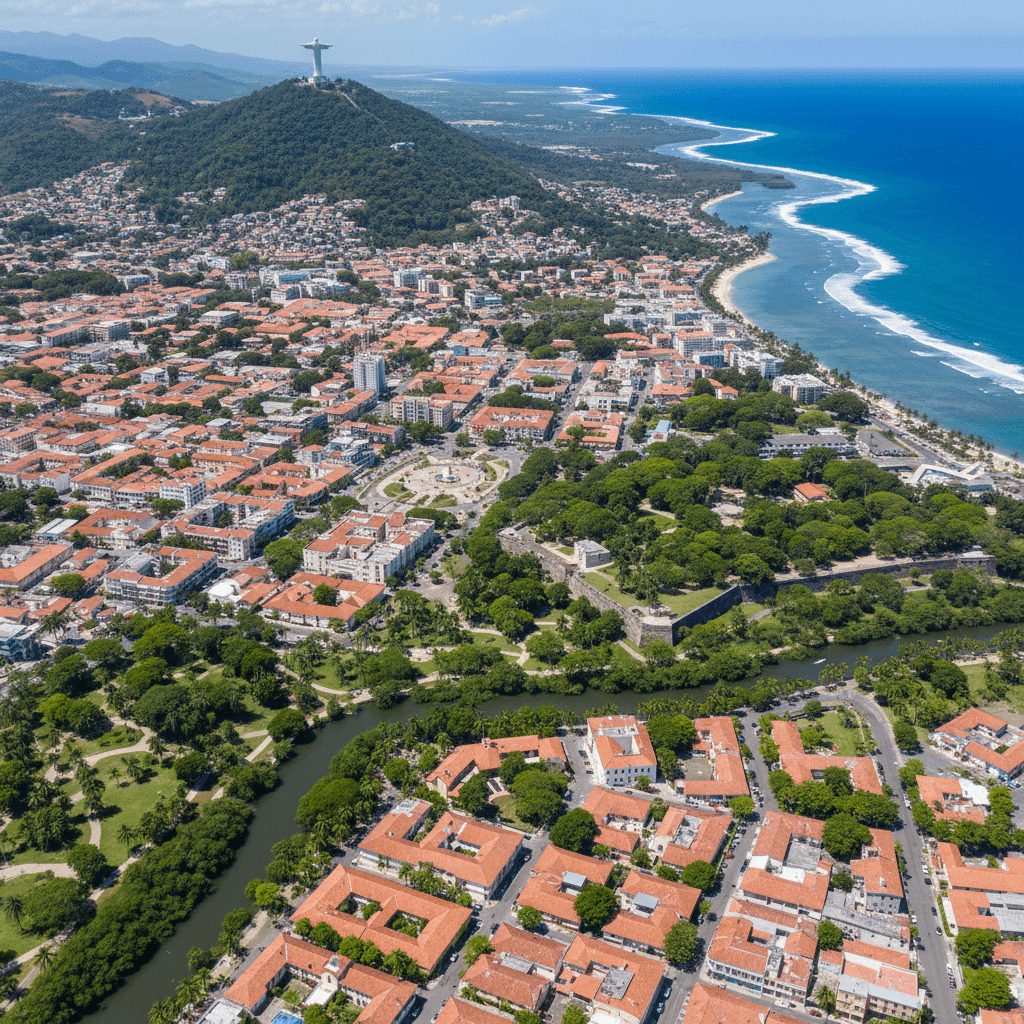
Puerto Plata
🇩🇴 Dominican Republic