Ipoh
🇲🇾 Malaysia
The Limestone Slower Pace
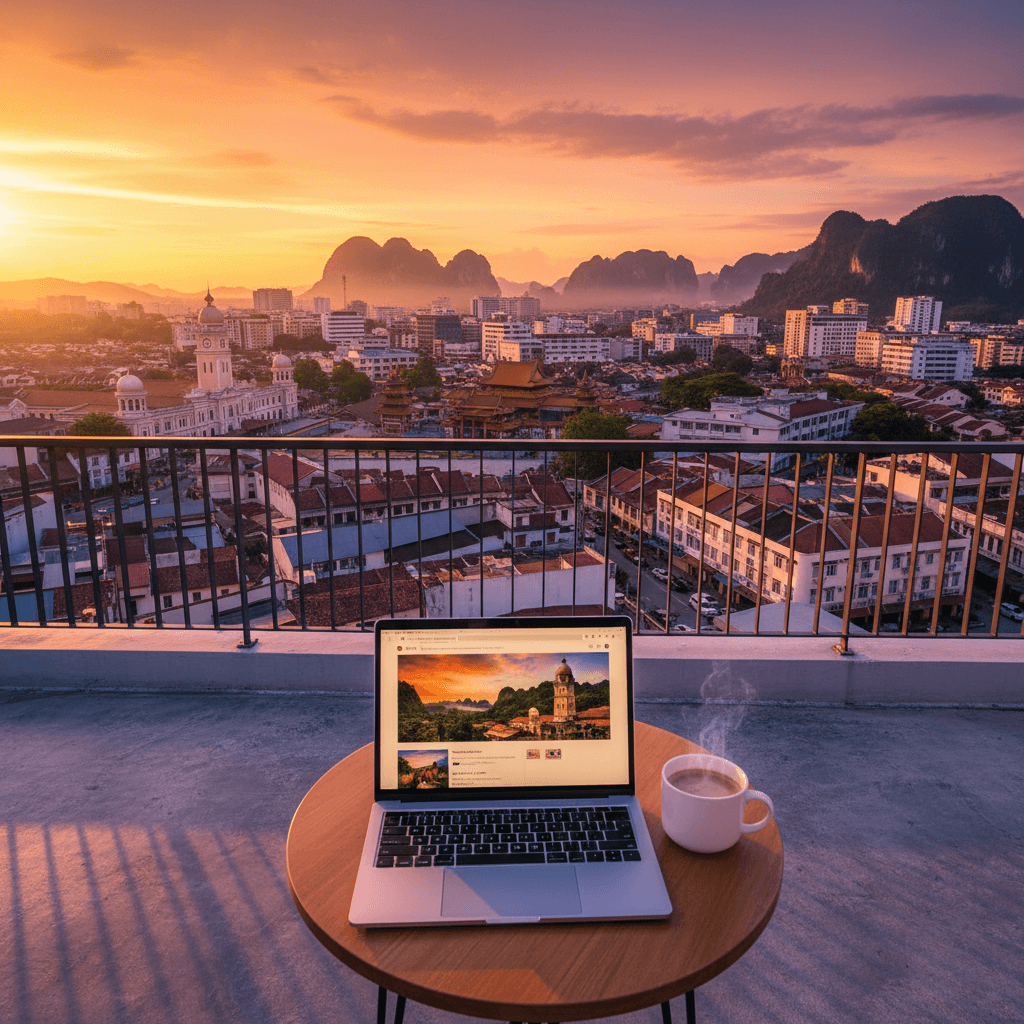
If Kuala Lumpur is Malaysia's frantic heartbeat, Ipoh is its deep, steady breath. Tucked into a valley surrounded by dramatic limestone karst towers, this city feels like a secret the rest of the world hasn't quite stumbled upon yet. It is the third largest city in the country, but it carries the soul of a small town. You won't find the glass skyscrapers of KL or the digital nomad crowds of Chiang Mai here. Instead, you get colonial architecture, world class coffee, and a lifestyle that prioritizes lunch over spreadsheets.
The vibe is distinctly Malaysian Chinese, rooted in a tin mining history that once made this one of the wealthiest cities in the region. Today, that wealth has left behind a heritage of grand buildings and a food scene that many locals argue is the best in Southeast Asia. It is a place where retirees and young families live alongside a small but growing community of remote workers who value peace and affordability over a 24/7 party scene.
What It Truly Feels Like
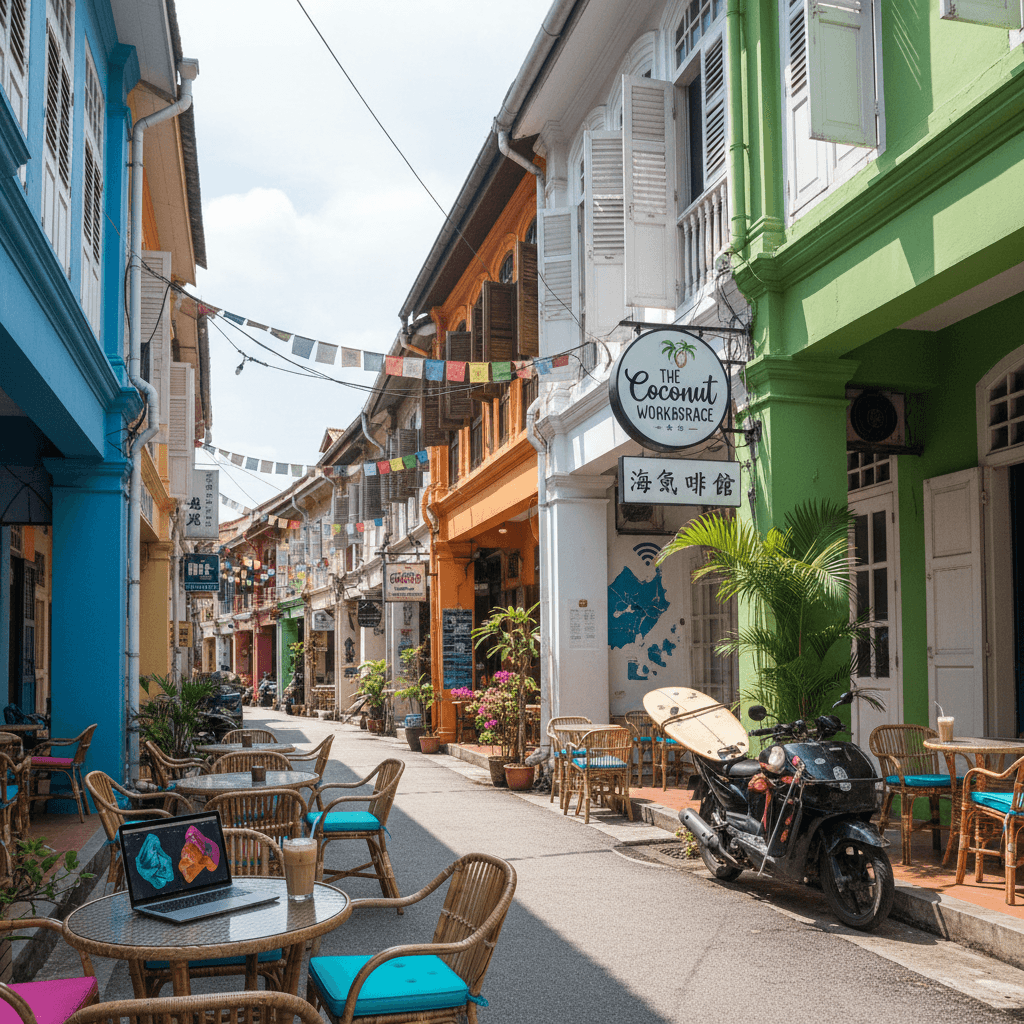
Living in Ipoh feels like stepping back into a more intentional era. You'll likely spend your mornings in Old Town, watching uncle-types stir charcoal roasted coffee while you work from a laptop. The humidity is real, but the limestone hills provide a stunning backdrop that keeps the city from feeling like a concrete jungle. It is incredibly safe, hitting a 10/10 safety score in many nomad circles, which allows for a level of relaxation you won't find in many other Asian hubs.
However, it is not a cosmopolitan playground. The nightlife is quiet, centered more around late night food stalls than clubs. English is common in business and tourism, but you will encounter more of a language barrier here than in Penang or KL. Most nomads find the trade off worth it for the $657 monthly cost of living and the genuine, unpretentious local culture.
Living Costs & Local Budgeting
Your ringgit goes incredibly far here. A comfortable nomad lifestyle usually lands between $870 and $1,200 per month, which includes a modern apartment and eating out for almost every meal. If you are living like a local, you can easily get by on $540 to $700.
- Housing: A studio or one bedroom in the city center typically runs between $191 and $308. If you want a massive three bedroom place, expect to pay around $437.
- Dining: Street food and hawker meals are a steal at $2.90. Even a mid range dinner for two rarely crosses the $17 mark.
- Daily Extras: A cappuccino costs about $2.50, while a monthly gym membership is around $25.
The Neighborhood Breakdown
Choosing where to plant your flag depends on whether you want heritage charm or modern convenience. The city is growing, but most expats stick to a few key pockets.
Old Town (Heritage Area)
- The Draw: This is the soul of Ipoh. It is walkable, packed with street art, and home to the best coffee shops.
- The Trade-off: Buildings are older, and it can get loud with tourists on the weekends.
- Best for: Culture seekers and those who want to be in the middle of the food scene.
City Center (Jalan Raja Musa Aziz)
- The Draw: This area houses modern infrastructure like EDM SPACE, the city's premier coworking hub. It is close to shopping malls and newer apartments.
- The Trade-off: It lacks the historic aesthetic of Old Town and is slightly more expensive.
- Best for: Serious remote workers who need reliable desks and proximity to gyms.
Ipoh Sentral & Bercham
- The Draw: These are the residential heartlands. Ipoh Sentral is a newer development with better footpaths, while Bercham is a quiet, family oriented suburb.
- The Trade-off: You will definitely need the Grab app to get around, as these areas aren't very walkable.
- Best for: Long term expats or families seeking a quiet, local life.
The Practical Realities
While the lifestyle is easy, the infrastructure has its quirks. Internet speeds average around 75 Mbps, which is plenty for Zoom calls and reliable for most remote work needs. Road safety is the biggest local complaint; pedestrians aren't always given the right of way, so keep your eyes open when crossing the street. Most travelers recommend using Grab for anything longer than a ten minute walk, especially since a ride across town usually costs less than $9.
The Lowdown on Local Costs
Ipoh is a bit of a secret weapon for anyone looking to slash their burn rate without living in a remote village. It is significantly cheaper than Kuala Lumpur or Penang, offering a high quality of life for a fraction of the price. On average, a solo nomad can live comfortably here for about $657 USD a month, rent included. If you are coming from a Western city, the prices for high quality meals and services will feel like a constant discount.
Most expats find that a mid range budget of $870 to $1,200 allows for a very social lifestyle, including a dedicated coworking desk and frequent dinners out. If you want to go full expat luxury with a high floor condo and daily cafe hopping, you will rarely top $1,900 a month. It is one of those rare spots where your dollar stretches far enough to stop worrying about the small stuff.
Housing and Neighborhoods
The rental market is heavily skewed in favor of the tenant. You can find modern, air conditioned spaces for what you would pay for a single dinner in New York or London. Most nomads gravitate toward the City Center or the Old Town to stay near the action.
- City Center: This is the sweet spot for digital nomads. You are close to EDM SPACE and the main malls. A studio or one bedroom here usually runs between $191 and $308.
- Old Town: Perfect if you want to wake up surrounded by colonial architecture and heritage. It is walkable and full of character, though the buildings are older. Expect to pay around $250 for a decent heritage apartment.
- Ipoh Sentral: A newer development that is more transit oriented. It is great for those who want brand new amenities and better sidewalks. A modern three bedroom apartment in this area averages about $437.
Food and Dining
Ipoh is famous across Malaysia for its food, so you will likely spend more time eating out than cooking. The hawker culture is the backbone of the city. A solid meal at a local stall, like the famous bean sprout chicken or a bowl of laksa, will only set you back about $2.90. Even a mid range three course dinner for two at a nice spot like Euro House typically lands around $17.20.
Coffee culture is also thriving. A high quality cappuccino in a trendy cafe costs about $2.50. If you are looking for a beer, keep in mind that alcohol is more heavily taxed in Malaysia than food; a pint at a cafe usually costs around $5.00, which can be more expensive than your entire dinner.
Utilities and Connectivity
The infrastructure is reliable, but you should factor in the cost of keeping the air conditioning running. Electricity, water, and trash services for a standard apartment usually total about $40.60 a month. High speed home internet (50 Mbps or higher) is around $30.60.
For your phone, grab a local SIM from Maxis or Celcom. You can get a solid data plan with 10GB for roughly $7.00. If you prefer working from a dedicated desk, day passes at coworking spaces are available, while a monthly pass at a regional hub like Headspace might run you between $65 and $90.
Transport and Wellness
You won't need a car if you live in the center. The city is relatively compact, and Grab (the local version of Uber) is incredibly cheap. A typical 8km ride across town costs about $9.00, while a local bus ticket is less than $1.00. If you are staying long term, a monthly transport pass is a steal at $18.90.
Health and fitness are equally affordable. A monthly gym membership in the city center is about $25.20. If you need to see a doctor, a visit to a private clinic like KMC Medical Centre is very straightforward for foreigners and usually costs around $15.90 for a consultation.
For Digital Nomads: City Center (Jalan Raja Musa Aziz)
If you're in Ipoh to get work done, the area around Jalan Raja Musa Aziz is your best bet. It’s the closest thing the city has to a business hub, placing you within walking distance of EDM SPACE, which is the go-to coworking spot for the remote community. You'll find reliable fiber internet here, and the proximity to malls like Ipoh Parade means you can jump from a Zoom call to a quick lunch without much hassle.
Most nomads here opt for modern high-rise apartments. Expect to pay between $191 and $308 USD for a decent one bedroom setup. It's a bit more polished than the heritage areas, and while it lacks the colonial charm of Old Town, the convenience of having 24/7 convenience stores and air-conditioned cafes like San Francisco Coffee nearby makes it the most practical choice for a productive stay.
- Rent: $250 to $400 USD for modern studios
- Coworking: EDM SPACE and Flexspace Hub
- Vibe: Functional, central, and efficient
For Culture Seekers and Solo Travelers: Old Town
Old Town is where you'll find the soul of Ipoh. It's famous for its crumbling colonial architecture, street art, and the iconic white coffee. Living here feels like stepping back in time, though you'll be sharing the streets with day-trippers on the weekends. It’s the most walkable part of the city, which is a huge plus because Ipoh isn't always kind to pedestrians.
Solo travelers love this area for its social atmosphere. You can grab a meal at a hawker stall for about $2.90 USD and strike up a conversation with locals or other travelers. The housing here is mostly older shophouses or boutique guesthouses. It can get a bit noisy with the traffic and morning markets, but you won't find a more authentic Malaysian-Chinese experience anywhere else in the country.
- Rent: $150 to $300 USD for older units or guesthouses
- Food: Incredible street food and traditional coffee shops
- Vibe: Historic, gritty, and atmospheric
For Expats and Long-Termers: Ipoh Sentral
Ipoh Sentral is the neighborhood for people who want to see where the city is heading. It’s a newer development designed with a "transit-oriented" focus, meaning it's one of the few places in town where the sidewalks are actually wide and the layout makes sense. It’s becoming a favorite for expats who want a "lite" version of Kuala Lumpur living without the soul-crushing traffic.
The area is still growing, so it feels a bit quieter and more "planned" than the rest of the city. You'll find plenty of new dining options and better connectivity to the train station for weekend trips to KL or Penang. It’s a great middle ground if you want modern amenities but aren't ready to commit to the suburban quiet of the outskirts.
- Rent: $350 to $500 USD for new developments
- Connectivity: Best access to the KTM train station and Grab services
- Vibe: Modern, developing, and organized
For Families: Bercham
If you're traveling with kids or just want to escape the city buzz entirely, Bercham is the residential heavyweight. It’s a massive suburb that functions like a city within a city. It’s much quieter than the center, very safe, and filled with landed houses rather than high-rise condos. A three bedroom house here can often be found for around $437 USD, which is a steal for the amount of space you get.
The downside is that you'll definitely need the Grab app or your own car to get around, as it’s not walkable at all. However, the area is packed with local schools, supermarkets, and family-run restaurants that are significantly cheaper than those in the tourist zones. It’s the best place to experience a slow, suburban Malaysian lifestyle.
- Rent: $400 to $600 USD for a full house
- Healthcare: Close to major private facilities like Pantai Hospital
- Vibe: Quiet, residential, and very local
Connectivity and Speed
Ipoh isn't quite the high speed tech hub that Kuala Lumpur is, but it's more than capable of handling a remote workload. Most apartments and cafes pull in average speeds around 75 Mbps. While that might sound modest to power users, it's generally stable enough for Zoom calls and streaming without much lag. If you're planning to stay long term, fiber connections are available in the newer condos in the city center and Ipoh Sentral, often pushing speeds much higher.
Mobile data is your best friend here. It's incredibly cheap and often more reliable than public Wi-Fi. You can grab a local SIM card from providers like Maxis, Celcom, or Digi for about $7 USD a month, which usually nets you around 10GB of data. Most nomads recommend setting up an eSIM before you even leave the airport to stay connected during the taxi ride into town.
Top Coworking Spots
The coworking scene in Ipoh is small but high quality. You won't find a massive variety, but the existing spaces offer a focused environment that’s often missing in the louder coffee shops.
- EDM SPACE: Located on Jalan Raja Musa Aziz in the city center, this is the go to spot for serious work. They've got the basics covered with high speed Wi-Fi and standing desks, but the perks like an outdoor terrace, kitchen, and even showers make it easy to pull a full day. They also offer free coffee and tea to keep you caffeinated.
- Flexspace Hub: This is a solid alternative if you need a professional setting for meetings. It's well equipped with private rooms and reliable internet. You'll want to reach out to them via their online booking platforms to check on current desk availability and day pass rates.
The Cafe Office Culture
If you prefer the hum of a coffee shop over a quiet office, Ipoh has a fantastic cafe culture. The city is famous for its white coffee, but the newer wave of "Instagrammable" cafes is where the digital nomad crowd usually hangs out. These spots are generally welcoming to laptop users, provided you aren't hogging a four person table during the lunch rush.
- San Francisco Coffee: A more traditional chain vibe but very reliable for a few hours of work. The Wi-Fi is consistent and there are usually enough power outlets to go around.
- Old Town Cafes: Many of the boutique cafes in the heritage area have great aesthetics, but keep in mind that the older buildings can sometimes have thicker walls that mess with signal strength. Always check your bars before you order that expensive latte.
Remote Work Logistics
Living and working here is remarkably affordable. A mid range nomad lifestyle, including a dedicated coworking membership and frequent cafe visits, usually rounds out to between $870 and $1,200 USD per month. Most of the community congregates around the city center or Jalan Raja Musa Aziz because it keeps you within walking distance of the best workspaces and the most reliable infrastructure.
One thing to keep in mind is that while the internet is reliable, power outages can happen during heavy tropical storms. They usually don't last long, but having a backup power bank for your phone and ensuring your laptop is fully charged before a big meeting is a smart move. Expats often suggest using a VPN for better security when hopping between different cafe networks, as public Wi-Fi security can be hit or miss.
Safety in Ipoh
Ipoh is one of those rare cities where you can actually let your guard down. It consistently ranks as one of the safest urban areas in Southeast Asia, and most nomads find the atmosphere here significantly more relaxed than the frantic energy of Kuala Lumpur or Johor Bahru. Violent crime is exceptionally rare. You'll likely feel comfortable walking through the Old Town or the city center during the day, and even at night, the main areas remain peaceful.
The biggest threat to your well being isn't crime; it's the traffic. Pedestrian infrastructure is inconsistent at best. While the new Ipoh Sentral development is making strides with wider footpaths, much of the city still lacks proper sidewalks. Drivers can be unpredictable and often ignore pedestrian right of way, even at marked crossings. When you're navigating the streets, keep your eyes peeled and don't assume a car will stop just because the light is red. Petty theft like snatch-theft can happen, as it does in any city, so keep your bag on the side away from the road when walking.
Healthcare Infrastructure
Malaysia is famous for its high standard of medical care, and Ipoh is no exception. You have access to a mix of public and private facilities that are efficient and affordable. Most expats and digital nomads gravitate toward private hospitals because the wait times are shorter and the staff almost always speak excellent English. Many of the doctors here have actually trained in the UK, Australia, or the US.
For high quality private care, these are the top recommendations from the local expat community:
- KMC Medical Centre: Often the first choice for nomads due to its central location and modern facilities.
- KPJ Ipoh Specialist Hospital: Part of a large national network, known for having a wide range of specialists.
- Pantai Hospital Ipoh: A reliable private option with a strong reputation for emergency services.
- Fatimah Hospital: A well regarded private facility located in the Garden Hollywood area.
If you have a minor ailment like a cold or a skin rash, you don't need to head to a hospital. Local clinics (Klinik) are everywhere. A standard consultation with a GP will usually cost you around $16 USD, which often includes basic medication. It is a walk in system, so you rarely need an appointment.
Pharmacies and Prescriptions
Pharmacies are plentiful in Ipoh, especially inside shopping malls like Ipoh Parade or AEON. Look for brands like Watson’s, Guardian, or Caring Pharmacy. You’ll find that many medications that require a prescription in Western countries are available over the counter here after a quick chat with the on site pharmacist. Prices are very transparent and much lower than what you’d pay in Europe or North America.
Emergency Contacts
It is smart to have these numbers saved before you arrive. In the event of an emergency, the following numbers apply:
- General Emergency (Police/Ambulance): 999
- Fire Department: 994
- Tourist Police: 05 240 1999 (Specific to the Perak region)
Most travelers find that a basic travel insurance policy covers them perfectly here, as the out of pocket costs for even significant medical issues remain manageable compared to global averages. If you are staying long term, look into local private insurance providers to get even faster access to the top tier specialists.
The Grab Lifeline
In Ipoh, the Grab app isn't just a convenience; it is your primary mode of survival. While the city is the third largest in Malaysia, its public bus system remains notoriously unreliable for anyone on a schedule. Most nomads skip the bus entirely and rely on Grab, which is incredibly cheap by Western standards. A typical ride across town usually costs between $3 and $6 USD, while a short hop within the city center might only set you back $2.
If you're arriving from Kuala Lumpur or Penang, the KTM ETS (Electric Train Service) is the gold standard. The Ipoh Railway Station is a beautiful colonial landmark right on the edge of Old Town, making it easy to hop off the train and be at a cafe within ten minutes. For international arrivals, the Sultan Azlan Shah Airport is just 4km from the city center. You can snag a Grab from the terminal and be at your Airbnb in under fifteen minutes for less than $5 USD.
Walking the Streets
Ipoh presents a bit of a paradox for pedestrians. The Old Town and the Heritage Trail areas are quite walkable and packed with street art and limestone architecture. You'll find yourself wandering through Concubine Lane or exploring the murals without much trouble. However, once you leave these specific tourist pockets, the infrastructure changes quickly.
Expats often complain that sidewalks can be uneven, non-existent, or suddenly blocked by parked motorbikes and hawker stalls. You also have to deal with the heat; walking more than fifteen minutes between 11:00 AM and 4:00 PM is a recipe for a soaked shirt. If you're staying in the City Center near Jalan Raja Musa Aziz, you can walk to coworking spaces like EDM SPACE, but for anything further, you'll want wheels.
The New Pedestrian Push
There is a shift happening in newer developments. The Ipoh Sentral area is being designed with a pedestrian-first mindset, featuring wider footpaths and dedicated cycling routes. It is a stark contrast to the older residential neighborhoods like Bercham, where a car or scooter is mandatory. If you plan to stay long-term and want total independence, renting a scooter is an option, though most nomads find the low cost of ride-hailing makes the risk of Malaysian traffic unnecessary.
Regional Connectivity
For weekend trips, Ipoh is perfectly positioned. You can catch a bus or train to the Cameron Highlands for a cooler climate or head north to Penang. The local bus terminal, Amanjaya, is located about 10km outside the city center. It's a modern hub, but remember to factor in a 20-minute Grab ride just to get there from Old Town.
A few practical tips for getting around smoothly:
- Download Grab immediately: Link your credit card before you arrive to avoid fumbling with cash.
- Mind the drivers: Even at marked crosswalks, cars rarely stop for pedestrians. Always make eye contact with drivers before stepping out.
- Check train tickets early: The ETS train to KL often sells out on weekends and public holidays, so book a few days in advance via the KITS app.
- Avoid peak hours: Traffic around the Jalan Sultan Idris Shah area can crawl during the school run and Friday prayers.
Overall, while you won't find a sleek subway system here, the combination of a compact core and dirt-cheap ride-sharing makes Ipoh one of the easiest cities in Southeast Asia to navigate on a budget.
The Linguistic Landscape
Ipoh presents a unique linguistic puzzle compared to the polished, English-centric hubs of Kuala Lumpur or Penang. Because the city caters more to its local residents than to massive waves of international tourists, you'll find that language here is deeply tied to the city's Chinese heritage. Cantonese is the dominant dialect heard in the coffee shops and markets of Old Town, and it serves as the unofficial lingua franca among the local Chinese community.
While Bahasa Malaysia is the national language and used for all official government business, the reality for most nomads is a mix of "Manglish" (Malaysian English) and various Chinese dialects. You can get by with English in most modern cafes, hotels, and coworking spaces like EDM SPACE, but the further you venture into local hawker centers or residential areas like Bercham, the more you'll rely on gestures and basic phrases.
Navigating Daily Interactions
Expats frequently mention that while English proficiency is lower here than in the capital, the locals are incredibly patient. In a typical day, you might experience the following:
- At the Hawker Centers: Many older vendors speak limited English. Pointing at menus or observing what others are eating is a standard move. Most food stalls have signs in Chinese and Malay, sometimes with English subtitles.
- With Service Providers: Grab drivers and staff at private hospitals like KPJ Ipoh Specialist generally speak functional to excellent English. You won't have trouble communicating your destination or medical needs.
- In Social Settings: Younger residents and the remote work crowd are usually fluent in English, making it easy to connect at spots like San Francisco Coffee.
Digital Tools and Translation
Since you'll likely encounter signs in Malay or Chinese, having a few apps ready on your phone is a smart move. Most nomads recommend using Google Lens for instant translation of menus or official documents. While you don't need to be fluent in Bahasa Malaysia to live here, learning a few "survival" words will earn you a lot of respect from the locals.
Useful local terms to know:
- Makan: To eat (you'll hear this constantly).
- Bungkus: Takeaway or "to go." Essential for ordering food at hawker stalls.
- Air: Water (pronounced "ah-yer").
- Terima Kasih: Thank you.
- Cincai: A versatile Hokkien word meaning "whatever" or "anything goes," often used when deciding where to eat.
The Communication Reality Check
If you're planning a long term stay, don't expect the seamless English experience of Singapore. There will be moments of confusion, especially when dealing with local utilities or traditional tradespeople. However, the slower pace of life in Ipoh means people usually have the time to help you figure it out. Travelers often find that a smile and a few botched attempts at the local language go a long way in building rapport with the community. It's an authentic environment where you're expected to adapt to the city, rather than the city adapting to you.
The Tropical Rhythm
Ipoh sits in a tropical sweet spot, but that comes with a fair amount of humidity and rain. Unlike the Cameron Highlands just a short drive away, Ipoh stays warm year round. You can expect temperatures to hover between 23°C and 33°C (73°F to 91°F). It rarely feels "cool" in the traditional sense, so most nomads prioritize accommodation with reliable air conditioning.
The city doesn't really have a traditional four season cycle. Instead, your life will be dictated by the monsoon seasons. The wettest months usually fall between October and December. During this time, heavy afternoon downpours are almost a daily occurrence. They're usually intense but brief, often clearing up within an hour or two to leave the evening air slightly fresher.
When to Plan Your Stay
If you're looking for the best balance of clear skies and manageable heat, aim for January and February or the window between June and August. These months are generally drier, making it much easier to explore the limestone caves and street art in the Old Town without constantly ducking into a cafe to escape a deluge.
Expats often suggest avoiding the peak of the rainy season if you rely on walking or motorbikes. The roads can get slick, and the drainage in older parts of the city sometimes struggles with flash flooding. If you do visit during the wetter months, just shift your deep work blocks to the afternoon and save your outdoor exploring for the mornings.
Festivals and Peak Seasons
Timing your visit isn't just about the rain; it's about the crowds. Ipoh is a massive draw for domestic tourists from Kuala Lumpur and Penang. You'll notice a significant spike in prices and foot traffic during these periods:
- Chinese New Year (January or February): This is arguably the biggest event in Ipoh. The city transforms with decorations and lion dances, but many smaller family run shops close for a few days. Accommodation prices can double, and popular hawker stalls will have long queues.
- Hari Raya Aidilfitri: Marking the end of Ramadan, this is a major public holiday. While Ipoh has a large Chinese population, the city still slows down as people travel to visit family.
- School Holidays: March, June, and December see a steady stream of domestic travelers. If you're looking for a quiet, contemplative nomad experience, these are the weeks to stay in your coworking space like EDM SPACE rather than hitting the tourist trails.
Seasonal Survival Tips
Most long term travelers find that the heat is the biggest hurdle, not the rain. The sun is punishing between 11:00 AM and 4:00 PM. Local life reflects this; you'll see the streets come alive in the early morning for dim sum and again after the sun dips behind the limestone cliffs.
If you're planning to stay for a few months, it's worth noting that the "haze" (smoke from agricultural burning in the region) can occasionally affect air quality between July and September. It doesn't happen every year, but it's something to track on local air quality apps if you have respiratory sensitivities. For most nomads, a sturdy umbrella and a pair of breathable shoes are the only "seasonal" gear you really need to pack.
Ipoh doesn't demand much of your bank account, but it does require a little bit of local know-how to navigate smoothly. While it's Malaysia's third largest city, it feels more like a collection of interconnected villages than a frantic metropolis. You can live a very comfortable life here for around $870 to $1,200 USD a month, covering a nice apartment, plenty of dining out, and a dedicated workspace.
Money and Connectivity
Cash is still king in many of the older hawker centers and smaller shops. While Grab and larger restaurants accept cards or e-wallets like Touch 'n Go, you'll want to keep a roll of Ringgit for those $3 USD street food meals. ATMs are everywhere in the city center, and transaction fees are generally low.
For your digital lifeline, grab a local SIM card as soon as you land. Maxis and Celcom have the most reliable coverage. You can get 10GB of data for about $7 USD. If you're working remotely, most cafes and rentals offer speeds around 75 Mbps. It's enough for Zoom calls, but if you're uploading massive video files, you'll want to head to a dedicated workspace like EDM SPACE in the city center. They offer high speed WiFi, standing desks, and even showers for those humid afternoons.
Getting Around the Streets
Don't bother with the local buses unless you have a lot of patience and no specific place to be. The Grab app is the gold standard here. It's cheap, reliable, and saves you from haggling with taxi drivers. A typical ride across town usually costs less than $5 USD.
Walking is great in the Heritage Area of Old Town, but be careful. Ipoh wasn't designed with pedestrians in mind. Sidewalks can disappear mid-block or be blocked by parked motorbikes. Drivers here can be a bit aggressive at intersections, so even if the light is green, double check before stepping out. If you're staying in the newer Ipoh Sentral area, you'll find much better footpaths and even some cycling routes.
Health and Safety
Ipoh is incredibly safe. You can walk around most neighborhoods at night without looking over your shoulder. Violent crime is rare, though like anywhere, keep an eye on your phone and wallet in crowded markets. The biggest "danger" you'll likely face is a sunburn or a mosquito bite.
If you do get sick, the private healthcare system is excellent and surprisingly affordable. Expats usually head to KMC Medical Centre or KPJ Ipoh Specialist Hospital. A consultation with a doctor will set you back about $16 USD, and the staff almost always speak perfect English. Pharmacies are on nearly every corner and are well stocked with international brands.
Local Etiquette
- Language: While English is common in business and tourism, many older locals primarily speak Cantonese or Malay. Learning a few basic Malay phrases goes a long way in building rapport.
- Dress Code: Ipoh is more conservative than Kuala Lumpur. You don't need to cover up completely, but wearing extremely revealing clothing outside of the pool area can sometimes draw unwanted stares.
- Tipping: It's not expected. Most restaurants add a 10 percent service charge to the bill. If you're at a hawker stall, just pay the listed price.
- Hydration: Don't drink the tap water. Stick to filtered or bottled water, which is cheap and available at every 7-Eleven.
Typical Costs at a Glance
- Studio Apartment: $191 to $308 USD per month
- Coworking Day Pass: Approximately $5 to $7 USD
- Cappuccino: $2.50 USD
- Local Beer (0.5L): $5.00 USD
- Gym Membership: $25.00 USD per month
Need visa and immigration info for Malaysia?
🇲🇾 View Malaysia Country GuideHidden Gem
Worth the effort
Monthly Budget Estimates
More cities in Malaysia
Miri
🇲🇾 Malaysia