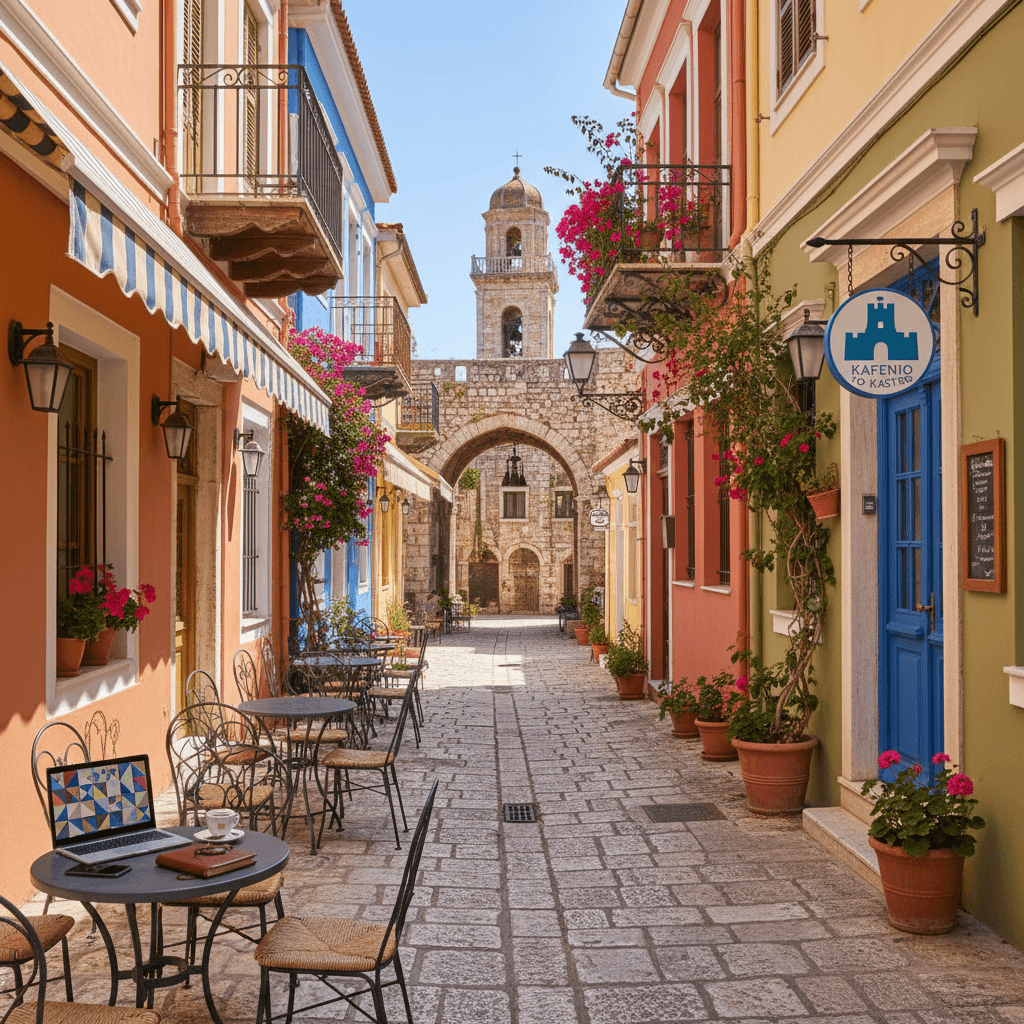
Ioannina
🇬🇷 Greece
The Mountainous Soul of Epirus
Forget the whitewashed postcards of the Cyclades. Ioannina is a different breed of Greek city, defined by the misty waters of Lake Pamvotida and the jagged peaks of the Pindus Mountains. It feels more like a gateway to the Alps than a Mediterranean hub, trading beach clubs for stone walled fortresses and lakeside promenades. For nomads who find Athens too chaotic or the islands too seasonal, this is where you come to breathe. It is a place of silver craftsmanship, frog legs, and a slow, intentional pace that prioritizes a long afternoon coffee over the hustle.
The vibe here is deeply academic yet ancient. As a major university town, there is a constant stream of young energy filling the cafes, but the Byzantine walls of the Kastro keep the city grounded in history. You will feel the Ottoman influence in the architecture and the cuisine, creating a cultural bridge that feels unique to the Epirus region. It is quiet enough to actually get work done, but soulful enough that you won't feel like you are living in a suburban vacuum.
Living Costs for 2025
Ioannina remains one of the more affordable urban centers in Greece, though you should budget for higher utility costs during the crisp winters. Most nomads find they can live comfortably on €1,500 to €2,000 per month, while those on a tighter budget can manage on €800 to €1,200 by sticking to student areas and local tavernas.
- Studio Apartment (Central): Expect to pay €400 to €600.
- Studio Apartment (Outskirts): Prices drop to €350 to €500.
- Daily Meals: A quick gyro or street souvlaki is €3 to €5; a sit down dinner at a taverna usually runs €10 to €15.
- Coworking & Data: Monthly desk space averages €150, while a €20 SIM from Cosmote provides unlimited data.
Where to Plant Your Laptop
Choosing a neighborhood in Ioannina changes your experience entirely. The city is walkable, but each pocket has a distinct personality.
Old Town (Kastro)
- The Vibe: Living inside a living fortress. It is historic, quiet, and incredibly scenic.
- Pros: You are steps away from the lake and the most charming cafes in the city.
- Cons: Rent is at a premium and the stone streets can get crowded with day trippers in the summer.
University Area
- The Vibe: High energy and unpretentious. This is where the local students hang out.
- Pros: The cheapest food in the city and plenty of laptop friendly cafes with reliable WiFi.
- Cons: It can be noisy late at night and lacks the polished beauty of the lakeside.
Lakeside (Paralimni)
- The Vibe: Residential, green, and calm. Perfect for those who want a morning run by the water.
- Pros: Peaceful environment with plenty of space and fresh air.
- Cons: You will likely need a bike or the bus to get into the heart of the action for social events.
The Nomad Workflow
While Ioannina doesn't have the massive coworking hubs of Lisbon or Berlin, the infrastructure is surprisingly solid. Most cafes in the center are accustomed to people lingering over a "frappe" or "freddo espresso" for hours. WiFi speeds generally clock in between 50 and 100Mbps, which is plenty for video calls. If you need a dedicated office environment, look for emerging local hubs or university affiliated spaces that offer daily passes for around €10.
Getting around is straightforward. Most nomads stick to the center on foot, but the FreeNow app (formerly TaxiBeat) is the local go to for affordable rides across town [2]. If you want to explore the nearby Zagori villages or the mountain town of Metsovo, renting a car for the weekend is a must. The local bus system is reliable for short hops, with tickets costing about €1 per trip.
Safety and Integration
This is a remarkably safe city. You can walk almost anywhere at night without a second thought. Healthcare is high quality, with the University Hospital of Ioannina serving as a major regional center. For daily needs, pharmacies are everywhere and usually have someone on staff who speaks excellent English.
Socially, the scene is smaller but welcoming. You won't find a massive nomad meetup every night, but joining Facebook groups like Digital Nomads Greece or Expats in Ioannina will help you find the local crowd. Most people under 40 speak great English, but learning a few phrases like "Yia sou" for hello or "Efharisto" for thank you goes a long way with the older shopkeepers. If you are planning a long stay for 2025 or 2026, the Greek Digital Nomad Visa is the best route, provided you meet the €3,500 monthly income requirement.
The Price of Epirus Life
Ioannina is arguably one of the best bangs for your buck in Greece. While the islands and Athens see prices climbing every year, this lakeside city remains remarkably grounded. It feels like a well kept secret where your Euro goes significantly further, provided you aren't trying to heat a drafty stone house in the dead of January. Most nomads find they can live a high quality life here on a budget that would barely cover a studio in Western Europe.
For a solo traveler living a modest lifestyle, €800 to €1,200 per month is a realistic baseline. This assumes you're sharing a flat or staying slightly outside the historic center and eating plenty of €4 gyros. If you want a private apartment in the Old Town and regular dinners at mid range tavernas, aim for €1,500 to €2,000. Those with a €2,500+ budget can live quite luxuriously, securing lakefront views and frequenting the upscale bistros that dot the shoreline.
Cost Breakdown by Neighborhood
Where you plant your flag in Ioannina changes your monthly burn rate more than you might expect. The city is walkable, but proximity to the lake or the castle walls comes with a premium.
Old Town (Kastro)
- Rent: €400 to €600 for a 1BR apartment.
- Vibe: Historic, walkable, and right in the thick of the cafe culture.
- Trade-off: It’s the most expensive area for groceries and rent, and it gets crowded during the peak summer months.
Lakeside (Paralimni)
- Rent: €350 to €500 for modern builds.
- Vibe: Quieter, green, and perfect for morning runs by the water.
- Trade-off: You’ll likely want a bike or to use the bus to get into the city center for social events.
University Area
- Rent: €300 to €450 for student style studios.
- Vibe: Energetic, unpolished, and packed with the cheapest food in the city.
- Trade-off: It can be noisy and lacks the aesthetic charm of the stone paved center.
Daily Expenses and Digital Infrastructure
Eating out is a highlight here. You can grab a coffee and a spinach pie for under €6, while a full dinner with wine at a local taverna usually lands between €12 and €18. If you’re feeling adventurous, try the local frog legs by the lake; they’re a specialty and won’t break the bank.
For work, the infrastructure is surprisingly solid. While there isn't a massive corporate coworking scene, hubs like those found via the local digital nomad conferences offer desks for about €10 a day or €150 a month. Most nomads just park themselves in a cafe. Greek coffee culture is very relaxed; as long as you keep ordering the occasional freddo espresso, nobody will mind you staying for four hours. WiFi speeds usually hover around 50 to 100Mbps in the city center.
- Mobile Data: Grab a Cosmote SIM for €20 to get 30 days of unlimited data. It has the best coverage if you plan to head into the nearby Pindus mountains.
- Transport: A monthly bus pass is €30, but the city center is tiny enough that you'll rarely need it. Taxis via the TaxiBeat app are affordable, with most cross city hops costing €5 to €10.
- Utilities: Be careful in winter. Heating costs can spike to €150+ a month in older buildings because the mountain air gets surprisingly biting.
Practical Requirements
If you're planning a long term stay, the Greek Digital Nomad Visa is the gold standard for 2025. You'll need to prove a monthly income of at least €3,500. For banking, most expats stick with Revolut or N26 for daily spending, though Piraeus Bank is the local go-to if you need a Greek account. For apartment hunting beyond Airbnb, check Spitogatos.gr or local Facebook groups like Ioannina Rentals to find local prices rather than tourist rates.
For Nomads & Remote Workers: The Old Town (Kastro)
If you want to live inside a living museum, the Kastro is where you belong. This fortified citadel is the soul of Ioannina, featuring narrow stone alleys and Ottoman era architecture that feels worlds away from the concrete blocks of Athens. Most nomads gravitate here because it is the most walkable part of the city, keeping you within steps of the best espresso bars and the lakefront promenade.
Living here means balancing history with a slightly higher price tag. You can expect to pay between €400 and €600 for a renovated studio or one bedroom apartment. While the thick stone walls of these old buildings keep things cool in the summer, they can get damp in the winter, so check the heating situation before signing anything. For work, you will find a strong cafe culture where staff won't mind if you linger over a freddo espresso for a few hours. Cosmote offers the most reliable 5G coverage here, and you can pick up an unlimited data SIM for about €20 at a local shop.
- Rent: €400 to €600 per month
- Vibe: Historic, walkable, and social
- Best for: People who want to be in the middle of the action
For Families & Nature Lovers: Lakeside (Paralimni)
The Paralimni area stretches along the shores of Lake Pamvotida and offers a much slower pace. It is the best choice for families or anyone who needs a bit of green space to stay sane. You will find wider streets, more modern apartment buildings, and easy access to the lakeside parks where locals jog and push strollers. It feels like a breath of fresh air compared to the denser urban center.
The downside is that you are further from the main cluster of bars and shops, though the city is small enough that a €5 to €10 ride via the TaxiBeat app gets you almost anywhere. Rents here are comparable to the center but often get you more square footage or a small balcony with a view of the water. It is a quiet, safe neighborhood where you can actually hear the birds instead of motorbikes.
- Rent: €450 to €650 for larger units
- Vibe: Quiet, scenic, and residential
- Best for: Long term stays and those with kids
For Solo Travelers & Budget Seekers: The University District
Ioannina is a major student hub, and the area surrounding the University of Ioannina campus is where the energy is highest. This is the place for nomads on a tighter budget or solo travelers looking to meet people quickly. The streets are lined with cheap pita shops where a gyro costs just €3 to €5, and the bars stay open much later than those in the Kastro.
Expect to pay between €350 and €500 for a modest apartment. The aesthetic is less "charming old world" and more "functional student housing," but the trade off is the sheer number of affordable places to eat and work. You will find plenty of young Greeks who speak excellent English and are happy to chat. Just be prepared for a bit more noise on Friday nights when the student population takes over the local tavernas.
- Rent: €350 to €500 per month
- Vibe: High energy and very affordable
- Best for: Budget conscious travelers and social butterflies
For Expats & Long-Termers: The Outskirts & Anatoli
If you are planning to stay for a year on the Greek Digital Nomad Visa and have a car, look toward the outskirts like Anatoli. These areas offer a more authentic local experience away from any tourist influence. You will get much more value for your money, with modern apartments often priced under €400. It is the practical choice for someone who wants to use Ioannina as a base to explore the nearby Zagori villages or the mountain town of Metsovo on weekends.
While you'll need to rely on the local bus system or a scooter rental to get into the center, the peace and quiet are worth it. Most expats who settle here appreciate the proximity to larger supermarkets and the University Hospital, which provides high quality care. It is a functional, safe, and very "real" Greek neighborhood.
- Rent: €350 to €450 per month
- Vibe: Local, practical, and spacious
- Best for: Visa holders and those with their own transport
Connectivity and Speed
You won't have much trouble staying connected in Ioannina. While the city is tucked away in the Epirus mountains, the infrastructure is surprisingly robust for its size. Most central apartments and hotels offer stable VDSL connections with speeds averaging between 50Mbps and 100Mbps. It's plenty for video calls and heavy uploads, though you might notice a dip if you head into the more remote Zagori villages for a weekend hike.
For your mobile backup, unlimited data plans start around €20-35/month. Cosmote generally wins on coverage, especially if you plan on exploring the lakeside or the surrounding peaks. You can pick these up at local kiosks or dedicated shops in the city center. Most nomads find this the most reliable way to ensure a tethered connection during local power flickers or in spotty cafe networks.
Coworking Spaces and Community
The dedicated coworking scene in Ioannina is still finding its feet, but it's growing as the city positions itself as a tech hub for northern Greece. You'll find emerging spaces and local innovation hubs that cater to the digital crowd, often hosting small tech conferences. Expect to pay around €10 for a day pass or between €100 and €150 for a monthly desk. These spots are your best bet for meeting other remote workers, as the expat community here is tight knit but small.
If you prefer a more social environment, the "work from cafe" culture is massive. Because of the large student population from the University of Ioannina, sitting with a laptop for three hours over a single €3.50 freddo espresso is perfectly acceptable. The cafes near the Old Town (Kastro) and along the Lakeside (Paralimni) promenade are favorites for their views and reliable WiFi. Just keep an eye on the afternoon "siesta" hours when some smaller spots might quiet down or get rowdy with the post-work crowd.
Best Areas for Working Remotely
- Old Town (Kastro): This is the heart of the nomad experience. It’s walkable and packed with cafes that have a historic, quiet vibe during the day. Rent here is higher, usually €400 to €600 for a studio, but you're paying for the convenience of being steps away from everything.
- University District: Located a bit further out, this area stays lively year round. The cafes here are geared toward students, meaning the WiFi is usually decent and the prices for a quick gyro or coffee are the lowest in the city.
- Lakeside: Perfect if you need a view to stay productive. There are several spots along the water where you can set up shop, though the humidity from Lake Pamvotida can make outdoor working a bit sticky in the peak of summer.
Practical Logistics
If you're planning a longer stay on the Greek Digital Nomad Visa, you'll need to show a monthly income of at least €3,500. While Ioannina is much more affordable than Athens, with a total monthly budget of €1,500 to €2,000 providing a very comfortable lifestyle, the visa requirements remain the same across the country.
For finding short term housing with decent desk setups, check Spitogatos.gr or local Facebook groups like "Digital Nomads Greece." Always ask for a speed test screenshot before committing to a month long rental, as some older stone buildings in the Kastro have thick walls that can act like a Faraday cage for your WiFi signal. Most nomads recommend bringing a long ethernet cable just in case the router is tucked away in a hallway.
Top Digital Nomad Apps for Ioannina
- TaxiBeat: The go-to for catching a quick ride around town, usually costing €5 to €10 for most city trips.
- Google Translate: Essential for deciphering menus in smaller tavernas, even though English proficiency is high among the younger crowd.
- Revolut or N26: Widely accepted at almost every cafe and coworking spot; you'll rarely need to carry much physical cash.
- Lime: Useful for grabbing an electric scooter to zip between the university district and the lakeside promenade.
A Safe Haven in the Mountains
Ioannina is a breath of fresh air for nomads tired of the high-alert energy of Athens or the tourist traps of the islands. It feels more like a large, welcoming village than a provincial capital. You can walk through the Old Town (Kastro) at midnight or stroll along the Paralimni lakeside path without a second thought. Crime is remarkably low, and the local culture is built on a foundation of hospitality where neighbors actually look out for one another.
While the city is generally very secure, common sense still applies. The outskirts and some poorly lit areas near the university can feel a bit lonely at night, but they aren't considered dangerous. Most travelers find the "safe vibe" is one of the city's biggest draws, allowing for a focused work-life balance without the typical big-city anxieties.
Healthcare Infrastructure
The medical care in Ioannina is some of the best in western Greece, largely thanks to the University Hospital of Ioannina. This is a major teaching hospital that meets high EU standards and handles everything from routine check-ups to specialized emergencies. For quicker, non-emergency visits, the Hatzikosta General Hospital is the other primary public option located within the city limits.
Expats recommend having private health insurance to access private clinics, which often results in shorter wait times and more English-speaking staff. If you're on the Digital Nomad Visa, you'll need to prove you have €3,500 monthly income and valid coverage as part of your residency requirements.
Pharmacies and Emergency Services
Pharmacies (Farmakeio) are everywhere in the city center, easily identified by their glowing green crosses. They are highly regulated and the pharmacists are often knowledgeable enough to give advice on minor ailments or suggest over-the-counter alternatives. If you need medicine after hours, every pharmacy window posts a schedule of the "Efimeron" (on-call) shops for that night.
- General Emergency (EU-wide): 112
- Ambulance (EKAV): 166
- Police: 100
- Tourist Police: 171 (usually better for English speakers)
Practical Wellness Tips
The biggest health "risk" in Ioannina isn't crime or disease, but the damp winter climate. Between October and April, the humidity from Lake Pamvotida combined with mountain air can make the cold feel much sharper. Nomads often mention that older apartments in the Kastro area can struggle with mold or poor insulation, so it's smart to check the heating system before signing a winter lease. Heating bills can spike to €150 or €200 in the coldest months, so factor that into your monthly budget.
Tap water in Ioannina is generally safe to drink, though many locals prefer bottled water for the taste. If you're heading into the nearby Zagori mountains for a weekend hike, always carry a physical map and plenty of water, as cell service becomes spotty once you leave the city basin. For daily needs, apps like Beat or TaxiBeat are reliable for getting home safely if you've stayed out late at a lakeside tavern.
The Pulse of the City
Ioannina is a surprisingly easy city to navigate on foot, especially if you've based yourself in the Old Town (Kastro) or near the university. The center is compact and largely pedestrian friendly; you'll find most of your daily needs within a 15 to 20 minute walk. For digital nomads, the lakeside promenade provides a scenic, flat route perfect for a morning stroll or a bike ride between cafe hopping sessions.
Public Transit and Apps
While the city is walkable, you'll want to get familiar with the local bus system for trips to the outskirts or the university campus. The blue city buses are reliable and cover most major residential pockets.
- Tickets: €1.20 per trip (Zone A). You can buy these at kiosks (periptera) throughout the city.
- Monthly Pass: If you're staying for a full month or longer, a 30 DAY REGULAR CARD: €45 (Zone A) is a lifesaver if you live in the quieter Paralimni area.
- Ride-Hailing: Don't look for Uber here. Instead, download FreeNow (formerly Beat/TaxiBeat).
Two-Wheeled Travel
The flat terrain around Lake Pamvotida makes cycling an attractive option. It's a common sight to see locals and students zip around on scooters or bikes to beat the narrow street traffic. Travelers often rent through local shops or use apps like Lime for short bursts across town, which typically costs about €5 for a day of intermittent use. Just be cautious in the Kastro area; those historic cobblestones are beautiful but can be slippery after a light rain.
Arrival and Airport Transfers
Ioannina National Airport (IOA) is small and efficient, located just a few kilometers from the city center. You won't spend half your day in transit getting to your rental.
- Taxis: A cab from the airport to the Old Town usually costs between €15 and €20 and takes about 15 minutes.
- Buses: There is a local bus service that connects the airport to the main bus station, though most nomads find the taxi more convenient when carrying luggage.
- Long Distance: If you're arriving from Athens or Thessaloniki, the KTEL bus station is your primary hub. It's a well organized system that connects the city to the rest of the Epirus region.
Venturing into the Mountains
One of the biggest draws of living in Ioannina is the proximity to the Pindus Mountains. While public buses run to popular spots like Metsovo or the Zagori villages, the schedules can be sparse. Most expats recommend renting a car for weekend getaways. Having your own wheels allows you to explore the stone bridges and hiking trails at your own pace without worrying about the last bus back to the city. Car rentals are affordable, often starting around €25 to €35 per day during the shoulder seasons of May or September.
Practical Navigation Tips
The city's layout is intuitive once you realize everything radiates from the lake front. Most nomads find that they rarely need a car for daily life. If you do find yourself further out in the university district, the bus frequency is high enough that you won't feel stranded. Just remember that during the afternoon siesta hours, the pace of the city slows down significantly; it's the perfect time to grab an iced coffee and wait out the heat or the occasional mountain rain shower.
The Greek Context
You'll find that Ioannina feels far removed from the tourist heavy islands where English is the default. Here, Greek is the heartbeat of daily life. While the younger generation and those working in the university district or tourism sectors speak English well, about 60% to 70% of the local population is proficient enough to help you out. It is a city that rewards effort; even a messy attempt at a Greek greeting will earn you a much warmer smile from the shopkeepers in the Kastro.
Most nomads find they can get by with English for basic transactions, but the administrative side of life is a different story. If you're dealing with local utilities or more complex paperwork for a long term rental, having a translation app or a Greek speaking friend is a necessity. The local dialect in Epirus can be thick, but the people are famously hospitable and will usually go out of their way to understand you through a mix of broken English and expressive hand gestures.
Essential Phrases to Know
Learning the Greek alphabet isn't strictly necessary for survival since most signs are transliterated, but knowing a few key phrases changes the vibe of your interactions entirely. Locals appreciate the gesture in a city that doesn't see the same volume of foreigners as Athens.
- Yia sou: Hello (informal) or Goodbye. Use it everywhere from the gym to the bakery.
- Efharisto: Thank you. You'll use this constantly, especially given the generous portions in Epirus tavernas.
- Parakalo: Please or You're welcome. It is the multi tool of Greek social etiquette.
- Poso kani?: How much? Useful at the open air markets where prices aren't always tagged.
- Nai / Ochi: Yes / No. Be careful here, as "Nai" sounds like "No" to English speakers.
Digital Tools and Translation
Google Translate is your best friend here, specifically the offline Greek language pack. The camera feature is a lifesaver for reading menus in smaller mountain villages like Metsovo or Zagori where English translations are rare. For more serious learners, apps like Duolingo or Mondly are popular, but expats recommend taking a few informal lessons at a local cafe to pick up the specific slang used around the University of Ioannina campus.
If you're looking for community support, the Expats in Ioannina or Digital Nomads Greece Facebook groups are active. These are the best places to find recommendations for English speaking doctors or lawyers if you're applying for the digital nomad visa, which currently requires a monthly income of €3,500. Most nomads find that the language barrier is more of a charming quirk than a genuine hurdle to productivity.
Social Etiquette and Communication Style
Communication in Ioannina is rarely rushed. Whether you're ordering a freddo espresso or asking for directions, expect a bit of small talk. There's a relaxed, mountainous pace to conversations that mirrors the city's overall vibe. Don't be surprised if a simple question about a bus route turns into a ten minute chat about your hometown.
Physical touch and animated gestures are part of the local "language." Greeting friends with kisses on both cheeks is standard, and hospitality often involves being offered free treats or a glass of tsipouro at the end of a meal. Understanding the "siesta" culture is also key; many local shops close between 2:30 PM and 5:30 PM, so don't expect much responsiveness during those hours. It is the perfect time to go quiet and focus on your deep work before the city wakes back up for the evening.
The Seasonal Rhythm
Unlike the sun-drenched islands that go into hibernation after October, Ioannina keeps a steady, continental pulse all year. It feels more like a Central European town tucked into the Pindus Mountains than a Mediterranean beach hub. The geography here dictates the vibe, especially with Lake Pamvotida acting as a giant mirror for the changing sky. You’ll find the most comfortable working conditions during the shoulder seasons, specifically May through June and September through October.
During these months, temperatures hover between 20°C and 25°C. It’s the sweet spot for taking your laptop to a lakeside cafe without melting or needing a heavy coat. The humidity is low, the mountain air is crisp, and the lakefront path is perfect for a midday break. Most nomads find this the best time to explore nearby Zagori villages or Metsovo on the weekends without dealing with the peak summer heat or winter snow.
Summer: High Peaks and Lakeside Breezes
July and August in Ioannina are hot, but rarely unbearable. Temperatures usually sit between 25°C and 32°C. While coastal Greece gets swamped with tourists, Ioannina remains relatively relaxed. It’s a dry heat, and the city’s elevation provides some relief once the sun goes down. If you’re here in the summer, you’ll likely spend your evenings in the Kastro district, where the thick stone walls of the old fortress keep things naturally cool.
- Pros: Long daylight hours for hiking, lively outdoor cafe culture, and easy access to mountain springs.
- Cons: Some smaller shops might close for a few weeks in August for the traditional Greek summer break.
Winter: The Cozy Mountain Vibe
If you’re planning a winter stay between December and February, pack a serious jacket. Ioannina gets cold, with temperatures often dipping between 0°C and 10°C. It rains frequently from October through April, and the surrounding peaks will be capped with snow. This is the time when the city’s "mountain culture" really shines. Think wood-fired tavernas, heavy Epirus pies, and foggy mornings over the lake.
Expats recommend budgeting extra for utilities during this period. Heating bills can spike significantly, sometimes adding €100 to €150 to your monthly expenses if your apartment isn't well-insulated. While the city itself doesn't get buried in snow often, the nearby ski centers are just a short drive away, making it a unique spot for nomads who prefer snowboarding over surfing.
Best Time for Your Budget
For those watching their wallet, the winter months offer the lowest rent on platforms like Airbnb, though you’ll pay more for electricity. The best value is found in late spring. You get the benefit of lower "off-season" prices for car rentals and long-stay apartments before the small summer bump hits. Travelers often say that May is the goldilocks zone: the wildflowers in the mountains are blooming, the rain has tapered off, and the lakeside cafes are just starting to buzz with energy again.
Quick Seasonal Breakdown
- Spring (March to May): Crisp mornings, blooming landscapes, and moderate prices. Expect some rain in March, but beautiful 18°C to 22°C days by May.
- Summer (June to August): Sunny and dry. Great for mountain trips. Expect €30 to €40 per day for basic car rentals to reach the coast or hiking trails.
- Autumn (September to November): The most scenic time as the trees around the lake turn gold. Highs of 15°C to 23°C. Perfect for outdoor work sessions.
- Winter (December to February): Cold and moody. Best for those who love fireplaces and mountain sports. Prices for indoor coworking spaces are stable at around €150 per month.
The Vibe and Daily Flow
Ioannina is a breath of fresh air if you are tired of the frantic pace of Athens or the tourist traps of the Cyclades. It has a moody, continental soul that feels more like Central Europe than the Mediterranean. Most nomads find the city strikes a perfect balance between a slow, lakeside lifestyle and the youthful energy of a major university town. You can spend your mornings working from a cafe in the Kastro (Old Town) and your afternoons driving into the rugged Pindus Mountains.
The local culture is defined by Epirus hospitality, which is famously generous. People here take their coffee seriously, often sitting for hours by the lake. While the social scene is quieter than in larger hubs, the growing community of remote workers and students makes it easy to strike up a conversation. Just keep in mind that the city effectively shuts down for a few hours in the afternoon for the traditional siesta, so plan your errands accordingly.
Cost of Living
Ioannina remains one of the more affordable urban centers in Greece. Your money goes significantly further here than in the islands, though you should budget for higher heating costs if you stay through the winter months. Most expats find that a monthly budget of €1,500 to €2,000 allows for a very comfortable lifestyle with private housing and frequent meals out.
- Housing: A modern one bedroom apartment in the center or near the lake typically runs between €400 and €600. If you look toward the university outskirts, you can find studios for as low as €350.
- Food and Drink: A quick gyro or street food snack costs about €3 to €5. A full dinner at a mid range taverna usually lands between €10 and €15 per person, while a high end meal with wine will start around €25.
- Utilities and Internet: Expect to pay around €150 to €200 for monthly utilities, including electricity and water. High speed fiber is becoming the standard, with unlimited mobile data plans from Cosmote or Vodafone costing about €20.
Where to Set Up Base
Choosing the right neighborhood depends on whether you want historic charm or a modern, student focused environment. Most nomads gravitate toward the following areas:
Old Town (Kastro)
- The Draw: Living inside the Byzantine walls offers unmatched atmosphere, cobblestone streets, and proximity to the best cafes.
- The Trade-off: Rents are higher, and it can get crowded with day trippers during the peak summer weeks.
Lakeside (Paralimni)
- The Draw: This area is perfect for those who want to start their day with a run or walk by Lake Pamvotida. It is scenic, quiet, and very green.
- The Trade-off: It is a bit of a trek to the main nightlife spots, and you might feel slightly removed from the city center action.
University District
- The Draw: Extremely budget friendly with a high concentration of cafes that are very laptop friendly. The energy is young and vibrant.
- The Trade-off: It lacks the historic beauty of the Kastro and can be quite noisy during the school term.
Connectivity and Remote Work
While Ioannina doesn't have dozens of dedicated coworking spaces yet, the infrastructure is solid. Average WiFi speeds in central apartments and cafes range from 50Mbps to 100Mbps. Local hubs are beginning to emerge as the city positions itself as a tech destination, with day rates typically around €10.
If you prefer working from cafes, the Greek coffee culture is your best friend. Most spots won't mind if you linger over a Freddo Espresso for a few hours. For the best mobile coverage, nomads recommend Cosmote, especially if you plan on taking weekend trips to the nearby Zagori villages where other networks can be spotty.
Getting Around
The city center is highly walkable, and you can cross most of the main districts on foot in under 20 minutes. For longer trips, the local bus system is reliable and cheap at €1 per ride. If you need a car for mountain excursions, local rentals are available, or you can use the TaxiBeat app for quick trips across town, which usually cost between €5 and €10.
Safety and Health
Ioannina is incredibly safe. You can walk almost anywhere at night without worry, though it is always smart to stay aware in less lit areas on the outskirts. If you need medical care, the University Hospital of Ioannina is a high quality facility that meets EU standards. Pharmacies are everywhere and are the first stop for minor ailments; look for the illuminated green cross.
The Best Time to Visit
The shoulder seasons of May to June and September to October are the sweet spots. You will enjoy mild temperatures around 20°C to 25°C and avoid the winter rains. If you come in January or February, bring a heavy coat; the proximity to the mountains means temperatures often hover near 0°C and snow is common.
Need visa and immigration info for Greece?
🇬🇷 View Greece Country GuideEasy Landing
Settle in, no stress
Monthly Budget Estimates
More cities in Greece
Thessaloniki
🇬🇷 Greece
Ermoupoli
🇬🇷 Greece
Chania
🇬🇷 Greece