Iloilo City
🇵🇭 Philippines
The City of Love Experience
Iloilo City doesn't shout for your attention; it earns it through a slow, charming burn. Often called the City of Love, it feels significantly more human than the chaotic sprawl of Manila or the tourist-heavy streets of Cebu. There is a sense of space here, particularly along the Iloilo River Esplanade, where locals gather for sunset walks and the air feels genuinely clean. It is the Philippines' first UNESCO Creative City of Gastronomy, meaning your workday breaks will likely revolve around legendary bowls of La Paz Batchoy or fresh seafood that costs a fraction of what you would pay in a Western capital.
The vibe is a peculiar, pleasant mix of old-world Spanish heritage and ultra-modern efficiency. You can spend your morning working from a high-tech glass tower in the Iloilo Business Park and your afternoon photographing the Baroque architecture of the Jaro Cathedral or the colonial mansions of Calle Real. Nomads here often describe a sense of "Manila lifestyle at half price," enjoying high-end gyms, walkable townships, and 5G connectivity without the soul-crushing traffic jams or heavy smog of the bigger metros.
The Digital Nomad Lifestyle
Most remote workers gravitate toward Mandurriao, specifically the Iloilo Business Park (IBP). It is a master-planned district where everything is reachable on foot. You can walk from your condo to a coworking space, grab a craft beer at the Festive Walk Parade, and visit the Iloilo Museum of Contemporary Art (ILOMOCA) all within a ten-minute radius. It feels safe, manicured, and incredibly easy to manage as a foreigner.
- Safety: Iloilo consistently ranks as one of the safest cities in the country. You'll feel comfortable walking at night, and the local Ilonggo people are known for being exceptionally soft-spoken and helpful.
- Social Life: While the nomad community is smaller than in Canggu or Chiang Mai, it is growing and tight-knit. Socializing happens in the air-conditioned cafes along Festive Walk or during the massive Dinagyang Festival in January, which transforms the city into a giant street party.
- Connectivity: 5G is the standard in urban hubs. Most nomads use a Globe or Smart SIM with unlimited data for about 999 PHP per month as a backup to the fiber internet found in modern condos.
Cost of Living Breakdown
Your budget goes a long way here. Most nomads find they can live a "comfortable" lifestyle for around 60,000 PHP a month, which covers a modern condo and frequent dining out. If you are more budget-conscious, staying downtown and eating at local carinderias can drop your monthly spend to 30,000 PHP.
Iloilo Business Park (Mandurriao)
- Best For: Nomads who want a "plug and play" lifestyle with zero friction.
- Rent: 20,000 to 35,000 PHP for a studio or 1BR in buildings like Lafayette or Saint Honore.
- Pros: Fiber internet, very walkable, 5-minute access to gyms and coworking.
- Cons: Higher rent than the rest of the city; can feel a bit like a "bubble."
Downtown & Calle Real
- Best For: Culture seekers and those on a tighter budget.
- Rent: 15,000 to 25,000 PHP for decent apartments.
- Pros: Stunning heritage architecture, cheaper local markets, and proximity to the river.
- Cons: Noisier, more traffic, and fewer dedicated coworking spaces.
Daily Expenses
- Meals: A bowl of authentic Batchoy ranges from 120 to 230 PHP depending on the vendor and portion size; a mid-range dinner at a nice restaurant is 200 to 400 PHP; upscale dining and drinks at Festive Walk run 500 to 800 PHP.
- Transport: Using the Grab app for a car usually costs 100 to 250 PHP depending on distance; local jeepneys are only 10 to 20 PHP.
- Coworking: Day passes in Mandurriao spaces typically range from 500 to 1,000 PHP.
The real magic of Iloilo is its position as a gateway. When the city heat gets to you, Guimaras island is just a 15-minute boat ride away for world-class mangoes and quiet beaches. If you need a weekend of partying, Boracay is reachable by land and ferry. It’s a city that allows you to actually work during the week so you have the energy and funds to explore the islands on your days off.
The Price of the Iloilo Lifestyle
Living in Iloilo City feels like a life hack. Most nomads describe it as getting the Manila BGC experience at roughly half the price. You get the high speed fiber, the walkable townships, and the modern condos without the gridlock or the soul crushing expenses of the capital.
A solo traveler can live comfortably here on 30,000 to 50,000 PHP per month, which covers a nice apartment, plenty of dining out, and weekend trips to Guimaras. If you want the premium experience in the newest developments, you will likely spend 60,000 PHP or more, but even then, your dollar goes incredibly far compared to Cebu or Manila.
Housing and Neighborhoods
The neighborhood you choose dictates your budget more than anything else. Most digital nomads head straight for Iloilo Business Park (IBP) in Mandurriao. It is the gold standard for safety and convenience, where you can walk to your gym, office, and favorite bar in five minutes.
- Iloilo Business Park (IBP): Expect to pay 20,000 to 35,000 PHP for a studio or one bedroom in modern buildings like Lafayette or Saint Honore. It is the most expensive area, but the reliability of the fiber internet makes it worth the premium for remote workers.
- Downtown and Calle Real: If you prefer heritage architecture and a more local vibe, you can find stays for 15,000 to 25,000 PHP. It is noisier and less walkable for daily chores, but it puts you right in the historic heart of the city.
- Villa Beach: This area is better for those who want a slower pace and immediate access to seafood. It is further from the coworking hubs, but rental prices are generally lower than the modern townships.
Dining and Groceries
Iloilo is a UNESCO Creative City of Gastronomy, so food is both a highlight and a bargain. You can eat well regardless of your budget tier. A bowl of authentic Batchoy ranges from 120 to 230 PHP depending on the vendor and portion size.
- Mid-range Dining: A solid meal at a local bistro or cafe usually costs between 200 and 400 PHP.
- Upscale Options: If you are heading to the bars and restaurants at Festive Walk Parade, expect to pay 500 to 800 PHP for a high end dinner with drinks.
- Groceries: Most expats find that shopping at local markets for produce and using supermarkets like SM or Festive Walk for imports keeps the monthly food bill around 8,000 to 12,000 PHP.
Connectivity and Workspace
Work life balance is easy here because the infrastructure actually supports it. The city is 5G ready, and most modern condos in IBP come with fiber connections. For those who need a dedicated office environment, coworking spaces in the business districts charge roughly 500 to 1,000 PHP for a day pass.
For mobile data, nomads usually grab a local SIM from Globe or Smart. You can get unlimited data promos for around 999 PHP per month. It is a smart move to keep a loaded SIM as a backup, especially during the rainy season when power outages can occasionally disrupt home WiFi.
Transport and Utilities
Getting around is surprisingly cheap. The city is famous for its Iloilo River Esplanade, which is great for walking, but for longer distances, you will use apps or local transport.
- Grab: This is the most reliable way to get around. Most rides within the city center cost between 100 and 250 PHP.
- Jeepneys: For the adventurous, a ride costs just 10 to 20 PHP.
- Utilities: For a standard one bedroom apartment, expect to pay 3,000 to 5,000 PHP for electricity and water, depending heavily on how much you run the air conditioning.
Overall, Iloilo offers a rare middle ground. It is developed enough to feel easy, but local enough to remain affordable. You won't feel like you are overpaying for the "tourist price" here, which is why so many nomads end up staying much longer than they originally planned.
For Nomads: Iloilo Business Park (IBP), Mandurriao
If you're looking for the "Manila BGC lifestyle" without the suffocating price tag or the gridlock, Iloilo Business Park is where you belong. It's the undisputed hub for digital nomads because it’s designed for efficiency. You can walk from your condo at Saint Honore or Lafayette to a coworking space or a high end gym in under five minutes. The streets are clean, wide, and remarkably safe for late night walks after a long shift.
The internet here is the most reliable in the city. Most buildings are fiber-ready, and 5G coverage is consistent. When you need a break from your desk, the Festive Walk Parade offers al fresco dining and craft beer spots that feel more like Singapore than a provincial Philippine city. It's modern, polished, and incredibly convenient.
- Rent: 20,000 to 35,000 PHP for a modern studio or 1BR condo.
- Coworking: Expect to pay 500 to 1,000 PHP for a day pass in local hubs.
- Vibe: Fast paced but organized; the closest you'll get to a "global city" feel in Western Visayas.
For Solo Travelers and Culture Lovers: Downtown & Calle Real
Those who prefer character over glass towers should head to the historic heart of the city. Downtown is centered around Calle Real, where restored heritage buildings house local boutiques and old school bakeries. It feels lived in and authentic. It’s the best spot for photographers and history buffs who want to be steps away from the Iloilo River Esplanade, a scenic pathway perfect for sunset jogs or morning walks.
While it’s busier and less "manicured" than Mandurriao, the cost of living drops significantly here. You'll find plenty of affordable guesthouses and local eateries serving La Paz Batchoy for as little as 50 to 100 PHP. It’s central, making it easy to hop on a 15 PHP jeepney ride to almost anywhere else in the city.
- Rent: 15,000 to 25,000 PHP for older apartments or local studios.
- Food: Incredibly cheap; plenty of 200 PHP mid-range meals.
- Vibe: Historic, gritty in a charming way, and very walkable for exploring local landmarks.
For Families and Coastal Relaxers: Villa Beach Area
If you have kids or simply want to wake up to a sea breeze, the Villa area (Arevalo district) offers a much slower pace. It’s famous for its coastal seafood restaurants and the historical Fort San Pedro. Families often choose this area for the larger, gated residential communities that offer more square footage than the high-rise condos in the city center.
The trade-off is the commute. You're further away from the main coworking hubs and the upscale malls, so having the Grab app on your phone is a necessity. During peak festival seasons like Paraw Regatta in February, this area gets packed with crowds, but for the rest of the year, it’s a quiet escape from the urban core.
- Rent: Variable; houses can be found for 25,000 PHP and up.
- Transport: 200 to 500 PHP for Grab rides to the airport or business district.
- Vibe: Laid back, residential, and focused on weekend seafood feasts.
For Expats and Long-Term Residents: Jaro
Jaro is the aristocratic soul of Iloilo. It's home to grand ancestral mansions and the famous Jaro Cathedral. Many long-term expats prefer this neighborhood because it strikes a balance between the modernity of Mandurriao and the history of Downtown. It feels like a real neighborhood with established markets and some of the best private schools in the region.
Living here means you're close to SM City Iloilo for your grocery needs but tucked away in quieter side streets. It’s a safe, prestigious district where people tend to know their neighbors. It’s particularly lively in January during the Dinagyang Festival, though you’ll want to book any accommodation months in advance if you're arriving then.
- Rent: 20,000 to 40,000 PHP depending on the size of the house or townhouse.
- Social: Great for meeting locals at the plaza or frequenting the many neighborhood cafes.
- Vibe: Traditional, upscale, and community oriented.
Connectivity and Speed
Iloilo City has quietly become one of the most reliable digital hubs in the Philippines. Most nomads find that the city's infrastructure easily supports video calls and heavy uploads, especially within the Iloilo Business Park (IBP). This district is fiber-ready, meaning most modern condos like Lafayette or Saint Honore come with high speed lines pre-installed. You can expect 5G coverage across most of the Mandurriao district, though it's always smart to have a backup plan for the occasional power flicker during typhoon season.
For your mobile setup, locals and expats generally lean toward Globe or Smart. You can pick up a SIM card at the airport or any mall for a few pesos. Expats recommend the unlimited data promos, which typically cost around 999 PHP for a month of service. Having a dedicated pocket WiFi or using your phone as a hotspot is a standard move here, as it keeps you online if your building's primary line has a hiccup.
Coworking Spaces and Work-Friendly Cafes
The coworking scene is concentrated in the Mandurriao area, where the vibe is professional yet laid back. Prices for a day pass generally range between 500 PHP and 1,000 PHP. These spaces aren't just about the desk; they're the primary way to meet the growing community of remote workers in the city. Most spots provide high speed fiber, free flowing coffee, and air conditioning that stays frosty even in the midday heat.
- Iloilo Business Park Spaces: Many nomads head to the modern offices near the Festive Walk Mall. These spots offer the most stable internet in the city and are surrounded by restaurants for a quick lunch break.
- Festive Walk Parade: This area is packed with cafes that are used to people staying for a few hours with a laptop. It's a great spot if you prefer a bit of background noise and a more social atmosphere.
- Downtown/Calle Real: While the internet can be a bit more hit-or-miss in the older heritage buildings, there are several budget-friendly cafes here if you need a change of scenery and don't mind using your own data hotspot.
Practical Tips for Remote Work
If you're planning to stay long term, prioritize housing in the IBP or nearby townships. The convenience of being within a five minute walk of your "office" and a grocery store saves you from dealing with traffic. Travelers often say that the work-life balance in Iloilo is better than in Manila because you aren't wasting hours commuting. You can finish your shift at 5:00 PM and be walking along the Iloilo River Esplanade by 5:15 PM.
Keep in mind that while the city is modern, the outlying islands like Guimaras or the rural beach areas near Villa can have spotty signals. If you have a big deadline, stay in the city center. If you're heading out for a weekend, do your heavy lifting before you leave. Most nomads use the Grab app to move between coworking spots and their apartments, as it's reliable and lets you track your spending easily.
Digital Nomad Infrastructure Summary
- Daily Coworking Rate: 500 to 1,000 PHP
- Monthly SIM Data: 999 PHP for unlimited plans
- Best Neighborhood for Work: Mandurriao (Iloilo Business Park)
- Primary ISPs: PLDT, Globe, and Converge
- Power Reliability: Generally good, but condos with back-up generators are highly recommended for full time professionals.
A Culture of Care and Safety
Iloilo City consistently ranks as one of the safest urban centers in the Philippines. It lacks the aggressive edge found in larger metros, earning its reputation as the City of Love through a genuine culture of politeness. Most nomads find they can walk around comfortably at night, especially in well lit districts like the Iloilo Business Park (IBP) or along the Esplanade.
While street crime is low, it pays to stay aware in crowded markets or during major festivals like Dinagyang in January. Locals are generally protective of visitors, but keeping your phone tucked away in busy areas is a standard smart move. If you ever run into trouble, the national emergency number is 911, and the local police presence in tourist hubs is visible and helpful.
Modern Medical Facilities
You won't have to worry about finding quality care here. The city serves as the healthcare hub for the Western Visayas region, meaning it's packed with modern hospitals and specialized clinics. Expats and long term travelers typically head to private institutions for faster service and more modern amenities.
- The Medical City Iloilo: Located in Molo, this is often the top choice for nomads. It's a private hospital with high standards and English speaking staff.
- Iloilo Mission Hospital: A reliable private option in Jaro with a long history of serving the community.
- Metro Iloilo Hospital and Medical Center: A newer facility in Jaro that offers advanced diagnostic equipment.
For minor issues, pharmacies like Mercury Drug and Watsons are on almost every corner and inside malls like Festive Walk. They stay well stocked with international brands, though it's always smart to have your specific prescriptions written out by a local doctor if you need a refill.
Environmental Safety and Health
Air quality in Iloilo is significantly better than in Manila, thanks to the coastal breeze and the city's focus on green spaces like the Iloilo River Esplanade. However, the tropical climate brings its own set of considerations. Staying hydrated is a full time job in the March to May heat, and you should stick to bottled or filtered water, which is easily available for about 30 to 50 PHP per large bottle.
During the rainy season from June to October, typhoons can occasionally disrupt travel or cause power flickers. Most modern condos in IBP come equipped with back up generators, which is a lifesaver if you're working on a deadline. Mosquito borne illnesses like Dengue can pop up during the wet months, so keep some repellent handy if you're hanging out near the river or Villa Beach at dusk.
Insurance and Costs
Healthcare costs are quite affordable compared to Western standards, but they can add up if you don't have coverage. A standard consultation with a specialist might cost between 500 and 1,000 PHP. Most nomads carry international health insurance, though some long term residents opt for local providers like Maxicare or PhilHealth for basic coverage. Most private hospitals will require a guarantee of payment or a deposit upon admission, so keep a credit card or emergency cash fund ready just in case.
The Logistics of Getting Around
Iloilo City is a breath of fresh air compared to the gridlock of Manila or Cebu. It feels more like a collection of interconnected towns than a sprawling metropolis, which makes transit surprisingly manageable. Most nomads find the city easiest to navigate by combining walking in modern hubs with a quick Grab ride for longer hauls.
Ride-Hailing and Taxis
For most expats and nomads, Grab is the gold standard. It works exactly like it does in the rest of Southeast Asia, providing upfront pricing and GPS tracking. A typical cross-town trip from the Iloilo Business Park (IBP) to the historic downtown area usually costs between 150 and 250 PHP. Taxis are also plentiful and generally honest about using the meter, starting at a flag-down rate of 45 PHP. If you are heading out for a night at the Festive Walk Parade, getting home is rarely a struggle since drivers congregate near the major malls and hotels.
The Jeepney Experience
If you want to live like a local and save some serious cash, the jeepneys are iconic and efficient. They follow specific routes that crisscross the city, and a ride will only set you back about 10 to 20 PHP. While they can be crowded and hot, they are the fastest way to get a feel for the city's layout. Look for the route name painted on the side of the vehicle; if you are staying in Mandurriao, you will likely become very familiar with the "SM City" or "Leganes" routes.
Walking and Biking
Iloilo is one of the few Philippine cities where walking isn't just possible, it's actually pleasant. The city has invested heavily in pedestrian-friendly infrastructure, most notably the Iloilo River Esplanade. This scenic walkway is perfect for a morning run or a sunset stroll between meetings.
The Iloilo Business Park (IBP) is particularly walkable. You can get from your condo at Lafayette or Saint Honore to a coworking space, a gym, and the ILOMOCA museum all within five minutes. Outside of these developed zones, however, sidewalks can disappear or become uneven, so keep your eyes on the pavement.
Airport Transfers
Getting from Iloilo International Airport to the city center takes about 20 to 30 minutes depending on traffic. You have a few solid options for the arrival leg of your trip:
- Grab: Usually costs between 400 and 500 PHP. It is the most comfortable way to get straight to your condo with luggage.
- White Taxis: These are parked right outside arrivals. Expect to pay around 400 PHP, though some drivers might try to negotiate a flat rate. Always ask for the meter.
- Shared Vans: For about 100 PHP, these vans drop passengers off at SM City Iloilo, where you can then grab a short taxi to your final destination.
Exploring Beyond the City
If you are planning to explore the countryside or head toward the coastal seafood spots in Villa Beach, renting a motorbike is a popular nomad move. Daily rentals usually hover around 500 PHP. It gives you the freedom to skip the public transport schedules and find quieter spots along the coast. For island hopping, the Paraw (traditional sailboats) are available for rent, especially during the Paraw Regatta in February, though these are more for leisure than daily commuting.
Transport Cost Summary
- Jeepney Ride: 10 to 20 PHP
- Short Taxi/Grab Trip: 100 to 150 PHP
- Airport Transfer: 200 to 500 PHP
- Daily Motorbike Rental: 500 PHP
- Monthly Transport Budget: Most nomads spend less than 3,000 PHP per month if they live in walkable areas like IBP.
The Linguistic Landscape
You'll find that getting your point across in Iloilo is remarkably easy. English is the primary language for business, government, and education, so you won't struggle to order a coffee at Festive Walk or discuss a lease for a condo in Iloilo Business Park. Most locals are bilingual or even trilingual, switching effortlessly between English, Tagalog, and the local tongue, Hiligaynon.
Ilonggos are known for a characteristic "malambing" or gentle way of speaking. Even when they're speaking English, there’s a melodic, soft quality to the accent that matches the city’s relaxed pace. While you can get by perfectly fine with zero local language skills, picking up a few Hiligaynon phrases goes a long way in building rapport with vendors at the public markets or your favorite batchoy stall.
Key Local Phrases
Hiligaynon (often called Ilonggo) is the heart of the region's identity. Using these basics will usually earn you a wide smile and perhaps a bit of "extra" service from the locals.
- Maayong aga: Good morning.
- Salamat: Thank you (this is the same in Tagalog).
- Palangga: Love or beloved. You'll hear this often as it's the city's unofficial nickname.
- Pwede kapamangkot?: Can I ask a question?
- Tag-pila ini?: How much is this?
- Diin dampi ang...?: Where is the...?
Communication Tools and Connectivity
Staying connected is rarely an issue in the urban core. Most nomads rely on a mix of local SIM cards and fiber connections found in modern developments like Mandurriao. For daily communication, Messenger and Viber are the heavy hitters here. Whether you're booking a local tour or messaging a landlord, these apps are the standard.
- SIM Cards: Grab a Globe or Smart SIM at the airport or any mall. 999 PHP usually gets you a solid monthly data plan.
- Mobile Data: 5G is widely available in Iloilo Business Park and Calle Real, though it can dip to 4G in the older parts of town.
- Translation: Google Translate works well for Tagalog, though its Hiligaynon database is a bit thinner. For complex local interactions, sticking to English is usually your best bet.
- Ride-Hailing: Use the Grab app. It eliminates the need to negotiate fares or explain directions in a language you don't speak yet.
Social Nuances
Communication in Iloilo is rarely direct or aggressive. Most nomads find that a polite, soft-spoken approach works much better than being overly assertive. If there's a misunderstanding, a smile and a calm explanation will resolve it much faster than raising your voice.
In coworking spaces and cafes around Festive Walk, the vibe is social but respectful. You'll find that locals are often curious about where you're from. Don't be surprised if a quick question about the Wi-Fi password turns into a 20 minute conversation about the best places to find seafood in Villa Beach. It's just the Ilonggo way.
The Sweet Spot: December to May
If you want the best version of Iloilo, aim for the dry season. From December through May, the skies stay mostly clear and the humidity is manageable. This is when the city truly shines for digital nomads who want to balance deep work with outdoor exploration. You can spend your afternoons walking the Iloilo River Esplanade or hopping on a ferry to Guimaras without worrying about a sudden downpour ruining your gear.
The peak of the social calendar happens in January. This is when the Dinagyang Festival takes over the streets. It is loud, colorful, and chaotic in the best way possible. If you are planning to be in town then, book your accommodation in Iloilo Business Park or near Calle Real at least three months in advance. Prices for short term rentals usually spike, and the best condos at Lafayette or Saint Honore fill up fast.
Following closely in February is the Paraw Regatta. It is a fantastic time to see the traditional sailboats racing along the coast. The weather during these first two months of the year is arguably the most comfortable, with cooler breezes that make the tropical heat feel much less oppressive.
The Heat and the Rain
From March to May, the temperature climbs. You will definitely want a workspace with reliable air conditioning during these months. Most nomads find themselves retreating to the cafes along Festive Walk or the coworking spaces in Mandurriao to stay productive while the midday sun is at its fiercest. Temperatures often hover around 32°C to 34°C (90°F to 93°F), so plan your errands for early morning or after sunset.
The rainy season typically kicks in around June and lasts through November. While it does not rain every single day, the storms can be intense. The biggest concern for remote workers during this window is the potential for typhoons. These can lead to power outages or disrupted internet, especially if you venture outside the main urban hubs. If you are staying in the Iloilo Business Park, you are generally safer as the infrastructure there is built to handle heavy rain better than the older parts of town.
A Quick Seasonal Breakdown
- Dry Season (December to May): The gold standard for visiting. Expect sunny days, low humidity in the early months, and the biggest festivals. January and February are the busiest and most expensive months for housing.
- Shoulder Season (May to June): It gets very hot. You'll see fewer tourists, but you will be relying heavily on 5G-enabled cafes with strong AC.
- Rainy Season (June to November): Expect lower prices on accommodation and fewer crowds. It is a good time for those who prefer a slower pace, but you must have a backup internet source like a Smart or Globe SIM with a loaded data plan in case the fiber lines take a hit during a storm.
Most long term expats and nomads suggest arriving in November. You get to settle in just as the weather turns pleasant, beat the holiday price hikes, and secure a good spot before the Dinagyang crowds arrive in January. It gives you the perfect runway to enjoy the city's outdoor lifestyle, from the heritage tours in Calle Real to the seafood dinners at Villa Beach, before the summer heat arrives in March.
Getting Settled and Staying Connected
Iloilo City is a rare find for remote workers who want a high quality of life without the chaotic pace of Manila. Most nomads head straight for Iloilo Business Park (IBP) in Mandurriao. It feels like a miniature version of Manila's BGC but at about half the price. You can walk from your condo to a gym, a museum like ILOMOCA, and dozens of restaurants in under five minutes.
Staying online is rarely an issue in the urban core. The city is 5G-ready, and most modern condos in IBP come with fiber internet. For a reliable backup, pick up a Globe or Smart SIM card at the airport or any mall. You can usually get unlimited data promos for around 999 PHP per month. If you prefer a dedicated workspace, coworking spots in the Business Park typically charge between 500 and 1,000 PHP per day. When you need a change of scenery, the cafes along Festive Walk are laptop-friendly and offer solid WiFi.
Cost of Living and Neighborhoods
Your budget goes a long way here. A solo nomad can live comfortably on 60,000 PHP per month, which covers a high-end condo and frequent dining out. If you are more budget-conscious, you can get by on 30,000 PHP by choosing more modest housing and mixing in local eateries.
Iloilo Business Park (Mandurriao)
- Best for: Digital nomads and expats who want a walkable, modern lifestyle.
- Rent: 20,000 to 35,000 PHP for a studio or 1BR in buildings like Lafayette or Saint Honore.
- Pros: Extremely safe, fiber-ready, and no need for a car.
- Cons: Highest rent prices in the city.
Downtown and Calle Real
- Best for: Short-term travelers and history buffs.
- Rent: 15,000 to 25,000 PHP for more traditional apartments.
- Pros: Beautiful heritage architecture and proximity to the Iloilo River Esplanade.
- Cons: Grittier feel and less convenient for long-term work setups.
Navigating the City
Getting around is straightforward and cheap. For daily commutes, Grab is the most reliable app-based option. If you want the local experience, jeepneys cost between 10 and 20 PHP. For trips to the airport, a Grab or taxi usually takes about 20 to 30 minutes and costs between 200 and 500 PHP. If you plan to explore the surrounding countryside, you can rent a motorbike for roughly 500 PHP per day.
Food, Safety, and Language
As a UNESCO City of Gastronomy, the food scene is a major draw. You can grab a bowl of La Paz Batchoy for 120 to 230 PHP at a local stall or spend 500 to 800 PHP on a high-end meal at Festive Walk Parade. For fresh seafood, locals recommend heading to the Villa Beach area.
Safety is one of Iloilo's biggest selling points. It is consistently ranked among the safest cities in the Philippines. You'll find the locals, known as Ilonggos, are famously soft-spoken and helpful. While the local language is Hiligaynon (Ilonggo), English is spoken fluently by almost everyone you'll encounter in a professional or service setting. Learning a few phrases like Maayong Aga (Good morning) or Salamat (Thank you) goes a long way in building rapport.
Health and Practicalities
The city has modern healthcare facilities and several large hospitals. Pharmacies are everywhere, and 911 is the standard emergency number. If you are planning your trip, try to time it for the Dinagyang Festival in January or the Paraw Regatta in February. Just be aware that internet can get spotty during peak typhoon season or if you venture out to nearby islands like Guimaras, so keep your hotspot ready.
Need visa and immigration info for Philippines?
🇵🇭 View Philippines Country GuideNomad Haven
Your home away from home
Monthly Budget Estimates
More cities in Philippines
Legazpi City
🇵🇭 Philippines
Naga City
🇵🇭 Philippines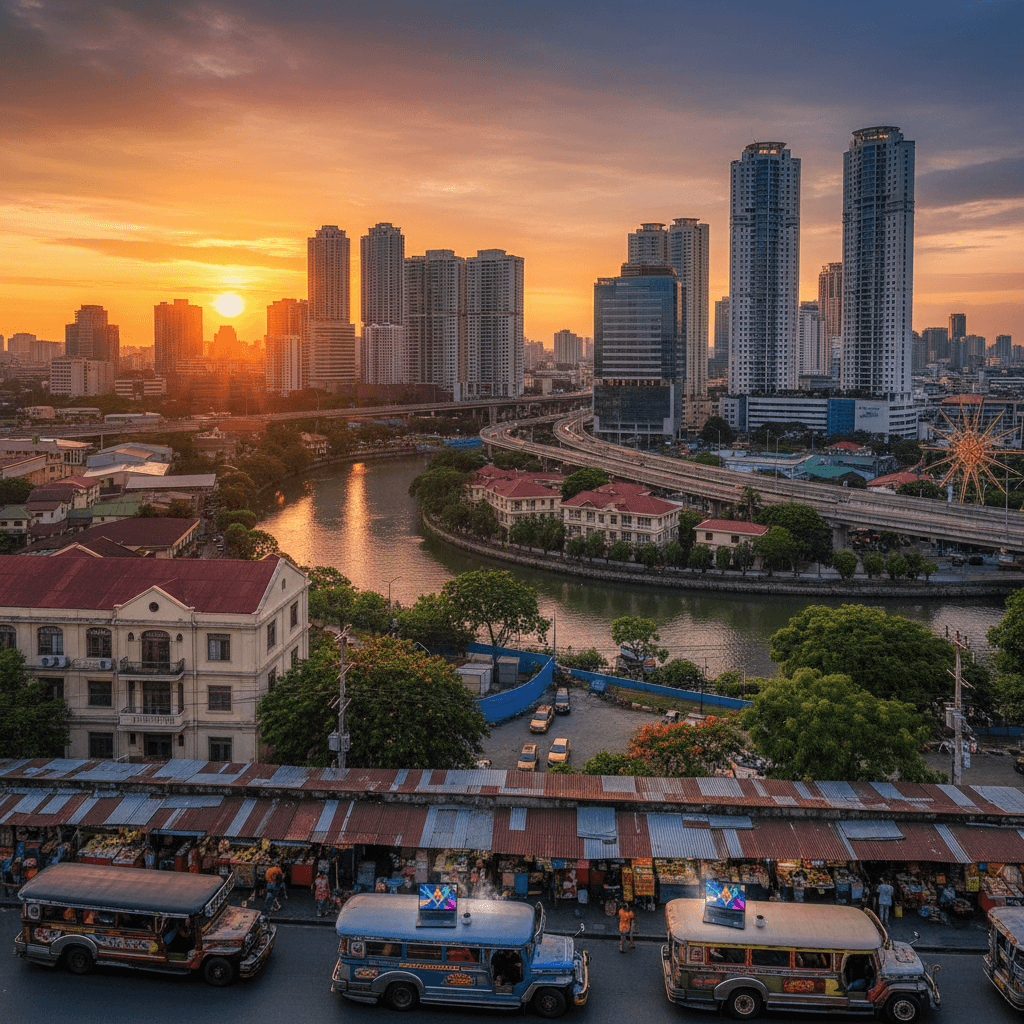
Pasig (Ortigas)
🇵🇭 Philippines