Hue
🇻🇳 Vietnam
The Imperial Soul of Vietnam
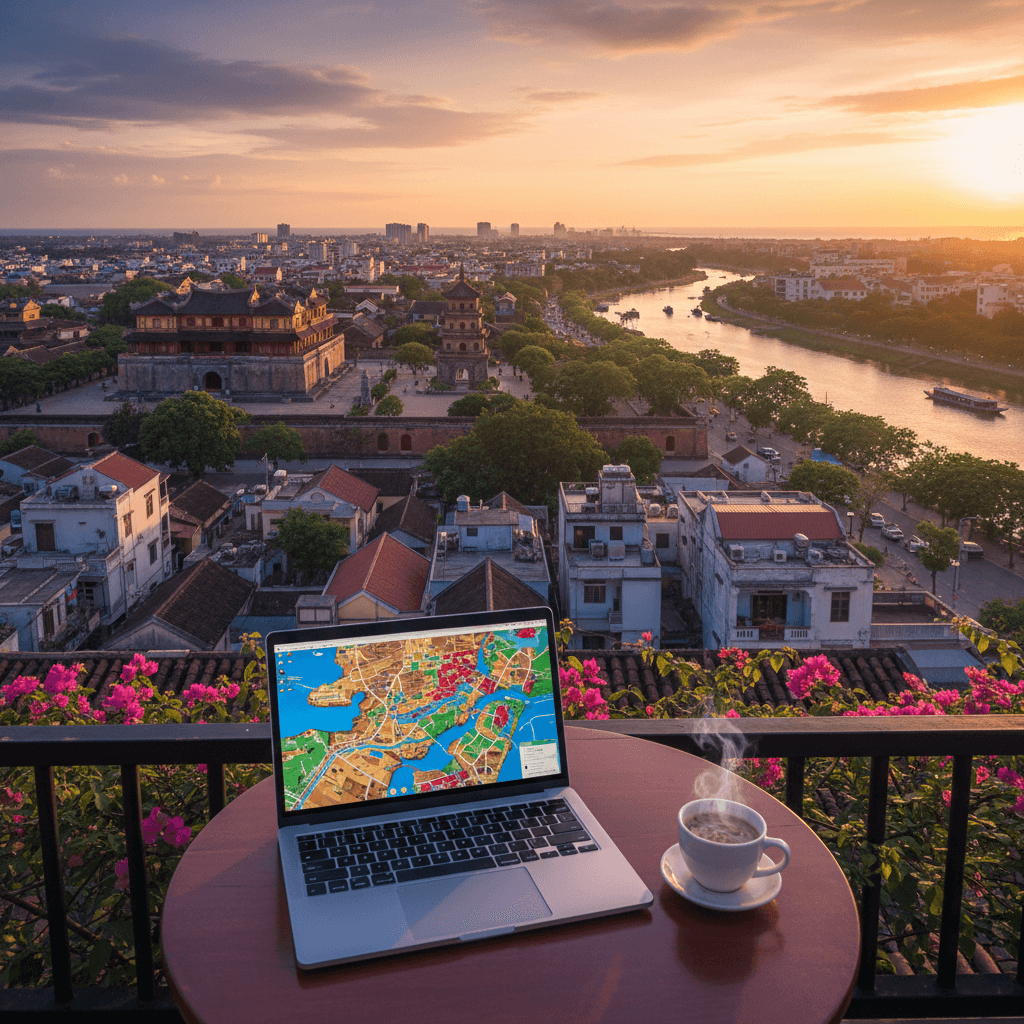
If Hanoi is the frantic older brother and Ho Chi Minh City is the ambitious cousin, Hue is the sophisticated grandparent who still knows how to throw a dinner party. It doesn't scream for your attention with neon lights or high rise skyscrapers. Instead, it invites you to slow down and notice the moss growing on ancient citadel walls and the way the mist sits over the Perfume River at dawn.
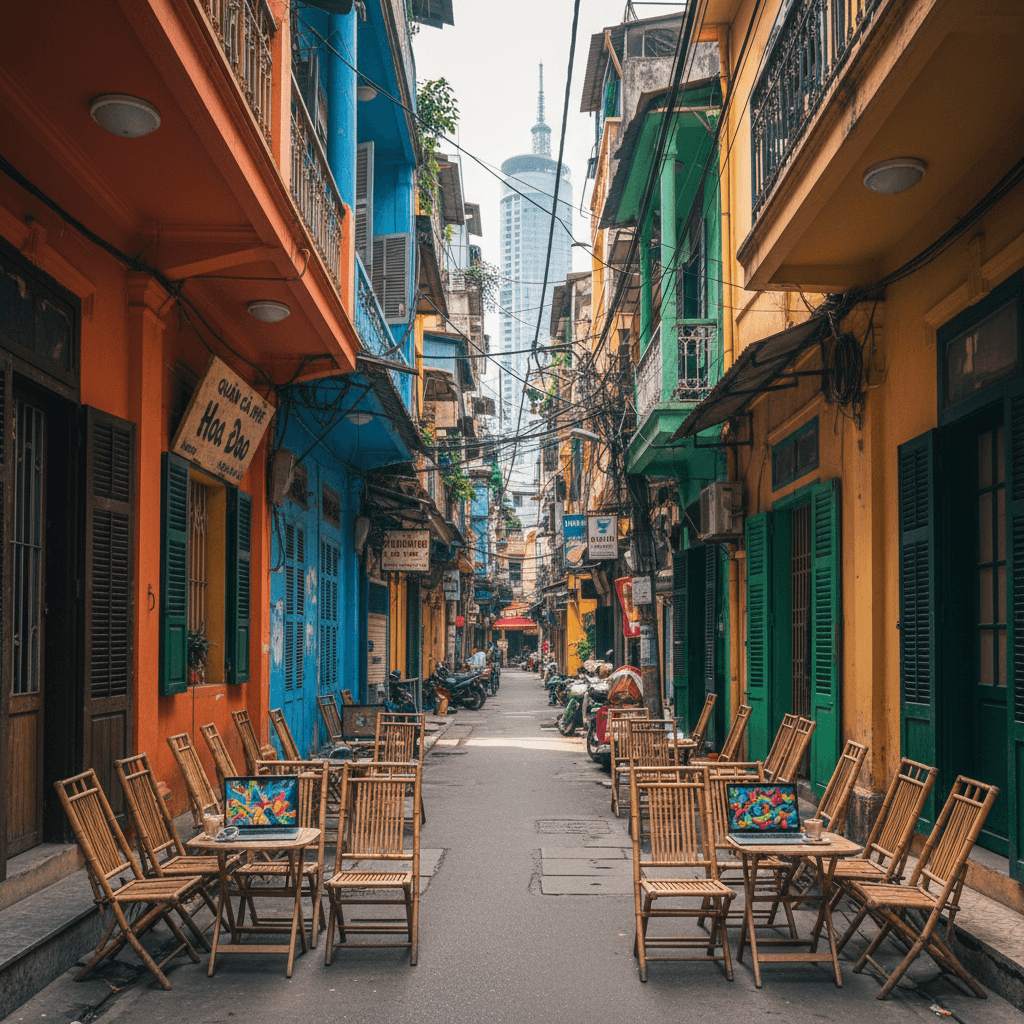
Living here feels like stepping into a living museum, but without the stuffiness. You'll find yourself working on a laptop in a sleek cafe, only to look up and see a procession of monks or a lady balancing a yoke of dragon fruit on her shoulders. It’s a city that prioritizes grace over growth, making it a sanctuary for nomads who are burnt out on the chaotic energy of Southeast Asia's mega cities.
What Sets the Vibe
The atmosphere is undeniably scholarly and traditional. Because it was the seat of the Nguyen Dynasty, there’s a lingering sense of pride in the local culture, especially the food. You aren't just eating; you're participating in a culinary heritage where even a $1 bowl of Bun Bo Hue is prepared with royal precision.
Expats often describe the vibe as "quietly productive." You won't find a massive, 24/7 party scene here. Instead, the social life revolves around long coffee dates, sunset walks along the river, and small, tight knit gatherings in the Phu Hoi district. It’s the kind of place where the barista remembers your name by day three, and the local "mamas" at the market will playfully scold you if you haven't visited in a week.
The Nomad Reality Check
Hue isn't for everyone. If you need the constant networking events of Chiang Mai or the beach clubs of Da Nang, you might find the pace here frustrating. The expat community is small and spread out, so you have to be intentional about making friends. English isn't as widely spoken as it is in the south, so you'll definitely want to have a translation app ready for your market runs.
However, for those who value focus, Hue is a goldmine. The air is noticeably cleaner than in the big hubs, and the cost of living is almost laughably low. You can live a high quality life for $600 to $1,000 a month without ever feeling like you're pinching pennies. It’s a city that rewards the patient traveler, the one who prefers a quiet evening by the river over a loud night at a club.
Cost of Living Breakdown
- Budget Lifestyle: $400 to $600 per month. This covers a basic studio, plenty of street food, and local transport.
- Mid Range Lifestyle: $600 to $1,000 per month. You'll get a modern apartment in Phu Hoi, daily cafe visits, and frequent dinners at sit down restaurants.
- Comfortable Lifestyle: $1,000 to $1,500+ per month. This allows for a luxury villa or high end apartment, Western groceries, weekend trips, and private healthcare.
Why Nomads Stay
The connectivity is surprisingly robust for such a traditional city. With strong internet speeds comparable to national averages of ~250 Mbps fixed, you'll rarely struggle with Zoom calls or heavy uploads. Most nomads gravitate toward CoPLUS Working Space when they need a professional environment, but the local cafe culture is the real star. Places like The Time Coffee provide views that make your workday feel significantly less like "work."
Ultimately, Hue offers a sense of peace that’s becoming rare in the digital nomad world. It’s a place to recharge, dive deep into your projects, and eat some of the best food on the planet while surrounded by centuries of history. It’s not just a stop on a map; it’s a place that asks you to stay a while and breathe.
The Bottom Line on Budgets
Living in Hue feels like a financial cheat code compared to the prices in Saigon or even nearby Da Nang. You can comfortably live here on a budget that would barely cover rent in most Western cities. Most nomads find they spend between $600 and $1,000 per month for a lifestyle that includes a modern apartment, plenty of dining out, and a dedicated workspace.
If you are on a tight budget, it is possible to scrape by on $400 to $500 by sticking to local street food and basic guesthouses. On the flip side, even a "luxury" lifestyle here rarely crosses the $1,500 mark unless you are staying in high end riverfront villas and eating at five star hotels every night.
Monthly Expense Breakdown
To give you a better idea of where your money goes, here is what a mid range lifestyle looks like on the ground:
- Housing: $200 to $350 for a modern, one bedroom apartment with air conditioning and good WiFi.
- Utilities: $70 to $100 covering electricity (the biggest cost due to AC), water, and high speed home fiber.
- Food and Drink: $200 to $300. This covers a mix of $2 street bowls of Bun Bo Hue and $8 dinners at nicer bistros in the city center.
- Coworking: $109 for a monthly hot desk if you need a professional office environment.
- Transportation: $50 to $80 if you rely on Grab bikes or rent your own scooter for about $150,000 VND per day.
Housing and Neighborhoods
The city is split by the Perfume River, and where you choose to park your laptop changes your daily costs. Most nomads gravitate toward Phu Hoi. It is the heart of the action with the most English speakers and modern amenities. You will pay a slight premium here, but you are within walking distance of the best cafes and the CoPLUS working space.
If you want more peace, look toward the An Cuu area on the south bank. The buildings are newer, the streets are wider, and you can often find better value for money in terms of square footage. For those who want a purely local experience, the Old Town near the Citadel is beautiful but has fewer modern apartment options and can get noisy with tourist traffic during the day.
Eating and Socializing
Hue is famous for its "Imperial Cuisine," which luckily costs nowhere near a royal ransom. A bowl of local noodles at a plastic table on the sidewalk will set you back about 30,000 to 45,000 VND (under $2). Even at mid range restaurants like those found in the backpacker district, a full meal with a beer rarely exceeds $10.
Groceries are affordable if you shop at Dong Ba Market or local stalls. However, if you crave imported comforts like aged cheese or specific Western brands, you will head to Go! Supermarket (formerly Big C), where prices for imports are similar to what you would pay back home.
Connectivity and Hidden Costs
Internet is surprisingly fast for a city that feels so historical. Speeds often exceed 200 Mbps on fixed connections, and a local SIM card from Viettel or Vinaphone is a steal. You can get a massive data plan for about $5 to $7 that will last the whole month. It is one of the few places where you don't have to worry about the "foreigner tax" on basic services, as most prices for data and utilities are standardized.
The only real "extra" costs to watch out for are visa extensions and healthcare. While Hue Central Hospital is reliable for basics, many expats keep a small "emergency fund" or international insurance in case they need to head to Da Nang for specialized care. Overall, Hue remains one of the most affordable spots in Southeast Asia for those who value quiet streets and a fat savings account.
For Social Nomads: Phu Hoi
If you're landing in Hue and want to be where the action is, Phu Hoi is your best bet. It's the city's commercial pulse, sitting right on the south bank of the Perfume River. This is where you'll find the highest concentration of modern apartments, international eateries, and the city's primary coworking hub, CoPLUS.
- The Vibe: Energetic and convenient. It's the most "Westernized" part of town, meaning you'll find more English speakers and familiar comforts.
- Work Life: You're walking distance to CoPLUS, where a hot desk goes for about $109 a month. If you prefer working from cafes, The Time Coffee offers great views and reliable WiFi.
- Cost: Expect to pay $200 to $350 for a decent one bedroom apartment.
For Long-Term Expats: An Cuu
Once the initial tourist charm wears off, many expats move slightly south to An Cuu. It's a bit more modern and residential, offering a break from the constant flux of the traveler district. The infrastructure here is newer, and the streets feel wider and less frantic than the city center.
Living here usually requires a scooter, as it's less walkable than Phu Hoi. However, the trade-off is more peace and quiet. You'll find plenty of local markets and smaller cafes where prices haven't been inflated for tourists. Rent for a comfortable, modern house or apartment typically ranges from $300 to $500.
For Solo Travelers and History Buffs: Old Town
The Old Town, or Hue Co Thanh, is located on the north bank of the river, surrounding the Imperial Citadel. It's a dream for anyone who wants to wake up surrounded by pagodas and ancient architecture. It feels like a different world compared to the modern south bank.
- The Vibe: Deeply traditional and atmospheric. It's quieter at night but can get crowded with day-trippers during the afternoon.
- Pros: You're steps away from the city's most iconic landmarks and some of the best $1 to $2 street food in the country.
- Cons: Modern housing is harder to find. Most accommodation options are traditional homestays or older guest houses rather than sleek apartments.
For Peace Seekers and Families: Perfume River Area
If you're traveling with family or just want to escape the city noise entirely, look for spots further along the river banks, away from the Trang Tien Bridge. These neighborhoods offer a much slower pace of life with plenty of green space and river breezes. It's the most "authentic" version of Hue, where life revolves around the water and local community.
Safety is a major draw here. Hue is already very safe, but these residential pockets are incredibly low-stress. You'll likely be the only foreigner on your block, so expect friendly waves from neighbors. While you'll be further from the Hue International General Hospital and central coworking spots, the serenity is hard to beat. You can often find larger homes here for $400 to $600 that would cost double in a city like Da Nang.
Connectivity and Speed
Hue might feel like a sleepy imperial relic, but its digital infrastructure is surprisingly robust. You won't be struggling with laggy Zoom calls here. The city offers robust internet with national fixed broadband averages around 250-300 Mbps, which puts it on par with, or even ahead of, much larger Southeast Asian hubs. Most modern apartments and mid-range hotels come equipped with fiber optic lines that handle large file uploads without breaking a sweat.
Mobile data is just as reliable. You can pick up a SIM card from Viettel, Vinaphone, or Mobifone at the airport or any convenience store in under five minutes. For about $5 to $7, you'll get a starter pack with 5GB of data and 100 local minutes. It's enough to keep you tethered while exploring the Citadel or riding along the Perfume River.
Coworking Spaces
Since the nomad scene in Hue is smaller than in Da Nang, the coworking options are specialized rather than scattered. If you need a professional environment to hunker down for a week of deep work, there's one clear winner.
- CoPLUS Working Space: Located at 65 Ben Nghe in the Phu Hoi district, this is the city's original coworking hub. It's got a focused, professional vibe that avoids the "party hostel" feel of some regional spaces.
- Pricing: A hot desk will run you about $109 per month.
- Perks: You get reliable air conditioning, standing desks, ergonomic chairs, and free coffee or tea. There's also dedicated bike parking, which is a lifesaver if you've rented a scooter.
- Community: Nomads often mention that the staff and local members are incredibly welcoming, making it a great spot to break the ice if you're new to town.
The Café Office Scene
If you prefer the hum of a coffee shop over a quiet office, Hue's café culture is elite. Most shops offer free, fast WiFi and won't mind if you linger for a few hours over a salt coffee. Expats recommend these spots for a solid afternoon of work:
- The Time Coffee: This spot is famous for its panoramic views of the city skyline. It's spacious enough that you won't feel like you're taking up too much room with your laptop.
- Tan Café: Known for its industrial aesthetic and quiet corners, making it perfect for those who need to focus without distractions.
Practical Work Tips
While the internet is generally stable, Vietnam occasionally experiences issues with undersea cables that can slow down international traffic. Most nomads find that using a VPN helps maintain a steady connection to servers back home. Also, keep in mind that power outages, though rare, can happen during the rainy season. It's always a good idea to keep your laptop and power banks fully charged before a big deadline.
If you're planning on staying long term, look for housing in Phu Hoi. Most of the work friendly cafés and CoPLUS are located within a ten minute walk or a $1.50 Grab ride from this neighborhood, saving you the hassle of a long commute in the midday heat.
Keeping it Safe on the Streets
Hue is widely regarded as one of the safest cities in Vietnam. Unlike the frantic energy of Ho Chi Minh City, the pace here is slower and the people are generally more laid back. You won't find many "no-go" zones, and walking home after a late dinner in Phu Hoi is rarely a cause for concern. Most nomads find the local community respectful and welcoming.
That said, petty theft and minor scams are the most common headaches. Keep an eye on your phone and bag when you're in crowded spots like Dong Ba Market. If you're renting a scooter, always use the designated parking attendants at cafes and attractions; they'll give you a small paper ticket for a few thousand VND, which is well worth the peace of mind. Travelers often say the biggest "danger" is simply the traffic, though even the intersections in Hue are tame compared to the chaos of Hanoi.
- Petty Scams: Be wary of "cyclo" drivers who offer a price that suddenly triples once you arrive. Always agree on the fare upfront or stick to Grab for transparent pricing.
- Currency Confusion: The 500,000 VND and 20,000 VND notes are both blue and look similar in low light. Double check your bills when paying at bars or in taxis.
- Emergency Numbers: Dial 113 for police, 114 for fire, and 115 for an ambulance.
Healthcare and Medical Facilities
For a city of its size, Hue punches above its weight in medical care. It has long been a regional hub for medical training, and the infrastructure has seen massive upgrades recently. You don't have to flee to Da Nang for every minor ailment anymore.
The Hue International General Hospital is the newest heavy hitter in town. It was inaugurated in December 2025 with investment over 2,300 billion VND. It's designed to meet international standards, featuring advanced diagnostic tech and English speaking staff. For most expats, this is the first choice for anything beyond a common cold.
Hue Central Hospital is another reliable pillar. It's one of the oldest and largest in the country and has been part of a national modernization push. While the public wings can be crowded and loud, their "International Department" or "Service Wing" offers a much smoother experience for foreigners at a higher, though still affordable, price point.
- Pharmacies: You'll find them on almost every corner. For reliable service and genuine meds, look for chains like Pharmacity or Long Chau. Most pharmacists speak basic English and can help with routine issues.
- Health Insurance: Most nomads carry international coverage like SafetyWing or Genki. While a local doctor visit might only cost $20 to $40 out of pocket, insurance is vital for medical evacuations or serious accidents.
- Specialized Care: While Hue is great for general medicine, if you need highly specialized surgery or oncology, many expats still head to FV Hospital in Ho Chi Minh City or Family Medical Practice in Da Nang.
Wellness and Staying Healthy
The air quality in Hue is significantly better than in the northern industrial zones, but it can get incredibly humid. Dehydration and heat exhaustion are common for newcomers. Locals recommend doing your outdoor exercise before 8:00 AM or after 5:00 PM to avoid the punishing midday sun. If you need a gym, Olympic Fitness or the fitness centers inside larger hotels like Melia Vinpearl offer daily and monthly passes for a reasonable fee.
Hue is a city where the pace of life slows down to match the flow of the Perfume River. Unlike the chaotic swarms of motorbikes in Saigon, getting around here is manageable, even for those who aren't used to Southeast Asian traffic. The city is relatively compact, meaning you can cross from the modern cafes of Phu Hoi to the ancient walls of the Citadel in about 15 minutes.
The Go-To: Grab and Ride-Hailing
For most nomads, the Grab app is the primary way to move. It eliminates the need to haggle over prices or point at maps. A short trip across the bridge usually costs around 29,000 VND ($1.20), and even a longer ride to the outskirts rarely tops 70,000 VND ($3.00). You can choose between a car (GrabCar) or a motorbike (GrabBike). If you're traveling solo, the bike is faster and lets you soak in the city air, though it's best to avoid it during the heavy rain season from October to December.
Living Like a Local: Scooter Rentals
If you're staying for more than a week, renting your own wheels offers the most freedom. It's the best way to reach the Royal Tombs or Thuy Tien Lake (the famous abandoned water park) without waiting for a driver. Most guesthouses and shops in the tourist center rent scooters for $5 to $10 per day. If you commit to a monthly rental, you can often negotiate the price down to around $80 or $100. Just be aware that while Hue is quieter than other cities, local traffic rules are more like "suggestions," so keep your eyes peeled at intersections.
Pedal Power and Walking
Hue is one of the few cities in Vietnam where cycling is actually pleasant. Many homestays offer free bicycles to guests. The roads along the river are shaded by massive old trees, making a morning ride to Thien Mu Pagoda a highlight of the week. If you're staying in Phu Hoi, you'll find that much of the nightlife, coworking spots like CoPLUS, and grocery stores are within a 15 minute walk. However, during the midday heat, even a 500 meter walk can feel like a marathon, so plan your errands for the early morning or after sunset.
Getting In and Out
Hue is well connected to the rest of the nomad trail. Phu Bai International Airport is about 30 minutes from the city center. A taxi or Grab from the airport to your apartment will run you roughly 250,000 to 300,000 VND ($10 to $12).
- The Train: The Hue railway station is a relic of the French colonial era. Travelers often take the train to Da Nang just for the views. The tracks hug the coastline and cross the Hai Van Pass, offering some of the best coastal scenery in the country for a few dollars.
- Private Cars: For a more comfortable trip to Da Nang or Hoi An, many expats book a private car. It costs about $50 to $60 and allows you to stop for photos at the top of the pass.
- Buses: Sleeper buses are the cheapest way to reach Hanoi or Phong Nha, but they can be cramped for taller travelers. Most nomads prefer the "limousine" vans, which are luxury 9 seater vans with Wi-Fi and plush seats.
Pro Tips for the Road
- Keep small change: If you use traditional taxis instead of Grab, try to have 10,000 and 20,000 VND notes ready. Drivers often "struggle" to find change for larger bills.
- Parking: If you rent a scooter, don't just leave it on the sidewalk. Look for the Gửi Xe signs. You'll pay about 5,000 VND ($0.20) for a ticketed, guarded spot.
- The "Hue Stop": At red lights, don't be surprised if locals turn right or even go straight if the coast looks clear. Always follow the flow rather than just the lights.
While Hue is an international tourist destination, its daily rhythm remains deeply local. Unlike the high energy of Ho Chi Minh City or the tourist saturated streets of Hoi An, Hue moves at its own pace. This means that while you can get by with English in the central districts, a little effort goes a long way once you step off the main drags of Phu Hoi.
The Language Barrier
In the "Backpacker Area" around Chu Van An and Vo Thi Sau streets, English is common. Waitstaff at popular nomad haunts like The Time Coffee or Gecko Pub speak it well enough to handle complex orders. However, the further you get from the city center, the more you will rely on gestures and translation apps.
The local dialect in Hue is famous throughout Vietnam for being particularly thick and melodic. Even if you have studied basic Vietnamese in Hanoi or Saigon, you might find the "Hue accent" challenging at first. Locals tend to use unique vocabulary and a lower, more rhythmic tone. Don't let that discourage you; the people here are famously polite and generally patient with foreigners trying to navigate a menu or a market stall.
Essential Tools for Communication
You won't need to be fluent to live here, but you should have a few digital tools ready on your phone. Most nomads find these three things indispensable for daily life:
- Google Translate: The camera feature is a lifesaver for reading menus at local "Quan" (eateries) that don't have English translations.
- Zalo: This is the WhatsApp of Vietnam. If you are renting an apartment or dealing with a local landlord, they will almost certainly want to communicate via Zalo. It has a built-in translation feature for text messages that works surprisingly well.
- Grab: Using the app for transport removes the need to negotiate prices or explain directions, which eliminates the most common language friction points.
Key Phrases for Your First Week
Vietnamese is a tonal language, so the way you say a word matters as much as the letters themselves. Even if your tones aren't perfect, locals appreciate the effort. Start with these basics:
- Xin chao (Seen chow): Hello.
- Cam on (Gahm un): Thank you.
- Tinh tien (Ting tee-en): Check, please! (Essential for cafe working).
- Khong ot (Khong ot): No chili. (Hue food is notoriously spicy, so remember this one).
- Bao nhieu? (Bow nyew): How much?
Connectivity and SIM Cards
Staying connected is rarely an issue. You can pick up a 4G SIM card at the airport or any small mobile shop in town for about $5 to $7. Viettel is generally the top choice for nomads because it has the most reliable coverage if you decide to motor over the Hai Van Pass or visit the more remote royal tombs.
Most cafes and "homestays" offer free, fast WiFi as a standard amenity. It is common practice to ask for the WiFi password (mat khau) immediately upon sitting down. You will often find the password printed on the receipt or a small sign on the table. Speeds are typically high enough for Zoom calls without lag, even in smaller family run establishments.
Social Etiquette
Communication in Hue is as much about body language as it is about words. It is a conservative city. A small nod of the head when greeting elders or receiving change is a sign of respect. When paying for items at Dong Ba Market, try to hand over your cash or card with both hands. It is a small gesture that signals you understand the local culture, often resulting in better service and a warmer smile.
The Seasonal Cycle
Hue has a personality that shifts dramatically with the sky. Unlike the tropical consistency of Saigon, this city experiences distinct seasons that will dictate your workflow and your wardrobe. If you're planning a stint here, timing your arrival can be the difference between sunny riverside sunset drinks and being stuck inside during a weeks-long deluge.
The dry season runs from March to August. This is when the city is at its most photogenic, with clear blue skies providing the perfect backdrop for the Citadel's ancient stone. However, be prepared for the heat. Between May and July, temperatures frequently climb above 35°C (95°F). Most nomads find themselves hiding in air-conditioned hubs like CoPLUS or The Time Coffee during the afternoon, saving their exploration for the breezy evenings along the Perfume River.
The Rainy Season Reality
From September to February, the vibe shifts. Hue is famous throughout Vietnam for its "romantic" rain, which is a poetic way of saying it gets very wet. The peak of the rainy season hits between October and December. This isn't just a quick afternoon shower; it can be a persistent, misty drizzle that lasts for days, occasionally interrupted by heavy tropical storms.
- Flooding risk: Low-lying areas near the river can flood during heavy October rains. It rarely lasts long, but it can disrupt Grab services and local commutes.
- The "Hue Chill": While it doesn't get "Hanoi cold," the humidity makes 15°C to 20°C (59°F to 68°F) feel much cooler. You will definitely want a light jacket and some waterproof gear if you're staying through the winter.
- The upside: The city is much quieter, and the misty atmosphere over the royal tombs is incredibly atmospheric. Plus, it's the perfect weather for diving into a hot bowl of Bun Bo Hue.
The Sweet Spot: When to Visit
If you want the absolute best balance of weather and local flavor, aim for January to April. The temperatures are mild, usually hovering around 20°C to 25°C (68°F to 77°F), and the heavy rains have typically subsided. This is also when the city feels most alive with preparations for Tet (Lunar New Year), which usually falls in late January or February.
Another specific window to watch for is the Hue Festival, held biennially, features events throughout the year including in spring and summer. While the city gets crowded and accommodation prices can tick upward, the cultural performances and art exhibitions are world-class. It's a fantastic time to see the imperial heritage in full display, though you'll want to book your apartment at least a month in advance.
Practical Considerations for Nomads
Travelers often find that the "shoulder" months of March and August offer the best value. You get the tail end of the good weather without the peak summer heat or the peak tourist crowds. If you're sensitive to heat, avoid June at all costs. If you're prone to seasonal blues, the grey skies of November might be a struggle for your productivity.
Regardless of when you arrive, keep the Grab app handy. When the heat hits 38°C or the rain starts pouring, being able to hail a car for $2 or $3 is a lifesaver. Most expats recommend choosing a modern apartment in Phu Hoi during the wetter months to ensure you're within walking distance of cafes and gyms without needing to navigate flooded streets on a scooter.
Connectivity and Workspace
Hue might feel like a step back in time, but the internet speeds averaging over 200 Mbps nationally are more than enough for heavy video editing or back to back Zoom calls. Most apartments and cafes come equipped with reliable fiber optic lines, so you won't be hunting for a signal.
For a dedicated office environment, CoPLUS Working Space in the Phu Hoi district is the go-to spot. It's the first proper coworking hub in the city and has a professional yet welcoming vibe. A monthly hot desk will run you about $109, and it includes perks like standing desks, air conditioning that actually works, and free coffee. If you prefer the cafe route, The Time Coffee is popular for its panoramic city views and laptop friendly tables.
Getting a SIM card is a five minute task. Head to any convenience store or the airport and look for Viettel or Vinaphone. You can get a starter pack with 5GB of daily data and local minutes for roughly $5 to $7. Just bring your passport for registration; the staff usually handle the activation for you.
Getting Around the City
Hue is small enough that you won't spend half your life in traffic. Most expats rely on Grab, the regional version of Uber. It's incredibly cheap and saves you the hassle of haggling with taxi drivers.
- Grab Car/Bike: A short hop across the river usually costs under 70,000 VND ($3). Base fares start around 29,000 VND ($1.20).
- Scooter Rental: If you're brave enough to tackle Vietnamese traffic, daily rentals cost between $5 and $10. It's the best way to reach the more distant royal tombs.
- Walking: The Phu Hoi area and the riverbanks are quite walkable, though the humidity might convince you otherwise between April and August.
Healthcare and Safety
Hue is remarkably safe, even by Southeast Asian standards. Violent crime is almost unheard of, and the biggest annoyance you'll face is likely a pushy street vendor or a slightly inflated "tourist price" at the market. Just keep your phone tucked away while riding on the back of a motorbike to avoid opportunistic snatching.
On the medical front, the city has seen massive upgrades recently. For routine issues, Hue Central Hospital is reliable, though for very specialized surgeries, some expats still head three hours south to Da Nang or fly to Saigon.
Budgeting Your Stay
Your money goes significantly further here than in Hanoi or Da Nang. Most nomads find they can live a very comfortable life on $600 to $1,000 per month without really trying to save. Here is a breakdown of what to expect:
- Housing: A modern one bedroom apartment in a good area like An Cuu or Phu Hoi ranges from $200 to $350. If you want luxury, $400 to $600 gets you a lot of house.
- Food: Street food like Bun Bo Hue costs about $1 to $2. A nice dinner at a mid range restaurant will set you back $5 to $8.
- Utilities: Budget about $70 to $100 for electricity and high speed water, especially if you run the AC all day during the summer heat.
Most travelers recommend keeping a mix of cash and card. While many cafes and modern shops take Visa or Mastercard, you'll need Vietnamese Dong for the best local food stalls and smaller markets. ATMs are everywhere, but look for TPBank or VPBank to avoid high withdrawal fees.
Need visa and immigration info for Vietnam?
🇻🇳 View Vietnam Country GuideEasy Landing
Settle in, no stress