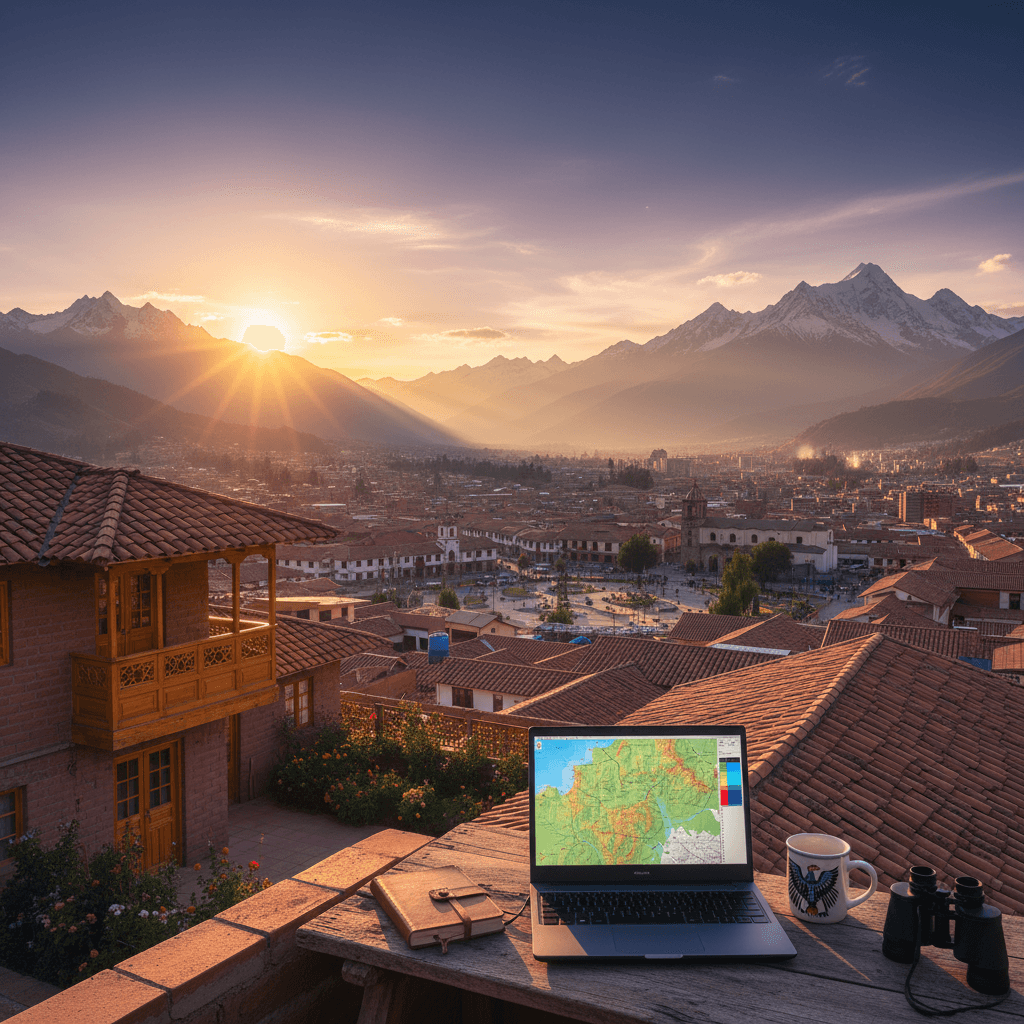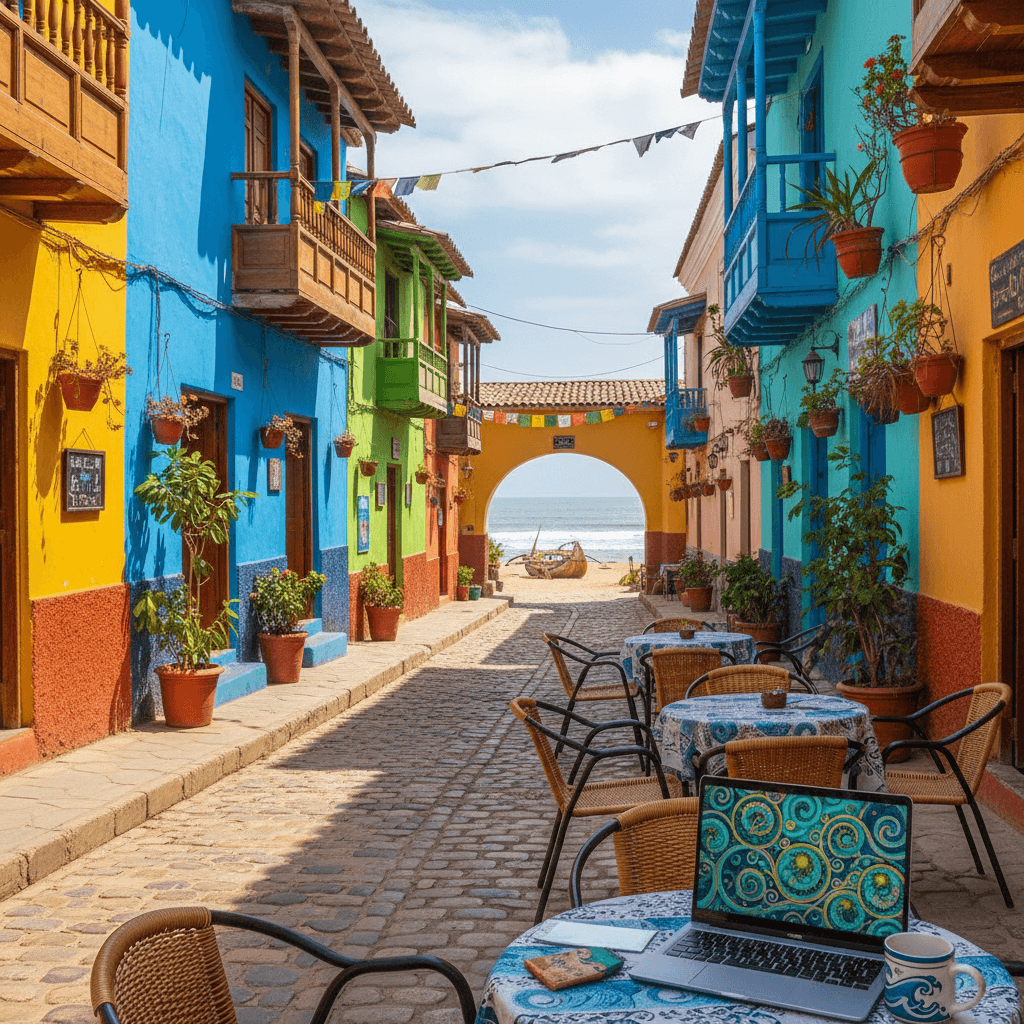
Huanchaco
🇵🇪 Peru
The Surf-Side Slowdown
Huanchaco doesn't try too hard, and that's exactly why nomads find themselves staying for months instead of days. While Lima is a high-octane culinary powerhouse, Huanchaco is its laid-back, salt-crusted cousin to the north. It is one of the few places on earth where you can watch 3,000 year old maritime history in action; local fishermen still launch their caballitos de totora (traditional reed boats) into the surf every morning, just as their ancestors did.
The vibe here is decidedly "surf-casual." You'll spend your mornings tracking swell charts and your afternoons working from a cafe overlooking the Pacific. It's a town where the dress code is almost exclusively flip-flops and where the spring-like weather stays consistent year-round. There's no rain to ruin your outdoor office setup, and the lack of mosquitoes makes those sunset balcony sessions actually enjoyable.
A Digital Nomad Perspective
What sets Huanchaco apart from other South American surf hubs is the infrastructure hidden behind its dusty, colorful facade. You aren't sacrificing connectivity for the beach life here. Most nomads gravitate toward ATMA, which has become the de facto community hub. It's famous for offering fiber optic speeds reaching 300mb/s, a rarity for a small Peruvian beach town. When you aren't at your laptop, you're likely at the Chan Chan ruins just down the road or taking a 10 sol combi ride into Trujillo for a taste of big-city shopping and colonial architecture.
The social scene is a blend of dedicated long-termers, surfing purists, and the occasional backpacker crowd. It’s easy to find your tribe at the local markets or during a yoga session. It feels like a neighborhood where people actually know each other's names, rather than a transient tourist trap.
Cost of Living Breakdown
Your money goes incredibly far here. While prices in Lima have climbed, Huanchaco remains one of the most affordable coastal spots in Peru. A comfortable lifestyle usually lands between $1,200 and $1,500 per month, though budget-conscious travelers can easily survive on $800 if they stick to market stalls and shared housing.
- Housing: A private room or modest studio near the beach typically runs between $400 and $800. Prices drop significantly if you move toward the Huanchaco Hills or look for long-term rentals off Airbnb.
- Food: You can grab fresh ceviche from a street vendor for a few dollars. A mid-range dinner with drinks usually costs around $10 to $15.
- Transportation: The town is highly walkable. If you need to head to the airport or Trujillo, a taxi or InDrive app ride is cheap, rarely exceeding 20 soles.
The Neighborhood Layout
Huanchaco is compact, but where you park your surfboard matters. Most people choose their spot based on how much they value silence versus convenience.
Beachfront & Malecón
- The Vibe: The heart of the action. You're steps from the surf, the reed boats, and the best sunset bars.
- Pros: Immediate access to cafes like ATMA, the best WiFi, and a constant social buzz.
- Cons: It gets noisy on weekends and during the summer high season (December to March).
Town Center
- The Vibe: A few blocks back from the water, where the "real" Huanchaco lives.
- Pros: Closer to the daily markets, cheaper groceries, and a much quieter atmosphere for deep work.
- Cons: You lose the ocean breeze and the immediate view of the waves.
Huanchaco Hills
- The Vibe: Residential and elevated, offering panoramic views of the coastline.
- Pros: The best value for long-term stays and the most peace and quiet you'll find in town.
- Cons: It’s a bit of a hike to the beach; you'll likely want a bike or to rely on frequent mototaxis.
The Cost of Living in Huanchaco
Huanchaco is one of those rare coastal spots where your bank account finally gets a chance to breathe. It is significantly more affordable than Lima or even parts of Cusco, making it a favorite for nomads who want the ocean breeze without the capital city price tag. Most remote workers find they can live a very comfortable lifestyle here for between $800 and $1,500 per month, depending on how much they indulge in the local craft beer and ceviche scene.
The town operates on a tiered budget system. If you are sticking to hostel dorms and eating at the local market, you can easily scrape by on $800. Mid-range nomads who want a private room and regular restaurant meals usually land around $1,200. If you want a modern apartment with a view and upscale dining, $1,500 will make you feel like royalty.
Monthly Budget Breakdown
- Budget Tier: $800. Best for surfers and backpackers. Includes a bed in a shared space, street food, and plenty of beach time.
- Mid-Range Tier: $1,200. The sweet spot for most digital nomads. Covers a private room at a place like ATMA, consistent coworking, and daily restaurant meals.
- Comfortable Tier: $1,500. This buys you a high-end apartment, frequent trips into Trujillo for shopping, and the best seafood dinners in town.
Housing and Rent
Rent is your biggest variable. While exact prices fluctuate based on the season, a studio or one bedroom apartment in the heart of town generally runs between $400 and $800. Many nomads head straight for ATMA, which is the local hub for high speed internet and community living. It is popular, so you will need to book well in advance if you want a spot.
If you are staying longer, look toward the Town Center or the Huanchaco Hills. These areas are quieter and cheaper than the beachfront Malecón, though you will trade the immediate ocean view for a bit more peace and a five minute walk to the sand. For those who need a more "city" feel, some expats choose to live in the Trujillo historic center and commute to the beach for surf sessions.
Food and Dining
Eating out is a highlight here, especially if you love seafood. A fresh plate of ceviche from a street stall or a local market stall is incredibly cheap, often just a few dollars. Mid-range restaurants are plentiful along the Malecón, where a solid meal will cost you $10 to $15. If you are vegetarian, you are in luck; the local markets are overflowing with affordable produce, and there is a surprisingly high number of veggie-friendly cafes catering to the surf crowd.
Transport and Connectivity
Getting around is almost free if you have a pair of working legs. Huanchaco is highly walkable, and you will rarely need a taxi within the town limits. If you need to head into Trujillo for electronics or a major grocery run, the local combis (small buses) are frequent and cost next to nothing. For faster trips, apps like InDrive or Uber work well in the city, though they are less common for pickups directly in Huanchaco.
Internet is surprisingly reliable for a surf town. High speed fiber is becoming the standard, with spots like ATMA hitting 300mb/s. A local SIM card from Claro or Entel is a smart backup; you can pick one up in Trujillo and load it with data for a few dollars a week. If you are planning to work from cafes, most have strong enough signals for video calls, provided you aren't there during the peak Sunday lunch rush.
Personal Expenses
- Surf Lessons: Roughly $15 to $25 per session including board rental.
- Chan Chan Entry: 10 soles for the ruins, plus 40 to 60 soles for a private guide depending on the tour type.
- Coworking: Expect to pay $100 to $200 per month if you aren't staying at a dedicated nomad coliving space.
- Airport Transfer: A taxi to Trujillo Airport (TRU) takes about 20 minutes and costs 10 to 20 soles.
The Beachfront and Malecón
If you're a digital nomad or solo traveler, this is where you want to be. It's the heart of the action, stretching along the Pacific with front-row seats to the famous caballitos de totora reed boats. Most nomads gravitate toward ATMA, which has become the de facto hub for remote work thanks to its 300mb/s fiber internet. You'll find yourself walking everywhere, from your morning surf session to sunset drinks at the various beach bars.
- Rent: Expect to pay $400 to $800 for a decent studio or private room in a nomad-friendly guest house.
- Vibe: High energy, social, and surf-obsessed. It can get noisy on weekends when the Trujillo crowds arrive, but the convenience is hard to beat.
- Connectivity: This area has the best infrastructure for work, with several cafes that don't mind you staying for a few hours with a laptop.
Town Center
For expats and long-term residents who want a bit of distance from the backpacker trail, the Town Center offers a more grounded experience. It's only a five to ten minute walk from the water, but the atmosphere shifts from touristy to traditional. You're closer to the local markets where fresh produce and vegetarian staples are incredibly cheap, and the bus stops for the 10-sol combi ride into Trujillo are right at your doorstep.
- Rent: Slightly more affordable than the Malecón, with apartments often ranging from $350 to $600 for longer stays.
- Vibe: Authentic and quiet. You'll see more locals going about their day and fewer surf schools.
- Food: This is the best spot for street food ceviche and affordable "menu del día" lunches that cost a fraction of the beachfront prices.
Huanchaco Hills and Outskirts
Families and slow-travelers often prefer the outskirts or the slightly elevated "Hills" area. It's peaceful and offers more space for the money, though you'll likely want a bike or to rely on the frequent moto-taxis to get around. It's the best choice if you're looking for a house with a yard or a quieter environment for children away from the late-night bar music.
- Rent: You can find larger multi-bedroom homes for $700 to $1,000.
- Vibe: Residential and breezy. The views of the coastline from the higher ground are some of the best in town.
- Safety: Generally very safe, though it's smart to take a taxi back after dark since some streets are poorly lit.
Trujillo Historic Center
While not technically in Huanchaco, some expats choose to live in the Trujillo city center and commute to the beach. This is for those who need "big city" amenities like major hospitals, large shopping malls, and formal coworking spaces. It's a 20 to 30 minute drive from the surf, but it puts you in the middle of Peru's colonial history and high-end dining scene.
- Rent: Modern apartments in nice areas like El Golf can reach $800 to $1,200.
- Vibe: Urban and professional. A stark contrast to the sandy, slow-paced life in Huanchaco.
- Access: Perfect for those who need to be near the Trujillo (TRU) airport for frequent travel.
Connectivity and Speed
Huanchaco might look like a sleepy fishing village, but it punches well above its weight when it comes to internet infrastructure. Fiber optic connections have become the standard here, making it one of the most reliable coastal spots in Peru for video calls and heavy uploads. You’ll find that most modern rentals and cafes easily hit speeds of 100mb/s or higher.
For the most consistent connection in town, ATMA is the undisputed hub for the remote work crowd. They’ve clocked speeds up to 300mb/s, which is better than what you’ll find in many Lima apartments. Most nomads find the combination of ocean views and stable fiber makes it easy to stick to a 9-to-5 schedule before hitting the surf.
Coworking Spaces and Laptop-Friendly Cafes
You won't find corporate giants like WeWork here; Huanchaco is too small for that. Instead, the coworking scene is integrated into hostels and boutique hotels. Expect to pay between $100 and $200 per month for dedicated desk setups if you aren't staying on-site. The vibe is collaborative and social, often revolving around the daily surf report.
- ATMA Huanchaco: This is the primary "nomad base." It functions as a coliving and coworking hybrid with ergonomic chairs and high-speed backups. It's the best place to meet other professionals.
- Moksha Yoga & Surf: A popular spot for those who prefer a quieter environment. They have reliable WiFi and a healthy cafe menu that keeps the laptop crowd fueled.
- Chocolate Cafe: Located near the beachfront, it's a great "work-from-cafe" option for a few hours. The signal is strong, though it can get a bit lively during the afternoon rush.
- Frogs Surf Hostal: While more of a backpacker spot, their common areas are often filled with digital nomads during the day thanks to decent speeds and plenty of power outlets.
Mobile Data and SIM Cards
Don't rely solely on cafe WiFi. Local SIM cards are cheap and the 4G/LTE coverage in Huanchaco is solid. You won't find many dedicated mobile shops in the village center, so most expats recommend heading into Trujillo (a 20-minute combi ride) to set up your initial plan at an official store.
- Claro: Generally offers the best coverage along the coast and into the Trujillo metro area.
- Entel: Known for having the fastest 4G speeds in urban pockets, though signal can dip slightly if you head further into the Huanchaco Hills.
- Movistar: A reliable third option, though often second-best to Claro for rural signal strength.
Prepaid data packages are incredibly affordable. You can usually get a month of generous data for around 30 to 50 soles. To top up your balance, just look for the "Recargas" signs at any small bodega or pharmacy in town; you just give them your number and cash, and the data is active instantly.
Practical Remote Work Tips
Power outages are rare but can happen during coastal storms. If your work is mission-critical, it’s worth having a local SIM with a hotspot as a backup. Most nomads find that a Claro SIM paired with ATMA’s fiber connection is a bulletproof setup. Since the weather is spring-like year-round, you won't have to worry about your laptop overheating, and the lack of rain means you can safely work from outdoor terraces almost every day of the year.
If you need specialized electronics, monitors, or repairs, don't waste time looking in the local markets. Jump on a combi to the Mall Plaza Trujillo. It’s a short trip and has everything from Apple authorized resellers to specialized tech shops. Most travelers say it's easier to buy gear there than to try and ship anything internationally into Peru.
Stay Smart, Not Scared
Huanchaco is a breath of fresh air compared to the frantic energy of Lima or the gritty parts of Trujillo. Most nomads find the town incredibly safe, characterized by a "small town" feel where surfers and fishermen look out for one another. You'll likely spend your evenings walking the malecón without a second thought, but don't get too complacent. Petty theft is the most common issue, usually involving bags left unattended on the sand while owners are out catching waves.
Expats recommend sticking to well lit areas after dark, especially if you're walking back to the Huanchaco Hills or the quieter outskirts. While the main drag is lively until late, the side streets can get dim. If you're heading back from a late night in Trujillo, skip the combi and use InDrive or Uber to get dropped off right at your door. Inside Huanchaco, your best safety asset is simply being part of the community; locals are welcoming, and a quick "Hola" goes a long way in establishing yourself as a neighbor rather than just another tourist.
- Petty Theft: Low risk, but keep your tech out of sight on the beach.
- Night Safety: Stick to the malecón and Town Center after 10:00 PM.
- Emergency Numbers: Dial 105 for police or 116 for an ambulance.
Healthcare and Medical Services
For minor ailments, you don't need to leave town. Huanchaco has several boticas (pharmacies) near the central market and along the main streets that stock everything from antibiotics to high quality sunscreen. Pharmacists here are often knowledgeable and can help with basic issues like "surf ear" or stomach bugs without a formal doctor's visit.
If you need more serious medical attention, a specialist, or advanced diagnostic tools, you'll need to head into Trujillo. It's a 20 to 30 minute drive, but the city houses some of the best private clinics in Northern Peru. Many expats prefer Clinica Peruano Americana for its modern facilities and English speaking staff. For dental work, Trujillo is also the go to spot, offering high quality care at a fraction of the price you'd pay in the US or Europe.
Practical Wellness Tips
The biggest health hurdle for newcomers is usually the water. Never drink the tap water; even locals stick to bottled or filtered options. Most nomad hubs like ATMA provide large five gallon jugs of purified water for guests. On the plus side, the air quality is fantastic thanks to the Pacific breeze, and the town is remarkably free of mosquitoes, so you can leave the heavy duty repellent behind.
- Water: Stick to bottled or filtered water; avoid ice in street drinks.
- Sun Protection: The equatorial sun is brutal even on cloudy days. Use SPF 50+.
- Health Insurance: Most nomads use SafetyWing or Genki, which are accepted for reimbursement at major Trujillo clinics.
- Pharmacies: Inkafarma and Mifarma are the reliable chains found in the region.
Overall, your biggest medical concern in Huanchaco will likely be a sunburn or a minor scrape from the reef. Keep your wits about you in the water, stay hydrated with purified water, and you'll find the environment here is actually quite conducive to a healthy, high energy lifestyle.
Getting Around Town
Huanchaco is a compact, breeze-swept town where your own two feet are usually the best way to get from your morning surf to your afternoon Zoom call. Most nomads choose to stay near the Malecón or the town center, meaning you're rarely more than a ten-minute walk from the beach, the local market, or favorite workspaces like ATMA. The streets are flat and easy to navigate, though you'll want to keep an eye out for the occasional uneven sidewalk.
For those living slightly further out in the Huanchaco Hills or looking to cover more ground along the coast, bicycles and scooters are popular choices. You can find several rental shops along the beachfront that offer daily or weekly rates. It is a great way to scout different surf breaks without hauling a heavy board under your arm in the midday heat.
Heading to Trujillo
While Huanchaco has the vibes, Trujillo has the infrastructure. When you need a major supermarket, a specific electronics repair, or a wider range of coworking spaces, you'll head into the city. The most common way to make the 20-minute trip is by combi or microbus. These small vans run constantly throughout the day; just look for the ones with "Huanchaco/Trujillo" painted on the side. They’re incredibly cheap, usually costing just a couple of soles, and you can hail them from almost any main street corner.
If you prefer a more private ride, ride-hailing apps are the way to go. While Uber and InDrive are the standard in Trujillo, they can be a bit hit-or-miss for pickups starting within Huanchaco itself. If you're struggling to find a driver on the app, local taxis are plenty. Always agree on the fare before you get in, as they don't use meters here; a typical ride into the city center should run you about 15 to 25 soles depending on your negotiating skills and the time of day.
Airport Transfers
The Capitán FAP Carlos Martínez de Pinillos International Airport (TRU) is conveniently located between Huanchaco and Trujillo, making it a quick hop to your accommodation.
- Taxi: The easiest way to get to the beach. A private taxi from the terminal to Huanchaco takes about 15 to 20 minutes and costs roughly 15 to 20 soles.
- Combi: If you're traveling light and on a budget, you can walk out to the main road and flag down a Trujillo-bound combi for a fraction of the taxi price.
- InDrive: Many travelers find this app offers the most competitive rates for airport pickups, though you'll need a local SIM card with data to use it effectively.
Exploring the Ruins
Visiting the nearby archaeological sites like Chan Chan or the Huacas del Sol y de la Luna is straightforward. Most nomads find that taking a combi toward Trujillo and asking the driver to drop them at the Chan Chan entrance is the most efficient method. It costs about 1.50 soles. For the Huacas, which are on the opposite side of Trujillo, expect to pay around 40 to 60 soles for a private guide depending on the tour type if you want the full historical context of the Moche and Chimu cultures.
Practical Transport Tips
- Cash is King: Always keep small change and 10 or 20 sole notes handy for combis and taxis. Drivers rarely have change for 50 or 100 sole bills.
- Safety: Huanchaco is generally safe for walking, but avoid unlit beach areas or isolated outskirts late at night. Stick to the Malecón and main drags after dark.
- Surfboards: If you're bringing your own board on a combi, be prepared to pay for an extra "seat" if the bus is crowded, though many drivers are relaxed about it during off-peak hours.
- Traffic: If you have an important meeting, give yourself an extra 15 minutes when heading into Trujillo. Traffic near the city center can get surprisingly congested during the afternoon rush.
The Language Barrier
In Huanchaco, Spanish is the undisputed king. Unlike the Miraflores district of Lima or the tourist hubs of Cusco, this is a working fishing town first and a nomad destination second. You'll find that while the surf instructors and high end tour guides at Chan Chan speak decent English, the auntie selling picarones on the malecón and the drivers on the Trujillo combis likely won't.
Most nomads find that a "survival level" of Spanish goes a long way here. If you can order a ceviche, ask "¿Cuánto cuesta?" at the market, and manage basic greetings, the locals are generally patient and welcoming. It's a low pressure environment to practice, especially since the pace of life is slower than in the big cities.
Digital Communication and Tools
Don't rely on your home data plan. Local SIM cards are cheap and the coverage is surprisingly resilient for a beach town. Expats recommend heading into Trujillo to a Claro or Entel store to get set up properly; it usually takes about 20 minutes and a passport to get a prepaid chip. Having a local number makes using apps like InDrive or Uber much smoother when you're heading back from a night out in the city.
For day to day interactions, download the Google Translate offline Spanish pack. It's a lifesaver when you're deep in the local market trying to identify a specific type of fruit or negotiating a long term rate for a surfboard rental. Most businesses and hosts use WhatsApp for everything from booking a room at ATMA to ordering water delivery, so make sure your account is active before you land.
Key Phrases for Nomad Life
- "¿Hay WiFi? / ¿Cuál es la clave?": Is there WiFi? / What is the password? (The most important question for any remote worker).
- "Sencillo": Small change. Taxi and combi drivers often struggle with large bills like 50 or 100 soles, so keep your small coins and notes handy.
- "Todo bien": Everything's good. You'll hear this constantly on the beach and in the water.
- "La cuenta, por favor": The bill, please. Servers in Peru generally won't bring the check until you ask for it.
Social Integration
If you're looking to level up your Spanish, Huanchaco is a great place for informal exchange. Many travelers find that the surf schools are the best places to meet locals who are happy to swap Spanish tips for English conversation. If you need something more formal, there are several small language schools in town, or you can find private tutors who will meet you for a coffee at a cafe overlooking the caballitos de totora.
While English is common in the backpacker hostels along the beachfront, moving just two blocks inland into the town center will require more Spanish. Embracing the local tongue isn't just about utility; it's how you move from being a "gringo" on a surfboard to a recognized face in the community.
The Endless Spring
Huanchaco is famous among the nomad community for its remarkably consistent climate. Locals often describe it as a year-round spring, where the weather rarely fluctuates into uncomfortable extremes. You won't find the sweltering, humid heat of the northern tropics here, nor will you deal with the bone-chilling dampness that plagues Lima during its winter months.
Temperatures generally hover between 20°C and 28°C (68°F to 82°F). Because it sits in a coastal desert zone, rain is almost non-existent. You can leave your umbrella behind; you're more likely to need a light sweater for the evening ocean breeze than a raincoat. This predictability makes it a dream for remote workers who want to plan outdoor activities or surf sessions between meetings without checking a weather app every ten minutes.
Summer: Peak Surf and Social Vibes
The high season runs from December through March. This is Peruvian summer, and it's when the town truly wakes up. The sun is at its strongest, the water is slightly warmer, and the "caballitos de totora" reed boats are out in full force. If you're looking for the best social scene, this is the time to arrive. The malecón fills up with travelers, and the beachfront bars have a much more energetic pulse.
- Pros: Best weather for tanning, lively nightlife, and the most consistent swells for experienced surfers.
- Cons: Accommodation prices can tick upward, and popular spots like ATMA fill up weeks in advance.
- Nomad Tip: If you're sensitive to noise, grab a place a few blocks back from the beach during these months to avoid the late-night music from the malecón.
The Quiet Season: April to November
While many beach towns shut down in the "off-season," Huanchaco remains perfectly livable. The skies might get a bit more overcast, particularly from June to August, but the temperature remains mild. You'll rarely need more than a hoodie. For nomads on a budget or those who prefer a tranquil environment to focus on deep work, this window is ideal.
The surf stays reliable during these months, though the water temperature drops. You'll definitely want a 3/2mm or 4/3mm wetsuit if you're planning on spending significant time in the waves. The crowds thin out, giving you a more authentic look at the local fishing culture without the backpacker buzz.
When to Visit Based on Your Priorities
Deciding when to book your stay depends on what you're looking to get out of the Peruvian coast. Most nomads find that the shoulder seasons offer the best balance of price and atmosphere.
- For Social Butterflies: Aim for January or February. The town is at its most "vibrant" (without being overwhelming), and the energy is infectious.
- For Focused Work: April to June provides clear-headed weather and quieter cafes. You'll have your pick of the best seats at beachfront spots with the strongest WiFi.
- For History Buffs: Since it never rains, any month is good for visiting Chan Chan or the Huacas del Sol y de la Luna. However, the cooler months of July and August make walking through the desert ruins much more comfortable than under the mid-summer sun.
One final perk for the digital nomad: the lack of rain means fewer mosquitoes. Compared to the jungle or even some humid parts of the north, Huanchaco is a relatively bug-free zone, which means you can work with the windows open and enjoy that Pacific air all day long.
Connectivity and Workspace
Huanchaco’s internet situation has improved drastically over the last few years. While many Peruvian coastal towns struggle with consistency, you’ll find reliable fiber optic connections here. ATMA is the local gold standard for nomads; they’ve clocked speeds up to 300mb/s, making it the go-to hub for those with heavy Zoom schedules or large file uploads. Most beachfront cafes are laptop friendly, provided you’re buying coffee or lunch. If you need a more formal office setup, you might have to commute into Trujillo, but most remote workers find the local cafe culture and high speed rentals in town more than sufficient.
Money and Mobile Data
While Huanchaco has ATMs, they can occasionally run out of cash or reject international cards during busy weekends. It is smart to carry some soles from Trujillo or use Wise or Revolut for better exchange rates. For your phone, grab a SIM card from Claro or Entel in Trujillo before heading to the beach. Data plans are cheap and the 4G signal is strong enough to use your phone as a hotspot in a pinch. Expect to pay roughly $10 to $20 for a month of generous data.
Getting Around
The town is incredibly walkable. You can get from the northern surf breaks to the southern pier in about 15 minutes on foot. For trips into Trujillo, look for the yellow and red combis (microbuses). They run constantly and cost just a few soles. If you’re coming from the airport (TRU), a taxi should take about 20 to 30 minutes and cost between 10 and 20 soles. Within town, you won’t find much use for Uber; most people just walk or rent a bicycle to cruise the malecón.
Cost of Living Breakdown
Your budget here goes significantly further than in Lima or Cusco. Most nomads live comfortably on $1,200 to $1,500 a month, though budget travelers can easily scrape by on $800 if they stick to market food and shared housing.
- Private Studio/1BR: $400 to $800 per month depending on ocean views.
- Daily Menu (Lunch): 10 to 20 soles for a three course meal.
- Surf Lesson: 50 to 80 soles including board rental.
- Chan Chan Entry: 10 soles for the archaeological site.
Safety and Health
The vibe is generally safe and communal, but don’t let the relaxed atmosphere make you careless. Petty theft happens on the beach, so don't leave your phone or bag unattended while you're in the water. At night, stick to the well lit areas of the malecón and the main town center. For medical needs, there are plenty of pharmacies for basic supplies, but for anything serious, head to the private hospitals in Trujillo. For emergencies, the national police line is 105 and the ambulance service is 116.
Visa and Logistics
Peru’s Digital Nomad Visa is now a reality, allowing stays of up to 365 days for those working for companies outside the country. It is a game changer for anyone wanting to settle in for a full surf season. If you are on a standard tourist visa, be mindful of your allotted days, as overstaying results in daily fines. When it comes to local customs, remember to give the caballitos de totora (reed boats) plenty of space on the sand and in the water; these are working fishing vessels, not just tourist props.
Need visa and immigration info for Peru?
🇵🇪 View Peru Country GuideEasy Landing
Settle in, no stress
Monthly Budget Estimates
More cities in Peru
Pisac
🇵🇪 Peru
Lima
🇵🇪 Peru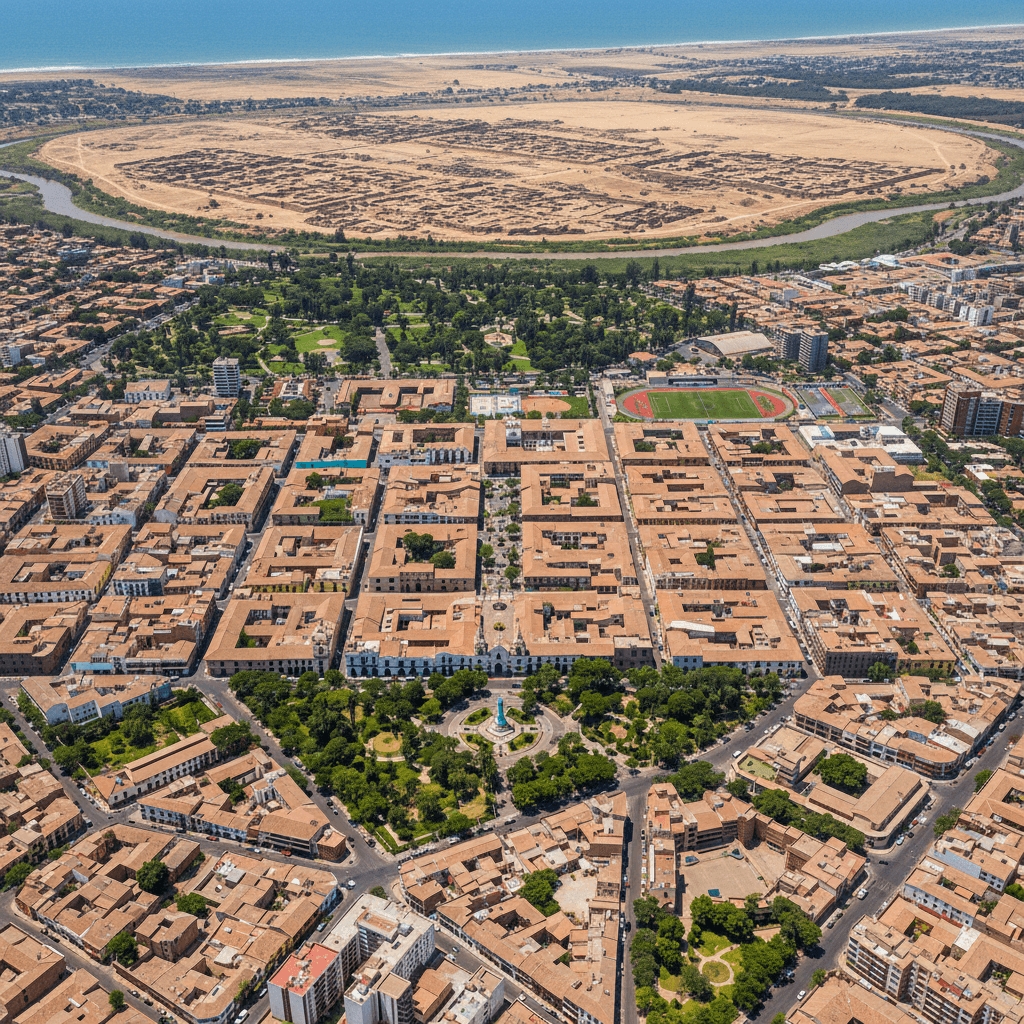
Trujillo
🇵🇪 Peru