Heredia
🇨🇷 Costa Rica
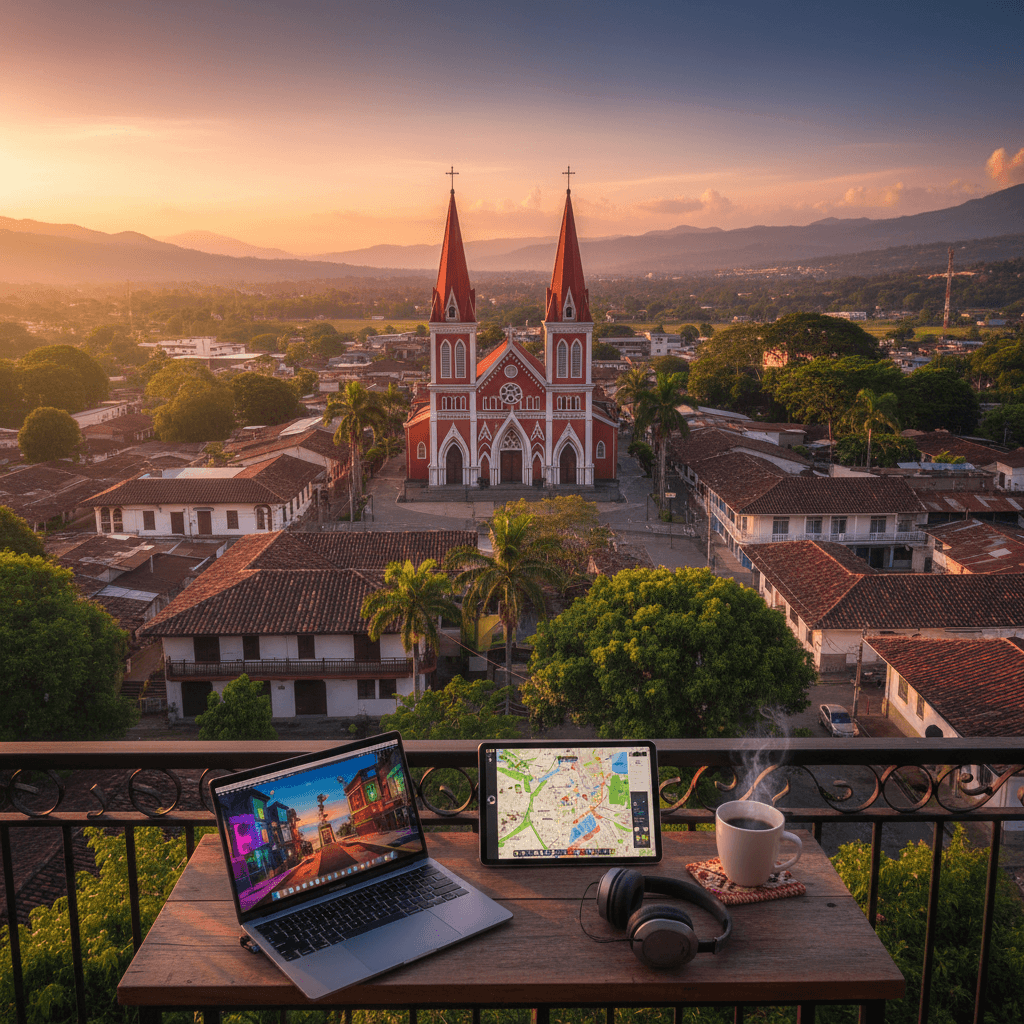
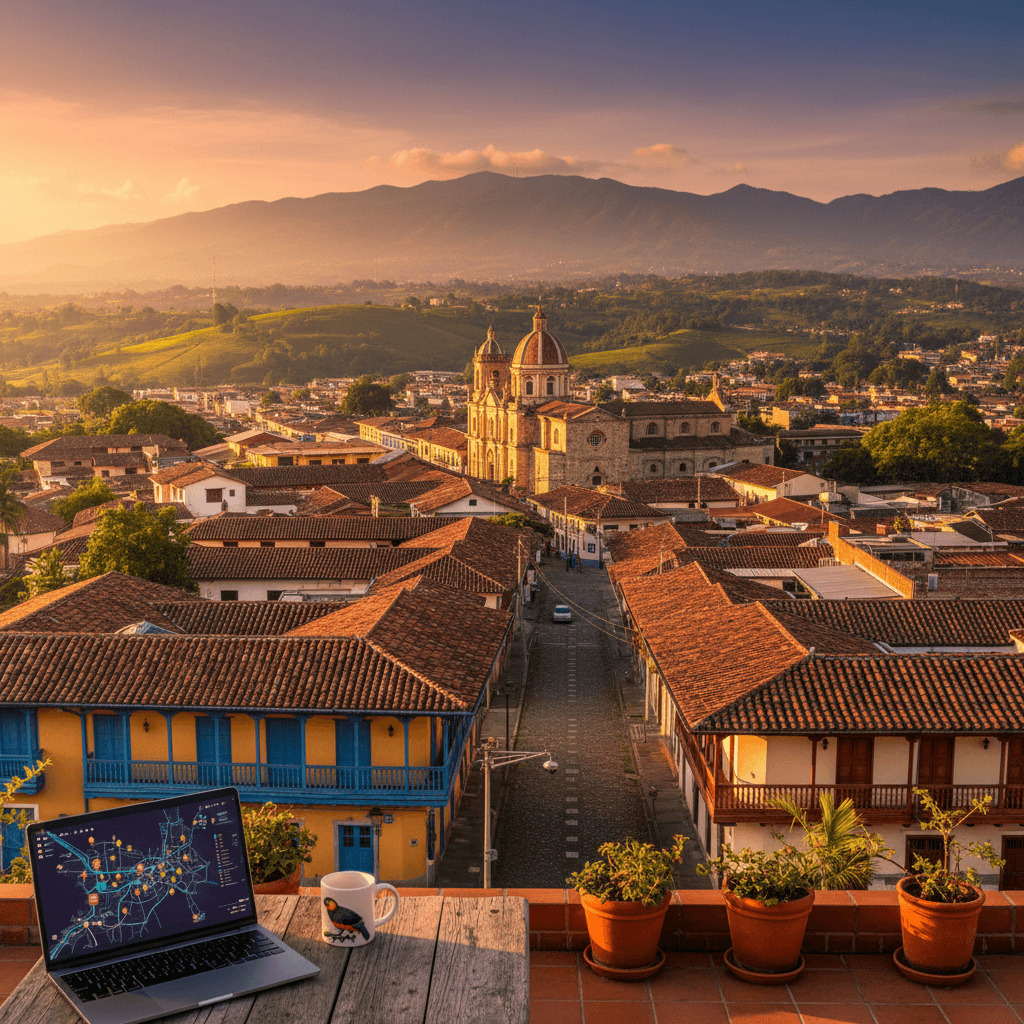
Welcome to the City of Flowers. While the coastal crowds flock to the surf breaks of Tamarindo, Heredia offers a different kind of Costa Rican rhythm. It feels less like a vacation and more like a life. Situated in the central highlands, this is where the urban convenience of the capital meets the lush, rolling hills of coffee country. It is a place characterized by cooler breezes, colonial architecture, and a youthful, academic energy that keeps the local scene fresh.
The Vibe
Heredia moves at a suburban pace that manages to be both relaxed and efficient. Because it is home to the Universidad Nacional, the streets are filled with students, giving the central district a lively, intellectual edge. You will find yourself working from a modern cafe in the morning and wandering through a 200 year old church plaza by the afternoon. It feels grounded. Unlike the high-speed chaos of San José or the transient feel of the beach towns, Heredia has a permanent, community-driven soul.
The emotional experience here is one of comfort. There is a specific kind of peace found in watching the clouds roll over the Barva Volcano while you sip a local roast. Nomads often say they come for the infrastructure but stay for the climate. You can ditch the air conditioning; the mountain air stays between 18 and 25 degrees Celsius year round. It is the perfect middle ground for those who want the Pura Vida lifestyle without the humidity or the "tourist tax" prices found on the coast.
Cost of Living Breakdown
Living here is notably easier on the wallet than in the capital or the popular Guanacaste hubs. You can expect your budget to stretch about 20 to 30 percent further here. Most mid-range nomads find that a monthly budget of $2,500 allows for a very comfortable lifestyle, including a modern apartment and regular dining out.
- Housing: A furnished one bedroom in a central area like Mercedes typically runs between $700 and $1,000. If you look toward the outskirts, prices can drop as low as $400.
- Food: A meal at a local "soda" (traditional eatery) costs around $5 to $8 for a massive plate of gallo pinto. A dinner for two at a trendy fusion spot will likely land near $40.
- Transport: Uber is the gold standard here, with most cross-town trips costing $5 to $10. Local buses are incredibly cheap, usually under $1 for a ride into San José.
Connectivity and Work
Reliability is the big draw for remote workers. Heredia is an urban heartland, meaning fiber optic internet is standard rather than a luxury. Most modern apartment complexes offer speeds of 100 Mbps or higher. While dedicated coworking spaces are still emerging, the cafe culture is robust. You will see plenty of laptops at spots near the university or in the Oxígeno Human Playground mall, which serves as a massive community hub.
For mobile data, grab a Kölbi or Claro SIM card for about $15. It provides solid coverage even as you head into the hills. If you prefer a digital-first approach, Airalo or Holafly eSIMs work seamlessly here, though they are slightly more expensive than local physical cards.
Why Heredia?
Expats choose Heredia when they want to actually live in Costa Rica, not just visit it. You are 30 minutes from the international airport and 20 minutes from the best hospitals in the country, yet you are also a short drive from hiking trails and strawberry farms. It is a city of neighborhoods. Mercedes is the go-to for walkability and cafes, while San Rafael offers a quieter, more upscale mountain retreat for families or those seeking silence. It is not a place for wild clubbing; it is a place for Sunday farmers markets, volcanic views, and a steady, productive flow.
If you're looking to stretch your budget without sacrificing urban conveniences, Heredia is the smart play. While beach towns like Tamarindo or Santa Teresa command a "gringo tax" that can rival Southern California prices, this university city remains grounded in local reality. You'll find your dollar goes about 20% to 30% further here than in San José or the coastal hubs.
Most nomads living here find that $2,500 a month buys a very comfortable lifestyle, including a modern apartment, frequent dining out, and weekend trips. If you're on a tighter budget, you can definitely make it work on $1,500 by living like a local student, using the bus system, and shopping at the weekly farmers markets.
Typical Monthly Costs
- Budget Tier (~$1,500/mo): Best for those renting a simple studio in the outskirts for $400 to $600. You'll eat mostly at "sodas" (local diners) where a plate of gallo pinto costs $3 to $5 and rely on the $1 bus rides.
- Mid-Range Tier (~$2,500/mo): This covers a nice one bedroom in Mercedes or central areas for $700 to $1,000. You'll have plenty left for $20 dinners at fusion restaurants and regular Uber rides.
- Comfortable Tier (~$4,000/mo): You're looking at luxury furnished apartments for $1,200+, car rentals or a private driver, and high end dining where meals run $50 per person.
Housing and Neighborhoods
Rent is your biggest variable. In Mercedes, which is the sweet spot for most expats and nomads, you're close to the universities and malls. It's walkable and has the best cafe density, but you'll pay a premium for that convenience. San Francisco and Belen are great alternatives if you want more green space and easier access to the airport or San José. These areas are quieter and often slightly cheaper than the trendy pockets of Mercedes.
For families or those staying long term, San Rafael offers a more suburban, secure feel with cooler mountain air. It's less "walk to the coffee shop" and more "drive to the private school," but the safety and space are major draws. Most people find rentals through Facebook Marketplace or local groups like "Digital Nomads Costa Rica," though Airbnb is better for your first month while you scout the area.
Eating and Socializing
Dining out is a mix of cheap local staples and surprisingly pricey international spots. A $10 lunch at a soda is the standard for most residents. If you prefer cooking, the Feria del Agricultor (farmers market) is where you'll get the best prices on fresh produce. For groceries, Auto Mercado is the go to for imported goods and high quality meats, though it's the most expensive supermarket chain in the country.
Coffee culture is big here. Since Heredia is in the heart of coffee country, you can get a world class pour over for about $3 to $5. It's a common way to socialize or get a few hours of work done if you aren't paying for a dedicated coworking desk.
Utilities and Connectivity
Expect to pay around $60 to $100 for a solid fiber optic internet connection. Electricity can be pricey if you're using A/C, but because Heredia is in the highlands, the weather is usually cool enough that you won't need it. A local SIM card from Kolbi or Claro with a decent data package will set you back about $10 to $20 a month. If you prefer the convenience of an eSIM, Holafly is the popular choice among travelers for immediate connectivity upon landing.
Transportation
Heredia is fairly walkable in the core, but the hills and rain often make wheels necessary. Uber and DiDi are the dominant ride hailing apps; a quick trip across town usually costs between $5 and $10. If you're heading to the airport (SJO), an Uber typically runs $20 to $30 depending on traffic. Public buses are incredibly cheap at less than $1 for most local routes, and they're the most authentic way to get into San José for a day trip.
Mercedes: The Digital Nomad Hub
If you're coming to Heredia to work, Mercedes is likely where you'll end up. It's the most walkable part of the city and sits right in the heart of the action near the Universidad Nacional. The energy here is youthful and academic, which means you'll find plenty of laptop friendly cafes with decent Wi-Fi and power outlets.
Nomads usually gravitate toward this area because it balances urban convenience with a local feel. You've got easy access to the Paseo de las Flores mall for modern amenities, but you're still surrounded by local sodas serving up $5 plates of gallo pinto. The main downside is the traffic; Heredia's narrow streets weren't built for the modern car volume, so expect some noise during rush hour.
- Average Rent: $700 to $1,000 for a furnished one bedroom apartment.
- Vibe: Academic, active, and convenient.
- Top Perk: You can survive here without a car. Everything from grocery stores to coworking spots is within a fifteen minute walk.
San Joaquin and Belen: Top Picks for Expats
For those planning to stay a year or more, San Joaquin de Flores and San Antonio de Belen offer a more polished, suburban lifestyle. These areas feel a bit more upscale than the city center and are popular with expats who want a quieter environment while staying close to the airport and the San Jose office parks.
You'll find more gated communities and modern condo complexes here. It's a strategic spot if you need to jump between Heredia and the capital frequently; the commute is significantly shorter than from the mountain towns. Expats often recommend these neighborhoods for their reliable infrastructure and higher safety ratings.
- Average Rent: $900 to $1,300 for a modern condo.
- Vibe: Residential, safe, and professional.
- Top Perk: Better air quality and less congestion than the university district.
San Rafael and Barva: The Family Choice
Families looking for the classic Costa Rican highland experience should head north toward San Rafael or Barva. These neighborhoods sit at a higher elevation, meaning the air is crisp and the views often include rolling coffee plantations. It's significantly cooler here, so you likely won't even need a fan, let alone air conditioning.
The lifestyle here is slower. You'll see families gathering in the central plazas on weekends, and there's a much stronger sense of community. While you'll definitely need a car or a reliable Uber budget to get down into the city for supplies, the trade off is more space, larger yards, and proximity to private schools.
- Average Rent: $800 to $1,200 for a three bedroom house.
- Vibe: Traditional, quiet, and scenic.
- Top Perk: Access to nature. You're just a short drive from the hiking trails of Monte de la Cruz.
Heredia Centro: For Solo Travelers and Budget Seekers
Solo travelers who want to be in the thick of it without spending a fortune usually stick to the city center. It's not as polished as Mercedes, but it's where you'll find the best deals on short term rentals and traditional guest houses. It is the transit hub of the province; the train to San Jose and buses to everywhere else depart from here.
Life here is loud and colorful. While you need to be more mindful of your belongings at night, the daytime environment is perfect for someone who wants to immerse themselves in the local culture. You're steps away from the Central Market, where you can grab fresh fruit and local meals for just a few dollars.
- Average Rent: $400 to $600 for a basic studio or room in a shared house.
- Vibe: High energy, transit focused, and authentic.
- Top Perk: Unbeatable transport links. You can get almost anywhere in the Central Valley for under $2.
Connectivity in the City of Flowers
Heredia sits in a sweet spot for remote workers who need stability without the San Jose price tag. Because it's a major university hub, the infrastructure is surprisingly robust. You aren't fighting for bandwidth with a whole village like you might in a beach town. Fiber optic lines are the standard here, and most modern apartments in areas like Mercedes or San Francisco come equipped with speeds ranging from 100 Mbps to 300 Mbps.
The city's elevation keeps things cool, which is a secret win for your hardware. Your laptop won't be struggling against tropical humidity or overheating in the midday sun. Power outages happen occasionally during the peak of the rainy season in October, but they're usually brief. Most serious nomads keep a backup power bank or a hotspot handy just in case.
Coworking Spaces and Community Hubs
While Heredia doesn't have the massive coworking brands found in Escazu, it offers a more local, focused environment. You won't find a Selina here yet, but the proximity to the Free Zone (Zona Franca) means there are plenty of professional setups nearby. Expect to pay between $15 and $25 for a day pass, or around $200 for a monthly hot desk.
- Workplace Options: Many nomads head toward Oxigeno Human Playground in San Francisco. It's a massive, modern mall that sounds corporate but actually offers great open spaces, fast public Wi-Fi, and several cafes where you can camp out for hours without being hassled.
- Impact Hub (Nearby): If you need a dedicated community, the Impact Hub in San Pedro is about a 30-minute Uber ride away. It's the go-to for networking and events if you're feeling isolated in the suburbs.
- University Cafes: The area around Universidad Nacional (UNA) is packed with laptop-friendly spots. Look for cafes with "Internet Fibra Optica" signs in the window; they're used to students and remote workers lingering over a single pour-over coffee.
Mobile Data and SIM Cards
Don't rely solely on your home roaming plan; it'll be slow and expensive. As soon as you land at SJO or head into central Heredia, get a local SIM. Kolbi (the state-owned provider) generally has the best coverage if you plan on trekking into the nearby mountains, while Claro and Liberty often have better promotional data packages for urban dwellers.
- Prepaid Plans: You can get 5GB to 10GB of data for roughly $10 to $20. To top up, just look for the "Recargas" signs at any "pulperia" (corner store).
- eSIMs: If your phone supports it, Airalo or Holafly work well for immediate connectivity, though they're pricier than buying a local physical SIM.
- Signal Strength: 5G is rolling out across the central valley, and you'll find strong LTE coverage throughout the Heredia city center.
The Laptop-Friendly Cafe Scene
If you prefer the hum of a coffee shop over a quiet office, Heredia delivers. The coffee culture here is elite, given you're literally surrounded by plantations. Most expats recommend Britt Coffee Shop for a guaranteed fast connection, though it's on the pricier side. For a more local vibe, try the smaller roasteries near Parque Central. Just remember the local etiquette: if you're staying for more than two hours, it's polite to order a second drink or a "gallo pinto" breakfast.
Most nomads find that a hybrid approach works best here. Use your apartment's fiber for heavy Zoom calls and head to the cafes for deep work. The community is active on Facebook groups like Digital Nomads Costa Rica, where you can often find "coworking dates" or meetups at local breweries once the laptops shut for the day.
Staying Safe in the City of Flowers
Heredia is generally considered one of the safer urban hubs in Costa Rica, largely thanks to its status as a university town. The heavy presence of students and young professionals keeps the central districts active and well lit. Most nomads feel comfortable walking through areas like Mercedes or the central park during the day, but the vibe shifts after dark. Like any metro area, petty theft is the primary concern here.
Expats recommend keeping a low profile when using public transit. Pickpockets sometimes target crowded buses running between Heredia and San Jose. If you're out late at a bar near the Universidad Nacional, don't walk home alone through unlit side streets. Stick to Uber or DiDi for door to door service; it's cheap, tracked, and much safer than wandering into unfamiliar outskirts after a few drinks.
- Emergency Services: Dial 911 for police, fire, or medical emergencies.
- Local Tip: Keep your phone and wallet in your front pockets or a zipped bag in crowded markets.
- Home Safety: If you're renting a standalone house, ensure it has "verjas" (security bars), which are standard and expected in Tico neighborhoods.
Healthcare Infrastructure
One of the biggest perks of living in Heredia is the proximity to top tier medical care. You aren't stranded in a remote beach town here. The Hospital San Vicente de Paúl is the main public facility, known for solid emergency care. However, most digital nomads and expats opt for private care to avoid long wait times. Hospital Clínica Bíblica and CIMA are both a short 20 to 30 minute drive away in neighboring San Jose and Escazu.
For minor issues like a stomach bug or a flu, you'll head to a "farmacia." Pharmacists in Costa Rica have more prescribing power than those in the US or UK. You can walk into a Farmacia Fischel or La Bomba, describe your symptoms, and often get what you need without a doctor's visit. Many pharmacists in the central district speak decent English.
- Private Consultation: A visit to a private GP usually costs between $60 and $100.
- Specialists: Expect to pay $100 to $150 for specialized consultations.
- Pharmacies: Look for the green cross signs; they are ubiquitous in the city center and malls like Oxígeno Human Playground.
Insurance Requirements for Nomads
If you're applying for the official Digital Nomad Visa, you'll need proof of health insurance that covers you for the duration of your stay. The policy must provide a minimum of $50,000 in coverage for medical expenses within Costa Rica. Even if you're just visiting on a 180 day tourist stamp, veteran travelers suggest a policy that includes medical evacuation, just in case.
Most expats use international providers like SafetyWing or Genki because they meet the visa requirements and are easy to manage via an app. If you plan on staying long term or becoming a resident, you'll eventually contribute to the Caja, the national public health system, but for your first year or two, private international insurance is the standard path. It ensures you can access the high end private hospitals where English is more widely spoken and the technology is state of the art.
The Local Transit Scene
Heredia is famously compact, but the hilly terrain and narrow streets mean you'll want a strategy for getting around. Most nomads find the city center very walkable, especially around the Universidad Nacional (UNA). However, if you're heading to the suburbs or into San Jose, you'll need to tap into the local transport network.
Public Buses
The bus system is the backbone of Heredia. It's incredibly cheap, usually costing between $0.50 and $1.00 per ride. Buses to San Jose run frequently from the main terminals and take about 30 to 45 minutes depending on the notorious "presa" (traffic jams). Look for the "Rapidillos" if you want a slightly faster commute. You'll usually pay the driver in colones as you board, so keep small change handy.
Ride-Hailing and Taxis
Uber and DiDi are the dominant forces here. They're often preferred by expats because you can set your destination in the app, avoiding any language barriers with directions. A typical cross-town trip costs around $5 to $8. If you opt for a traditional street taxi, make sure it's a "Maria" (red taxi with a yellow triangle) and ensure the meter is running before you pull away from the curb.
Driving and Car Rentals
If you're planning to explore the Barva Volcano or nearby coffee plantations, a car is a game changer. Your foreign driver's license is valid as long as your tourist stamp or nomad visa is current. Rental prices fluctuate, but expect to pay around $400 to $600 per month for a decent sedan. Be prepared for aggressive driving and sudden one-way street changes in the city core.
Train Travel
One of the best kept secrets for commuters is the Incofer commuter train. It connects Heredia directly to San Jose and Alajuela. It only runs during peak morning and afternoon hours, but it's a fantastic way to bypass the gridlock on the General Cañas Highway. It's basic and can get crowded, but it's reliable and costs less than $1.50.
Practical Transport Tips
- Download Waze: This is the gold standard for navigation in Costa Rica. It's much more accurate than Google Maps for real-time traffic and road closures.
- Airport Arrivals: When landing at SJO, an Uber to central Heredia typically costs $20 to $30 and takes about 45 minutes. It's significantly cheaper than the official airport orange taxis.
- Micro-mobility: You'll see some electric scooters around university zones, but the uneven sidewalks and steep hills make them less practical than in flatter cities.
- Walking Safety: Stick to well lit main roads at night. While Mercedes and the central districts are generally safe, petty theft can happen in quieter, unlit outskirts.
Monthly Transport Budget Estimates
- The Budget Nomad: $40 - $60. Primarily using buses and the occasional train ride.
- The Mid-Range Resident: $150 - $250. A mix of daily Ubers and weekend bus trips to nearby towns.
- The High-End Explorer: $500+. Full-time car rental including insurance and fuel for weekend trips to the coast.
The Language Barrier
In Heredia, you'll find a demographic split that works in your favor. Because it's home to the Universidad Nacional (UNA) and several major tech hubs, English proficiency is higher here than in rural provinces. Most students and young professionals speak at least conversational English, and you'll have no trouble in modern malls like Paseo de las Flores or at upscale cafes in Mercedes.
That said, Heredia is a traditional city at its core. If you're heading to a local feria (farmers market) or navigating the bus terminal, Spanish becomes the default. Most nomads find that while they can survive with English, the "Pura Vida" lifestyle truly opens up once they learn the basics. Tico Spanish is famously polite and a bit slower than the rapid fire dialects of the Caribbean, making it a great place for beginners to practice.
Essential Local Lexicon
Costa Ricans, known as Ticos, have a unique way of speaking that reflects their relaxed outlook. You'll hear these daily:
- Pura Vida: The literal translation is "pure life," but it's used for hello, goodbye, "everything's good," and "no worries." It's the national catchphrase.
- Tuanis: Slang for "cool" or "nice." If someone likes your gear or a local spot, they'll call it tuanis.
- Upe!: A polite way to announce your presence at someone's gate or front door, since doorbells aren't always a thing.
- Regáleme: Literally "gift me," but it's the standard, polite way to ask for something at a shop or restaurant. Use it to order a coffee or a beer.
Digital Tools and Apps
Living in a suburban hub means you'll have reliable 5G and fiber optic connections to power your translation tools. Most expats recommend keeping Google Translate downloaded for offline use, especially the camera feature for reading menus at smaller sodas. For those looking to bridge the gap, the university vibe in Heredia makes it easy to find language exchange partners.
- WhatsApp: This is the lifeblood of communication in Costa Rica. Whether you're booking a haircut, talking to your landlord, or ordering delivery, you'll do it via WhatsApp.
- Waze: Locals prefer this over Google Maps for navigating Heredia's winding streets and traffic patterns.
- Spanish Dict: Travelers often find this app more accurate for regional Tico idioms than standard translators.
Communication Etiquette
Ticos are generally non-confrontational and highly polite. Abruptness is often seen as rudeness. When starting a conversation, even with a cashier, it's customary to start with a "Buenas" or "Buen día" before jumping into your request. If you're struggling with the language, a simple "Lo siento, mi español es un poco bajo" (I'm sorry, my Spanish is a bit basic) usually earns you a patient smile and an attempt at English.
Expats often mention that "Tico Time" is a real factor. If someone says they'll arrive "ahorita" (right now), it could mean in five minutes or two hours. Learning to navigate these linguistic nuances is part of the charm of living in the Central Valley. You'll find that being patient and maintaining a friendly demeanor goes much further than perfect grammar.
Connectivity Costs
Staying connected is affordable and straightforward. You can pick up a local SIM card at the airport or at various kiosks around central Heredia. Most nomads suggest Kolbi for the best coverage if you plan to hike in the nearby mountains, while Claro or Liberty offer competitive data packages for city dwellers.
- Prepaid SIM: Expect to pay around $10 to $20 for a month of decent data.
- eSIM Options: Services like Holafly or Saily are popular for those who want to be online the second they land, though they're pricier than local cards.
- Home Internet: If you're renting a long term apartment in neighborhoods like Belen, fiber optic plans typically cost between $40 and $70 per month depending on the speed.
The Highland Microclimate
Heredia is famously known as the City of Flowers, and its weather is a big reason why. Unlike the sweltering humidity of the Guanacaste coast or the sticky heat of Manuel Antonio, Heredia sits at an elevation that keeps things comfortably cool. You can expect temperatures to hover between 18°C and 25°C (64-77°F) most of the year. It is the kind of place where you actually get to wear a light sweater in the evenings, which is a rare luxury in Central America.
Most nomads find this "eternal spring" climate much better for productivity. You aren't battling heat exhaustion while trying to hit a deadline, and you won't need to run the AC 24/7, which keeps your electricity bill significantly lower than in beach towns. However, the higher you go into the mountains toward San Rafael or Barva, the mistier and chillier it gets. If you are sensitive to the cold, stick to the central valley floor near the universities.
The Dry Season (December to April)
This is widely considered the best time to base yourself in Heredia. The skies are clear, the coffee plantations are lush, and the breeze is refreshing. It is the peak of the social season, and you will find the parks and outdoor cafes near the National University (UNA) packed with people. Because Heredia is a student hub rather than a tourist trap, you won't see the same massive price hikes for rentals that you'd find in Tamarindo during these months.
- Best for: Hiking the Barva Volcano, coffee farm tours, and outdoor coworking on cafe patios.
- What to pack: Light layers. You will want shorts for the sunny afternoons but a jacket for the 16°C (60°F) nights.
- The "Veranillo": Look out for the little summer in July, a brief period of dry weather that breaks up the rainy season.
The Green Season (May to November)
Locals call the rainy season the "Green Season" for a reason. The surrounding mountains turn an intense, deep emerald color. Typically, mornings are sunny and bright, with heavy downpours starting around 2:00 PM or 3:00 PM. Travelers often say this is the best time for deep work. You get your errands done early, then settle into a local cafe like Britt Espresso or a coworking spot while the rain thunders down outside.
October is usually the wettest month. If you aren't a fan of grey skies and damp shoes, this is the month to skip. The rain can be relentless, sometimes lasting through the night, and the humidity can make your laundry take days to dry if you don't have a machine with a dryer. On the plus side, this is when you will find the absolute best deals on long term apartment rentals in neighborhoods like Mercedes.
When to Visit: The Nomad Verdict
If you want the perfect balance of weather and local culture, aim for January through March. You will miss the holiday crowds of late December but catch the best of the breezy, dry weather. For those on a tighter budget, May and June are underrated. The rain hasn't reached its peak yet, the landscape is stunningly green, and you can often negotiate better monthly rates on Airbnb or through local Facebook groups like "Expats in Costa Rica."
- Peak Sun: February and March (expect 0-2 rainy days per month).
- Heavy Rainfall: September and October (expect rain almost every afternoon).
- Average Highs: 24°C (75°F).
- Average Lows: 17°C (63°F).
Connectivity and Tech
Heredia is the tech heart of the Central Valley, so you won't struggle with dial-up speeds here. Fiber optic internet is the standard in the urban core, particularly in neighborhoods like Mercedes and Belén. You can expect speeds ranging from 100 Mbps to 500 Mbps, which is significantly more reliable than what you'll find in the coastal surf towns.
For mobile data, grab a SIM card from Kölbi or Claro. You can find their kiosks in the Paseo de las Flores mall. A prepaid plan with plenty of data usually runs about $15 to $20. If you prefer the eSIM route, Holafly or Saily work well here, though they’re slightly pricier than local physical cards. While dedicated coworking spaces are still popping up, many nomads treat the cafes near the Universidad Nacional (UNA) as their de facto offices. They're laptop friendly and the Wi-Fi is generally free if you're buying coffee.
Money and Budgeting
Living in Heredia is a smart move if you want your dollars to stretch. It’s often 20% to 30% cheaper than San José or the tourist-heavy beaches. Most expats find a monthly budget of $2,000 to $2,500 allows for a very comfortable lifestyle, including a modern apartment and frequent dining out.
- Studio/1BR Rent: $600 in the outskirts to $1,100 for a furnished spot in a gated community.
- Local Meal (Soda): A hearty casado (rice, beans, protein, and salad) costs about $6 to $8.
- Mid-range Dinner: Expect to pay $15 to $25 at fusion or international spots.
- Transport: Uber rides around town usually hover between $4 and $8.
For banking, Banco Nacional is a common choice for those on the digital nomad visa, but many residents just use Wise or Revolut for daily transactions to avoid high conversion fees. Cash is still king at the smaller ferias (farmers markets), so keep some Colones on hand for your weekend fruit hauls.
Navigating the City
The city center is walkable but hilly. For anything beyond a few blocks, Uber and DiDi are the most reliable ways to get around. They’re safer and more transparent than traditional street taxis. If you're heading into San José for a night out, the public bus is incredibly cheap at less than $1, though it can get packed during rush hour.
If you're planning to stay long term, your foreign driver’s license is valid as long as your visa is current. Renting a car is an option for weekend trips to Poás Volcano or Barva, but for daily life in Heredia, the traffic is often so thick that you're better off letting someone else drive.
The Nomad Visa and Logistics
Costa Rica’s digital nomad visa is a game changer for those wanting to stay longer than a 180 day tourist stamp. You’ll need to prove a monthly income of at least $3,000. The application fee is $100, and the big perks include tax-free foreign income and the ability to open a local bank account. Most nomads use services like TrámiteYa to handle the paperwork, as the bureaucracy can be a bit of a headache if your Spanish isn't fluent.
Healthcare here is excellent. Hospital San Vicente de Paúl is the main public facility, but most expats opt for private insurance to access clinics like CIMA in nearby Escazú. For minor issues, Farmacia Fischel is the go-to pharmacy chain, and you'll find them on almost every major corner.
Social Life and Integration
Heredia isn't a party town like Tamarindo. The social scene revolves around university vibes and quiet coffee culture. To meet people, join the Digital Nomads Costa Rica or Expats in Costa Rica Facebook groups. They are active communities where people trade tips on everything from finding a reliable plumber to the best yoga studios in San Rafael. Tipping is generally 10% in restaurants, which is often already included in your bill as servicio, so check before adding extra.
Need visa and immigration info for Costa Rica?
🇨🇷 View Costa Rica Country GuideHidden Gem
Worth the effort
Monthly Budget Estimates
More cities in Costa Rica
Liberia
🇨🇷 Costa Rica
Alajuela
🇨🇷 Costa Rica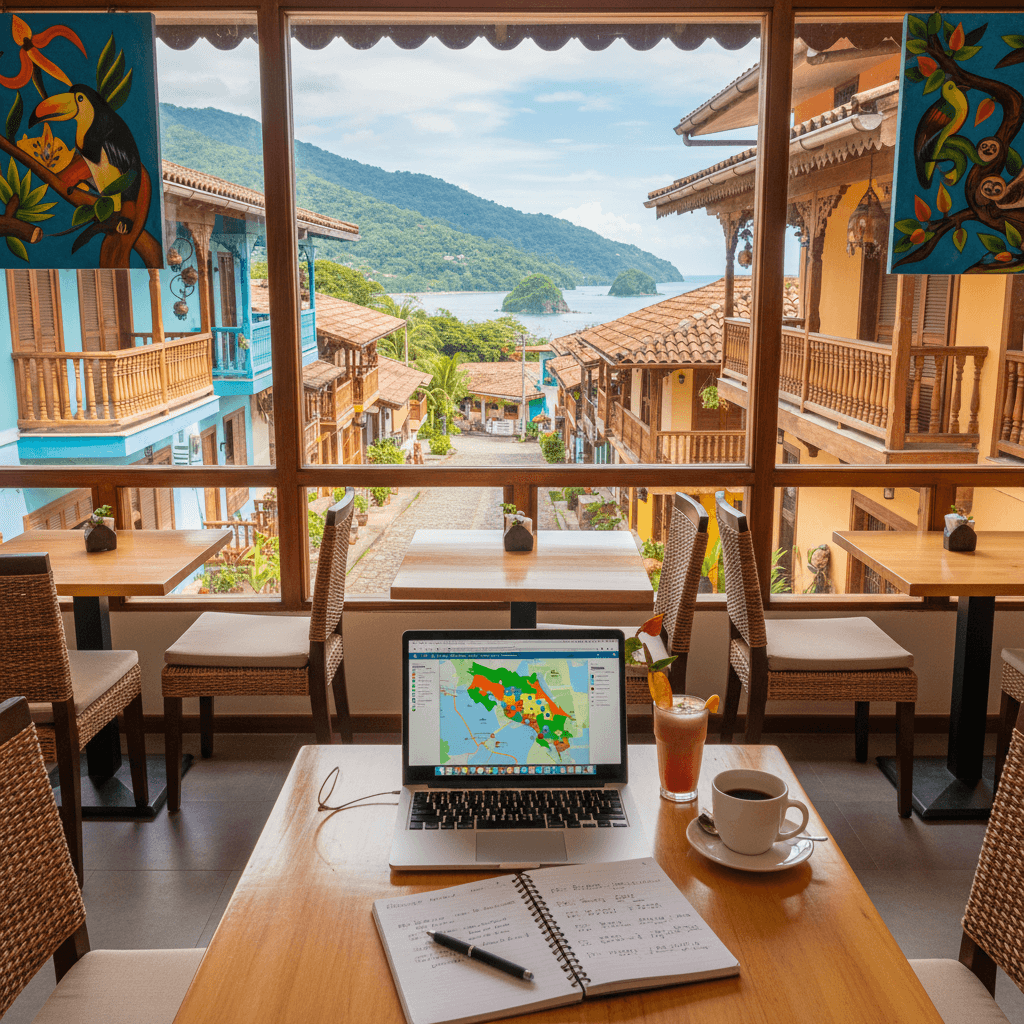
Manuel Antonio
🇨🇷 Costa Rica