Heraklion
🇬🇷 Greece
The Crossroads of Antiquity and Caffeine
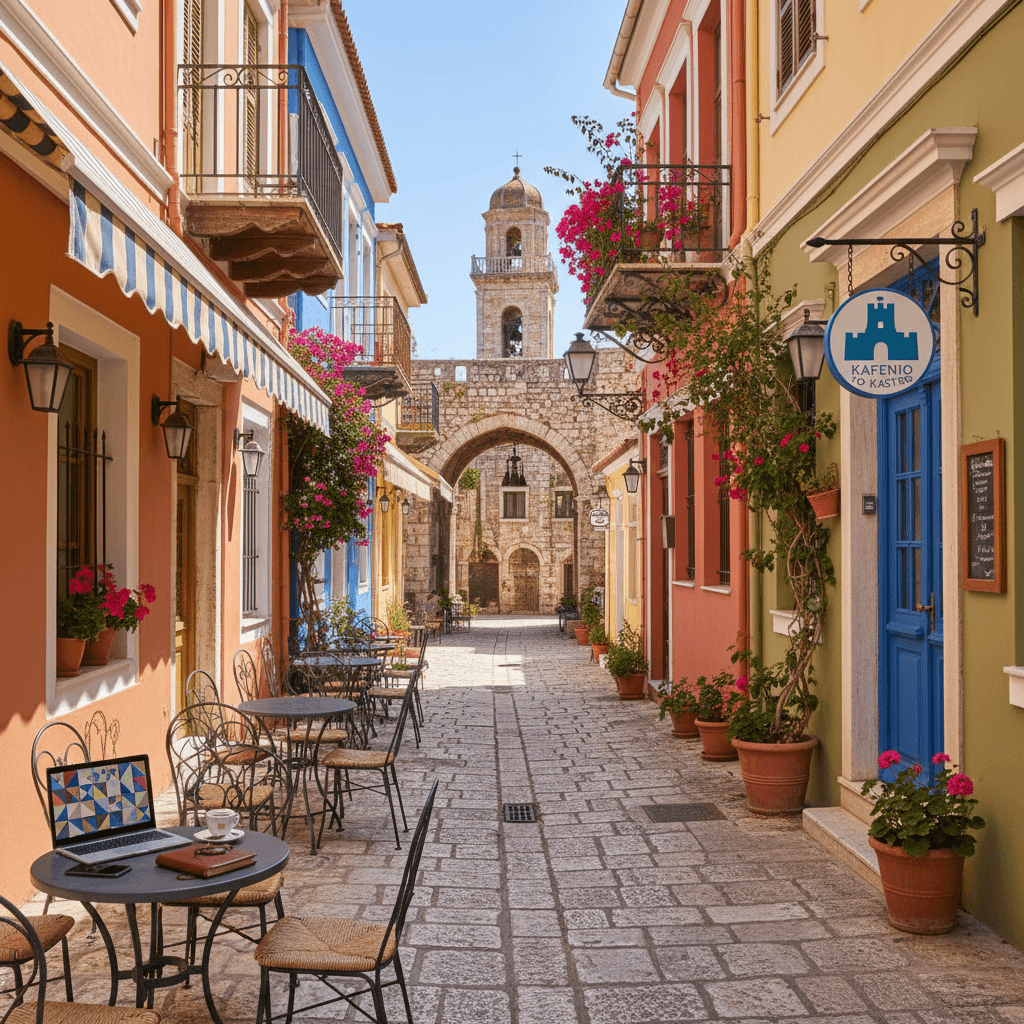
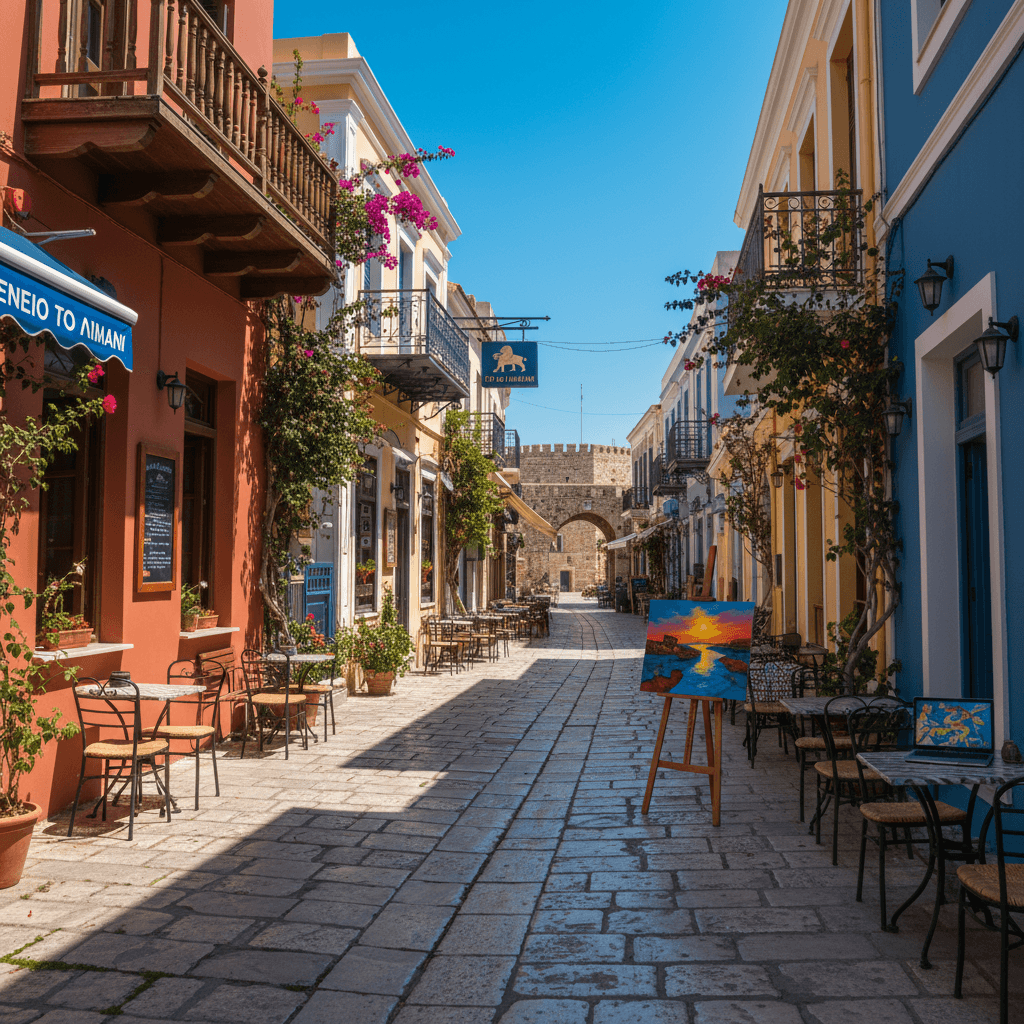
Heraklion doesn't try to be pretty in the way Santorini or Chania do. It's a gritty, high energy Mediterranean hub where 4,000 year old Minoan ruins sit right next to concrete apartment blocks and chic espresso bars. For nomads, the appeal lies in this lack of pretension. It feels like a real city that functions for its residents, not just a postcard for tourists. You'll spend your mornings working from a cafe overlooking the Morozini Fountain and your afternoons wandering the Venetian walls, all while feeling the constant, hum of Cretan life around you.
What sets Heraklion apart from Athens or Thessaloniki is the pace. It's busy, but never frantic. People here prioritize the volta, a slow evening stroll, and the hospitality is legendary even by Greek standards. You aren't just a visitor; you're someone the local baker will recognize by your third morning. It's the kind of place where a quick coffee break easily turns into a two hour conversation about history or olive oil.
The Cost of Living Breakdown
Heraklion is one of the more affordable coastal hubs in Europe. While prices have crept up, your Euro still goes much further here than in Spain or Portugal. Most nomads find they can live quite well on a mid range budget without constantly checking their bank app.
- Budget Tier: €1,200 to €1,800 per month. This covers a shared apartment or a modest studio further from the center, plenty of €4 gyros, and using the local bus system.
- Mid Range: €2,000 to €2,800 per month. This is the sweet spot. You'll get a nice 1BR apartment in the center, eat out at spots like Peskesi a few times a week, and keep a dedicated desk at a coworking space.
- Comfortable: €3,000+ per month. This lands you a premium waterfront rental, frequent car rentals for weekend trips to the south coast, and upscale dining.
Where to Plant Your Flag
Choosing a neighborhood depends on how much you value silence versus convenience. The city is walkable, but the vibe shifts significantly every few blocks.
City Center (Near Knossos Gate)
- Rent: €600 to €850 for a modern 1BR.
- Vibe: High energy, walkable, and close to everything. You're steps away from the best cafes and the Comeet coworking community. It can get noisy on weekends, but you'll never need a car.
Waterfront & Lakonias
- Rent: €750 to €1,000 for sea views.
- Vibe: Brisk sea breezes and a more relaxed, residential feel. It's popular with families and nomads who want to start their day with a run by the harbor. It’s a bit pricier and a longer walk to the main social hubs.
Agios Titos & Suburbs
- Rent: €500 to €700 for spacious long term setups.
- Vibe: Authentic and quiet. This is where you go to escape the tourist trail. You'll get more space for your money, but you might want a scooter or bike to get into the heart of the city.
Work, Connectivity, and Logistics
The internet in Heraklion is reliable enough for Zoom calls and heavy uploads, though it isn't the lightning fast fiber you might find in Estonia. Most cafes have decent WiFi, and the "laptop culture" is growing. If you need a professional environment, Comeet Creative Space is the heartbeat of the local nomad scene, charging about €10 to €15 for a day pass. Other solid options include Office 12 and Pom, both of which host community events that make networking easy.
For mobile data, skip the international roaming. Grab a local SIM from Cosmote or Nova for around €50 a month for unlimited data. If you want to be connected the second you land, Holafly eSIMs work perfectly here. Getting around is simple; the center is for walking, but the Beat app is the local go to for quick taxi rides that usually cost between €5 and €10. For exploring the island's hidden beaches, Happy Rentals offers scooters for about €10 a day.
Safety is rarely a concern here. Violent crime is almost non existent, and the biggest worry is usually a bit of petty theft in the crowded central markets. Healthcare is high quality, with the Heraklion General University Hospital providing excellent care. Just remember the local rhythm: many shops close for a siesta between 2pm and 5pm, so plan your errands accordingly. It's a small price to pay for a city that truly knows how to balance work with the art of living.
The Mediterranean Balance
Heraklion is one of those rare spots where your bank account can actually catch its breath. While Athens is getting pricier and the Cyclades islands are strictly for the deep-pocketed during summer, Crete's capital remains surprisingly grounded. You're looking at a lifestyle that prioritizes fresh food and outdoor living without the premium price tag found in other European hubs.
Most digital nomads find that a monthly budget of €1,200 to €1,800 covers the basics comfortably if you're okay with a shared setup or a modest studio. If you want your own modern one-bedroom apartment in the center and plan to work from cafes daily, aim for the €2,000 to €2,800 range. For those who want the high life, including a waterfront balcony and regular farm to table dining at spots like Peskesi, you'll want €3,000 or more in your monthly fund.
Housing and Neighborhoods
Rent is your biggest variable here. In the City Center, near the Knossos Gate or the Morozini Fountain, you'll pay for the convenience of being steps away from coworking spaces and the best espresso freddos. If you prefer waking up to a sea breeze, the Waterfront near Lakonias is the go-to, though it tends to be pricier and a bit further from the main action.
- City Center: Expect to pay €500 to €800 for a decent apartment. It's walkable and social, though it can get lively at night.
- Waterfront/Lakonias: Rents often start at €700 and climb quickly for sea views. It's quieter and great for families or those who need a morning beach walk.
- Agios Titos/Suburbs: This is where the long term expats hide out. It's much more affordable, with a stronger community feel, but you'll likely want a scooter or a bus pass to get around.
Eating and Socializing
Food is where Heraklion really wins. You can grab a massive gyro or souvlaki on the street for €3 to €5 and call it a day. A mid-range dinner with wine usually lands between €15 and €25 per person. Groceries are affordable too, especially if you hit the local markets for seasonal Cretan produce rather than sticking to the big supermarkets.
The social scene is centered around coffee culture. You'll see locals and nomads alike parked at cafes for hours. A coffee will set you back about €3 to €4, and most places won't mind if you open your laptop for a bit. For a dedicated desk, Comeet Creative Space or Office 12 are the local favorites, costing roughly €100 to €200 per month depending on your membership level.
Transport and Connectivity
You don't really need a car if you stay central. The city is highly walkable, and the bus system is reliable for reaching the airport or nearby beaches like Ammoudara for €1.50 a ride. If you're in a rush, the Beat app is the local version of Uber and works well for short hops across town for €5 to €10.
- Monthly Bus Pass: Approximately €30.
- Scooter Rental: €5 to €10 per day for longer rentals through shops like Happy Rentals.
- Phone Data: Pick up a Cosmote or Nova SIM card for about €20 for a month of heavy data usage.
While the internet isn't at Tokyo or Tallinn levels yet, it's plenty for Zoom calls and uploading files. Just check the speeds before you sign a long term lease, as some older buildings in the historic center can have thicker walls that mess with the signal.
The City Center (Old Town)
For most nomads and solo travelers, the area around the Morozini Fountain and Knossos Gate is the place to be. It is the heartbeat of the city where Venetian architecture meets modern cafe culture. You can walk to almost everything, which saves a lot of money on transport. Most nomads find the convenience of having Comeet Creative Space or Office 12 just a few blocks away outweighs the occasional noise from the tourist crowds.
- Rent: €600 to €800 per month for a central 1BR.
- Vibe: High energy, social, and very walkable.
- Best for: Digital nomads, solo travelers, and short term stays.
- Practical Tip: Stick to the side streets near Agios Titos for slightly quieter apartments that still keep you in the action.
The Waterfront & Lakonias
If you prefer waking up to a sea breeze rather than the sound of scooters, head toward the coast. The area near the waterfront and Lakonias is much more relaxed. It feels less like a dense urban center and more like a Mediterranean getaway. It is a favorite for families because of the proximity to the sea and the wider, quieter streets where kids can actually move around.
- Rent: €750 to €950+ for sea-view units.
- Vibe: Coastal, breezy, and upscale.
- Best for: Families and travelers who want a vacation feel.
- Practical Tip: You will likely want to use the Beat app for quick rides into the center, as it is a bit of a trek on foot.
Agios Titos & The Suburbs
Expats moving to Heraklion for six months or longer often migrate toward the residential pockets just outside the immediate tourist core. These neighborhoods offer a genuine Cretan community feel where the shopkeepers will actually remember your name. Prices drop significantly here, and you will find more spacious apartments with real kitchens rather than tiny kitchenettes.
- Rent: €500 to €650 for a solid long term rental.
- Vibe: Local, quiet, and budget friendly.
- Best for: Long term expats and slow travelers.
- Practical Tip: Grab a monthly bus pass for €30 to stay connected to the center without the headache of parking.
Ammoudara
Technically just west of the city, Ammoudara is where you go if you want the beach to be your office. It is a long stretch of sand lined with cafes and hotels. While it can feel a bit seasonal, many nomads love it for the easy access to the water and the cheaper "resort style" living during the shoulder seasons of April to June and September to October.
- Rent: €550 to €750 depending on the season.
- Vibe: Beachy and laid back.
- Best for: Beach lovers and those who work better with a view of the Aegean.
- Practical Tip: Check the internet speeds before you sign; some older beach rentals haven't upgraded to the faster fiber lines found in the city center.
Connectivity and Speed
Heraklion isn't a high speed tech hub like Seoul or Tallinn, but it holds its own for most remote work needs. You can expect reliable WiFi in the city center that handles Zoom calls and large uploads without much fuss. Most nomads find the average speeds perfectly adequate, though it is smart to have a backup plan if you are working with heavy video files.
For your mobile setup, Cosmote and Nova are the go to providers. You can pick up a local SIM card with unlimited data for about €50 per month. If you prefer to hit the ground running, Holafly eSIMs are a popular choice among travelers for instant connectivity. Most cafes in the center have a strong working culture; it is common to see people parked with a Freddo Espresso and a laptop for a few hours, and many spots are generous with their power outlets.
Top Coworking Spaces
The coworking scene in Heraklion is intimate and community focused. These spaces are usually where you will meet other expats and find out about weekend trips or local meetups.
- Comeet Creative Space: This is arguably the most popular hub in the city. It has a great community vibe and hosts regular events. Prices sit around €10 to €15 for a day pass, or €100 to €150 for a monthly desk.
- Pom (Heraklion): A modern, professional environment located centrally. It is ideal if you need a quiet atmosphere for deep focus or client meetings.
- Office 12: Another solid central option that caters to the growing nomad crowd with flexible plans and reliable infrastructure.
Laptop Friendly Cafes
If you prefer the hum of a coffee shop over a structured office, the area around Agios Titos and the Morozini Fountain is packed with options. Digital nomads often gravitate toward cafes that offer shaded outdoor seating and reliable internet. The local etiquette is relaxed; as long as you are ordering coffee or a snack, nobody will rush you out. Just keep in mind that many local businesses observe a siesta between 2pm and 5pm, though the more modern, nomad friendly cafes usually stay open straight through.
Digital Nomad Community
Finding your tribe here is straightforward if you know where to look. The Digital Nomads Heraklion groups on social media are active and helpful for everything from finding a flat to grabbing a beer. Most social life revolves around the city center, where the density of cafes and bars makes it easy to bump into the same faces. While the nightlife is a bit more laid back than the chaos of Athens, the social scene is consistent and very welcoming to outsiders.
Practical Tech Tips
- Banking: Use Revolut or N26 at local ATMs like Piraeus Bank to avoid unnecessary conversion fees.
- Transport Apps: Download Beat or TaxiBeat for getting around. Short trips across town usually cost between €5 and €10.
- Power: Greece uses Type C and F plugs. If you are coming from the US or UK, bring a sturdy adapter that can handle your laptop charger.
Stay Safe and Healthy in the Cretan Capital
Heraklion is one of those rare Mediterranean cities where you can wander home at 2:00 AM after a late dinner without looking over your shoulder. It is generally a very safe environment with low crime rates. Most nomads find the city center and the waterfront areas perfectly comfortable at all hours, though you should keep an eye on your bag in crowded spots like the central markets or the tourist heavy streets near the Morozini Fountain.
There aren't any specific "no-go" zones to worry about here. The city feels community oriented; locals tend to look out for one another and for visitors. If you run into trouble, the local police can be reached by dialing 100. You will find that most officers speak enough English to help you out with basic reports or directions.
Healthcare Standards and Hospitals
If you get sick or need a checkup, you are in good hands. Heraklion is the medical hub for the entire island of Crete. The Heraklion General University Hospital (PAGNI) is the primary facility for serious issues and offers high quality care. It is an academic institution, so many of the doctors are researchers who speak excellent English and stay updated on global medical trends.
For minor issues or faster service, many expats recommend private clinics. These often have shorter wait times than the public system. Make sure you have your digital nomad insurance or private health coverage documents ready, as private care will require upfront payment or a direct billing arrangement with your provider.
Pharmacies and Everyday Meds
Pharmacies, marked by a green cross, are everywhere in Heraklion. You will find them on almost every second block in the city center. They are the first stop for most locals for minor ailments like a cold or a stomach bug. Pharmacists in Greece are highly trained and can often provide advice or even certain medications that might require a prescription in other countries.
- Standard Hours: Most pharmacies open from 8:30 AM to 2:00 PM, then close for a few hours, and reopen from 5:30 PM to 9:00 PM.
- Late Night Care: There is always at least one "on-call" pharmacy open 24/7 in each district. You can find the schedule posted in any pharmacy window or use a local app to find the nearest open one.
- Emergency Services: Dial 166 for an ambulance if you have a medical emergency.
Environmental Health and Safety
The biggest health risk you'll likely face is the Cretan sun. During the peak months of June through August, temperatures frequently hit 28-35°C. Dehydration and heatstroke are common for newcomers who try to hike or explore during the middle of the day. Most nomads adapt to the local "siesta" rhythm, staying indoors or in air conditioned coworking spaces like Comeet between 2:00 PM and 5:00 PM.
While the tap water in Heraklion is technically safe to drink, it has a high mineral content that many find unappealing. Most long term residents prefer to buy large jugs of bottled water for drinking and use tap water for cooking and showering. It is a small monthly expense, usually around €15 to €25, that saves you from a metallic aftertaste.
Important Contacts for Your Phone
- Police: 100
- Ambulance: 166
- Fire Department: 199
- General European Emergency Number: 112
- Tourist Police: 171 (specifically for issues involving travelers and theft)
The Walkability Factor
Heraklion is a city of two speeds. In the historic center, your own two feet are your best asset. The area around the Morozini Fountain and Knossos Gate is largely pedestrian friendly, filled with narrow alleys where cars can't easily go. Most nomads find they can handle 90% of their daily life, from coffee runs to coworking at Comeet, without ever touching a steering wheel.
If you choose to stay in the suburbs or the Lakonias waterfront area, the walk into the center is manageable but can get sweaty during the 28-35°C summer peaks. The sidewalks can be uneven or narrow in the residential neighborhoods, so keep your eyes on the ground rather than your phone while moving around.
Public Buses (The Blue and Green)
The local bus system is reliable and surprisingly easy to use. You'll mostly deal with the Blue Buses, which handle the city routes and the trek to the Palace of Knossos. Tickets cost about €1.50 per ride, and you can buy them at kiosks or vending machines near major stops. Don't try to pay the driver in cash; they usually won't take it and it's more expensive if they do.
- Monthly Pass: Around €30 for unlimited city travel.
- Airport Connection: The bus from the airport to the city center costs €5 and takes about 20 to 30 minutes depending on the chaos of the traffic.
- Beach Routes: Regular lines run to Ammoudara for a quick afternoon dip.
For adventures further afield, like a weekend in Chania or Rethymno, you will head to the KTEL stations to catch the Green Buses. These are long distance coaches that are air conditioned and generally run on time.
Taxis and Ride-Hailing
While Uber doesn't operate here in the traditional sense, the FreeNow app (formerly Beat) is the local go-to. It connects you with licensed taxi drivers so you don't have to worry about language barriers or price haggling. Most short trips within the city limits will set you back between €5 and €10.
If you're coming from the airport with heavy luggage, a taxi is the way to go. Expect to pay between €15 and €25 for a direct drop off at your rental. Taxis are generally safe, but it's always smart to make sure the meter is running or agree on the price before the car starts moving.
Two Wheels and Rentals
Scooters are the locals' secret weapon for beating the traffic. You can rent a scooter or a bike from shops like Happy Rentals for roughly €5 to €10 a day. If you're comfortable on two wheels, it's the most efficient way to get to those slightly out of reach beaches without waiting for a bus.
Renting a car is only recommended if you're planning a day trip to the south coast or the mountains. Driving inside Heraklion is a bit of a headache due to limited parking and aggressive local driving styles. If you do rent, look for local agencies rather than the big international chains at the airport to save a few Euros.
Transport Summary
- Walking: Free and best for the city center and Agios Titos.
- Public Bus: €1.50 per ticket; best for Knossos and Ammoudara.
- Ride-Hailing: Use the FreeNow app for €5-10 city hops.
- Scooters: €5-10 per day; ideal for coastal exploring.
The Communication Landscape
You won't have much trouble getting your point across in Heraklion. While Greek is the official language, the city is a hub for tourism, international students, and a growing remote work scene, meaning English proficiency is remarkably high. Most nomads find that anyone under the age of 50 speaks English fluently, and even in smaller local tavernas, you can usually get by with a mix of basic English and gestures.
The Greek alphabet can look intimidating on street signs at first, but almost all major signage in the city center and along the waterfront is transliterated into Latin characters. If you're heading into the deeper suburbs like Agios Titos or rural villages for a weekend hike, the English levels might drop, but the Cretan hospitality usually fills the gap. Local shopkeepers are famously patient with foreigners trying to navigate the language.
Essential Greek for Your Kit
Greeks deeply appreciate it when you make even a tiny effort to use their language. It often turns a standard transaction into a warm conversation. Here are the staples you'll actually use daily:
- Yia sou: Hello (informal) or Goodbye. It's the Swiss Army knife of Cretan greetings.
- Efharisto: Thank you. You'll say this constantly after every coffee or gyro delivery.
- Né / Óhi: Yes / No. Warning: "Né" sounds like "nay," which confuses many English speakers who think it means no.
- Poso kani?: How much? Useful at the open-air markets.
- Parakalo: Please or "You're welcome."
Digital Tools and Connectivity
For everything else, Google Translate is your best friend. Expats recommend downloading the Greek offline pack so you can translate menus or signs without burning through data. The camera feature is particularly helpful for reading labels at the supermarket or instructions on a pharmacy box.
When it comes to staying connected, don't rely on your home roaming plan. Pick up a local SIM card from Cosmote or Nova for about €10 to €20 a month. Most nomads opt for Cosmote because they generally have the best coverage across Crete, including more remote beaches. If you want to skip the physical store, Holafly offers eSIMs that work the moment you land at Heraklion Airport, though they are usually a bit pricier than local prepaid options.
Social Etiquette and Body Language
Communication in Heraklion is as much about what you do as what you say. It's a social city where people talk with their hands and value direct eye contact. If you're meeting a local friend or a fellow nomad for the first time, a firm handshake is the standard. Once you're part of the inner circle, don't be surprised by the double cheek kiss, it's the standard Cretan greeting regardless of gender.
One thing to keep in mind is the "siesta" culture. Between 2:00 PM and 5:00 PM, the city gets quiet. This isn't just about shops closing; it's considered polite to keep noise levels down and avoid calling or texting locals for business during these hours. It's the perfect time to hunker down at Comeet Creative Space or Office 12 where the work culture remains steady while the rest of the city naps.
Connecting with the Nomad Community
If you're looking to practice your Greek or just find a weekend hiking partner, the Digital Nomads Heraklion groups on Facebook and WhatsApp are the primary lifelines. These groups are active and frequently organize meetups at waterfront bars or coworking spaces. Since the community is smaller than the one in Athens, it's much easier to make genuine connections quickly. Most communication within these nomad circles happens in English, making it a soft landing spot for anyone new to the island.
The Sweet Spot: Shoulder Season
Heraklion hits its stride during the shoulder seasons of April to June and September to October. During these windows, the mercury sits comfortably between 20°C and 28°C. It is the goldilocks zone for remote work. You can spend your mornings on a laptop at a cafe near the Morozini Fountain and your afternoons exploring the Knossos Palace without melting into the pavement.
Most nomads find that May and September offer the best balance of social energy and focus. The sea is warm enough for a dip at Ammoudara beach, but the heavy summer crowds have either not arrived or just departed. The air is crisp, the rain is almost non-existent, and the outdoor seating at spots like Comeet Creative Space is at its most inviting.
Summer Heat and Island Energy
If you choose to visit during the peak summer months of July and August, prepare for some serious heat. Temperatures frequently climb to 35°C, and the sun can be relentless. This is when the city feels most alive, but also most demanding. You will want an apartment with reliable air conditioning, which might bump your monthly rent toward the €800 mark in central areas.
Expats often adjust their schedules during this time to mirror the local pace. This means working early, retreating for a siesta between 2 pm and 5 pm when the shops close, and heading back out once the sun dips. The evenings are spectacular; the waterfront bars stay packed until the early hours, and the coastal breeze makes the humidity manageable.
The Quiet Winter Months
Winter in Heraklion, spanning December to February, is mild but fickle. You will see highs of 12°C to 18°C, which is far from freezing, but the humidity can make it feel damp. This is the rainy season. While you won't see weeks of grey skies, short, sharp showers are common between November and March.
The city doesn't shut down like the smaller resort towns on the coast, which is a major plus for long term stays. However, the vibe is noticeably quieter. If you are looking for networking and nomad meetups, you might find the scene a bit thin in January. On the flip side, rental prices are at their lowest, and you can secure a great studio in the Agios Titos area for a bargain.
What to Pack for the Weather
- Spring/Fall: Layers are your best friend. A light jacket for the evenings and breathable cotton for the day.
- Summer: High SPF sunscreen and light linen clothing. Don't forget a reusable water bottle; the Cretan sun is no joke.
- Winter: A waterproof shell and a medium weight sweater. Most Cretan homes aren't built for cold, so a warm pair of slippers for your tiled apartment floor is a pro tip from locals.
Seasonal Cost Variations
While food prices at places like Peskesi or local gyro stands stay consistent year round, your biggest variable will be housing. Short term rentals on platforms like Airbnb can spike by 30% to 50% in the summer. If you are planning a stay longer than a month, try to arrive in late September to negotiate a better "winter rate" with local landlords or through nomad groups on social media.
Getting Settled and Budgeting
Heraklion is one of those rare spots where you get the infrastructure of a capital city without the frantic pace of Athens. It's a community-led place where people actually stop to talk to you. For a comfortable stay, you should budget between €2,000 and €2,800 a month. This covers a nice one-bedroom apartment, plenty of cafe sessions, and dining out a few nights a week. If you're on a tighter budget, you can get by on €1,200 to €1,800 by sticking to shared housing and making the most of the incredible street food.
- Monthly Rent (1BR): €500 to €800 depending on proximity to the water.
- Coworking: €100 to €200 per month.
- Daily Meals: €3 to €5 for a gyro; €15 for a solid taverna dinner.
- Transport: €30 to €50 for a monthly bus pass.
Where to Plant Your Flag
Most nomads gravitate toward the City Center near the Morozini Fountain or Knossos Gate. It's the heartbeat of the city where everything is walkable. You'll have the best access to coworking spaces and cafes, though it can get a bit loud during the peak summer months when tourists arrive.
If you prefer waking up to the smell of salt air, look at the Waterfront or Lakonias area. It's more relaxed and great for morning runs by the sea, though you might pay a premium for those views. For a more authentic, long-term feel, Agios Titos and the surrounding suburbs offer lower rents and a quieter atmosphere, but you'll likely want a scooter or bike to get into the thick of things.
Internet and Productive Spaces
The WiFi in Heraklion is reliable enough for video calls and heavy uploads, though it isn't the fastest in Europe. Most cafes have a strong remote work culture; nobody is going to chase you away for sitting with a laptop and an iced espresso for a few hours. For a dedicated desk and a community vibe, Comeet Creative Space is the go-to. It costs about €10 to €15 for a day pass and hosts regular events. Other solid options include Pom and Office 12, both of which are centrally located.
For mobile data, grab a physical SIM from Cosmote or Nova for around €10 to €20 a month. If your phone supports it, Holafly eSIMs are a stress-free way to get connected the second you land at the airport.
Navigating the City
The city center is built for walking, but for longer trips, the local buses are efficient and cheap at €1.50 per ride. If you're heading to the airport, a taxi will run you €15 to €25, while the bus is only €5 and takes about 25 minutes. To get around like a local, download the FreeNow app (formerly Beat). For weekend explorations, renting a scooter from Happy Rentals for €5 to €10 a day is the best way to find those tucked-away beaches.
Health and Safety
Heraklion is incredibly safe. You can walk home late at night without much worry, though keep an eye on your bag in crowded markets just like you would anywhere else. If you do need a doctor, the Heraklion General University Hospital provides high-quality care. Pharmacies are everywhere and usually have someone on staff who speaks excellent English. In an emergency, dial 166 for an ambulance or 100 for the police.
Social Life and Local Customs
Cretan hospitality is legendary. Don't be surprised if a meal ends with a complimentary bottle of raki. To meet people, join the Digital Nomads Heraklion groups online or just hang out at Peskesi, a farm-to-table spot that's a favorite for both locals and expats. Most people speak great English, but learning a few phrases like Yia sou (hello) or Efharisto (thank you) goes a long way.
Keep in mind the local rhythm. Many shops and smaller businesses close for a siesta between 2pm and 5pm. Life picks back up in the evening, and dinner rarely starts before 9pm. If you're looking for the best weather, aim for April to June or September to October. The temperatures stay between 20°C and 28°C, avoiding the blistering heat of August and the rainy stretches of January.
Need visa and immigration info for Greece?
🇬🇷 View Greece Country GuideEasy Landing
Settle in, no stress
Monthly Budget Estimates
More cities in Greece
Thessaloniki
🇬🇷 Greece
Ermoupoli
🇬🇷 Greece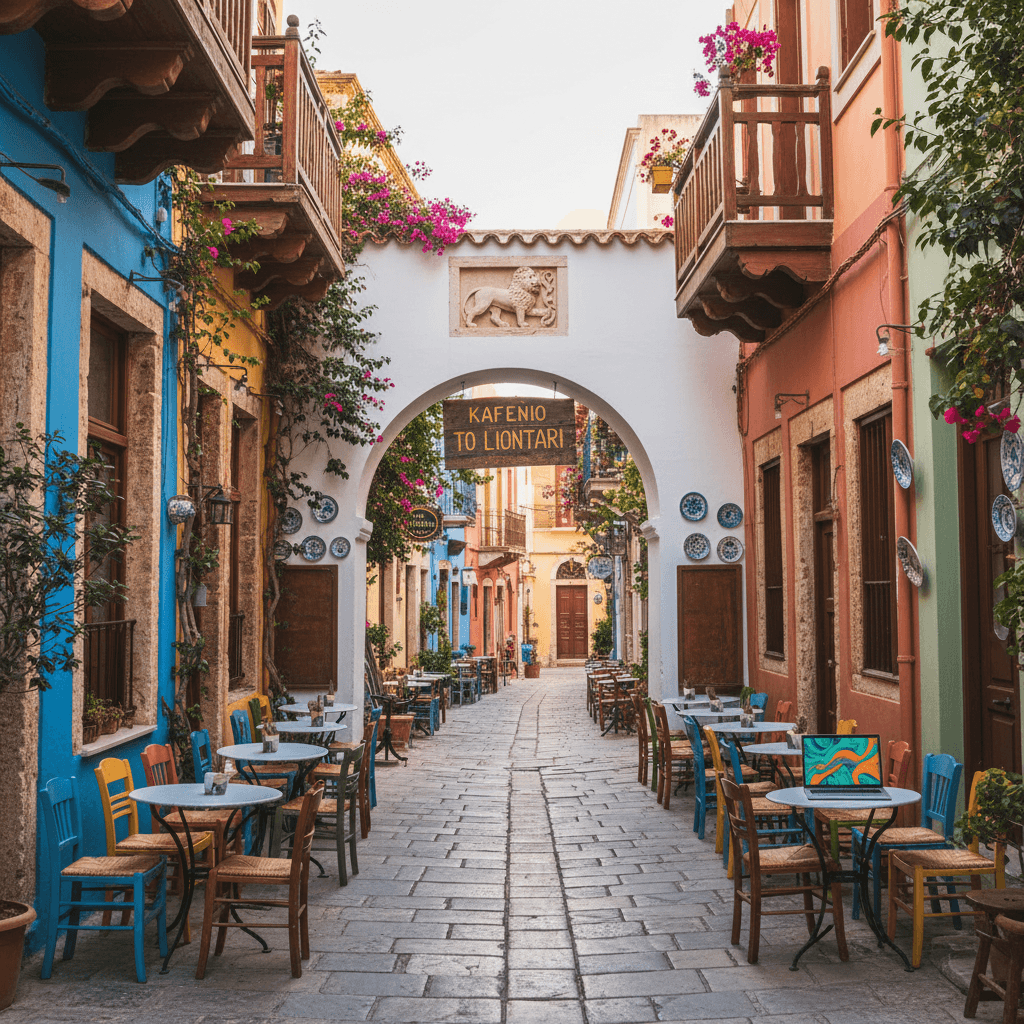
Chania
🇬🇷 Greece