Hai Phong
🇻🇳 Vietnam
The Authentic Industrial-Coastal Soul
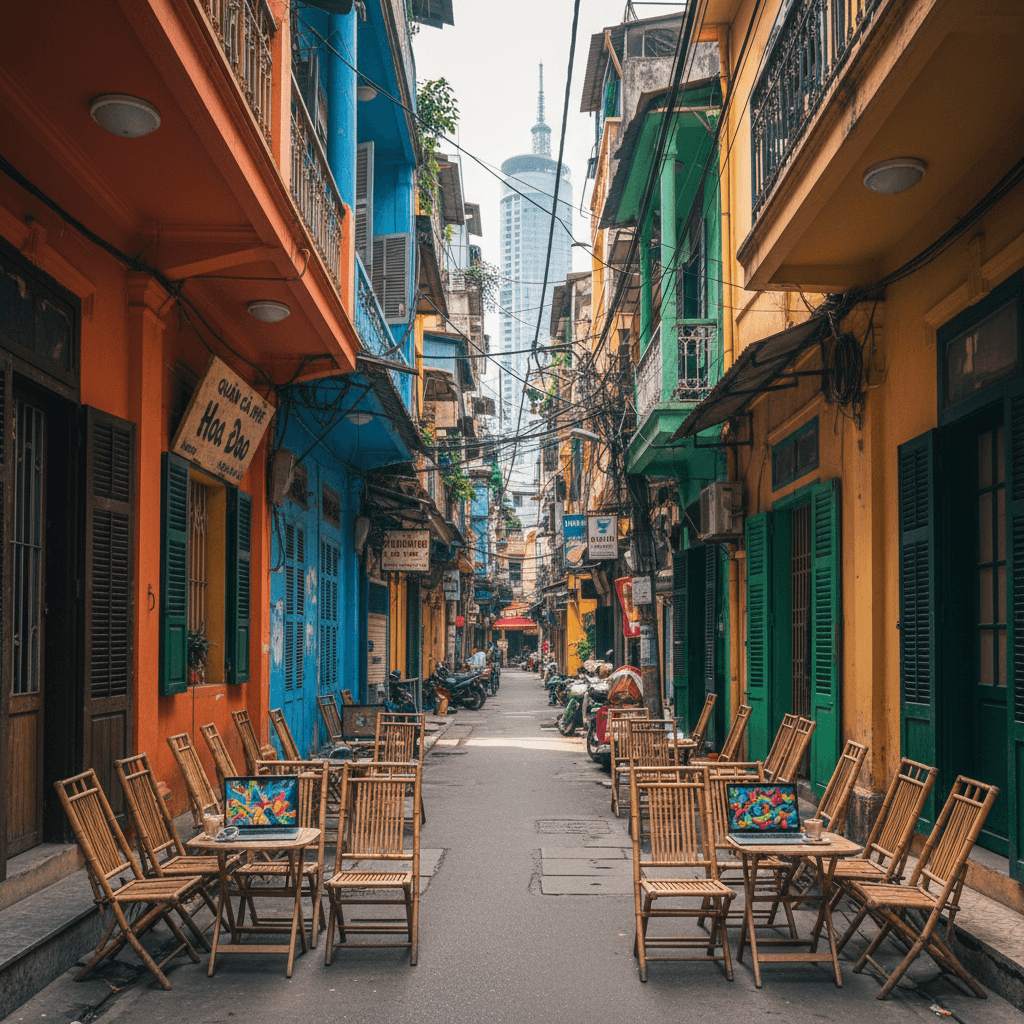
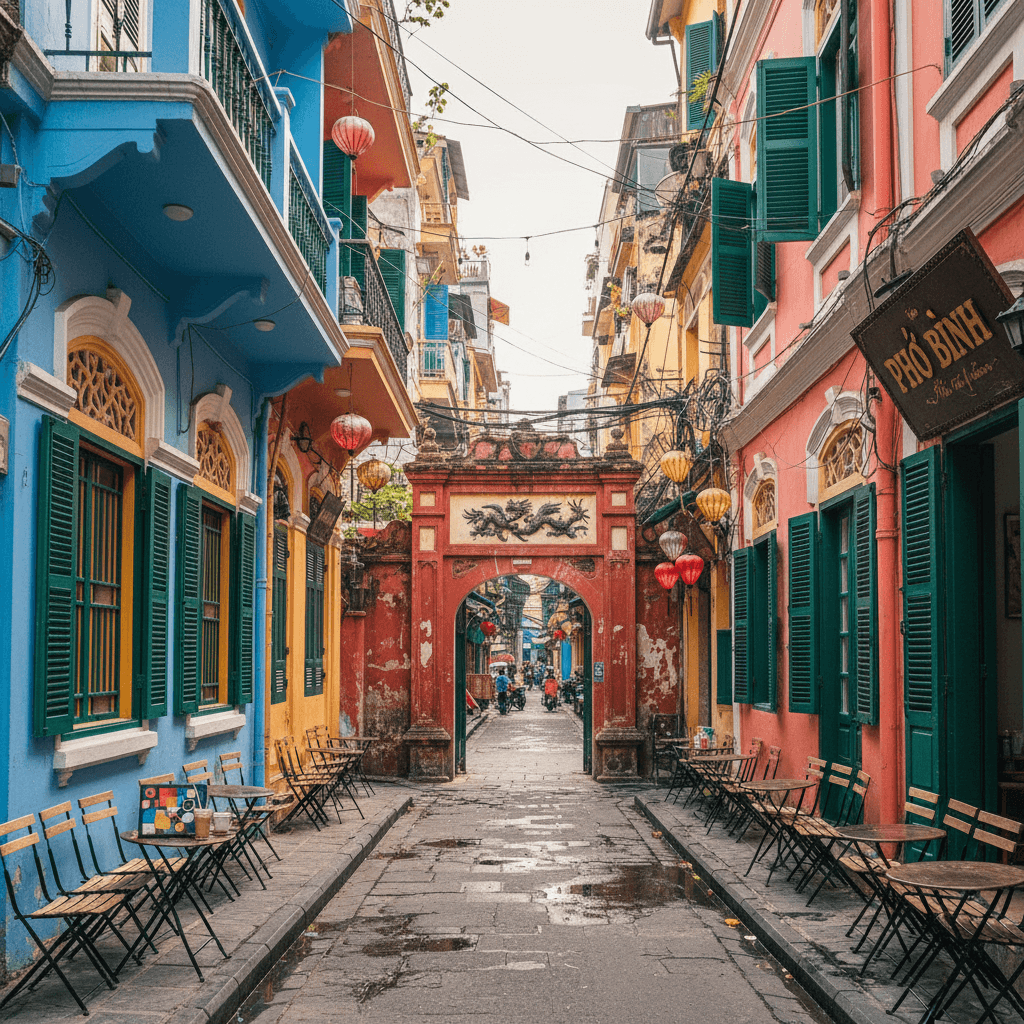
If Hanoi is the frantic historical heart and Saigon is the high-octane commercial engine, Hai Phong is the gritty, charismatic port city that doesn't care if you like it or not. That's exactly why people are starting to flock here. It feels real. It's a place where massive container ships glide past French colonial villas and where the scent of banh da cua (crab noodle soup) competes with the salt air from the Gulf of Tonkin.
Most nomads find the vibe here refreshingly unpolished. You won't find the "digital nomad bubble" that defines places like Chiang Mai or Da Nang. Instead, you'll find a city of 2.09 million people that feels like a massive neighborhood. It’s the kind of place where you can spend your morning working from a high-end cafe in Ngo Quyen and your afternoon getting lost in the damp, atmospheric alleys of the old port district.
The pace of life is the real draw. While it’s Vietnam's third-largest city, it lacks the soul-crushing traffic of the capital. It’s slower, more intentional, and significantly cheaper. You’re trading the world-class nightlife of Saigon for a seat on a plastic stool, a $0.77 beer, and a sunset over the Cam River. For many, that’s a trade worth making.
What It’s Actually Like to Live Here
Living in Hai Phong feels like being in on a secret. Expats often remark on the "flame flower" trees that turn the streets bright red in the summer, giving the city its nickname. There’s a distinct pride among locals; they’re known for being straightforward, bold, and incredibly hospitable once you break the ice. You’ll need a translation app, though, as English proficiency isn't as high as in the tourist hubs.
The lifestyle is defined by the balance between urban grit and coastal escape. On a Tuesday, you're grinding through emails at D-WORK PLACE. By Saturday morning, you’ve hopped on a ferry to Cat Ba Island to kayak through limestone karsts. It’s this proximity to nature, combined with a monthly cost of living that averages around $562, that makes it a powerhouse for long-term stays.
The Reality Check
It’s not all tropical breezes and cheap coffee. The air quality can get hazy during the changing seasons, and if you’re looking for a massive "scene" with nightly networking events, you’ll be disappointed. This is a city for the self-sufficient nomad. It’s for the person who wants to save $1,000 a month without living in a hut, who enjoys the hum of a working port, and who prefers authentic local connections over curated expat mixers.
- The Pros: Incredible seafood culture, dirt-cheap rent (studios for $205), and a high safety rating.
- The Cons: Limited nightlife, language barriers in local markets, and occasional industrial pollution.
- The Bottom Line: If you want the "real" Vietnam with modern comforts and zero tourist traps, Hai Phong is your spot.
Quick Cost Breakdown
- Monthly Rent (City Center): $205 to $360
- Street Food Meal: $1.50
- Mid-range Dinner for Two: $19.00
- High-speed Internet: $8.75
- Gym Membership: $22.80
The Price of Port City Living
Living in Hai Phong feels like you've discovered a glitch in the system. While prices in Saigon and Hanoi have climbed steadily, this industrial powerhouse remains refreshingly affordable. You can live a high quality life here for a fraction of what you'd spend in neighboring capitals, often coming in around $560 to $600 a month for a solo nomad keeping a modest budget.
Most expats find that their money goes remarkably far, especially when it comes to the daily essentials. You aren't just surviving on that budget; you're eating well, staying connected, and likely living in a modern apartment that would cost triple in the West.
Monthly Rent by Neighborhood
Housing will be your biggest expense, but even then, it's a bargain. Prices fluctuate based on how "Western" the amenities are, but generally, you'll find great value in these areas:
Ngo Quyen (The Nomad Choice)
- Studio/1-Bedroom: $205 to $220
- 3-Bedroom Apartment: $360 to $380
- Vibe: This is the heart of the action with the best cafe density for remote work.
Le Chan (The Expat Hub)
- 1-Bedroom Apartment: $215 to $230
- 3-Bedroom Apartment: $390 to $415
- Vibe: A bit more polished with better access to international grocery stores and hotels.
Kien An (The Local Budget)
- Studio/Small House: $150 to $180
- Large Family Home: $350+
- Vibe: Very local, very quiet, and perfect if you want to disappear into Vietnamese culture.
Food, Drinks, and Socializing
The street food scene in Hai Phong is legendary, and it's where you'll save the most cash. A bowl of the local specialty, Banh Da Cua, usually costs about $1.50. If you're craving a sit-down dinner with a date at a mid-range spot, expect to pay around $19 for the both of you, including drinks.
- Local Beer (0.5L): $0.75 to $0.85
- Cappuccino or Latte: $1.80
- Fast food meal: $4.20
- Loaf of fresh bread: $0.65
Utilities and Connectivity
Don't let the low rent fool you into thinking the infrastructure is dated. The internet is surprisingly snappy. A high speed home connection (50 Mbps+) averages about $8.80 a month. Most nomads find that a basic utility package for a single person, covering water and electricity, hovers around $27, though this can spike in the summer if you're aggressive with the air conditioning.
For mobile data, grab a Viettel or Vinaphone SIM. You can get a hefty data package for under $10 a month, which is plenty for tethering when you're working from a riverside cafe.
Transportation and Wellness
Getting around is cheap if you use the local apps. Download Grab immediately; an 8km ride across town in a car costs about $5.70, while a motorbike taxi will be less than half that. If you're staying long term, a monthly bus pass is a steal at $5.75.
Keeping fit won't break the bank either. A monthly membership at a decent local gym is about $23. If you prefer the high end hotel gyms with pools, you'll pay a premium, but even those are affordable compared to global standards.
Estimating Your Monthly Budget
How much you spend depends entirely on your lifestyle "tier." Here is what most digital nomads and expats actually spend in a month:
- The Budget Tier ($400 to $600): You're living in a local studio, eating 80 percent of your meals at street stalls, and using public buses or a cheap motorbike.
- The Mid-Range Tier ($800 to $1,200): You've got a nice one bedroom in Ngo Quyen, you hit the cafes daily to work, and you eat at a mix of local spots and expat restaurants.
- The Comfortable Tier ($1,500 to $2,500): You're in a high floor, modern apartment with a view, dining out at the Sheraton or Vinmec area regularly, and taking weekend trips to Cat Ba Island without checking your bank balance.
Best for Digital Nomads: Ngo Quyen
If you're coming to Hai Phong to work, Ngo Quyen is your best bet. It's the city's functional heart where most nomads end up because the infrastructure actually supports a remote lifestyle. You'll find the highest density of cafes with stable WiFi and power outlets, making it easy to hop from a morning session at Phuc Long Tea & Coffee on Van Cao Street to a more formal desk at D-Work Place in Roygent Parks.
- The Vibe: Urban, fast paced, and practical. It's where the action is.
- Rent: Expect to pay around $205 to $250 for a modern studio.
- Pros: Best networking opportunities and the most reliable internet in the city.
- Cons: It's loud, traffic can be a headache, and there's very little green space to escape the concrete.
Best for Expats and Long-Termers: Le Chan
Le Chan strikes a balance between local life and the comforts expats usually look for. It's central but feels slightly more settled than the frantic energy of Ngo Quyen. Many long term residents choose this area because it houses major shopping hubs and better apartment complexes. You'll find a decent mix of international food options here, which helps when you've had your fill of street food for the week.
- The Vibe: Convenient and welcoming. It's the kind of place where the shopkeepers start to recognize you after a week.
- Rent: A one bedroom in a nice building typically runs about $220.
- Pros: Proximity to major attractions and a higher concentration of English speakers.
- Cons: Prices can be slightly inflated compared to the outskirts, and it feels more "touristy" in certain pockets.
Best for Night Owls and Socialites: Hong Bang
For those who want to be near the water and the nightlife, Hong Bang is the spot. It's home to the colonial architecture that gives the city its character and sits right along the Cam River. If you like finishing your workday with a cocktail or heading to a karaoke lounge with a group, this is where you'll want to be based. The riverside walks offer a nice break from the humidity during the cooler months.
- The Vibe: Social and scenic. It's the most "photogenic" part of the city.
- Rent: Central apartments can range from $350 to $400 for larger spaces.
- Pros: Great evening entertainment and beautiful views of the river.
- Cons: It's the noisiest district at night, so light sleepers should look elsewhere.
Best for Budget Travelers and Slow Travelers: Kien An
If your priority is stretching your dollar as far as possible, head across the Lach Tray River to Kien An. This is a very local, residential district that hasn't seen the same level of modern development as the city center. It's perfect for those who want an "authentic" Vietnamese experience without the expat bubble. You'll find incredible local eateries where a full lunch costs about $1.50.
- The Vibe: Traditional, quiet, and very affordable.
- Rent: You can find basic but comfortable housing for under $200.
- Pros: Extremely low cost of living and very friendly locals.
- Cons: Very little English is spoken here, and you'll definitely need a motorbike to get into the main city areas.
A Quick Note on Logistics
Most expats and nomads use the Grab app to move between these neighborhoods. A typical 8km ride across town will cost you roughly $5.60. If you're staying long term, many choose to rent a scooter for about $40 to $60 a month to navigate the city like a local. Just keep in mind that traffic in the central districts like Ngo Quyen and Le Chan can be intimidating for beginners.
Getting Connected
You won't have much trouble staying online in Hai Phong. The city's infrastructure has caught up quickly, and most nomads find the fiber optic connections surprisingly stable. You can expect speeds between 50 Mbps and 150 Mbps in modern apartments and dedicated workspaces. While the occasional submarine cable issue can slow down international traffic across Vietnam, local routing remains snappy for video calls and daily tasks.
For mobile data, don't rely on roaming. It's expensive and often throttled. Instead, grab a local SIM card as soon as you arrive. Viettel is the heavyweight here; they have the best coverage if you plan on taking weekend trips to the limestone karsts or rural outskirts. Vinaphone is a solid runner up with slightly easier registration processes for foreigners, while Mobifone works perfectly well if you're staying strictly within the city limits. You'll need your passport to register at an official store, and a monthly data plan typically costs less than $10 for a generous allowance.
Coworking Spaces and Laptop Friendly Cafes
The coworking scene in Hai Phong is more intimate than the massive hubs in Hanoi, but the quality is high. Most remote workers gravitate toward D-WORK PLACE at Roygent Parks. It's a professional setup with key card access and a partnership with FPT Telecom to ensure the bandwidth doesn't drop during peak hours. They even have high end Swiss coffee machines and proper ergonomic seating, which is a lifesaver for long sessions.
If you prefer a more corporate environment, the Sheraton Hai Phong provides business facilities and quiet zones with reliable WiFi. It's a bit more formal, but it's the go to spot if you need a polished backdrop for an important client meeting or a private room for a presentation.
The local cafe culture is where Hai Phong really shines for workers who like a bit of background hum. Phuc Long Tea & Coffee on Van Cao Street is a favorite for a reason. It's spread across two floors with plenty of natural light and, most importantly, power outlets built directly into the tables. The staff won't hover or pressure you to leave, even if you stay for a few hours on a single $2 drink. Other popular spots for a nomadic afternoon include:
- No 1986 Coffee: A stunning architectural space with multiple floors and quiet nooks that are perfect for deep work.
- Classe Coffee n Books: A peaceful atmosphere where the volume stays low, making it ideal for writing or research.
- The Coffee House: A reliable nationwide chain with consistent WiFi and a modern, bright interior.
Digital Nomad Community
While you won't find the massive nomad meetups typical of Bali or Chiang Mai, the community in Hai Phong is growing and very welcoming. Most networking happens organically in the Ngo Quyen district. This area has the highest concentration of cafes and apartments catering to foreigners, so you'll often see the same faces if you frequent the local workspaces. Expats recommend joining local Facebook groups for the most up to date info on tech meetups or social mixers, as these are often organized on the fly rather than through formal platforms.
Staying Safe on the Ground
Hai Phong is a breath of fresh air compared to the chaotic energy of Ho Chi Minh City. Most nomads find it surprisingly relaxed; the neighborhoods are generally quiet, and locals are more curious than predatory. You won't deal with the same level of street hustle here as you might in Hanoi, but you still need to keep your wits about you in crowded markets or late at night near the Hong Bang nightlife district.
Expats usually recommend sticking to registered transport like Grab or Mai Linh taxis rather than flagging down random motorbikes. If you're walking, the biggest "danger" is actually the traffic. Pedestrian rules are more of a suggestion, so move at a steady pace and let the drivers navigate around you. Don't flash expensive tech or jewelry while walking, especially in less lit areas of Kien An.
Medical Care and Hospitals
If you get sick, you aren't stuck with basic clinics. The city has leveled up its healthcare game significantly. For anything serious or even just a standard check up, expats point newcomers toward Vinmec Hai Phong. It is built to international standards, and the facility feels more like a modern hotel than a hospital. You will find English speaking staff here, which saves a lot of stress when you're feeling under the weather.
Other reliable options for foreigners include:
- Viet Tiep Hospital: This is a leading institution in the city with a dedicated department specifically for foreigners. They have English speaking doctors and can handle everything from emergency surgery to routine blood work.
- Hai Phong Medical University Hospital: A top tier choice if you need specialized treatment. They have cutting edge equipment and even offer lodging options for patients who need extended care.
- Kien An Hospital: Known for being very expat friendly. They offer 24 hour emergency care and have a staff that is quite fluent in English compared to smaller local clinics.
Pharmacies and Emergencies
You'll see green pharmacy signs on almost every major corner. Most basic medications are available over the counter, but it's smart to have a translation app ready if you are looking for a specific brand name. For a genuine medical emergency, the number to dial is 115 for an ambulance, though many expats prefer to take a Grab or taxi directly to Vinmec or Viet Tiep if the situation allows, as it's often faster than waiting for dispatch.
Health insurance is a must here. While a basic doctor's visit might only cost you $20 to $40, specialized care or an emergency procedure can add up. Make sure your policy covers medical evacuation to Hanoi or even Bangkok for extremely complex cases, though for 95% of issues, Hai Phong's local hospitals are more than capable.
Practical Safety Tips
- Tap Water: Do not drink it. Even locals boil it first, but as a traveler, you should stick to bottled or filtered water. A large bottle usually costs less than $0.50.
- Air Quality: Like many industrial hubs in Vietnam, the air can get hazy during the dry season. Most nomads use the AirVisual app to check levels before heading out for a run.
- Connectivity: Keep a local SIM card from Viettel or Vinaphone active. Having a data connection for maps and translation is your best safety tool when exploring outside the city center.
The Local Commute
Getting from point A to point B in Hai Phong is a lot more relaxed than the frantic chaos of Hanoi. You won't find a metro system here yet, so life moves on two wheels or through ride hailing apps. Most expats and long term nomads find that once they settle in, the city's manageable size makes it easy to master the layout within a week or two.
Ride Hailing and Taxis
If you aren't ready to brave the traffic on a scooter, Grab is your best friend. It is the dominant ride hailing app in Vietnam and works flawlessly here. You can book a car for air conditioned comfort or a GrabBike if you want to zip through traffic for a fraction of the price. A typical 8 km taxi ride across the city will set you back about $5.67, while a bike jump is often less than $1.50.
For traditional street hails, look for reputable companies like Mai Linh (green cars) or En Vang (yellow cars). They are metered and reliable. Just make sure the driver flips the meter on as soon as you get in to avoid any awkward haggling at the destination.
Public Buses
The city operates a network of public buses that are incredibly cheap, with single tickets costing around $0.40. If you are staying for a few months and living in a residential area like Le Chan, a monthly pass for $5.74 is an absolute steal.
- Pros: Extremely budget friendly and covers most major arteries.
- Cons: They aren't wheelchair accessible, can get very crowded during school hours, and the routes are mostly labeled in Vietnamese.
- Pro Tip: Download the BusMap app to track routes and timing in real time.
Renting Your Own Wheels
Most nomads eventually rent a scooter to gain total independence. It's the "local" way to live. Monthly rentals for a standard Yamaha Nuovo or Honda Vision usually run between $40 and $60. Gas is inexpensive, and you will find "parking guys" in green vests at almost every cafe and restaurant who will tuck your bike away for about $0.20.
If you prefer a slower pace, Hai Phong is relatively flat, making bicycles a viable option for short trips within districts like Ngo Quyen. Just be mindful of the heavy truck traffic near the port areas; those containers don't always stop for cyclists.
Getting Out of Town
One of the best parts about being based in Hai Phong is how easy it is to leave. If you need a weekend break, the ferry to Cat Ba Island is a staple for the local expat community. You can take a ferry from Dong Bai Pier (the main terminal, which replaced Got Ferry Terminal) to bring your scooter to Cat Ba Island, or take a speedboat from Ben Binh Pier if you prefer a faster journey without your vehicle.
For trips further afield, Cat Bi International Airport is only about 15 to 20 minutes from the city center. It’s a small, efficient hub that connects you to Da Nang, Ho Chi Minh City, and even international spots like Seoul or Bangkok without the multi hour trek to Hanoi's airport.
The Language Barrier
You'll find that Hai Phong feels more authentic and less "polished" for tourists than Hanoi or Da Nang. The flip side is that English proficiency is significantly lower here. In central districts like Ngo Quyen or at high end spots like Sheraton Hai Phong, you'll manage just fine. However, once you step into the local wet markets or smaller eateries in Kien An, expect to rely heavily on gestures and translation apps.
Expats living here long term usually pick up survival Vietnamese. It's a tonal language with six different tones, so even a slight mispronunciation can change "fish" to "cheek" or "ghost." Locals are incredibly patient and usually thrilled when a foreigner tries to speak the language, even if you're just butchering the basics.
Must-Have Apps for Communication
Don't try to wing it without a few digital tools on your phone. These are the lifelines most nomads use daily:
- Google Translate: The camera feature is a lifesaver for reading menus that don't have pictures. Download the Vietnamese dictionary for offline use because mobile data can occasionally dip in older buildings.
- Zalo: This is the WhatsApp of Vietnam. If you're renting an apartment, dealing with a landlord, or joining a local networking group, it'll happen on Zalo. Most local businesses prefer a Zalo message over an email or a phone call.
- Grab: Even though it's a transport app, the built in chat feature automatically translates your messages to the driver and vice versa. It's the easiest way to communicate locations without the language struggle.
Key Phrases for Daily Life
While you won't become fluent overnight, memorizing these five phrases will make your daily interactions much smoother. Focus on the sounds rather than the spelling:
- Xin chào (Sin chow): Hello. Use it for everyone from the security guard to the cafe owner.
- Cảm ơn (Gahm un): Thank you. A little nod of the head while saying this goes a long way.
- Bao nhiêu? (Bow nyew): How much? Essential for street food and markets.
- Tính tiền (Ting tyen): Check, please. You'll use this at every restaurant and coffee shop.
- Không cay (Khong ky): Not spicy. If you aren't a fan of heat, memorize this one immediately.
Cultural Nuances in Conversation
Communication in Hai Phong is as much about body language as it is about words. You'll notice locals often ask questions that might seem personal, like "How old are you?" or "Are you married?" They aren't being nosy; Vietnamese pronouns are based on age and relationship status, so they're actually trying to figure out the polite way to address you.
If you're stuck in a situation where nobody speaks English, look for younger people. Students in Hai Phong are often eager to practice their English and are usually happy to help translate a quick transaction or give directions. Keeping a smile and staying patient is the best strategy; the "face" culture is real here, and getting frustrated or raising your voice will usually cause the other person to shut down rather than help more.
Business and Professional Networking
For professional settings or deep dives into the local tech scene, English is more common. If you're working out of D-WORK PLACE or Phuc Long, you'll run into plenty of bilingual locals and fellow expats. In these environments, the communication style is more direct, though still underpinned by traditional Vietnamese politeness. Always exchange business cards or social media contacts with both hands as a sign of respect.
Climate and Seasonal Rhythms
Hai Phong experiences a distinct four season cycle that sets it apart from the tropical heat of Ho Chi Minh City. You'll find yourself reaching for a light jacket in the winter and seeking out high quality air conditioning by mid July. The city's coastal location keeps it slightly more tempered than the inland heat of Hanoi, but the humidity remains a constant companion for much of the year.
The summer months from May to September are hot, humid, and frequently wet. Temperatures often hover around 32°C (90°F), and this is when the region sees the most rainfall. It's also typhoon season, which can occasionally disrupt ferry schedules to Cat Ba Island. If you're sensitive to heat, this might be the time to lean into the city's cafe culture or find a coworking space like D-WORK PLACE with reliable climate control.
Winter arrives between December and February. It doesn't get freezing, but the damp cold can feel biting when it drops to 13°C (55°F). Most local apartments don't have central heating, so expats often invest in space heaters or electric blankets. This period is usually dry, making it a great time for exploring the French Colonial architecture in Hong Bang without breaking a sweat.
The Sweet Spot: When to Arrive
Most nomads and long term travelers agree that March to April and October to November are the prime windows for life in Hai Phong. During these shoulder seasons, the weather is mild, the skies are often clear, and the humidity is manageable. It's the perfect environment for motorbiking around the city or taking the hour long trip to the coast.
The autumn months are particularly pleasant because the summer rains have cleared, but the winter chill hasn't yet set in. This is when the city's outdoor seating areas and riverside walks in the Hong Bang district really come to life. You'll find the local parks full of people and the street food scene at its most active.
Key Events and Cultural Timing
Timing your stay around Tet (Lunar New Year), which usually falls in late January or early February, is a double edged sword. On one hand, the city is decorated beautifully and the atmosphere is celebratory. On the other hand, much of the city shuts down for a week. Shops close, Grab rides become scarce, and prices for transport can spike. If you're here during Tet, plan to stock up on groceries and enjoy the rare quiet of the streets.
Another local highlight is the Red Flamboyant Flower Festival in May. Hai Phong is known as the city of red flamboyant flowers, and the blooming season coincides with various cultural performances and parades. It's a point of pride for locals, though you'll have to brave the beginning of the summer heat to witness it.
Practical Tips for the Elements
- Air Quality: Like many industrial hubs in Northern Vietnam, air quality can dip during the dry winter months. Many expats use apps like AirVisual to track levels and keep an air purifier in their bedroom.
- Rainy Season Gear: When the summer downpours hit, they hit hard. Don't bother with an umbrella; buy a sturdy 50,000 VND ($2) poncho from a street vendor. They're designed to cover you and your motorbike.
- Wardrobe: If you're staying for a full year, you'll need a genuine mix of clothes. Bring breathable linen for the summer and a windbreaker or light puffer jacket for the winter months.
For those planning a shorter digital nomad stint, aiming for a March arrival allows you to enjoy the best weather while getting settled before the peak summer heat. It also aligns well with the ramp up of social activities in the expat community after the Tet holidays.
Getting Around the City
Most expats and nomads in Hai Phong rely on Grab for daily travel. It is the most reliable way to get around without worrying about the language barrier or haggling over prices. You can book both cars and motorbikes through the app, and a typical 8 km ride usually costs around $5.67.
If you prefer traditional taxis, look for reputable brands like Mai Linh or En Vang. They are easy to spot by their distinct colors. For those staying longer, renting a scooter is common, but be aware that local traffic is chaotic. If you aren't comfortable on two wheels, the public bus system is incredibly cheap at about $0.40 per ticket, though it can be crowded and lacks English signage.
Connectivity and Coworking
Internet speeds are surprisingly solid here, typically ranging between 50 and 150 Mbps. Most modern apartments and cafes use FPT Telecom or Viettel, which are stable enough for Zoom calls and heavy uploads. If you need a professional environment, D-WORK PLACE at Roygent Parks is the top choice for nomads. It has key card access and high-end coffee machines to keep you caffeinated.
For a more casual vibe, PHUC LONG Tea & Coffee on Van Cao Street is a local favorite. It has two floors, plenty of power outlets built right into the tables, and a quiet atmosphere that is perfect for deep work. The Sheraton Hai Phong also offers a business center with meeting rooms if you need to host a formal call.
- Viettel SIM: Best for those planning to explore rural areas or Cat Ba Island.
- Vinaphone SIM: Generally the easiest to set up for foreigners in the city.
- Mobifone SIM: A solid, budget-friendly urban alternative.
Pick up your SIM card at the airport or an official brand store. You will need your passport for registration. Prepaid plans are better for long stays since tourist SIMs often expire after 30 days and cannot be topped up.
Health and Safety
Hai Phong is a safe city, even at night. Most neighborhoods are residential and quiet, though you should still keep an eye on your belongings in crowded markets. If you need medical care, Vinmec Hai Phong and Hai Phong International Hospital are the gold standards. They meet international quality levels and have staff who speak English fluently.
For specialized care, Viet Tiep Hospital has a dedicated department specifically for foreigners. Most private clinics and hospitals here offer 24 hour emergency services. If you have a minor ailment, pharmacies are on almost every corner and stay open late, but it helps to have a translation app ready to show the pharmacist what you need.
Money and Budgeting
Cash is still king for street food and local markets, but most cafes and supermarkets in Ngo Quyen or Le Chan accept cards. You can live comfortably here on a wide range of budgets:
- Budget ($400 to $600): Living in a studio outside the center, eating mostly street food, and using buses.
- Mid-range ($800 to $1,200): A nice 1-bedroom apartment, a mix of local and Western dining, and regular Grab rides.
- Comfortable ($1,500+): A luxury apartment at the Sheraton or Roygent Parks, dining out every night, and frequent weekend trips.
Expect to pay around $205 for a central studio and roughly $1.53 for a local lunch like Banh Mi or Bun Cha. A monthly gym membership will set you back about $22.80, while high-speed home internet costs less than $9 a month.
Need visa and immigration info for Vietnam?
🇻🇳 View Vietnam Country GuideEasy Landing
Settle in, no stress