Gyumri
🇦🇲 Armenia
The Soul of the Black City
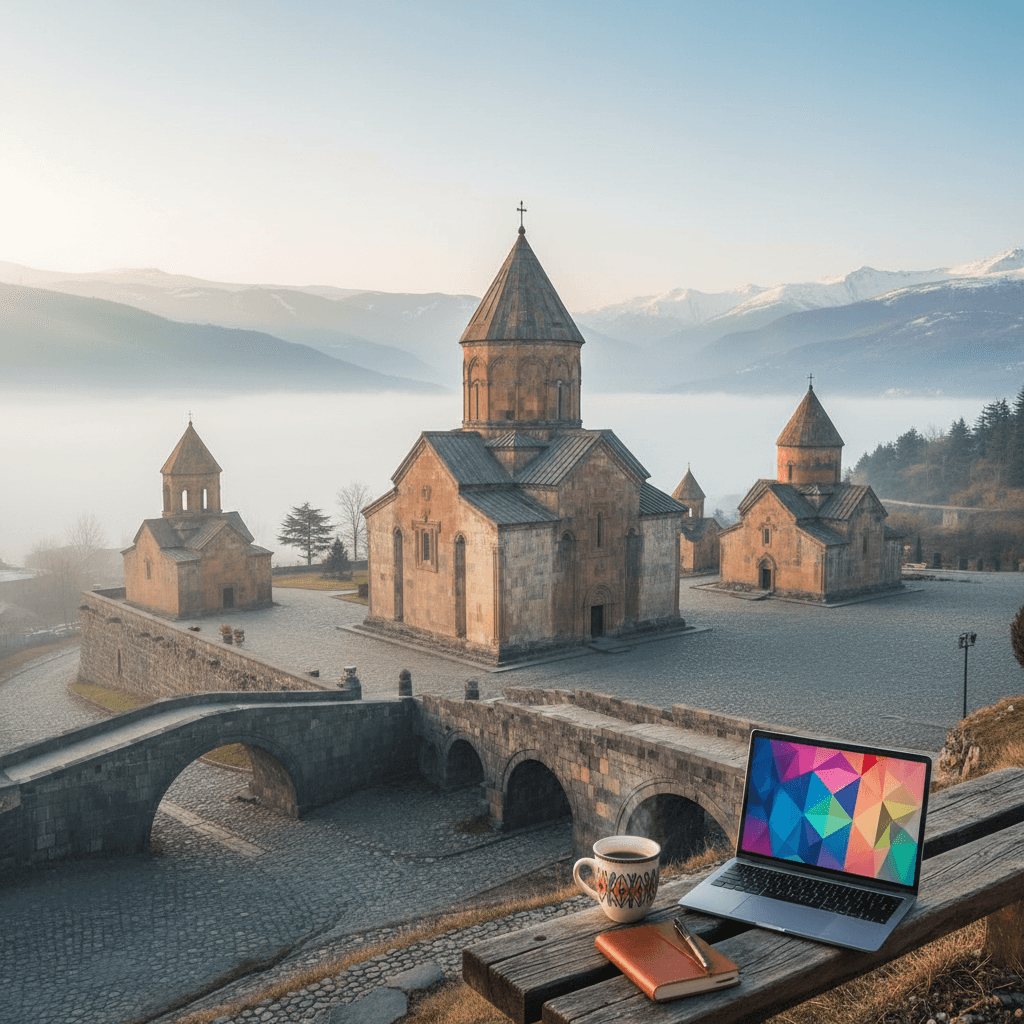
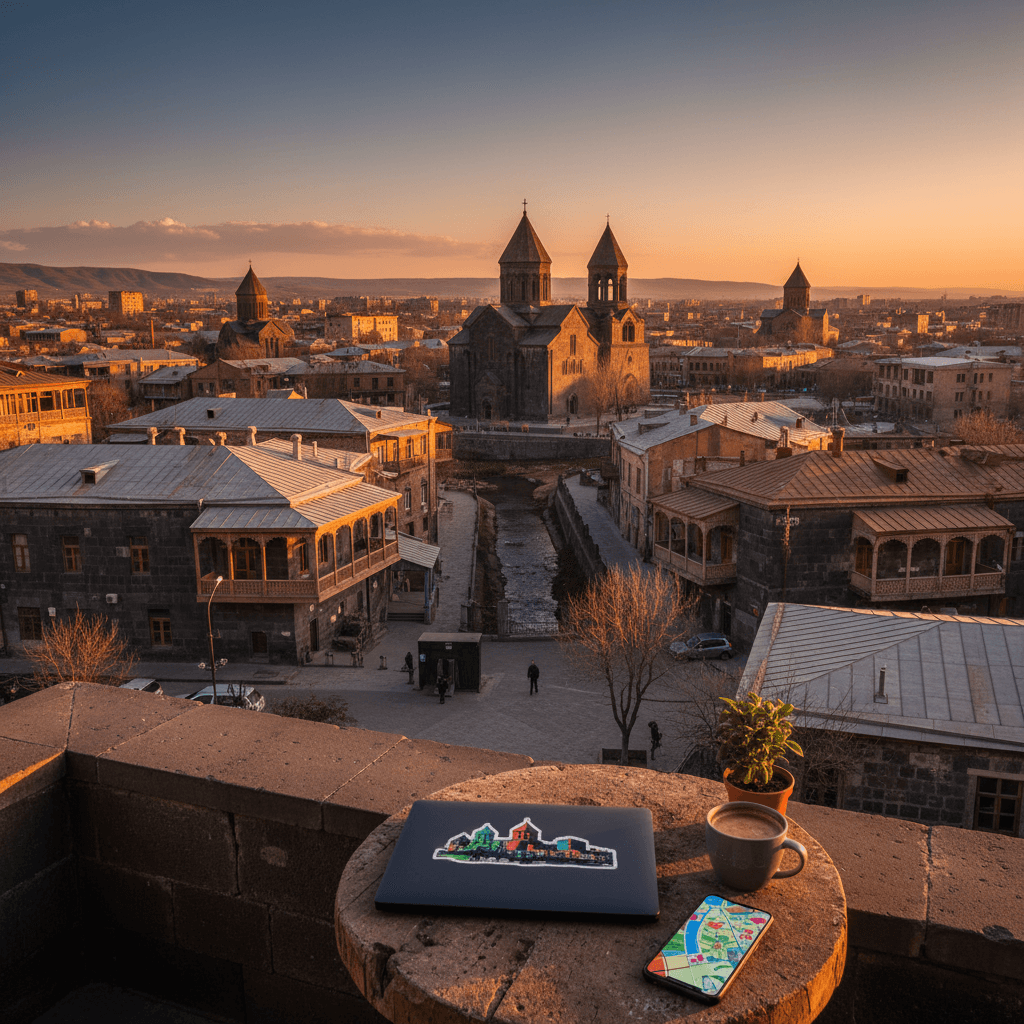
If Yerevan is Armenia's high energy, neon lit display window, Gyumri is its deep, resonant heartbeat. Known for its distinct black and red tuff stone architecture, this city carries a weight of history that manages to feel poetic rather than heavy. It is a place where 19th century Neoclassical facades meet a resilient, creative spirit born from the recovery of the 1988 earthquake. For nomads, the vibe here isn't about chasing the next trend; it's about slowing down to the pace of a horse drawn carriage on a cobblestone street.
Living here feels like being part of an ongoing revival. You'll find yourself working from a high tech hub one hour and walking past a 3,000 year old fortress the next. It is quieter and more intimate than the capital, making it a favorite for those who need deep focus or a break from the "hustle" culture of larger nomad hubs. The locals are famously witty and hospitable, often stopping visitors for a chat that might last longer than your lunch break.
What to Expect: The Nomad Experience
The biggest draw for the remote work crowd is the sheer affordability. You can live a comfortable, middle class lifestyle here for about 30% to 40% less than in Yerevan. While the social calendar isn't as packed as a major metropolis, the community is tight knit. You'll likely run into the same faces at the local coworking spots, which helps skip the "lonely nomad" phase of moving to a new country.
- The Pros: Incredible cost of living, stunning historic aesthetics, a growing tech scene, and high safety ratings.
- The Cons: Limited nightlife, fewer high end luxury amenities, and a need for basic Russian or Armenian phrases to get by outside the tech circles.
- The Connectivity: Internet is surprisingly punchy. You can expect 50 to 100 Mbps in dedicated work spaces and most modern apartments.
Cost of Living Breakdown
Budgeting for Gyumri is straightforward because your money goes a long way. Most solo nomads find they can live well on 400,000 AMD per month, while those looking for a "no compromises" lifestyle usually spend around 900,000 AMD.
Monthly Housing (Central/Old Town)
- Budget Studio: 150,000 to 200,000 AMD
- Mid-Range 1BR: 200,000 to 300,000 AMD
- Premium/Large Apartment: 300,000+ AMD
Daily Essentials
- Quick Bites: 1,000 to 2,000 AMD for street food like khachapuri or dolma.
- Cafe Meal: 3,000 to 5,000 AMD for a solid lunch and coffee.
- Dinner at a Restaurant: 8,000+ AMD for a full meal in the Vardanants Square area.
- Transport: Local buses are just 150 AMD, while a cross town ride on the GG or Yandex apps rarely exceeds 1,000 AMD.
The Neighborhood Scene
Most expats and nomads gravitate toward the Kumayri Historic District. It is the city's open air museum, filled with the famous black tuff buildings and the best cafes. It’s walkable and charming, though the infrastructure in some of the older buildings can be a bit "vintage." If you want to be where the action is, stay near Vardanants Square. It’s the central hub for markets, banks, and the few upscale dining options available.
For work, Impact Hub Gyumri is the gold standard for community and reliability, charging about 5,000 AMD for a day pass. Loft Gyumri is another excellent, more casual alternative for those who like a creative, multi functional space. When you're off the clock, the social life revolves around long coffee dates and walks through the historic core. It’s a city that asks you to be present, making it the perfect sanctuary for the intentional traveler.
The Affordability Advantage
If you're looking at Yerevan and feeling the sting of rising prices, Gyumri is the breath of fresh air your wallet needs. You'll generally find that your daily expenses sit about 30% to 40% lower than in the capital. It's the kind of place where you can live a high quality life on a modest budget, making it a favorite for bootstrapped nomads or those looking to extend their stay in the Caucasus.
Most expats find that a monthly budget of 400,000 AMD (roughly $1,030) covers a comfortable, solo lifestyle. If you want to lean into the "comfortable" tier with a nicer apartment and frequent dinners out, aim for 900,000 AMD (around $2,325). Even at the higher end, you're getting incredible value for historical surroundings and a growing tech scene.
Monthly Housing Costs
Housing is where you'll see the biggest savings. Most nomads gravitate toward the Kumayri Historic District because of the black tuff architecture and proximity to the best cafes. Since there aren't many dedicated expat enclaves, you'll be living alongside locals, which adds to the charm. You can find listings on List.am or through local Facebook groups.
- Budget Studio: 150,000 to 200,000 AMD per month. These are often older apartments but usually located in central, walkable areas.
- Mid-Range 1BR: 200,000 to 300,000 AMD per month. Expect better renovations and more modern appliances in the Kumayri district or near Vardanants Square.
- Upscale/Modern: 300,000+ AMD per month. These are rarer but offer premium finishes and prime locations.
Dining and Groceries
Eating out is a highlight here. You can grab a quick khachapuri or a few dolma from a street stall for 1,000 to 2,000 AMD. If you prefer a sit down meal at a local cafe, expect to pay between 3,000 and 5,000 AMD. For a full dinner with wine at a nicer spot near Vardanants Square, you'll rarely spend more than 8,000 AMD.
Groceries are affordable, especially if you shop at the local markets for fresh produce. A liter of milk or a loaf of bread usually costs under 500 AMD. Travelers often say the quality of the fruits and vegetables in Gyumri is superior to what you find in larger European cities, all for a fraction of the cost.
Connectivity and Coworking
Staying connected won't break the bank. You can pick up a prepaid SIM card from Viva-MTS or Beeline at a central kiosk for about 2,000 to 5,000 AMD, which typically includes 20GB to 50GB of data. If you need a dedicated desk, the community at Impact Hub Gyumri is the go-to spot for nomads. They offer daily passes for 5,000 AMD or monthly memberships starting around 100,000 AMD. Loft Gyumri is another solid, affordable option for those who just need a reliable chair and fast WiFi for the afternoon.
Transportation
Gyumri is highly walkable, especially if you stay in the historic center. When you do need wheels, the costs are negligible. Local buses and microbuses (marshrutkas) are only 150 AMD per ride. For more convenience, everyone uses GG or Yandex Go. A short trip across town usually costs between 500 and 1,000 AMD. If you're arriving from Shirak Airport, a taxi to the city center should run you about 3,000 to 5,000 AMD for the 20 minute drive.
For Digital Nomads: Kumayri Historic District
If you're moving to Gyumri to get work done while soaking in the city's soul, Kumayri is where you want to be. This is the oldest part of the city, famous for its black and red tuff stone architecture and narrow, cobblestone streets. It feels like an open air museum, but it's surprisingly functional for remote work.
Most nomads gravitate here because the city's best infrastructure is clustered around these historic blocks. You'll find Impact Hub Gyumri and Loft Gyumri within walking distance, both offering reliable 50 to 100 Mbps internet and a steady supply of coffee. When you need a break from your screen, the area is packed with cozy cafes that don't mind if you linger with a laptop for an hour or two.
- Rent: Expect to pay between 150,000 and 300,000 AMD per month for a decent studio or one bedroom apartment.
- Pros: Highly walkable, incredibly photogenic, and the closest thing Gyumri has to a networking scene.
- Cons: Buildings are older, so insulation can be hit or miss during the freezing winter months.
For Expats and Long-Termers: Central Gyumri
If you're planning to stay for six months or more, look just slightly outside the historic core toward the residential streets surrounding Vardanants Square. This area feels less like a tourist postcard and more like a functioning city. It's the practical choice for those who want easy access to local markets, pharmacies, and the main transport hubs.
Living here puts you at the heart of daily life. You're close to the central kiosks where you can top up your Viva-MTS or Beeline SIM cards and near the bigger grocery stores. While the architecture might shift from Neoclassical to more standard post-Soviet styles, the sense of community is strong. Neighbors will likely recognize you after a week and start offering tips on where to find the best bread.
- Daily Costs: You can grab street food like khachapuri or dolma for 1,000 to 2,000 AMD, while sit down meals near the square run about 5,000 AMD.
- Pros: Better access to amenities, quieter than the main tourist drag, and slightly more modern apartment options.
- Cons: Traffic can get a bit noisy during the day, and it lacks the "old world" charm of Kumayri.
For Solo Travelers: Near the Pedestrian Streets
Solo travelers should stick to the streets immediately branching off Rizhkov Street. This is the city's main pedestrian artery, and staying nearby ensures you're never more than a two minute walk from a social spot. Since Gyumri's nightlife is more about long conversations in bars than loud clubs, being near the center makes it much easier to meet locals and other travelers.
Safety is a non-issue here; the city is remarkably peaceful even late at night. Most solo visitors find that staying central allows them to save money on transport, as almost everything worth seeing, from the Sev Ghul fortress to the local museums, is reachable on foot. If you do need to go further, the GG or Yandex Go apps work perfectly here, with most short rides costing under 1,000 AMD.
- Transport: Almost 0 AMD if you enjoy walking, or 150 AMD for a local bus ride.
- Pros: Highest density of English speakers, very safe, and easy to find social meetups at places like Impact Hub.
- Cons: Nightly rates for short term rentals are higher here than in the outskirts.
For Families: Ani District and Suburban Fringes
While most visitors stay central, families often prefer the Ani District or the quieter residential pockets further from the square. These areas offer more space and are generally closer to green patches where kids can run around. It's a trade off, as you'll be relying more on the GG app to get into town, but the peace and quiet are worth it for many.
Housing in these areas is significantly more affordable, often 30% to 40% cheaper than in the Historic District. You'll find larger apartments that are better suited for a family setup, though you should always check the heating situation before signing a lease. Gyumri winters are no joke, and a "comfortable" tier budget of around 900,000 AMD per month will ensure you have a modern, well heated home for the whole crew.
- Monthly Budget: A comfortable family lifestyle usually sits around 900,000 AMD including rent, dining out, and transport.
- Pros: Quiet nights, more spacious housing, and a very authentic local vibe.
- Cons: Requires a commute for cafes and coworking; English is rarely spoken in these local neighborhoods.
The Connectivity Landscape
You won't have to hunt for a signal in Gyumri. While it feels worlds away from the frantic pace of Yerevan, the infrastructure here is surprisingly robust. Most nomads find the fiber optic speeds in the city center and Kumayri district more than capable of handling heavy video calls or large uploads, typically clocking in between 50 and 100 Mbps.
Mobile data is your best backup and, honestly, often your primary tool. The coverage is solid across the city. You'll want to grab a local SIM card immediately upon arrival. Expats generally recommend Viva-MTS or Beeline for the most consistent 4G/LTE coverage. You can pick these up at central kiosks for a few dollars. A typical plan with 20GB to 50GB of data will set you back between 2,000 and 5,000 AMD per month, making it one of the cheapest data markets you'll encounter.
Dedicated Coworking Spaces
If you need a professional environment to separate your "home" life from your "work" life, Gyumri has two heavy hitters that serve as the local nomad hubs. These aren't just desks; they're where you'll actually meet people in a city that can otherwise feel a bit quiet.
- Impact Hub Gyumri: This is the gold standard for the local community. It has a great vibe, fast WiFi, and the all-important free coffee and tea. It's the place to go if you want to network with local entrepreneurs and social impact types. Expect to pay around 5,000 AMD for a day pass or roughly 100,000 AMD for a monthly membership.
- Loft Gyumri: A more relaxed, multi-functional space that's very popular with the younger, tech-savvy locals. It's affordable and reliable, offering a similar price point to Impact Hub. It's particularly good for those who prefer a less corporate, more creative atmosphere.
The Cafe Office Scene
Gyumri’s cafe culture is where the city really shines for remote workers. The historic district is packed with cozy spots where you can park yourself for a few hours with a laptop. Unlike in some European capitals, staff here are generally very welcoming to lingering nomads as long as you're ordering coffee or the occasional plate of dolma.
The cafes around Vardanants Square and the Kumayri Historic District are the most popular choices. These spots offer a mix of old-world charm, like black-tuff stone walls and high ceilings, with modern amenities like stable WiFi and plenty of power outlets. It’s an inspiring backdrop for deep work, especially if you find the sterile environment of a traditional office soul-crushing.
Practical Tech Tips
While the internet is reliable, it's always smart to have a backup. Travelers often say that having a Yandex Go or GG account set up is vital, not just for transport, but because these apps are the pulse of the local service economy. If you're planning a long-term stay, consider getting a local bank account or using Wise to manage your AMD, as many local cafes and smaller shops still prefer cash or local cards over international credit cards.
If you're moving here from Yerevan, you'll notice the tech scene is smaller but much tighter. Most networking happens organically at Impact Hub or through local Telegram groups. Don't be afraid to strike up a conversation; the locals in the tech and art sectors are usually eager to connect with international arrivals.
Staying Safe in the Cultural Capital
Gyumri is one of those rare cities where you can wander home at 2:00 AM without looking over your shoulder. Most nomads find it even safer than Yerevan, largely because the community is tight knit and locals take a certain pride in being hospitable to guests. While it's always smart to stick to well lit central zones like Vardanants Square after dark, violent crime is almost unheard of here. The vibe is decidedly laid back, and you're more likely to be invited for a coffee by a curious local than to encounter any trouble.
The biggest "danger" you’ll face is the occasional uneven cobblestone in the Kumayri Historic District. It’s an open air museum, but the infrastructure is old, so keep your eyes on the ground when exploring those beautiful black tuff backstreets. If you're driving, be wary of the local traffic flow; while not as chaotic as the capital, it can be unpredictable. Solo travelers and women generally report feeling very comfortable here, though you might get some friendly stares simply because the expat community is still relatively small.
Healthcare and Medical Services
If you need medical attention, Gyumri has seen significant upgrades to its facilities since the earthquake recovery years. Most healthcare needs are handled at local clinics and hospitals near the city center. While the care is competent for routine issues, keep in mind that English proficiency among medical staff is often low. You'll want to have a translation app ready or, better yet, ask a local friend or someone from Impact Hub Gyumri to help you translate.
- Emergency Numbers: Dial 103 for an ambulance or 101 for police assistance.
- Pharmacies: You'll find "Apteka" signs on almost every block. They are well stocked and very affordable. Generic medications often cost around 500 AMD.
- Major Facilities: Most expats head to the central clinics near Vardanants Square for non emergencies. For complex surgeries or specialized care, many nomads still prefer the three hour trip to Yerevan where international hospitals are more common.
Practical Tips for Wellness
The tap water in Gyumri is generally considered safe and is actually quite famous for its cold, crisp quality coming from mountain springs. You'll see "pulpulaks" (small water fountains) all over the city; feel free to drink from them just like the locals do. It's a great way to stay hydrated while you're out walking between cafes.
For peace of mind, travelers often recommend getting a local SIM card from Viva-MTS or Beeline as soon as you arrive. Having a data connection makes it much easier to use translation tools or call a GG or Yandex Go if you find yourself in an unfamiliar neighborhood. Most basic consultations and minor treatments are inexpensive enough to pay out of pocket, but having international health insurance is still a smart move for any long term stay in Armenia.
Overall, the city feels like a protective bubble. It's a place where you can focus on your work and enjoy the culture without the high alert status required in many other global hubs. Just respect the local traditions, learn a few words of Armenian like "Barev" (hello) and "Shnorhakal" (thank you), and you'll find the city opens up to you in the safest way possible.
The Walkability Factor
If you're staying in the Kumayri Historic District or anywhere near Vardanants Square, your own two feet are your best asset. Gyumri's core is incredibly compact. Most nomads find they rarely need wheels to get between their apartment, a morning shift at Impact Hub, and dinner. The cobblestone streets can be a bit uneven, so leave the fancy footwear behind and opt for sturdy sneakers.
Walking here isn't just about utility; it's the best way to soak in the black tuff architecture that gives the city its moody, poetic character. You'll likely find yourself strolling through the central park or across the main square several times a day.
Ride-Hailing and Taxis
When the weather turns or you're heading across town, ride-hailing apps are the gold standard. Don't bother trying to hail a car on the street. Instead, download GG or Yandex Go. These apps work just like Uber and are remarkably affordable.
- Short hops: Expect to pay between 500 and 1,000 AMD for most trips within the city.
- Availability: Cars usually arrive within five minutes in the center, though wait times can stretch slightly during peak hours or heavy snow.
- Payment: You can link a card to the app, but having some cash on hand is a good backup in case of tech glitches.
Public Marshrutkas and Buses
For the full local experience, you can hop on a marshrutka (the ubiquitous Soviet-style minibuses) or a larger city bus. They cover the main arteries of the city and are the cheapest way to get around. A single ride costs a flat 150 AMD, which you pay in cash to the driver as you exit.
While there isn't a high-tech transit app for real-time tracking, the routes are fairly consistent. If you're planning to stay for a few months and use them daily, a monthly pass runs about 10,000 AMD. Most expats, however, stick to walking and GG for the sheer convenience.
Getting to and from the Airport
Shirak International Airport is located about 5 kilometers from the city center. It's a quick 15 to 20 minute drive. You'll find plenty of taxis waiting outside the terminal, but using GG or Yandex will ensure you get a fair price without the need to haggle. A typical fare to the historic district should cost between 3,000 and 5,000 AMD.
Regional Travel
Gyumri is a great base for exploring northern Armenia. For day trips to places like Harichavank Monastery, you can hire a driver for the day through GG or head to the main bus station. If you're heading back to Yerevan, the electric train is the most comfortable and scenic option. It departs from the Gyumri Railway Station and offers a much smoother ride than the highway.
- Train to Yerevan: Modern, air-conditioned trains run on weekends, while older Soviet-style trains run daily.
- Shared Taxis: These depart from near the train station and are faster than the bus, usually costing around 2,500 to 3,000 AMD per seat.
The Linguistic Landscape
In Gyumri, language is more than just communication; it is a point of local pride. Residents speak a distinct dialect of Eastern Armenian known for its sharp humor and rhythmic cadence. While you can get by with just a smile in most places, the city has a different linguistic feel than the more internationalized Yerevan. You will find that the local older generation is almost universally fluent in Russian, which remains the primary bridge for deep conversations if you do not speak Armenian.
Among the younger crowd and the tech community at Impact Hub Gyumri or Loft, English is gaining ground fast. Most baristas in the Kumayri Historic District and staff at digital nomad hangouts speak enough English to help you through a workday. However, once you step into the local markets near Vardanants Square to buy produce, English proficiency drops off significantly. Most expats find that learning the Armenian alphabet is a fun weekend project that pays off immediately when reading street signs and menus.
Practical Communication Tools
You shouldn't expect to wing it without some digital help. Since English isn't the default on the street, translation apps are your best friend. Most nomads recommend downloading the offline Armenian pack for Google Translate. It is surprisingly accurate for basic needs, though it sometimes struggles with the specific Gyumri dialect. For more complex interactions, like discussing a lease for an apartment on List.am, having a Russian translation ready can often be more effective than English.
When it comes to getting around, the language barrier is easily bypassed by using the right apps. Avoid the stress of explaining directions to a driver by using GG or Yandex Go. These apps allow you to set your destination digitally, and rides across the center usually cost between 500 and 1,000 AMD. It is a seamless way to navigate the city without needing to speak a word of Armenian.
Essential Local Phrases
Locals are famously hospitable and will likely be delighted that you've chosen Gyumri over the capital. Learning even three or four words will change the way people treat you. You'll often hear "Jan," a term of endearment added to the end of names or sentences; it doesn't have a direct translation but roughly means "dear" or "soul."
- Barev: Hello (Simple and effective for everyone you meet).
- Shnorhakal em: Thank you (It’s a mouthful, so many people just say the French "Merci," which is common in Armenia).
- Ayo / Voch: Yes / No.
- Hajoghutyun: Goodbye.
Connectivity and SIM Cards
Staying connected is rarely an issue here. You can pick up a physical SIM card at the airport or at various kiosks around the city center for about 2,000 to 5,000 AMD. These plans are incredibly generous, often providing 20GB to 50GB of data per month. Viva-MTS and Team Telecom (formerly Beeline) are the most reliable providers in the region. Most nomads find the 4G coverage strong enough to use as a hotspot if the cafe WiFi ever flickers, though fiber internet in central apartments is generally stable and fast, often hitting 50 to 100 Mbps.
If you're looking for a community to help bridge the gap, join the Nomad Armenia groups on Telegram or Facebook. It is the best way to find English speaking meetups or get advice on local bureaucracy. While the city feels quiet, the digital community is tight knit and very willing to help newcomers find their footing.
The High-Altitude Rhythm
Living in Gyumri means embracing the dramatic shifts of the Armenian Highlands. At over 1,500 meters above sea level, the air is crisp and the seasons don't do anything halfway. You'll find a climate that rewards those who love distinct transitions, from snowy, silent winters to sun-drenched summers where the black tuff stone buildings soak up every bit of warmth.
Peak Season: May to October
The sweet spot for most nomads and expats falls between late spring and early autumn. This is when Gyumri truly breathes. The cobblestone streets of the Kumayri Historic District become walkable again, and the cafe culture spills out onto the sidewalks near Vardanants Square.
- Late Spring (May to June): Expect temperatures between 15°C and 22°C. This is technically the rainy season, so you'll want a light waterproof jacket for those afternoon showers. The surrounding landscapes are neon green, and it's the most visually stunning time for day trips to spots like Harich Monastery.
- Summer (July to August): While Yerevan often swelters in 40°C heat, Gyumri stays much more comfortable. Daytime highs rarely push past 30°C, and the evenings are famously cool, often dipping to 15°C. It's the perfect escape for remote workers fleeing the capital's heatwaves.
- Early Autumn (September to October): Many locals consider this the best time of year. The air is dry, the sky is a deep blue, and temperatures hover around a perfect 20°C. It's ideal for long working sessions at Impact Hub or Loft followed by sunset walks through the old town.
The Winter Reality: December to February
If you're planning to stay through the winter, prepare for a serious chill. Gyumri is known for being one of the coldest spots in Armenia. Temperatures frequently drop to -8°C at night and can plunge much lower during cold snaps. Snow is a guarantee, often blanketing the city in a thick, picturesque layer that lasts for weeks.
Expats who stick around for the winter usually hunker down in cozy spots like Herbarium or local tea houses. You'll need high-quality winter gear, especially if you're walking between your apartment and a coworking space. The upside? Heating is reliable, the city looks like a Victorian postcard, and the lack of tourists makes it a prime time for deep, focused work.
What to Pack and When to Plan
The transition months of March, April, and November can be unpredictable, often swinging between muddy slush and sudden bright sunshine. Travelers often say that layering is the only way to survive a Gyumri spring. Even in the height of summer, always keep a sweater or light hoodie handy for after the sun goes down.
- Best for Socializing: June to August, when the city events and outdoor markets are in full swing.
- Best for Budgeting: November and March, when short-term rental demand drops and you can negotiate better rates on List.am.
- Best for Outdoor Lovers: May and September for hiking and exploring the Shirak province without the summer sun or winter ice.
Most nomads find that a six-month stay starting in May allows them to experience the city at its most vibrant while skipping the harshest parts of the highland winter. If you do brave the cold, you'll be rewarded with a quiet, authentic side of Armenian life that few outsiders ever see.
Money and Monthly Budgets
Living in Gyumri is significantly easier on the wallet than staying in Yerevan. Most nomads find they can live comfortably on about 600,000 AMD per month, though you can easily scrape by on 400,000 AMD if you're sticking to local guesthouses and street food. If you want a high-end experience with a renovated apartment in the historic center and daily restaurant meals, budget for 900,000 AMD or more.
Daily costs are predictable. A quick lunch of khachapuri or dolma from a street stall will run you about 1,000 to 2,000 AMD. A mid-range dinner at a cafe near Vardanants Square averages 4,000 AMD, while a nicer meal at a spot like those in the Kumayri district starts around 8,000 AMD. ATMs are everywhere in the center, and while cards are accepted in bigger shops, you'll want cash for the markets and smaller taxis.
Finding a Place to Stay
The Kumayri Historic District is the place to be. It’s where you’ll find those iconic black tuff buildings and cobblestone streets. Renting a one-bedroom apartment here usually costs between 200,000 and 300,000 AMD per month. Expats recommend using List.am or local Facebook groups to find rentals directly from owners, as this often lands you a better deal than booking platforms.
If you prefer being in the thick of things, the area immediately around Vardanants Square is convenient, though it lacks some of the old-world charm of Kumayri. Be aware that many buildings are older, so always check the heating situation if you're arriving in the winter months.
Internet and Productive Spaces
The tech scene here is small but dedicated. You won't struggle with connectivity as most central cafes offer reliable WiFi reaching speeds of 50 to 100 Mbps. For a dedicated desk, head to Impact Hub Gyumri. It’s the primary community anchor for remote workers and costs about 5,000 AMD for a day pass or 100,000 AMD for a monthly membership.
Loft Gyumri is another solid option with a more relaxed, multifunctional vibe and similar pricing. For mobile data, pick up a SIM card from Viva-MTS or Beeline at a kiosk in town. A plan with 20GB to 50GB of data usually costs between 3,000 and 5,000 AMD.
Getting Around the City
Gyumri is a very walkable city, especially within the historic core. When you need to go further, the local ride-hailing apps GG and Yandex Go are your best friends. Short trips across town typically cost between 500 and 1,000 AMD. If you’re feeling adventurous, the local microbuses (marshrutkas) are only 150 AMD per ride, though they can be crowded and confusing for newcomers.
If you're flying into Shirak Airport, don't pay more than 5,000 AMD for a taxi to the city center. It’s a short 20 minute drive. For trips back to Yerevan, the train is a scenic and popular choice among the nomad community.
Health and Language
While Armenian is the main language, you’ll find that most young people and those in the tech community speak decent English. Russian is also widely understood. It’s smart to download an offline Armenian pack on Google Translate for navigating markets or talking to older taxi drivers. Locals are incredibly hospitable and will often go out of their way to help you even if there's a language barrier.
For healthcare, there are several pharmacies and clinics near the central square. Generic medications are very affordable, often around 500 AMD. In case of an emergency, dial 103 for an ambulance or 101 for police. The city is generally very safe, and most travelers feel comfortable walking alone at night in the central districts.
Visas and Residency
Armenia doesn't have a specific digital nomad visa, but it’s still very nomad-friendly. Many expats choose to register as a sole proprietor, which can open the door to a one-year residency permit and local banking perks. This process is relatively straightforward and popular for those looking to stay long-term and take advantage of the low tax environment.
Local Customs
- Home Etiquette: Always remove your shoes when entering someone’s home.
- Socializing: If you're invited to dinner, expect plenty of toasts, usually with local cognac or wine.
- Attire: While the city is becoming more modern, it’s still respectful to dress modestly when visiting churches or older neighborhoods.
Need visa and immigration info for Armenia?
🇦🇲 View Armenia Country GuideHidden Gem
Worth the effort