Gwangju
🇰🇷 South Korea
The Soul of the South
If Seoul is Korea's hyper-caffeinated brain and Busan is its breezy lungs, Gwangju is undoubtedly its heart. Located in the southwestern province of Jeolla-do, this city trades the frantic skyscraper-chasing of the north for a slower, more intentional pace of life. It is a place where history isn't just in textbooks but felt in the street art and the fierce pride of the locals, who played a central role in Korea's democratization movement during the 1980 Gwangju Uprising.
For nomads, the vibe here is distinctly "local first." You won't find the massive expat bubbles of Itaewon or the tourist-heavy crowds of Myeongdong. Instead, you'll find a city that feels lived-in and welcoming. It is safe, walkable, and surprisingly affordable compared to the capital. While English proficiency is lower here than in Seoul, the hospitality is often warmer. Locals are genuinely curious and helpful, especially if you're attempting a few words of Korean or using Papago to bridge the gap.
The Nomad Lifestyle
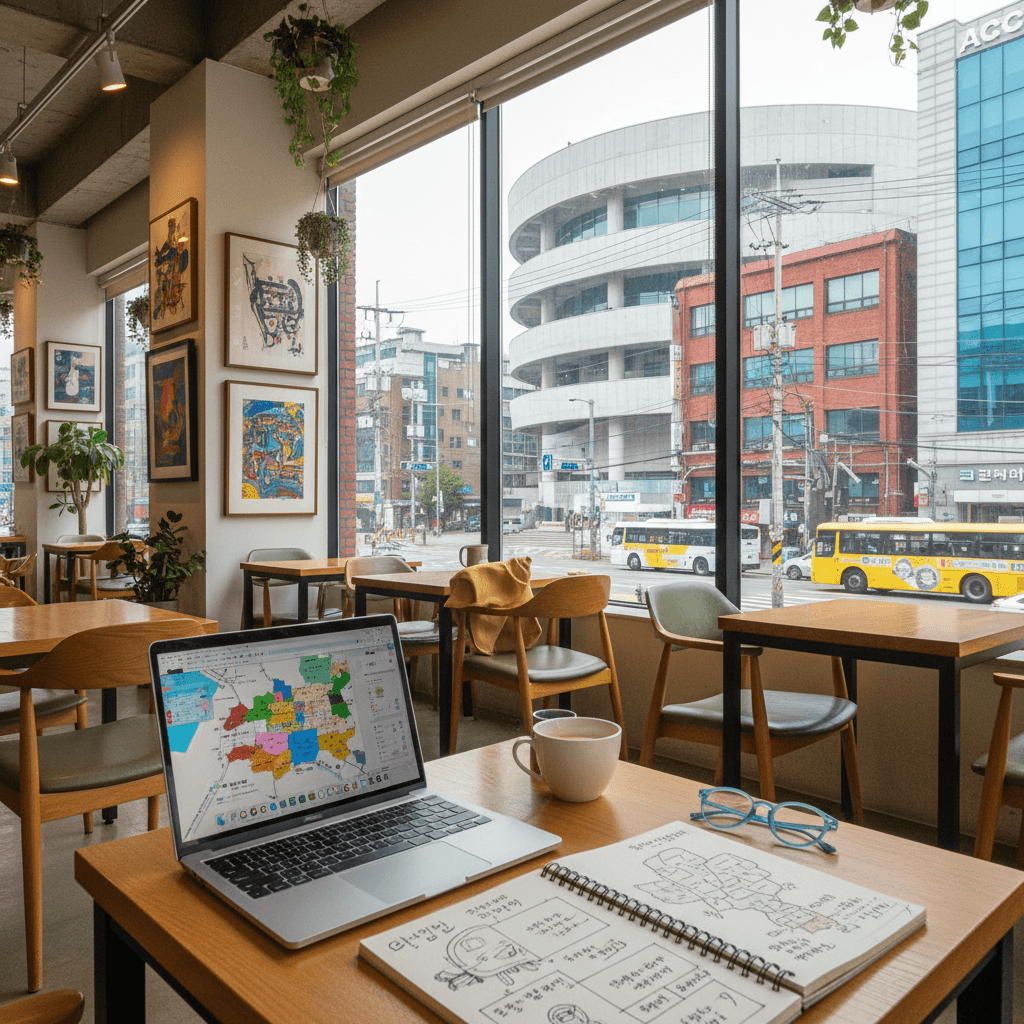
Most nomads gravitate toward Chungjang-ro, the city's youthful downtown core. It has the same energy as a university district, packed with themed cafes, independent boutiques, and the famous K-Pop Star Road. If you're a fan of BTS, you'll see plenty of nods to J-Hope, who hails from here. This area is the sweet spot for working; you can hop between high-concept cafes with 100+ Mbps fiber-optic internet for the price of a latte.
The city's food culture is its biggest flex. Jeolla-do is famous across Korea for having the best cuisine in the country. You'll find yourself eating world-class seafood and spicy stews at the Gwangju-Songjeong Station market for a fraction of what you'd pay in the north. It’s a city that rewards the curious eater and the slow traveler who wants to see the "real" Korea without the gloss of a tourist brochure.
Practical Costs & Logistics
Living in Gwangju is easy on the wallet, though the barrier to entry for the official 2025 Digital Nomad Visa remains high, requiring an annual income of over ₩88,000,000. Many nomads find they can live comfortably on ₩2,500,000 to ₩3,500,000 per month, depending on how often they indulge in the upscale dining scene.
- Street Food: ₩5,000 to ₩10,000 for a filling snack or light meal.
- Mid-range Dinner: ₩15,000 to ₩25,000 for a full spread.
- Public Transport: ₩1,400-1,500 per bus or subway ride.
- Coworking: ₩200,000 to ₩500,000 per month for a dedicated desk.
Where to Set Up Shop
The neighborhood you choose defines your experience. While Gwangju doesn't have a massive coworking scene yet, the Global Startup Centers are incredible resources for entrepreneurs and nomads looking for community and support.
Chungjang-ro (Downtown)
- The Draw: The pulse of the city, endless cafes, and heavy foot traffic.
- Best for: Social nomads who want everything within walking distance.
- Connectivity: Excellent 4G/5G coverage and reliable public WiFi.
Gwangju-Songjeong
- The Draw: Proximity to the KTX high-speed rail and traditional markets.
- Best for: Regional explorers who plan on taking day trips to places like the Damyang Bamboo Forest.
- Vibe: More traditional and gritty, with some of the best seafood in the region.
Getting around is straightforward with over 1,000 buses and a clean, efficient subway line. For anything else, Kakao T is the go-to app for hailing a cab. When you need a break from the screen, the city's proximity to nature is a major perk. A quick bus ride takes you to the Juknokwon Bamboo Forest in Damyang, a perfect spot to reset your brain after a long week of meetings.
The Jeolla Discount
Living in Gwangju feels like a financial exhale compared to the high pressure of Seoul or even Busan. While it’s the sixth largest city in South Korea, it maintains a provincial price point that makes it one of the most affordable urban hubs for long term stays. You’re getting the same world class infrastructure and lightning fast internet found in the capital, but your daily overhead will drop by roughly 20% to 30%.
Most nomads find they can live comfortably on a budget of ₩2,500,000 to ₩3,500,000 per month. If you’re sticking to a tighter "backpacker" style budget, you can get by on ₩1,500,000 to ₩2,000,000, especially if you lean into the local food markets and stay in older studio apartments near the universities.
Monthly Budget Breakdown
- Housing: ₩500,000 to ₩900,000 for a modern studio (officetel) in a central area like Chungjang-ro.
- Coworking: ₩200,000 to ₩400,000 depending on the level of access.
- Groceries and Dining: ₩600,000 to ₩900,000. Gwangju is the food capital of Korea; even cheap meals are high quality.
- Transport: ₩100,000. The bus system is extensive and costs about ₩1,500 per ride.
- Utilities and Internet: ₩150,000 to ₩250,000. Broadband is cheap, but heating costs in the winter can spike.
Dining and Socializing
Food is where Gwangju really shines for the budget conscious traveler. Because the Jeolla region is South Korea's agricultural heartland, produce is fresher and cheaper than in the north. You can grab a filling meal at a seafood market or a street stall near Gwangju-Songjeong Station for around ₩10,000. Even a mid range dinner in the trendy alleys of Chungjang-ro usually stays between ₩15,000 and ₩25,000.
Coffee culture is a significant expense here. While a basic americano at a franchise might be ₩3,000, the high end "work friendly" cafes that nomads frequent often charge ₩5,500 to ₩7,000 per drink. It’s essentially the "rent" you pay for a seat and a power outlet for three hours.
Connectivity and Workspace Costs
South Korea’s internet is legendary, and Gwangju is no exception. Most apartments come with pre-installed high speed lines, but if you’re paying yourself, expect to shell out about ₩27,000 per month for 100Mbps+. For mobile data, nomads usually recommend eSIMs from providers like Holafly or picking up a local SIM from KT or SK Telecom for around ₩40,000 to ₩60,000 per month with a generous data cap.
Coworking spaces aren't as saturated as they are in Seoul, but the Global Startup Centers and local hubs offer professional environments. Expect to pay around ₩200,000 for a hot desk. If you prefer the cafe route, the area around Chosun University is packed with student focused spots that won't mind you hovering over a laptop for an afternoon.
The Visa Reality Check
While the local cost of living is low, the barrier to entry for the official Digital Nomad Visa (F-1-D) is notoriously high. The South Korean government requires an annual income of over ₩88,000,000 to qualify for 2025. This creates a bit of a paradox: you need a high six figure salary to get the long term visa, even though you can live like royalty in Gwangju on a fraction of that. Many shorter term nomads stick to the 90 day K-ETA tourist entry, which carries no income requirement.
Practical Savings
To keep costs down, expats recommend using apps like Kakao T for hailing taxis to avoid "foreigner pricing" and Papago for translating menus in smaller, cheaper mom-and-pop shops where English isn't spoken. Shopping at traditional markets like Yangdong Market instead of high end department stores will also slash your grocery bill in half.
For Nomads and Solo Travelers: Chungjang-ro
If you want to be where the action is, Chungjang-ro is the undisputed heart of the city. Often compared to Seoul's Myeongdong but with a more relaxed, southern soul, this neighborhood is a maze of pedestrian streets, fashion boutiques, and neon signs. It's the most walkable part of Gwangju, making it a favorite for solo travelers who don't want to rely on taxis for every meal.
Digital nomads gravitate here for the sheer density of "work-friendly" cafes. You'll find plenty of high-speed Wi-Fi and power outlets at local spots near the K-Pop Star Road, where fans pay homage to idols like BTS's J-Hope. While Gwangju doesn't have the massive Western-style coworking hubs of Seoul, nomads often use the Global Startup Centers in the area for networking and professional support.
- The Vibe: High energy, youthful, and incredibly safe at night.
- Best for: People watching, cafe hopping, and those who want to be steps away from the best shopping in the province.
- Local Tip: Head toward the nearby Chosun University area for cheaper eats and a younger, student-driven crowd that keeps the energy high on weeknights.
For Short-Term Travelers and Foodies: Gwangju-Songjeong
For those using Gwangju as a base to explore the rest of Jeolla-do, staying near Gwangju-Songjeong Station is a strategic move. It's the city's primary transport hub, connecting you to the KTX high-speed rail and regional buses. While it's less "polished" than the downtown core, it offers a raw, authentic look at local life that many travelers find refreshing.
The real draw here is the 1913 Songjeong Station Market. It's a culinary playground where you can find modern twists on traditional Jeolla-do snacks. Expats and locals alike flock here for the seafood, which is some of the freshest in the region. Expect to pay around ₩10,000 for a substantial spread of street food or a hearty local meal.
- The Vibe: Traditional meets functional; a bit more grit but plenty of character.
- Pros: Unbeatable transit access and legendary food markets right on your doorstep.
- Cons: It's further from the main nightlife and hip cafe districts of the center.
For Long-Term Expats and Entrepreneurs: Buk-gu
Expats looking for a more residential feel often settle in the Buk-gu district. This area houses Chonnam National University, creating a stable community of international students and professors. It's less about the "hustle" of Chungjang-ro and more about daily life, with larger grocery stores, local parks, and more affordable long-term housing options.
Living here feels more integrated into the local culture. You'll find that prices for basic goods and services are slightly lower than in the tourist-heavy center. Most expats manage their lives using Kakao T for rides and Papago for translation, as English proficiency is significantly lower here than in Seoul. Monthly budgets for a comfortable lifestyle in this area typically range from ₩1.5M to 2.5M, depending on your housing choices.
- Rent: Private rentals can vary, but expect to find much better value than in the capital.
- Community: While there isn't a massive "foreigner bubble," the university presence ensures a steady stream of English speakers and international meetups.
- Daily Life: Easy access to the city's extensive bus network, with rides costing about ₩1,500.
For Families and Nature Lovers: Near Mudeungsan
While Gwangju lacks a dedicated "expat village," families often prefer the quieter, greener outskirts near the base of Mudeungsan National Park. The air is cleaner, the streets are wider, and the pace is much slower. It's a stark contrast to the concrete jungle of the city center, offering easy access to hiking trails and outdoor recreation.
Safety is a non-issue here, as Gwangju maintains a very low crime rate nationwide. Families appreciate the proximity to nature while still being a 20-minute bus ride from the downtown amenities. If you're planning a day trip, the famous Damyang Juknokwon Bamboo Forest is a short regional bus ride away, making it a perfect weekend escape for kids and adults alike.
- Atmosphere: Peaceful, scenic, and community-oriented.
- Practicality: You'll likely want to use KakaoPay for most transactions, though keep in mind you'll need a local registration card for the full suite of fintech features.
- Healthcare: The area is served by high-quality local hospitals and pharmacies are found on almost every major corner.
Connectivity in the City of Light
South Korea is famous for having some of the fastest internet on the planet, and Gwangju is no exception. You can expect average speeds of 100+ Mbps across the city. Whether you are hopping on the free public Wi-Fi at a bus stop or using a dedicated line in a rental, the connection is rock solid. Most nomads skip the hassle of a local contract and grab an eSIM from providers like Holafly or RapideSIM before they land. If you need a physical SIM, head to a KT or SK Telecom shop in the downtown area. A portable hotspot is also a smart move if you plan on working while taking the bus out to the Damyang Bamboo Forest.
For your home setup, broadband usually runs around ₩27,000 per month. Most apartments in the Chungjang-ro area come with high-speed internet already baked into the rent, so you likely won't have to deal with a service technician. If you find yourself needing to transfer large files or hop on a lag-free video call, the local infrastructure rarely lets you down.
Coworking Spaces and Creative Hubs
Gwangju doesn't have the massive density of coworking franchises you'll find in Seoul, but it makes up for it with a specialized startup scene. The Global Startup Center is the primary anchor for entrepreneurs and remote workers here. It's more than just a desk; they offer classes and support for those looking to navigate the local business environment. While nationwide brands like WeWork and FastFive may be available elsewhere, Gwangju's local scene is more intimate and community-focused.
- Global Startup Center: The go-to spot for networking and finding a professional desk. It is particularly useful if you are interested in the OASIS startup visa program.
- FabLab Gwangju: Ideal for nomads who need more than just a laptop. This space caters to makers and tech-heavy projects.
- Chungjang-ro Study Cafes: Since this is a university-heavy city, you will find countless "study cafes." These are quiet, affordable alternatives to traditional coworking spaces where you pay by the hour.
The Cafe Office Culture
If you prefer the hum of a coffee shop over a sterile office, Gwangju is a dream. The Chungjang-ro district is packed with multi-story cafes where it is perfectly acceptable to camp out with a laptop for a few hours. Unlike some Western cities where shops might limit Wi-Fi, Korean cafes almost always provide fast, free access and plenty of power outlets. You will see plenty of students from Chosun University doing the same.
Expect to pay about ₩5,000 to ₩7,000 for a solid latte. Many spots stay open late, which is great if you are working a North American or European time zone. Just look for the larger, modern buildings in the downtown core; they usually have the best seating for long-term work sessions.
Practical Tech Tips
Living and working here is much easier if you have the right apps installed. Google Maps is notoriously unreliable for walking directions in Korea. You will want to download Kakao T for hailing rides and Naver Map or KakaoMap for getting around on the bus system. For communication, Papago is the gold standard for translation, as it handles the nuances of Korean much better than other tools.
If you are looking to stay long-term on the new digital nomad visa, keep in mind the high bar for entry. The 2025 income requirement is roughly ₩88 million annually. For those who don't meet that threshold, Gwangju's lower cost of living compared to Seoul makes it a great spot for a shorter 90-day stint on a tourist entry. You can live comfortably here on ₩1.5 million to ₩2.5 million a month, which is a steal for a city with world-class digital infrastructure.
Safety in Gwangju
Gwangju is remarkably safe, even by South Korea's high standards. Most nomads find they can walk through the city at 2:00 AM without a second thought. Street crime is rare, and the local culture places a high value on honesty. It is the kind of place where you can leave your laptop at a cafe table while you grab a refill, and it will still be there when you get back.
Solo female travelers often say Gwangju feels more welcoming and less overwhelming than Seoul. While the nightlife in Chungjang-ro gets energetic, it rarely feels aggressive. You won't find many "no-go" zones here. Most neighborhoods are well-lit and monitored by an extensive network of CCTV cameras, which acts as a major deterrent for petty crime. If you do run into trouble, the police are generally helpful, though you should have a translation app like Papago ready, as English proficiency among officers varies.
For emergencies, remember these two numbers:
- 112 for police services.
- 119 for ambulance and fire emergencies.
Healthcare Quality and Access
The healthcare system in Gwangju is efficient and technologically advanced. You aren't going to struggle to find high-quality care, as the city serves as a regional medical hub for the Jeolla-do province. Hospitals here are clean, modern, and significantly cheaper than what you'd find in the US or Western Europe, even if you are paying out of pocket.
For general illnesses or minor injuries, look for local clinics (Ui-won) which are everywhere. You can usually walk in without an appointment and be out in 30 minutes. For more serious issues, Gwangju has major institutions like Chonnam National University Hospital and Chosun University Hospital. These larger facilities are more likely to have English-speaking staff and international clinics to help you navigate the paperwork.
Pharmacies and Prescriptions
Pharmacies, marked by a green or red "Yak" (약) sign, are easy to spot on almost every street corner. While many pharmacists speak basic English, having your symptoms written down in Korean helps. Many medications that require a prescription in other countries, like certain birth controls, are available over the counter here. However, strong painkillers and antibiotics always require a doctor's note.
If you are planning to stay long-term on the Digital Nomad Visa (F-1-D), keep in mind that you'll eventually need to enroll in the National Health Insurance Service (NHIS). This is a mandatory requirement for residents staying beyond six months, and it provides incredibly affordable coverage for everything from dental checkups to major surgeries.
Practical Health Tips
- Air Quality: Like much of Korea, Gwangju can experience "fine dust" (Hwang-sa) during the spring months. Locals use the AirVisual app to check levels and wear KF94 masks on bad days.
- Water: Tap water is technically safe to drink, but most locals and expats prefer using a filter or buying bottled water. Most apartments and coworking spaces come with a "Puris" water dispenser.
- Insurance: If you are here on a short-term 90-day tourist entry, make sure you have private travel insurance like SafetyWing or World Nomads, as you won't be eligible for the local public system yet.
Getting Around Gwangju
Gwangju is significantly more relaxed than the frantic pace of Seoul, and its transit system reflects that. While it doesn't have the sprawling subway network of the capital, it's remarkably easy to navigate once you get the hang of the bus routes and the single metro line. Most nomads find that a mix of walking in the central hubs and using the Kakao T app for longer hauls is the most efficient way to stay productive.
Public Transit Essentials
The backbone of the city is its bus system, with over 1,000 buses covering almost every corner of the province. A single ride typically costs around ₩1,500. If you're staying near the Gwangju-Songjeong area, you'll have easy access to the KTX high-speed trains for weekend trips to Seoul or Mokpo, but for daily life, the local buses are your best friend. The city's single subway line is clean and efficient, though it primarily serves a specific east-west corridor rather than the entire city.
- T-Money Card: You can buy and top these up at any convenience store like GS25 or CU. It works for buses, the metro, and even some taxis.
- Kakao T: This is the non-negotiable app for ride-hailing. Don't bother trying to hail a cab on the street in quieter neighborhoods; just use the app to pin your location.
- Naver Maps or Kakao Maps: Google Maps is notoriously unreliable for transit directions in Korea. Naver is the local favorite for accurate bus arrival times and walking paths.
Walkable Hubs
If you base yourself in Chungjang-ro, you'll rarely need a vehicle for your day-to-day. This area is the city's heartbeat, filled with pedestrian-friendly streets, the K-Pop Star Road, and an endless supply of cafes. It's very similar to Myeongdong in Seoul but feels more manageable. You can easily spend an entire afternoon walking from a coworking session at a local cafe to a seafood dinner near the university without ever touching a bus handle.
Regional Connections
Gwangju acts as the gateway to the Jeolla-do province, which is famous for having the best food in the country. For digital nomads looking for a change of scenery, regional travel is cheap and frequent. Gwangju-Songjeong Station is the main hub for trains, while the U-Square Terminal is one of the largest bus terminals in Korea. From here, you can reach the famous Damyang Juknokwon Bamboo Forest in about 45 minutes by local bus.
Arrival and Airport Transfers
If you're flying into Gwangju Airport, getting to the city center is straightforward. A taxi will take about 30 to 60 minutes depending on traffic and will likely cost between ₩15,000 and ₩25,000. There are also airport buses that are much cheaper if you aren't carrying heavy luggage. For those arriving from Incheon International Airport, the most common route is taking a direct limousine bus, which takes about 4 hours and delivers you straight to the U-Square terminal.
Practical Transport Tips
- Language Barrier: English proficiency among bus drivers is generally low. Have your destination written in Korean or pinned on Naver Maps to show the driver if you're unsure.
- Safety: Public transport is incredibly safe at all hours. Solo female travelers often report feeling comfortable using buses and the metro even late at night.
- Biking: You'll see shared bikes and scooters near the stations and markets. They're great for short bursts, but the city's hilly terrain in certain spots can make them a workout.
The Local Linguistic Vibe
In Gwangju, Korean is the undisputed king of conversation. Unlike the international bubbles of Seoul or the tourist corridors of Busan, this is a city where the local Jeolla-do dialect, known as Saturi, adds a melodic and rhythmic flair to everyday speech. While younger residents in student-heavy areas like Chungjang-ro might have a basic grasp of English, you shouldn't expect it to be the default. Most nomads find that while English proficiency is lower here, the locals are exceptionally patient and go out of their way to be helpful if you're making an effort.
You'll notice that signs in major transit hubs like Gwangju-Songjeong Station are bilingual, but once you head into the traditional markets or smaller neighborhood cafes, the English fades away. It's a city that rewards those who learn the basics. Even a simple greeting can completely change the energy of an interaction in a local seafood market.
Your Digital Translation Toolkit
Since you won't find many English menus or English-speaking staff in the city's smaller alleys, your phone is your best friend. Forget Google Translate; it often struggles with the nuances of Korean syntax. Expats and long-term travelers in Korea almost exclusively use Papago. It has an excellent image translation feature that's vital for reading menus or instructions on laundry machines.
For searching for specific spots or reading reviews, Naver Map and KakaoMap are the gold standards. Google Maps is notoriously unreliable for walking directions in South Korea. If you're looking for a specific coworking space or a startup center, typing the name in Korean into Naver will give you much better results than searching in English.
Essential Phrases for Daily Life
You don't need to be fluent to get by, but having a few key phrases in your back pocket will make your life much easier. Koreans appreciate the effort, especially in a city that sees fewer foreigners than the capital.
- Annyeonghaseyo: Hello (The universal greeting for almost every situation).
- Gamsahamnida: Thank you (Use this constantly; it goes a long way).
- Jebal: Please.
- Olmayeyo?: How much is it? (Useful at the 1913 Songjeong Station Market).
- Yeogi-yo!: Over here! (This is how you politely get a server's attention in a restaurant).
- Yeong-eo haseyo?: Do you speak English?
Social Nuances and Non-Verbal Cues
Communication in Gwangju is about more than just words; it's about Nunchi, the Korean art of sensing others' moods and thoughts. A slight bow when greeting someone or receiving change with two hands shows a level of respect that locals deeply appreciate. If you're working from a cafe in Chungjang-ro, you'll find the atmosphere is generally quiet and respectful. Loud phone calls in English might get you some side-eye, as the culture leans toward maintaining a peaceful shared environment.
For those looking to bridge the language gap more permanently, the Global Startup Centers in Gwangju often act as a bridge. They provide a space where you can meet English-speaking locals and other entrepreneurs who are accustomed to working in a more international context. These centers are great for finding "fixers" or friends who can help you navigate more complex tasks like setting up a local SIM card or understanding a rental agreement.
Staying Connected
To keep your translation apps running, you'll need reliable data. Most nomads grab an eSIM from providers like Holafly or RapideSIM before they land. If you prefer a physical SIM, you can find KT or SK Telecom kiosks at the airport. Expect to pay around $20 a month for high-speed broadband if you're setting up a home office, though the city's cafe WiFi is usually fast enough for heavy video calls without any extra equipment.
The Seasonal Cycle
Gwangju enjoys a distinct four season climate typical of the Jeolla region. Because it sits further south than Seoul, the winters are noticeably milder, while the summers lean into the humid subtropical category. Most nomads find that timing a visit here can make or break the experience, especially if you plan on doing day trips to the nearby bamboo forests of Damyang or hiking the trails of Mudeungsan National Park.
The sweet spots are undeniably spring and autumn. During these months, the city sheds its gray winter coat or its heavy summer humidity, replacing them with crisp air and manageable temperatures. It's the best time to set up your laptop on a cafe terrace in Chungjang-ro without needing a heavy puffer jacket or high powered air conditioning.
Spring (March to May)
Spring is arguably the most beautiful time to be in Gwangju. Temperatures usually hover between 10°C and 22°C. March starts cool, but by April, the cherry blossoms transform the city streets and the banks of the Gwangjucheon Stream. It is a prime time for solo travelers to explore the K-Pop Star Road or the various outdoor markets.
- What to pack: Light layers are your best friend. Bring a denim jacket or a light trench for the evenings when the temperature dips.
- Nomad tip: This is the peak season for local festivals. Expect cafes to be a bit more crowded, but the energy in the city is at an all time high.
Summer (June to August)
Summer in Gwangju is intense. Temperatures frequently climb between 25°C and 35°C, but it is the humidity that really hits you. The monsoon season, known as jangma, typically arrives in July and August. You can expect heavy downpours that can last for days, making outdoor exploration a bit of a gamble.
- What to pack: Breathable, moisture wicking fabrics. An sturdy umbrella is a requirement, though you can buy cheap ones at any convenience store for about ₩5,000.
- Survival strategy: This is the time to lean heavily into Gwangju’s cafe culture. Most digital nomads retreat to air conditioned hubs or the Global Startup Center to escape the midday heat.
Autumn (September to November)
If you miss the spring window, autumn is a spectacular second choice. The humidity breaks in September, and by October, the foliage in the surrounding mountains turns brilliant shades of orange and red. Temperatures are comfortable, ranging from 12°C to 24°C. It is the most stable weather of the year, with very little rainfall compared to the summer months.
- Key dates: Late October is usually the peak for fall colors. It is the perfect time for a bus trip to Damyang Juknokwon to see the bamboo forest against a backdrop of autumn leaves.
- Atmosphere: The city feels more relaxed. It is a great time for walking between neighborhoods like the Gwangju-Songjeong area and the downtown core.
Winter (December to February)
Winter is cold and dry, but rarely as brutal as the sub zero temperatures found in northern cities like Gangwon-do or Seoul. Average highs stay between 5°C and 10°C, though it can drop below freezing at night. Snow is common but usually doesn't stay on the ground for long in the city center.
- What to pack: A heavy coat, gloves, and heattech layers. The wind can be biting when you are waiting for a bus.
- The Upside: Accommodation prices can be lower, and the city’s famous spicy seafood soups and street foods feel much more rewarding when it is freezing outside. You'll find plenty of stalls selling hot bungeoppang (fish shaped pastries) for around ₩2,000 to ₩3,000.
The Best Time for Nomads
For a balance of good weather and local events, aim for May or October. These months offer the most reliable conditions for working from different spots around the city without battling extreme weather. If you are looking to save money, the "shoulder" months of November and March offer lower prices on short term rentals while still being pleasant enough for daily walks to your favorite coworking space or cafe.
Getting Around and Staying Connected
Gwangju is refreshingly easy to navigate compared to the sprawling chaos of Seoul. Most nomads stick to the Chungjang-ro area, where you can reach almost everything on foot. For longer trips, the city operates over 1,000 buses and a single subway line. A standard ride costs about ₩1,500. You'll want to download Kakao T for ride-hailing and Naver Maps for transit directions; Google Maps is notoriously unreliable across South Korea.
Internet speeds here are among the best in the world, usually exceeding 100 Mbps. You can find reliable WiFi in almost any cafe, but for a dedicated workspace, look into the Global Startup Centers. They provide support for entrepreneurs and occasionally host networking events. Local options like the Global Startup Centers offer hot desks; expect to pay ₩200,000-500,000 per month.
Before you leave the airport, grab an eSIM from Holafly or a local physical SIM from KT or SK Telecom. Most long-termers recommend a portable hotspot if you plan on working from the seafood markets or the parks.
Cost of Living and Budgeting
Gwangju is significantly more affordable than Seoul or Busan. You can live comfortably here on a mid-range budget of ₩3M to ₩4M per month, though budget-conscious travelers can get by on ₩1.5M to ₩2.5M if they stick to local markets and university-area housing.
- Street Food: ₩5,000 to ₩10,000 per meal at Gwangju-Songjeong Market.
- Mid-range Dinner: ₩15,000 to ₩25,000.
- Monthly Broadband: Around ₩27,000.
- Coffee: ₩4,000 to ₩6,000 in the hip Chungjang-ro cafes.
For housing, check apps like Zigbang or Dabang. If you are looking for the 2025 digital nomad visa, be aware of the high income threshold, which sits at over ₩88M annually. If you don't meet that, many nomads enter on shorter tourist stays to soak up the Jeolla-do food scene.
Safety and Local Etiquette
This is one of the safest cities you will visit. Solo female travelers frequently mention how comfortable they feel walking around Chungjang-ro late at night. The locals are famous for their friendliness, though English proficiency is lower here than in the north. Keep Papago on your phone for quick translations; it handles Korean nuances much better than other apps.
Socially, the city revolves around its history and its food. When meeting locals, a small bow is the standard greeting. Always remove your shoes when entering a home or certain traditional restaurants. If you are looking to meet people, head to K-Pop Star Road or join a class at the startup centers. While the expat community is smaller than in Itaewon, it is tight-knit and welcoming.
Best Times to Visit
Spring and fall are the sweet spots. From March to May, you'll get the cherry blossoms and mild temperatures. September to November offers crisp air and stunning autumn leaves, perfect for a day trip to the Damyang Juknokwon Bamboo Forest, which is just a short bus ride away. Try to avoid July and August if you can; the humidity is intense and the monsoon rains can put a damper on your exploration.
Neighborhood Breakdown
Chungjang-ro
- Vibe: The heart of the city, packed with youth energy, fashion, and endless cafes.
- Best For: Digital nomads who want to be steps away from the action and work-friendly spots.
- Pros: Highly walkable and great food options.
Gwangju-Songjeong
- Vibe: A transit-focused area with a more traditional, local feel.
- Best For: Travelers who plan on taking frequent regional trips by train.
- Pros: Home to incredible seafood markets and the best transit links.
Need visa and immigration info for South Korea?
🇰🇷 View South Korea Country GuideEasy Landing
Settle in, no stress