Grecia
🇨🇷 Costa Rica
The Eternal Spring Lifestyle
While the crowds fight for beach space in Santa Teresa or pay premium prices in San Jose, Grecia sits quietly in the Central Valley, offering a version of Costa Rica that feels both authentic and incredibly easy to live in. Known as the city of the eternal spring, the weather here stays between 70 and 80 degrees Fahrenheit all year. You can leave the AC off and the windows open, letting the mountain breeze carry the scent of nearby coffee plantations through your workspace.
The vibe in Grecia is distinctly "pura vida" but with an organized, functional twist. It is a place where you can find a high speed fiber optic connection in a house overlooking a lush canyon. Nomads here aren't usually looking for a wild party scene; they are looking for a community that values balance, sustainability, and a slower pace of life. It is the kind of town where the locals actually know your name at the feria (farmers market) after a few visits.
A Hub for the Modern Nomad
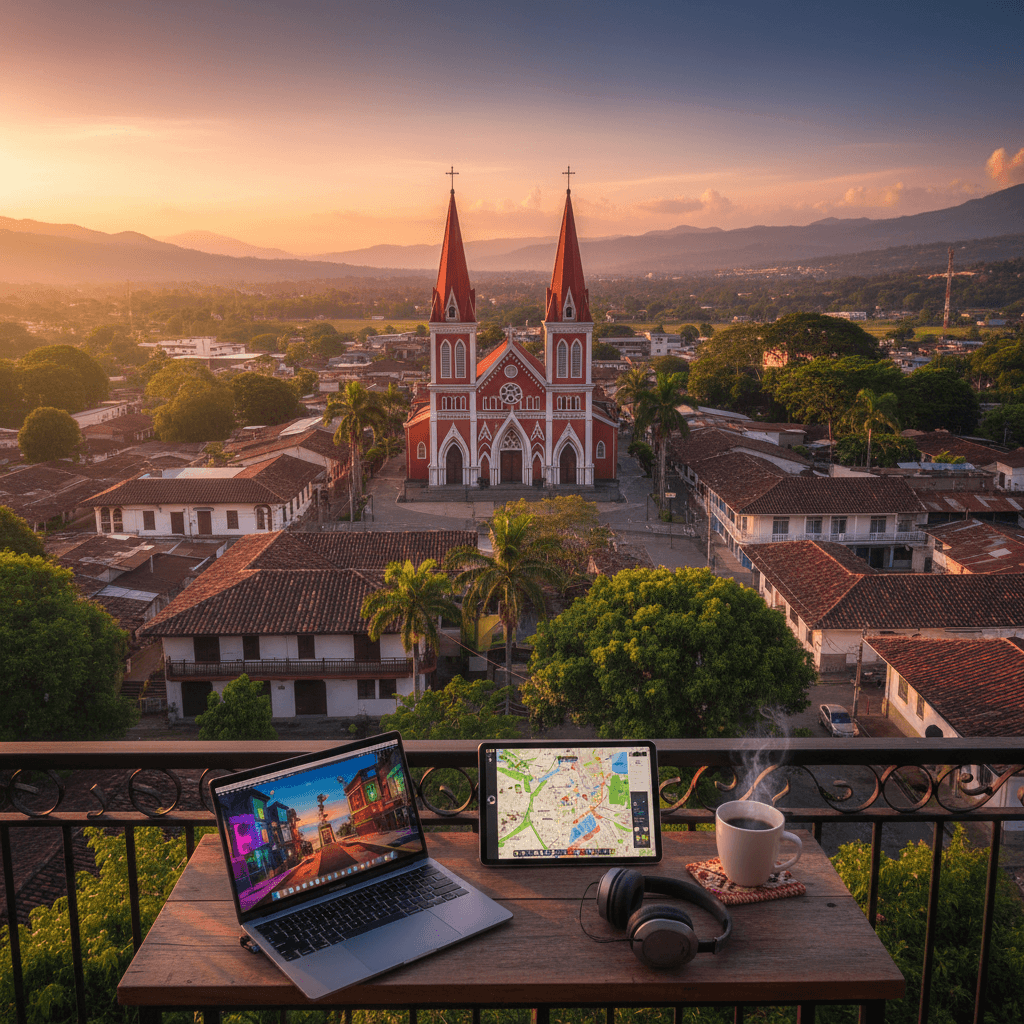
What sets Grecia apart is its infrastructure. You are only 30 to 40 minutes from Juan Santamaria International Airport by car, making it a perfect base for those who need to fly back to the U.S. or Europe frequently. Despite this proximity, the town feels worlds away from the urban grit of the capital. It is a hilltop sanctuary where the views stretch across the valley, dominated by the famous red metal church in the town square.
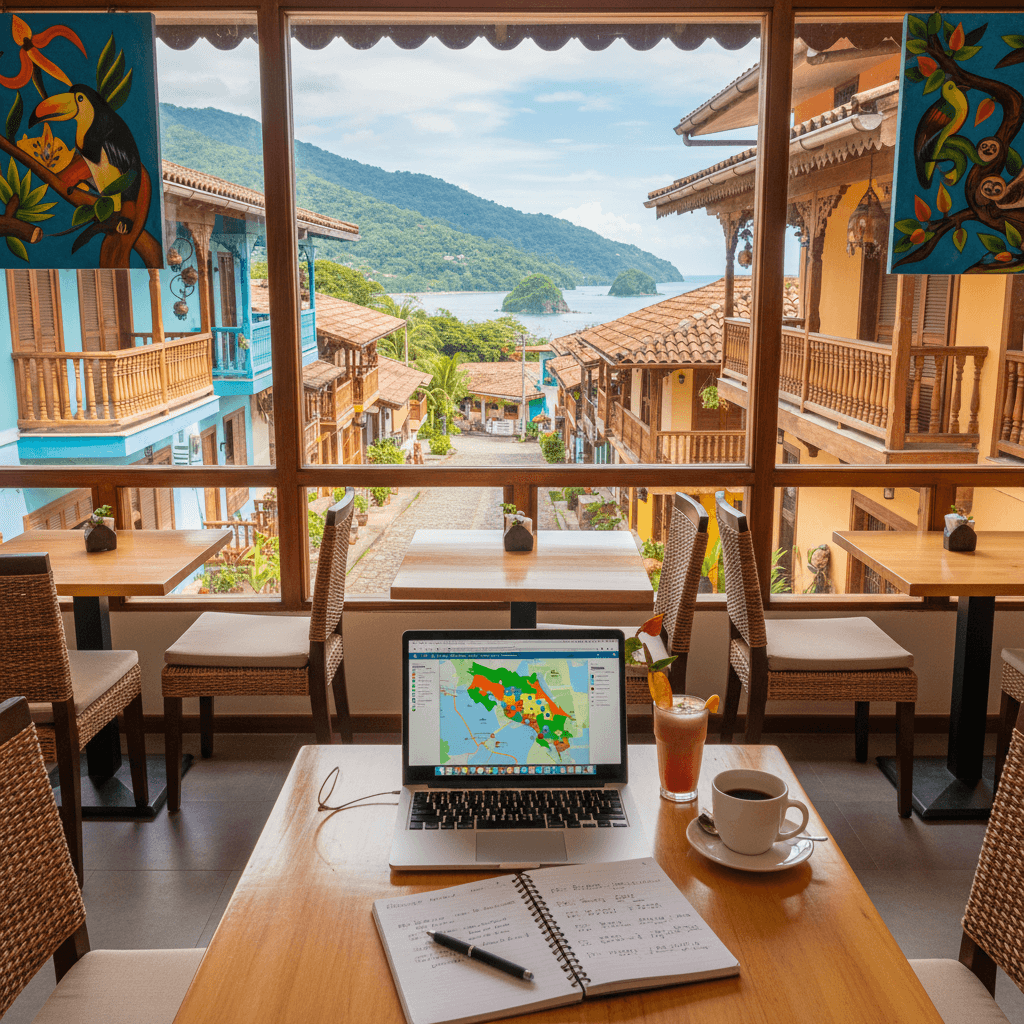
The emotional experience of living here is one of groundedness. You'll likely spend your mornings working from a local cafe or your balcony, then spend your afternoons hiking to nearby waterfalls or exploring the Poas Volcano area. It is a destination that rewards the "slow traveler" who prefers a stable routine over a constant adrenaline rush. Most nomads find the transition seamless because of the robust expat community that has already paved the way for reliable utilities and services.
The Cost of Living Breakdown
Grecia remains significantly more affordable than North American or European hubs. While prices are rising across Costa Rica, your dollar still stretches further here than in the coastal tourist traps. Most mid range nomads find they can live comfortably on $2,000 to $3,000 per month, including a nice rental and frequent dining out.
- Budget Tier ($1,200 to $1,800/month): This covers a modest studio for around $500, local "soda" meals for $5 to $8, and reliance on the efficient local bus system.
- Mid Range Tier ($2,000 to $3,000/month): This is the sweet spot for most. You can secure a furnished one bedroom in a secure area for $700 to $900, utilize a coworking setup for about $150, and enjoy mid range dining at $15 a plate.
- Comfortable Tier ($3,500+/month): For those wanting a luxury eco home or a villa in a gated community, expect to pay $1,000 to $1,500 for rent. This budget allows for a private vehicle, upscale dining, and weekend trips to the coast.
Where to Plant Your Roots
The neighborhood choice in Grecia usually comes down to how "local" you want your experience to be. While specific street names matter less than the elevation and view, there are two distinct ways to stay:
- Gated Communities: Often located on the outskirts toward Alajuela, these are popular with families and expats who want turnkey security and guaranteed high speed internet. They offer a "soft landing" but can feel a bit isolated from the local culture.
- Central Grecia and Local Ridges: If you want to walk to the market and the cafes, staying near the town center is best. For the best views, look at the ridges surrounding the town. These areas offer more "authentic" housing, though you might need a scooter or a car to get into town for groceries.
The digital nomad visa has made staying here long term much easier. If you can prove a monthly income of $3,000, you can enjoy tax free foreign income and a legal stay of up to two years. It is a straightforward process that has turned Grecia from a hidden mountain town into a legitimate contender for the best remote work base in Central America.
The Central Valley Advantage
Grecia is often called the land of eternal spring, and for your wallet, it feels just as refreshing. While coastal hotspots like Nosara or Santa Teresa have seen prices skyrocket, Grecia remains one of the most affordable gateways for nomads who want infrastructure without the "gringo pricing" of the beach towns. You're getting the same high-speed fiber optic internet and proximity to the international airport for a fraction of the cost you'd pay in San Jose or the Gold Coast.
Most nomads find they can live a high-quality life here on roughly $2,000 to $2,500 a month. This isn't just surviving; it's living well in a furnished home with mountain views, eating out regularly, and keeping a small SUV or using Ubers frequently. If you're on a tighter budget, sticking to local sodas (small family-run restaurants) and using the efficient bus system can bring your monthly burn down closer to $1,500.
Monthly Budget Breakdowns
The following estimates reflect the reality for solo travelers and nomads in 2025. Couples should expect to add about 40% to these totals for food and entertainment, as rent usually stays the same.
Budget Nomad: $1,200 to $1,800
- Rent: $500 to $650 for a modest studio or a local apartment in town.
- Groceries: $300, mostly shopping at the Friday/Saturday farmers market (the Feria).
- Dining: $150, sticking to $6 casado plates at local sodas.
- Connectivity: $80 for home fiber and a Kolbi SIM card.
- Transport: $100 using local buses and the occasional Uber.
Mid-Range Professional: $2,000 to $3,000
- Rent: $750 to $1,100 for a modern 1 or 2-bedroom house in a gated community with views.
- Groceries: $450, including imported goods from Mas x Menos.
- Dining: $400, enjoying mid-range cafes and weekend dinners.
- Coworking: $150 for a dedicated desk or frequent cafe visits.
- Transport: $250 for frequent Ubers or a long-term scooter rental.
Comfortable Expat: $3,500+
- Rent: $1,300 to $1,800 for a luxury eco-home or villa with a private pool.
- Dining: $800, including upscale dining in nearby Alajuela or Escazu.
- Transport: $500 for a private car rental and insurance.
- Wellness: $200 for gym memberships, yoga, and private health consultations.
Housing and Utilities
Rent is your biggest variable. In the center of Grecia, you'll find traditional Tico-style homes that are very affordable, but most nomads head toward the hills of El Cajon or San Roque. These areas offer cooler air and better views. A furnished two-bedroom house in a secure gated community usually lands around $900. Utilities are generally reasonable; electricity can run $60 to $100 depending on your AC usage, though the temperate climate means you'll rarely need it. High-speed internet is a standard $40 to $60 monthly.
Eating and Socializing
Groceries in Grecia are a tale of two stores. If you shop at the local Feria on weekends, you'll walk away with a week's worth of fresh tropical fruit and vegetables for $30. If you rely on imported peanut butter and boxed cereals from the supermarket, your bill will double. A typical meal at a local soda costs about $7 including a natural fruit juice. A nice dinner with a glass of wine at a mid-range spot will set you back about $25.
Getting Around
Grecia is relatively compact, but the hills make a car or frequent Ubers necessary for most. An Uber ride across town is usually under $5. If you're heading to the airport (SJO), expect to pay around $35 to $45 for a private transfer. Many long-termers eventually buy a used car, as rentals can be pricey during the peak dry season from December to April, often exceeding $1,200 a month with required insurance.
For Solo Nomads and Remote Workers
If you're landing in Grecia to grind through a project while soaking up the spring-like weather, stick close to the Grecia Centro area. This is the heart of the town where you'll find the most reliable fiber-optic internet and the easiest access to local life. Living here means you can walk to your favorite cafe or the local farmers market without needing a car, which is a big plus since walkability in the steeper hills is limited.
Most solo travelers look for furnished apartments or small studios in the local neighborhoods surrounding the central park. You can expect to pay between $500 and $900 for a decent one-bedroom setup with utilities included. For a change of scenery from your home office, head to local spots like Kapi Kapi or other central cafes. While there aren't massive dedicated coworking hubs yet, the "cafe culture" is very welcoming to laptops, and the WiFi is generally stable enough for Zoom calls.
- Average Rent: $600 to $850 for a furnished studio.
- Vibe: Local, convenient, and social.
- Best for: Those who want to be near the action and avoid car rentals.
For Expats and Long-Term Residents
Expats moving to Grecia often gravitate toward the scenic ridges of San Roque or Carbonal. These areas sit at a slightly higher elevation, offering those iconic views of the Central Valley that make the region famous. It's a bit quieter than the town center, giving you that "pura vida" tranquility without being totally isolated. You'll find a mix of modern homes and traditional Tico houses here.
The community in these neighborhoods is well-established. You'll likely run into other expats at the grocery store or during community meetups organized via Facebook or InterNations. Living here usually requires a vehicle or a reliable Uber budget, as it's a few minutes' drive into the main town. Many residents choose these spots because they offer a perfect balance of safety, community, and stunning sunsets over the mountains.
- Average Rent: $800 to $1,200 for a two-bedroom house.
- Vibe: Peaceful, scenic, and community-oriented.
- Best for: Retirees and long-termers who value a view and a quiet porch.
For Families
Families often find their sweet spot in the gated communities located on the outskirts of town or toward Alajuela. These developments, often referred to as "residenciales," provide an extra layer of security and usually come with shared amenities like playgrounds or pools. It's a much more controlled environment for kids to play outside, and the houses tend to be larger, often featuring three bedrooms and small yards.
Living in a gated community also simplifies the logistics of moving. Many of these homes are built with North American or European standards in mind, meaning you'll get modern kitchens and reliable infrastructure. You're still only 40 to 50 minutes from the international airport, making it easy for visiting relatives or quick trips back home. While it feels less "authentic" than a downtown Tico neighborhood, the ease of living is hard to beat when you're managing a household.
- Average Rent: $1,200 to $1,800 for a family-sized home.
- Vibe: Secure, suburban, and comfortable.
- Best for: Parents who want peace of mind and modern amenities.
For Eco-Conscious Travelers
If you're in Costa Rica for the nature, look toward the higher reaches of Cajón or the areas near the Los Chorros waterfalls. These spots are further from the town's bustle and closer to the lush greenery. You'll find more eco-friendly rentals here, including homes built with sustainable materials and gardens filled with fruit trees. It's the kind of place where you wake up to birds rather than traffic.
The trade-off is the commute. You'll definitely need a 4x4 or a sturdy SUV to navigate some of the back roads, especially during the peak rainy months of October and November. However, for those who want to live sustainably while still having access to high-speed fiber-optic lines, these rural pockets are a dream. It's a true retreat for those who want to disconnect from city life but stay connected to their clients.
- Average Rent: $700 to $1,000 for a rural eco-home.
- Vibe: Lush, private, and green.
- Best for: Nature lovers and those seeking a quiet retreat.
Connectivity in the Central Valley
Grecia has carved out a reputation as a reliable sanctuary for remote workers who want to escape the spotty signals often found in beach towns. You can expect fiber optic internet to be the standard here, not the exception. Most modern rentals and gated communities in the hills offer speeds ranging from 100 Mbps to 200 Mbps, which is plenty for heavy video conferencing or uploading large files.
The local infrastructure is surprisingly resilient. While the occasional afternoon thunderstorm during the rainy season might cause a flicker, the grid is stable. For peace of mind, many nomads use a local SIM card as a backup. Kolbi and Claro are the go-to providers. You can pick up a prepaid SIM for about $2 and load it with a 10GB or 20GB data plan for roughly $15 to $30. The 4G coverage remains strong even as you move into the more rural, coffee-growing outskirts of town.
Coworking and Work-Friendly Cafes
You won't find a massive corporate coworking franchise on every corner in Grecia. Instead, the scene is more intimate and community-focused. Most nomads pay between $100 and $200 a month for dedicated desk space in the Central Valley area. If you need a formal office environment, you might find yourself heading toward Alajuela or the western suburbs of San Jose, but Grecia is catching up fast with local entrepreneurial hubs.
For those who prefer the "laptop and a latte" lifestyle, Grecia's cafe culture is incredibly welcoming. You'll see plenty of expats and locals working from their screens in the afternoons. Just keep an eye out for the "Fibra Optica" signs in the windows. Some popular spots for a work session include:
- MasQSabor: A favorite for its high-quality local beans and reliable WiFi. It has a relaxed atmosphere where nobody will rush you out the door.
- Fabrica de Historias: Often cited by nomads for its creative vibe and comfortable seating, making it a solid choice for a few hours of deep work.
- Central Park Cafes: Several small eateries around the iconic red metal church offer decent speeds, though they can get a bit noisy during the midday rush.
Data and Logistics
Setting up your home office is straightforward. If your rental doesn't already have fiber, providers like Liberty or Telecable can usually get you hooked up within a few days. If you are staying long-term, it is worth asking the landlord for a speed test before you sign the lease.
- Home Fiber (100+ Mbps): Roughly $50 to $70 per month.
- Coworking Day Pass: Expect to pay $15 to $25 depending on the amenities.
- Mobile Hotspot: A reliable fallback; 5G is starting to roll out in the Central Valley, providing excellent speeds for tethering.
Most nomads find that the lack of "big city" distractions actually helps their productivity. You get the benefit of a professional setup without the San Jose traffic or the coastal humidity that can sometimes turn a laptop into a space heater. It's a balanced environment where the "Pura Vida" pace meets a very modern digital reality.
Peace of Mind in the Central Valley
Grecia is one of those rare spots where you can actually let your guard down. While San José has its share of urban grit, Grecia maintains a sleepy, small-town atmosphere that feels remarkably safe. Most nomads find that the biggest "risk" here is a stray dog or a sudden afternoon downpour during the rainy season. It is a community where neighbors still recognize each other, which adds an extra layer of security you won't find in the busier beach towns.
Violent crime is rare, but petty theft can happen if you're careless. Expats recommend the usual common-sense habits: don't leave your MacBook visible in a parked car and keep an eye on your phone if you're sitting in a public park. If you're staying in one of the gated communities near the Alajuela border, you'll likely have 24/7 security guards, though many locals live in open neighborhoods without any issues at all.
Healthcare and Medical Services
One of the perks of living in the Central Valley is the proximity to world-class medical care. You aren't stranded in the jungle here. For minor issues, Grecia is packed with farmacias (pharmacies) where the pharmacists can often give medical advice and provide over-the-counter treatments for common ailments. It is a much faster and cheaper alternative to a doctor's visit for basic stuff like allergies or stomach bugs.
For more serious matters, you have several options within a short drive:
- Public Clinics: The local CCSS (Caja) clinics handle emergencies, though wait times can be long for non-residents.
- Private Hospitals: Most nomads head to Alajuela or San José for private care. Hospitals like CIMA or Clínica Bíblica are about 45 to 50 minutes away and offer North American standards of care.
- Emergency Services: Dial 911 for any immediate police, fire, or medical emergencies. Operators usually have English speakers available, but knowing basic Spanish medical terms helps.
Insurance Requirements
If you're applying for the digital nomad visa, remember that health insurance isn't just a suggestion; it is a legal requirement. You'll need a policy that covers you for the duration of your stay in Costa Rica. Even if you're just visiting on a 90-day tourist stamp, travelers often say that having a private policy is worth it for the peace of mind. It allows you to skip the lines at public hospitals and go straight to the high-end private facilities in the city.
Practical Safety Tips
- Stay Hydrated: The "eternal spring" weather is deceptive. You're at a higher altitude, and the sun is stronger than it feels. Drink plenty of bottled or filtered water.
- Road Safety: If you're renting a scooter or car, be wary of potholes and narrow mountain roads. Driving at night isn't recommended if you aren't familiar with the terrain.
- Local Knowledge: Join local Facebook groups like "Expats in Grecia" to stay updated on any local alerts or recommended doctors. The community is very active and usually happy to help a newcomer find their footing.
Overall, Grecia is a low-stress environment. You can focus on your work and enjoy the mountain views without the constant vigilance required in larger metropolitan hubs. It is a place where "Pura Vida" isn't just a slogan on a t-shirt; it is the actual pace of life.
The Airport Run
Grecia sits in a sweet spot for international arrivals. You're only 40 to 50 minutes away from Juan Santamaría International Airport (SJO), which makes the initial transition into town relatively painless. If you're arriving with heavy luggage, grab an Uber or a licensed red taxi. Expect to pay between $30 and $50 for the ride. It's a steep price compared to local buses, but after a long flight, the door to door service is usually the smartest move.
Mastering the Bus System
For day to day life, the bus is the backbone of the Central Valley. The main terminal in the center of Grecia is easy to navigate and connects you to Alajuela and San José with high frequency. These trips are incredibly cheap, usually costing just a couple of dollars. Most locals and long term nomads use these for grocery runs or heading into the city for specialized shopping. The buses are efficient, though they can get crowded during the late afternoon "presa" (traffic) when everyone is heading home from work.
Ride-Hailing and Taxis
Uber is active in Grecia and is generally the preferred choice for nomads. It's reliable, transparent with pricing, and saves you from having to explain complex directions in Spanish. Red taxis are also everywhere; just make sure they use the "maria" (the meter). If you're staying in one of the gated communities on the outskirts of town, having the Uber app ready is a necessity, as these areas aren't always on the primary bus routes.
Walkability and Terrain
The heart of Grecia is pleasantly walkable. You can easily hit the farmers market, the famous red metal church, and local cafes on foot. However, Grecia is built on a slope. As you move toward the residential ridges where many of the best views and eco-homes are located, the hills become quite steep. If your rental is more than a few blocks from the central park, you'll likely want wheels.
- Central Grecia: High walkability, flat terrain, easy access to everything.
- Peripheral Ridges: Low walkability, steep hills, requires a car or frequent Ubers.
- Getting to SJO: 40-50 minutes by car; roughly $30-$50 via ride-hail.
Driving and Car Rentals
If you plan on exploring the nearby Poás Volcano or taking weekend trips to the coast, renting a car is a solid investment. While the roads in town are paved and well maintained, some of the rural "calle callejones" (back alleys or side roads) can be bumpy. If you're staying long term, many expats eventually buy a used 4x4 to handle the Central Valley topography with ease. Parking in the town center can be tight, so look for "parqueos" (private lots) which charge a small hourly fee to keep your vehicle secure while you lunch.
Practical Transport Tips
- Download Waze: It's much more accurate than Google Maps in Costa Rica for navigating around construction or traffic accidents.
- Sim Cards: Pick up a Kolbi or Claro SIM at the airport or a local "pulperia." A month of data usually runs between $10 and $30, which is vital for calling Ubers.
- Pura Vida Pace: Don't expect the buses to run on a second-by-second schedule. Give yourself a 15 minute buffer and enjoy the view.
The Pura Vida Lexicon
In Grecia, you'll find a linguistic environment that feels more intimate than the coastal tourist traps. While Spanish is the primary language, the town has a well established expat community that has carved out a comfortable space for English speakers. You won't need to be fluent to order a coffee or navigate the central market, but the locals here deeply appreciate it when you try.
The phrase you'll hear most is Pura Vida. It literally translates to pure life, but in the Central Valley, it's a Swiss Army knife of communication. It's a hello, a goodbye, a way to say everything's cool, and a polite way to shrug off a minor inconvenience. Mastering the timing of a Pura Vida will do more for your social standing than a year of textbook grammar.
English Proficiency and the Expat Bubble
Because Grecia is a favorite for retirees and long term digital nomads, English proficiency is moderate to high in the town center and gated communities. Most doctors, lawyers, and real estate agents speak excellent English. However, once you step into the smaller ferias (farmers markets) or local hardware stores, the English safety net thins out.
Expats recommend having a few phrases ready for daily interactions:
- ¿Cuánto cuesta? (How much does it cost?): Use this at the Friday market for your produce.
- La cuenta, por favor (The check, please): Standard for wrapping up lunch at a local soda.
- ¿Donde está...? (Where is...?): Vital for finding specific shops in Grecia's grid like streets.
- Tuanis: A slang term for "cool" or "nice" that will get you a smile from younger Ticos.
Digital Tools for the Ground
Even with the local English speakers, you'll want to keep Google Translate downloaded for offline use. It's particularly helpful for reading menus or signs in more residential neighborhoods. For those looking to integrate, many nomads join local Facebook groups like Grecia Community to find language exchange partners or tutors who charge around $10 to $20 per hour for private lessons.
Communication isn't just about the words; it's about the pace. Conversations in the Central Valley tend to be polite and indirect. Rushing into a business question without a "Buenos días" and a bit of small talk is considered rude. If you're working from a cafe, expect the staff to be friendly but never hurried.
Staying Connected
Your phone is your lifeline here, and the infrastructure is surprisingly robust. Most nomads skip their home country's roaming plans and opt for a local SIM card immediately. You can pick these up at the airport or at various shops around the central park in Grecia. The two main players are Kölbi and Claro.
- Kölbi: Often cited as having the best coverage in the more mountainous or rural parts of the Central Valley.
- Claro: Reliable and often offers competitive data packages for social media and messaging.
- Cost: Expect to pay between $10 and $30 per month for a generous data plan.
- WhatsApp: This is the unofficial communication standard for everything. You'll use it to book hair appointments, talk to your landlord, and order delivery.
Reliable high speed fiber optic internet is the norm in most furnished rentals and gated communities now. Even if you're tucked away on a hillside overlooking the coffee plantations, you'll likely have the bandwidth needed for Zoom calls without the lag issues common in more remote beach towns. If the power flickers during a heavy October rain, having that local SIM as a hotspot backup is a move most veterans recommend.
The Land of Eternal Spring
Grecia is famous for having one of the most consistent climates in the world. Locals call it the land of eternal spring, and for good reason. You can expect temperatures to hover between 70°F and 80°F (21°C to 27°C) almost every single day. Because of its elevation in the Central Valley, you avoid the sweltering, humid heat of the coastal beach towns while skipping the bone-chilling winters of the north.
Most nomads find they don't even need air conditioning or heating here. Open windows and a ceiling fan are usually enough to keep your workspace comfortable. It is the kind of weather where you can wear a light t-shirt during the day and perhaps a thin hoodie once the sun goes down and the mountain breeze kicks in.
The Two Seasons
Like the rest of Costa Rica, Grecia doesn't have four seasons; it has two. Understanding the rhythm of these cycles will completely change how you plan your work calls and weekend trips to Poás Volcano.
- The Dry Season (December to April): This is peak season. You will get clear blue skies and plenty of sunshine. It is the best time for hiking and outdoor photography, but it is also when prices for short-term rentals tend to spike.
- The Rainy Season (May to November): Don't let the name scare you off. Most days follow a predictable pattern: bright, sunny mornings followed by a heavy downpour in the mid-afternoon. It is actually a very productive time for digital nomads; use the rainy afternoons to knock out your deep work while listening to the storm, then head out for dinner once it clears up.
When to Visit
If you want the absolute best weather, aim for January through March. The air is crisp, the landscapes are still green from the previous rains, and the "Pura Vida" vibe is at its peak. This is the ideal window for exploring the local farmers markets without worrying about a sudden deluge.
For those on a tighter budget, May, June, and November are smart shoulder months. You will find better deals on eco-homes and gated community rentals, and the rain isn't as relentless as it is in the deep autumn. Most expats recommend avoiding October if you can, as it is typically the wettest month of the year and can occasionally lead to localized travel delays on the mountain roads.
What to Pack
Since you are prepping for a spring-like environment, your suitcase should be versatile. While the town is casual, you will want a mix of gear to handle the microclimates of the Central Valley.
- Breathable fabrics: Linen and cotton are your best friends for midday walks through the town center.
- A sturdy rain shell: Especially if you are visiting between May and November. A high-quality waterproof jacket is better than an umbrella when the wind picks up.
- Light layers: Temperatures can drop quickly after sunset, especially in the higher elevation neighborhoods. A denim jacket or a light sweater is a staple for evening dinners.
- Trail shoes: If you plan on visiting the nearby waterfalls or coffee plantations, leave the flimsy sandals at home and bring something with good grip.
Travelers often say that Grecia’s climate is the primary reason they stay longer than planned. It removes the friction of extreme weather, allowing you to focus on your work during the day and enjoy the lush, green scenery every evening.
Connectivity and Tech Setup
You won't have to hunt for a signal here. Grecia has surprisingly robust infrastructure for a mountain town. Fiber-optic internet is the standard in most rentals and gated communities, making it a reliable base for video calls and heavy data uploads. Most nomads find that a 50 Mbps or 100 Mbps connection is included in their monthly rent.
For a backup or when you're working from a cafe, grab a local SIM card immediately. Kölbi and Claro are the most reliable providers in the Central Valley. You can pick these up at the airport or at various shops in town. A monthly data plan usually runs between $10 and $30. While there aren't many dedicated "corporate" coworking spaces in the center of Grecia yet, the local cafe culture is very welcoming to laptop users, provided you keep the coffee and pastries flowing.
Budgeting for the Pura Vida
Grecia is significantly more affordable than the coastal tourist traps or San José's upscale suburbs. You can live a high-quality life here for a fraction of what you'd spend in North America. Here is how the monthly costs generally break down for different lifestyles:
The Budget Nomad
- Total Monthly Estimate: $1,200 to $1,800
- Rent: $500 for a local studio or modest apartment.
- Food: $300 focusing on farmers markets and "sodas" (local diners).
- Transport & Data: $150 using local buses and a basic SIM plan.
The Mid-Range Professional
- Total Monthly Estimate: $2,000 to $3,000
- Rent: $700 to $900 for a furnished one-bedroom in a secure community.
- Food: $500 for a mix of grocery hauls and dining out a few times a week.
- Utilities & Extras: $350 for high-speed web, electricity, and occasional Ubers.
The High-End Expat
- Total Monthly Estimate: $3,500+
- Rent: $1,000+ for a modern eco-home with a view of the valley.
- Dining: $800 for frequenting the best restaurants in the region.
- Transport: $300 for a car rental or private drivers.
Getting Around and Safety
The town is fairly walkable if you stay near the center, but the hills will test your lungs. For longer trips, Uber is active and reliable in the Central Valley. Expect to pay about $30 to $50 for a trip to Juan Santamaría International Airport, which is only 40 to 50 minutes away. This proximity makes Grecia a perfect home base if you plan on frequent regional travel.
Safety is rarely a major concern here. The community is tight-knit and generally looks out for one another. Just follow the standard rules: don't leave your laptop visible in a car and keep an eye on your phone in crowded market areas. If you have a medical emergency, you'll find quality care at pharmacies for minor issues, or you can head to nearby Alajuela for full-service hospitals. Dial 911 for any serious emergencies.
The Digital Nomad Visa
Costa Rica has made it much easier for remote workers to stay long-term. The digital nomad visa is valid for one year and can be renewed for an additional year, allowing stays of up to two years total. To qualify, you'll need to prove a monthly income of at least $3,000 from sources outside the country. One of the biggest perks is that your foreign income remains tax-free while you're living here. You'll also need to show proof of health insurance that covers you for the duration of your stay.
Local Customs and Language
While you can get by with English in expat circles and some shops, learning basic Spanish will transform your experience. It's the difference between being a tourist and being a neighbor. Use Wise for your international transfers to avoid hefty bank fees, and keep a few thousand Colones in your pocket for the local "ferias" (farmers markets) where cards aren't always accepted. Most importantly, embrace the slower pace. If a meeting starts ten minutes late or the grocery line is moving slowly, just remember the local mantra: Pura Vida.
Need visa and immigration info for Costa Rica?
🇨🇷 View Costa Rica Country GuideHidden Gem
Worth the effort
Monthly Budget Estimates
More cities in Costa Rica
Liberia
🇨🇷 Costa Rica
Alajuela
🇨🇷 Costa Rica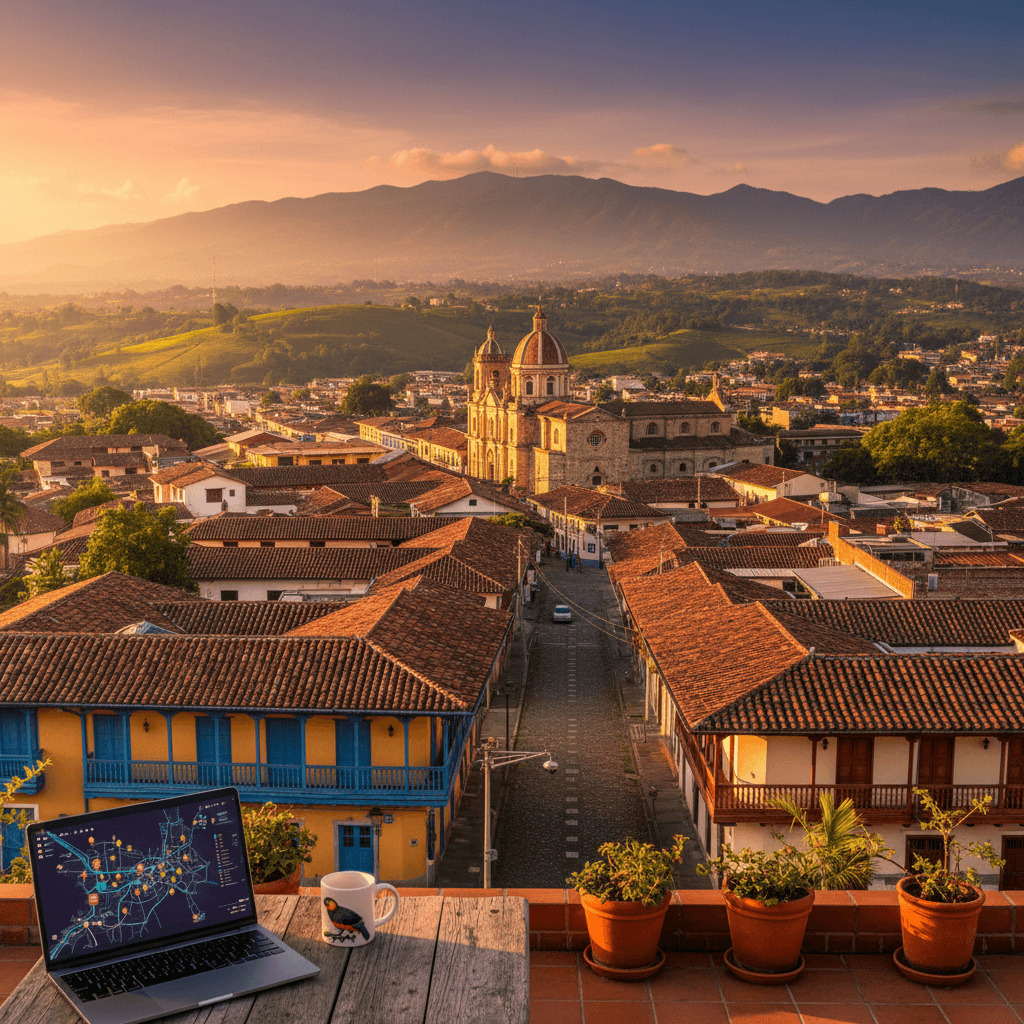
Heredia
🇨🇷 Costa Rica