Grand Baie
🇲🇺 Mauritius
The Pulse of the North
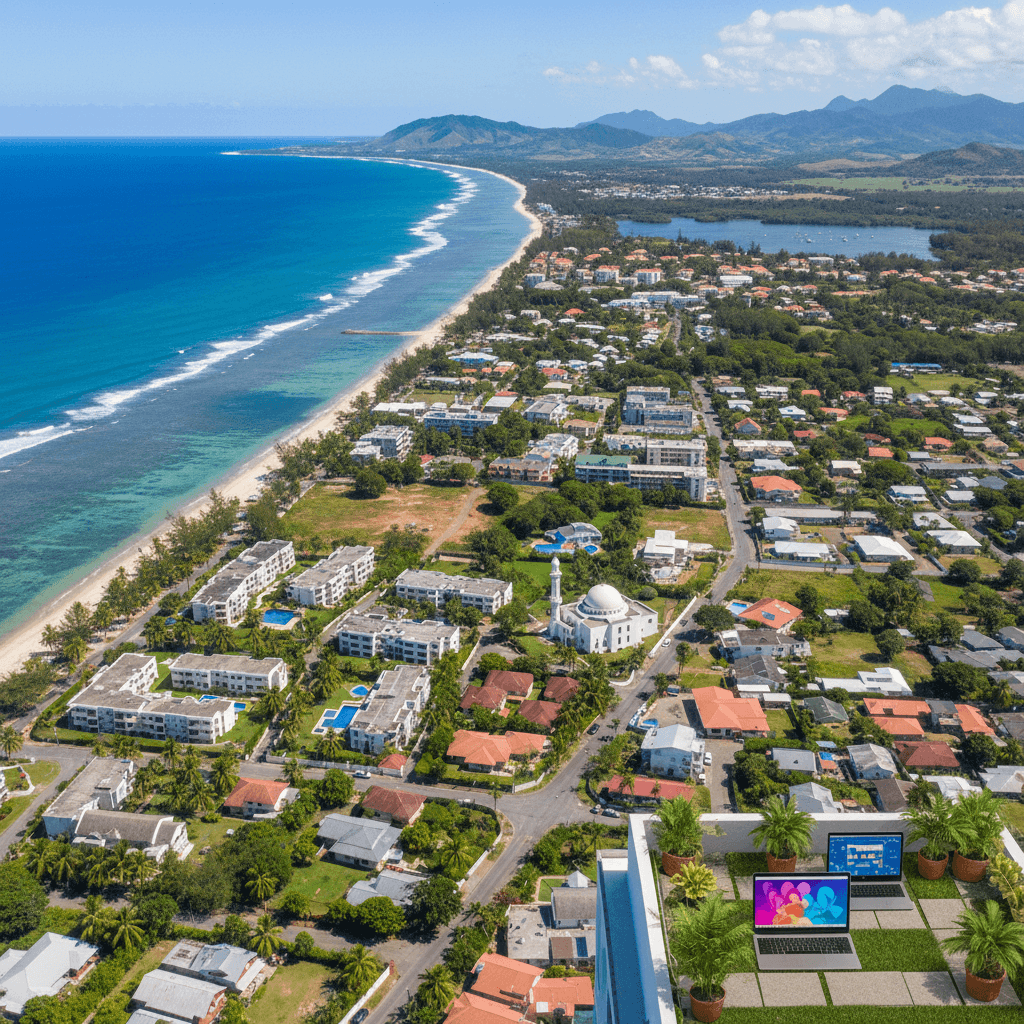
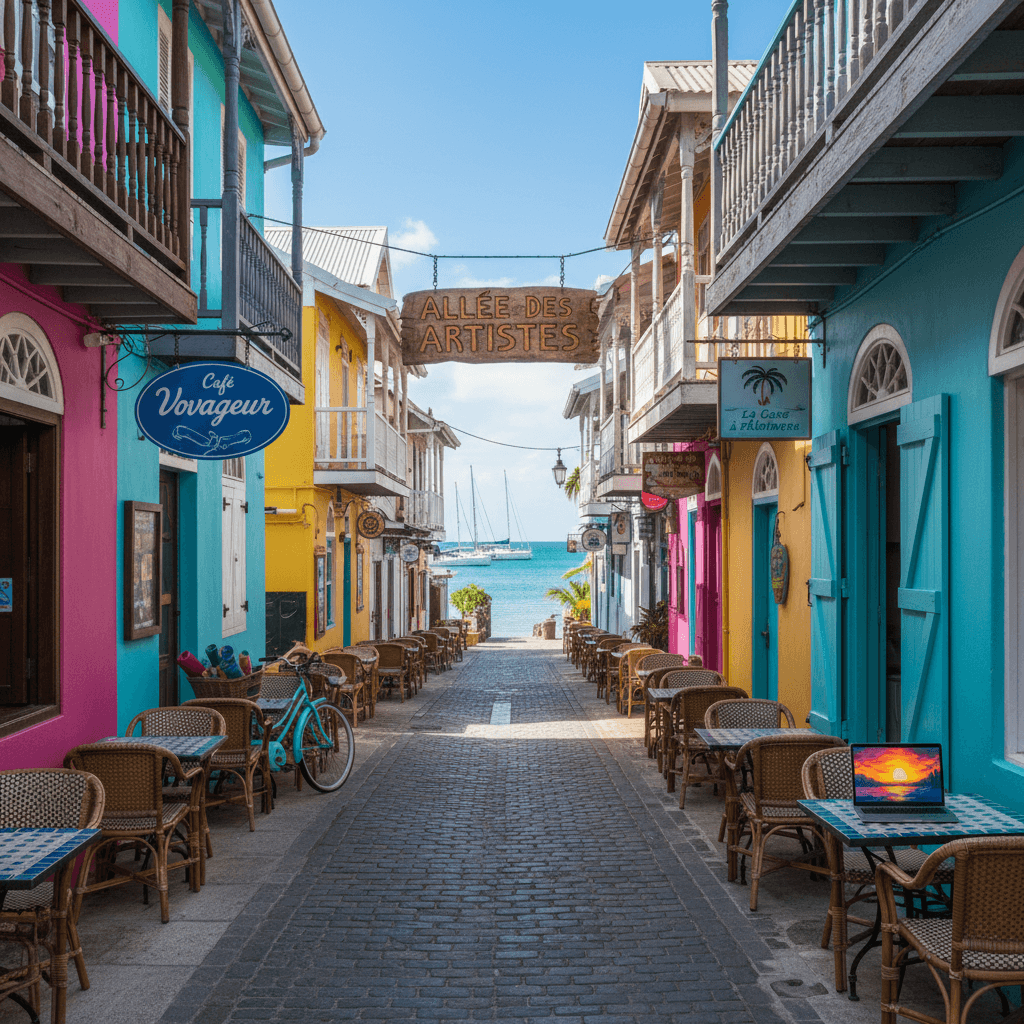
Grand Baie is the undisputed heavyweight of the Mauritian nomad scene. While the rest of the island often feels like a collection of sleepy villages, this northern hub has a distinct energy that blends tropical laziness with a sophisticated expat infrastructure. It is where you go when you want the turquoise lagoons of the Indian Ocean without sacrificing your 10:00 AM espresso or a reliable coworking community.
The vibe here is sun-drenched and social. You'll spend your mornings working from a cafe overlooking the bay and your afternoons deciding between a catamaran trip or a quick swim at Pereybere. It doesn't feel like a corporate hub, yet it’s the most connected spot on the island. The local community is a melting pot of Creole, Indian, and European influences, creating a multicultural backdrop that makes foreigners feel like residents rather than just tourists.
The Cost of Living
Living in the "Saint-Tropez of Mauritius" comes with a price tag, but it’s manageable if you know where to look. On average, nomads spend about $2,233 monthly to maintain a comfortable lifestyle. Here is how that breaks down:
- Housing: A beachfront studio in the center of Grand Baie runs between $800 and $1,200. If you move toward the quieter edges or Cap Malheureux, you can find quality spots for $600 to $900.
- Dining: Street food like dholl puri or samosas will only cost you $3 to $5. A mid-range dinner at a spot like Le Bistrot averages $10 to $15, while upscale resort dining starts at $25.
- Transport: Local buses are a steal at $0.50 to $1 per ride. Many nomads prefer the freedom of a scooter rental for about $20 a day.
Where to Set Up Camp
Choosing a neighborhood depends on how much you value peace versus proximity to the bar scene. Most newcomers start in Grand Baie Proper. It is the heart of the action with the highest concentration of coworking spaces and nightlife, though it can get crowded during peak season. Expect to pay $1,000+ for modern apartments here.
For a more residential feel, Pereybere is just a few minutes north. It’s a favorite for expat families and long-termers who want a great swimming beach and a walkable layout. If you are looking for postcard views and a slower pace, Cap Malheureux offers stunning scenery and more affordable studios in the $600 to $800 range, though you will definitely need a scooter to get into town.
Connectivity and Productivity
Mauritius has made massive strides in internet stability, and Grand Baie is the primary beneficiary. While home WiFi can sometimes be hit or miss depending on the provider, the town boasts over 2,000 hotspots and average speeds of 76 Mbps. Most nomads find that a local Emtel or Mauritius Telecom SIM card with a 30GB package for $20 is the best backup plan.
For dedicated work, coworking hubs in the area offer monthly memberships between $100 and $200. If you prefer the cafe route, The Spot Café is a reliable choice. Many of the local beach hotels also offer day passes for around $10, which usually includes high-speed access and a spot by the pool.
Practical Realities
The biggest draw for long-term stays is the Premium Visa. It is free, can be applied for online via the EDB website, and allows you to stay for up to one year. It’s one of the most frictionless nomad visas globally. Safety is rarely a concern here; the community is welcoming and crime is low, though it’s smart to stay off unlit beaches after dark.
The weather stays around 30°C year-round, but the best window to visit is May through November. This is the "winter" season, meaning it's dry and pleasant. Avoid January through March if you don't like humidity or the occasional tropical cyclone. When you're not working, the social scene revolves around expat bars and weekend boat trips. It’s easy to meet people, especially if you hang out at the popular beach clubs or join local Facebook expat groups. Just remember to drive on the left side of the road and keep a little cash on hand for the local markets.
What Your Wallet Should Expect
Living in the "capital of the North" isn't the cheapest island experience you'll find, but it offers a high quality of life for the price. On average, digital nomads spend about $2,233 monthly to live comfortably here. This figure covers a decent apartment, frequent dining out, and a dedicated workspace. If you're on a tighter budget, you can get by on $1,500 by sticking to local street food and shared housing. For those wanting the full resort lifestyle with beachfront views, plan to budget $3,000 or more.
The Rental Market
Rent is your biggest variable and depends entirely on how close you want to be to the water. In the heart of Grand Baie, a modern one bedroom apartment usually runs between $800 and $1,200. If you move toward the quieter edges or nearby Cap Malheureux, prices drop to a more manageable $600 to $900 range. Many nomads use Nomad Stays to find places with verified WiFi, as home internet speeds can be hit or miss depending on the specific building's infrastructure.
Neighborhood Breakdown
- Grand Baie Proper: Best for those who want to be in the thick of it. You're steps away from the best coworking spaces and nightlife, but you'll pay at least $1,000 for the privilege and deal with more crowds.
- Pereybere: A favorite for expats and families. It’s walkable and has a more relaxed beach vibe than the center, though you'll likely want a scooter to get into town for errands.
- Cap Malheureux: This is the spot for calm and scenic views. Rent is more affordable here, often $600 to $800 for a studio, but the nightlife is nonexistent and you're a 10 minute drive from the action.
- Grand Bay Edges: Ideal for budget travelers. You can find cheaper Airbnbs here, but check the WiFi before booking since coverage varies.
Food and Social Life
Eating out is a highlight of the Mauritian experience. You can grab delicious Creole or Indian street food for $3 to $5, while a meal at a mid range beach restaurant like Le Bistrot will cost around $12 to $15 for a main course. Upscale resort dining easily climbs to $25 and up. For socializing, nomads often gather at The Spot Café or various beach bars. Most people find the social scene easy to break into, especially if you join the active expat groups on Facebook or show up at local coworking hubs.
Staying Connected
Grand Baie is the island's tech hub, boasting speeds around 76 Mbps in many areas. If your home internet feels sluggish, coworking spaces are your best bet, costing between $100 and $200 per month. For mobile data, skip the roaming fees and grab a local SIM from Emtel or Mauritius Telecom at the airport for about $20 to get 30GB of data. Alternatively, a Holafly eSIM is a popular choice for those who want to be connected the second they land.
Getting Around
The center of Grand Baie is quite walkable, but the tropical heat might change your mind quickly. Local buses are incredibly cheap at less than $1 per ride and are a reliable way to get to Port Louis for about $2. For more freedom, nomads recommend renting a scooter for $10 to $20 a day. If you need a car, expect to pay $30 or more daily. Taxis are available but can be pricey; apps like Yugo help keep trip costs between $5 and $10 for local runs.
Healthcare and Safety
Safety is rarely a concern here, though it's smart to avoid unlit beaches after dark. Healthcare is modern and accessible, with facilities like Apollo Bramwell nearby. If you're staying on the Premium Visa, which allows you to work remotely for up to a year, you'll need to show proof of health insurance. Many nomads opt for providers like Genki to satisfy this requirement. In any emergency, dial 999 or 112.
Nomads and Solo Travelers
If you want to be where the heartbeat of the island is, Grand Baie proper is your home base. This is the primary hub for the remote work crowd because it has the highest density of cafes with reliable WiFi and the most active social scene. You can spend your mornings working from The Spot Café or grabbing a daily pass at a local hotel lounge for around $10, then hit the beach by 4:00 PM without ever needing a car.
Living in the center means you are walking distance to the Super U supermarket and the bars along the main strip. Rent here is the highest in the north, usually ranging between $800 and $1,200 for a modern one bedroom apartment. Most nomads find the trade off worth it because they save on transport costs and stay connected to the expat community that gathers for sundowners at the waterfront bars.
- Rent: expect to pay $1,000+ for beachfront or central spots.
- Best for: networking, nightlife, and those who don't want to drive.
- The Drawback: it gets crowded on weekends and the noise from the clubs can carry.
Expats and Long Termers
Just a few minutes up the coast is Pereybere, a neighborhood that feels a bit more "lived in" than the tourist heavy center of Grand Baie. Expats often migrate here because the beaches are arguably better, specifically the stretch of white sand at Pereybere Public Beach. It has a more residential feel with plenty of villas and apartment complexes that offer long term leases for those on the Premium Visa.
While you still have access to great restaurants and a few grocery stores, it is quieter and more spread out. You will likely want to rent a scooter for about $20 a day or use the Yugo app to get into the main town for coworking or major shopping trips. It is the perfect middle ground for someone who wants a community feel without the constant tourist buzz.
- Rent: typically $700 to $1,000 for a comfortable villa or apartment.
- Best for: beach lovers and those staying for 6 to 12 months.
- The Drawback: less walkable than the center; you will feel isolated without a vehicle.
Nature Lovers and Peace Seekers
Cap Malheureux is the postcard version of Mauritius, famous for the red roofed church sitting against the turquoise sea. It is about a 10 minute drive from the center of Grand Baie and offers a much slower pace of life. Travelers who prioritize morning swims and quiet evenings over bar hopping usually settle here. The area is scenic and significantly more affordable for those on a budget.
You can find studios and smaller garden apartments here for $600 to $800. It is a great spot if you are self disciplined with your work and don't mind a shorter social calendar. Just keep in mind that the internet can be hit or miss in older houses, so nomads recommend checking the 76 Mbps speeds before signing a lease.
- Rent: budget friendly at $600 to $800 monthly.
- Best for: photographers, writers, and anyone wanting a quiet tropical retreat.
- The Drawback: very limited dining options; you will be heading into Grand Baie for almost everything.
Budget Conscious Travelers
The "edges" or outskirts of Grand Bay, moving slightly inland or toward the residential backstreets, are where the local deals are found. These areas are less about the view and more about the value. You can find Airbnbs and local guesthouses that cater to solo travelers looking to keep their monthly spend closer to $1,500 total.
While you lose the immediate beach access, you are still only a 15 minute walk or a $0.50 bus ride from the water. It is a practical choice for those who want to use Grand Baie as a launchpad for exploring the rest of the island, like taking day trips to Port Louis or the northern islands, without paying the "beachfront tax" on their rent.
- Rent: the most affordable at $500 to $700.
- Best for: solo travelers on a budget and those who prefer local neighborhoods.
- The Drawback: streets can be poorly lit at night and WiFi quality varies significantly.
The Connectivity Reality
You'll find that Grand Baie is the most reliable corner of the island for staying online. While the national average for broadband hovers around 19 Mbps, the infrastructure in this northern hub is significantly more robust. In the heart of Grand Baie, you can expect speeds hitting 76 Mbps, supported by over 2,000 public hotspots scattered throughout the town center and major shopping areas.
Most nomads find the home internet in Airbnbs or local villas a bit hit or miss. If you're planning on heavy Zoom calls or uploading large files, it's smart to ask for a speed test before booking. Expats often upgrade their home fiber packages through Mauritius Telecom or Emtel to ensure stability, especially during the rainy season when minor outages can happen.
Coworking Spaces and Daily Desks
Grand Baie serves as the unofficial headquarters for the island's remote work community. You aren't just limited to working from your dining table; there are several dedicated spots where the AC is cold and the coffee is strong.
- Workshop17: A high end option that draws a mix of international entrepreneurs and local startups. It's a bit pricier but offers the most reliable backup power on the island.
- Regus: Located in the heart of the northern business district, this space provides a highly professional environment with flexible desk options and meeting rooms.
- Hotel Day Passes: Several beach resorts in Grand Baie proper offer "workation" passes for about $10 a day. This usually gets you a seat in their lounge, high speed WiFi access, and a discount on lunch.
Laptop-Friendly Cafes
If you prefer the hum of a cafe over a quiet office, Grand Baie has plenty of options. Most owners are relaxed about nomads staying for a few hours as long as you keep the orders coming. Banana Café is a popular choice for its central location, though it can get a bit loud as the happy hour crowd rolls in. For a quieter morning, head toward the edges of town where smaller boutique cafes offer more privacy and decent signals.
Mobile Data and SIM Cards
Don't rely solely on WiFi. Local SIM cards are cheap and the 4G coverage in the north is excellent. You can pick up a physical SIM at the airport or in the Super U shopping mall in the center of town. Emtel and Mauritius Telecom are the two main players. A package with 30GB of data will cost you roughly $20.
If you want to hit the ground running, Holafly eSIMs work well here for unlimited data, though they are more expensive than local options. Most nomads use a local SIM as a hotspot backup for those moments when the villa WiFi decides to take a siesta.
Practical Tips for Staying Online
- Power Backups: Power blips can happen during summer storms. If you have a critical meeting, work from a coworking space with a generator or ensure your laptop is fully charged.
- The Premium Visa: This free visa is a game changer for staying 6 to 12 months. Having this paperwork makes it much easier to sign up for long term fiber internet contracts if you're renting a villa.
- Timing: Mauritius is GMT+4. This makes it a dream for those working with European teams, as your afternoon aligns perfectly with their morning. US based workers will find themselves working late nights, which luckily fits well with Grand Baie's evening energy.
Mauritius is consistently ranked as one of the safest countries in Africa, and Grand Baie feels like a relaxed seaside village where the biggest "threat" is usually a falling coconut or a sunburn. The local community is incredibly welcoming toward digital nomads, and the general vibe is one of mutual respect. You can walk through the main tourist strips or the Grand Baie proper center with peace of mind, even after the sun goes down.
Staying Safe on the Ground
While violent crime is extremely rare here, petty theft can happen if you get too complacent. Expats usually suggest keeping an eye on your tech at the beach and ensuring your villa or apartment is locked when you head out for dinner. The only real "no-go" rule is to avoid unlit beaches late at night, particularly in more secluded spots away from the main resort lights. If you are staying on the Grand Bay edges, stick to the main roads when walking home at night or just grab a quick ride via the Yugo app for a few dollars.
Road safety is actually the more practical concern. Traffic moves on the left, and the coastal roads can be narrow with deep drainage ditches on the sides. If you are renting a scooter for $20 a day, wear a helmet and stay alert for stray dogs or buses that tend to claim the middle of the road. If you find yourself in an emergency, dial 999 or 112 for police and medical assistance.
Healthcare Infrastructure
Grand Baie is well-equipped for most medical needs. You will find plenty of well-stocked pharmacies along the Twenty-Foot Road and the main coastal strip that can handle minor ailments or provide over-the-counter essentials. For anything more serious, the private healthcare system in Mauritius is excellent and surprisingly modern.
- Private Hospitals: Most nomads head to Apollo Bramwell or Fortis Clinique Darne. These facilities feel more like high-end hotels than clinics and have English-speaking specialists for almost everything.
- Costs: A standard consultation with a private GP usually runs between $30 and $50. Specialized tests or ER visits are more, but still affordable compared to US or European private rates.
- Insurance: If you are here on the Premium Visa, having health insurance is a requirement. Most long-term travelers opt for Genki or SafetyWing because they cover the specific needs of remote workers.
Environmental Health
The tap water in Mauritius is generally treated, but most expats and nomads stick to filtered or bottled water to avoid any stomach upsets, especially when first arriving. The tropical sun is intense, particularly between November and April, so high-SPF sunscreen is a daily requirement rather than an option. During the cyclone season from January to March, keep an eye on local weather apps; the island has a very structured warning system (Levels 1 through 4) that dictates when businesses must close and when it's time to stay indoors.
Overall, the health and safety hurdles in Grand Baie are minimal. Once you have your local Emtel SIM card and your insurance sorted, you can focus on the lifestyle without looking over your shoulder. It is the kind of place where you'll quickly feel like a local rather than a target.
The Daily Commute
In the heart of Grand Baie, you can mostly rely on your own two feet. The central strip is compact enough that if you are staying near the Super U or the waterfront, you can walk to your coworking space, the grocery store, and the beach without much hassle. However, the tropical humidity can make a ten minute walk feel like an hour, so most nomads eventually look for wheels.
For longer hops, the local bus system is surprisingly reliable and incredibly cheap. You can catch a bus from the main terminal to Port Louis for about $2, and shorter rides around the north usually cost between $0.50 and $1. It is a great way to see the coastline, though the buses can get crowded during peak afternoon hours when schools let out.
Apps and Ride-Hailing
You won't find Uber or Lyft here. Instead, download Yugo. It is the local answer to ride-sharing and connects you with licensed taxis. While it is more transparent than haggling on the street, it can still be pricey. Expect to pay between $5 and $10 for short trips within the Grand Baie and Pereybere area. If you are heading out for a night of drinks at the bars near the resorts, Yugo is your safest bet for getting home.
Two Wheels or Four?
If you want true freedom, rent a scooter. It is the unofficial nomad vehicle of choice in the north. You can usually find a decent rental for about $20 a day, though you can negotiate a much better rate if you are booking for a full month. Scooters allow you to bypass the occasional traffic jams on the coastal road and make parking at crowded spots like La Cuvette beach a breeze.
For those who prefer air conditioning, car rentals start around $30 per day. Just remember that they drive on the left side of the road here. The roads are generally well maintained, but they are narrow and often shared with stray dogs, pedestrians, and the occasional fruit cart.
- Scooter Rental: $10 to $25 per day depending on the term.
- Car Rental: $30+ per day.
- Bicycle: $10 per day, though best kept for side streets rather than main roads.
Getting to and from the Airport
Sir Seewoosagur Ramgoolam International Airport is on the opposite side of the island. The drive to Grand Baie takes about 90 minutes depending on the traffic through Port Louis. A taxi will set you back roughly $50. Many nomads recommend booking a transfer in advance through your accommodation or using a dedicated airport shuttle service to avoid the premium rates charged at the terminal arrivals gate.
Pro Tips for the Road
While the island is small, travel times can be deceptive. If you are heading south to the Black River Gorges or Le Morne for a weekend hike, leave early to avoid the bottleneck around the capital. Most expats suggest keeping a stash of small change for the bus, as drivers rarely have change for large bills. Also, be aware that while central areas are walkable, the outskirts of Grand Baie lack sidewalks; if you are walking at night, stick to well lit main roads and avoid the beach paths after dark.
The Linguistic Landscape
You won't have any trouble getting your point across in Grand Baie. While the linguistic makeup of Mauritius is a fascinating blend of history and culture, the practical reality for nomads is that English is the official language. It's the primary medium for government, law, and business, so you can easily handle everything from signing a lease to opening a bank account at MCB without a translator.
On the street, however, you'll mostly hear Mauritian Creole (Morisyen). It's the heartbeat of the island, a French based language that evolved over centuries. Most locals are also perfectly fluent in French, which is often the preferred language for media and social conversation. In a tourist hub like Grand Baie, it's common to see people switch between all three languages in a single sentence without missing a beat.
Day to Day Communication
In the shops, cafes, and beach clubs around the Grand Baie proper area, the level of English proficiency is exceptionally high. You can walk into The Banana Beach Club or Sunset Café and order in English with zero friction. The same applies to the service industry; staff at the major resorts and high end restaurants are usually multilingual.
When you head slightly out of the main tourist strip to places like Cap Malheureux or the local markets, leading with a polite "Bonjour" goes a long way. While everyone will likely understand your English, starting a conversation in French or attempting a few words of Creole is a great way to build rapport with the locals. Most nomads find that the community is incredibly welcoming and patient with newcomers.
Useful Creole Phrases
While you don't need to be fluent, knowing a few phrases helps you blend in and shows respect for the local culture. Travelers often find that Google Translate handles Creole reasonably well for basic translations. Here are a few basics to get you started:
- Bonzur: Hello (pronounced like the French Bonjour)
- Ki manyer?: How are you?
- Korek: I'm good/Everything is fine.
- Mersi: Thank you.
- Ena enn latab pou de dimoun?: Do you have a table for two?
- Kumans enn taxi?: How much for a taxi?
- S'il vous plaît: Please (French is commonly used for this).
Staying Connected
Communication isn't just about what you say, it's about staying online. For digital nomads, the infrastructure in Grand Baie is quite reliable compared to other island destinations. You'll find 76 Mbps speeds in many parts of the north, though home WiFi can be hit or miss depending on the specific villa or apartment you rent.
Expats recommend getting a local SIM card immediately upon arrival to stay connected while moving between coworking spaces and beach spots. You have two main options:
- Physical SIM: Visit a Mauritius Telecom or Emtel shop. You can usually get 30GB of data for around $20. You'll need your passport and sometimes a proof of address for a post paid plan.
- eSIM: If your phone supports it, a Holafly eSIM is the most convenient way to get unlimited data the moment you land, though it's often pricier than local rates.
- Apps to Download: Make sure you have Yugo or MoRide for booking transport, and WhatsApp, which is the standard for communicating with landlords, tour guides, and new friends you meet at nomad meetups.
If you're planning a longer stay on the Premium Visa, you'll likely want to set up a local mobile contract. This is generally straightforward, provided you have your visa documents and a local bank account. Most nomads find that the combination of a solid data plan and the island's 2,000 plus public hotspots makes working from a beachside cafe in Pereybere a seamless experience.
Tropical Rhythms and the Best Time to Pack
Living in Grand Baie means embracing a climate where the thermometer rarely dips below 20°C, even in the dead of winter. It is a year round destination, but your experience will change significantly depending on whether you land during the humid summer or the crisp, dry winter. Most nomads find the sweet spot falls between May and November, when the air is cooler and the rain is scarce.
The summer season runs from November to April. During these months, temperatures frequently hit 30°C to 32°C. It is incredibly humid, which can make a walk to the grocery store feel like a workout. This is also the period when the island faces cyclone risks, particularly from January to March. While modern infrastructure in the North handles storms well, you can expect heavy downpours that might disrupt your beach plans or outdoor coworking sessions.
Expats generally prefer the winter months, from May to October. The mercury stays between a comfortable 22°C and 28°C. The humidity drops, the skies stay a piercing blue, and the mosquitoes are far less aggressive. It is the ideal time for trekking near Cap Malheureux or spending long afternoons at a cafe without needing the air conditioning on full blast.
Seasonal Breakdown for Nomads
- High Season (December to March): Expect the highest prices for Airbnbs and beachfront rentals. It is hot, wet, and crowded with holiday travelers. While the energy is high, the $1,200 monthly rents for prime spots can bite into a budget.
- Shoulder Season (April to June, September to November): These are the golden windows. The weather is transitioning, prices stabilize, and the water remains warm enough for diving and snorkeling without a thick wetsuit.
- Low Season (July and August): This is the peak of the Mauritian winter. While locals might wear light jackets, you will likely find it perfect for working outdoors. It is the cheapest time to negotiate long term stays in Pereybere or the edges of Grand Baie.
What to Pack for the North
Since Grand Baie is the "capital of the North," the vibe is casual but slightly more polished than the rugged south. You will want breathable linens and cottons for the 30°C summer days. If you are visiting during the winter, pack a light sweater or a windbreaker. The coastal breezes can feel surprisingly chilly once the sun sets, especially if you are grabbing a drink at a resort bar or riding a scooter back from a late dinner.
Don't forget sturdy footwear if you plan on exploring the northern islets or hiking. While the main strip is walkable, the terrain gets uneven quickly once you head toward the quieter residential pockets. Most importantly, bring a high quality surge protector. Even in a developed hub like Grand Baie, tropical storms can cause minor power fluctuations that you don't want your laptop to experience.
The Cyclone Factor
If you choose to stay during the wet season, keep an eye on local weather apps or the Mauritius Meteorological Services website. Cyclones are a part of life here, and the island has a very organized warning system ranging from Class 1 to Class 4. Most nomads use this time to hunker down with a good book or catch up on deep work, as businesses typically close during higher warning levels. It is a unique island experience, but one that requires a bit of flexibility in your schedule.
Getting Settled and Staying Connected
Most nomads land at Sir Seewoosagur Ramgoolam International Airport and head straight for the North. It is about a 1.5 hour taxi ride that costs roughly $50. To hit the ground running, grab a local SIM card from Emtel or Mauritius Telecom at the arrivals hall; $20 usually gets you 30GB of data. If you prefer the convenience of an eSIM, Holafly works well here too.
Grand Baie is the island's tech hub, boasting speeds around 76 Mbps in central areas. While home internet can be hit or miss, the coworking scene is solid. Expect to pay between $100 and $200 a month for a dedicated desk. The Spot Café and Le Bistrot are popular for those who prefer a laptop and coffee vibe, though many expats simply buy a $10 day pass at beach hotels to use their high speed networks and pools.
Cost of Living and Neighborhoods
Living the tropical life here averages about $2,233 per month. You can scrape by on $1,500 if you stick to street food and shared housing, but $3,000 buys a comfortable beachfront lifestyle. Rent varies significantly depending on how close you are to the water.
Grand Baie Proper
- Best for: Social butterflies and car free living.
- Monthly Rent: $800 to $1,200 for a studio.
- The Vibe: Everything is walkable, from the nightlife to the coworking hubs, but it gets crowded on weekends.
Pereybere
- Best for: Families and long term expats.
- Monthly Rent: $700 to $1,000 for a villa.
- The Vibe: A quieter, more residential feel with one of the best swimming beaches in the north.
Cap Malheureux
- Best for: Peace seekers and budget conscious nomads.
- Monthly Rent: $600 to $800 for scenic studios.
- The Vibe: Stunning views of the northern islands, though you will definitely need a scooter to get into town.
Getting Around
Central Grand Baie is walkable, but the heat often makes a 10 minute stroll feel like a marathon. Local buses are a steal at under $1 and can get you to Port Louis for about $2. For daily flexibility, most nomads rent a scooter for $20 a day or use the Yugo app for ride hailing, which typically costs $5 to $10 per trip. Remember, they drive on the left here.
The Premium Visa
The biggest draw for remote workers is the Premium Visa. It is free, applied for online through the EDB Mauritius website, and lets you stay for up to one year. You just need to prove you earn your income from abroad and have travel insurance like Genki. Once you have this visa, you can even open a local bank account at MCB to make local payments easier.
Eating and Socializing
Food is a highlight of the northern experience. Street food like dholl puri costs $3 to $5, while a mid range dinner for two at a Creole spot will run you about $25. If you are looking to meet people, join the active expat Facebook groups or head to the beach bars at sunset. The community is welcoming, and since English and French are spoken fluently by almost everyone, you will have no trouble making friends.
Weather and Safety
Mauritius is generally very safe, though it is smart to avoid unlit beaches after dark. Health services are modern, with Apollo Bramwell being the go to hospital for major issues. Timing your stay is key; the best weather happens between May and November when it is dry and pleasant. Try to avoid January through March unless you enjoy high humidity and the occasional cyclone warning.
Need visa and immigration info for Mauritius?
🇲🇺 View Mauritius Country GuideEasy Landing
Settle in, no stress
Monthly Budget Estimates
More cities in Mauritius
Port Louis
🇲🇺 Mauritius
Saint-Denis
🇲🇺 Mauritius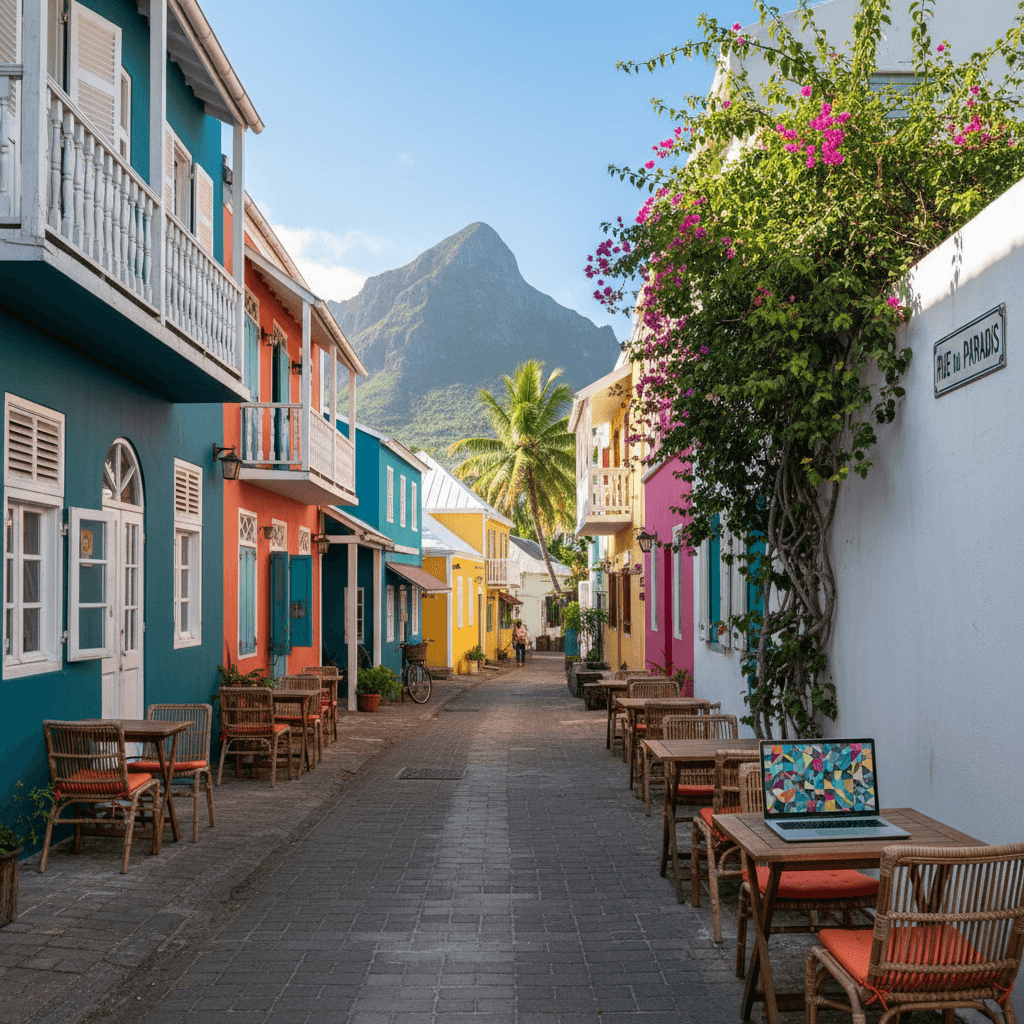
Le Morne
🇲🇺 Mauritius