George Town
🇲🇾 Malaysia
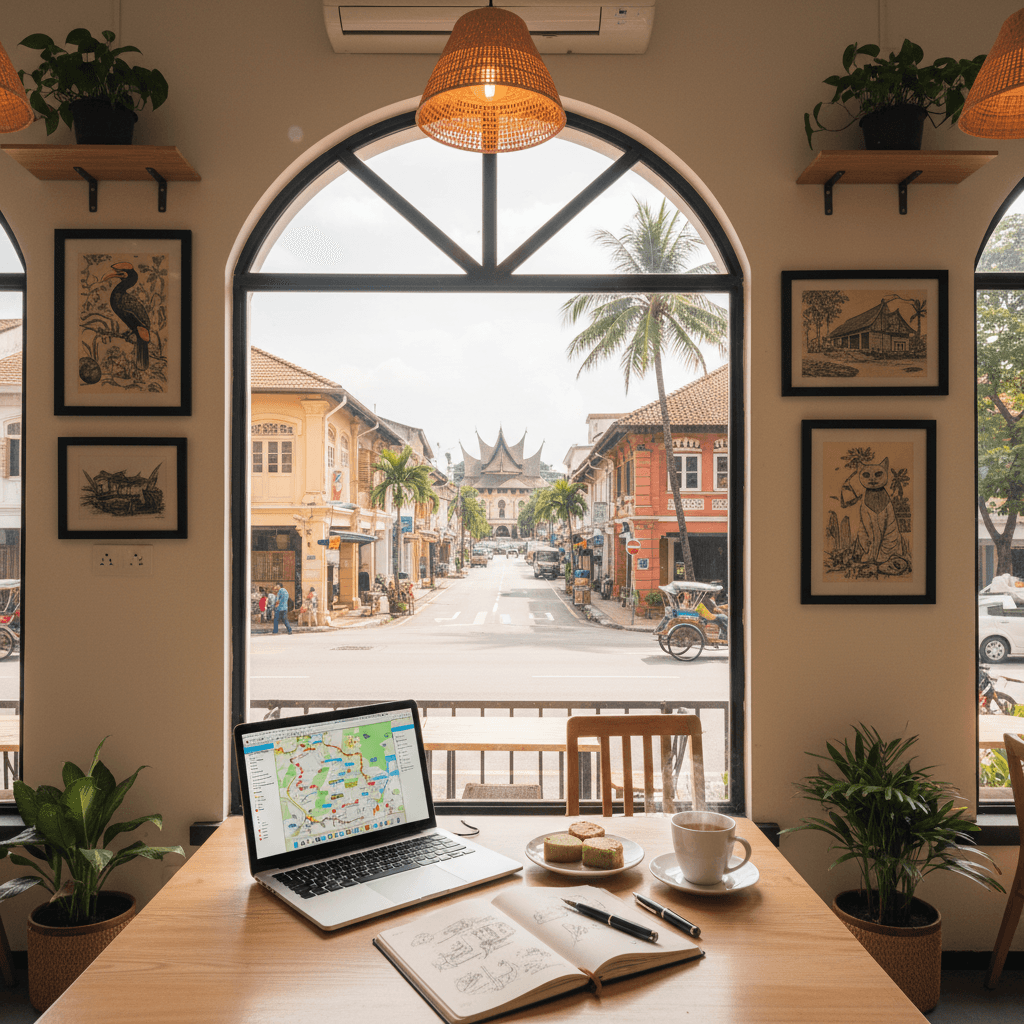
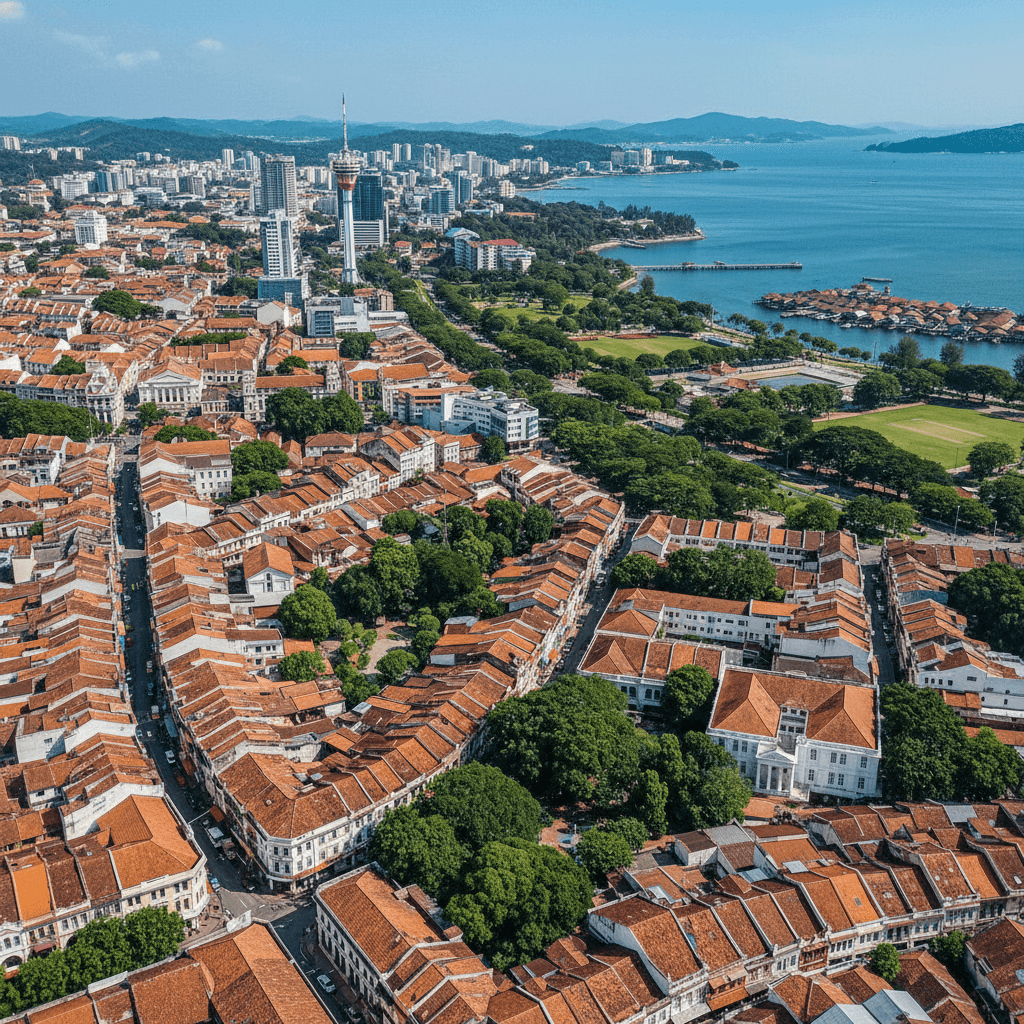
George Town feels like a place where old shop houses, scooter horns and the smell of char kway teow all share the same street. The pace is slow enough for long coffees, but not sleepy and the mix of Malay, Chinese, Indian and colonial influences gives the city a texture that feels lived in, not staged. Honestly, that’s the draw, it’s easy to work here, then step outside and end up in a hawker center instead of a mall.
The city is especially good for nomads who want low costs without losing comfort. Street food is cheap, English is widely spoken and the cafe scene is strong, so you can bounce between a proper workspace and a kopi break without much friction. The downside is real too, humidity clings to your skin, traffic can choke the main roads and haze from regional fires sometimes hangs in the air like a dirty curtain.
George Town’s center is the best base if you want walkability and energy. Pulau Tikus feels more settled and residential, while Batu Ferringhi is beachier but too far out for many remote workers and Tanjung Bungah is quieter and more local, which, surprisingly, suits long stays better than it sounds.
Where nomads usually stay
- George Town city center: Best for first-timers, food runs and coworking, though it gets noisy at night.
- Pulau Tikus: Quieter, practical and close to Gurney Plaza, with a more expat-heavy feel.
- Tanjung Bungah: Residential and calmer, good if you want lower-key mornings and fewer tourists.
- Batu Ferringhi: Beach access and resort life, but the commute back to town can get old fast.
Internet is solid, honestly better than a lot of people expect. Fiber speeds of 100 Mbps and up are common in coworking spaces and many cafes and places like Common Ground in Pulau Tikus, @CAT Penang in the center and Black Kettle on Beach Street keep nomads happy with decent coffee, outlets and a place to sit for hours without being rushed.
Costs stay friendly if you’re not trying to live like a tourist. A decent studio in the center can run RM 800 to 1,500, Grab rides are usually RM 3 to 8 and lunch from a hawker stall might cost RM 5 to 8, which feels borderline absurd once you’ve eaten there a few days in a row. Not expensive. Not at all.
There’s a practical comfort here that matters. Hospitals are good, pharmacies are everywhere and the city feels safe enough for normal urban common sense, though you still don’t leave your laptop on a cafe chair and wander off for a smoke. That part’s standard and the petty theft risk is the main thing to keep in mind.
George Town is cheap, but not tiny-budget cheap if you want comfort. A solo nomad can scrape by on street food, a room and buses, though air-con, cafe hopping and a decent apartment push the bill up fast, honestly. The humidity sticks to your skin, the fan hums all night and you’ll notice every extra ringgit once you’re paying for cooling.
Typical monthly costs
- Rent, city center: RM 800 to 1,500 for a studio or 1BR
- Rent, outside center: RM 600 to 1,000
- Serviced apartment: RM 1,200 to 2,000, usually furnished and easier for short stays
- Street food meal: RM 5 to 8 for laksa, nasi kandar or char kway teow
- Cafe coffee: RM 8 to 15 and yes, the nicer spots charge it
- Coworking: RM 299 to 899, depending on how fancy you go
- SIM with data: RM 30 to 60 for unlimited plans
Food is where George Town feels like a cheat code. A hawker dinner can cost less than a bottled drink in some Western cities and most nomads end up eating out more than they cook because it’s easier, cheaper and the stalls smell better than most apartments. The downside? Lunch crowds, honking scooters and the odd plastic chair that wobbles on hot pavement.
Where people usually stay
- George Town city center: Best for first-timers, walkability and heritage streets
- Pulau Tikus: Quieter, more residential, good for longer stays
- Batu Ferringhi: Beachy, but far from the action and coworking spots
- Tanjung Bungah: More local and cheaper, though nightlife is thin
If you want the easiest nomad setup, stay in the city center and skip the beach fantasy unless you really plan to work by the sea. The center has the strongest cafe scene, more Grab cars and better access to places like @CAT Penang, Common Ground in Pulau Tikus and Black Kettle for cafe work, which, surprisingly, still happens even when the pastries disappear by noon.
Most people spend around RM 50 to 100 a month on transport if they use buses and Grab sensibly. Ride-hailing trips are usually RM 3 to 8, so short hops stay painless, though peak-hour traffic can make a two-kilometer ride feel weirdly pointless.
Budget tier: RM 1,800 to 2,500 a month if you’re frugal and don’t mind a simple room. Mid-range: RM 3,500 to 5,500 if you want your own place, cafe workdays and the occasional nicer dinner. That’s the real cost.
Digital nomads
Stay in the George Town city center if you want the easiest workday, because the cafes, coworking spots and hawker stalls are all within a short walk and the street noise, honking scooters and lunch-hour chatter mean you’ll never feel bored or fully rested. @CAT Penang, INFINITY8 Reserve and Black Kettle are the names people actually use.
This area is busy, frankly and it can get sticky fast when the humidity settles in, but most nomads still pick it because you can roll out of bed, grab kopi, answer emails, then eat char kway teow for under RM 10. Internet is usually solid and power cuts aren’t the norm.
Expats
Pulau Tikus is the easy answer for expats who want a calmer base without giving up good food or access to town and honestly, it feels more lived-in than touristy. You’ll find cafes, clinics and everyday shops here, plus a shorter hop to Gurney Plaza when you need groceries, a haircut or air-conditioning that isn’t wheezing.
Common Ground sits here, so working nearby makes life simpler and apartments in this area usually run RM 800 to RM 1,500 for a one-bedroom if you’re not chasing a fancy tower. It’s quieter at night, though traffic along the main roads can still crawl.
Families
For families, Batu Ferringhi makes sense if you want beach access and resort-style space, because kids can burn energy on the sand while adults get a bit of breathing room. The tradeoff is real, since you’re 30-plus minutes from the city center and you’ll probably rely on Grab more than you’d like.
Tanjung Bungah is the safer budget pick, weirdly overlooked by people who only want postcards and that works in your favor. It’s residential, less noisy and better for long stays, with more local life, fewer tourists and rent that tends to sit lower than the beach strip.
Solo travelers
Solo travelers usually do best in the city center, because it’s walkable, well lit in the main streets and easy to navigate alone after dinner, even when the air feels heavy and the smell of fried noodles hangs over the drains. Petty theft can happen, so don’t leave your phone on the table and wander off.
If you want a quieter solo base, Pulau Tikus works too and it’s less chaotic when the rain starts hammering the roofs and the traffic stalls. Skip the resort zones unless beach time is your main goal, because they’re pleasant but sleepy and you’ll get tired of that faster than you think.
George Town’s internet is, honestly, better than a lot of people expect. In the city center, fiber is common, coworking spaces usually push 100+ Mbps and home broadband often lands around 50 to 100 Mbps for RM 80 to RM 150 a month, so video calls rarely turn into a disaster unless you’re on a flaky café connection during lunch rush.
The real annoyance isn’t speed, it’s humidity and power-hungry laptop life, because you’ll feel the air turn wet the second you step outside, then walk back into cold tile-floored spaces that blast AC hard enough to make your hands stiff. Still, most nomads find the connection stable enough for client work, uploads and heavy browsing.
Best Coworking Spaces
- Common Ground, Pulau Tikus: RM 399 to RM 899/month, huge 18,000-square-foot setup, in-house cafe, free coffee, weekly events and proper fiber. It’s pricier, but it feels polished.
- @CAT Penang, city center: Flexible passes, strong community vibe and a great location if you want heritage streets outside your door. The space draws entrepreneurs and honestly, that shows in the energy.
- M Summit, Jalan Magazine: Day passes available, 24-hour access, fast internet, plus pool and gym access. Weirdly useful if you work odd hours.
- ConnectNow, Jalan Macalister: RM 299 to RM 499/month, modern design, collaborative feel and serviced office options if you need a quieter setup.
- INFINITY8 Reserve and Regus: Good for private offices, meeting rooms and client-facing work, though Regus at Menara Boustead is the most corporate choice, with day access around RM 30.
Cafes are a big part of the scene and Black Kettle on Beach Street is one of the safer bets for a long work session thanks to strong WiFi, power outlets and enough background clatter, cups, chairs scraping, the smell of butter and espresso, to keep you awake without being obnoxious. Don’t expect every pretty café to be work-friendly, some will smile politely, then glare when you open a laptop.
SIM Cards and Backup Data
- Providers: Maxis, Celcom, Digi and U Mobile all work well around town.
- Unlimited plans: Usually RM 30 to RM 60/month, which is cheap insurance for hotspot days.
- Where to buy: Airport kiosks, convenience stores and mobile shops across the city.
If you’re staying a while, grab a local SIM on day one, because Grab, Google Maps and basic streaming all get easier once you’re on Malaysian data. Most coworking spots and decent cafes offer backup WiFi, so you’re rarely stuck, but the smart move is to keep one mobile plan ready anyway.
George Town feels safe in the day and most nomads move around without much fuss. Petty theft is the main headache, so keep your phone zipped away at Gurney Drive, don’t leave a laptop on a cafe table and be a little more alert in crowded market lanes where the smell of fried noodles, exhaust and wet pavement all mix together.
Violent crime is rare, which is reassuring, but the usual city rules still apply. At night, stick to brighter streets in the heritage core, use Grab instead of wandering far on foot and if a place looks deserted or awkwardly quiet, trust that instinct.
Solo women usually report feeling comfortable here, though late-night shortcuts through back lanes aren’t smart anywhere. Honestly, the city isn’t dangerous, it’s just easy to get careless when the streets feel familiar and the humidity’s making you lazy.
Hospitals people actually use
- Gleneagles Hospital Penang: One of the first places expats mention, clean, private and used to international patients.
- Island Hospital: Big tertiary hospital on Macalister Road, with an emergency department and strong specialist care, though it can feel busy and a bit impersonal.
- Penang Adventist Hospital: Popular for private care and English-speaking staff, especially if you want a smoother admin process.
- Pantai Hospital Penang: In Bayan Baru, handy if you’re staying farther south and don’t want to cross the island in traffic.
Healthcare here is one of Penang’s strongest cards. You’ll find English-speaking staff, decent private hospitals and prices that, weirdly, still feel sane after you’ve seen bills in the US or Singapore, though you should still get travel insurance if you don’t want a nasty surprise.
Pharmacies are everywhere, staff are generally helpful and common medicines are often available without a prescription. For minor stuff, the pharmacist is usually your fastest fix, for anything serious, go straight to an ER instead of trying to tough it out in your hotel room with the fan blasting warm air.
If it turns into an emergency, call 999 or head directly to the nearest hospital emergency room. Keep your passport copy, insurance details and any medication list on your phone, because paperwork slows down fast once you’re tired, sweaty and trying to explain symptoms in a fluorescent lobby.
George Town is easy to get around, but the rhythm changes fast once the school run or dinner rush kicks in and then the roads start coughing up honks, buses, scooters and a bit of exhaust. In the center, you can walk a lot of it, honestly and that’s how most nomads handle the day-to-day errands anyway.
Walkability: The heritage core is the best part of town to explore on foot, with cafes, street art, temples and food stalls packed into a small area, usually within 1 to 2 km of each other. Bring decent shoes, because the heat hits hard, the pavements can be uneven and the afternoon humidity sticks to you like wet cloth.
Buses: Rapid Penang buses are cheap and cover most of the island, with fares around RM 1.20 to RM 3 per ride. They work fine for longer hops, though timings can feel loose and, weirdly, you’ll sometimes wait longer than you expected even when the stop looks busy.
- Monthly pass: RM 50 to RM 100
- Typical trip: RM 1.20 to RM 3
- Best for: Cross-town trips and budget days
Grab: This is the default choice for most visitors, because rides are usually RM 3 to RM 15, depending on distance and traffic. It’s quick, cheap and far less annoying than waiting around in the rain, though peak-hour jams can turn a 10-minute ride into a slow crawl past shophouses and food courts.
Taxis: You can hail them or book them, but Grab tends to be simpler and usually cheaper. Metered taxis exist, still, many travelers say they only bother when Grab supply is thin or they need a last-minute ride from the ferry or airport.
- Short ride-hailing trip: RM 5 to RM 8
- Longer city trip: RM 10 to RM 15
- Airport run: Often pricier, depending on time
Best setup: Stay in George Town city center if you want to walk, eat and work without thinking about transport. Pulau Tikus is a bit calmer and Batu Ferringhi or Tanjung Bungah make sense only if you’re fine trading convenience for beach access and a lot more riding around.
If you’re here for more than a week, download Grab, keep some cash for buses and don’t assume every trip needs a car. The roads get clogged, rain comes down fast and getting stuck behind a queue of scooters in the heat is nobody’s idea of fun.
George Town’s English level is high enough that most visitors get by fine, but you’ll still hear Hokkien, Malay, Tamil and plenty of local code-switching on the street. Menus are often in English, shopkeepers usually understand it and Grab drivers rarely need much explaining, though a few blunt phrases in Malay go a long way when you’re buying food or sorting a ride. The city sounds busy, honking scooters, hawker calls, ceiling fans humming, rain hammering tin roofs and the air smells like soy sauce, char kway teow smoke and damp heat after lunch.
For basic communication, these help: Terima kasih for thank you, berapa? for how much and tak nak if you don’t want something. People don’t expect fluency, so don’t overthink it and honestly, a smile plus a point at the menu usually works. Taxi drivers and older shopkeepers may speak less English than cafe staff in the heritage core, so keep addresses in text form and pin your destination before you leave WiFi.
What works well
- English: Widely spoken in cafes, coworking spaces, hotels, hospitals and most tourist-facing businesses.
- Apps: Grab is the one to download first, because it handles rides, food and payment without awkward haggling.
- Hospitality staff: Front desks, pharmacists and clinic staff usually communicate clearly, which, surprisingly, makes errands painless.
Where friction shows up
- Food stalls: Fast, local and sometimes brusque, so speak clearly and keep your order short.
- Older neighborhoods: Some aunties and uncles prefer Malay or Hokkien, though they’ll usually meet you halfway.
- Phones and data: Reception can dip in older buildings, so save screenshots of your booking details and address.
If you’re working remotely, George Town is easy, but not friction-free. Cafe WiFi is often strong, coworking spaces like Common Ground, @CAT Penang and M Summit are set up for calls and the city center is walkable, though street noise can wreck a Zoom meeting if you sit too close to open fronts. For important calls, book a private room or stay in a proper coworking space, because the clatter of plates and the scrape of stools on tile floors gets old fast.
Language tip: speak plainly, keep it short and don’t expect people to slow down unless you ask. That’s the standard expectation, not a negotiation tactic and if you need translation, your phone will usually save you, weirdly enough, faster than trying to guess every sign in a humid, noisy, half-chaotic lunch hour.
George Town is hot, sticky and noisy for most of the year, so if you hate sweat that starts before breakfast, plan around that. The sweet spot is usually December to February, when the air still feels heavy but the rain eases up and walking around the heritage streets doesn’t feel like a punishment.
March to May is brutal, honestly. Temperatures climb, humidity hangs on your skin and the afternoon heat can turn a short coffee run into a slow, grumpy shuffle past exhaust fumes, frying oil and the smell of wet pavement after a sudden shower.
The rainy season runs roughly from April to October, with the heaviest downpours often hitting in the afternoons. Weirdly, that can still be a decent time to visit if you’re working remotely, because the city clears out after the rain and the air con in places like Black Kettle, @CAT Penang and Common Ground becomes your best friend.
Best time by travel style
- For the best weather: December to February, less rain, easier walking and better day trips.
- For lower prices: April to June, though the heat can be miserable and showers are common.
- For food crawls and coworking: Any month works, because the city doesn’t really shut down.
- For beach time: December to March, especially if you’re heading to Batu Ferringhi.
Air pollution can also creep in during regional haze events, usually during the dry months and that can make the skyline look washed out and your throat scratchy. If that happens, stay indoors more, check the air quality before long walks and pick a place with strong filtration, not some charming little fan-only guesthouse that sounds romantic until you’re lying awake at 2 a.m. sweating through the sheets.
Most nomads end up loving the shoulder periods, late February to early March or late October to November, because you get fewer crowds and still avoid the worst weather. You’ll still deal with humidity, so pack light clothes, a rain shell and shoes that dry fast, because sudden storms hit hard and the roads can go slick fast.
Best overall: December to February. Most annoying stretch: March to May. Not cheap on comfort. Still very workable, though, if you’re here for food, laptops and long lunches under the ceiling fans.
George Town is easy to live in, but it does have a few quirks. The heat hangs on you by 10 a.m., the sidewalks can be patchy and traffic on Macalister and Gurney gets irritating fast, especially when the buses crawl and Grab prices jump a little. Still, the city center is walkable and most nomads end up building their days around coffee, food and a short hop between neighborhoods.
Money: it stays cheap if you’re sensible. A decent room in the center usually runs RM 800 to 1,500, while a serviced apartment with furniture and utilities included sits closer to RM 1,200 to 2,000 and a lot of travelers, honestly, spend more on food than rent because hawker meals cost RM 5 to 8 and café coffee lands around RM 8 to 15.
Where to Base Yourself
- George Town city center: Best for first-timers, with heritage streets, cafés and coworking spaces nearby, though it gets noisy and touristy.
- Pulau Tikus: Quieter, more residential and close to Common Ground and Gurney Plaza, so it works well if you want a steadier routine.
- Batu Ferringhi: Beach access and resort comforts, but you’ll trade convenience for distance and the commute into town gets old.
- Tanjung Bungah: Good for longer stays, less polished, but cheaper and more local.
The internet is, weirdly, one of the easiest parts of living here. Fiber speeds of 100 Mbps or more are common in coworking spaces and home broadband usually costs RM 80 to 150, so most people just grab a SIM from Maxis, Celcom, Digi or U Mobile and stop thinking about it.
Coworking: common choices include Common Ground in Pulau Tikus, @CAT Penang in the city center, M Summit on Jalan Magazine and ConnectNow on Jalan Macalister. Black Kettle on Beach Street is also popular for laptop days, though it gets busy and the clatter of plates, espresso shots and chatter can be distracting if you need total quiet.
Safety is pretty manageable. Petty theft happens, so don’t leave your phone on a café table and wander off, but violent crime is low, women usually report feeling fine moving around alone and the bigger annoyance is the occasional scooter honking past your elbow on a narrow lane.
Healthcare is strong and frankly, that matters if you’re staying longer than a week. Gleneagles, Island Hospital and Penang Adventist all have solid reputations, pharmacies are everywhere and staff usually speak English, so if you get sick, you won’t be stuck deciphering much. Call 999 for emergencies, then head straight to the nearest ER.
Getting around is simple. Grab works well, buses are cheap at about RM 1.20 to 3 and most trips inside town cost RM 3 to 8, which is convenient until rain slams down on the road and the whole island slows to a dull, humid grind.
Need visa and immigration info for Malaysia?
🇲🇾 View Malaysia Country GuideEasy Landing
Settle in, no stress
Monthly Budget Estimates
More cities in Malaysia
Miri
🇲🇾 Malaysia
Canggu (Batu Ferringhi/Penang)
🇲🇾 Malaysia
Putrajaya
🇲🇾 Malaysia