Gabala
🇦🇿 Azerbaijan
The Nature Lover’s Escape
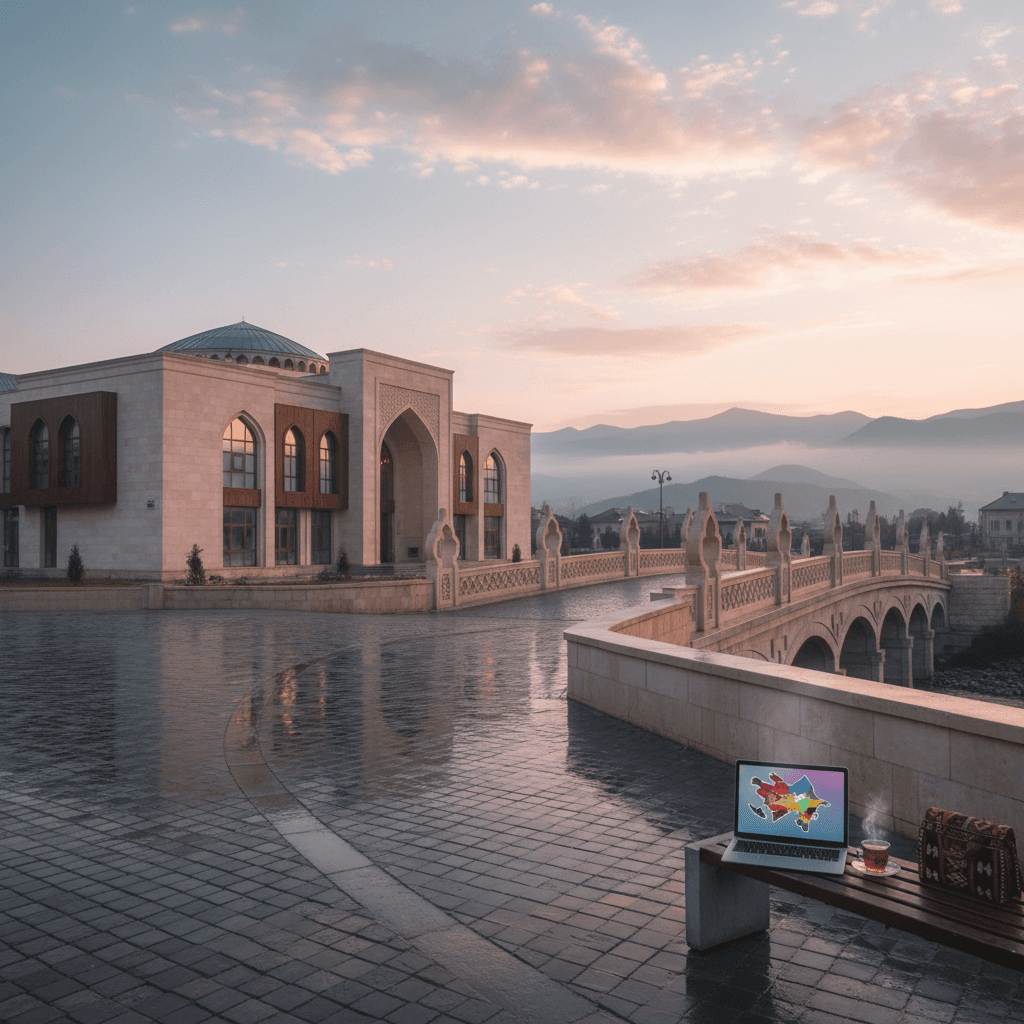
If Baku is Azerbaijan’s high-octane, glass-and-steel heart, Gabala is its deep, steady breath. Tucked into the foothills of the Greater Caucasus, this isn't the place you come to scale a startup or network at high-profile tech mixers. Instead, nomads head here when the urban grind of the capital starts to feel a bit too loud. It’s a landscape of dense walnut forests, sudden waterfalls, and craggy peaks that look like they’ve been pulled straight from a postcard of the Swiss Alps, but with a distinctly Silk Road soul.
The vibe is slow, rural, and unapologetically quiet. You’ll find yourself trading late-night bars for sunset hikes and high-speed fiber for the occasional spotty connection in a mountainside cafe. It’s a trade-off that appeals to a specific kind of traveler: the one who finds inspiration in ancient Albanian ruins and the smell of woodsmoke rather than the hum of a coworking space. In the summer, the air cools down and the Gabala Music Festival brings a touch of high culture to the mountains, but for most of the year, it’s just you and the wilderness.
Cost of Living & Logistics
Gabala is remarkably easy on the wallet, especially if you’ve been spending time in more expensive European hubs. While it lacks the formal nomad infrastructure of Baku, your money goes significantly further here. Most expats find that a comfortable life costs roughly 1,500 to 2,000 AZN per month, though you can easily survive on 1,000 AZN if you stick to local markets and modest apartments.
- Rent: A decent one-bedroom apartment near the town center usually runs between 200 and 400 AZN per month. For those wanting luxury, resort-style villas near Tufandag cost more but offer better amenities.
- Dining: You can grab street food like fresh qutab or kebabs for 3 to 5 AZN. A sit-down dinner at a mid-range spot costs about 10 to 15 AZN.
- Connectivity: This is the catch. Internet speeds in Gabala hover between 1 and 10 Mbps in many local spots. Expats recommend grabbing an Azercell SIM card for about 10 to 20 AZN to ensure you have a reliable hotspot for Zoom calls.
Where to Plant Your Roots
The town doesn't have clearly defined "expat neighborhoods," but where you stay depends entirely on your tolerance for isolation. Central Gabala is the best bet for solo nomads. It’s walkable, close to the local markets, and near the Archeological Centre. You’ll be surrounded by history, though the apartment stock can be a bit basic.
For those moving with family or seeking a bit more comfort, the Resort Areas near the Tufandag Ski Resort are the gold standard. You’ll have better access to hotel gyms and higher-end dining, though it feels less like a community and more like a holiday destination. If you’re truly looking to disappear, the Outskirts and surrounding villages offer total peace and proximity to hiking trails, but you’ll definitely need a car or a reliable taxi contact to get anything done.
The Daily Rhythm
Life here follows the seasons. In the winter, the town buzzes with skiers hitting the slopes at Tufandag. From May to October, the hiking trails open up and the temperature stays a pleasant 15 to 25°C. Locals are incredibly welcoming, often inviting travelers for tea, though you’ll want Google Translate handy as English proficiency is low outside of the main resorts. It’s a place where you’ll learn the value of "slow travel," spending your mornings working from a hotel lobby and your afternoons exploring 4th-century temples or the ruins of the ancient Albanian gate.
The Affordability Advantage
Gabala is where your budget finally gets a chance to breathe. While Baku has seen prices climb in recent years, this mountain retreat remains significantly cheaper for those who don't mind a slower pace. Most nomads find they can live a high quality life here for about 1,500 to 2,000 AZN per month, which covers a comfortable apartment, plenty of local dining, and weekend trips into the Caucasus.
If you're on a strict budget, it's entirely possible to get by on 800 to 1,200 AZN if you stick to local guesthouses and the vibrant street food scene. On the flip side, if you want the full resort experience near Tufandag with high end amenities, expect to budget 2,500 AZN or more. Cash is still king in the local markets and smaller shops, so keep your Wise or Revolut card handy for ATM withdrawals in the town center.
Housing and Neighborhoods
Rent is the biggest saver here. You won't find a massive Airbnb inventory, so expats recommend checking Lalafo.az or local Facebook groups to find the best deals. A solid one bedroom apartment in a central area usually runs between 200 and 400 AZN per month.
- Central Gabala: This is the heart of the action. It's walkable, close to the Archeological Centre, and puts you near the main markets. It's the best spot for solo travelers who want to be near the few cafes that offer decent Wi-Fi.
- Tufandag Resort Area: Located higher up the slopes, this area is pricier and caters more to families and seasonal tourists. It's great for nature access, but you'll pay a premium for the views and proximity to the ski lifts.
- The Outskirts: For those who truly want to disconnect, the surrounding villages offer extreme peace and proximity to ancient ruins. However, transport is spotty and you'll definitely need a car or a reliable taxi contact.
Eating and Socializing
Food costs are impressively low if you eat like a local. A quick stop for street food like fresh qutab or a simple kebab will cost you about 3 to 5 AZN. For a proper sit down meal at a mid range restaurant, expect to pay 10 to 15 AZN per person. Even the upscale resort dining rooms rarely cross the 30 AZN mark unless you're ordering premium imported spirits.
Entertainment is mostly nature based, which keeps the "fun" budget low. A local bus ride is just 1 to 2 AZN, and short taxi hops via Bolt or Yandex Go (which have limited but growing availability) usually cost between 5 and 10 AZN. If you're heading up to the mountains, a bike or scooter rental will set you back about 10 AZN for the day.
The Connectivity Trade-off
Working from Gabala requires some planning. There aren't any dedicated coworking spaces yet, so most nomads set up shop in hotel lobbies or cafes. You should budget about 10 to 20 AZN per day for "rent" in the form of coffee and snacks. For a reliable connection, skip the public Wi-Fi and grab an Azercell SIM card for about 20 AZN. It offers the best coverage in the region, though speeds can still fluctuate between 1 and 10 Mbps depending on how deep you are in the valley.
Most travelers suggest using Gabala as a scenic "deep work" or "offline" retreat, returning to Baku for heavy data tasks or networking. The 10 to 15 AZN marshrutka ride back to the capital takes about four hours, making it an easy weekend transition when you need more robust infrastructure.
Solo Travelers and Digital Nomads
If you're heading to Gabala to work while soaking up some history, the Central Gabala town core is your best bet. It's the most walkable part of the region, putting you within easy reach of local markets and the Archeological Centre. Living here feels like being in a traditional Azerbaijani town rather than a sterile resort, which most solo nomads prefer for the authentic vibe.
The infrastructure is a bit old school. You won't find sleek coworking spaces here, so you'll likely be tethered to your hotel's Wi-Fi or other local establishments. Rent for a decent one bedroom apartment in the center typically ranges between 200 and 400 AZN per month. It's affordable, but keep in mind that English isn't widely spoken. You'll want to have Google Translate ready for your trips to the bazaar.
- Rent: 200 to 400 AZN per month for a central apartment.
- Vibe: Local, historical, and budget friendly.
- Connectivity: Spotty; stick to the town center for the best chance at stable 4G via Azercell.
Expats and Long-Term Residents
Expats who plan to stay for a season or longer usually gravitate toward the Tufandag area. This isn't just about the skiing; it's where the modern amenities are concentrated. The housing here is higher quality, often featuring better heating and more reliable electricity than the older parts of town. It's the closest thing Gabala has to a "high end" district.
The trade off is the price. During the peak summer and winter seasons, costs for everything from groceries to short term rentals can spike. You're looking at a more "comfortable" budget of 2,500 AZN or more per month if you're staying in the resort managed properties. Most expats here rely on Yandex Go to get into the main town since it's a bit of a trek from the mountain base.
- Rent: 600 to 1,000+ AZN depending on the season and proximity to the lifts.
- Vibe: Modern, scenic, and resort focused.
- Top Perk: Immediate access to the cable cars and forest trails.
Families
For families, the residential pockets near Gabaland and the newer resort developments offer the best balance of safety and entertainment. These areas are quieter than the town center and provide more space for kids to run around. Many families choose to rent villas or larger houses in the suburban sprawl between the town core and the mountains.
Dining out in these areas is easy, with mid range restaurants serving staples like plov and kebabs for about 10 to 15 AZN per person. It's a very safe environment where locals are incredibly welcoming to children. Just be aware that healthcare for anything serious will require a three hour drive to Baku, so keep your first aid kit well stocked for minor scrapes.
- Food Costs: 30 to 50 AZN for a family dinner at a local spot.
- Activities: Easy access to the amusement park and Tufandag's family friendly slopes.
- Transportation: A car is almost mandatory here to avoid waiting on infrequent buses.
Adventurers and Nature Seekers
If you're in Gabala specifically to disappear into the Caucasus, look at the outlying villages near the ancient ruins of the Albanian gate. These areas are rugged and quiet. You'll be staying in guesthouses or traditional homes where the "internet" is whatever signal your phone can catch from a nearby hill. It's the ultimate "deep work" or "no work" environment.
Life here is incredibly cheap, often costing less than 800 AZN a month if you're living like a local. You'll be eating fresh produce from the markets and spending your days hiking to waterfalls or exploring 4th century temples. It's not for the faint of heart, as transport is mostly limited to old Lada taxis or the occasional marshrutka, but the peace is unmatched.
- Rent: As low as 150 to 250 AZN for basic village housing.
- Vibe: Remote, peaceful, and rustic.
- Best For: Hikers, history buffs, and those wanting to unplug completely.
Connectivity Realities
If you are coming from Baku, Gabala will feel like a digital detox. While Azerbaijan has made massive strides in national infrastructure, this is still a rugged mountain town first and a tech hub second. You can expect speeds between 1 and 10 Mbps in most cafes and mid range hotels. It is enough for emails and Slack, but you might want to postpone that 4K video upload until you are back in the capital.
Most nomads find that their best bet is a "work from hotel" setup. The larger resorts near Tufandag have the most stable connections, though they can get pricey during the ski season. If you are staying in a local guesthouse in the town core, always ask for a speed test before committing to a long term stay. It is common for the Wi-Fi to be located only in the lobby or a single common room.
The Coworking Scene (Or Lack Thereof)
You won't find any dedicated coworking spaces in Gabala. There are no hot desks or ergonomic chairs here. Instead, you will be joining the ranks of "cafe nomads." For the price of a coffee, usually around 10 AZN, you can snag a table for a few hours. The lobbies of high end hotels are the unofficial offices for expats. They offer a professional atmosphere and usually have the most reliable power outlets.
- Tufandag Mountain Resort: Great for a morning session with a view, though it gets loud when the tourists arrive.
- Gabala Archaeological Centre: A quieter area nearby where you can find small, local spots to tuck away with a laptop.
- Baku Proxy: Many travelers treat Gabala as a weekend retreat, doing their heavy lifting in Baku and using their time here for deep work that doesn't require a constant 5G connection.
Mobile Data and SIM Cards
Since the Wi-Fi can be temperamental, a local SIM card is your lifeline. Azercell is the undisputed king of coverage in the mountainous regions. You should buy your SIM at an official store rather than a third party kiosk to ensure you get the best rates. A starter pack usually costs between 10 and 20 AZN and comes with a generous data allowance.
If you plan on working from the outskirts or hiking near the ancient ruins, don't rely on public hotspots. Tethering to your phone is often faster and more secure than the open networks found in small village cafes. Keep an eye on your signal bar; once you head deep into the canyons or toward the waterfalls, the connection will drop off entirely.
Practical Tips for Remote Work
Power outages aren't frequent, but they do happen, especially during heavy snow or summer storms. A high capacity power bank is a smart investment. If you need to attend a video call, try to schedule it for the morning before the afternoon tourist rush bogs down the local bandwidth.
Most locals use WhatsApp for everything from booking taxis to ordering food. It is the primary way to communicate with landlords or tour guides. For translation, make sure you download the Azerbaijani and Russian packs for Google Translate for offline use, as you won't always have a signal when you are out exploring the markets or rural neighborhoods.
Peace of Mind in the Mountains
Gabala is one of the safest places you can park your laptop in the Caucasus. Low crime rates and a tight-knit community mean you can walk the town center at night or hike the outskirts without looking over your shoulder. Locals are famously welcoming, often going out of their way to help if you look lost or confused by a bus schedule. There aren't any specific "no-go" zones here, though common sense applies when you're out in the wilderness.
The biggest safety concerns aren't people; they're the terrain and the elements. If you're heading into the mountains near Tufandag or exploring the ancient ruins near the outskirts, stick to marked trails. Weather changes fast in the northern peaks, and what starts as a sunny morning can turn into a foggy, slippery afternoon. Most travelers suggest downloading offline maps since cell signal can drop off once you leave the main resort areas.
Healthcare Infrastructure
While Gabala is perfect for a digital detox, its medical facilities are modest compared to the capital. You'll find local clinics and several well-stocked pharmacies in the town core that can handle minor ailments, seasonal flu, or basic prescriptions. For anything more serious than a sprain or a stomach bug, you'll likely need to head back to Baku. It's about a 3-hour drive, so keep that in mind if you have a chronic condition that requires specialized care.
- Emergency Services: Dial 112 for all emergencies. Dispatchers may have limited English, so having a translation app or a local contact's number is helpful.
- Pharmacies: Look for signs saying "Aptek." They are widespread in the center and near major resorts.
- Medical Evacuation: If you're planning on intense trekking or skiing, ensure your travel insurance covers medical transport to Baku.
Staying Healthy and Prepared
Tap water in Gabala is generally considered safe by locals, but many expats and long-term nomads stick to bottled or filtered water to avoid any digestive surprises. The mountain air is incredibly clean, which is a major draw for those escaping the smog of larger cities. If you're visiting during the winter ski season, be prepared for dry air and intense sun reflection off the snow; high-SPF sunscreen is a must even when it's freezing.
For routine check-ups or dental work, most nomads wait until their next trip to Baku where international-standard hospitals like Bona Dea or Central Customs Hospital are located. In Gabala, healthcare is functional for the basics, but it stays true to the town's rural, slow-paced character. Keep a small personal first-aid kit with you, especially if you're staying in one of the more remote villages or mountain cabins where the nearest pharmacy might be a 20-minute taxi ride away.
Navigating the Mountain Roads
Gabala isn't a city of subways and complex transit maps. It's a spread out, mountainous town where your legs do the heavy lifting in the center, and marshrutkas (minibuses) handle the rest. If you're coming from Baku, you'll likely arrive via a 4 to 5 hour minibus ride from the Baku International Bus Terminal. These cost between 10 and 15 AZN and offer a scenic, if slightly bumpy, introduction to the Caucasus foothills.
Once you're in town, the core area around the Archaeological Centre is quite walkable. Most nomads find that staying central allows them to handle daily errands on foot. However, if you're headed to the resorts or the ancient ruins on the outskirts, you'll need a different strategy.
Local Transit and Ride-Hailing
Local buses are the cheapest way to get around, usually costing just 1 or 2 AZN. The catch is they're infrequent and don't always follow a strict digital schedule. If you're on a deadline for a Zoom call, don't rely on them. Instead, many expats recommend using ride-hailing apps like Bolt or Yandex Go. While these are lifesavers in Baku, coverage in Gabala is thinner. You'll find drivers near the town center and major resorts like Tufandag, but don't expect a car to appear in two minutes if you're out in a rural village.
For short hops across town, a traditional taxi will usually set you back 5 to 10 AZN. Always agree on the price before you close the door, as meters are rarely used here. If you're planning a full day of exploring the Seven Beauties Waterfall or the Nohur Lake, it's often smarter to negotiate a day rate with a driver, typically ranging from 40 to 60 AZN depending on your haggling skills.
Wheels and Pedals
If you're staying near the Tufandag Ski Resort or the larger hotels, you'll see bike and scooter rentals. These usually cost around 10 AZN per day. It's a great way to zip between the mountain trails and the local cafes without waiting on a bus. Just keep in mind that Gabala is hilly; unless you're looking for a serious leg workout, stick to the flatter paths near the lake.
- Marshrutka to Baku: 10 to 15 AZN.
- Private Airport Transfer: 100 to 150 AZN from Baku Heydar Aliyev.
- Local Taxi: 5 to 10 AZN for short trips.
- Bike Rental: 10 AZN per day.
Getting to the Outskirts
To reach the historical sites like the 4th century temple or the ancient Albanian gate, public transport becomes even more of a gamble. Travelers often suggest joining a small group tour or hiring a private driver for the afternoon. If you're feeling adventurous, you can try to flag down a passing marshrutka on the main road, but be prepared for a wait. For those moving between Gabala and nearby hubs like Sheki or Ganja, the regional bus network is reliable enough, though you'll want to check the departure times at the local station a day in advance.
Most nomads find that a mix of walking for daily life and using Bolt for the occasional uphill trek to a resort works best. It keeps costs low while ensuring you aren't stranded when the mountain weather takes a turn.
Communication Basics
In Gabala, language is often the biggest bridge or barrier you'll face. Azerbaijani, a Turkic language closely related to Turkish, is the primary tongue. While the youth in Baku might speak fluent English, things change once you head into the Caucasus mountains. In Gabala's resort areas like Tufandag, you'll find staff who can manage basic English, but in the local markets or smaller guesthouses, proficiency drops to about 20% to 30%.
Russian remains the secondary language for most locals over the age of thirty. If you have a background in Russian, you'll find it incredibly useful for negotiating taxi fares or talking to landlords. For everyone else, Google Translate with an offline Azerbaijani pack is your best friend. Locals are patient and accustomed to tourists, but they appreciate when you attempt the basics. A simple "Salam" (Hello) or "Sag ol" (Thank you) goes a long way in establishing rapport.
Staying Connected
Don't expect the lightning fast fiber optics of Baku here. While the town is modernizing, internet speeds in most cafes and mid range hotels hover between 1 and 10 Mbps. If your work involves heavy video editing or constant Zoom calls, you'll need a solid backup. Most nomads recommend using your phone as a hotspot for anything mission critical.
Azercell is the gold standard for coverage in northern Azerbaijan. You can pick up a SIM card at their official stores for roughly 10 to 20 AZN, which usually includes a generous data package. Avoid buying SIMs at the airport or from third party kiosks where prices are inflated; stick to the official branded shops in the town center to ensure the card is registered correctly to your passport.
Essential Phrases for Daily Life
- Salam: Hello (Universal greeting)
- Sag ol: Thank you (Literally "be healthy")
- Neçədir?: How much? (Vital for the local markets)
- Bəli / Xeyr: Yes / No
- Hesab, zəhmət olmasa: The bill, please
Digital Infrastructure and Workarounds
Gabala doesn't have dedicated coworking spaces yet. If you need to get through a deep work session, head to the lobbies of the larger resorts or higher end cafes near the Archeological Centre. You'll likely pay around 10 to 20 AZN for a day's worth of coffee and snacks while you camp out with your laptop. Most nomads find that Gabala works best as a "deep work" or "offline" retreat rather than a place to manage a high bandwidth team.
For logistics and getting around, Bolt and Yandex Go are the apps of choice. While they work flawlessly in Baku, they can be hit or miss in Gabala depending on the season. Often, you'll find yourself negotiating with local drivers. Always agree on the price before the car moves; a short trip across town should typically cost between 5 and 10 AZN.
Social Etiquette and Customs
Communication in Azerbaijan is as much about gesture as it is about words. Tea is the local currency of friendship. If a local invites you for tea, it's rarely just a drink; it's a social ritual. Expect plenty of questions about where you're from and how you like the local food. It's polite to accept at least one cup, even if you're in a hurry.
Keep in mind that while Gabala is a tourist hub, it remains more conservative than the capital. Modest dress is recommended when visiting historical sites or 13th century mosques. When entering a local home or certain traditional guesthouses, always remove your shoes at the door. These small nods to local custom will make your communication much smoother and more respectful.
Seasonal Breakdown
Gabala is a mountain town through and through, meaning the weather dictates exactly what kind of work-life balance you'll have. Unlike the humid heat of Baku, Gabala stays relatively fresh, though the winters are serious business. Most nomads find the sweet spot between May and October, when the air is crisp and the hiking trails are clear.
Summer is peak season for a reason. In July and August, temperatures hover around a comfortable 25°C (77°F). This is when the Gabala Music Festival takes over, bringing classical performances to the mountains. It's the best time to work from a resort balcony, though you'll be competing with local tourists for the best spots. If you prefer quiet, aim for September. The foliage starts to turn, the crowds thin out, and the 15°C to 20°C weather is perfect for long afternoon walks through the ancient Albanian ruins.
Winter transforms the region into a snowy outpost. From December through March, the Tufandag Ski Resort becomes the focal point. Temperatures often sit right at 0°C (32°C) or dip lower at night. If you're a skier who can handle spotty Wi-Fi during a blizzard, it's a cozy retreat, but be prepared for occasional transport delays on the mountain roads.
Month-by-Month Expectations
- January to March (The Cold Peak): Highs of 5°C, lows of 0°C. Expect heavy snow. Ideal for skiers, but the town feels very quiet and some smaller guesthouses might close.
- April and May (The Awakening): Spring is beautiful but unpredictable. May brings moderate rain, so pack a waterproof jacket if you're hitting the trails. Temperatures rise to 15°C.
- June to August (The High Season): Expect 25°C days and cool 15°C nights. This is the prime window for outdoor adventure. Everything is open, but prices at resorts near Tufandag will be at their highest.
- September to November (The Golden Window): Crisp air and autumn colors. October is particularly stunning for photographers. Temperatures slide from 20°C down to 10°C as winter approaches.
When to Visit Based on Your Style
If your priority is outdoor productivity, aim for June or September. You'll avoid the heaviest rains of May and the peak festival crowds of July, making it easier to find a quiet corner in a cafe with a view of the Caucasus. Travelers often say these "shoulder" months provide the best balance of reliable weather and lower accommodation rates.
For those on a strict budget, the late autumn months of October and November are your best bet. While it's getting Chilly, you can negotiate better monthly rates on apartments through platforms like Lalafo or local Facebook groups. Just ensure your rental has a reliable heating system, as mountain nights get biting cold quickly.
Avoid late March and April if you hate mud. The snow melt combined with spring showers can make the unpaved paths around the outskirts of town messy, which isn't ideal if you're relying on walking to get to the central markets or the Archeological Centre.
Connectivity and Workspace
Gabala is where you go to disconnect, not to grind through a 60 hour work week. While Azerbaijan has a solid national network, Gabala's internet is more "reliable enough for emails" than "stable for 4K streaming." Most hotels and cafes offer speeds between 1 Mbps and 10 Mbps. If you have a high stakes video call, you might find yourself sweating the connection.
There are no dedicated coworking spaces in town yet. Your best bet is to set up shop in a hotel lobby or a quiet cafe like those found near the Tufandag Ski Resort. Expect to pay about 10 AZN for a few coffees while you work. For serious digital infrastructure, most nomads keep a base in Baku and head to Gabala for long, low intensity weekends.
Pick up an Azercell SIM card as soon as you arrive. You can get a starter kit at an official store for about 10 to 20 AZN with a generous data package. It’s the most reliable provider for the mountainous terrain.
Money and Budgeting
Cash is still king in rural Azerbaijan. While upscale resorts and some restaurants in the town center accept Visa and Mastercard, you'll need Azerbaijani Manat (AZN) for local markets, marshrutkas, and small shops. Keep a Wise or Revolut card handy for ATM withdrawals, but always carry small bills for taxis.
Your monthly budget here will be significantly lower than in Baku. A solo nomad can live comfortably on 1,500 to 2,000 AZN per month. This covers a decent apartment, eating out frequently, and the occasional mountain excursion. If you're on a strict budget, staying in local guesthouses and eating street food like doner or fresh tandir bread can pull your costs down to 800 AZN.
Language and Local Customs
English proficiency is low, hovering around 20 percent in tourist areas and much lower in the villages. Azerbaijani is the primary language, though Russian is widely understood by the older generation. Download Google Translate for offline use; it's a lifesaver when negotiating taxi fares or reading menus.
The hospitality here is legendary but comes with specific etiquette. If a local invites you for tea, it's a genuine gesture of welcome. Always remove your shoes before entering someone's home. While Gabala is a resort town, it remains conservative; dress modestly when visiting historical sites like the 4th century Albanian temple or local mosques.
Getting Around and Safety
The town core is walkable, but you'll need wheels for anything else. Bolt and Yandex Go work occasionally, but they are far less reliable than in the capital. For trips to the ancient ruins or waterfalls, negotiate a price with a local taxi driver. A short trip should cost between 5 and 10 AZN.
For the journey from Baku, the marshrutkas (minibuses) are the most authentic and cheapest way to travel, costing about 10 to 15 AZN for the four hour ride. If you prefer comfort, a private transfer from Heydar Aliyev Airport will run you between 100 and 150 AZN.
Safety is rarely a concern. Azerbaijan is consistently ranked as one of the safer countries for travelers. The main risks in Gabala are environmental, like getting lost on a hike or dealing with sudden mountain weather shifts. If you're heading into the woods, let someone know your route.
Health and Practicalities
- Visas: Most nationalities can grab an ASAN eVisa online in a few days. It's a painless process.
- Healthcare: There are basic clinics and pharmacies in the center for minor ailments. For anything serious, you'll be making the three hour drive back to Baku's private hospitals.
- Best Time to Visit: Aim for May to October for hiking. If you're here for the Gabala Music Festival, plan for the summer months when the mountain air stays a cool 25°C while Baku swelters.
- Housing: Don't rely on Airbnb. Use Lalafo.az or local Facebook groups to find monthly rentals, which typically range from 200 to 400 AZN for a one bedroom apartment.
Need visa and immigration info for Azerbaijan?
🇦🇿 View Azerbaijan Country GuideOff the Radar
Pioneer territory