Flic en Flac
🇲🇺 Mauritius
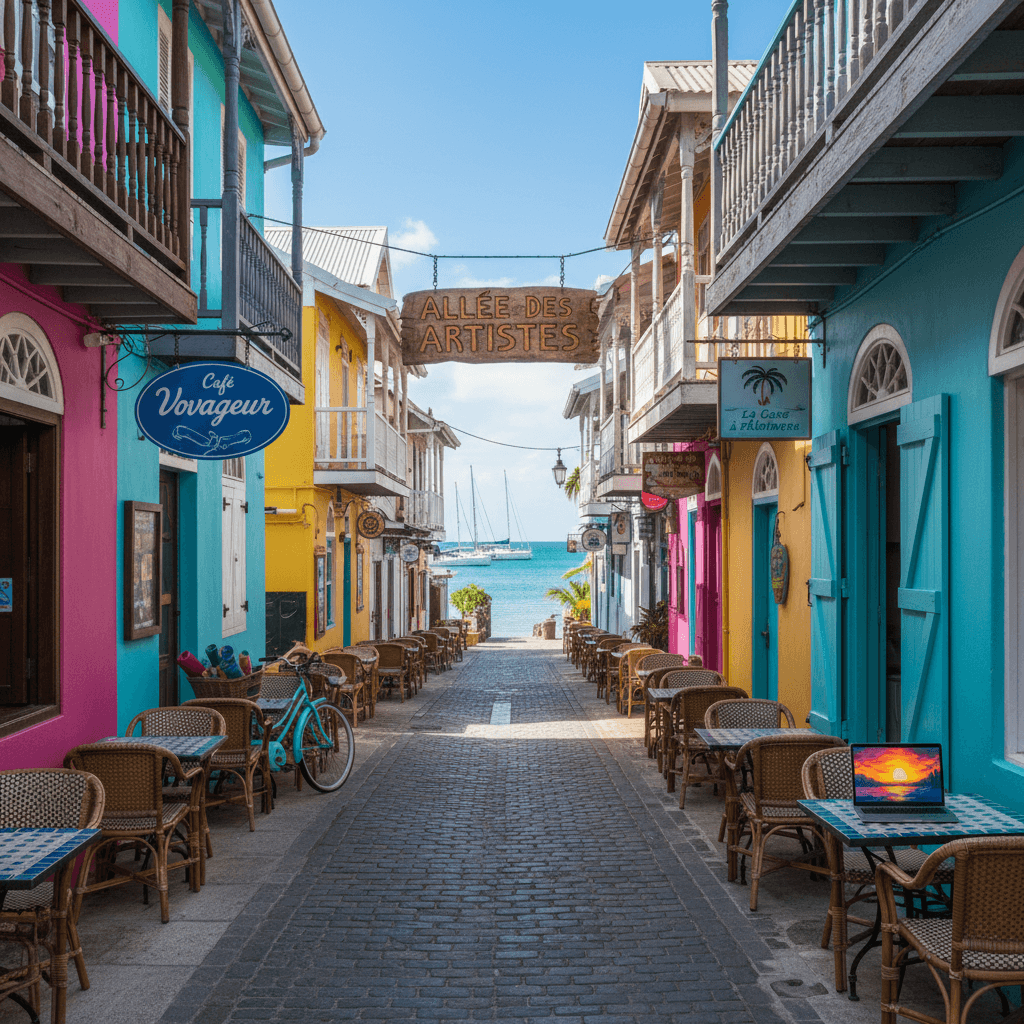
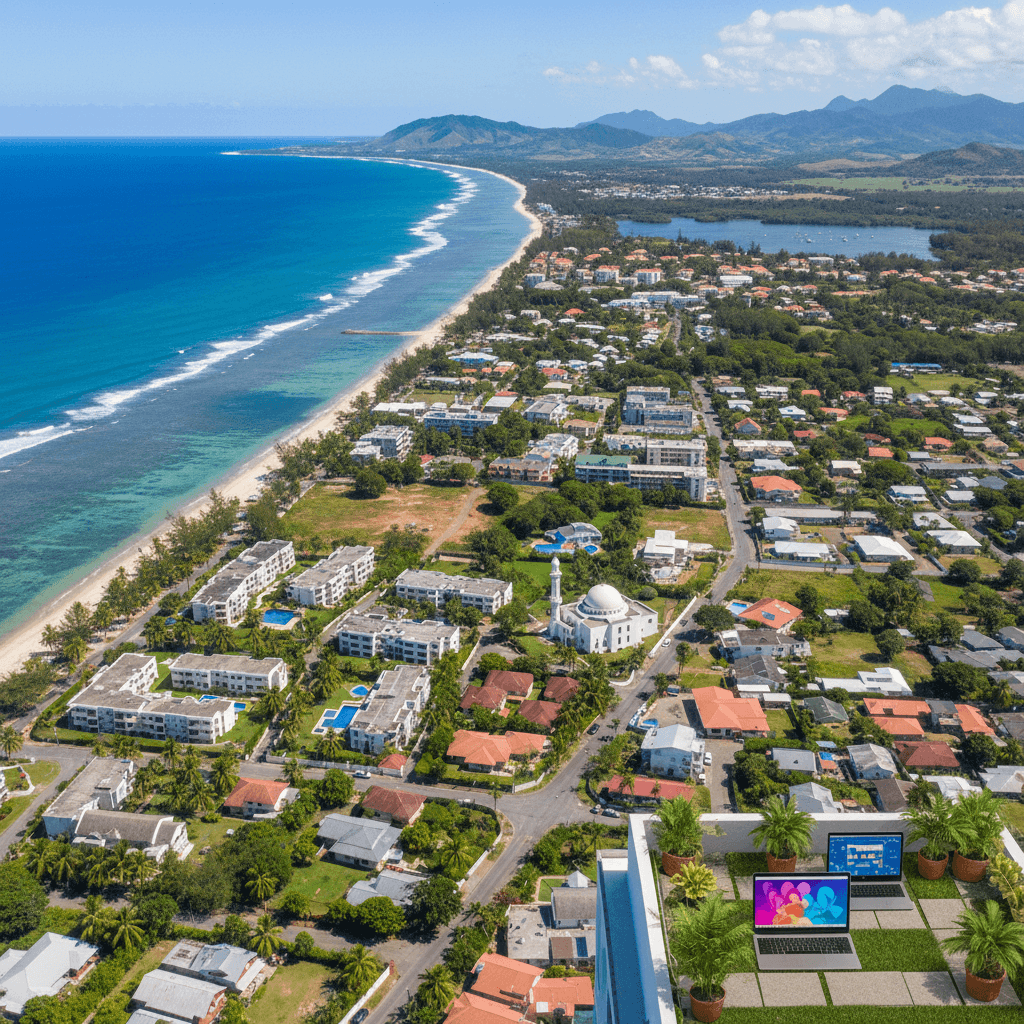
Flic en Flac isn't your typical polished expat enclave. It’s a sun-drenched, salt-aired stretch of the west coast that feels deeply connected to the rhythm of the island. While the north has its high-end boutiques and the south has its rugged cliffs, Flic en Flac is defined by its 13 kilometer white sand beach and a "barefoot and relaxed" philosophy. It’s the kind of place where you’ll see a digital nomad finishing a Zoom call at a beach cafe just as a local family starts setting up a weekend barbecue nearby.
The vibe shifts dramatically throughout the week. Monday through Friday, the town is a quiet, tropical sanctuary. You’ll find plenty of space to spread out under the Filao trees with a laptop, enjoying a steady breeze and reliable 30 Mbps broadband. When Saturday hits, the energy spikes. Locals flock here from across the island for camping and beach parties. It gets loud, crowded, and incredibly lively. Most nomads love this authentic community energy, though if you’re looking for total isolation, you might find the weekend drums and laughter a bit much.
The Cost of Living
One of the biggest draws for the remote work crowd is how far your dollar, euro, or pound stretches here compared to the Mediterranean or the Caribbean. Smart planning can keep your overhead surprisingly low without sacrificing the "paradise" experience.
- The Budget Tier: Solo nomads can get by on $1,000 to $1,500 USD per month. This usually means a shared studio or a modest apartment a few blocks back from the water for $400 to $600, sticking to $3 to $5 street food meals like Dholl Puri, and using the $1 bus rides to get around.
- The Mid-Range Tier: For $1,500 to $2,500 USD, you’re looking at a private 1BR apartment for $600 to $900. You’ll eat out at beachside cafes where meals run $10 to $15 and perhaps rent a scooter to explore the coastline.
- The Comfortable Tier: At $2,500+ USD, you can snag a beachfront 1BR for $1,000 or more. This lifestyle includes upscale dining at $20 to $40 per meal, dedicated coworking memberships, and frequent weekend excursions.
Connectivity and Work
You won't be hunting for a signal here. The island is well-equipped for the modern worker. Most nomads skip the hassle of local contracts and grab a ConnectPls or Holafly eSIM for unlimited data. If you prefer a physical space, coworking is affordable, averaging $100 to $200 a month. While there are fewer dedicated "nomad hubs" here than in Grand Baie, the cafe culture is welcoming. You’ll rarely be the only person with a laptop at a table overlooking the Indian Ocean.
Safety and Logistics
Safety is a non-issue for most. Flic en Flac is a secure tourist zone where walking home after a late dinner feels perfectly fine. If you do need medical attention, private healthcare centers are high quality and responsive; just dial 999 or 112 in an emergency. Getting around is equally straightforward. The town is walkable, but for longer trips, the public bus system is incredibly cheap. For airport transfers, expect a 1 to 1.5 hour drive costing between $20 and $50 depending on whether you book a taxi or a shuttle.
The Social Scene
Socializing here is less about networking events and more about spontaneous beach meetups. English is spoken everywhere, so you’ll have no trouble chatting with locals or fellow travelers. While the expat density is lower than in the north, the community is tight-knit. Use Facebook groups to find weekend gatherings or just head to the beach cafes at sunset. The Premium Visa has made it easier than ever to stay long-term; it's free, valid for a year, and only requires proof of a $1,500 monthly income. It’s a low-barrier entry to a life where "rush hour" usually just means waiting for a family of goats to cross the road on your way to the beach.
The Price of Paradise
Living in Flic en Flac is a masterclass in getting high value for a moderate price tag. While the north of Mauritius tends to lean into luxury, this west coast stretch remains grounded. You can live here on $1,200 a month if you're savvy, or scale up to $2,500 plus for a lifestyle that feels genuinely indulgent. Most nomads find the sweet spot is right in the middle, around $1,800, which covers a modern apartment, daily cafe visits, and plenty of weekend exploration.
Monthly Budget Tiers
- The Budget Nomad ($1,000 to $1,500): This tier works if you opt for a studio a few blocks back from the water for $400 to $600. You'll eat mostly local street food like dholl puri or fried noodles for $3 to $5 a meal and use the public bus system, which costs about $1 per ride.
- The Mid-Range Professional ($1,500 to $2,500): Expect a nice one-bedroom apartment for $600 to $900. You'll mix home cooking with mid-range beach cafes where dinner runs $10 to $15. This budget also allows for occasional rideshares and a dedicated coworking desk.
- The Comfortable Expat ($2,500+): At this level, you're looking at beachfront living for $1,000 or more. You'll likely rent a scooter or car for $400 to $600 a month and enjoy upscale dining at resort restaurants where meals start at $20 to $40.
Housing and Neighborhoods
Flic en Flac isn't divided into formal districts like a major capital, but the vibe shifts depending on your distance from the public beach. The area near the 2 to 3km long beach is the heart of the action. It's where you'll find the most affordable studios and the highest concentration of other remote workers. While there are fewer expats here than in Grand Baie, the community is tight-knit and centered around sunset drinks and beach volleyball.
If you're looking for something quieter, the residential streets further south offer larger villas, though you'll definitely want a scooter to get around. Most travelers use local Facebook groups or long-stay rental sites to find 12 month leases, which are required for the Premium Visa. This visa is a huge draw for 2025 and 2026 stays; it's free and only requires proof of $1,500 monthly income.
Connectivity and Work
Internet reliability is surprisingly high for an island. Fixed broadband averages 30 Mbps, but many modern rentals have upgraded fiber packages. For those who need a backup, the ConnectPls unlimited eSIM or Holafly are the go-to choices for nomads who don't want to deal with local paperwork immediately. Coworking spaces across the island generally cost between $100 and $200 a month, though many nomads in Flic en Flac prefer working from beachside cafes to soak up the tropical atmosphere.
Day-to-Day Expenses
- Street Food: $3 to $6 for a filling lunch.
- Mid-range Restaurant: $15 for a main course and a drink.
- Grocery Shop: $50 to $70 per week for high-quality local produce and some imports.
- Local Beer (Phoenix): $2 to $4 depending on the venue.
- Gym Membership: $30 to $50 per month.
Practical Logistics
Getting around is simple. The town is very walkable if you stay near the coast. For longer trips, the public buses are incredibly cheap at $1, though they can be slow. Taxis from the airport take about 90 minutes and cost between $20 and $50. For banking, nomads on the Premium Visa can open local accounts, but most stick with Wise for transfers and daily spending to avoid high conversion fees. Healthcare is another plus; private clinics are efficient and high-quality, with pharmacies readily available for minor issues.
Solo Nomads and Remote Workers
If you're landing in Flic en Flac with a laptop and a surfboard, you'll want to stick to the northern and central strips near the public beach. This is where the pulse of the town is strongest. Most nomads aim for studios or one bedroom apartments within a few blocks of the sand, which typically run between $600 and $900 per month for a mid range setup. If you're on a tighter budget, you can find shared spaces or simpler studios further back for $400 to $600.
The draw here isn't a high rise office building; it's the cafe culture. You'll find remote workers tucked into beachside spots using ConnectPls or Holafly eSIMs to stay connected, as the local fixed broadband averages around 19 Mbps. While there aren't massive dedicated coworking hubs right in town yet, the inexpensive cost of living (roughly $1,500 total per month) makes it easy to justify a daily latte at a seaside cafe while you knock out emails.
- Vibe: Social, breezy, and very relaxed.
- Best for: Networking with other travelers and easy beach access.
- Watch out for: Weekend crowds. The beach becomes a giant local party on Sundays, which is great for atmosphere but tough for deep focus.
Expats and Long Term Residents
Expats who've settled in for the long haul often gravitate toward the quieter residential pockets on the southern end of town or slightly inland. These areas feel less like a tourist resort and more like a proper neighborhood. You'll find fewer short term vacationers here and more people on the Premium Visa, which allows you to stay for up to one year if you can prove a monthly income of $1,500.
Living here usually requires a scooter or a bike rental to get to the main supermarket, but the payoff is a peaceful environment and lower rent. You can often snag a more spacious apartment for the same price as a tiny beachfront studio. Expats recommend using local Facebook groups rather than international booking sites to find the best long stay deals. You'll also be closer to the private healthcare centers that serve the region, which are known for high quality care and responsive emergency services.
- Rent: $700 to $1,000 for a comfortable, modern apartment.
- Transport: Scooter rentals are the way to go for daily errands.
- Social life: More focused on dinner parties and expat meetups than late night beach bars.
Families
For families, the priority is safety and space. Flic en Flac is exceptionally secure, and the beach itself has shallow, calm waters that are perfect for kids. The gated complexes and villas located a bit further from the coastal road are the top choice here. These often come with communal pools and 24 hour security, providing a "soft landing" for those new to Mauritius.
A comfortable tier lifestyle for a family, including a larger villa and frequent dining out, usually starts around $2,500 per month. Grocery shopping is affordable if you stick to local markets, though imported goods will drive your bill up. The proximity to family friendly activities and the ease of getting around via the $1 bus rides makes this one of the most practical spots on the island for those with children in tow.
Budget Solo Travelers
If you're just passing through or trying to keep your burn rate as low as possible, the streets tucked behind the main coastal road offer the best value. You can survive comfortably on $1,000 to $1,200 a month by leaning heavily on the local street food scene. Look for the trucks parked near the beach entrance where you can grab a meal for $3 to $5.
Walking is the primary mode of transport for this group. Since the town is concentrated along a 3km stretch of sand, you're never more than a fifteen minute trek from the water. It's a low stress way to live, provided you don't mind a slightly older apartment building and a bit of a walk to the nearest ATM or pharmacy.
- Food: Local Creole street food is the budget savior here.
- Safety: Very high; even the budget areas are well lit and welcoming.
- Connectivity: Rely on public hotspots or a basic local SIM card to save on data costs.
Connectivity and the Work-From-Beach Reality
Flic en Flac strikes a unique balance between a sleepy seaside village and a functional remote work base. You won't find the massive, glass-walled office hubs common in European cities, but the infrastructure is surprisingly robust. The island-wide fixed broadband averages around 19 Mbps for downloads, which is plenty for video calls and standard workflows. If you're staying in a modern rental or a guesthouse, fiber connections are increasingly common and much faster.
The real magic of working here is the flexibility. Most nomads skip the traditional office setup for beachside cafes. The 13 km stretch of sand is lined with spots where you can grab a coffee, plug in, and work with a view of the Indian Ocean. While the vibe is relaxed, the internet reliability is high enough that you won't be scrambling for a signal five minutes before a meeting.
Coworking Spaces and Local Hubs
If you need a dedicated desk or a professional environment to escape the humidity, coworking options are affordable compared to global standards. Expect to pay between $100 and $200 per month for a hot desk. While many nomads head north to Grand Baie for larger coworking communities, Flic en Flac has enough local cafes and smaller shared spaces to keep you productive.
- Beachside Cafes: These are the unofficial offices of Flic en Flac. They offer a great social atmosphere, though they can get loud on weekends when local families gather for beach parties.
- Home Offices: Many long-term rentals are now catering specifically to the Premium Visa crowd by including dedicated desk setups and high-speed routers.
- Grand Baie Trips: For a high-energy networking scene, many nomads take a day trip to the north of the island to visit larger coworking franchises and expat-heavy meetups.
Staying Connected: SIMs and Data
Don't rely solely on public Wi-Fi. While there are over 2,000 public hotspots across Mauritius, they can be patchy during peak hours. Getting a local SIM or an eSIM is the first thing you should do after landing at SSR International Airport.
Digital nomads frequently recommend ConnectPls for unlimited data. It offers mobile Wi-Fi hardware or eSIMs that work seamlessly across the island, which is perfect if you want to work from the back of a van or a remote beach spot. Holafly is another solid choice for unlimited data plans if you prefer a digital-only setup. If you're going the local route, providers like my.t offer competitive prepaid packages that you can top up via their apps.
Practical Tech Tips for Nomads
Banking and logistics are straightforward if you're on the Premium Visa. This free, one-year renewable visa requires a minimum monthly income of $1,500. Once you're sorted with your visa, you can even open a local bank account, though most nomads find that using Wise is enough to handle their daily expenses and rent transfers.
- Power: Mauritius uses Type C and Type G plugs (the UK style). Bring a universal adapter if your gear is from the US or Europe.
- Backup: A portable power bank is a lifesaver if you're planning to work from the beach all afternoon, as outdoor power outlets are rare.
- Apps: Download local ride-hailing apps for moving between Flic en Flac and the capital, Port Louis, when you need to handle paperwork or visit larger tech shops.
The work-life balance in Flic en Flac is heavily skewed toward "life." You'll find yourself finishing a sprint and immediately jumping into the water for a sunset swim. It's a low-stress environment where the internet just works, letting you focus on your tasks so you can get back to enjoying the tropical surroundings.
Safety in Flic en Flac
Flic en Flac is widely considered one of the safest spots on the island for remote workers. The community is tight-knit and welcoming, and you'll find the atmosphere remains relaxed well after the sun sets. While many coastal towns can feel a bit deserted at night, the presence of local families and the long stretch of lit beachfront keeps the area feeling lived-in and secure.
Most nomads feel perfectly comfortable walking between the beach bars and their apartments solo. There aren't any specific "no-go" zones to worry about here, though it's always smart to use common sense. Don't leave your laptop or phone unattended on the sand while you go for a swim, especially on weekends when the beach gets crowded with visitors from across the island. If you're heading home late, the local ride-hailing apps are reliable and cheap, usually costing just a few dollars for a cross-town trip.
The biggest "safety" concern for most isn't crime, but the environment. If you're swimming, keep an eye out for sea urchins near the reefs; a pair of cheap water shoes from a local shop will save you a lot of grief. During the cyclone season from November to April, keep an eye on local weather alerts. The infrastructure is built to handle it, but it's good to have your devices charged and some extra water on hand just in case.
Healthcare and Medical Services
You won't have to look far for quality medical care. Mauritius has a dual healthcare system with free public hospitals and high-end private clinics. For anything beyond a minor scrape, most expats and nomads head to the private facilities. The care is excellent, doctors almost always speak fluent English and French, and wait times are minimal compared to what you might find in Europe or North America.
In an emergency, you can dial 999 or 112 for assistance. For day-to-day needs, Flic en Flac has several well-stocked pharmacies along the main coastal road where you can pick up over-the-counter meds or fill prescriptions. If you need a specialist or more advanced diagnostics, there are modern private hospitals within a 20 to 30-minute drive of town.
- Private Medical Centers: Expect to pay around $30 to $50 for a standard consultation with a private GP.
- Pharmacies: Usually open until 7:00 PM or 8:00 PM, with at least one on-call pharmacy available for late-night needs.
- Health Insurance: While the Premium Visa doesn't strictly mandate a specific local provider, having international remote work insurance is highly recommended to cover private hospital stays.
Emergency Contacts and Practicalities
It's a good idea to keep a few local numbers saved in your phone before you settle in. The local police station is centrally located near the public beach entrance, and officers are generally very helpful to foreigners. If you're staying for several months on the Premium Visa, you'll find that having your documents in order makes any administrative or medical visit much smoother.
- Police: 999 or 112
- Ambulance: 114
- Fire Service: 115
- Local Clinics: Most are open Monday through Saturday, with some offering 24-hour emergency rooms in nearby hubs like Quatre Bornes or Vacoas.
Overall, the peace of mind you get in Flic en Flac is a huge part of its draw. You can focus on your deadlines without looking over your shoulder, and if you do run into trouble, the local support system is responsive and professional.
Getting Around Flic en Flac
Flic en Flac is a linear beach town that stretches about 3 kilometers along the western coast. Most of your daily life here happens on your own two feet. If you've snagged an apartment near the public beach or the Spar supermarket, you'll find that the gym, beachside cafes, and grocery runs are all within a 15 minute stroll. The coastal road is flat and easy to walk, though it gets packed with cars and pedestrians on weekends when local families head to the shore for camping and parties.
Public Buses
The bus system is the backbone of local transit and surprisingly reliable for a tropical island. It's the cheapest way to explore, with fares usually costing around $1 per ride. You can catch buses headed toward Port Louis or the Quatre Bornes transport hub right from the main coastal road. While they aren't air-conditioned and can feel a bit bumpy, they're a great way to see the island's landscape without the stress of driving. Just be prepared for a slower pace; a trip to the airport or the capital can take 60 to 90 minutes depending on the time of day.
Ride-Hailing and Taxis
When you need more flexibility or have groceries to haul, local ride-hailing apps are your best bet. While global giants like Uber haven't taken over here, local alternatives provide a similar experience with transparent pricing. If you prefer traditional taxis, you'll find them stationed near the major hotels and the town center. Always agree on the fare before you get in. A typical airport transfer from SSR International Airport to Flic en Flac usually runs between $20 and $50, depending on your negotiation skills and the time of day.
Scooters and Bicycles
Renting a scooter is a popular move for nomads who want to explore the hidden coves further south or head up to the Cascavelle Shopping Mall without waiting for a bus. Expect to pay around $15 to $25 per day, though you can often negotiate a much better rate for a monthly rental. Bicycles are great for short trips within the village, but the lack of dedicated bike lanes means you'll need to stay alert for traffic on the main road. Most expats recommend a scooter if you plan on venturing beyond the immediate beach strip regularly.
Driving and Parking
If you're staying for several months, renting a small car gives you the ultimate freedom to visit the Black River Gorges or Grand Baie on a whim. Driving is on the left side of the road, a legacy of British rule. Parking in Flic en Flac is generally easy during the week, but finding a spot near the beach on a Sunday afternoon is nearly impossible. If you do rent a vehicle, make sure your accommodation includes a dedicated parking spot to avoid the weekend chaos.
Traveler Tips for Transit
- Download local maps: Use offline maps since some coastal roads have spotty reception in the interior.
- Weekend planning: Traffic into and out of Flic en Flac crawls on Sunday evenings as everyone heads home from the beach. Plan your errands for weekday mornings instead.
- Airport Prep: Book your initial airport transfer in advance to avoid the premium rates charged to walk-up arrivals at the terminal.
- Connectivity: Keep your ConnectPls or Holafly eSIM active so you can track bus locations or call a ride-hail when you're away from cafe Wi-Fi.
The Linguistic Landscape
Communication in Flic en Flac is remarkably straightforward, making it one of the easiest transitions for English speaking nomads in the Indian Ocean. While the official language of government and business is English, the heart of the town beats in Mauritian Creole and French. You'll find that almost everyone you encounter, from the vendors selling dholl puri on the beach to the staff at the local Spar supermarket, switches between these languages with impressive fluidity.
Expats and long term travelers often find that while English gets the job done in shops and clinics, French is the dominant social language. If you have a basic grasp of French from school, it'll come back to you quickly here. However, even if you're strictly monolingual, you won't struggle to find your way around or make friends. Local proficiency in English is exceptionally high in this part of the island because it's a primary tourist hub.
Navigating Creole
Mauritian Creole is a French based language that incorporates elements of English, African, and South Asian dialects. It's the language of the home and the street. Learning a few phrases isn't just a matter of utility; it's the fastest way to earn a smile from the locals who gather for weekend picnics under the Filao trees. Most nomads find that "Bonjour" works for hello, but "Ki manyer?" (How are you?) is a great icebreaker.
- Bonzour: Hello
- Mersi: Thank you
- Kot vine?: Where is...?
- Komie sa?: How much is this?
- Sivouple: Please
For more complex interactions, Google Translate is your best friend. While its Creole translation isn't always perfect, it handles French flawlessly, which is how most menus and official signs are written. If you're looking at a lease or a local contract for a scooter rental, it will likely be in English or French.
Connectivity and Digital Communication
Reliable internet is the backbone of the nomad life in Flic en Flac. The town is well covered with 4G and increasingly 5G signals. Most cafes along the coastal road are accustomed to people opening laptops, though the vibe is more relaxed than a high pressure tech hub. If you're staying for a few months on a Premium Visa, you'll want a local connection immediately.
For those who want to hit the ground running, ConnectPls is a favorite for its unlimited mobile Wi-Fi and eSIM options. It saves you the hassle of hunting down a physical shop the moment you land. Alternatively, Holafly offers unlimited data eSIMs that work well across the island. If you prefer a local SIM, providers like Emtel or My.T offer prepaid data packages that are very affordable, often costing around $15 to $20 for a month of heavy usage.
Fixed broadband in Flic en Flac averages about 30 Mbps download [3], which is plenty for Zoom calls and standard remote work. Many beachfront apartments now offer fiber connections, so always ask for a speed test before signing a monthly rental agreement. If you need a dedicated office environment, coworking spaces on the island generally charge between $100 and $200 per month, providing a more stable backup if your apartment Wi-Fi ever flickers.
Social Nuances
The social language of the beach is informal. On weekends, the 3km stretch of sand becomes a community hub. You'll hear Sega music blasting and see families camping. While it's a lively atmosphere, the locals are famously welcoming. If you're invited for a drink or a snack, a simple "Mersi" goes a long way. Communication here is less about formal grammar and more about the "island pace" of life. People are patient, so don't feel rushed if you're struggling to find the right word.
Most nomad coordination happens in WhatsApp groups or Facebook communities. Whether you're looking for a football game, a hiking partner for Le Morne, or a recommendation for a dentist, these digital circles are where the most current info lives. Since the expat community in Flic en Flac is smaller than in Grand Baie, these groups are vital for staying in the loop about local meetups and events.
The Tropical Rhythm
Living in Flic en Flac means embracing a climate that stays warm year round, though the subtle shifts in humidity and wind can change your daily workflow. You'll find temperatures hovering between 24°C and 31°C (75°F to 88°F), making it a permanent summer for most nomads. Because this town sits on the west coast, it's shielded from the heavy trade winds that hit the east side of the island, giving you calmer waters and more reliable beach days.
The "hot" season runs from November through April. During these months, the thermometer frequently hits 31°C (88°F). It's the time for early morning deep-work sessions before the midday heat settles in. This period also brings the rainy season. While you'll mostly deal with short, intense tropical bursts that clear up within an hour, this is also when cyclones can occasionally disrupt travel and internet stability.
The Sweet Spot: May to October
Most long-term residents and savvy nomads consider May to October the prime window to be here. The air is drier, the humidity drops significantly, and temperatures stay in a comfortable 24°C to 27°C (75°F to 80°F) range. It's cool enough to walk the 13 kilometer white sand beach without breaking a sweat, but still plenty warm for a swim after you close your laptop.
The "winter" months of July and August are particularly popular for those who want to avoid the sweltering tropical sun. You might need a light hoodie for evening sunset drinks on the sand, but you'll avoid the sticky December nights where air conditioning becomes a non-negotiable expense in your rental budget.
Timing Your Stay Around the Crowds
Flic en Flac has a unique social calendar that revolves more around local life than tourist seasons. While the weather is great year round, the "vibe" of the town shifts dramatically based on the day of the week. If you prefer a quiet, contemplative workspace, you'll love the weekdays when the beach is nearly empty. However, the town transforms on weekends and public holidays.
- Weekdays: Quiet, plenty of space in beachside cafes, and a relaxed pace perfect for deep work.
- Weekends: Local families arrive for camping and large beach parties. It's lively and loud, which is great for socializing but tough if you're trying to take a Zoom call near the water.
- December and January: These are the busiest months. You'll face the highest humidity, the most rain, and the largest crowds as both international tourists and locals take their summer holidays.
Seasonal Practicalities
If you're planning a stay during the peak rainy months of January to March, it's worth investing in a solid backup power bank and a reliable eSIM like ConnectPls or Holafly. While the infrastructure in Flic en Flac is generally strong, heavy tropical storms can occasionally cause brief power flickers. Most nomads find that having a secondary data source ensures they stay online even when a summer downpour gets intense.
For those looking to secure the best rental rates, arriving in April or May is a smart move. As the summer crowd thins out, you'll have more leverage to negotiate monthly rates on 1BR apartments or studios, which typically range from $600 to $900 depending on how close you are to the shoreline. By the time the "best" weather arrives in June, you'll already be settled into your routine with a local's perspective on the town.
The Daily Grind: Costs and Connectivity
Living in Flic en Flac is surprisingly manageable if you're coming from a major Western hub. Most nomads find that $1,500 to $2,500 USD per month provides a very comfortable lifestyle. If you're on a tighter budget, you can get by on $1,000 to $1,500 by sticking to shared studios and the legendary local street food. Expect to pay between $600 and $900 for a solid one bedroom apartment near the water, though beachfront spots can easily climb over $1,000.
Internet reliability is high across the island. While fixed broadband averages around 19 Mbps, you'll want a backup for those beachside sessions. Expats recommend picking up a ConnectPls mobile Wi-Fi device or a Holafly eSIM for unlimited data. If you need a dedicated desk, coworking spaces across Mauritius typically run between $100 and $200 per month, but many nomads here prefer working from cafes along the 3km stretch of sand.
Getting Around and Staying Safe
The town itself is incredibly walkable, especially if you stay near the coastal road. For longer trips, the public bus system is a steal at about $1 per ride. If you want more freedom to explore the interior of the island, scooter rentals are the way to go. For airport transfers from SSR International, expect a 60 to 90 minute drive costing between $20 and $50 depending on whether you book a taxi or a private shuttle.
Safety is rarely a concern here. Flic en Flac is a secure, welcoming community where you can feel comfortable walking at night. Healthcare is also high quality; private clinics are scattered across the island and emergency services are responsive. If you run into trouble, dial 999 or 112. Pharmacies are easy to find and well stocked with familiar brands.
Life on the West Coast
The vibe in Flic en Flac is distinct from the more expat heavy Grand Baie. It’s a local favorite, which means the beach becomes a massive, lively party on weekends and public holidays. If you hate crowds, use Saturdays to head inland or catch up on admin. During the week, however, you'll have 2 to 3 kilometers of white sand almost to yourself.
- Language: English is spoken everywhere, but learning a few Creole phrases like "Bonzour" or "Mersi" goes a long way. Use Google Translate for more complex Creole interactions.
- Weather: Aim for May to October for the best balance of dry air and pleasant temperatures around 24 to 27°C. The January to March window is the most humid and carries a risk of cyclones.
- Social Life: Join local Facebook groups to find nomad meetups. Most social life revolves around beach cafes and weekend gatherings.
The Premium Visa Advantage
Mauritius has one of the most nomad friendly visas in the world. The Premium Visa is free to apply for online through the EDB website and allows you to stay for up to one year. To qualify, you’ll need to prove a monthly income of at least $1,500 USD. Many nomads use Wise to show these transfers and handle their banking. If you decide to stay long term, this visa even allows you to open a local bank account, making life much easier for paying local bills or rent.
Food and Dining Prices
- Street Food: Budget $3 to $5 for a filling meal like dholl puri or fried noodles from a beach shack.
- Mid-range Cafes: A nice lunch or dinner with a view will typically cost $10 to $15.
- Upscale Dining: For high end seafood or resort dinners, expect to pay $20 to $40 per person.
- Groceries: Cooking at home is very affordable; local markets are great for fresh produce, while supermarkets carry most international brands.
Need visa and immigration info for Mauritius?
🇲🇺 View Mauritius Country GuideEasy Landing
Settle in, no stress
Monthly Budget Estimates
More cities in Mauritius
Port Louis
🇲🇺 Mauritius
Saint-Denis
🇲🇺 Mauritius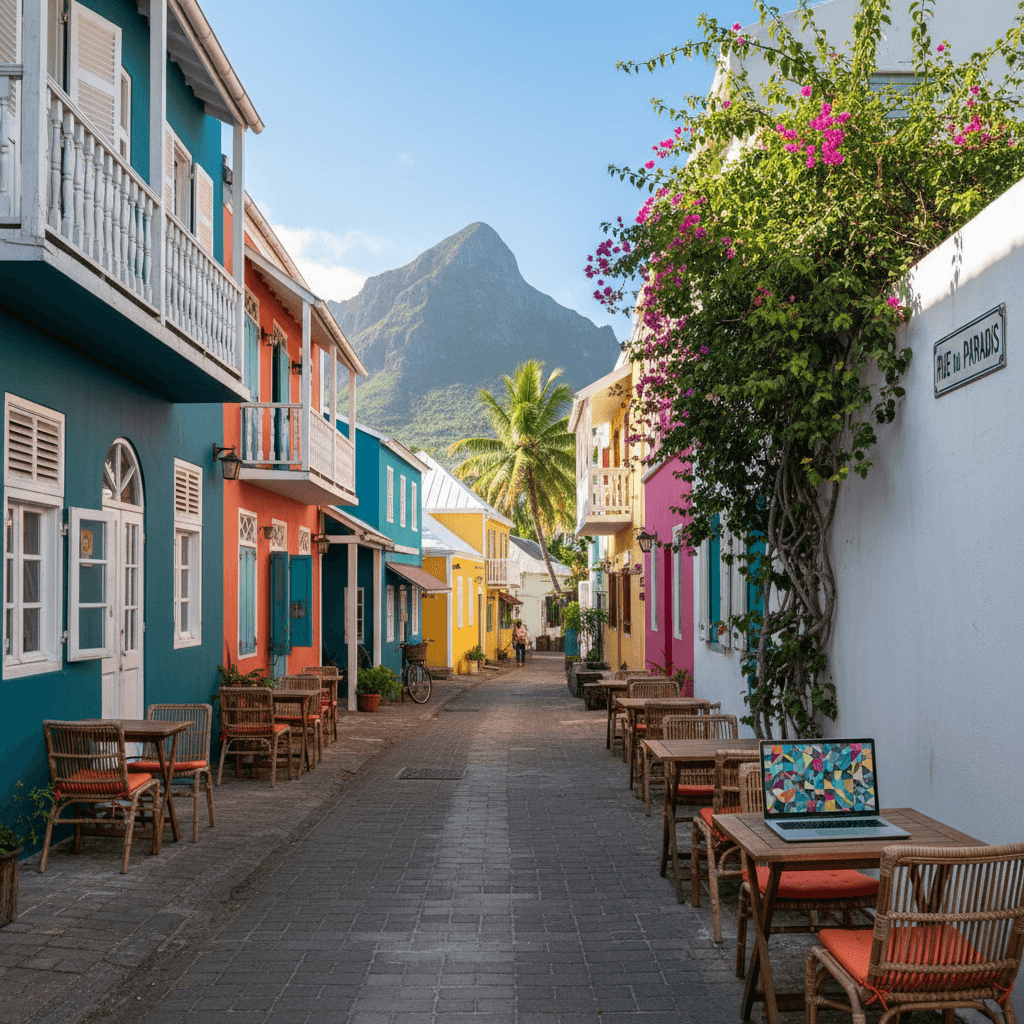
Le Morne
🇲🇺 Mauritius