Ermoupoli
🇬🇷 Greece
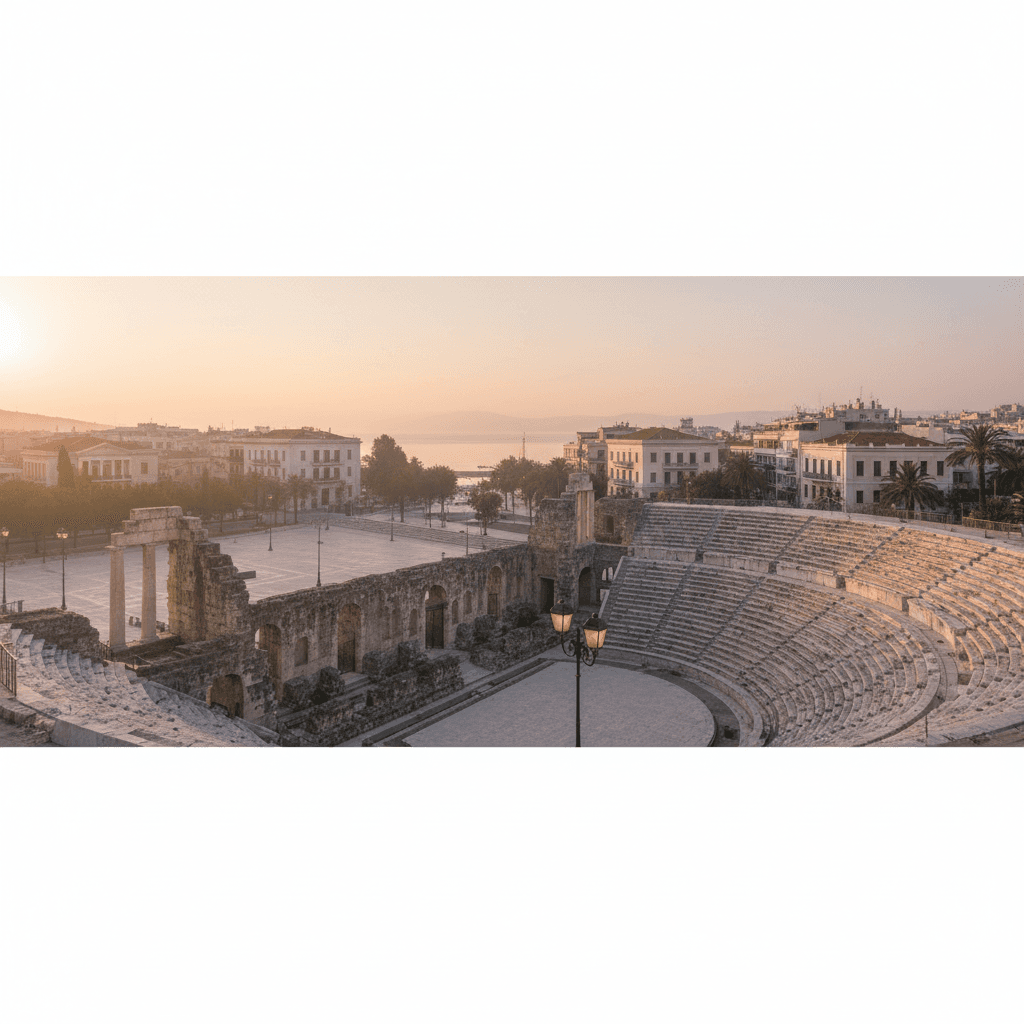
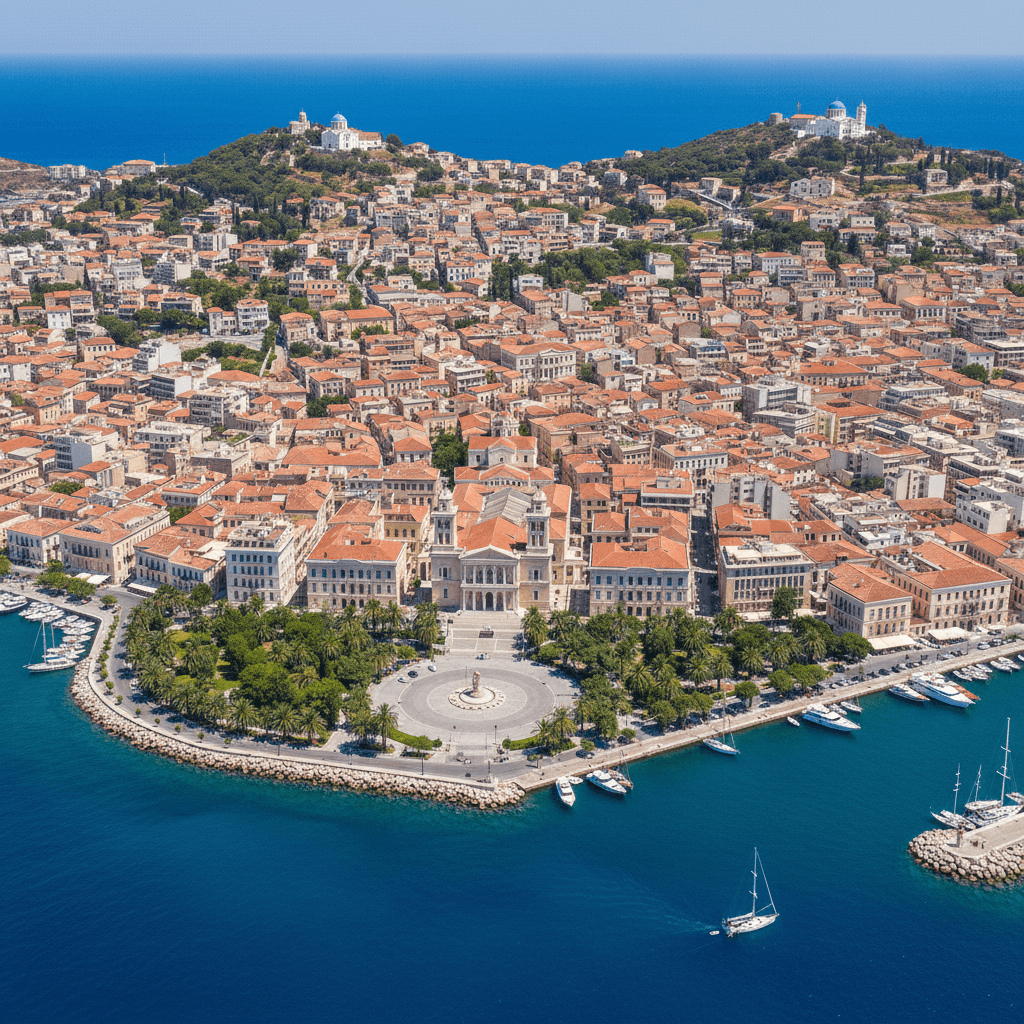
Forget the classic image of blue-domed churches and stark white walls you see on every Greek postcard. Ermoupoli is a different beast entirely. As the capital of the Cyclades, it trades the sleepy village vibe for neoclassical grandeur, marble-paved streets, and a history as a maritime powerhouse. It feels more like a miniature Italian city dropped into the middle of the Aegean, complete with pastel-colored mansions and an opera house modeled after La Scala.
For nomads, the vibe here is focused but soulful. You aren't fighting for a seat against hordes of cruise ship passengers like you would in Santorini. Instead, you're sharing space with locals who live here year-round. There is a sense of "real life" that continues long after the summer sun fades, making it one of the few Greek islands that doesn't feel like a ghost town in the winter. Most remote workers find the pace hits a sweet spot: it's quiet enough to actually get through a deep-work session, but cultured enough that you can find a high-end meal or a local theater production at 9:00 PM.
The Daily Flow
Living here means starting your morning with a Freddo Espresso at a harbor-front cafe where the 200Mbps fiber internet is surprisingly reliable. You'll likely spend your afternoon working from a marble square or a bohemian spot like Cantina Analogue, where the atmosphere encourages staying for hours. Because the city is built like an amphitheater around the port, your commute is usually just a scenic walk through narrow alleys or along the promenade. Most expats recommend ditching the car; unless you're exploring the remote northern beaches, your feet or a bicycle will get you everywhere you need to be.
The Cost of Island Life
While Syros isn't the cheapest corner of Greece, it's significantly more affordable than Athens or the more "famous" islands. You can expect your monthly budget to stretch much further here, especially if you avoid the peak July and August window.
- Budget Tier: €1,200 to €1,800 per month. This covers a modest studio, plenty of €4 gyros, and sticking to the free city beaches.
- Mid-Range Tier: €2,000 to €2,800 per month. This gets you a 1-bedroom apartment in the historic center and regular dinners at spots like Avant Garden, where a good meal runs about €25 to €35.
- Comfort Tier: €3,000+ per month. At this level, you're looking at a renovated neoclassical villa with sea views and frequenting the upscale creative Greek dining scene.
Where to Plant Your Flag
The city is split into distinct personalities, and where you stay defines your experience. Most nomads gravitate toward the port area for the sheer convenience of being near the action.
Ermoupoli (Vaporadika & Industrial District)
- Best for: Nomads and solo travelers who want to be steps away from coworking spots and cafes.
- Pros: Everything is walkable; high-speed internet is standard; easy access to the ferry terminal.
- Cons: Can get a bit noisy during the summer festival season.
Ano Syros
- Best for: Families or those seeking a quiet, medieval atmosphere.
- Pros: Stunning views of the harbor and a truly authentic, historic feel.
- Cons: It is incredibly hilly; you'll be climbing hundreds of stone steps daily, and modern amenities are fewer.
The Digital Nomad Edge
What sets Ermoupoli apart from other Mediterranean hubs is the lack of distractions. In Crete or Rhodes, the temptation to play tourist is constant. In Ermoupoli, the environment feels more like a creative sanctuary. The local community is welcoming, and because the island has a permanent population of students and professionals, you aren't treated like a transient tourist. You'll find yourself invited into the fold quickly, whether it's through a yoga class or a meetup at one of the emerging coworking spaces where daily desks go for €10 to €20. It's a place where you come to finish a project, but stay because you've finally found a rhythm that doesn't involve a frantic commute.
The Cost of Living in Ermoupoli
Living in Ermoupoli offers a rare financial sweet spot. You get the grandeur of a neoclassical capital without the eye-watering price tags found on neighboring Mykonos or Santorini. Most digital nomads find their money goes significantly further here, with overall costs typically sitting 20% to 30% lower than in Athens.
Your largest expense will be housing, but the market is varied. If you want to live like a local in a traditional whitewashed cottage in the historic center, expect to pay between €500 and €800 per month. For those who need a modern setup with a dedicated workspace and a view of the Aegean, prices usually range from €800 to €1,200. While these rates are higher during the peak summer months, long term residents can often negotiate better deals for the off season.
Monthly Budget Tiers
- The Budget Nomad (€1,200 to €1,800): This covers a modest studio or a shared apartment, plenty of street food like gyros, and a lifestyle centered around the free city beaches and walking.
- The Mid-Range Professional (€2,000 to €2,800): This allows for a private one bedroom apartment, regular dinners at local tavernas, a scooter rental for island exploration, and a few days a week at a coworking space.
- The Comfortable Expat (€3,000+): At this level, you're looking at a premium sea view villa, frequent dining at upscale spots like Avant Garden, and full time access to private transport and high end services.
Daily Essentials and Dining
Dining out is one of the highlights of Syros, and it doesn't have to break the bank. You can grab a quick, filling lunch of gyros or souvlaki for €3 to €5. A relaxed dinner at a mid range taverna, including wine, usually lands between €15 and €25 per person. For a more sophisticated evening at places like Cantina Analogue, which nomads love for its bohemian atmosphere, you should budget €30 to €50.
Groceries are affordable if you stick to local markets. Seasonal produce, feta, and olives are cheap and high quality. Most expats recommend shopping at the local kiosks and small grocers in the town center to keep costs down while supporting the community.
Transport and Connectivity
Ermoupoli is famously walkable, which keeps your transport costs nearly at zero if you stay in the core. When you do need to move faster, the local infrastructure is reliable and budget friendly.
- Public Bus: Around €1.80 per trip to reach the various beaches around the island.
- Taxis: Local trips usually cost between €5 and €15. Use the e-Taxi app to book since international giants like Uber don't operate here.
- Rentals: Scooters or bikes are the preferred way to see the island, costing roughly €10 to €20 per day.
- Internet: A local SIM from Cosmote or Vodafone with unlimited data will run you €10 to €20 a month. Most cafes offer free WiFi, but a dedicated desk at an emerging coworking space will cost about €10 to €20 per day.
For those looking to stay long term, the Greece Digital Nomad Visa is a popular route. Just keep in mind that the government requires a minimum monthly income of €3,500 to qualify. While you can certainly live in Ermoupoli for much less, having that buffer ensures a very high quality of life on the island.
For Digital Nomads and Solo Travelers
If you're coming to Syros to work, you'll want to plant your roots in the Ermoupoli town center, specifically around the Vaporadika district or the streets flanking the harbor. This is the island's pulse. You're within a five minute walk of the marble paved Miaouli Square and the waterfront promenade where the Wi-Fi is strong and the coffee is stronger. Most nomads gravitate toward Cantina Analogue for its bohemian atmosphere and reliable connection, or Avant Garden when they want a more polished courtyard setting for an afternoon meeting.
The draw here is pure convenience. You can finish a deep work session and be on a city beach or at a yoga studio in minutes. Expect to pay between €500 and €800 for a charming studio in the historic center, though modern sea view apartments can climb toward €1,200. While it gets livelier during the peak summer months, the industrial history of the area keeps it feeling grounded and authentic rather than like a tourist trap. It's the only place on the island where you'll find a consistent community of remote workers and expats to grab a €4 gyro with after hours.
For Expats and Long-Term Residents
Those looking to trade the harbor's energy for something more permanent often look toward the edges of the main town or the transition zones leading up the hills. Living in the Industrial area or the quieter outskirts of Ermoupoli offers a better balance of space and price. Expats recommend these areas because you get the benefit of being near the General Hospital and the larger supermarkets while avoiding the highest foot traffic of the cruise ship crowds.
The lifestyle here is built on routine. You'll likely find yourself using the e-Taxi app for grocery runs or renting a scooter for €15 a day to explore the rest of the island. The internet infrastructure remains excellent here, often reaching 200Mbps, making it a viable spot for those running businesses or handling heavy video calls. It feels less like a vacation and more like a Mediterranean home base.
For Families and Quiet Seekers
Ano Syros is the destination for those who value atmosphere over accessibility. This medieval hilltop settlement sits right above Ermoupoli, offering a labyrinth of narrow alleys and stunning Aegean views. It's significantly quieter and retains a traditional Catholic character that feels worlds away from the port. Families often appreciate the car free streets where kids can wander safely, though you should be prepared for the physical toll of the stairs; it's a vertical neighborhood that requires some leg work.
- Pros: Authentic Cycladic architecture, peaceful nights, and cooler breezes during the 29°C July heat.
- Cons: Very few modern amenities, steep climbs, and a longer trek to the primary schools and shops in the lower town.
- Transport: You'll rely heavily on the local bus which costs about €1.80 per trip to get back and forth from the harbor.
Comparison of Living Costs
- Ermoupoli Center: Best for social butterflies. Monthly budget of €2,000 to €2,800 for a comfortable mid range lifestyle including frequent dining at creative tavernas.
- Ano Syros: Best for those seeking a retreat. Rents can be slightly lower for older stone houses, but you'll spend more on transport and convenience services.
- Coastal Outskirts: Best for beach lovers. Requires a bike or car rental, adding roughly €300 to €500 to your monthly overhead.
Connectivity and Speed
You won't have to worry about the typical island lag here. Ermoupoli is surprisingly well wired for a town of its size, with a reliable infrastructure that supports speeds up to 200Mbps. Most apartments in the historic center and the Vaporadika district come equipped with stable VDSL or fiber connections, making video calls and large uploads a non issue for remote workers.
Public WiFi is decent around the Miaouli Square area, but for serious work, you'll want a local backup. Pick up a SIM card from Cosmote or Vodafone at one of the kiosks near the harbor or the airport. For €10 to €20, you can usually snag an unlimited data package for a month. Cosmote generally has the best coverage if you plan on working from the more remote beaches on the western side of the island.
Coworking and Community
Ermoupoli is still in the early stages of its nomad evolution, so you won't find the massive, corporate coworking hubs common in Athens. Instead, the scene is intimate and integrated. Emerging spaces like those managed by Aegean Hubs offer a professional environment for those needing a dedicated workspace. These spots are less about rows of monitors and more about community, often hosting mixers and sunset drinks that help you meet the local expat crowd.
If you prefer a more social environment, the harbor promenade is lined with cafes that are very accommodating to laptops. Cantina Analogue is a favorite for its bohemian atmosphere and reliable internet, while the cafes around the marble paved Miaouli Square offer plenty of shade and power outlets. Most nomads find that as long as they're ordering a Freddo Espresso every few hours, the staff is happy to let them stay as long as they need.
Best Areas for Working
- Ermoupoli Harbor: This is the nerve center. You'll have the fastest internet, the most cafe options, and you're within walking distance of everything. It can get a bit loud during the ferry arrivals, but the convenience is hard to beat.
- Ano Syros: If you need total silence, this medieval hilltop settlement is the place. It's much quieter than the harbor, though you'll need to check with your host specifically about the WiFi speed, as the thick stone walls of these historic homes can sometimes eat the signal.
- Vaporadika: The upscale district of Ermoupoli. It's quieter than the harbor but still offers excellent connectivity and proximity to the city's "urban" beaches like Asteria, where you can take a dip between meetings.
Digital Nomad Logistics
For those looking to stay longer than a standard tourist visa allows, the Greece Digital Nomad Visa is a straightforward path to residency. You'll need to prove a minimum monthly income of €3,500. The application is typically handled through the Ministry of Migration, and once you have it, Ermoupoli becomes an incredibly affordable base compared to other Cycladic islands like Mykonos or Santorini.
Most expats recommend using Wise or Revolut for daily transactions to avoid the high conversion fees at local Greek banks. While almost every cafe and shop in Ermoupoli accepts card payments, having a bit of cash is helpful for the smaller kiosks or if you're taking a taxi up the steep hills to Ano Syros, which usually costs between €5 and €15.
Staying Safe in the Capital
Ermoupoli is one of those rare places where you can truly let your guard down. Because it's a smaller island community with a year round population, it lacks the anonymous, opportunistic crime found in larger hubs like Athens. Most nomads find they can walk home alone at 2:00 AM through the marble alleys without a second thought. There are no specific "no-go" zones or dangerous neighborhoods to worry about; even the industrial areas near the port are perfectly safe for a late night stroll.
The biggest safety concerns aren't criminal, but environmental. The marble streets that make the city so beautiful can get incredibly slick when it rains or even from the morning dew. If you're staying in the hilly areas of Ano Syros, wear shoes with decent grip. Travelers often say the most "dangerous" thing they encountered was a persistent street cat looking for a piece of their dinner.
Healthcare Infrastructure
Unlike many smaller Cycladic islands that rely on tiny medical clinics, Ermoupoli is home to the Vardakeio and Proio General Hospital of Syros. Since it's the administrative capital of the region, the facilities here are robust enough to handle most emergencies and specialized needs. It provides a level of security that makes Syros a top choice for expats and digital nomads who aren't comfortable being a helicopter ride away from a doctor.
For day to day issues, the city center is packed with pharmacies, recognizable by their neon green crosses. They are highly professional and can often provide advice or over the counter solutions for minor ailments like sunstroke or allergies. If you need a specific medication, pharmacists usually speak excellent English and can find the local equivalent of your prescription.
- Emergency Number: Dial 112 for general emergencies (EU standard).
- Local Contact: The tourism office can be reached at +30 22810 75943 for assistance with local services.
- Hospital Location: Situated in the town area, easily accessible by taxi for about €5 to €10.
Insurance and Practicalities
If you're an EU citizen, keep your EHIC card on you for access to state healthcare. For nomads from the US, UK, or elsewhere, private health insurance is a requirement if you're applying for the Greece Digital Nomad Visa. Most local private doctors charge between €40 and €70 for a consultation, which is relatively affordable compared to Western European or North American prices.
Expats recommend using apps like e-Taxi to get to the hospital or clinics if you're staying further out in the hills, as the steep climbs aren't ideal if you're feeling unwell. For dental work or routine checkups, you'll find plenty of private practices around the harbor that cater to the local professional crowd, meaning you won't have to wait weeks for an appointment.
Safety Tips for Long-Termers
- Tap Water: While usually safe for showering, most locals and nomads prefer bottled or filtered water for drinking due to the high mineral content typical of islands.
- Sun Protection: The Aegean sun is brutal between 11:00 AM and 4:00 PM. Even on "work days," don't underestimate the burn you can get just sitting at an outdoor cafe.
- Digital Security: Public WiFi in cafes is generally safe, but using a VPN is standard practice for nomads working from the harbor promenade.
- Pharmacy Rotations: On Sundays or late at night, pharmacies work on a rotating schedule. Check the list posted on any pharmacy door to see which one is currently open.
The Pedestrian Advantage
Ermoupoli is a dream for nomads who hate the stress of city traffic. The town's core is built on a human scale, meaning most of your daily life happens within a 15 minute walk. The marble paved streets and harbor promenade are almost entirely pedestrian friendly. You'll spend most of your time on foot, moving between sea view cafes and your apartment without ever needing a set of wheels.
For those living in the higher reaches of Vaporadika or the medieval alleys of Ano Syros, your legs will get a serious workout. The town is famously vertical. While the views are worth the burn, keep in mind that "getting around" often involves hundreds of stone steps. If you aren't a fan of steep inclines, stick to rentals closer to the port level.
Public Transit and The Local Bus
When you need to venture beyond the city limits to reach the southern beaches like Vari or Finikas, the local bus system is your best friend. The KTEL buses are reliable and affordable, with tickets typically costing around €2.00 per trip. In the summer months, these run frequently, though the schedule thins out significantly during the winter season.
There is also a mini bus service that operates within Ermoupoli itself. It's free of charge and helps bridge the gap between the port and the higher residential neighborhoods. It’s a lifesaver when you're carrying heavy groceries or tech gear back to your home office.
Taxis and Ride-Hailing
You won't find Uber or Bolt on Syros. Instead, the island relies on a traditional taxi fleet. You can find them lined up at the main ranks near the port, or you can use the e-Taxi app to summon one to your specific location.
- Short trips within town: Usually cost between €5 and €7.
- Airport transfers: Expect to pay around €10 to €15 for the 4km trip to Syros Island National Airport.
- Late night surcharges: Prices tick up slightly after midnight, so budget accordingly if you're staying out late at the bars.
Wheels for Weekend Explorers
If you want to explore the rugged northern part of the island (Apano Meria), you'll need your own transport. Most nomads recommend renting a scooter or a small car for a day or two rather than keeping one long term. Parking in Ermoupoli's center is notoriously difficult, so a permanent vehicle can often be more of a headache than a help.
- Scooter/Moped rentals: Expect to pay €15 to €25 per day depending on the season.
- Car rentals: Prices start around €35 to €50 per day for a basic manual compact.
- Bicycles: Great for the flat areas around the harbor, but unless you have elite cyclist lungs, you'll find the hills challenging. Rentals are available at several shops near the ferry terminal.
Arriving and Departing
Most people arrive via the massive blue ferries from Piraeus, which take about 4 hours. If you're coming from Athens and want to save time, the 30 minute flight into the local airport is a great alternative, though flights are limited and sell out fast in the summer. Once you land or dock, getting to your accommodation is simple; the ferry pier is right in the heart of the action, and the airport is a quick 10 minute taxi ride away.
The Greek Context
You'll find that Greek is the heart and soul of Ermoupoli. Unlike the more transient, party focused islands nearby, Syros is a working administrative capital. This means the local language is everywhere, from the chatter in Miaouli Square to the signs in the industrial district. While Greek might look intimidating with its unique alphabet, the locals are incredibly patient with those trying to learn. Most nomads find that a simple Yia sou (hello) or Efharisto (thank you) goes a long way in building rapport at your local bakery or taverna.
English Proficiency
English proficiency is generally high, especially among the younger generation and anyone working in the hospitality or tech sectors. In the cafes along the harbor promenade where most remote workers congregate, you'll rarely struggle to order a freddo espresso or ask for the WiFi password in English. Expats recommend sticking to the main hub of Ermoupoli if you want to rely primarily on English. As you move up into the medieval alleys of Ano Syros, the English level might dip slightly, but the residents are welcoming and often use gestures or basic phrases to bridge the gap.
For those planning to stay through the winter season, learning the basics becomes more helpful. When the summer crowds thin out, the city feels more like a tight knit community. Being able to ask Poso kani? (How much?) at the open air markets or understand basic directions will make your daily life much smoother.
Digital Tools and Translation
Technology fills in the gaps when the language barrier feels a bit too high. Travelers often say that Google Translate is their best friend here, specifically the camera feature for translating menus at traditional spots like Cantina Analogue. Since data is cheap, usually around €10 to €20 for a month of unlimited usage from providers like Cosmote or Vodafone, you can keep your translation apps running without worry.
- Google Translate: Download the offline Greek pack so you can translate street signs or menus even if your signal drops in the stone alleys of the old town.
- Duolingo or Rosetta Stone: Great for picking up the alphabet before you arrive so you can at least phonetically read street names.
- Viber/WhatsApp: Most local businesses and landlords prefer communicating via these apps; they often use the built in translation features to talk to international tenants.
Communication Etiquette
Communication in Syros is relaxed but polite. When entering a shop or a small cafe, it's customary to offer a general greeting to the room. If you're looking for a spot to work, it's better to ask Boro na doulepso edo? (Can I work here?) rather than just pulling out a laptop, though most cafe owners are very nomad friendly. If you're dealing with official paperwork for the Digital Nomad Visa, expect a more formal tone and be prepared for some documents to be exclusively in Greek; in these cases, hiring a local fixer or using a translation service is the standard move for expats.
Key Phrases for Your Pocket
While you don't need to be fluent, having these few phrases tucked away will help you integrate into the local rhythm of Ermoupoli:
- Yia sou: Hello (informal) or Goodbye.
- Kalimera: Good morning (used until about 1:00 PM).
- Efharisto: Thank you.
- Parakalo: Please or You're welcome.
- Nai / Ochi: Yes / No (Careful: "Nai" sounds like "No" to English speakers).
- Logariasmo, parakalo: The bill, please.
The Seasonal Rhythm
Unlike many Cycladic islands that shutter completely in the winter, Ermoupoli maintains a steady pulse year round. Because it's a moving administrative capital rather than just a resort town, you won't find yourself in a ghost town come November. That said, your experience will shift dramatically depending on when you touch down at Syros Island National Airport.
Most nomads aim for the window between May and October. This is when the Mediterranean climate really performs. You'll get dry, hot days perfect for taking a laptop to a harbor-side cafe or finishing a deep-work session with a dip at a city beach. July and August are the peak of summer, with temperatures hitting a steady 29°C to 32°C. It's hot, but the famous Meltemi winds often sweep through the Aegean to keep things from feeling stagnant.
Shoulder Season: The Nomad Sweet Spot
If you have the flexibility, the months of May, June, and September are arguably the best times to be here. The weather hovers between a comfortable 18°C and 25°C, meaning you can hike up the steep marble steps of Ano Syros without breaking a sweat.
- May to June: The island is lush from spring rains, and the water is finally warm enough for swimming.
- September to October: The sea has spent all summer warming up, making it the best time for afternoon swims. The summer crowds have thinned, but every restaurant like Cantina Analogue is still buzzing.
- The Vibe: You'll find it easier to snag the best "office" seat at harbor cafes during these months.
Wintering in Ermoupoli
From November to March, the island enters its quietest phase. Temperatures typically sit between 10°C and 15°C. While it's mild compared to Northern Europe, it can get damp. The rainy season peaks between November and January, so you'll want to ensure your rental has decent heating, a feature that isn't always a given in older neoclassical buildings.
Expats who stay through the winter often say this is when you really get to know the locals. You'll swap beach days for long afternoons in cozy tavernas. Just be prepared for the wind; January and February can be quite gusty, which might occasionally affect ferry schedules to Athens or neighboring islands like Tinos.
Monthly Weather Breakdown
- January: Avg High 14°C. Rainy and mild. Best for hunkering down and focusing on big projects.
- April: Avg High 18°C. Spring arrives. Great for hiking the northern trails of the island.
- July: Avg High 29°C. Peak heat. You'll want a workspace with reliable AC.
- October: Avg High 22°C. The "second summer." Calm seas and plenty of sun.
Most long term travelers recommend arriving in late August. You get the tail end of the summer energy, but you're perfectly positioned to enjoy the glorious, stable weather of September while the local community events and nomad meetups start picking up steam for the autumn season.
Connectivity and Tech Setup
You won't have to hunt for a signal here. Most nomads find the island's infrastructure surprisingly robust, with speeds reaching up to 200Mbps in the center of Ermoupoli. While there are emerging coworking spots near the harbor, many remote workers prefer the "cafe office" lifestyle. Establishments along the marble-paved promenade are used to people staying for a few hours with a laptop, provided you keep the coffee orders coming.
For your mobile data, skip the international roaming. Head to a kiosk or a local shop in the city center to grab a local SIM. Cosmote and Vodafone are the reliable choices here. You can usually get an unlimited data package for €10 to €20 per month, which is perfect for tethering if your Airbnb's Wi-Fi decides to take a siesta.
Budgeting for the Island Life
Syros is generally more affordable than Athens or the high-gloss islands like Mykonos. Most expats find they can live a very comfortable life on €2,000 to €2,800 a month, though you can certainly get by on less if you're sticking to gyros and walking everywhere. Here is what to expect for your monthly burn:
- Housing: A charming studio in the historic center typically runs between €500 and €800. If you want a modern place with a sea view, expect to pay €800 to €1,200.
- Food: A quick street food lunch costs about €3 to €5. A nice dinner at a mid-range taverna will be around €15 to €25, while creative spots like Avant Garden or Cantina Analogue can run €30 to €50 per person.
- Transport: Very low. Most of your day-to-day is reachable on foot. Occasional bus trips or taxis will only set you back a few Euros.
Getting Around
Ermoupoli is built for walking, though you'll want sturdy shoes for the marble streets and the steep stairs leading up to Ano Syros. If you need to head to the further beaches, the local bus is reliable and cheap at about €1.80 per trip. There is no Uber or Bolt here; instead, use the e-Taxi app or call a local radio taxi. Rides within the town usually cost between €5 and €15.
For more freedom, rent a scooter or a bike. Daily rates hover around €10 to €20. It is the best way to explore the northern part of the island where the buses don't frequent as often. Just be mindful of the wind, the Meltemi can get quite strong in the summer months.
Health and Safety
This is one of the safest places you'll visit. Crime is nearly non-existent, and solo travelers often mention feeling perfectly comfortable walking home late at night. If you do run into trouble, there is a general hospital right in Ermoupoli that handles emergencies at EU standards. Pharmacies are easy to find in the town center, and they usually rotate which one stays open late for after-hours needs.
Visa and Residency
If you're planning to stay longer than the 90-day Schengen limit, look into the Greece Digital Nomad Visa. You'll need to prove a minimum monthly income of €3,500. You can start the process through the Ministry of Migration. It is a popular route for expats who want to make the Cyclades their semi-permanent home while keeping their remote jobs.
Local Etiquette
The vibe is relaxed, but Greeks appreciate good manners. A simple "Yia sou" (hello) or "Efharisto" (thank you) goes a long way with the locals. When visiting the churches atop the hills, dress modestly by covering your shoulders and knees. Most people in the service industry speak excellent English, but having a translation app with an offline Greek pack is helpful for reading menus or signs in smaller villages.
Need visa and immigration info for Greece?
🇬🇷 View Greece Country GuideNomad Haven
Your home away from home
Monthly Budget Estimates
More cities in Greece
Thessaloniki
🇬🇷 Greece
Chania
🇬🇷 Greece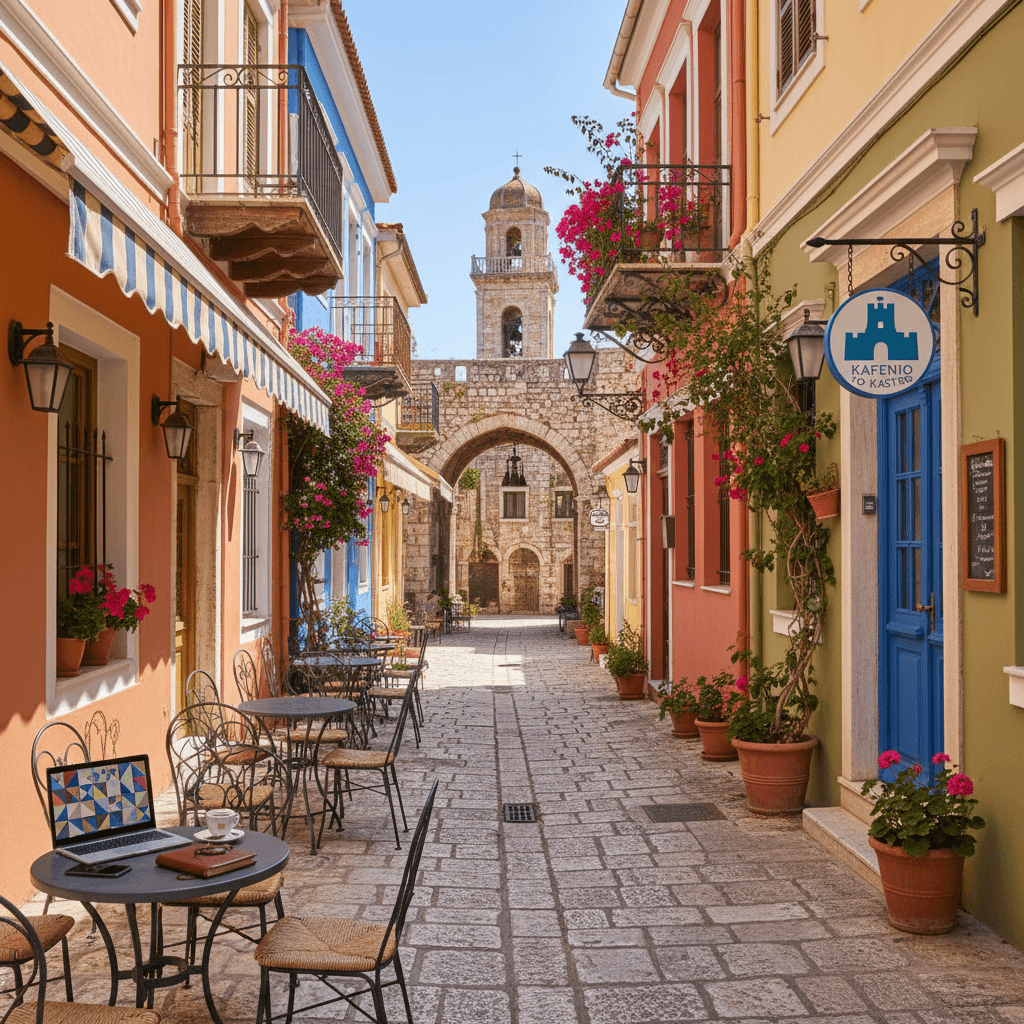
Nafplio
🇬🇷 Greece