Ericeira
🇵🇹 Portugal
The Blue Wave State of Mind
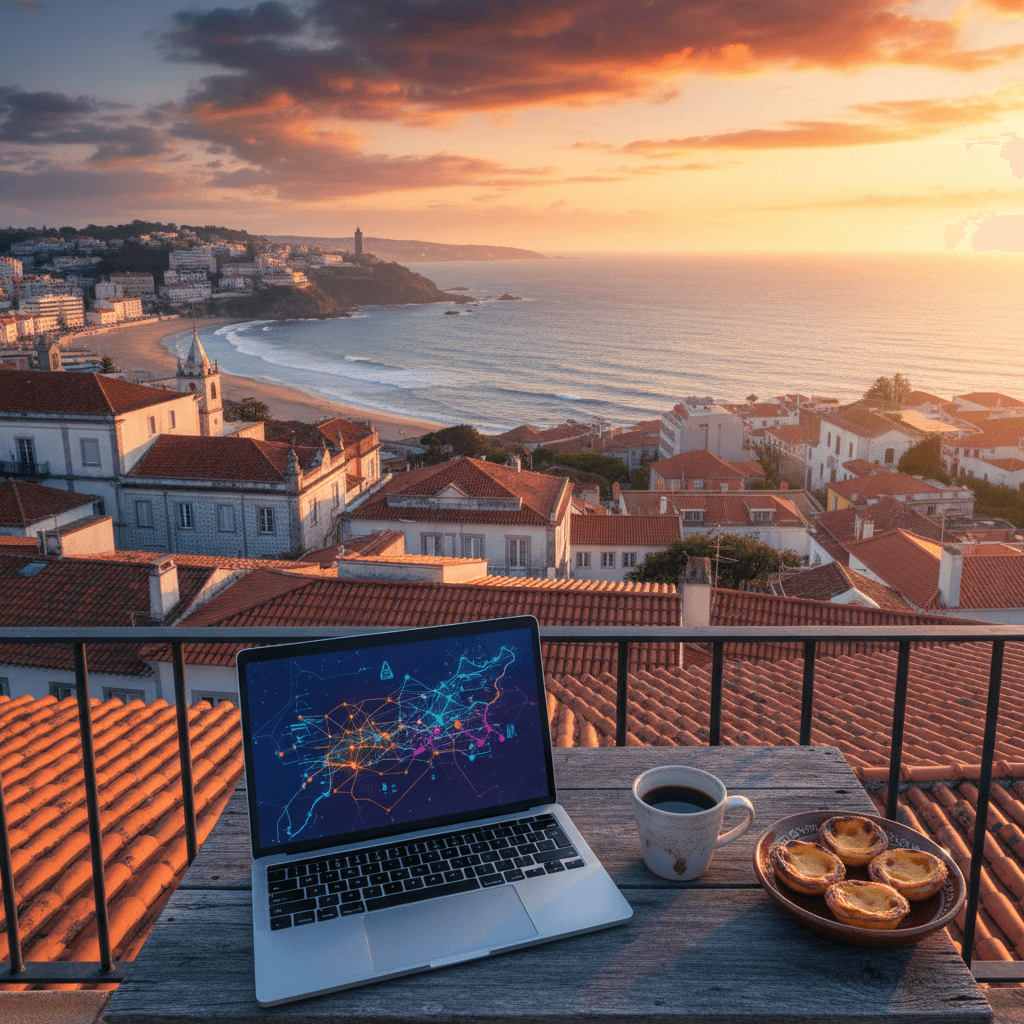
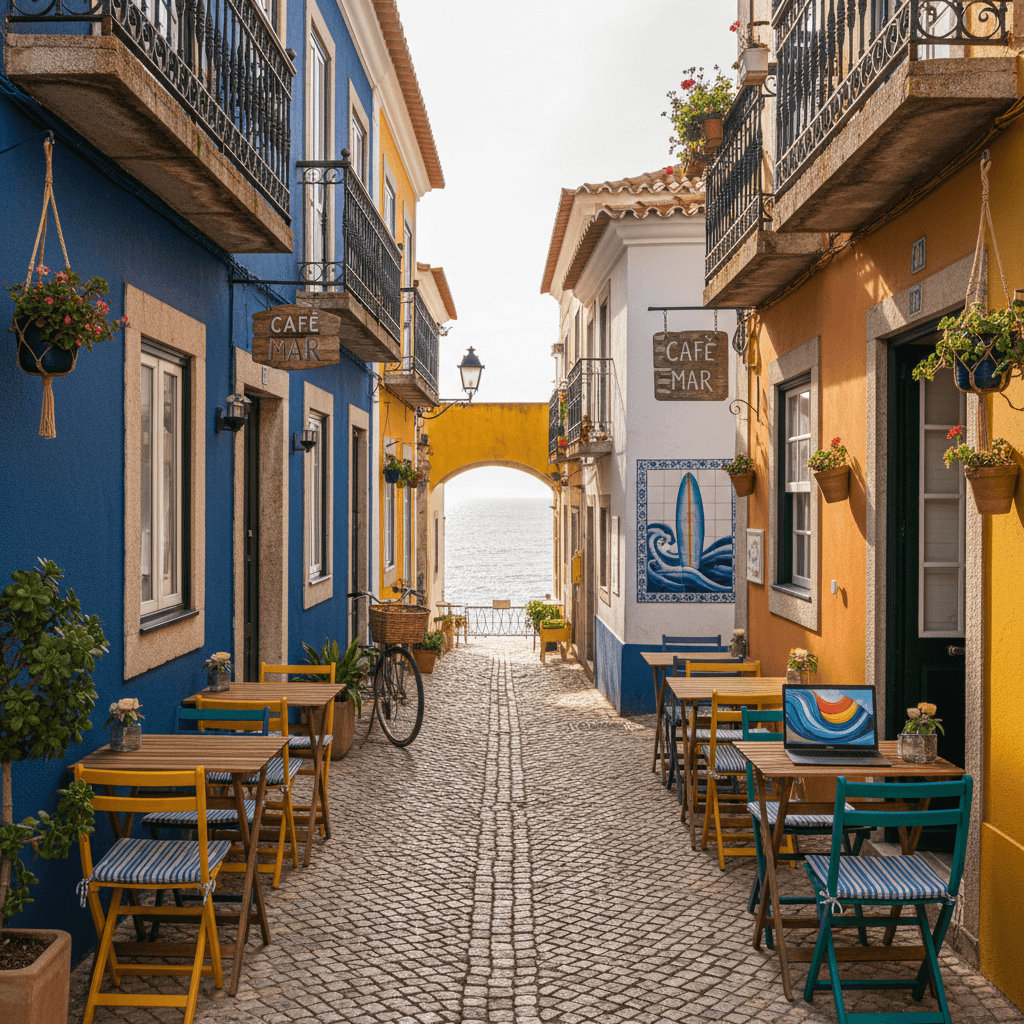
Known locally as Onde O Mar É Mais Azul (where the sea is the most blue), Ericeira isn't your typical European beach town. It’s the only World Surfing Reserve in Europe, and that title shapes every aspect of life here. While Lisbon is all about hills and history, Ericeira is about the horizon. It’s a place where the morning fog clears to reveal cobblestoned streets, whitewashed houses with blue trim, and a community that prioritizes the tide report over the stock market.
For nomads, the draw is a specific kind of grounded, creative energy. You aren't just here to work; you're here to reset your nervous system. The rhythm is predictable in the best way: sunrise yoga or a quick surf, a few hours of deep work at a local cafe, and sunset beers with a group of people who likely moved here for the exact same reasons you did. It feels less like a transient hub and more like a coastal village that happens to have 150 Mbps fiber optic internet.
Cost of Living Breakdown
While prices have risen alongside its popularity, Ericeira remains significantly more affordable than London or Paris. Based on 2026 data, most solo nomads find they can live comfortably on a monthly budget of €2,200 to €3,000.
- Budget Tier: You'll likely stay in a shared coliving space like Nomadico (available seasonally from October to May—check current rates), eat at local bakeries, and use the municipal buses.
- Mid-Range Tier: This covers a private one bedroom apartment in the center for €800 to €1,000, a monthly desk at a coworking space for €180, and regular meals out.
- Comfortable Tier (€3,000+): Expect a high-end villa or modern apartment, daily dinners at upscale seafood spots, and frequent weekend trips to Sintra or Lisbon via Uber.
Where to Plant Your Laptop
The town is compact, but your choice of neighborhood dictates your daily "commute" to the waves. Most nomads stick to the Centro around Largo do Jogo da Bola. It's the heart of the social scene, filled with indie cafes and surf shops. You can walk everywhere, though it gets crowded during the June to August peak season.
If you're here specifically to surf every morning, look toward Ribeira d'Ilhas or Foz do Lizandro. These areas feel more rugged and offer world class waves right outside your door, though you'll want a bike or a car to get into the center for groceries. For a quieter, more family friendly vibe, Praia dos Pescadores near the fishing harbor offers a glimpse into the town's heritage with some of the best fresh seafood in Portugal.
The Remote Work Scene
The WiFi infrastructure is surprisingly robust for a fishing village. You'll find fast connections in almost every rental, but the coworking spaces are where the community actually happens. Salt Studio is the local favorite for networking and pitch nights, while The Base and Kelp offer a more focused, professional environment. A day pass usually runs about €15.
If you prefer the cafe office life, the town is very accommodating. You'll see laptops open in most bakeries near the main square. For mobile data, grab a SIM from MEO or Vodafone. You can get unlimited data for €10 to €20 per month, which is perfect for working from the beach cliffs when the weather is nice.
Climate and Timing
Timing your stay is everything. May through October offers the best balance of warm weather and active social calendars. September and October are arguably the "goldilocks" months, where the water is at its warmest and the summer crowds have thinned out. Winters, from November to March, are quiet, rainy, and can feel a bit isolating if you aren't a hardcore big wave surfer.
- Summer (Jun to Aug): 20 to 28°C. High energy, busy beaches, peak prices.
- Shoulder Season (Apr to May, Sep to Oct): 17 to 24°C. Perfect for hiking and productivity.
- Winter (Nov to Mar): 10 to 17°C. Rainy and windy, but great for deep work and cheap rent.
Practical Survival Tips
English is widely spoken in the surf shops and coworking spaces, but learning a few Portuguese basics like "Conta, por favor" (the bill, please) goes a long way with the locals. For getting around, the town center is highly walkable. If you need to head to Lisbon, the bus takes about 50 minutes and costs €5 to €10. For late night returns or airport runs, Uber and Bolt are reliable and usually cost between €40 and €60 from the airport.
The Price of Paradise
Living in Ericeira offers a significant discount compared to major Western European hubs, though it's no longer the dirt-cheap secret it once was. Most nomads find a monthly budget of €2,000 to €2,800 hits the sweet spot for a mid-range lifestyle. This covers a private apartment, daily cafe visits, and a dedicated desk at a coworking space. If you're on a tighter budget, sticking to coliving spaces like Nomadico or Outsite can keep your costs between €1,200 and €1,800 per month by bundling your housing and workspace costs.
The local economy is still grounded in its fishing heritage, which helps keep grocery and local dining prices reasonable. While luxury beachfront spots will charge Lisbon prices, the traditional tascas in the town center still serve up affordable meals. Expect to pay around €10 to €15 for a solid lunch of grilled fish or petiscos (Portuguese tapas).
Monthly Budget Breakdowns
- Budget Nomad (€1,200 to €1,800): Best for those staying in shared coliving dorms or rooms starting at €250 per week. You'll mostly eat street food like prego rolls for €5 to €8 and use the local bus system rather than rideshares.
- Mid-range Nomad (€2,000 to €2,800): This covers a private one bedroom apartment in the €800 to €1,000 range, a monthly coworking membership at Salt Studio for €180, and frequent meals out at mid-tier seafood spots.
- Comfortable Nomad (€3,000+): For those who want a premium villa or high-end apartment, private office space, and weekend trips to Sintra or Lisbon via Uber, which usually costs €40 to €60 one way.
Housing and Neighborhoods
Finding a place can be competitive during the peak surf season from June to August. Most long-term nomads recommend searching via Idealista or local Facebook groups, though coliving remains the most frictionless entry point for shorter stays.
Centro (Largo do Jogo da Bola)
- Rent: €600 to €1,000 for a studio or 1BR.
- Vibe: The heart of the action. You're steps away from the best bakeries and coworking hubs. It gets crowded in summer but stays lively year-round.
Praia de Ribeira d'Ilhas
- Rent: €700 to €1,100 for modern apartments.
- Vibe: Targeted at serious surfers. It's quieter and offers stunning ocean views, but you'll likely need a bike or a car to get into town for groceries.
Praia do Sul
- Rent: €800 to €1,200.
- Vibe: A more relaxed, residential feel. It's perfect for solo travelers looking for a quiet reset, though public transport here is notoriously sparse.
Everyday Expenses
Dining out is one of Ericeira's biggest draws. A coffee and a pastel de nata will only set you back about €2.50. For dinner, a mid-range meal with wine usually lands around €20. If you're cooking at home, local markets offer fresh produce and fish at prices much lower than what you'd find in Northern Europe or the US.
Getting around is affordable if you stay central. The town is highly walkable, but if you're heading to the further surf breaks, a local bus ride is €2 to €5. Many nomads use the Bolt or Uber apps for quick trips, with local rides rarely exceeding €15. For connectivity, grab a local SIM from MEO or Vodafone. You can get unlimited data for €10 to €20 per month, which is a lifesaver if your apartment WiFi hits a snag during a coastal storm.
Coworking and Productivity
Ericeira has evolved into a legitimate remote work hub. You aren't just limited to working from your kitchen table. Salt Studio is a favorite for its community events and costs about €15 for a day pass. Other solid options include Kelp and The Base, which cater specifically to the surf-remote crowd. If you need a private office for a longer stint, expect to pay around €473 for a 90-day block.
For Nomads and Remote Workers: Centro (Largo do Jogo da Bola)
If you want to be in the heart of the action, the town center around Largo do Jogo da Bola is your home base. This is the most popular choice for solo nomads because everything is walkable. You're steps away from the best indie cafes, surf shops, and the town's most established coworking spaces like Salt Studio and The Base.
Living here means you're immersed in the classic Ericeira aesthetic: whitewashed buildings with blue trim and narrow cobblestoned streets. Expect to pay between €600 and €1,000 for a studio or one bedroom apartment. While it's the most convenient area, keep in mind that the summer months of June through August bring heavy tourist crowds and a bit more noise at night.
For Expats and Long-Term Residents: Praia dos Pescadores
The area surrounding the Fishing Harbour offers a more grounded, traditional feel that appeals to those staying for six months or more. It retains a strong heritage vibe where you'll see local fishermen working on their nets alongside modern seafood tapas bars. It's scenic and feels a bit more "real" than the surf focused outskirts.
Expats often choose this area for its proximity to the best fresh fish markets and the town's historic core. While the weekend can get lively with visitors from Lisbon, the weekdays are peaceful. It's a great spot if you want a balance of local culture and seaside views, though parking can be a nightmare if you decide to keep a car.
For Serious Surfers: Praia de Ribeira d'Ilhas and Foz do Lizandro
If your primary reason for being here is the World Surfing Reserve, you'll want to look at the clusters near these two iconic beaches. Ribeira d'Ilhas is the cathedral of Portuguese surfing, offering world class waves and a productive, ocean focused energy. Foz do Lizandro is slightly more relaxed with a wide sandy beach and a few trendy bars right on the water.
The downside is that these areas are further from the town center. You'll likely need a bike or a bus pass to get into the main village for groceries or social meetups. However, the rent can be slightly more competitive, and the views of the Atlantic are unbeatable. Most nomads here use Kelp or Nomads @ Ericeira for deep work sessions when they aren't in the water.
For Families and Quiet Seekers: Praia do Sul
Located on the southern edge of town, Praia do Sul and the nearby São Julião are much quieter than the center. This area is ideal for families or couples who want a residential feel and easier access to the more advanced, less crowded surf breaks. The atmosphere is laid back and the air quality is fantastic.
- Vibe: Residential, quiet, and breezy.
- Accessibility: Limited public transport; a car or e-bike is recommended.
- Safety: Very safe, though travelers recommend avoiding the more isolated beach paths of São Julião after dark.
- Cost: Mid range prices, often with more space for your money compared to Centro.
At a Glance: Monthly Budget Estimates
- Budget Nomad: €1,200 to €1,800. This usually involves a bed in a coliving space like Nomadico for about €250 per week, eating street food for €5 to €8, and using the local bus system.
- Mid-range Resident: €2,000 to €2,800. This covers a private one bedroom apartment, a monthly coworking membership at €180, and regular meals at mid range seafood spots.
- Comfortable Living: €3,000+. Includes a premium apartment with ocean views, a private office, upscale dining at surfside restaurants, and frequent weekend trips to Sintra or Lisbon via Uber.
Connection Speed and Reliability
You won't have to worry much about bandwidth while watching the Atlantic swells. Ericeira's infrastructure is surprisingly robust for a fishing village. Most central apartments and cafes offer fiber optic speeds ranging between 50 and 150 Mbps. While the connection is generally rock solid, the occasional coastal storm can cause minor blips, so nomads often keep a local SIM as a backup.
Mobile coverage is excellent across the board. You'll get 5G in the town center and 4G even on most of the surrounding beaches. If you're planning to work from a van or a remote villa, grab a prepaid SIM from MEO, Vodafone, or NOS. You can find these at local shops for €10 to €20, often with unlimited data packages that make tethering for video calls a breeze.
Top Coworking Spots
The coworking scene here is less about corporate cubicles and more about community and "deep work" vibes. Most spaces are concentrated near the Largo do Jogo da Bola or within a short walk of the main surf breaks. Expect to pay around €15 for a day pass or €180 for a monthly hot desk.
- Salt Studio: This is the heartbeat of the local nomad community. It's known for hosting pitch nights and social mixers. It's right in the center, making it easy to grab a coffee or a quick lunch between meetings.
- Nomads @ Ericeira: If you need a quiet environment for intense focus, this is the spot. It leans more toward a professional atmosphere than a social hub, perfect for when deadlines are looming.
- The Base: This space perfectly captures the Ericeira lifestyle. It's designed for people who want to balance a morning surf session with a productive afternoon. The vibe is laid-back but the internet is fast.
- Kelp: Another solid option that balances a creative atmosphere with reliable amenities. It's often frequented by designers and freelancers who appreciate a bit of aesthetic inspiration.
Laptop-Friendly Cafes
If you prefer the hum of a coffee machine to a dedicated desk, Ericeira's cafe culture is welcoming to remote workers. Many of the bakeries tucked away on the cobblestoned streets have decent WiFi and don't mind if you stay for a couple of hours. Just be mindful during the busy lunch rush between 1:00 PM and 3:00 PM.
Travelers often recommend the cafes near the Praia dos Pescadores for a morning session with a view. While most spots are laptop-friendly, it's always polite to ask "WiFi senha?" before you settle in. Some smaller, traditional Portuguese joints might not have public networks, but the more modern "surf cafes" almost always do.
Coliving and Community
For those who want their workspace and bed in the same building, coliving is a massive trend here. It's arguably the easiest way to plug into the social scene. Nomadico offers seasonal coliving (typically Oct-May) – check nomadico.io for current rates and availability. Outsite also has a presence, offering a more upscale experience for those with a higher budget.
Living in a coliving space usually includes high-speed internet, a dedicated desk, and an instant group of friends to go to sunset beers with. Recent arrivals say this is the best way to "reset your nervous system" because the community handles the logistical headaches of finding a good desk and stable WiFi for you.
Practical Tech Tips
- Power Adapters: Portugal uses Type F plugs. If you're coming from outside the EU, bring a sturdy adapter.
- Digital Tools: Use Wise or Revolut for your daily expenses. Most cafes and coworkings prefer card payments, and these apps offer the best exchange rates.
- Peak Season: If you're visiting during the high season from June to August, book your coworking desk in advance. The town gets crowded, and the best spots fill up fast.
- Language: Most people in the tech and surf scene speak great English, but knowing a few phrases goes a long way. Use Google Translate's offline Portuguese pack for those moments when you're deep in the hills of Mafra.
Ericeira is one of those rare places where you can truly let your guard down. It feels more like a tight-knit neighborhood than a tourist destination, and for the most part, the biggest safety concern you'll face is a sunburn or a tricky current at Praia do Sul. It's an exceptionally safe town where locals and nomads coexist peacefully, but there are a few practicalities to keep in mind regarding your health and physical security.
General Safety and Street Smarts
You can comfortably walk through the Centro or near Largo do Jogo da Bola at any hour without looking over your shoulder. Violent crime is virtually nonexistent here. Most nomads feel perfectly fine carrying a laptop between cafes like Kelp or Salt Studio. That said, it's still a coastal town with quiet corners. While there are no "no-go zones," travelers recommend staying in well-lit areas at night and avoiding isolated beaches like São Julião after dark, simply because they are remote and lack cell service in some spots.
The real "danger" in Ericeira is the Atlantic itself. This is a World Surfing Reserve for a reason; the waves are powerful and the tides move fast. If you aren't an experienced surfer, stick to the supervised areas at Praia dos Pescadores. Always check the flags on the beach: green means go, yellow means stay near the shore, and red means stay out of the water entirely.
Healthcare Infrastructure
For minor issues, pharmacies (farmácias) are your first line of defense. They are abundant in the town center and the staff usually speak excellent English. They can handle basic prescriptions and offer medical advice for common ailments. If you need a doctor, there are local clinics in Ericeira, but for anything serious or specialized, most expats head to Mafra (about 15 minutes away) or into Lisbon, which is 50km south and home to world-class private hospitals like CUF or Hospital da Luz.
- Emergency Services: Dial 112 for all emergencies (police, fire, or ambulance). It's the standard EU-wide number.
- Public vs. Private: If you have a residency permit, you can access the public SNS system, but most nomads prefer private insurance. It's affordable and ensures you'll be seen by an English-speaking doctor much faster.
- Air and Water Quality: The air quality is fantastic thanks to the constant sea breeze. The tap water is safe to drink, though some find the mineral taste a bit strong and prefer filtered water.
Practical Tips for Staying Well
The pace of life here is a health benefit in itself. Many nomads find their mental health improves just by swapping a gym for a morning surf or a yoga session. However, the damp Atlantic air can be tough on the lungs during the rainy season from November to February. If you're renting an older Portuguese house in the center, check for mold and ensure you have a dehumidifier; the coastal humidity is no joke in the winter.
- Insurance: Most nomads use SafetyWing or World Nomads for basic coverage, but if you're staying long-term, look into local private plans like Multicare or Médis.
- Sun Protection: The breeze makes it feel cooler than it is. Don't skip the SPF 50, especially if you're spending the afternoon working on a terrace at The Base.
- Pharmacy Hours: Most are open 9:00 AM to 7:00 PM, but there is always a "Farmácia de Serviço" open 24 hours in the area. You can find out which one is on duty by checking the list posted on any pharmacy door.
The Logistics of Coastal Life
Ericeira is a compact village where your feet are often your best asset. The historic center, particularly around Largo do Jogo da Bola, is incredibly walkable. You can easily bounce between your apartment, a morning surf at Praia dos Pescadores, and a coworking session at Salt Studio without ever needing a set of wheels. The cobblestone streets are charming, though they can be slippery when the Atlantic mist rolls in, so leave the fancy footwear behind.
If you're staying further out near Ribeira d'Ilhas or Foz do Lizandro, the geography gets a bit more spread out. While some nomads brave the hills on bicycles, most find that the lack of dedicated bike lanes makes it a bit of a workout. For daily commutes from the outskirts, a scooter rental is a popular choice among the long term crowd, typically costing between €10 and €20 per day.
Public Transport and Ridesharing
Getting in and out of town is relatively straightforward. To reach Lisbon, the Carris Metropolitana bus service is your lifeline. It's a reliable 50 minute journey that costs between €5 and €10 depending on the specific line. It drops you at the Campo Grande station, connecting you to the rest of the capital's metro grid.
For shorter hops or when you're carrying a surfboard, rideshare apps are the way to go. Uber and Bolt both operate in the area. A quick trip across town usually runs €5 to €8, while a ride all the way to Lisbon Airport typically falls in the €40 to €60 range. If you're heading to Sintra for a day trip, the bus is a scenic 30 minute ride and much cheaper than a private car.
The Ericeira Beach Bus
During peak summer (typically June 15 to Sept 15), the Ericeira Beach Bus shuttles between beaches and town center for about €1 per ride. It's a dedicated shuttle designed to move people and their boards between the main beaches and the town center, saving you the headache of trying to find parking at Praia do Sul or Ribeira d'Ilhas when the crowds peak in July and August.
Practical Transport Tips
- Airport Transfers: If you're on a budget, take the bus from Lisbon. If you've got luggage and a board bag, book a Bolt for about €45.
- Car Rentals: Unless you plan on exploring the remote cliffs of São Julião daily, you don't really need a car. If you do rent one, be prepared for tight parking in the Centro.
- Walking: Stick to the well lit main roads if you're walking back from the beach bars at night. Ericeira is very safe, but the coastal paths can be pitch black.
- Fintech: Keep Wise or Revolut on your phone. Most local transport and cafes accept cards, but having a bit of cash for the smaller buses is a smart move.
Navigation Essentials
- Top Apps: Google Maps for walking, Bolt for rideshares, and Carris Metropolitana for bus schedules.
- Connectivity: Pick up a Vodafone or MEO SIM card for about €15. The 5G coverage is excellent even on the beach, which is great for checking bus times on the fly.
- Language: Most drivers and ticket agents speak enough English to help you out, but a quick "Bom dia" goes a long way.
The Local Lingo
Portuguese is the heartbeat of this seaside village, but you won't need to be fluent to find your way around. Because Ericeira has evolved into Europe's premier surf hub, English proficiency is quite high, particularly among the younger crowd and those working in the hospitality sector. You will find that most cafe owners, surf instructors, and coworking staff speak moderate to excellent English.
That said, Ericeira remains a traditional fishing village at its core. Older residents and shopkeepers outside the immediate tourist center might only speak Portuguese. Learning a few basics goes a long way in building rapport with the locals. Start your morning with a "Bom dia" (good morning) at the bakery, and always remember "Obrigado" (if you identify as male) or "Obrigada" (if you identify as female) for a simple thank you.
Digital Communication and Connectivity
Staying connected is rarely an issue here. Most nomads find the local infrastructure surprisingly robust for a town of this size. You can expect fiber optic speeds ranging from 50 to 150 Mbps in the town center and dedicated coworking spaces. If you are working from a rental in the more remote outskirts like São Julião, it is wise to have a local SIM card as a backup.
- Top SIM Providers: MEO, Vodafone, and NOS offer the best coverage. You can pick up a prepaid card for €10 to €20 with generous or even unlimited data packages.
- WiFi Access: Most cafes near Largo do Jogo da Bola are laptop friendly, though it is polite to ask "Qual é a senha do WiFi?" (What is the WiFi password?) before settling in for a long session.
- Essential Apps: Keep Google Translate downloaded with the offline Portuguese pack for quick menu translations or complex questions at the pharmacy.
Social Dynamics and Networking
The "Language of Surf" often supersedes everything else here. Communication is relaxed and informal. You will find that the best networking happens post-surf over a beer or during community events at Salt Studio or The Base. These spaces frequently host pitch nights and workshops where English is the primary language of business.
Expats and long term nomads often join local Facebook groups or WhatsApp chats to stay informed about community dinners and sunset meetups. While the vibe is welcoming, remember that Ericeira is a conservative community outside the surf schools. When you are away from the beach, dressing modestly and greeting people with a polite nod is the standard way to communicate respect for the local heritage.
Practical Phrases for Your Stay
While you can get by with English in 90% of your daily interactions, these phrases will make your life easier at the local markets and restaurants:
- "A conta, por favor": The bill, please (essential for those long lunches).
- "Fala inglês?": Do you speak English? (always better to ask first).
- "Onde é o...": Where is the... (useful for finding the post office or a specific surf shop).
- "Um café, por favor": A coffee, please (usually an espresso unless you specify otherwise).
Most travelers find that the blend of international surf culture and traditional Portuguese hospitality creates a low stress communication environment. If you hit a language barrier, a smile and a few hand gestures usually solve the problem. The locals are used to the nomad community and generally appreciate the creative energy you bring to their "blue" corner of the world.
The Atlantic Rhythm
Ericeira doesn't just have weather; it has a mood. Because it sits on a rugged stretch of the Atlantic coast, the climate is defined by the ocean. You'll find a mild, salty breeze year round that keeps the air fresh and the sky that specific shade of "Ericeira blue." Nomads here generally live by the surf report, even if they don't surf, because the tide and wind dictate the town's energy.
The sweet spot for a productive stay is May through October. During these months, the sun is consistent, the rain disappears, and the town feels alive. While Lisbon can get sweltering in the summer, Ericeira stays comfortable with highs averaging 24°C to 28°C. It's the perfect setup for morning deep work at Salt Studio followed by a 4:00 PM surf session at Ribeira d'Ilhas.
Season by Season Breakdown
- Spring (April to May): This is the "shoulder season" favorite for long term nomads. The flowers are blooming on the cliffs, the rains are tapering off, and temperatures sit around 17°C to 20°C. It's quiet enough to find a seat at any cafe in Largo do Jogo da Bola without a wait.
- Summer (June to August): Expect peak sunshine and the most social atmosphere. While it's the busiest time for tourism, the coastal breeze prevents the heat from becoming oppressive. This is when the community events, sunset beers, and outdoor yoga classes are at their peak.
- Autumn (September to October): Many locals consider this the best time of year. The water is at its warmest, the summer crowds have thinned, and the days remain bright with highs around 20°C to 24°C. It's the ideal balance of social life and focus.
- Winter (November to March): Things get cozy, but damp. Ericeira enters its rainy season, with peaks in November and February. Temperatures hover between 10°C and 16°C. While the waves are massive and world class, many nomads find the grey skies and humidity a bit draining for long term stays unless they're here specifically for big wave season.
When to Book Your Stay
If you're looking for the quintessential "digital nomad" experience, aim for a September arrival. You'll catch the tail end of summer warmth, but you'll avoid the highest rental prices and the busiest tourist crowds. Most expats recommend avoiding January and February unless you have a high quality heater in your apartment; traditional Portuguese houses are built to stay cool, which makes them notoriously chilly during the wet winter months.
Keep in mind that even in the height of summer, the Atlantic is never truly warm. Water temperatures rarely climb above 18°C or 19°C. If you plan on getting in the water, you'll want a 3/2mm wetsuit in the summer and a 4/3mm for the rest of the year. For those just here for the views, a light jacket is a year round requirement for when the sun goes down and the ocean mist rolls in.
Practical Climate Tips
- The "Nortada": This is a strong north wind that can kick up in the afternoons during summer. It's great for kitesurfers but can make the beaches a bit sand-blasty. If it's windy, head to Praia dos Pescadores, which is better sheltered by the cliffs.
- Humidity Management: Because you're right on the water, humidity is high. When looking for a mid-term rental on Idealista or Facebook groups, always ask if the property has a dehumidifier or a reliable heating system for the winter.
- The Fog: Don't be surprised by the "morning mist." It often blankets the coast until 11:00 AM before burning off into a perfectly clear day. It's the best time to hunker down for a few hours of focused work before the sun tempts you outside.
Connectivity and Workspace
You won't have much trouble staying connected in Ericeira. The town is surprisingly well wired for a seaside village, with fiber speeds typically ranging between 50 and 150 Mbps. While most cafes are laptop friendly, having a local SIM card as a backup is a smart move. Pick up a card from MEO, Vodafone, or NOS for about €10 to €20 per month; the coverage is excellent even near the cliffs.
For serious deep work, the local coworking scene is small but high quality. Salt Studio is the community hub where you'll find pitch nights and social mixers. If you need a more corporate, quiet environment, Nomads @ Ericeira or The Base are reliable picks. Expect to pay around €15 for a day pass or €180 for a monthly desk. Most nomads find the balance between a morning surf at Ribeira d'Ilhas and an afternoon at the office is what makes this place special.
Cost of Living Breakdown
Living here is significantly more affordable than Lisbon, though prices spike during the summer high season from June to August. For a solo nomad, a mid range monthly budget sits between €2,000 and €2,800. If you are on a tighter budget, shared coliving spaces like Nomadico can bring your weekly housing costs down to about €250.
- Housing: A private one bedroom apartment in the Centro typically costs between €800 and €1,000 per month.
- Food: Local street food runs €5 to €8, while a mid range dinner with seafood tapas will cost €10 to €15. Upscale dining at surfside spots starts around €30.
- Transport: Local buses are cheap at €2 to €5, and an Uber into Lisbon usually costs between €40 and €60.
Navigating the Neighborhoods
Ericeira is compact, but where you stay changes your experience. Most nomads gravitate toward Centro, specifically around Largo do Jogo da Bola. It is the most walkable area, packed with indie cafes and easy access to coworking spaces, though it gets crowded in the summer.
If you are here strictly for the waves, look at Praia de Ribeira d'Ilhas. It is quieter and more productive, though you'll likely need a bike or the local bus to get into town for groceries. Families and expats often prefer Praia dos Pescadores for its heritage vibe and calmer waters. Avoid staying too far out in São Julião unless you have a rental car; it is beautiful but isolated and public transport there is unreliable after dark.
Weather and Timing
The best window for a visit is May through October. This is when the weather is warm, ranging from 20°C to 28°C, and the community is most active. The winter months from November to February are the rainy season. While the waves are massive and impressive, the town can feel a bit sleepy and damp, with temperatures dipping to 10°C.
Health and Safety
This is an incredibly safe town. Violent crime is almost non existent, and the air quality is some of the best in Europe. For any medical needs, there are plenty of pharmacies in the center, and larger hospitals are located 50km away in Lisbon or nearby Mafra. In any emergency, dial 112. The local community is welcoming, though it helps to learn a few phrases like "Conta, por favor" when asking for the bill or "Obrigado" to say thanks. Most people in the surf shops and cafes speak decent English, but older locals in the fishing harbor will appreciate your effort to speak Portuguese.
Daily Logistics
Getting around is simple if you stay central. The town is highly walkable, and you can rent bikes or scooters for €10 to €20 a day to reach the further beaches. For day trips, the palaces of Sintra are only a 30 minute bus ride away. When it comes to local customs, remember that this is still a traditional fishing village. Dress modestly when you are away from the sand and always respect surf etiquette in the water; the locals are protective of their waves.
Need visa and immigration info for Portugal?
🇵🇹 View Portugal Country GuideEasy Landing
Settle in, no stress
Monthly Budget Estimates
More cities in Portugal
Tavira
🇵🇹 Portugal
Albufeira
🇵🇹 Portugal
Sagres
🇵🇹 Portugal