El Valle de Anton
🇵🇦 Panama
The Crater Life
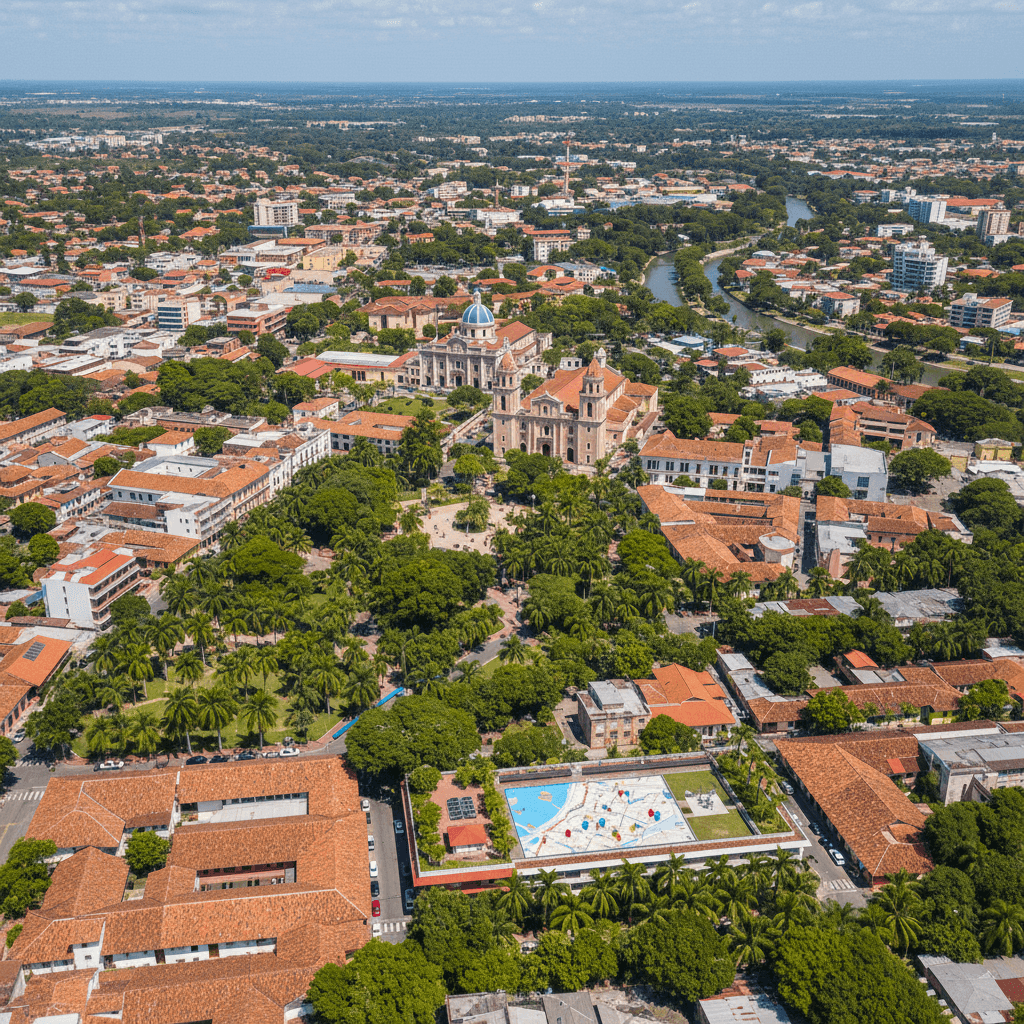
Imagine waking up inside the caldera of a dormant prehistoric volcano. That is the daily reality in El Valle de Anton. While most nomad hubs are defined by coastal humidity or urban grit, El Valle feels like a cool, green sanctuary tucked away in the Cocle mountains. It is a place where the air is noticeably crisper than in Panama City, and the morning mist clings to the jagged peaks of La India Dormida before the sun burns it off by mid morning.
The vibe here is decidedly low gear. It is the kind of town where people still greet each other on the street with a friendly "Buenos dias," and the loudest noise you will hear is the wind through the trees or the occasional tropical downpour. For digital nomads, it serves as a high productivity retreat. Without the distractions of a wild nightlife scene or endless shopping malls, you will find it much easier to focus on your deep work before heading out for a sunset hike or a soak in the local hot springs.
Cost of Living Breakdown
Your dollar goes much further here than in the capital. Most expats find they can live a very comfortable life on $1,500 to $2,500 per month. Here is how the monthly budget usually shakes out:
- Budget Tier (Under $1,500): You will likely stay on the outskirts of the town center. Rent for a modest studio runs $400 to $600. You will eat mostly at local fondas where a plate of arroz con pollo costs $5, and you will rely on a bicycle or your own two feet to get around.
- Mid Range ($1,500 to $2,000): This buys you a central apartment for $600 to $900. You can afford frequent dinners at mid range spots for $15 and perhaps a shared office setup for $100 a month.
- Comfortable (Over $2,000): This tier allows for modern homes with mountain views starting at $900. You will likely want a car rental, which runs $300 to $500 a month, and you can enjoy the few upscale dining options without checking the menu prices.
Where to Plant Your Roots
The town is compact, but your choice of neighborhood changes the experience. The Town Center near the main square is the heartbeat of El Valle. It is the best spot for solo nomads who want to be within walking distance of the Sunday market, cafes, and the small but active expat community. It is the most social area, though it can get a bit busier on weekends when city dwellers visit.
If you prefer silence, look toward the Outskirts near the trailheads or hot springs. These areas are popular with long term expats and families. You get more space and better views for your money, but you will definitely need a car or a sturdy mountain bike. Just be aware that these lower lying areas can face flooding risks during the peak of the rainy season in October and November.
Connectivity and Remote Work
The internet in El Valle is surprisingly resilient for a mountain town. You can typically find speeds between 20 and 50 Mbps, with fiber options available through Cable & Wireless or Movistar. While there are not many formal coworking spaces, the local cafe culture is welcoming. You will often see nomads tucked into corners of coffee shops near the square, fueled by Panamanian beans and reliable Wi-Fi.
For mobile data, grab a prepaid SIM from Claro or Digicel. You can get about 20GB of data for $10 to $20 at almost any local shop. It is a smart move to have a backup hotspot, especially during heavy storms when the power might flicker.
Safety, Health, and Logistics
Safety is rarely a concern here. It is a tight knit community where people look out for one another. There are no "no go" zones, though you should keep an eye on your belongings in public spaces just like anywhere else. Healthcare is the one area where El Valle is limited. There are basic clinics and pharmacies for minor ailments, but for anything serious, you are looking at a 1.5 hour drive to the high tech hospitals in Panama City.
Getting around is simple. The town center is highly walkable, and local buses or taxis are cheap at $1 to $2 per ride. If you need to head to the city, a private transfer usually costs $50 to $80. Most long term residents eventually realize that having their own vehicle is the best way to explore the hidden waterfalls and neighboring mountain peaks that make this region so special.
The Price of Paradise in the Crater
Living in a dormant volcano doesn't have to erupt your budget. El Valle de Anton offers a significant discount compared to the high rises of Panama City, making it a favorite for nomads who want their dollars to stretch further without sacrificing a cool mountain breeze. Most expats find they can live a very comfortable life here on a budget between $1,500 and $2,500 per month.
Your biggest variable will be housing. If you are looking for a simple studio on the outskirts of the town center, you can find rentals for as low as $400 to $600. For those who want to be in the heart of the action or tucked away in the scenic hills with modern amenities, expect to pay $900 or more. Because the rental market is local and informal, many nomads skip the big booking sites and find the best deals through Encuentra24, Facebook Marketplace, or by asking around in the "El Valle de Anton Expats" Facebook group.
Monthly Budget Breakdowns
To give you a better idea of how the numbers shake out, here is what you can expect based on your lifestyle tier:
Budget Tier (Under $1,500/mo)
- Rent: $400 to $600 for a modest 1BR on the town outskirts.
- Meals: Mostly cooking at home with occasional $5 local lunches (Fonda style).
- Transport: Walking, biking, or the occasional $1 local bus ride.
- Workspace: Working from home or buying a coffee at a local cafe.
Mid-Range Tier ($1,500 to $2,000/mo)
- Rent: $600 to $900 for a central apartment or small house.
- Meals: Mixing home cooking with $10 to $15 dinners at mid-range restaurants.
- Transport: Frequent use of taxis or the InDriver app at $5 to $10 per trip.
- Workspace: A mix of home office and shared expat office spaces for about $100 a month.
Comfortable Tier (Over $2,000/mo)
- Rent: $900+ for a modern villa with mountain views.
- Meals: Dining out regularly at upscale spots where entrees run $20 and up.
- Transport: Monthly car rental, which typically costs between $300 and $500.
- Workspace: Dedicated desk setup or private office space.
Connectivity and Remote Work Costs
Staying connected is surprisingly affordable. Cable & Wireless and Movistar provide the backbone for the town's internet, with fiber options delivering 20 to 50 Mbps in most central areas. A solid home internet setup will run you about $50 a month. For mobile data, grab a prepaid SIM from Claro or Digicel at a local shop; $10 to $20 usually gets you 20GB of data, which is plenty for a backup hotspot.
While formal coworking spaces are still catching up to the demand, the cafe culture is welcoming. You can spend an afternoon working near the town square for the price of a few coffees. If you need a more professional environment, informal expat shared offices pop up frequently, with monthly memberships ranging from $100 to $200.
Day-to-Day Expenses
Groceries are a highlight of living here. The Sunday market in the town square is the place to be for fresh, local produce at prices much lower than the supermarkets. For banking, Banistmo has ATMs in town, but savvy travelers recommend using Wise or Revolut to avoid the hefty international transaction fees common with traditional banks.
Healthcare is one area where you might need to plan ahead. While there are local pharmacies and a basic clinic for minor issues, serious medical needs require a 1.5 hour drive to Panama City. It is a good idea to factor in the cost of private health insurance, though out of pocket costs for basic visits and prescriptions remain very low compared to North American standards.
For Solo Travelers and Nomads
If you're landing in El Valle for the first time, stick to the Town Center. Life here revolves around the main square and the central market. It's the most walkable part of town, meaning you can grab a morning coffee, hit the market for fresh fruit, and settle into a cafe for a few hours of work without needing a car.
- Rent: Expect to pay $600 to $900 for a central studio or a small one-bedroom apartment.
- Vibe: Social and convenient. This is where you'll find the highest concentration of other travelers and digital nomads.
- Food: You're steps away from local $5 to $8 lunches and the best coffee spots.
The main trade-off is the noise. While El Valle isn't a party town, the center gets busy on weekends when day-trippers arrive from Panama City. If you need total silence for deep work, look for a place a few blocks back from the main strip.
For Long-Term Expats
Expats who've been here a while tend to gravitate toward the Residential Enclaves scattered just off the main roads. These are established pockets where you'll find a tight-knit community of remote workers and retirees. These areas offer more privacy and the chance to find homes with dedicated office spaces.
- Rent: Modern houses or larger apartments usually start at $900 and go up from there.
- Connectivity: Most homes in these zones can get fiber optic internet through Cable & Wireless or Movistar, with speeds hitting 20 to 50 Mbps.
- Social Life: You'll want to join the El Valle de Anton Expats Facebook group to stay in the loop on informal meetups and shared office pop-ups.
Living here feels more like a neighborhood and less like a tourist stop. You'll likely want a bike or a scooter for getting into town, as these pockets are just far enough away that walking in the midday sun becomes a chore.
For Families
Families usually head for the Hill Areas and Outskirts, particularly near the trailheads and hot springs. These neighborhoods offer larger yards, cooler temperatures, and direct access to the outdoors. It's the kind of place where kids can actually run around safely.
- Space: You'll find larger, detached homes here that feel more like private retreats.
- Costs: While rent is comparable to the center, you'll need to budget $300 to $500 a month for a car rental.
- Safety: This is one of the safest regions in Panama, though you should keep an eye on the weather.
The biggest hurdle for families in the outskirts is the rainy season from May to December. Some roads can get muddy or experience minor flooding, so a 4WD vehicle is a smart investment if you're staying through October and November. You're also about 1.5 hours away from major hospitals in Panama City, so keep that in mind for medical needs.
Budget-Conscious Travelers
If you're keeping your monthly spend closer to $1,500, look at the Town Center Outskirts. These are the areas about 10 to 15 minutes away from the square by foot. You get the benefit of lower prices without the isolation of the hills.
- Rent: You can find basic, local-style apartments for $400 to $600.
- Transport: You can rely on local buses or $1 to $2 taxi rides instead of owning a car.
- Lifestyle: You'll be eating more "comida corriente" (local set meals) for $5, which is the best way to stretch your budget while meeting locals.
While there aren't many formal coworking spaces yet, nomads in this budget tier usually set up at local cafes. Just buy a coffee and most owners won't mind if you stay for a few hours. For data, grab a Claro or Digicel SIM card for about $10 to $20 to use as a backup hotspot.
Connectivity in the Crater
Working from a dormant volcano might sound like a plot point from a spy movie, but in El Valle de Anton, it is just a Tuesday. For a mountain town, the internet infrastructure is surprisingly robust. Most rentals and cafes in the town center tap into fiber optic networks provided by Cable & Wireless or Movistar. You can generally expect speeds between 20 and 50 Mbps, which is plenty for seamless Zoom calls or uploading large files while the afternoon rain hits the tin roofs outside.
If you are planning to stay in the higher elevations or the more remote outskirts near the trailheads, double check with your host about fiber availability. While copper lines still exist in some older pockets, the town center is where you will find the most consistent uptime. Power outages can happen during the peak of the rainy season from October to November, so having a backup power bank for your laptop and a solid data plan is a smart move.
Coworking and the Cafe Scene
You won't find the glass walled, neon lit coworking franchises of Panama City here. El Valle is much more organic. Digital nomads usually gravitate toward a handful of "pop up" shared office spaces or community hubs where a desk goes for roughly $100 to $200 per month. These are often run by expats and provide a more social, focused environment than a living room setup.
The cafe culture serves as the unofficial office for many. If you prefer a change of scenery, head to the spots near the main town square. As long as you are buying coffee and the occasional empanada, most owners are happy to let you camp out for a few hours. It is a relaxed atmosphere where the person at the next table is just as likely to be a local farmer as a software engineer.
Mobile Data and SIM Cards
Do not rely on your home roaming plan unless you want a massive bill. Pick up a local SIM card as soon as you arrive. Claro and Digicel are the two heavy hitters in the region with the best coverage inside the valley. You can find these at small kiosks or "chinos" (local convenience stores) near the public market.
- Initial Setup: Expect to pay between $10 and $20 for a SIM card and an initial data bucket.
- Data Packages: Most nomads opt for a 20GB prepaid plan, which usually costs under $20 and can be topped up easily using local scratch cards or apps.
- Coverage Tip: Signal strength is excellent in the town center but can get spotty once you start hiking up toward the India Dormida trail or deeper into the cloud forest.
Digital Nomad Productivity
The real draw for remote workers in El Valle is the lack of distractions. Since the nightlife is almost non existent and the town goes quiet by 9:00 PM, it is an incredible place for deep work. Expats living here often mention that their productivity spikes because the lifestyle encourages a strict "work hard, hike hard" routine. You can hammer out a full day of work and still have time for a $2 dip in the hot springs or a quick bike ride before the sun sets.
If you need to handle a high stakes presentation or a massive download, stick to the town center. For those who just need to check emails and write, the peace of the hillside neighborhoods is worth the occasional trade off in raw speed. Just remember to bring a surge protector; the mountain power grids can be a bit temperamental during a tropical thunderstorm.
Peace of Mind in the Crater
Living inside a dormant volcano sounds intense, but the reality is quite the opposite. El Valle de Anton is one of the safest spots in Panama. The town has a tight-knit, watchful atmosphere where locals and expats look out for one another. You won't find the "no-go zones" common in larger Latin American hubs. Most people feel perfectly comfortable walking home from a restaurant after dark, though the streets are poorly lit, so a phone flashlight is your best friend.
While violent crime is almost unheard of here, petty theft can happen if you're careless. Expats generally suggest keeping your electronics out of sight when you're not using them and making sure your doors are locked at night. If you're living on the outskirts or near the hiking trails, keep an eye on your gear; don't leave a mountain bike or expensive hiking boots on a porch overnight. In an emergency, dial 911 for national assistance, but be aware that response times in the mountains can be slower than in the city.
Healthcare Essentials
Healthcare in El Valle is geared toward the basics. You'll find a few local clinics and several well-stocked pharmacies in the town center that can handle minor ailments, infections, or small injuries. Most pharmacists are incredibly helpful and can provide over-the-counter advice for common issues like stomach bugs or allergies.
- Local Clinics: Good for stitches, flu symptoms, or basic consultations.
- Pharmacies: Multiple spots near the main market stock standard medications and first aid supplies.
- Major Hospitals: For anything serious, you'll need to head to Panama City, which is about 1.5 to 2 hours away.
The hospitals in Panama City are world-class, with many doctors trained in the US or Europe. Because of the distance, most long-term residents maintain private health insurance that includes medical evacuation or ambulance coverage. If you have a chronic condition that requires specialist visits every week, the commute might get old fast, but for the average nomad, the local clinics suffice for day-to-day needs.
Environmental Safety
The biggest "threat" you'll likely face isn't crime, it's the weather. During the peak of the rainy season, specifically October and November, the region sees massive downpours. Flooding can occur near the riverbanks, and some of the dirt roads leading to the hillier outskirts can become muddy and difficult to navigate without a 4x4 vehicle.
If you're out hiking the India Dormida or other local peaks, start your trek early. Afternoon storms roll in fast and can make trails slippery and dangerous. Always tell someone where you're going if you're heading out solo, as cell service can be spotty once you get deep into the canopy. Also, keep an eye out for the local wildlife; while beautiful, the rainforest is home to snakes and insects that deserve a respectful distance.
Practical Checklist
- Emergency Number: Dial 911.
- Health Insurance: Ensure your policy covers private hospital stays in Panama City.
- Water: While many locals drink the tap water, most expats stick to filtered or bottled water to avoid "traveler's tummy."
- Sun and Bug Protection: The mountain sun is stronger than it feels, and the "chitras" (no-see-ums) can be relentless at dusk.
Getting around El Valle de Anton is a bit like the town itself: slow, straightforward, and best enjoyed at a leisurely pace. Since the town sits inside the crater of an extinct volcano, the central area is relatively flat and easy to manage, but you will need a plan if you intend to explore the steeper trailheads or the hot springs on the outskirts.
Walking and Biking
If you are staying near the town center or the main square, your own two feet are your best asset. Most of the cafes, the Sunday market, and basic grocery stores are clustered together, making it easy to live a low carbon footprint lifestyle. For those who want to move a bit faster, bikes are the local favorite. You can rent a cruiser or a mountain bike near the square for about $5 a day. It is the most efficient way to bridge the gap between the central hub and the quieter residential lanes without worrying about parking.
Taxis and Rideshares
Don't expect to see Ubers cruising the streets here. The app won't work in the valley. Instead, you will rely on the local white trucks or small sedans that function as taxis. They don't have meters, so it is smart to agree on the price before you hop in. A quick trip within the town limits usually costs between $1 and $2. If you are heading further out to a specific trailhead or a secluded rental, expect to pay closer to $5 or $10. While there is no Uber, some locals use the InDriver app, though availability is hit or miss depending on the time of day.
Public Transportation
The local bus system consists of "chivitas," which are small vans that run through the main roads. They are incredibly cheap, often just a dollar or two, but they don't follow a strict digital schedule. You just stand on the side of the road and wave one down. While they are great for a budget friendly experience, they aren't the most reliable if you have a Zoom call starting in twenty minutes.
Car Rentals and Driving
Most long term expats eventually decide to buy or rent a car. Having your own wheels is a game changer if you live in the hillier neighborhoods where walking becomes a workout. A monthly car rental will set you back between $300 and $500. Driving is generally safe and low stress compared to the chaos of Panama City, though you should keep an eye out for heavy rain during the wet season from May to December. Flooding can happen quickly, and some of the backroads can get muddy and difficult for smaller cars to navigate.
Getting to and from Panama City
The trip to the capital takes about 2.5 hours depending on traffic. If you want a door to door experience, a private taxi or shuttle from Panama City usually costs between $50 and $80. It is a steep price for a single traveler but reasonable if you are splitting it with a few friends. There are no direct large coach buses that run frequently, so most nomads either coordinate a private driver through local Facebook groups or rent a car at the airport for the duration of their stay.
- Bike Rental: $5 per day near the main square.
- Local Taxi: $1 to $2 for short hops; $5 to $10 for longer hauls.
- InDriver App: Best for occasional rideshares when taxis aren't visible.
- Car Rental: $300 to $500 per month for maximum flexibility.
- Airport Transfer: $50 to $80 for a private driver from Panama City.
While El Valle de Antón feels like a world away from the glass towers of Panama City, you'll still find that Spanish is the heartbeat of daily life. In this mountain crater, the linguistic vibe is a mix of rural Panamanian warmth and a growing international influence. If you're coming here to work remotely, you'll need to balance your expectations between the local market stalls and the expat dinner parties.
The Local Language Scene
In the town center and local shops, Spanish is the only game in town. Proficiency in English among the local population is generally low. You'll find that the vendors at the Sunday Market or the drivers of the small local buses usually speak only Spanish. However, the locals are incredibly patient. They're used to the slow pace of life and won't mind if you take a moment to pull up a translation app.
The "Panamanian Spanish" spoken here is relatively clear, though locals might drop the 's' at the end of words or speak quickly when they're excited. A simple "Buenos días" goes a long way. It’s the standard greeting for everyone you pass on a trail or in a shop, and skipping it can make you seem a bit standoffish.
English and the Expat Community
Once you step into the expat circles, the script flips. El Valle has a tight-knit community of North Americans and Europeans who have settled in the hills. In these groups, English is the primary language. If you're feeling isolated, look for the El Valle de Anton Expats group on Facebook. It's the central hub for meetups, house rentals, and community news.
Most digital nomads find that they can get by with "Restaurant Spanish" for the basics, but your social life will likely revolve around the English speakers unless you're fluent. If you're staying for more than a month, it's worth hiring a local tutor to help you move beyond the basics.
Digital Communication and Tools
Don't expect to rely on your home data plan here. To stay connected, grab a local prepaid SIM card from Claro or Digicel. You can find these at small electronics shops or vendors near the main square. A starter setup usually costs between $10 and $20 for a solid 20GB of data, which is plenty for navigating and using translation tools on the go.
- WhatsApp: This is the lifeblood of communication in Panama. Everyone from your landlord to the local taxi driver uses it. If you want to book a tour or check if a cafe is open, message them on WhatsApp instead of calling.
- Google Translate: Essential for reading menus or signs. Make sure to download the Spanish dictionary for offline use, as cell service can get spotty when you're hiking up toward the crater rim.
- InDriver: While not as common as in the city, this app is used sporadically for rides. It helps to have your destination typed out in Spanish to avoid confusion.
Practical Phrases for Nomads
You don't need to be a linguist to survive, but having these phrases in your back pocket will make your life much easier. Practice these before you head to the market:
- ¿Cuánto cuesta? (How much does it cost?) Use this at the vegetable stalls where prices aren't always marked.
- ¿Dónde está el baño? (Where is the bathroom?)
- La cuenta, por favor. (The bill, please.) Tipping is usually around 10% at sit down spots.
- ¿Habla inglés? (Do you speak English?) Use this sparingly, mostly in hotels or upscale eateries.
- Todo bien. (Everything's good.) The go to response when someone asks how you're doing.
Communication in El Valle is less about perfect grammar and more about the effort. A smile and a few basic words will open doors, while the English speaking expat community provides a safety net for when you just need to speak your native tongue after a long day of Zoom calls.
The Eternal Spring Climate
Living inside the crater of a dormant volcano comes with a pretty spectacular perk: a microclimate that stays remarkably consistent. While the lowlands of Panama can feel like a steam room, El Valle sits at an elevation that keeps temperatures hovering between 70°F and 80°F (21°C to 27°C) year round. You can leave the heavy winter coat behind, but you will definitely want a light sweater for the evenings when the mountain breeze kicks in.
The local atmosphere is defined by two distinct seasons that dictate the rhythm of life for the nomad community. The locals call them "summer" and "winter," though they really just mean dry and wet. Because the town is surrounded by cloud forests, the humidity is always present, but it rarely feels oppressive thanks to the constant air circulation through the valley.
The Dry Season: January to April
This is widely considered the prime window to visit. From January through April, you can expect clear blue skies and sun drenched mornings. It is the best time for hitting the trails like La India Dormida or Cara Iguana without worrying about slippery mud or sudden washouts. For remote workers, this is the season where you can reliably set up your laptop on a patio or at a cafe near the town square without a frantic dash inside when the clouds grey over.
The trade off for the perfect weather is the crowd. This is peak tourism season, so you will see more weekenders from Panama City and higher prices for short term rentals. If you are planning to stay during these months, expats recommend booking your accommodation at least two to three months in advance, as the best spots with reliable fiber internet go fast.
The Rainy Season: May to December
Once May hits, the landscape turns an electric shade of green. The rain usually follows a predictable pattern: sunny mornings followed by heavy downpours in the mid afternoon. It is actually a great schedule for deep work. Many nomads find they get their most productive hours in while the rain hammers the tin roofs, then head out for a coffee or a social meetup once things clear up in the evening.
However, there are a few things to watch out for during the "green season" peaks:
- October and November: These are the wettest months. It can rain for days straight, and this is when the risk of localized flooding is highest, particularly in the lower outskirts of town.
- Trail Safety: Hiking becomes much more technical. The clay soil turns into a slide, and river crossings can become dangerous quickly.
- Power Outages: Heavy storms can occasionally knock out the grid. If you are working on a deadline, having a backup power bank and a Digicel or Claro SIM card for tethering is a must.
When to Time Your Move
If you want the best of both worlds, aim to arrive in December. You catch the tail end of the rains so the waterfalls are still roaring and the dust hasn't settled on the roads, but you get to enjoy the transition into the sunny months. Most long term residents suggest avoiding a first time move in October, simply because the grey skies and limited outdoor activity can make it harder to get out and meet the community during your first few weeks.
Regardless of when you arrive, keep a sturdy umbrella and a pair of quick drying shoes in your kit. In the valley, the weather can change in the time it takes to finish a cup of coffee at the market.
Living Costs and Budgeting
Living in El Valle is significantly lighter on the wallet than Panama City. Most digital nomads find they can live a very comfortable life here on $1,500 to $2,500 USD per month. If you're on a tighter budget, you can get by on less by sticking to local fondas and renting on the town's outskirts.
- The Budget Tier (under $1,500/mo): You'll be looking at studio apartments or small casitas for $400 to $600. Stick to street food and local eateries where a meal costs $3 to $8, and get around by bike or on foot.
- The Mid-Range Tier ($1,500 to $2,000/mo): This covers a central 1BR apartment for $600 to $900. You can eat out at nicer cafes regularly ($10 to $15 per meal) and use taxis for grocery runs.
- The Comfortable Tier ($2,000+/mo): Expect modern homes with mountain views starting at $900. This budget allows for a rental car ($300 to $500/mo) and frequenting the few upscale dining spots in town.
Where to Set Up Base
The town is small, but your choice of neighborhood changes your daily rhythm. Most activity happens around the main square, which is the heart of the community.
Town Center: This is the go to for solo travelers and short term nomads. You're within walking distance of the Sunday market, pharmacies, and the best coffee shops. It's more social, though it can get a bit noisier during weekend festivals.
The Outskirts and Hills: If you're here for the long haul or moving with family, look toward the areas near the hot springs or hiking trailheads. You'll get more space and incredible views for your money, but you'll definitely want a car or a sturdy mountain bike. Just be aware that these lower lying areas can face flooding during the peak of the rainy season.
Connectivity and Remote Work
Internet reliability is surprisingly good for a mountain town. You can expect speeds between 20 and 50 Mbps in the center, with fiber options available through Cable & Wireless or Movistar. While there aren't many dedicated coworking hubs, the cafe culture is welcoming. Many nomads set up for the afternoon at spots near the square; just make sure to buy a few coffees to support the business.
For mobile data, grab a prepaid SIM card from Claro or Digicel at a local shop. $10 to $20 usually gets you about 20GB of data. It's a smart backup for the occasional power flicker during a tropical storm.
Getting Around
In the town center, your feet are your best asset. For longer trips, local buses and taxis are available for $1 to $2, though they don't run on a strict schedule. If you need a ride to a specific trailhead, try the InDriver app, but don't expect the instant response times you'd get in the city.
Many expats eventually buy or rent a car for the 1.5 hour drive to Panama City, which you'll need to do for specialized medical care or major shopping trips. For airport transfers, a private taxi from Tocumen International typically costs between $50 and $80.
Health, Safety, and Language
El Valle is exceptionally safe. The community is tight knit, and violent crime is almost unheard of. For health needs, there are basic clinics and pharmacies in town for minor issues. For anything serious, you'll need to head to the hospitals in Panama City, which offer high quality care.
Spanish is the main language here. While the expat community is large and speaks English, you'll have a much better time at the market if you know the basics. Use Duolingo or Google Translate offline modes to help you navigate daily interactions. A simple "Buenos días" goes a long way with the locals.
Climate and Timing
The weather is El Valle's biggest draw. It stays between 70 and 80 degrees Fahrenheit year round. The best time to visit is the dry season from January to April. If you're here between May and December, expect heavy afternoon rain. October and November are the wettest months, often bringing thick mist and occasional flooding that can slow things down to a crawl.
Need visa and immigration info for Panama?
🇵🇦 View Panama Country GuideHidden Gem
Worth the effort
Monthly Budget Estimates
More cities in Panama
Boquete
🇵🇦 Panama
Panama City
🇵🇦 Panama
Bocas del Toro (Isla Colon)
🇵🇦 Panama