Eindhoven
🇳🇱 Netherlands
The Dutch Silicon Valley Experience
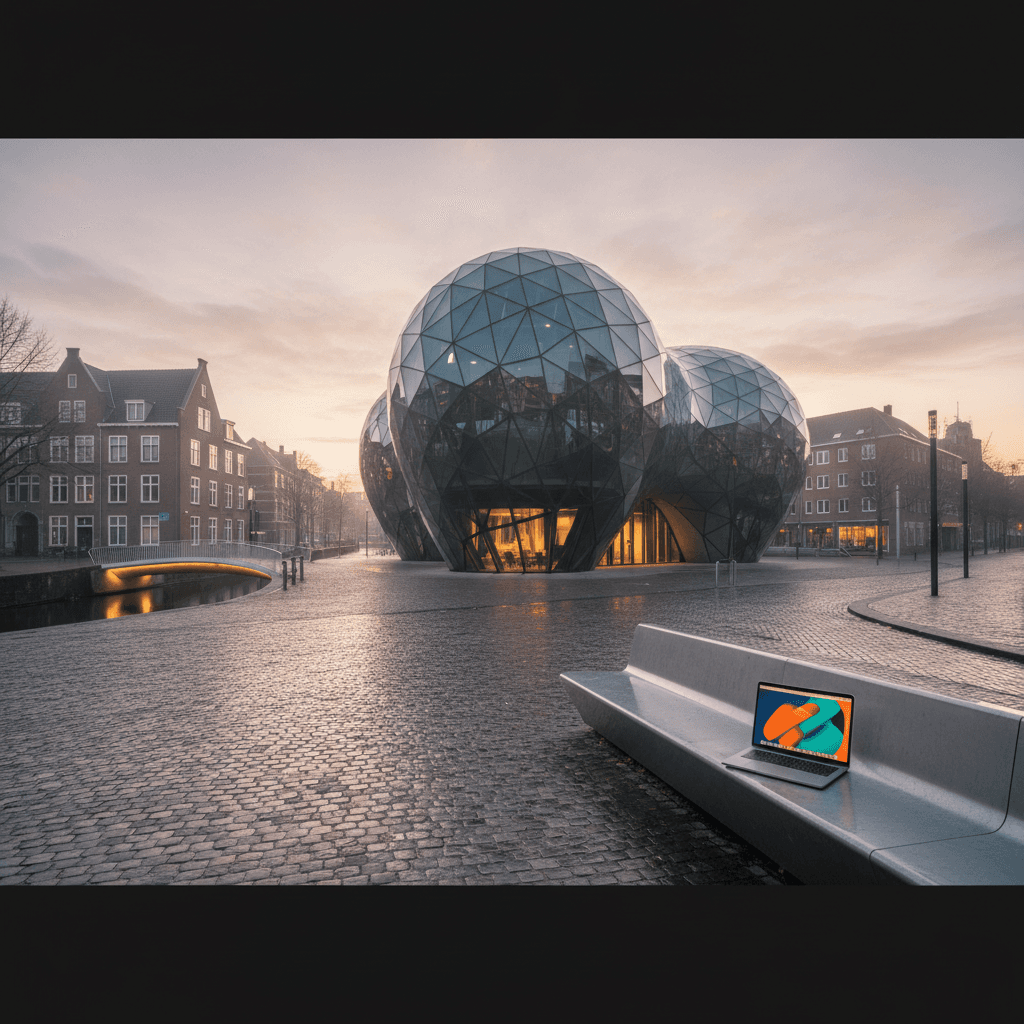
If Amsterdam is the rebellious, artistic older sibling, Eindhoven is the focused, tech-obsessed younger brother who accidentally became a millionaire. Often called the Dutch Silicon Valley, this city doesn't rely on 17th-century canals or tourist traps to get your attention. Instead, it pulls you in with a sleek, industrial-chic aesthetic and a relentless focus on what's next. It’s the birthplace of Philips and the current powerhouse for ASML, meaning the air here feels more like a high-end campus than a traditional European capital.
For digital nomads, the vibe is refreshingly pragmatic. You aren't fighting crowds of weekend bachelor parties; you're sharing espresso with hardware engineers and UI designers. The pace of life is moderate and intentional. It’s a place where people actually follow the bike lane rules and the infrastructure works with surgical precision. While it lacks the frantic nightlife of Berlin or London, it trades that chaos for a high quality of life and a professional network that's surprisingly easy to penetrate.
What It Costs to Live Here
Eindhoven is significantly lighter on the wallet than Amsterdam, though the secret is definitely out. You can live a comfortable nomad life here for roughly $3,000 to $4,766 USD per month, depending on how much you value a private balcony and craft beer. Most expats find that their money goes much further here, especially when it comes to the "lifestyle" side of the budget.
- The Budget Tier ($2,000 to $2,500): This usually involves a room in a shared house, plenty of home-cooked meals, and relying on a second-hand bike rather than the train.
- The Mid-Range Tier ($3,000): The sweet spot for most nomads. This covers a 1BR apartment, a dedicated desk at a coworking space, and regular dinners out in the city center.
- The Comfortable Tier ($4,000+): You're looking at a sleek studio in a converted factory like Strijp-S, frequent upscale dining, and an e-scooter subscription for effortless commuting.
The Neighborhood Breakdown
Where you park your laptop matters. Eindhoven is a city of distinct pockets, each catering to a different flavor of nomad life.
- Strijp-S: This is the undisputed heart of the nomad scene. Once a forbidden Philips factory complex, it’s now a playground of loft apartments, skate parks, and tech hubs. It's pricey, with rents often hitting $1,800+, but the networking opportunities are unmatched.
- W Centrum: If you want to be within a five-minute walk of the train station and the main shopping streets, this is it. It’s busy and a bit more "standard city," but incredibly convenient for solo travelers who want everything at their doorstep.
- Woensel or Gestel: These are the residential backups. They're quieter, greener, and much more affordable, with studios sometimes dipping toward $1,200. You'll need a bike to get to the action, but the commute is usually under 15 minutes.
Why Nomads Choose Eindhoven
The biggest draw here is the "innovation ecosystem." It sounds like corporate jargon until you're sitting in a cafe and realize the person next to you is prototyping a new solar car. It’s an inspiring place to be if you’re a freelancer in tech or design. The internet is among the fastest in Europe, frequently clocking in at 45+ Mbps, and the cafe culture is welcoming to those with laptops.
However, the city has its quirks. Travelers often complain that the city "goes to sleep" early. If you're looking for 4:00 AM clubbing, you'll be disappointed. But if you value a community where people are actually building things, and you want a base that’s a quick 1 to 2 hour train ride from Amsterdam or Brussels, Eindhoven hits the mark perfectly. It’s a city for people who want to work hard, bike everywhere, and enjoy a high-functioning, low-stress environment.
The Price of Innovation
Living in the Dutch Silicon Valley comes with a price tag that's significantly more manageable than Amsterdam, though it's hardly a budget destination. Most nomads find they need between $3,000 and $4,766 USD per month to live comfortably here. It's a trade-off that usually pays for itself through high speed infrastructure and a professional network that's tough to beat in Western Europe.
You'll find that your biggest expense is housing. The city is currently facing a bit of a squeeze, so finding a spot requires moving fast. A standard one bedroom apartment in the city center typically lands between $1,500 and $2,000. If you're willing to commute from quieter spots like Woensel or Gestel, you can often find better value, with rents dipping closer to $1,000 to $1,500 for similar space.
Budget Breakdowns
Depending on your lifestyle and how often you're hitting the cafes in Strijp-S, your monthly burn will likely fall into one of these three tiers:
- The Budget Nomad ($2,000 to $2,500): You're likely looking at a shared housing situation or a small studio further out. You'll rely on street food like $6 broodjes, grocery shopping at Albert Heijn, and a monthly $85 public transport pass.
- The Mid-Range Professional ($3,000): This is the sweet spot for most expats. It covers a private 1BR apartment, a dedicated desk at a coworking space like Spaces, and regular dinners out at mid-range spots where a meal costs about $20 to $30.
- The Comfortable Resident ($4,000+): This budget buys you a high end studio in the center, frequent upscale dining at $45+ per person, and the convenience of electric scooter rentals via Felyx for zipping between meetings.
Daily Sustenance and Socializing
Eating out in Eindhoven is a varied experience. You can grab quick street food for under $10, but a sit-down lunch with a coffee usually hits the $15 to $25 mark. If you're cooking at home, expect high quality produce but prices that reflect the Dutch cost of living. Expats recommend budget supermarkets like Lidl or Aldi to keep the weekly grocery bill under $70.
Socializing often revolves around the tech and design scene. While the nightlife isn't as loud as what you'll find in Rotterdam, the networking events at innovation hubs are frequent and usually free or low cost. A beer will set you back about $5 to $7, while a cocktail in the more industrial-chic bars around Strijp-S can easily reach $14.
Transport and Tech Overhead
Eindhoven is incredibly bike-friendly. Most residents skip the car and rent a bike for $10 to $20 a day, or buy a used one for about $150 to save in the long run. If you prefer the bus or train, expect to pay around $100 a month for a comprehensive pass. For digital work, a hot desk at a top tier coworking space costs between $200 and $400 a month, which usually includes the blazing fast 45+ Mbps internet the city is known for.
Don't forget the paperwork. If you're coming from outside the EU, the Self-Employed Permit (often used by US citizens via the DAFT) requires a minimum investment of roughly $4,500. It's a steep entry cost, but it's the standard path for those looking to plant roots in this tech hub long term.
Strijp-S: The Nomad's Playground
If you're moving to Eindhoven to work, you'll likely spend most of your time in Strijp-S. This former Philips factory complex has been transformed into a sleek, industrial-chic district that feels like the heart of the Dutch Silicon Valley. It's where the city's innovation vibe is most palpable, making it the top choice for digital nomads who want to be surrounded by startups and creatives.
- The Vibe: High-energy, tech-focused, and unapologetically modern. You'll see people working on laptops in nearly every cafe.
- Living Costs: Expect to pay $1,500 to $2,000 for a modern studio or loft. It's one of the pricier areas, but you're paying for proximity to the action.
- Work & Play: You're steps away from Spaces and other local innovation hubs. While the nightlife is quieter than Amsterdam, the networking events here are second to none.
W Centrum: Best for Solo Travelers
For those who want everything within a five-minute walk, the City Center (W Centrum) is the move. It's the most walkable part of Eindhoven, packed with international retail chains, small boutiques, and the city's main social hubs. Solo travelers often prefer this area because it feels the most "alive" after the workday ends.
- Rent: Central apartments usually start at $1,500 and go up quickly. Expect smaller spaces in exchange for the prime location.
- Daily Life: You'll have easy access to the 9292 app transport links and the main train station for weekend trips to Rotterdam or Brussels.
- Dining: This is where you'll find the best density of mid-range dining, with meals averaging $15 to $25.
Woensel and Gestel: The Expat & Family Choice
Expats moving with partners or children usually head north to Woensel or southwest to Gestel. These neighborhoods trade the industrial grit of Strijp-S for leafy streets, public parks, and a much more residential feel. It's where you go to get a backyard and a bit of peace and quiet.
- The Vibe: Calm, suburban, and community-oriented. It feels like a "real" neighborhood rather than a tech campus.
- Housing: You can often find larger family homes or multi-bedroom apartments for $1,200 to $1,500. It's significantly more affordable than the center.
- Commute: You'll definitely want a bike. A 15-minute ride will get you to most tech hubs, or you can use a monthly public transport pass for around $80 to $100.
Strategic Living Tips
Regardless of where you land, keep a few local realities in mind. The housing market is tight, so nomads often use platforms like Kamernet or Funda to scout listings early. Many expats recommend looking for "upholstered" apartments, which include flooring and curtains but no furniture, as they are more common and often cheaper than fully furnished spots.
If you're on a tighter budget, look toward the outer edges of Gestel. You'll still be within a 20-minute bike ride of the Philips or ASML campuses, but your monthly spend will drop closer to the $2,500 mark. Most locals suggest prioritizing bike-friendliness over proximity to bus lines, as the city's cycling infrastructure is world-class and often faster than driving.
Digital Infrastructure
You won't have to hunt for a signal here. Eindhoven isn't called the Dutch Silicon Valley for nothing; the internet speeds are among the fastest in Europe. Most nomads clock in at 150 Mbps or higher, which is plenty for heavy video editing or back to back Zoom calls. Mobile coverage is just as reliable, and if you're landing from outside the EU, grabbing an eSIM from Holafly or WorldSIM is the quickest way to get online the moment you touch down.
Public Wi-Fi is standard in almost every cafe, but the city's tech-heavy population means bandwidth is rarely an issue even when the shop is full. If you're planning to stay long-term and need a home setup, providers like Ziggo or KPN are the local go-tos, though you'll want to check if your rental includes these costs as part of the "service costs" in your contract.
Top Coworking Spaces
The coworking scene in Eindhoven is deeply intertwined with its industrial past. You'll find most of the action in Strijp-S, a former Philips factory complex turned into a massive creative and tech hub. It's the heart of the nomad community here.
- Spaces: Located right in the thick of the innovation district, Spaces is a favorite for those who want a professional, high-end environment. A dedicated desk usually runs between €200 and €400 per month. It's great for networking with people in the design and tech sectors.
- Microlab: This is arguably the most famous spot in the city for freelancers. It's huge, spanning multiple floors with a mix of woodshops, metal shops, and traditional office desks. The vibe is collaborative rather than corporate, and they host regular events that make it easy to meet people.
- The Social Hub: A modern and vibrant option that caters to a global community, offering flexible workspaces and a lively atmosphere perfect for staying productive and connected.
Cafe Culture and Laptop-Friendly Spots
If you prefer the hum of a coffee machine to a dedicated office, Eindhoven has plenty of spots where "laptop squatting" is perfectly acceptable for a few hours. The Dutch are generally relaxed about this, provided you keep the coffee orders flowing and don't take up a four-person table during the lunch rush.
- Kazerne: A stunning gallery and restaurant space that nomads often use for morning work sessions. It's quiet, spacious, and feels very "Eindhoven Design."
- Coffeelab near station (if open) or alternatives like ZwartWit Koffie: This area remains a classic nomad transition spot. The Wi-Fi is rock solid and the seating is designed for people with MacBooks.
- ZwartWit Koffie: Located near the Victoriapark, this spot has a great industrial aesthetic and serves some of the best espresso in town. It's a popular afternoon haunt for the local freelance crowd.
Connectivity Costs and Tips
Budgeting for your digital life here is straightforward. A monthly coworking membership is your biggest expense, but the networking opportunities often pay for themselves if you're in the startup or design space.
- Coworking Hot Desk: €150 to €250 per month.
- Dedicated Desk: €300 to €450 per month.
- Mobile Data: Large data plans or unlimited packages usually cost around €25 to €35 per month.
- Daily Pass: Most spaces offer a day rate of €15 to €25 if you just need a change of scenery.
Travelers often say that while the nightlife might be quieter than Amsterdam, the professional infrastructure is actually superior. Everything just works. If you're the type of nomad who prioritizes productivity and deep work over 4:00 AM parties, the "City of Light" is likely going to be your speed.
A Safe Haven in the Smartest Square Kilometer
Eindhoven is often called the Dutch Silicon Valley, and that high tech reputation extends to how the city functions. It's orderly, predictable, and remarkably safe. Whether you're walking back to your apartment in Strijp-S after a late coding session or cycling through the city center at midnight, the vibe remains calm. Most nomads find the city lacks the edgy or "gritty" neighborhoods found in larger European capitals.
The biggest "danger" you'll likely face is the bicycle lane. Eindhoven is a city on wheels, and locals take their cycling etiquette seriously. If you're walking, stay off the red-paved paths, or you'll quickly hear the impatient ring of a bell. Beyond that, standard urban common sense applies. Keep your bike locked with a heavy-duty chain, as bike theft is the most common petty crime in the Netherlands.
World-Class Healthcare for Expats
The healthcare system here is top-tier, though it operates differently than in the US or UK. If you're staying long-term on a Self-Employed Permit or the DAFT visa, you're required to take out Dutch private health insurance. For short-term nomads, travel insurance like SafetyWing or World Nomads works fine, but check that it covers private clinics.
The city is home to several major medical facilities known for innovation. Catharina Ziekenhuis and Máxima Medisch Centrum are the heavy hitters, offering specialized care and English-speaking staff. You won't struggle with a language barrier here; almost every doctor and nurse speaks near-perfect English.
- Emergency Services: Dial 112 for police, fire, or ambulance. It's the standard EU emergency number.
- The GP System: For non-emergencies, you must see a huisarts (General Practitioner) first. They act as gatekeepers for specialists.
- Pharmacies: Look for an Apotheek for prescriptions. For basic things like ibuprofen or vitamins, head to Kruidvat or Etos.
- Night Care: If you need a doctor outside of business hours, call the Spoedpost (After-hours clinic). Don't just show up; you usually need to call first for an appointment.
Practical Safety Tips
Expats frequently mention the high quality of the local environment. The air quality is excellent and the tap water is some of the cleanest in Europe, so there's no need to buy bottled water. When it comes to personal safety, the city is well-lit and monitored.
If you're out late in the Stratumseind area, which is the longest pub street in the country, things can get a bit rowdy on weekends. While it's generally safe, the combination of crowds and alcohol means you should keep a closer eye on your phone and wallet. Travelers often say they feel more comfortable here than in Amsterdam because the crowds are mostly locals and students rather than aggressive tourist groups.
The Digital Nomad Safety Net
For those working remotely, safety also means digital security. The internet infrastructure in Eindhoven is world-leading, with average speeds often exceeding 45 Mbps. Most coworking spaces like Spaces or hubs in the innovation districts offer secure, encrypted networks. If you're working from a cafe in the W centrum, using a VPN is still a smart move, but the general digital environment is very sophisticated.
In terms of costs for peace of mind, here is what to budget for your health and safety needs:
- Basic Dutch Health Insurance: Expect to pay around $140 to $160 per month if you're a resident.
- GP Visit: Around $35 to $50 if you're paying out of pocket without local insurance.
- Quality Bike Lock: Spend at least $50 on a solid U-lock or heavy chain.
- Pharmacy Consultation: Usually free, you only pay for the medication.
The Two-Wheel Rule
In Eindhoven, the bicycle isn't just a way to get around; it's the primary mode of existence. The city is flat, the paths are paved in smooth red asphalt, and the infrastructure is designed to prioritize cyclists over cars. You'll quickly notice the Hovenring, a massive circular floating bike bridge that looks like a UFO hovering over the highway. It's a testament to how seriously this city takes its cycling culture.
Most nomads recommend skipping the car rental and heading straight to a shop like Swapfiets. For about €20 per month, you get a reliable bike with a built-in lock and full maintenance. If you're just visiting for a few days, standard rentals run between €10 and €20 per day. Just remember the local etiquette: stay in your lane, signal your turns with your hand, and never, ever walk in the bike paths unless you want to hear a chorus of bells and some choice Dutch words.
Mastering Public Transit
When the Dutch rain inevitably kicks in, the bus network is your best friend. Eindhoven doesn't have a metro or trams, but the Hermes bus system is incredibly efficient, especially for reaching the tech hubs. Most buses have dedicated lanes, so they rarely get stuck in traffic. To pay, you no longer need a physical transport card; you can simply tap your contactless debit card or phone on the reader when you board and exit.
For navigating routes, locals swear by the 9292 app. It gives you door-to-door instructions across all forms of transport. If you're planning to live in the suburbs like Woensel or Gestel, a monthly transport pass will set you back between €80 and €100. It's a small price to pay for a commute that's almost always on time.
Trains and Regional Travel
Eindhoven Centraal is the heartbeat of the city. Since Eindhoven sits in the southern part of the country, it's a perfect base for exploring Western Europe. You can be in Amsterdam in about 80 minutes or Utrecht in 50 minutes. For international trips, direct trains to Brussels or Dusseldorf take roughly 90 to 120 minutes.
Download the NS app to buy train tickets and check live platform changes. If you plan on traveling by train frequently, look into the NS Flex subscriptions. For a few euros a month, you can get 40% off your travel during off-peak hours and weekends, which pays for itself after just one or two trips.
Airport Connections
Eindhoven Airport (EIN) is the second largest in the Netherlands and a major hub for budget airlines like Ryanair and Transavia. It's surprisingly easy to reach from the city center. The 400 and 401 shuttle buses run every few minutes from the main station, taking about 20 to 25 minutes to reach the terminal. A one-way trip costs around €5. If you're carrying heavy luggage, an Uber or Bolt will cost you roughly €25 to €35 depending on the time of day.
Shared Mobility and Apps
For those times when a bike isn't fast enough but a bus is too slow, e-scooters and shared mopeds are the go-to choice. Apps like Felyx and Check allow you to pick up an electric moped anywhere on the street and drop it off at your destination. They're perfect for ziping between Strijp-S and the city center. Just be aware that you'll need a valid driver's license to register on these apps, and the process can take a day or two for approval.
- NS App: Essential for train schedules and digital tickets.
- 9292: The gold standard for bus and local route planning.
- Felyx/Check: Best for electric moped sharing.
- Uber/Bolt: Reliable for late-night rides when the buses stop running.
The English Advantage
If you're worried about hitting a language barrier in Eindhoven, take a breath. The Dutch are consistently ranked as some of the best non-native English speakers in the world, and in this city, that proficiency is dialed up to eleven. Because Eindhoven is a global tech hub anchored by giants like Philips and ASML, English is the unofficial second language of the streets and the primary language of the office.
You'll find that almost everyone, from the barista at your favorite Strijp-S coffee shop to the person checking your train ticket, speaks fluent, high-level English. Most nomads find they can live here for years without ever mastering Dutch, though learning the basics will certainly earn you some local respect.
Day-to-Day Communication
Public signage, digital menus, and government websites are often bilingual or easily translated. When you're out and about, you don't need to lead with a formal apology for not speaking Dutch. A simple "Hallo" followed by your question in English is the standard move. In professional circles and startup meetups, English is the default, so you won't feel left out of the networking loop.
Expats recommend downloading 9292 or the NS app for transit, as both have excellent English interfaces. For everything else, Google Translate with the camera feature is your best friend when staring at a wall of Dutch text in the supermarket aisle.
Dutch Directness
Communication here isn't just about the words; it's about the delivery. The Dutch are famous for their directness. If a local thinks your idea is bad or your bike is blocking the path, they'll tell you straight up. To an outsider, this can sometimes feel blunt or even rude, but it's actually a sign of efficiency and honesty. They aren't trying to be mean; they're just getting to the point. Most travelers grow to appreciate this "no-nonsense" approach once they realize it saves a lot of time.
Useful Phrases to Know
While you won't need these to survive, using a few Dutch words goes a long way in social settings. Here are the basics to keep in your pocket:
- Hallo (Hello): Standard greeting, pronounced just like the English version.
- Dank je (Thank you): Use this constantly. It's pronounced "dahnk-ya."
- Alstublieft (Please/Here you go): Use this when ordering or receiving something. Pronounced "ahl-stoo-bleeft."
- Lekker (Delicious/Nice): You'll hear this used for everything from a good meal to nice weather.
- Proost (Cheers): Essential for any evening at a pub in the city center.
Digital Communication
Staying connected is seamless. Most nomads opt for an eSIM like Holafly or WorldSIM to get data the moment they land. If you're staying longer, a local SIM from a provider like KPN or Vodafone is a smart move. You can expect blazing fast speeds, often 45 Mbps or higher, which makes video calls and heavy uploads a breeze. If you're using WhatsApp, you're in luck; it's the primary way everyone from landlords to new friends will communicate with you.
The Sweet Spot: May through September
If you want to see Eindhoven at its best, aim for the window between May and September. During these months, the city sheds its grey coat and moves outdoors. Temperatures usually hover between 15°C and 22°C (59°F to 72°F), which is perfect for cycling between Strijp-S and the city center without breaking a sweat or getting soaked.
This is when the "City of Innovation" feels most alive. You'll find nomads working from cafe terraces in the W centrum area, and the parks actually get some use. While it's the "drier" season, keep in mind this is still the Netherlands. Even in July, a sudden shower is part of the deal, so most locals keep a weather app like Buienradar pinned to their home screen to dodge rain clouds in real time.
The Grey Gap: November through February
Winter in Eindhoven isn't necessarily brutal, but it is persistent. From November to February, the sun becomes a rare guest, and temperatures sit stubbornly between 2°C and 6°C (36°F to 43°F). It rarely snows enough to be pretty; instead, you get a lot of horizontal rain and "moist" cold that bites if you aren't wearing layers.
Expats often find this time of year a bit isolating since the already quiet nightlife gets even quieter. However, if you're a developer or designer who thrives on "deep work" cycles, the winter gloom is a great excuse to hunkering down at a coworking space like Spaces or Microlab. Just make sure your apartment has good heating, as older Dutch buildings can feel drafty when the North Sea winds pick up.
Seasonal Breakdown for Planning
- Spring (March to May): A bit of a gamble. March is often chilly, but by May, the tulips are out and the city feels refreshed. Expect highs of 12°C to 17°C.
- Summer (June to August): The peak of the social calendar. It's the most expensive time for short term rentals, but the long daylight hours (sunset can be as late as 10:00 PM) make up for it.
- Autumn (September to October): September is a sleeper hit with mild weather and fewer crowds. October marks the start of the rainy season, but it's also when Dutch Design Week takes over the city, making it the most exciting month for creatives despite the drizzle.
- Winter (November to February): Dark, damp, and windy. You'll spend most of your time in museums or cozy "brown cafes" with a heavy beer in hand.
What to Pack
The golden rule for Eindhoven is layers. Even in the height of summer, the evening temperature can drop quickly once the sun goes down. You'll want a high quality, waterproof raincoat (not just a water resistant one) and sturdy shoes for walking or biking. If you're arriving in winter, a windproof jacket is more important than a heavy wool coat; the wind chill in the open plazas around the Philips Stadium can be surprisingly sharp.
Most nomads recommend bringing a portable power bank and a waterproof laptop sleeve. Since you'll likely be hopping between tech hubs and cafes, you don't want a sudden downpour to ruin your gear while you're cycling to your next meeting.
Connectivity and Tech Setup
You won't have to hunt for a signal here. Eindhoven's infrastructure is built for speed, with average internet speeds hovering around 45 Mbps. Most nomads skip the physical SIM card hassle and grab an eSIM from Holafly or WorldSIM before landing. If you prefer a local provider, KPN and Vodafone have excellent coverage throughout the city.
For a dedicated workspace, Spaces in the city center is the go-to for many expats. It's a bit of an investment at €200 to €400 per month, but the networking opportunities in this "Dutch Silicon Valley" are the real draw. If you're on a budget, the cafes around Strijp-S offer reliable WiFi and a high-energy, industrial vibe that's perfect for a few hours of deep work.
Navigating the City
The best way to get around is exactly what you'd expect in the Netherlands: a bike. You can rent one for about €10 to €20 a day, though most long-termers just buy a used one or use a subscription service like Swapfiets. The city is incredibly flat and bike-friendly, making it easy to zip between the tech hubs and residential areas.
For longer trips or rainy days, the public transport system is seamless. Download the NS app for trains and 9292 for buses and trams. A monthly transport pass usually runs between €80 and €100. If you're heading to the airport, the bus or train takes about 20 to 30 minutes and costs between €5 and €15. For late nights, Uber and Bolt are active and reliable.
Budgeting and Banking
Eindhoven is significantly more affordable than Amsterdam, but it's not "cheap" by global standards. A single nomad should plan for a monthly budget between $3,000 and $4,766 USD depending on lifestyle choices. Cash is becoming a rarity here; almost everywhere accepts cards. Most expats find it easiest to use fintech apps like Bunq or Revolut to handle daily expenses and avoid high conversion fees.
- Budget Lifestyle ($2,000 to $2,500): Expect shared housing, plenty of street food (€5 to €10 per meal), and relying solely on public transport.
- Mid-range Lifestyle ($3,000): This covers a private 1BR apartment, regular mid-range dining (€15 to €25 per meal), and a coworking membership.
- Comfortable Lifestyle ($4,000+): You'll have a private studio in a prime area, frequent upscale meals (€40+), and the convenience of e-scooter apps like Felyx.
Housing and Neighborhoods
The housing market is tight, so start your search early on platforms like Kamernet or Funda. Expect to pay $1,200 to $2,000 for a decent studio or one-bedroom apartment. Prices drop slightly if you look in the outer suburbs, but the convenience of the center is often worth the premium for shorter stays.
Strijp-S
- The Vibe: Creative, industrial, and tech-heavy. It's the heart of the nomad scene.
- Rent: $1,500+ for modern lofts.
- Best for: Networking and being close to startups.
W Centrum
- The Vibe: The classic city experience. Everything is walkable.
- Rent: $1,600+ for central apartments.
- Best for: Solo travelers who want to be near the action.
Woensel or Gestel
- The Vibe: Quiet, green, and residential.
- Rent: $1,000 to $1,500.
- Best for: Families or those who need a quiet home office.
Visas and Formalities
The Netherlands doesn't have a specific "digital nomad visa" yet. If you're from outside the EU, you'll likely look into the Self-Employed Permit. For Americans, the Dutch American Friendship Treaty (DAFT) is a popular route, requiring a minimum investment of €4,500 to start a business. Dutch people are famous for being direct, so don't take it personally; it's just how business gets done here. English proficiency is incredibly high, so you'll have no trouble navigating daily life while you pick up a few Dutch phrases like "Dank je" for thank you.
Need visa and immigration info for Netherlands?
🇳🇱 View Netherlands Country GuideEasy Landing
Settle in, no stress
Monthly Budget Estimates
More cities in Netherlands
Maastricht
🇳🇱 Netherlands
Groningen
🇳🇱 Netherlands
Delft
🇳🇱 Netherlands