Dubrovnik
🇭🇷 Croatia
The Pearl of the Adriatic: A New Chapter for 2025
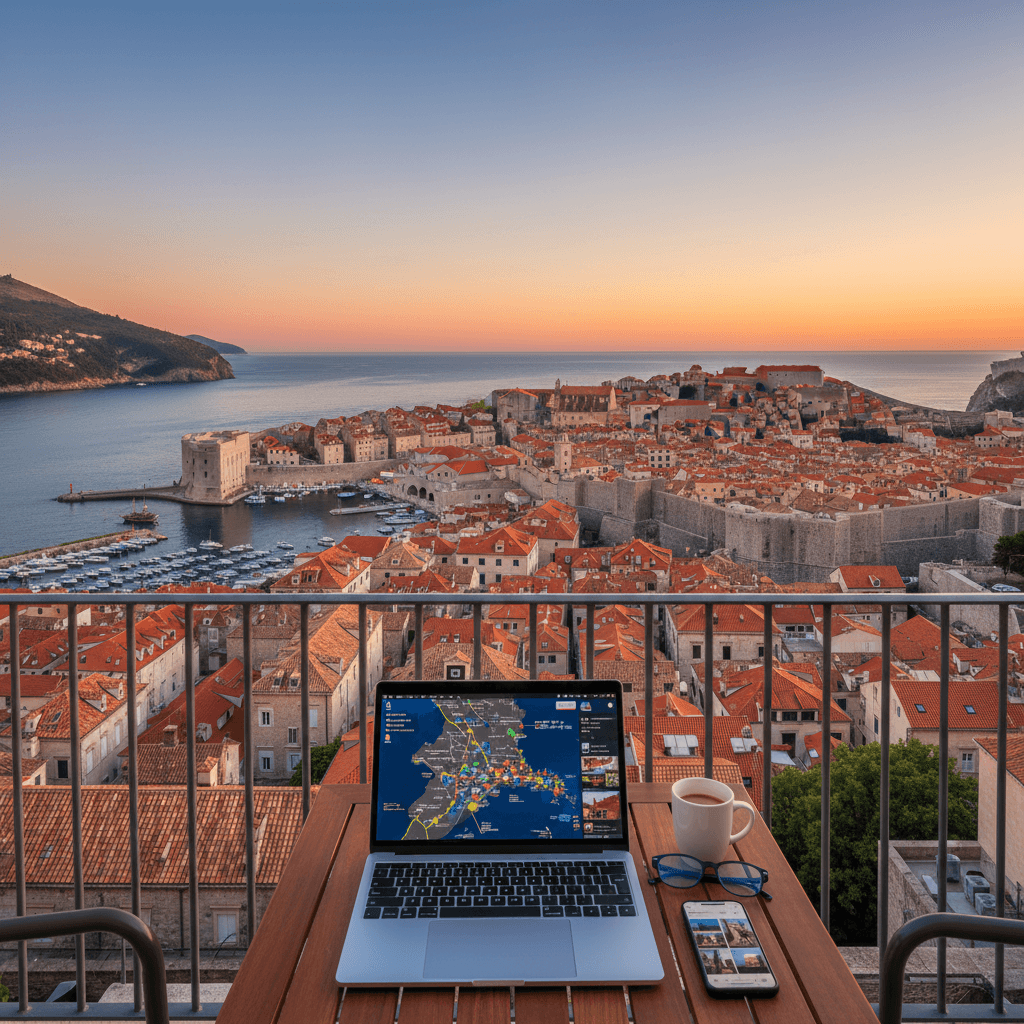
Stepping into Dubrovnik feels like walking onto a film set, and for many digital nomads, it literally is. While the Game of Thrones fame initially brought the crowds, the city is reinventing itself for the 2025 to 2026 seasons as a serious long stay destination. It is a place of dramatic contrasts: the limestone streets of the Old Town glow under the sun, while the deep turquoise of the Adriatic offers a constant, grounding presence just beyond the medieval walls.
The vibe here is distinctly Mediterranean but with a polished, historic edge. Unlike the gritty energy of Berlin or the sprawling chaos of Bangkok, Dubrovnik is compact and intentional. Most nomads find the city operates at two speeds. In the summer, it is a high energy tourist hub where prices spike and the heat can be intense. However, the real magic happens during the shoulder seasons of May, June, September, and October. This is when the air cools to a perfect 25°C, the cruise ships thin out, and you can actually hear the sound of the sea against the rocks.
The Nomad Experience: Productivity with a View
Living here means embracing a slower pace of life, often referred to locally as "pomalo," which translates roughly to "take it easy." You won't find a massive selection of dedicated coworking spaces here. Instead, the community gravitates toward high end cafes and public spaces. Gradac Park is a local favorite for working outdoors, offering shade and quiet just minutes from the Pile Gate. Most apartments come equipped with reliable high speed fiber internet, often costing around 17€ per month for a basic plan, making "work from home" the standard setup.
What sets Dubrovnik apart from other Croatian hubs like Split or Zagreb is the sheer intimacy of the environment. You'll likely spend your mornings grabbing a coffee at a hole in the wall bar, your afternoons walking the City Walls, and your evenings taking a ferry to the Elaphiti Islands like Koločep or Lopud. It is a city that rewards those who stay long enough to find the quiet corners away from the main thoroughfare of Stradun.
Budgeting for the Coast
It is no secret that Dubrovnik is one of the more expensive stops in the Balkans. To make it work as a nomad, you have to be strategic. Travelers often recommend the Dubrovnik 28 day Pass, which provides free bus transport and access to major attractions. If you are staying for a month or more, look toward neighborhoods like Gruž or Lapad to keep your overhead manageable.
- Budget Tier: 1,200€ to 1,800€ per month. This usually involves a studio in Gruž, cooking most meals, and using the local bus system.
- Mid Range: 2,000€ to 2,800€ per month. Expect a comfortable apartment near the city center and frequent dinners at spots like Proto.
- The "Old Town" Luxury: 3,000€+ per month. Living inside the walls is a premium experience, best suited for those who want history at their doorstep and don't mind the stairs.
Why Nomads are Choosing Dubrovnik Now
The introduction of the Croatia Digital Nomad Visa (technically a residence permit) has changed the demographic here. You are no longer just surrounded by day trippers; there is a growing community of remote workers who meet up for seafood dinners and sunset drinks. While the winter months can be quiet and a bit rainy, many expats prefer the solitude of the low season, when the city feels like it belongs to the locals again. It is a place for the nomad who wants inspiration over industry, and history over hype.
The Cost of Living in Dubrovnik
Dubrovnik isn't the cheapest spot on the Adriatic, and your bank account will feel the difference between a weekend visit and a long term stay. While prices often skyrocket during the summer peak, digital nomads who time their arrival for the shoulder seasons or winter can snag much better deals, especially on housing. You should budget between €1,200 and €1,800 monthly if you're keeping things lean, while a more comfortable lifestyle with a central apartment and frequent dinners out will land you closer to €2,500.
Monthly Budget Breakdowns
To help you plan your 2025 or 2026 stay, here is how the monthly costs typically shake out across different spending tiers:
- The Budget Nomad (€1,200 to €1,800): This tier relies on living in neighborhoods like Gruž, cooking most meals at home, and using the local bus system. You'll spend roughly €600 to €800 on a one bedroom apartment and €300 on groceries.
- The Mid-Range Lifestyle (€2,000 to €2,800): This covers a nicer apartment closer to the city center or Pile Gate, costing around €1,000. It includes eating out a few times a week at spots like Proto, where a meal runs €15 to €25, and perhaps a few boat trips to the Elaphiti Islands.
- The High-End Experience (€3,000+): For those wanting a luxury rental inside the Old Town walls, expect to pay €1,200 or more just for rent. This budget allows for upscale dining at €40+ per person and private transport options.
Housing and Neighborhoods
Your biggest variable is rent. Most nomads recommend avoiding the Old Town for long stays because it's noisy, expensive, and involves a lot of stairs with groceries. Instead, look at these areas:
- Gruž: This is the port area and the practical heart of the city. It's where you'll find the best deals on long term apartments, usually between €600 and €800. It’s quieter and has better access to supermarkets.
- Lapad: A favorite for expats and families. It’s more relaxed with plenty of beaches and greenery. Prices are mid-range, and it's a quick 20 minute bus ride to the center.
- City Center (Pile/Ploče): Extremely convenient but pricey. You're paying for the view and the proximity to the gates, often hitting €1,000 for a small studio.
Pro tip: Use the Dubrovnik Long Stay site rather than Airbnb to find monthly rates. Many landlords are happy to negotiate deep discounts for the "low season" months from October through April.
Food, Drink, and Socializing
Eating out in the Old Town is a tourist trap minefield. If you're on a budget, stick to street food like slices of pizza or burek for €5 to €10. Groceries for two people usually cost between €200 and €300 a month if you shop at local markets. A coffee at a cafe will set you back about €5, which is essentially your "rent" for a temporary workspace since dedicated coworking offices are rare here.
Getting Around
Dubrovnik is very walkable, but the hills are no joke. The public bus system is reliable and efficient. A monthly pass costs €47, but many nomads find the Dubrovnik 28-day Pass to be an incredible value. It covers your bus fare and gives you free entry to the major attractions like the City Walls. For airport transfers, the shuttle bus is about €10, while a taxi or an app like Cammeo will cost around €30.
Connectivity and Utilities
High speed internet is standard, and you'll rarely find a rental with poor WiFi. Expect to pay around €140 for general utilities and an additional €17 for a basic home internet package if it isn't included in your rent. For mobile data, most travelers suggest a Holafly eSIM or grabbing a local SIM from Hrvatski Telekom for the best coverage while working from seaside cafes.
For Long-Stay Nomads: Gruž
If you are planning to stay for a month or more, Gruž is where you will likely end up. It is the city's main port area and the most practical choice for anyone working a 9 to 5. While it lacks the postcard-perfect stone walls of the center, it makes up for it with lower rents and actual amenities like large supermarkets and the local green market.
- Rent: Expect to pay between €600 and €800 for a one-bedroom apartment during the low season.
- Vibe: Local, industrious, and much quieter than the tourist zones.
- Perks: You are close to the ferry terminal for weekend trips to the Elaphiti Islands and the main bus station.
Most nomads here set up shop in local cafes since dedicated coworking spaces are still hard to find. The walk to the Old Town takes about 30 minutes, but the local bus network is reliable and a monthly pass costs around €47.
For Expats and Families: Lapad
Lapad is the neighborhood that feels most like a traditional residential suburb, making it the top pick for expats and those traveling with kids. It is a peninsula filled with pedestrian walkways, parks, and several pebble beaches like Uvala Lapad. It feels significantly more relaxed than the rest of the city.
- Rent: Prices are mid-range, typically €800 to €1,000 for decent family sized flats.
- Vibe: Coastal, family friendly, and breezy.
- Perks: Plenty of space for morning runs, sunset walks, and easy access to playgrounds.
The 20 minute bus ride to the city center keeps the heaviest crowds at bay, but you still have plenty of restaurant options. Expats often gather at the seaside cafes here to work, enjoying the Adriatic views without the Old Town price tag.
For Solo Travelers and Short Stays: The Old Town
Living inside the city walls is a bucket list experience, but it comes with a reality check. You will be dealing with thousands of cruise ship passengers and steep stairs every time you leave your front door. It is perfect for a week or two if you want to soak up the history, but many find it too noisy for long term focus.
- Rent: High demand pushes prices to €1,200 or more for anything modern.
- Vibe: Intense, historic, and undeniably beautiful.
- Perks: You are seconds away from the best bars, the City Walls, and social hubs like City Walls Hostel.
Solo travelers love the proximity to everything. You can grab a coffee at a hole in the wall, walk to a cliff bar for a swim, and meet other travelers at the Buža bars. Just be prepared for the "tourist tax" on almost every meal you eat within the walls.
For Balanced Access: Pile and Ploče
These areas sit just outside the main gates of the Old Town. They offer a middle ground for those who want to be near the action without living inside a museum. Pile is the main transport hub, while Ploče is more upscale with better views of Lokrum Island.
- Rent: Similar to the Old Town, often €1,000 to €1,200.
- Vibe: Central and convenient but still very busy.
- Perks: Easy access to Gradac Park, which many nomads use as an outdoor office during the spring and autumn.
Ploče is particularly popular with high budget expats who want to be within walking distance of Banje Beach. If you are looking for a view to inspire your work day, this is where you will find the most dramatic vistas of the harbor.
Connectivity and Speed
You won't have to hunt for a signal in Dubrovnik. The city is wired with reliable high speed fiber, and most apartments in areas like Gruž or Lapad easily handle video calls and heavy uploads. Expect to pay around €17 per month for a basic home setup, though most nomads rely on the fast WiFi provided in their rentals.
For mobile data, travelers usually grab a local SIM from A1 or Hrvatski Telekom. They offer solid coverage even as you head out toward the islands. If you want to skip the kiosk, an Holafly eSIM is the go to for immediate connectivity when you land. Data speeds are typically 50+ Mbps typical for mobile data, and 4G and 5G coverage is consistent throughout the city center.
The Coworking Reality
If you are looking for a traditional, glass walled coworking hub with ergonomic chairs and networking mixers, you might be disappointed. Dubrovnik hasn't quite caught up to Split or Zagreb in terms of dedicated office spaces. Most nomads here embrace a more nomadic approach, treating the city's cafes and public spaces as their office.
For a quiet environment, the local libraries are a smart backup. However, if the weather is nice, many people head to Gradac Park. It is a scenic spot just outside the Pile Gate where you can catch a breeze and work with a view of the Adriatic, provided your laptop battery is topped up.
Best Cafes for Deep Work
Since dedicated desks are scarce, cafe culture is where the real work happens. You'll find that as long as you keep the coffee coming, most staff won't mind you staying for a few hours. Just keep an eye on the cruise ship schedules; when the big boats dock, the Old Town cafes get loud and crowded fast.
- Cogito Coffee: Located near the Stari Grad (Old Town), this is a favorite for those who actually care about the quality of their beans. It is small, so get there early to snag a spot.
Practical Workflow Tips
Living here means adapting to the "pomalo" lifestyle, which translates roughly to "take it easy." Most nomads find that their most productive hours are in the early morning before the heat and the crowds peak. If you are staying long term, look into the Dubrovnik 28 day Pass. While it is marketed for sightseeing, it includes free bus transport, making it much easier to hop between your apartment in Lapad and the quieter cafes in the port area.
Power outlets can be hit or miss in older stone buildings. Travelers recommend carrying a small power bank or a European plug adapter with multiple USB ports. If you need to take a private client call, your best bet is your own terrace. Most rentals in the €600 to €1,000 range come with outdoor space that offers better views than any office in the world.
Personal Safety and Peace of Mind
Dubrovnik is remarkably safe, even by high European standards. You can comfortably walk through the limestone streets of the Old Town or the residential alleys of Lapad at 2:00 AM without looking over your shoulder. Violent crime is nearly nonexistent, and the local culture is built on a foundation of community trust. Most nomads find they can leave a laptop on a cafe table for a few minutes to grab a refill without a second thought.
The only real "danger" is the sheer volume of people during the summer cruise ship season. When the Pile Gate gets packed, pickpockets occasionally operate in the crush. Keep your wallet in a front pocket and your bag zipped when you're navigating the main thoroughfare of Stradun. Aside from that, there aren't any "no-go" zones or dangerous neighborhoods to avoid. Even the port area of Gruž, which is more industrial, is perfectly safe for solo travelers and families alike.
Healthcare Infrastructure
If you get sick, you're in good hands. The healthcare system in Croatia meets general EU standards, and Dubrovnik has a solid network of public and private facilities. English proficiency among medical staff is high, so you won't need a translator to explain your symptoms. Most expats recommend having private travel insurance or a nomad-specific policy like SafetyWing to access private clinics, which usually have shorter wait times than the public hospital.
- Emergency Services: Dial 112 for any emergency. It's the EU-wide standard and operators speak English.
- General Hospital (Opća bolnica Dubrovnik): Located in the Sveti Vlaho district, this is the main facility for serious issues or specialist consultations.
- Pharmacies (Ljekarna): You'll find these everywhere. Look for the glowing green cross. In the Old Town, the Ljekarna kod Male braće is one of the oldest in the world, but for modern needs, there are plenty of 24/7 pharmacies that rotate on-call shifts.
- Dental Care: Private dental clinics are high quality and significantly cheaper than in the US or UK. Many nomads schedule routine cleanings or dental work while they're in town.
Practical Wellness Tips
The biggest health risks in Dubrovnik are actually environmental. The summer sun is intense, and heatstroke is a common issue for those who spend all day on the City Walls without water. Carry a reusable bottle; the water from the historic Onofrio's Fountain and other public taps is cool, clean, and perfectly safe to drink. It's actually some of the best tap water in the region.
If you're heading to the rocky beaches in Lapad or the Elaphiti Islands, watch out for sea urchins. Their spines are painful and can cause infections if not removed properly. Locals suggest wearing water shoes, which you can pick up for about 10€ to 15€ at any local shop. If you do get a spine stuck, a quick trip to a local pharmacy will get you the right ointment to draw it out.
Insurance for Nomads
If you're applying for the Croatia Digital Nomad Permit, you'll need proof of health insurance that covers the duration of your stay. While the public system is accessible to those paying into the local scheme, most long-term visitors stick with private international plans. Expect to pay around 40€ to 80€ per month for a solid nomad policy that covers everything from a standard flu visit to emergency medical evacuation. Having your documentation printed and ready makes the process at any local clinic much smoother.
On Foot in the Pearl
Dubrovnik is a city of two speeds. Inside the Old Town walls, your own two feet are the only way to get around. The limestone streets are polished smooth by centuries of traffic, and while it's incredibly scenic, it's also a workout. Expect a lot of stairs if you're staying anywhere off the main Stradun thoroughfare. Most nomads find that living in the historic center is great for a week, but the constant uphill climbs and tourist crowds make the flatter outskirts better for long-term stays.
The Bus Network
For everything outside the walls, the Libertas bus system is your lifeline. It's efficient, clean, and surprisingly punctual. If you're based in Lapad or Gruž, the number 4 and number 6 buses will be your most frequent rides, running every 10 to 15 minutes and dropping you right at Pile Gate.
- Single tickets: Usually cost around 2 Euros if bought from a newsstand (Tisak) or slightly more if you pay the driver directly.
- Monthly passes: For those staying long-term, expect to pay around €80 for a monthly subscription pass, which offers unlimited rides.
- Dubrovnik Pass: Travelers staying for shorter stints should look into the Dubrovnik 28-day Pass. It includes bus transport and entry to the major city walls and museums, which pays for itself quickly.
Ride-Hailing and Taxis
While Uber exists here, it isn't as dominant as in other European hubs. You'll often find that prices spike significantly during the summer months. For a more reliable local experience, many expats recommend the Cammeo app. It generally offers more consistent pricing than the standard taxis waiting at the ranks, which can be notoriously expensive for unsuspecting arrivals.
Getting to and from the Airport
Dubrovnik Airport (DBV) is about 20 kilometers south of the city. You have three main ways to make the trek:
- Airport Shuttle Bus: The most cost-effective choice at roughly 10 Euros. It takes about 40 minutes and drops you at the Main Bus Station in Gruž or near the Old Town.
- Taxi or Uber: A faster, private trip will usually set you back about 30 Euros, though this can climb during peak July and August traffic.
- Private Transfers: Many long-stay apartment hosts can arrange a pickup, which is often worth the peace of mind if you're arriving with heavy luggage and a laptop setup.
Cycling and Scooters
You won't see many people cycling in the city center because of the steep hills and narrow, stone-walled roads. However, the Lapad peninsula is much flatter and very bike-friendly. You'll find rental shops near the beaches there, which is a great way to explore the coastline without waiting for a bus. For anything further afield, like a day trip to the Konavle valley, renting a scooter is a popular nomad move, but stick to the buses for your daily commute to avoid the headache of limited parking near the Old Town.
Island Hopping
Part of "getting around" in Dubrovnik involves the water. The ferry terminal in Gruž is the gateway to the Elaphiti Islands. Regular Jadrolinija ferries run to Koločep, Lopud, and Šipan. These are affordable, public boats rather than tourist charters, making them a favorite weekend escape for the nomad community looking to trade the city's stone walls for sandy beaches and pine forests.
The Linguistic Landscape
You won't have much trouble getting by in Dubrovnik. The city has been a major trade hub for centuries, and today, its economy relies heavily on international tourism. Because of this, English proficiency is exceptionally high. Most nomads report that from the moment they land at DBV airport to their daily interactions in Gruž or Lapad, English is the unofficial second language.
Waiters, shopkeepers, and landlords almost all speak fluent English. If you're working from a cafe near Pile Gate or grabbing a coffee in the Old Town, you can expect seamless communication. Younger Croatians, in particular, often speak it with near-native fluency, partly thanks to the country's education system and the prevalence of subtitled rather than dubbed media.
The Local Tongue: Croatian
While you can survive on English alone, the local language is Croatian. It's a South Slavic language that uses the Latin alphabet, which makes it much easier for Western travelers to read signs and menus compared to Cyrillic-based languages. It's phonetic, meaning words are spelled exactly as they sound, though the clusters of consonants can be a bit of a tongue-twister for beginners.
Locals are fiercely proud of their culture and history. Even though they speak English well, they genuinely appreciate it when a long-term visitor makes an effort. Learning a few words isn't just a courtesy; it's a social lubricant that can turn a standard transaction into a friendly conversation. It shows you're not just another tourist passing through for a Game of Thrones tour, but someone invested in the community.
Practical Phrases for Your Stay
Keep these basics in your back pocket for daily life around town:
- Bok: This is the Swiss Army knife of greetings. It means both "hello" and "bye." It's casual and perfect for your local barista or a neighbor.
- Hvala: Thank you. You'll use this constantly.
- Molim: Please. It also doubles as "you're welcome" or "pardon?" depending on the context.
- Dobar dan: Good day. Use this when entering a shop or a more formal setting.
- Koliko košta?: How much does it cost? Useful at the Gundulićeva Poljana market.
- Račun, molim: The bill, please.
Communication Tools and Apps
While Google Translate is the standard for translating menus or signs, most expats find that WhatsApp is the primary way to communicate with locals. Whether you're messaging a landlord about your 800€ monthly rent or booking a boat trip to the Elaphiti Islands, expect to use WhatsApp for everything. Most businesses and tour operators also respond faster to a message than a phone call.
For data, nomads usually grab a local SIM from A1 or Hrvatski Telekom. If you want to hit the ground running, a Holafly eSIM is a popular choice to stay connected the moment you arrive. Reliable high-speed internet is the norm here, so you won't be struggling with connectivity while trying to translate a tricky document or hop on a Zoom call.
Social Etiquette
Communication in Dubrovnik is generally direct but polite. Don't be surprised if service in a cafe feels slower than what you're used to in the US or UK. It's not rudeness; it's the pomalo lifestyle, a Dalmatian philosophy that roughly translates to "take it easy." In this part of the world, coffee is meant to be lingered over for an hour or two, and rushing the waiter for the bill is often seen as a bit frantic. Embrace the slower pace, use your Hvala, and you'll find the locals are incredibly welcoming.
The Sweet Spot: Shoulder Season
If you want to actually enjoy Dubrovnik without feeling like a sardine in the Old Town, aim for May, June, September, or October. These months are the gold standard for nomads. The Adriatic is warm enough for a swim at Banje Beach, the outdoor cafes are lively, and the thermometer sits comfortably between 20°C and 25°C. You can comfortably work from a terrace in Lapad without your laptop overheating or your forehead dripping onto the keyboard.
September is a particular favorite for the long stay crowd. The chaotic cruise ship energy of summer starts to fade, but the "social scene" remains active. You'll find it much easier to snag a table at a cafe with a view or find a quiet corner in Gradac Park to catch up on emails. Plus, the light for those sunset photos over the city walls is unbeatable during the autumn months.
The Summer Surge
July and August are intense. Temperatures frequently climb to 30°C or higher, and the humidity can make the steep stone stairs of the Old Town feel like a fitness boot camp. This is when the city is at its most expensive and crowded. Most experienced nomads avoid staying in the historic center during this window, as the noise levels from late night revelry and early morning tour groups can make deep work nearly impossible.
If you do visit in summer, plan your deep work sessions for the early morning or late evening. Spend the midday heat under a beach umbrella or on a ferry to Koločep or Lopud. The sea breeze is your best friend when the stone walls start radiating heat like an oven.
Winter: The Quiet Productivity Phase
From November through March, Dubrovnik transforms. It becomes a sleepy coastal town. Many of the tourist oriented restaurants and shops close up for the season, and the weather turns moody. Expect temperatures between 10°C and 15°C and a fair amount of rain, especially in December and January. It isn't freezing, but the "Bura" wind can be biting.
This is the best time for those on a budget or those with a massive project to finish. You can find significant discounts on long term rentals, often getting a 1BR in Gruž for 600€ to 800€, which would cost double in the summer. It’s a period of high productivity where you'll mostly be rubbing shoulders with locals at the market rather than tourists with selfie sticks.
Quick Seasonal Breakdown
- Spring (April to June): Bright, blooming, and increasingly warm. Great for hiking the hills behind the city. Expect 18°C to 24°C.
- Summer (July to August): Peak heat and peak prices. Highs of 30°C+. Best for social butterflies and sun seekers who don't mind crowds.
- Autumn (September to October): The nomad favorite. Warm water, cooler air, and a more relaxed pace. Average 22°C.
- Winter (November to March): Rainy and quiet. Perfect for budget conscious travelers and focused work. Average 12°C.
What to Pack
The Mediterranean climate is predictable but requires some strategy. Even in the summer, the stone buildings can stay cool, and the evening breeze off the water might have you reaching for a light sweater. If you are coming for the winter, a waterproof shell and a decent pair of walking shoes are non-negotiable for those rainy treks to the grocery store or the bus stop.
Connectivity and Data
Staying connected in Dubrovnik is straightforward, but you'll want to avoid roaming charges from the jump. Most nomads grab a Holafly eSIM before landing for instant data. If you prefer a local physical SIM, head to a T-Center or an A1 kiosk. You can find prepaid data plans for around €10-€20 depending on the data amount. Home internet speeds usually hover around 50-100 Mbps or higher for typical fiber plans, which is plenty for Zoom calls, though many apartments in the Old Town have thicker stone walls that can mess with your signal.
Money and Budgeting
The city has a reputation for being pricey, and for good reason. To keep your bank account happy, aim for a stay of 28 days or longer. This unlocks the "long stay" discounts on platforms like the Dubrovnik Long Stay site. You should budget between 1,200€ and 1,800€ per month if you're staying in quieter areas like Gruž. If you insist on living inside the city walls, expect that number to jump past 3,000€ once you factor in the "tourist tax" on everything from coffee to groceries.
- Daily Coffee: 5€ to 10€ at a laptop-friendly cafe
- Monthly Bus Pass: around €80 (or free with a Dubrovnik Pass)
- Mid-range Dinner: 15€ to 25€ per person
- Studio Rent (Gruž): 600€ to 800€
Getting Around
Dubrovnik is a vertical city. If you aren't walking up stairs, you're likely on a bus. The public transit system is surprisingly efficient; the Libertas buses run like clockwork. You can buy tickets from the driver, but it's cheaper to get them at a Tisak newsstand. Most expats skip the taxis, which are notoriously expensive, and use the Cammeo app instead of Uber for better rates. If you're staying for a month, the Dubrovnik 28-day Pass is a steal because it covers your bus fare and entry to the major sights.
Workspace Reality
Don't come here looking for massive, tech-style coworking hubs. Dubrovnik doesn't really have them yet. Instead, the nomad community operates out of cafes and public spaces. Gradac Park is a local favorite for working outdoors with a view when the weather is nice. If you need a desk, many nomads use the social areas at City Walls Hostel or set up shop at Cogito Coffee. Just remember to be polite about your "office" time; buy a coffee every hour or two if you're camping out with a laptop.
Safety and Health
This is one of the safest cities in Europe. You can walk home alone at 2:00 AM without a second thought. The only real threat is the occasional pickpocket near Pile Gate during the cruise ship rush. For health issues, the local pharmacies (Ljekarna) are excellent for minor ailments. If it's more serious, the hospital quality meets general EU standards. Dial 112 for any emergency services.
Timing Your Stay
July and August are the months to avoid. The heat hits 30°C and the crowds make the narrow streets nearly impassable. Most seasoned travelers recommend the shoulder seasons. May, June, September, and October offer temperatures around 20°C to 25°C and much lower rent. Winter is quiet and rainy, but it's the best time to see the "real" Dubrovnik without the Game of Thrones tours blocking every alleyway.
Need visa and immigration info for Croatia?
🇭🇷 View Croatia Country GuideEasy Landing
Settle in, no stress
Monthly Budget Estimates
More cities in Croatia
Osijek
🇭🇷 Croatia
Zagreb
🇭🇷 Croatia
Zadar
🇭🇷 Croatia