Dilijan
🇦🇲 Armenia
The Switzerland of the Caucasus
There is a specific moment when you realize Dilijan isn't just another mountain town. It usually happens about twenty minutes outside of Yerevan, as the van emerges from a dark tunnel and the arid, rocky landscape suddenly transforms into a wall of deep, emerald green. This is Armenia's "Little Switzerland," a place where the air smells like pine needles and woodsmoke, and the pace of life slows down to a crawl.
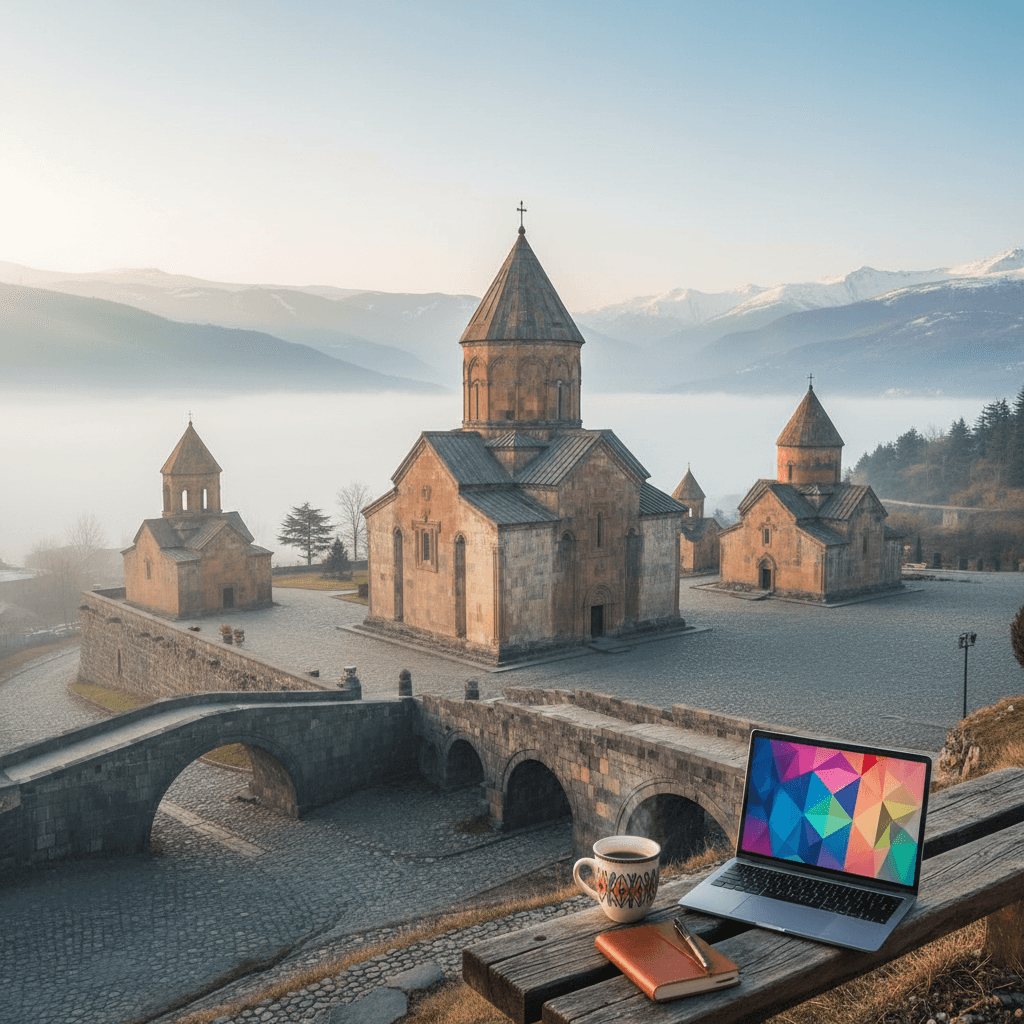
For nomads, Dilijan is the ultimate "deep work" sanctuary. While Yerevan is high energy and late nights, Dilijan is about misty mornings, 50-100 Mbps fiber optics, and afternoon hikes through the National Park. It attracts a specific type of traveler: someone who wants to swap city noise for the sound of the Aghstev River and a community that feels more like a village than a tech hub.
The Local Vibe and Community
The spirit of the town is a mix of medieval charm and a burgeoning tech scene. You'll see local grandmothers selling jars of pine cone jam next to developers from the United World College or Impact Hub. It's hospitable and remarkably safe, though the nightlife is admittedly quiet. Most social life happens in cozy cafes or around a shared bottle of Armenian cognac after a group hike to Haghartsin Monastery.
- The Pros: Incredible air quality, low cost of living, and a tight-knit community of about 50 to 100 active nomads.
- The Cons: Limited nightlife, cooler mountain temperatures that can be a shock after the Yerevan heat, and a smaller dating pool for solo travelers.
- Best Time to Visit: June through September is peak season for hiking and outdoor work. Winters are beautiful but quiet, with temperatures dipping to -5°C (23°F).
Monthly Cost of Living
Dilijan is significantly more affordable than the capital, making it easy to live well on a modest budget. Most nomads find that $1,500 to $2,000 USD monthly buys a very comfortable lifestyle including a private apartment and frequent dining out.
- Budget Tier ($800-$1,200): A basic studio on the outskirts, plenty of 1,000 AMD ($2.50) khachapuri, and using local buses.
- Mid-Range Tier ($1,500-$2,000): A nice 1BR in the center, a dedicated desk at a coworking space, and regular dinners at spots like Flying Ostrich.
- Comfortable Tier ($2,500+): A luxury forest villa, private car rentals for weekend trips, and upscale dining.
Where to Set Up Base
The town is small, but where you stay changes your experience entirely. Most digital nomads gravitate toward the center to stay close to the few reliable workspaces.
Old Dilijan (Sharambayants District)
- Rent: 250,000 to 450,000 AMD ($625-$1,125)
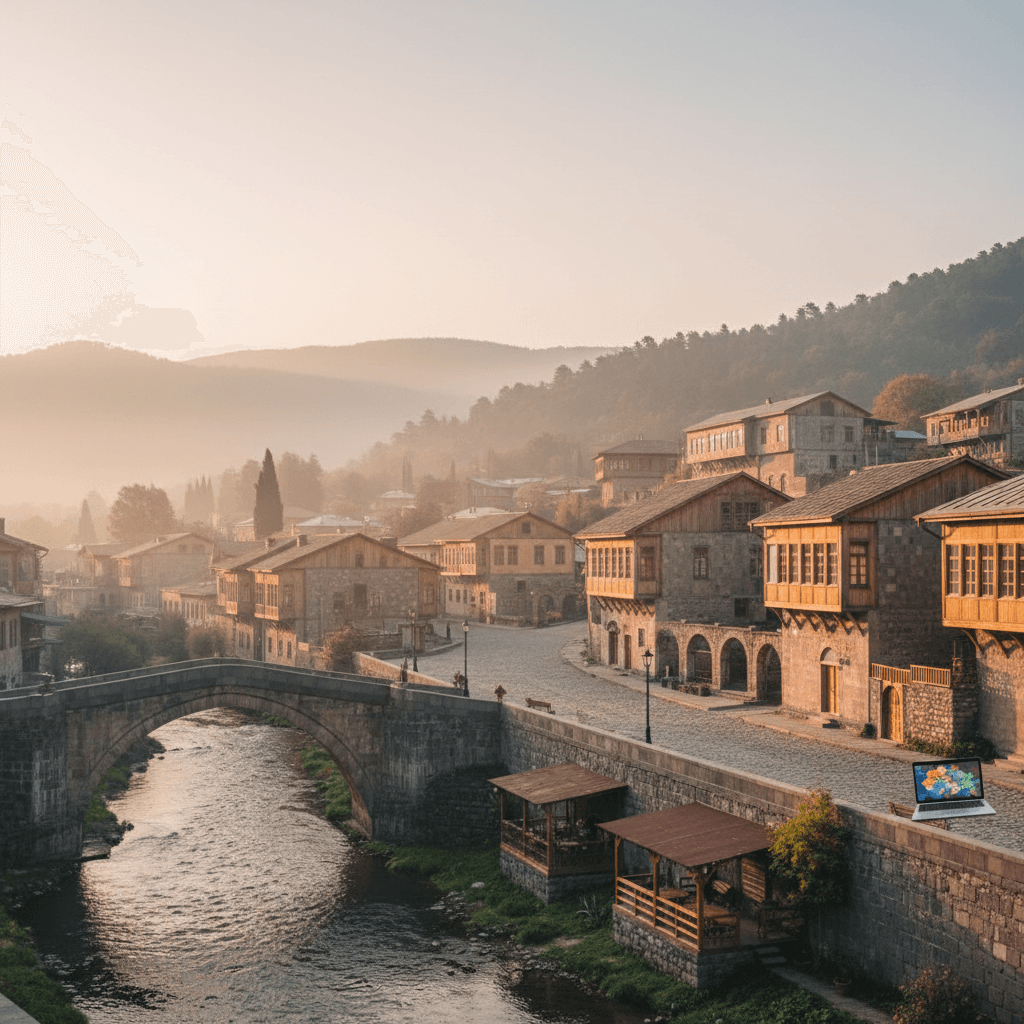
- Vibe: Traditional stone architecture, wood-carved balconies, and very walkable.
- Best For: Short-term stays and those who want to be in the heart of the "cultural" zone.
Central Dilijan
- Rent: 200,000 to 400,000 AMD ($500-$1,000)
- Vibe: More functional, close to shops, pharmacies, and the main bus stops.
- Best For: Long-term nomads who need easy access to Impact Hub and grocery stores.
Forest Edges & Outskirts
- Rent: 150,000 to 300,000 AMD ($375-$750)
- Vibe: Total silence, immediate trail access, and mountain views.
- Best For: Families or writers who don't mind using the GG or Yandex Go apps to get into town.
Productivity and Connection
Internet reliability is surprisingly high. Most apartments come with stable connections, and the 4G coverage from Ucom or Beeline is strong enough to tether during a hike. For a professional environment, Impact Hub Dilijan is the primary watering hole for the remote set. You can grab a day pass for roughly 5,000 to 10,000 AMD ($12-$25) and find yourself sitting next to someone running a startup or a freelance designer from Europe.
When the laptop closes, the transition to nature is instant. You can be at Parz Lake in twenty minutes or exploring the lush trails of the National Park. It is this balance, the ability to take a Zoom call in the morning and be lost in a medieval forest by 3:00 PM, that makes Dilijan a standout destination in the Caucasus.
The Cost of Living in the "Switzerland of the Caucasus"
Living in Dilijan feels like a breath of fresh air, both literally and financially. While Yerevan is seeing a spike in prices, Dilijan remains a pocket of affordability that lets your budget stretch much further. Most nomads find they can live a high quality life here for a fraction of what they would spend in Western Europe or North America, all while surrounded by the dense forests of the Tavush Province.
The local currency is the Armenian Dram (AMD). You will want to keep an eye on the exchange rate, but generally, Dilijan is a place where you can stop obsessing over every coffee purchase. Expats recommend having a mix of cash for local markets and apps like GG or Yandex Go for transport, though the town center is small enough that you will mostly be on foot.
Monthly Budget Tiers
- The Budget Nomad ($800 to $1,200): This covers a basic studio or a private room in a local guesthouse, plenty of street food like 1,000 AMD khachapuri, and using the local marshroutka buses for regional trips.
- The Mid-Range Lifestyle ($1,500 to $2,000): This is the sweet spot for most. You will get a modern one bedroom apartment in Old Dilijan, a full time membership at Impact Hub, and frequent dinners at spots like Flying Ostrich or Carahunge.
- The Comfortable Expat ($2,500+): At this level, you are looking at upscale forest villas, private drivers for weekend trips to Lake Sevan, and dining out without ever looking at the right side of the menu.
Housing and Neighborhoods
Rent is your biggest variable. If you want to be where the action is, look at the Sharambayants District, also known as Old Dilijan. It is full of 19th century charm and carved balconies. Expect to pay between 200,000 and 400,000 AMD for a solid one bedroom apartment here. It is walkable and close to the best cafes, though it can get a bit touristy on summer weekends.
For those who prefer a quieter vibe, the Forest Edges offer more space. These areas are perfect for families or anyone who wants to step out of their front door and onto a hiking trail. You will get more house for your money here, but you will likely need to rely on the GG app to get into the center for groceries or coworking.
Food and Dining
Groceries are remarkably cheap if you stick to seasonal Armenian produce. Local markets are the best place for cheeses and fresh bread. If you prefer eating out, Dilijan has a surprisingly sophisticated food scene for its size.
- Quick Lunch: 1,000 to 2,000 AMD for street food or a casual cafe sandwich.
- Mid-range Dinner: 3,000 to 5,000 AMD for a full meal with a drink.
- Upscale Experience: 8,000+ AMD for a multi course meal at a high end restaurant.
- Daily Coffee: Around 1,000 to 1,500 AMD for a well made latte.
Connectivity and Coworking
The digital infrastructure is surprisingly robust. Most apartments come with fiber optic connections reaching 50 to 100 Mbps. If you need a professional environment, Impact Hub Dilijan is the go to spot. Daily rates run between 5,000 and 10,000 AMD, and it is the best place to meet the local tech community. For a more casual setup, cafes in the center are very welcoming to laptops, provided you keep the coffee flowing. You can grab a local SIM card from Ucom or Beeline for about 2,000 AMD, which usually gets you 20GB of data, enough to tether if the power blips during a mountain storm.
Transportation
Dilijan is a walking town. Most of your daily needs in the central district are within a fifteen minute stroll. When you need to go further, the GG app works well, with most trips around town costing between 1,000 and 2,000 AMD. If you are headed back to Yerevan for a weekend of city life, a shared van (marshroutka) is only 1,500 AMD and takes about two hours. Private taxis for the same route will cost closer to 10,000 AMD, which is a great deal if you are splitting it with a couple of friends.
Digital Nomads and Remote Workers
If you are coming to Dilijan to get things done, you want to be in Central Dilijan. This area is the heartbeat of the town's growing tech and remote work scene. It is where you will find Impact Hub, which is the gold standard for coworking here with daily rates between 5,000 and 10,000 AMD. The internet is surprisingly snappy for a mountain town, often hitting 100 Mbps in the better cafes.
- Rent: 200,000 to 400,000 AMD for a solid one bedroom apartment.
- Vibe: Productive but relaxed. You are close to the grocery stores and the main transport hubs for weekend trips to Yerevan.
- Pros: High walkability, easy access to GG or Yandex Go drivers, and the highest concentration of English speakers.
- Cons: Can feel a bit "busy" by Dilijan standards with more traffic on the main roads.
Expats and Long-Term Residents
For those sticking around for more than a month, the Sharambayants District, also known as Old Dilijan, is the place to be. It is the most picturesque part of town, filled with 19th century architecture, carved wooden balconies, and cobblestone streets. Living here feels like being on a film set, but it comes with a price tag to match its charm. Most expats recommend this area if you want to be surrounded by the town's history and artisan workshops.
- Rent: Expect to pay $700 to $1,000 USD for premium short term rentals or renovated historic flats.
- Vibe: Artistic and touristy. It is the cultural soul of the city where you will find the best khorovats and local cheeses.
- Pros: Stunning views, immediate access to forest trails, and a very social atmosphere.
- Cons: It gets crowded with day trippers on weekends, and prices for groceries and coffee are slightly inflated.
Families
Families usually find their rhythm in the Forest Edges and the quiet outskirts of the city. These neighborhoods offer more space, often in the form of standalone houses with gardens rather than cramped apartments. It is much quieter here, and you are literally steps away from the Dilijan National Park trails. It is a great spot if you want your kids to have fresh mountain air and plenty of room to run.
- Rent: $800 to $1,500 USD for larger homes or villas.
- Vibe: Peaceful and secluded. You will hear birds and wind in the trees rather than car horns.
- Pros: Safety is a non issue, and the proximity to Parz Lake makes for easy family outings.
- Cons: You will definitely need a car or a reliable taxi contact. It is not walkable for daily errands, and the social scene is non existent.
Solo Travelers
If you are traveling solo and looking to meet people, stick to the Lower Dilijan area near the main park and the bus station. This is the most affordable part of town and serves as a natural meeting point for hikers and backpackers. You can grab a khachapuri for 1,500 AMD and find plenty of cheap guesthouses. It is easy to hop on a marshrutka to Haghartsin Monastery or find a group to split a taxi to Lake Sevan.
- Rent: Budget guesthouses start around $20 to $30 USD per night; monthly budget studios can be found for under $500 USD.
- Vibe: Social and transient. You will meet plenty of other travelers at the local cafes and the Nomad Armenia meetups.
- Pros: Very affordable, easy to navigate without a car, and close to the main hiking trailheads.
- Cons: The housing quality can be hit or miss; some of the older Soviet style apartments can be a bit drafty in the winter months.
Reliability and Speed
You won't have to worry about dropping off a Zoom call while staring at the mountains. Dilijan is surprisingly well connected for a town of its size. Most central cafes and rentals offer stable fiber optic connections with speeds ranging from 50 to 100 Mbps. While the outskirts can be a bit more hit or miss, the core of the city is a solid base for heavy remote work.
For a backup or working on the go, the local 4G coverage is excellent. Most nomads pick up a SIM card from Ucom or Beeline as soon as they land. You can get a 20GB data package for about 2,000 AMD ($5). It is cheap enough that many travelers just use their phone as a hotspot when they want to work from a park bench or a trailhead.
Top Coworking Spots
The community is growing, and while you won't find a coworking space on every corner like in Yerevan, the options available are high quality and community focused.
- Impact Hub Dilijan: This is the gold standard in town. It is a professional environment with fast WiFi, ergonomic seating, and plenty of coffee. Daily rates usually fall between 5,000 and 10,000 AMD ($12 to $25). It is the best place to meet other professionals and get plugged into the local tech scene.
- Local Tech Hubs: Keep an eye out for smaller, specialized hubs popping up near the central district. These often cater to the influx of remote workers and startups moving away from the capital's heat.
- Nomad Armenia Events: If you time your visit right, you might catch one of the larger workation events. These gatherings often bring in 50 or more international nomads for weeks of structured coworking and networking.
Work Friendly Cafes
If you prefer the hum of a coffee shop over a quiet office, Dilijan has a thriving cafe culture. Most owners are used to people staying for a few hours with a laptop, provided you keep the coffee orders coming. On sunny days, you'll see plenty of people working from outdoor patios in Old Dilijan.
- Cafe #2: A popular spot right by the lake in the center of town. It has a modern vibe, decent WiFi, and great views. It is a social hub where you're likely to run into other remote workers.
- The Flying Ostrich: While more of a restaurant, their outdoor seating area is a fantastic place to clear your inbox during the quieter afternoon hours.
Practical Workflow Tips
The mountainous terrain means weather can change fast. If you plan on working from a balcony or a cafe terrace, always have a sweater handy, even in July. Most nomads find that the best routine involves deep work in the mornings followed by a hike in Dilijan National Park once the sun is high.
For those staying long term, look for apartments via List.am or local Facebook groups. Most modern rentals include high speed internet in the price, but it's always smart to ask for a speed test screenshot before you commit to a $500 to $1,000 monthly lease. If you need a serious monitor or specialized gear, you'll likely need to make the 1.5 hour trip to Yerevan to shop, as local stores carry only the basics.
Staying Safe in the Woods
Dilijan is remarkably safe, even by the high standards of Armenian hospitality. You'll find the vibe here is much more "small-town mountain retreat" than "urban center." Most nomads feel comfortable walking through the central streets or the Sharambayants District late at night without a second thought. Crime against foreigners is rare; the biggest "danger" you're likely to face is a local insistent on sharing a glass of fruit vodka with you.
If you're heading out into Dilijan National Park for a solo hike, the rules change slightly. While the trails are beautiful, they can be poorly marked in dense forest sections. It's smart to download offline maps or use apps like HIKEArmenia before you lose reception. Keep an eye on the weather, too. The mountain fog can roll in fast, turning a sunny afternoon into a disorienting trek. Stick to the main paths near Parz Lake or the Gosh Lake trail if you aren't an experienced navigator.
For emergencies, keep these numbers programmed into your phone:
- 102 for the Police
- 101 for Fire and Rescue
- 103 for an Ambulance
Healthcare and Pharmacies
For day-to-day health needs, Dilijan has several well-stocked pharmacies (deghatun) scattered around the town center. Most pharmacists speak at least a little Russian or English and can help with common ailments or over-the-counter meds. Prices are low; expect to pay around 1,000 to 3,000 AMD for basic supplies.
The local hospital provides basic medical care and can handle minor injuries or sudden illnesses. However, the facilities are modest compared to what you'd find in a major capital. If you're dealing with anything serious, chronic, or requiring specialized equipment, you'll want to head to Yerevan. It's about a 90-minute drive by taxi, which will cost you roughly 10,000 to 12,000 AMD through apps like GG or Yandex Go. Most expats keep a private insurance policy that covers medical evacuation or private clinics in the capital just in case.
Practical Wellness Tips
The water in Dilijan is generally considered safe to drink and often comes straight from mountain springs. You'll see "pulpulaks" (public water fountains) everywhere. They're a point of pride for locals, and the water is crisp and cold. If you have a sensitive stomach, stick to bottled water for the first few days, but most long-termers eventually switch to the tap.
Since Dilijan sits at a higher elevation, the sun can be deceptively strong even when the air feels cool. If you're working from the outdoor patio at Impact Hub or a cafe in Old Dilijan, wear sunscreen. The "Switzerland of the Caucasus" nickname is accurate when it comes to the air quality; it's some of the cleanest in the region, which is a major draw for nomads looking to escape the smog of larger cities.
Navigating Local Services
If you need to find a doctor who speaks fluent English, your best bet is to ask in the Nomad Armenia or Digital Nomads Armenia Telegram groups. The community is tight-knit, and someone will usually have a recommendation for a specific practitioner in Dilijan or a clinic in Yerevan that accepts international insurance. While the healthcare system is transitioning to more modern standards, having a local friend or a translation app like Google Translate with the Armenian offline pack is invaluable for explaining specific symptoms.
Getting Around Dilijan
Dilijan is a breath of fresh air compared to the frantic pace of Yerevan. Because the town is carved into a series of steep, forested valleys, your experience getting from A to B depends entirely on where you decide to plant your laptop. The center is compact and manageable, but if you are staying on the outskirts for that quiet forest vibe, you will need a strategy for the hills.
Walking and Local Transit
If you live in Old Dilijan or the Sharambayants District, you can reach most cafes and shops on foot. It is a walkable core, though "walkable" in Dilijan often involves an incline. For longer distances within the town, local minibuses, known as marshrutkas, are the backbone of local transport. A single ride costs about 200 AMD. They aren't on a strict digital schedule, so most nomads just head to the main stops and wait for the next one to roll by.
- Old Dilijan: Highly walkable for daily needs and cafe hopping.
- National Park Trails: Excellent for mountain biking or hiking between monasteries.
- Bike Rentals: You can often find rentals near the park entrances for roughly 2,000 AMD per day, though the terrain is best suited for those with decent quad strength.
Ride-Hailing and Taxis
For those rainy days or when you are carrying groceries up a hill, ride-hailing apps are a lifesaver. Do not bother trying to hail a car on the street unless you speak fluent Armenian and want to haggle. Instead, use GG or Yandex Go. These apps work reliably here and are incredibly affordable. Most trips within the town limits will run you between 1,000 and 2,000 AMD. If you are heading further out, perhaps to Parz Lake or a trailhead, expect to pay closer to 3,000 AMD.
Intercity Travel
Dilijan is the gateway to northern Armenia, making it easy to escape for a weekend or head back to the capital for a dose of city life. The journey to Yerevan takes about 1.5 to 2 hours depending on the weather and the driver's appetite for risk. You have two main options:
- Marshrutkas: These depart regularly for Yerevan and cost roughly 1,500 AMD. They are cheap but can be cramped if you have a lot of luggage.
- Private Taxis: A dedicated car to Yerevan or Zvartnots International Airport usually costs around 10,000 AMD. It is a much more comfortable way to handle the winding mountain roads.
- Tours: For day trips to nearby monasteries like Haghartsin or Goshavank, many expats recommend booking through Ulikhanyan Tours or Levon Travel rather than trying to navigate local buses which may not drop you directly at the gates.
Practical Transit Tips
If you are planning to stay for more than a week, download the offline Armenian language pack on Google Translate. While the drivers in Dilijan are generally patient and used to the growing nomad community, English proficiency drops off quickly once you leave the tourist centers. Also, keep small bills on you for the local buses; drivers rarely have change for a 10,000 AMD note. Most nomads find that a mix of walking the central streets and using GG for everything else provides the perfect balance of exercise and convenience.
The Linguistic Landscape
In Dilijan, language is a bridge that connects the town's ancient roots with its modern tech ambitions. Armenian is the primary language, and you'll see the beautiful, curly script on every storefront and street sign. If you've spent time in Yerevan, you'll find the local dialect here has a softer, mountain edge to it, though everyone understands standard Eastern Armenian perfectly.
Russian remains the most common second language due to historical ties; almost every local over the age of 30 is fluent. For nomads, English proficiency is a bit of a mixed bag. In tourist hubs like Old Dilijan or tech-focused spots like Impact Hub, you'll have no trouble. However, if you're haggling for produce at the local market or chatting with a neighbor in the outskirts, English will likely fail you. In those moments, a smile and some creative gesturing go a long way.
Essential Armenian for Your Kit
While you can survive on English and translation apps, learning a few phrases is the fastest way to unlock the famous Tavush hospitality. Locals genuinely appreciate the effort, often rewarding a "Barev" with an extra piece of fruit or a story. Here are the basics you'll actually use:
- Barev: Hello (Casual)
- Shnorhakal: Thank you (The formal version)
- Mersi: Thank you (The common, French-borrowed version everyone uses)
- Ayo / Vo-ch: Yes / No
- Hajoghutyun: Goodbye
- Knerer: Sorry / Excuse me
Digital Communication and Tech
Staying connected is rarely an issue. Most nomads head straight to a Ucom or Beeline kiosk upon arrival. You can snag a SIM card with 20GB of data for about 2,000 AMD, which is roughly $5. The coverage in the town center is excellent, though it can get spotty if you're deep in the Dilijan National Park trails.
For day-to-day interactions, Google Translate is your best friend. Make sure to download the Armenian offline pack because you'll need it for reading menus in smaller taverns. For getting around, the GG and Yandex Go apps are the standard; they allow you to set your destination digitally, which bypasses any language barrier with drivers.
Social Etiquette and Non-Verbal Cues
Communication in Dilijan is often warmer and more personal than in Western hubs. If you're invited into a home for coffee, it's polite to accept. Toasts are a major part of the local "language" too. If you find yourself at a dinner, expect several rounds of toasts, usually with local cognac or wine. It's a way of showing respect and building community.
Expats often find that "Armenian time" is a real factor in communication. While business meetings at coworking spaces are punctual, social plans can be fluid. If a local tells you they'll meet you "after lunch," they might mean 2:00 PM or 4:00 PM. Learning to go with the flow is part of the Dilijan experience.
Finding Your Tribe
If you're feeling isolated, the nomad community is small but tight-knit. Most English-speaking social life revolves around Impact Hub Dilijan and Nomad Armenia events. These groups frequently host meetups that bring together the 50+ expats who call the town home during the peak months of June through September. Checking Facebook groups like "Expats in Armenia" is also a reliable way to find weekend hiking partners or language exchange buddies.
Mountain Air and Microclimates
Dilijan doesn't follow the same rules as the rest of Armenia. While Yerevan swelters in summer heat that can regularly top 40°C, this forested retreat stays refreshingly cool. It’s part of the reason nomads flock here when the mercury rises elsewhere. The town sits in a bowl of the Tavush mountains, which creates a temperate, high-altitude climate that’s famously good for your lungs. You’ll find the air crisp, the humidity low, and the greenery almost startlingly bright.
The local weather can be a bit moody, though. Because of the dense forest cover in Dilijan National Park, rain showers are common during the shoulder seasons. Most nomads find that the weather dictates their productivity; sunny days are for hiking to Haghartsin Monastery, while the misty, rainy afternoons are perfect for hunkering down with a laptop at Impact Hub.
The Golden Window: June to September
If you want the full "Switzerland of the Caucasus" experience, aim for the summer months. From June through August, daytime temperatures usually hover between 20°C and 25°C (68°F to 77°F). It is rarely too hot to work outside on a cafe terrace in Old Dilijan. This is peak season for a reason: the trails to Parz Lake are dry, the outdoor seating is in full swing, and the nomad community is at its most active.
September is arguably the best-kept secret in the region. The summer crowds thin out, but the weather remains stable and warm. By late September, the foliage begins to turn, transforming the valley into a sea of deep oranges and yellows. It’s a spectacular backdrop for weekend treks, though you’ll notice the evenings start to get a bit brisk, requiring a decent jacket for those late-night walks home from the center.
The Quiet Chill: Winter and Shoulder Seasons
Winter in Dilijan is a different beast entirely. From December through February, the town turns into a quiet, snowy enclave. Temperatures often fluctuate between -5°C and 5°C (23°F to 41°F). While it’s beautiful, it can feel a bit isolating for solo nomads. Many of the outdoor-focused activities shut down, and the smaller expat community tends to retreat indoors. If you enjoy a "deep work" retreat with wood-burning stoves and snowy views, you’ll love it; if you need social buzz, you might find it too sleepy.
- Spring (April to May): Expect plenty of rain and mud on the trails. It’s beautiful to see the forest wake up, but it’s the most unpredictable time for outdoor plans.
- Summer (June to August): The sweet spot. Perfect for hiking, outdoor coworking, and weekend trips to Lake Sevan to escape the heat.
- Autumn (September to October): Crisp air and incredible fall colors. Great for photography and long-distance hiking before the first frost.
- Winter (November to March): Cold and snowy. Best for writers or those who don't mind a slower, quieter pace of life.
What to Pack
Even in the height of summer, don't pack exclusively for heat. Because of the elevation, temperatures drop significantly once the sun goes down. A light fleece or a windbreaker is a staple here, even in July. If you’re planning on hitting the trails, bring waterproof hiking boots; the forest floor stays damp long after a rainstorm has passed. For those visiting in the winter, a heavy coat and insulated boots are non-negotiable, as the town isn't always the fastest at clearing side-street snow.
Most travelers say that having a solid umbrella or a high-quality raincoat is the best investment for a Dilijan stay. You’ll likely experience at least one sudden afternoon downpour during your visit, but they usually pass quickly, leaving the air smelling like pine and wet earth.
Living and working in Dilijan feels like a breath of fresh air, literally. While Yerevan is the high energy heart of Armenia, Dilijan is where you go to actually hear yourself think. It is a town defined by its topography; the steep, forested hills dictate where people live and how they move. Most nomads find that life here revolves around a small, walkable core, but you will need a bit of local knowledge to handle the logistics of mountain living.
Cost of Living
Dilijan is significantly more affordable than the capital, making it a favorite for those looking to stretch their budget without sacrificing quality of life. You can expect your monthly expenses to fall into one of these tiers:
- Budget Nomad ($800 to $1,200): This covers a basic studio apartment, plenty of street food like 1,500 AMD khachapuri, and using the local bus system.
- Mid-range ($1,500 to $2,000): You will get a comfortable one bedroom apartment, regular meals at mid range spots like those in Old Dilijan, and a dedicated desk at a coworking space.
- Comfortable ($2,500+): This allows for upscale housing, frequent dining out with wine or cognac, and car rentals for weekend trips.
For groceries and basics, stick to local markets. Expect to pay about 5,000 to 10,000 AMD for a solid daily coworking rate if you aren't working from your rental.
Neighborhoods to Know
The town is small, but where you plant your flag changes your daily experience. Most expats recommend staying central if you don't have a car.
- Old Dilijan (Sharambayants District): This is the postcard version of Armenia. It is full of carved wooden balconies and stone streets. It is the most charming area for nomads, though short term rents are higher here because of the tourist appeal.
- Central Dilijan: This is the practical choice. You are close to Impact Hub, local shops, and the main bus stops. It can get a bit more traffic, but the convenience is hard to beat.
- Forest Edges: If you are here for total silence or traveling with family, look toward the outskirts. You will find larger homes and immediate access to Dilijan National Park trails, but you will likely need the GG or Yandex Go apps to get into town.
Connectivity and Coworking
The internet in Dilijan is surprisingly robust. Most cafes and apartments offer speeds between 50 and 100 Mbps. When you need a professional environment, Impact Hub Dilijan is the primary anchor for the remote work community. It is where you will find the fastest WiFi, free coffee, and most of the networking events.
For mobile data, grab a SIM card from Ucom or Beeline as soon as you arrive. You can get roughly 20GB of data for about 2,000 AMD ($5). Coverage is excellent in town, though it can drop off quickly once you get deep into the hiking trails of the National Park.
Getting Around
Dilijan's center is very walkable, but the hilly terrain means you will get a workout. For longer distances, use the GG or Yandex Go apps; a typical ride across town costs between 1,000 and 2,000 AMD. If you are heading back to Yerevan, the marshroutka (minibus) costs about 1,500 AMD and takes roughly two hours. For a more comfortable trip from Zvartnots Airport, a private taxi will run you around 10,000 AMD.
Practical Realities
The weather is a major factor here. June through September is the goldilocks zone with mild temperatures around 20 to 25°C. Winters are beautiful but quiet and cold, often dipping to -5°C, which can limit your outdoor work options.
English proficiency is moderate in the cafes and coworking spaces, but learning a few Armenian phrases goes a long way. Barev for hello and Shnorhakal for thank you will earn you a lot of smiles. For housing, check List.am or local Facebook groups, as many of the best spots aren't listed on the major global booking sites. Lastly, remember the local customs: always remove your shoes when entering a home and be prepared for long, hospitable toasts if you are invited to dinner.
Need visa and immigration info for Armenia?
🇦🇲 View Armenia Country GuideHidden Gem
Worth the effort