Dhaka
🇧🇩 Bangladesh
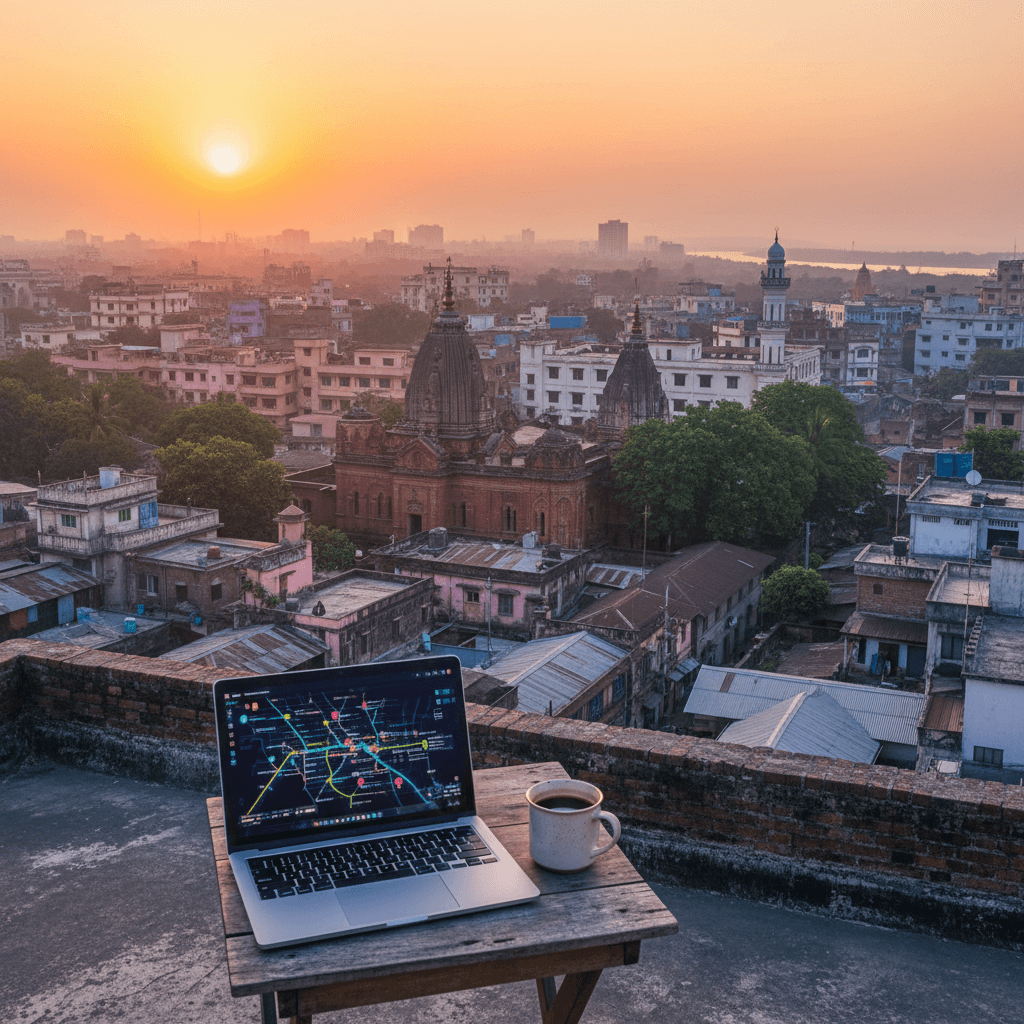
Dhaka hits you fast. The first thing most nomads notice is the sound, honking horns, rickshaw bells, vendors calling out, then the smell of exhaust mixed with fried spices and wet dust after rain. It’s one of the most intense cities in South Asia and honestly, that’s the appeal if you want life loud, cheap and very real.
The city runs on density, traffic and caffeine. A single nomad can scrape by on $350 to $575 a month if you keep housing simple and eat like a local, while a more comfortable setup lands around $1,000 or more once you add a better apartment, ride-hailing and coworking. Power cuts still happen, the air can feel gritty and the jams are brutal, but Dhaka also has a warm, street-level energy that doesn’t feel polished or fake.
Where people tend to stay
- Motijheel: Best for budget stays, central and work-friendly, but crowded, noisy and exhausting after dark.
- Banani: Good for cafes, nightlife and expat life, though traffic here can test your patience by lunchtime.
- Dhanmondi: A calmer pick with lakes, restaurants and culture, weirdly popular with families and longer-term stays.
- Gulshan: Cleanest and most polished, but it’s expensive and the place can feel a little sterile.
If you want value, skip the polished expat bubble and look at Dhanmondi or Motijheel first. Banani is fun if you like late dinners and socializing, though it gets noisy fast and Gulshan only makes sense if your budget can absorb the rent shock, because a decent one-bedroom there starts way above the rest.
What daily life feels like
- Internet: Usually decent in coworking spaces and better cafes, though you should test it before committing.
- Coworking: Work Shed, Hubdhaka and Regus all have different price points, from day passes to monthly desks.
- Getting around: Uber and Pathao are the easiest fixes, CNGs are cheaper but need negotiation.
- Food: Street snacks like fuchka are cheap, spicy and everywhere, while Haji Biryani and Star Kabab are the kind of places people keep mentioning for a reason.
Dhaka suits people who can laugh at inconvenience and still get work done. The city’s rhythm is rough, but it’s also addictive and if you can handle the heat, the noise and the occasional outage, you’ll get a place that feels lived-in, not packaged for foreigners.
Dhaka is cheap, but it doesn’t feel cheap once you start adding up rent, ride-hailing, air conditioning and the occasional power cut that sends you hunting for a backup charger. A single nomad can scrape by on $350 to $575 a month in a tight budget setup, while a more comfortable life usually lands around $800 to $1,200+, depending on where you sleep and how often you eat out.
Food helps a lot. Street snacks like fuchka cost about ৳130 to ৳250 and a decent meal for two in a mid-range place runs ৳800 to ৳1,500, so you can eat well without torching your budget, though Gulshan and Banani will absolutely punish you if you dine there every night.
Typical monthly budget
- Budget: $350 to $500, shared housing, street food, CNG rides
- Mid-range: $600 to $900, 1BR in Dhanmondi, mid-range eateries, Uber or Pathao
- Comfortable: $1,000+, Gulshan apartment, coworking, nicer dinners
Rent is the big swing factor and honestly, the difference between neighborhoods is brutal. In Motijheel or Dhanmondi, a studio or one-bedroom can sit around ৳20,000 to ৳40,000, Banani climbs to ৳40,000 to ৳60,000 and Gulshan starts around ৳80,000+, which, surprisingly, still gets snapped up because expats want the polish and relative calm.
Neighborhood costs
- Motijheel: ৳20,000 to ৳30,000, central and cheaper, but noisy and crowded
- Dhanmondi: ৳25,000 to ৳40,000, better balance of price and livability
- Banani: ৳40,000 to ৳60,000, trendy, lively and traffic-heavy
- Gulshan: ৳80,000+, upscale, safer-feeling and expensive
Transport is where your patience gets tested. Uber and Pathao are the easiest option, CNGs are cheaper if you haggle and a cross-town trip can turn into a 90-minute crawl under honking horns, diesel fumes and sticky humidity that clings to your shirt.
Coworking isn’t cheap by local standards, but it’s still reasonable for nomads, with spaces like Moar running about ৳5,000 to ৳15,000 a month and drop-in spots such as Work Shed or Hubdhaka giving you more flexibility. Internet in decent cafes and workspaces is usually fine, around 49 to 52 Mbps, but power backups matter, because a dead router in the middle of a call is a very Dhaka problem.
Daily extras
- Public transport: about ৳79 a month, though most nomads skip it
- Ride-hailing: roughly ৳500 a day if you’re moving around a lot
- Coworking: ৳5,000 to ৳15,000 a month
- Internet: decent speeds, but test first and bring a backup plan
Dhaka splits fast by lifestyle and picking the right neighborhood matters more here than in most cities because traffic can chew through your day in a way that feels personal. The wrong base means more honking, more exhaust, more time stuck in a CNG and less energy for work. Not cheap. Not calm.
Nomads
Most budget nomads land in Motijheel, where the city’s business pulse keeps rents lower and coworking spots closer to the action, though the streets get jammed, loud and frankly exhausting by late afternoon. A 1BR usually runs about $230 to $350 and you’ll find cheap biryani, tea stalls and enough office towers to keep lunch runs easy.
- Best for: Budget stays, central access, coworking
- Rent: $230 to $350 for a 1BR
- Downside: Crowds, noise, traffic snarls
If you want a slightly smoother routine, Dhanmondi is the better bet, with lake walks, cafés and a more livable feel, though the markets can get packed and the roads still clog fast. It’s the place many nomads choose when they want a home base that doesn’t feel like a full-time punishment.
Expats
Gulshan is the polished option and it looks the part, with newer apartments, diplomatic leftovers, better restaurants and the highest price tags in the city, so you’re paying for comfort and relative calm. Expect around $920+ for a 1BR, which turns out to be the tradeoff for less chaos and easier dinner plans.
- Best for: First-timers, corporate renters, expats
- Rent: $920+ for a 1BR
- Downside: Pricey, a bit sterile
Banani sits between Gulshan and the messier parts of town, with trendy cafés, nightlife and better people-watching, but the traffic and nightlife noise can be relentless. Rent usually lands around $460 to $690 for a 1BR and it’s a solid choice if you want social energy without going full luxury.
Families
Dhanmondi is the family favorite for good reason, because the lakes, schools and older residential blocks make daily life feel more manageable than in the denser business districts. Rents for a 1BR are often around $350 to $460 and you’ll still deal with crowded markets, but the area has a more settled rhythm.
- Best for: Families, long stays, quieter routines
- Rent: $350 to $460 for a 1BR
- Downside: Market crowds, steady traffic
Solo Travelers
Solo travelers usually do best in Banani or parts of Gulshan, because they’re easier for meeting people, booking rides and grabbing dinner without overthinking the area after dark. Still, don’t expect serenity, the honking starts early, the air can feel gritty and the humidity sticks to you like a wet shirt.
Pick Banani if you want more social life, pick Gulshan if you want fewer headaches. If you’re staying lean, Motijheel wins on price, but Dhanmondi is the one most people end up liking once the initial chaos wears off.
Dhaka’s internet is better than its reputation, though that doesn’t mean it’s carefree. In cafes and coworking spaces, speeds around 40-60 Mbps are typical and in most decent areas you can get work done without tears, but power cuts still happen and the heat makes laptops feel hot to the touch. Pack a power strip. Seriously.
Most nomads end up splitting their time between a desk and a cafe, because the cafe scene, honestly, works best when you treat it like a paid workspace and keep ordering drinks. Free WiFi exists in upscale spots, but don’t trust it for a video call unless you’ve tested it first and keep a backup SIM ready for the inevitable moment the router sulks.
Coworking Spaces
- Moar: Good for regular desk work, with hot desks around ৳5,000 to ৳15,000 a month.
- Hubdhaka: Popular with freelancers, day passes run about ৳800 to ৳1,500.
- Impact Hub: Similar pricing to Hubdhaka and the crowd is usually a mix of founders, NGO people and remote workers.
- Work Shed: Cheaper by the day, roughly ৳500 to ৳1,000, which is handy if you just need a few focused hours.
- Regus: The polished option, day passes around ৳12,000.
Moar and Regus are the safest bets if you need a serious meeting setup, while Hubdhaka and Work Shed are better if you just want a chair, stable WiFi and a room that doesn’t smell like fried snacks. The air conditioning helps, which, surprisingly, matters more here than fancy decor because Dhaka humidity will drain your energy fast.
SIMs and Connectivity
- Best networks: Grameenphone and Robi, both usually fine for 20 to 30 Mbps on mobile data.
- Airport SIMs: Easy to grab on arrival and eSIM options are showing up too.
- Backup plan: Keep one local SIM and one coworking pass, because the city’s internet can wobble during outages.
Grameenphone gets the better reputation for coverage, Robi is solid too and English support is generally good enough that you won’t spend an hour gesturing at a blank screen. Still, if your work depends on long uploads or client calls, stay near Gulshan, Banani or Dhanmondi, where cafes and coworking spaces are more reliable than the average apartment connection. Don’t count on a random guesthouse router.
My take is simple, Dhaka’s internet is workable, the coworking scene is decent and the main annoyance isn’t speed so much as unpredictability. The city hums, horns blare outside and then, without warning, the lights dip for a second, so build in slack and keep your charging cable close.
Dhaka feels safe in pockets, not everywhere. Stick to busy streets, keep your phone tucked away and don’t wander after dark unless you know the area well, because petty theft and random hassle around hotels, business districts and transit spots do happen.
The city can feel fine at noon, then oddly tense by night, with honking, diesel fumes and the scrape of traffic mixing with calls to prayer and market noise. Recent nomads say outright violence feels lower than it did a couple of years ago, but that doesn’t mean you should get careless, especially during protests or big political gatherings.
Emergency numbers matter here. Save them before you need them, because you won’t want to be hunting through your notes when something goes sideways and honestly the mobile signal plus traffic can make a bad moment worse.
- Police: 999
- Dhaka Medical College Hospital: 500121-5
- Evercare Hospital: 10678 for ambulance
- Laz Pharma: 9111843, 24-hour pharmacy support
- Green Eye: 8612412, another 24-hour option
For healthcare, Dhaka has decent private options if you’re willing to pay and that’s where most expats go. Evercare is the name people mention most, while Dhaka Medical College is the big public fallback, crowded and blunt around the edges, so don’t expect polished service or quick paperwork.
Pharmacies are easy to find in central neighborhoods, though late-night access can be patchy outside the main zones. Pack a basic first-aid kit, bring any prescription meds you rely on and keep scans of your documents handy, because replacing anything in the middle of a humid, sweaty, traffic-choked afternoon gets irritating fast.
Food hygiene is another real issue. Street food like fuchka is cheap and delicious, but pick stalls with a steady crowd and hot turnover, because sitting-out sauces and warm water can ruin your week, weirdly fast.
If you’re staying longer, choose housing near Dhanmondi, Banani or Gulshan, then map the nearest clinic and pharmacy on day one. That small bit of planning saves you from panicking later and in Dhaka, frankly, less panic is always better.
Getting across Dhaka is messy, loud and slow and if you fight that reality every day, you’ll burn out fast. Honking never really stops, the air smells like exhaust and hot asphalt and a 20-kilometre trip can easily eat 90 minutes in traffic. Not pretty.
Uber and Pathao are the move for most nomads. They’re the simplest way to get AC, set fares and avoid haggling, though airport runs can still land around ৳1,000 to ৳2,000 depending on the hour and traffic and frankly you’ll pay for convenience every single time. If you’re landing at night, use the app pickup inside the terminal and skip unofficial taxis.
CNG auto-rickshaws are cheaper. They’re also louder, stinkier and more of a negotiation sport, so agree on the price before you get in or you’ll end up in a familiar little argument under a cloud of fumes. Short hops can be fine, but for anything cross-city, app rides usually save your sanity.
What to Expect by Area
- Motijheel: Central and practical, with easy access to business districts and some coworking spots, but the crowds and chaos are relentless.
- Banani: Better for cafes, dinners and nightlife, though traffic gets ugly fast and the roads feel clogged by late afternoon.
- Dhanmondi: More liveable, with lake walks and a slightly calmer feel, but the markets still get packed and crossings can be stressful.
- Gulshan: Smoothest for first-timers, with wider roads and better services, but it’s pricey and not exactly warm or interesting.
Public transport exists, but don’t romanticize it. Buses are packed, walkability is poor and there isn’t a metro network that solves your daily life yet, so most nomads end up leaning on ride-hailing, CNGs and the occasional stubborn walk when the rain comes down hard on tin roofs and you just need to clear your head. Weirdly, the city feels smaller once you stop trying to move like a local commuter.
There aren’t many bike or scooter rentals, which surprises first-timers, so if you want flexibility, build your routine around rides instead of expecting to pedal everywhere. For airport transfers, hotel pickups and late-night trips, keep your phone charged, carry a power bank and don’t assume traffic will behave, because in Dhaka it won’t. That's the deal.
English gets you by in Dhaka, but Bengali runs the city. In Gulshan, Banani and around big offices, you’ll hear plenty of English, though outside those pockets you’ll usually need a few phrases, a patient smile and Google Translate open, honestly, because people may understand you and still answer in Bangla anyway.
The good news is that locals are usually warm and helpful, even if the conversation stalls. The bad news is that miscommunication can turn a simple rickshaw ride or market purchase into a noisy guessing game, with honking, tea spoons clinking and traffic fumes hanging in the air while everyone keeps talking at once.
Learn a few lines before you arrive, they’ll save you time and a bit of embarrassment:
- Apni English bolen? Do you speak English?
- Eita koto? How much is this?
- Ami bujhte parchi na. I don’t understand.
Those three phrases get used constantly, especially in markets, on the street and with drivers who may know some English but don’t want to waste time. Turn your phone into a backup translator, because when the humidity is clinging to your skin and everyone’s in a hurry, no one wants a long back-and-forth over a 20 taka fare.
For daily life, messaging matters more than talking. WhatsApp is common for expats, but local business often runs through Facebook, Messenger and local SIM apps and honestly, you’ll get faster answers if you send a short text than if you call a stranger out of the blue.
Language cheat sheet
- Best for English: Gulshan, Banani, expat offices, upscale cafes
- Mixed results: Dhanmondi, coworking spaces, mid-range restaurants
- Lowest English use: local markets, older neighborhoods, CNG drivers
Pronunciation matters less than effort. Say the Bengali words clearly, keep your tone calm and don’t over-explain, because people here tend to appreciate directness more than polished grammar, which, surprisingly, makes life easier once you stop worrying about sounding perfect.
If you’re staying more than a few weeks, learn numbers, directions and food words first. That’s the real shortcut.
Dhaka has two faces and the weather decides which one you get. November through February is the sweet spot, with cooler dry air around 18 to 21°C, clearer skies and far less of that sticky heat that makes your shirt cling before lunch.
Jan and Feb are the easiest months for working outside your apartment, walking around Dhanmondi Lake or taking a late tea without feeling wrung out. The city still honks, still smells like exhaust and frying oil, but it’s a lot easier to enjoy when the air isn’t pressing down on you.
March to May gets mean. Temperatures climb into the high 20s and low 30s, humidity rises fast and honestly the heat can feel personal, especially once the sun bounces off concrete and traffic starts breathing out black smoke.
June through October is monsoon season and that means heavy rain, flooded lanes and random afternoon downpours that rattle tin roofs like drum practice. August is the worst month, with rain showing up almost every day, so plan for delays, wet shoes and traffic that barely moves even by Dhaka standards.
- Best overall: January and February, cool enough to function.
- Okay for visits: November, December and early March, still manageable.
- Hardest months: June to August, wet, sticky and slow.
If you’re choosing around work, come in winter. Internet is decent in coworking spaces like Moar, Work Shed or Regus, but the weather matters more than people admit, because a power cut feels much worse when the room is already hot and still.
Pack light cotton clothes, a compact umbrella and shoes that dry fast. Bring a power strip too, weirdly enough, because rainy season outages and damp apartments can turn a normal workday into a mess and you’ll be grateful when the ceiling fan cuts out for ten minutes.
The city doesn’t slow down for bad weather. It just gets louder, wetter and more frustrating, with rickshaw bells, bus engines and rain hammering the pavement all at once.
Dhaka runs on noise, heat and sheer stubborn momentum. The honking starts early, the air smells like exhaust and frying oil and by noon the humidity’s clinging to your shirt like it pays rent.
Money stretches far here. A solo nomad can live on roughly $350 to $575 a month if you’re smart about housing and eat local, though a more comfortable setup usually lands around $800 to $1,200 plus. Gulshan is the priciest, Dhanmondi usually feels saner for the money and Banani sits in that awkward middle where rent jumps fast.
Rent is the big swing factor, honestly. A simple 1BR in Motijheel or Dhanmondi can run ৳20,000 to ৳40,000, Banani tends to sit around ৳40,000 to ৳60,000 and Gulshan starts at about ৳80,000 and climbs from there.
What to expect by area
- Motijheel: Cheapest central option, good for offices and transport, but crowded and loud.
- Dhanmondi: Better balance, with lakes, cafes and culture, though the markets can get chaotic.
- Banani: Trendier, with more expats and eateries, but traffic here is infuriating.
- Gulshan: Cleanest feel and most polished, though you’ll pay for it every month.
Get your SIM at the airport if you can, Grameenphone and Robi usually work well enough and eSIM options exist, which, surprisingly, saves a lot of hassle on day one. Internet speeds are often 20 to 50 Mbps, but don’t trust random cafe WiFi for client calls unless you’ve tested it first.
Coworking spaces are decent and not wildly expensive. Moar, Work Shed, Hubdhaka, Impact Hub and Regus all get used by nomads and you’ll want a backup battery because power cuts still happen and nobody here waits politely for your laptop to die.
Use bKash, Nagad or Rocket for most local payments. They’re the easiest way to send money around town, pay bills or avoid standing in sweaty queues with cash that somehow disappears faster than you expect.
Getting around takes patience. Uber and Pathao are the least painful choices, CNGs are cheaper but you’ll need to negotiate and airport rides can take ages because 20 kilometers can turn into a 90-minute crawl, complete with horns, brake lights and drivers squeezing into gaps that don’t look real.
For daily life, dress modestly, take your shoes off indoors and keep greetings polite, it goes a long way. If you need a break from the city, Sonargaon, Panam Nagar and a Chandpur river cruise make decent day trips and they’re a lot calmer than another afternoon in Dhaka traffic.
Need visa and immigration info for Bangladesh?
🇧🇩 View Bangladesh Country GuideHidden Gem
Worth the effort