Delft
🇳🇱 Netherlands
The Vibe: Medieval Charm Meets High-Tech Hustle
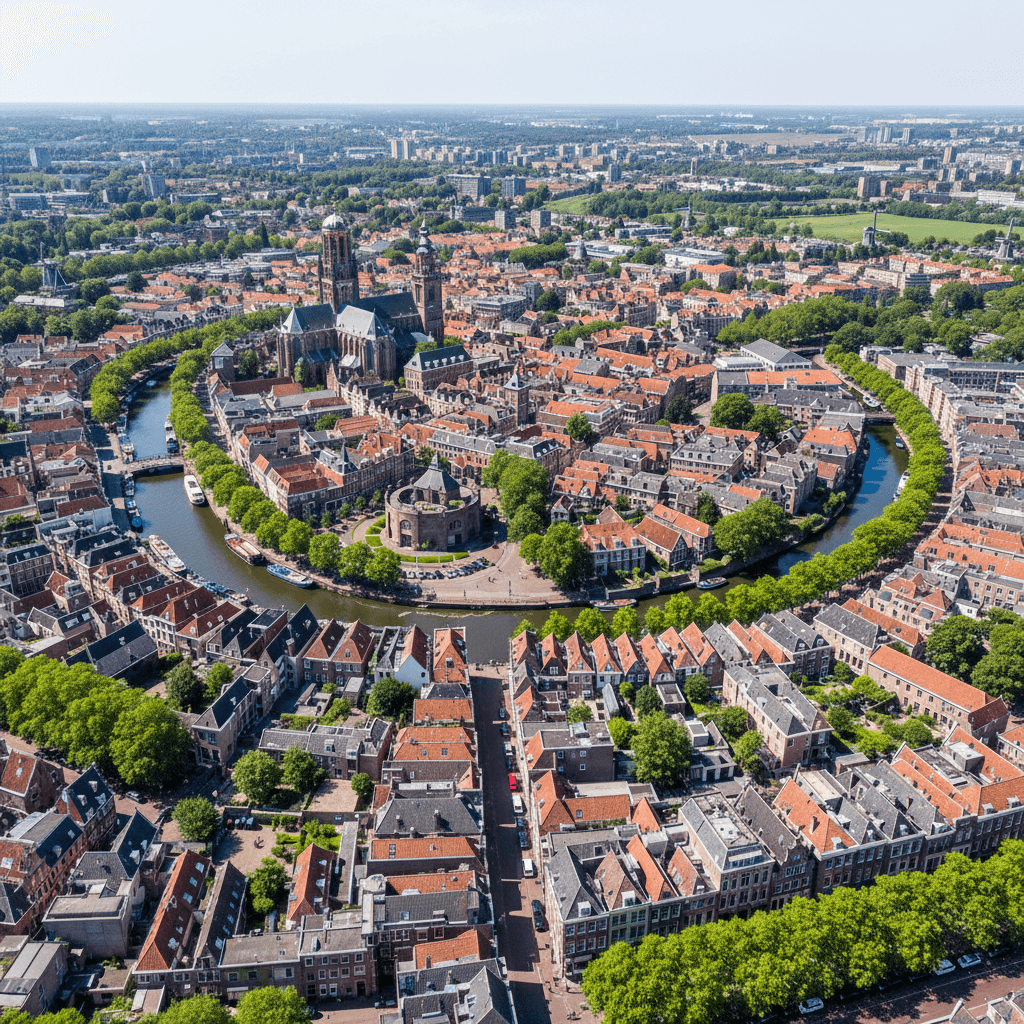
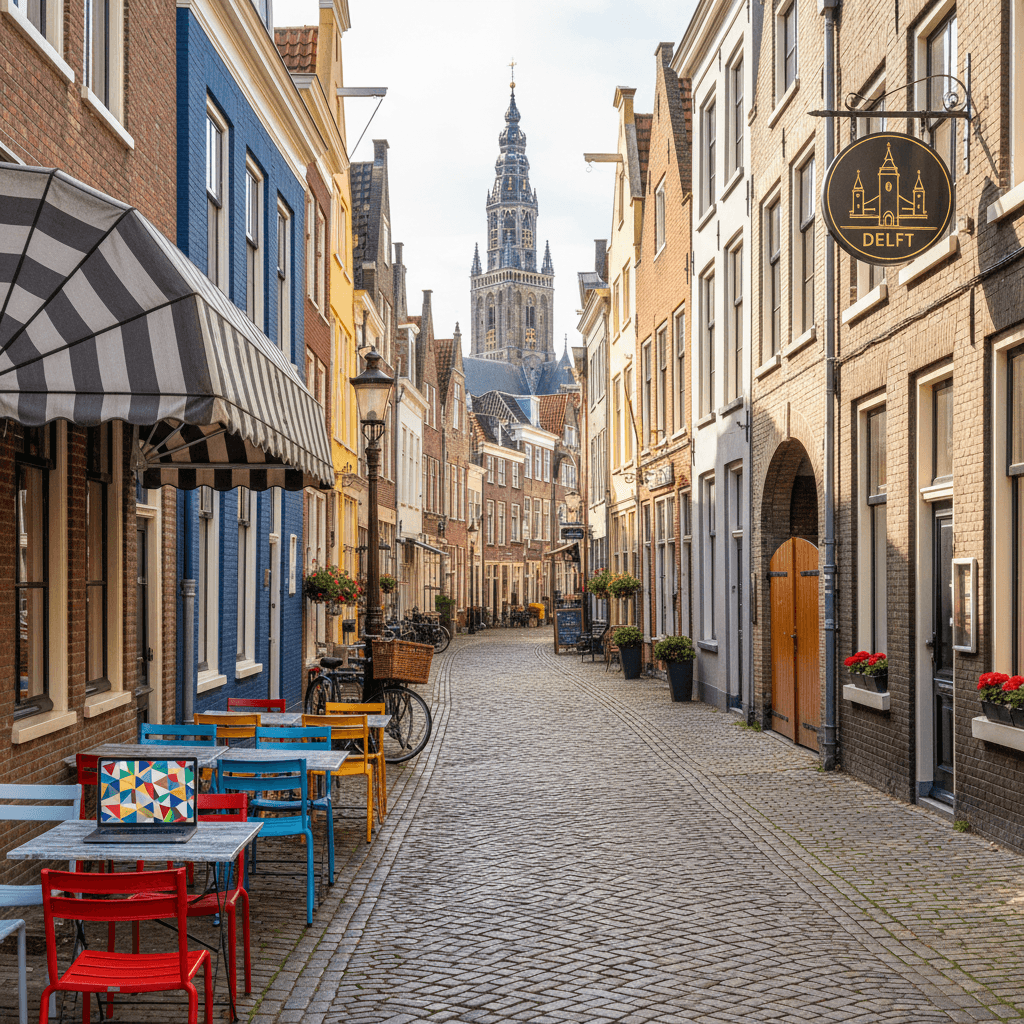
Delft feels like the sophisticated, quieter sibling of Amsterdam. While the capital can feel like a chaotic tourist museum, Delft is a living, breathing town where centuries-old canals and leaning medieval towers sit right next to one of the world's most advanced technical universities. It is a place defined by gezellig, a Dutch concept of coziness and social connection that you will feel the moment you settle into a canal-side cafe with a coffee and a stroopwafel.
The pace here is intentional. You will see professors cycling to TU Delft in three-piece suits and students hauling crates of beer on the front of their bikes. For nomads, the atmosphere is studious yet relaxed. It is a town that encourages you to slow down, work deeply during the day, and then join the locals for a craft beer at Stadsbierbrouwerij as the sun sets over the Markt.
What It Costs to Live Here
While cheaper than Amsterdam, Delft is not a budget destination. You are paying for a high quality of life, safety, and incredible infrastructure. Most mid-range nomads should budget between €2,500 and €3,500 per month to live comfortably without constantly checking their bank app.
- Budget (Shared Living): €1,800 to €2,500. This covers a room in a shared house for about €700, cooking at home, and using a second-hand bike as your primary transport.
- Mid-Range (Private Studio): €2,500 to €3,500. Expect to pay €1,200 to €1,500 for a one-bedroom apartment, plus frequent meals at spots like Stads-Koffyhuis and a monthly rail pass.
- Comfortable (Central Living): €4,000+. A premium apartment in the historic center will run €1,800 or more. This tier includes a private office at a coworking space and regular dining at upscale spots like De Koekfabriek.
Where to Plant Your Flag
Choosing a neighborhood in Delft usually comes down to how much you value the "postcard view" versus your monthly budget. The city is compact, so you are never more than a 15-minute bike ride from the action.
Oude Delft / Historic Center
- The Draw: This is the heart of the city with the best cafes, markets, and atmosphere.
- Rent: High, usually €1,500+ for a small flat.
- Ideal for: Solo nomads who want to be steps away from the social scene.
Poptahof / Buitenhof
- The Draw: Modern, green, and much quieter than the center.
- Rent: More accessible, with one-bedroom units around €1,000.
- Ideal for: Nomads who need a quiet environment for deep work or families.
Tanthof / Hof van Delft
- The Draw: Suburban feel near tech parks and easy highway access.
- Rent: The best value in the city, often starting around €900 for basic apartments.
- Ideal for: Budget-conscious travelers who don't mind a 10-minute commute to the center.
The Digital Nomad Reality
The internet in Delft is blistering fast, often hitting 500 Mbps. Most nomads find themselves gravitating toward the TU Delft Library, which is free for the public and offers a stunning, futuristic workspace. If you need a more professional setup, The Social Hub Delft near the train station is the go-to for networking, with day passes available for approximately €19 to €25.
Socially, Delft can feel a bit "closed" at first because the Dutch value their private time. However, the expat and international student community is massive. Joining the Expats in Delft Facebook group or attending events at StartupDelta are the fastest ways to find your tribe. Don't expect a wild nightlife; if you want clubs and 4:00 AM parties, you will need to hop the 10-minute train to Rotterdam.
The biggest hurdle is the weather. Between October and February, it is gray and rainy. You will need a solid raincoat and a "can-do" attitude toward cycling in a drizzle. But when May hits and the canal terraces fill up, there is arguably no better place in Europe to have your laptop open and a cold drink in hand.
The Price of Dutch Charm
Delft isn't the cheapest corner of the Netherlands, but it’s a strategic middle ground for nomads who want the Dutch canal lifestyle without Amsterdam’s eye watering price tags. You’re looking at a cost of living that sits comfortably between the high stakes of the capital and the more affordable rural south. Most nomads find that a monthly budget of €2,500 to €3,500 allows for a high quality of life, covering a private apartment, frequent cafe visits, and regional travel.
The biggest hurdle is housing. Because of the massive student population at TU Delft, small studios and one bedroom apartments are in high demand. Expect to pay between €1,200 and €1,800 for a furnished spot in the historic center. If you’re willing to bike ten minutes to the outskirts, those prices can drop closer to €900. Beyond rent, your biggest expenses will be dining out and the mandatory health insurance if you’re staying long term, though the city’s incredible bikeability means your transport costs will be nearly zero.
Monthly Budget Tiers
- The Budget Nomad (€1,800 to €2,500): This lifestyle relies on a shared house or "student style" living for around €700. You’ll be cooking most meals, sticking to €6 street food like frites or herring, and working from the free TU Delft Library or the many laptop friendly cafes.
- The Mid Range Professional (€2,500 to €3,500): This covers a private one bedroom apartment for €1,200, a dedicated desk at a coworking space like Spaces, and regular dinners at spots like Stads Koffyhuis. You’ll have plenty left over for an €80 monthly train pass to explore Rotterdam and The Hague.
- The Comfort Tier (€4,000+): At this level, you’re looking at a premium canal side studio for €1,800, high end dining at De Koekfabriek, and a private office. You won't think twice about grabbing an Uber or a weekend trip to Utrecht.
Where to Plant Your Flag
Choosing a neighborhood in Delft is a trade off between historic vibes and modern value. Expats recommend starting your search on platforms like Pararius or Kamernet, but keep an eye on local Facebook groups for short term sublets.
Oude Delft (Historic Center)
- Rent: €1,500+ for a studio.
- The Vibe: This is the postcard version of the Netherlands. It’s walkable, packed with cafes, and puts you right in the middle of the action. It can be noisy on market days, but for solo travelers, the social proximity is worth the premium.
Poptahof and Buitenhof
- Rent: €1,000 to €1,300 for a one bedroom.
- The Vibe: These modern areas are popular with families and expats who want more square footage for their money. It’s quieter and greener than the center, and you can still reach the train station in under ten minutes by bike.
Tanthof
- Rent: €900 to €1,100.
- The Vibe: This is the budget friendly, suburban choice. It’s near the tech parks and offers a very local, quiet experience. It’s less "charming" than the canals, but it’s the best way to keep your overhead low.
Practical Daily Costs
Daily life in Delft is predictable once you know the local hacks. Groceries at Albert Heijn or Jumbo are high quality and reasonably priced. Travelers often say that the €15 daily bike rental via Donkey Republic is a waste; if you're staying more than a month, buy a used bike for €100 and sell it before you leave.
- Quick Meal: €6 to €10 for a kebab or frites.
- Mid range Dinner: €20 to €30 per person.
- Coffee: €3.50 to €4.50 for a latte.
- Coworking: €20 to €25 for a day pass at Spaces or StartupDelta.
- Phone Data: €15 to €20 for a local SIM with 10GB+ from KPN or Lebara.
While the initial cost of moving in can feel steep due to deposits and agency fees, the day to day expenses are manageable. The city’s high safety rating and excellent healthcare at Reinier de Graaf Gasthuis provide a peace of mind that many nomads find well worth the price of admission.
For Solo Nomads: Oude Delft and Binnenstad West
If you want to be in the heart of the action, Oude Delft and the western part of the city center (Binnenstad West) are where you'll find the classic Dutch postcard life. This area is packed with 17th century canals, leaning brick houses, and the highest density of laptop friendly cafes. Most nomads choose this area because it's completely walkable and puts you minutes away from the main train station, making those 15 minute hops to The Hague or Rotterdam effortless.
- The Vibe: Historic, social, and academic. You'll be surrounded by the Delft Blue heritage and a young, international crowd from the university.
- Rent: Expect to pay between €1,500 and €1,800 for a furnished studio or one bedroom apartment.
- Best for Work: You're close to Spaces Delft near the station and the TU Delft Library, which is a massive, grass roofed architectural marvel with lightning fast internet.
- The Trade off: It can get noisy during the Thursday and Saturday markets, and the tourist crowds on the weekends might test your patience.
For Expats and Remote Professionals: Hof van Delft
Located just northwest of the center, Hof van Delft is the sweet spot for professionals who want a quieter lifestyle without losing the city's charm. It's a residential neighborhood with a local feel, characterized by traditional Dutch townhouses and a few more trees than the stony center. Expats often recommend this area because it feels like a real community rather than a tourist hub.
- The Vibe: Relaxed and authentic. It's close to the Wilhelminapark for morning runs and has excellent local grocery stores.
- Rent: Prices are slightly more manageable here, usually ranging from €1,200 to €1,500 for a decent private flat.
- Best for Work: Many professionals here work from home or cycle 10 minutes to the StartupDelta hub.
- The Trade off: You'll definitely need a bike. While it's close to the center, you're just far enough away that walking everywhere becomes a bit of a chore.
For Families and Long Termers: Poptahof and Buitenhof
If you're moving with a partner or children, you'll likely want the modern amenities found in Poptahof or Buitenhof. These neighborhoods are much more modern, featuring high rise apartments and green spaces that you won't find in the medieval center. It's where you'll find the international schools and larger shopping complexes.
- The Vibe: Functional and spacious. It's less about "gezellig" canal views and more about practical living, playgrounds, and easy parking.
- Rent: This is the most affordable tier in the city, with 1BR apartments starting around €1,000 and larger family homes available for €1,800+.
- Best for Work: These areas are well connected by the tram network, specifically Tram 1, which connects you to both Delft center and the beach at Scheveningen.
- The Trade off: It lacks the historic soul of Delft. You might feel a bit isolated from the social "nomad" scene if you don't make an effort to head into the center.
For Budget Travelers: Tanthof
Tanthof is situated on the southern edge of the city and is the go to for anyone looking to stretch their Euro. It's a suburban area popular with students and researchers because of its proximity to the tech parks. While it's the furthest from the historic center, Delft is small enough that you're still only a 15 to 20 minute bike ride from everything.
- The Vibe: Quiet, green, and very suburban. It borders the Abtswoudse Bos, a large park perfect for escaping the screen.
- Rent: You can find shared housing or smaller apartments for €900 to €1,200.
- Best for Work: Ideal for those who prefer a silent home office. For a change of scenery, the Lot en de Wal cafe is a popular local spot with plenty of outlets.
- The Trade off: Nightlife is non existent here. If you want a beer at a pub after work, you're looking at a dark bike ride home.
Connectivity and Speed
The Netherlands consistently ranks among the top performers in Europe for internet infrastructure, and Delft is no exception. You can expect average speeds between 100 and 500 Mbps, with fiber optics being the standard in most central apartments. Whether you are uploading large architectural renders or just hopping on a Zoom call, the connection is rock solid. Most nomads find the 99 percent nationwide coverage means they never have to worry about dead zones, even in the older, leaning buildings of the historic center.
For your mobile data, skip the pricey roaming and grab a local SIM. KPN and Lebara are the go-to providers for reliability. You can pick up a plan with unlimited data for about €10 to €20 per month. If you want to be connected the second you step off the train, use an eSIM from Holafly for roughly €20, which gives you immediate data without hunting for a physical shop.
Coworking Spaces
While Delft is smaller than its neighbors, the presence of TU Delft has created a high demand for professional workspaces. You will find that coworking here is significantly more affordable than in Amsterdam, with a more focused, academic energy. Expats recommend these specific spots:
- The Social Hub Delft: Located right near the central station, this is the most professional hub in town. It is perfect for those who need a corporate vibe and reliable networking. A hot desk runs about €19 per day or €300 per month.
- StartupDelta: This is the place to be if you are in the tech or engineering space. It hosts frequent events and offers monthly memberships for around €200.
- TU Delft Library: A bit of a local secret for the budget conscious. The library is open to the public and offers blazing fast, free WiFi. It is an architectural marvel and provides a quiet, studious atmosphere, though it can get crowded during exam weeks.
Cafe Culture and Remote Work
Delft has a cozy, welcoming cafe culture that is very tolerant of laptops, provided you aren't camping out for six hours on a single espresso. The Dutch call this "gezellig," a sort of cozy social atmosphere that makes working from a cafe feel less like a chore. Travelers often say that Lot en de Wal is a favorite for its comfortable seating and reliable power outlets.
If you need a quick bite while you work, Kebab House is a local staple for a fast, cheap meal, while Stads-Koffyhuis offers a more traditional Dutch setting. Just keep in mind that many smaller cafes in the historic center may have "no laptop" policies during the busy weekend brunch hours, so it is always polite to ask before you unpack your gear.
Practical Tech Tips
Digital nomads in Delft rely heavily on a few key apps to keep life running smoothly. Make sure you have these downloaded before you settle in:
- OV-chipkaart: Essential for managing your train and bus travel. A monthly pass is about €80 if you are commuting frequently.
- Buienradar: This is a survival tool. It gives you minute by minute rain forecasts so you know exactly when to dash between your apartment and the coworking space to avoid a soaking.
- Thuisbezorgd: The local equivalent of UberEats, perfect for those long nights when you are finishing a project and don't want to cook.
Most nomads find that while the nightlife is quieter than Rotterdam, the ease of working here is hard to beat. You get the high tech infrastructure of a major city paired with the quiet, canal side charm of a village. It is a balance that makes deep work feel much more sustainable over the long term.
Delft is one of those rare places where you can actually let your guard down. It consistently ranks among the safest cities in Europe, and for digital nomads, that peace of mind is a major draw. You won't find the gritty edges common in larger ports like Rotterdam. Instead, the vibe is overwhelmingly academic and respectful, thanks in large part to the massive TU Delft student population.
Staying Safe on the Streets
Violent crime is almost non-existent here. You can walk through the Oude Delft or Buitenhof at midnight without a second thought. The only real "danger" you’ll face is the bicycle traffic. If you step into a bike lane without looking, you’ll get a sharp ring of a bell and a Dutch reprimand. It's the most common way for newcomers to get hurt.
- Pickpocketing: It's rare but can happen near the Delft Railway Station during peak tourist season. Keep your laptop bag zipped and close to you in crowded cafes like Stads-Koffyhuis.
- Bike Theft: This is the most frequent crime in the Netherlands. If you buy a bike, spend the extra €30 on a heavy-duty chain lock. Always secure the frame to a permanent fixture, not just the wheel.
- Emergencies: Dial 112 for urgent police, fire, or ambulance services. For non-emergencies, like reporting a stolen bike, call 0900-8844.
The Healthcare System
The Dutch healthcare system is world-class, and in Delft, you’re never more than a few minutes away from top-tier care. Most nomads and expats find the system efficient, though it operates differently than in the US or UK. Doctors here are famously direct and won't prescribe antibiotics for a simple cold. They expect you to rest and take paracetamol unless it's serious.
Reinier de Graaf Gasthuis is the main hospital in town. It’s a massive, modern facility just a 5-minute ride from the city center. The staff speaks perfect English, so you won't have to worry about a language barrier during a consultation. If you have a minor ailment, look for a Huisarts (General Practitioner). Most require registration, but they often take appointments for visitors for a fee of around €30 to €50.
Pharmacies and Medication
For basic needs, you’ll want to head to a Drogist like Etos or Kruidvat. These are great for over-the-counter meds, bandages, and toiletries. If you have a specific prescription to fill, you’ll need an Apotheek. These are more formal and handle the heavy-duty stuff. Most prescriptions will cost between €5 and €20 depending on your coverage.
Insurance Requirements
If you're staying for more than 90 days on a residence permit, you are legally required to take out Dutch health insurance, which usually starts around €150 per month. For shorter stays, most nomads rely on international providers like SafetyWing or World Nomads. Just ensure your policy covers "repatriation" and private clinic visits, as the Dutch system relies on a mix of private and public funding.
Practical Health Contacts
- Hospitals: Reinier de Graaf Gasthuis (Open 24/7 for emergencies).
- Pharmacies: Etos or Kruidvat are centrally located and very expat-friendly.
- Dental: Tandartspraktijk De Prinsenstad (Many nomads recommend them for English-speaking staff).
- Cost of a GP visit: €30 to €50 for non-residents.
The Master of Two Wheels
In Delft, the bicycle isn't just a way to get around; it's the undisputed king of the road. With roughly 80% of the population cycling daily, the city infrastructure is designed for pedals first and engines last. Most nomads find that once they've secured a bike, their transportation costs effectively drop to zero. You'll want to look into Donkey Republic for short term rentals at about €15 per day, though if you're staying for a month or more, buying a used bike or using a subscription service is the smarter move.
The city center is almost entirely pedestrianized and paved with historic cobblestones. It's compact enough that you can walk from the Oude Delft canal to the TU Delft campus in about 15 minutes. Just keep your ears open for the quiet whir of an approaching cyclist; locals are polite but they expect you to stay out of the dedicated bike lanes.
Mastering the OV-chipkaart
For longer distances or rainy days, the Dutch public transport system is remarkably efficient. You'll want to download the NS app immediately and grab an OV-chipkaart. This plastic card is your golden ticket to every train, tram, and bus in the country. A single tram or bus ride within the city usually costs around €3, but frequent travelers often opt for a monthly subscription that averages €80.
- NS Trains: The station is a modern architectural marvel. From here, you can reach Rotterdam in 10 minutes for about €5 or The Hague in 15 minutes.
- Trams and Buses: The RET and HTM lines connect the suburbs like Tanthof to the historic center. They run like clockwork, usually every 10 to 15 minutes.
- Felyx Scooters: If you're in a rush and don't want to pedal, these electric green mopeds are scattered around the city and cost roughly €0.25 per minute.
Regional Connectivity
Delft sits in the sweet spot between two major airports, making it a perfect base for nomads who travel across Europe. Rotterdam The Hague Airport (RTM) is a quick 20 minute train or bus ride away and costs roughly €20. For long haul flights, Schiphol (AMS) is reachable in under an hour for about €25. Expats recommend the train over cars every time, as parking in the Binnenstad is notoriously difficult and expensive.
If you need a car for a specific trip, Uber and Bolt both operate in the area. A ride across the city center typically lands between €10 and €15. However, given the narrow streets and one way systems, a car is often the slowest way to reach your destination. Stick to the rails and the trails to live like a local.
Transport Cost Breakdown
- Budget: €50/month (Used bike purchase plus occasional rainy day bus).
- Mid-range: €80/month (OV-chipkaart subscription for regional trains and trams).
- Comfortable: €150+/month (Frequent NS train travel, occasional Ubers, and premium bike rental).
The English Advantage
You can breathe a sigh of relief when it comes to the language barrier. The Netherlands consistently ranks as the top non-native English-speaking country in the world, and Delft is no exception. Because of the massive presence of TU Delft, the city functions almost entirely in English. You'll find that everything from university lectures and tech meetups to the menu at Stads-Koffyhuis is accessible without knowing a word of Dutch.
Most nomads find they can live here for years and never truly "need" to learn the local tongue. Shopkeepers, doctors at Reinier de Graaf Gasthuis, and even the staff at the local Etos pharmacy will switch to perfect English the moment they hear your accent. It makes the initial transition incredibly smooth compared to neighboring countries like France or Germany.
A Little Dutch Goes a Long Way
While you won't get lost, learning a few basics is a sign of respect and helps you tap into the local gezellig vibe, a Dutch concept that translates roughly to cozy or social togetherness. Locals appreciate the effort, especially in the more traditional brown cafes or at the Oosterpoort market. Start with these basics:
- Hallo (Hello): Usually pronounced just like the English version.
- Dank je (Thank you): Use this after your barista hands you a coffee.
- Lekker (Delicious/Nice): Use this for food, weather, or a good vibe.
- Fiets (Bike): You'll hear this constantly; it's the primary mode of transport here.
- Hoi (Hi): A very common, casual greeting you'll hear in shops.
Digital Communication and Apps
Since 95% of the population is proficient in English, your digital life remains simple. Most local service apps, like the NS app for trains or Thuisbezorgd for food delivery, have English toggles. If you're looking for housing on Kamernet or Pararius, many listings are posted in English specifically to attract the international expat and researcher community.
For official documents or mail from the municipality, Google Translate with the camera feature is your best friend. Dutch bureaucracy is efficient but still likes its paperwork in the national language. If you're serious about staying long term, Duolingo is a decent start, but many expats recommend joining a local language cafe or using Babbel to get a handle on the tricky "g" sounds.
The Directness Factor
Communication in Delft isn't just about the words; it's about the style. The Dutch are famously direct. Don't mistake a short, blunt answer for rudeness. If a colleague or a waiter tells you "no" or corrects you, they're being efficient, not mean. Most travelers find this refreshing once they get used to it, as there's very little guesswork involved in social or professional interactions.
In coworking spaces like Spaces Delft or YES!Delft, you'll find that networking is similarly straightforward. People are happy to chat and share advice, but they value their time. If you want to grab a coffee or talk shop, just ask directly. This culture of transparency makes it much easier to build a professional network quickly without the fluff.
The Seasonal Vibe
Delft doesn't do extreme weather, but it certainly does "moody." Because it's a coastal-influenced maritime climate, you can expect a lot of gray skies and a fine mist that locals affectionately (or begrudgingly) just live with. If you're looking for that postcard-perfect Dutch experience with locals cycling over stone bridges under a soft sun, aim for May through September. This is when the city truly wakes up, the cafe terraces spill out onto the squares, and the average highs sit comfortably between 17°C and 22°C.
Winter, specifically December through February, is a different beast. It rarely gets bone-chillingly cold, with averages staying around 2°C to 6°C, but the dampness makes it feel sharper. It's the kind of cold that gets into your bones if you aren't wearing the right layers. Most nomads find this the toughest time to stay motivated, as the sun sets early and the rain days jump to about 12 to 15 per month. However, if you're a fan of "gezellig" (that specific Dutch brand of coziness), there's nothing quite like working from a wood-paneled pub with a heavy beer while it pours outside.
Best Time to Visit for Nomads
For most remote workers, the sweet spot is late spring (May and June). You get the benefit of long daylight hours, which is a massive productivity booster, and the rain hasn't quite hit its autumn peak yet. You'll also dodge the thickest crowds of day-trippers who swarm the historic center in July and August. If you're into photography or just want the best light for your "office" view, this is your window.
- High Season (June to August): The warmest weather, but also the most expensive for short-term rentals. Expect plenty of tourists around Oude Delft.
- Shoulder Season (April to May, September to October): The best balance of price and weather. April brings the tulips in nearby fields, while September offers crisp, clear working days.
- Low Season (November to March): It's wet and dark. October and November are statistically the wettest months, averaging 80mm of rain. Rent might be slightly easier to negotiate, but you'll spend a lot on high-quality rain gear.
What to Pack and Expect
The most important piece of gear you'll own isn't your laptop; it's a solid, windproof raincoat. Umbrellas are largely useless here because the wind coming off the North Sea will snap them in seconds. Expats quickly learn to check apps like Buienradar, which gives a minute-by-minute rain forecast so you can time your bike ride to the coworking space between downpours.
If you're visiting in the spring, dress in layers. You might start your morning at 10°C and find yourself sitting in a 20°C sun trap by lunchtime. Since 80% of the city cycles, make sure your work bag is waterproof. There's nothing worse than arriving at Spaces Delft or the TU Delft Library only to find your MacBook has taken a bath during your commute.
Monthly Weather Breakdown
- January: Cold and damp. Highs of 6°C. Great for indoor focus and deep work.
- April: Unpredictable. You might get sun, you might get hail. Highs of 13°C.
- July: The peak of summer. Highs of 22°C. Perfect for working from a canal-side cafe.
- October: The rainiest month. Highs of 14°C. The city turns a beautiful orange, but keep your fenders on your bike.
The Delft Vibe: Innovation Meets Tradition
Delft is often described as Amsterdam's more studious, relaxed younger sibling. It's a town where 17th-century canals and medieval church towers sit right next to one of Europe's most advanced tech universities. Most nomads find the pace here refreshing; it's quiet enough to actually get deep work done, but you're only 15 minutes from the action in Rotterdam or The Hague if you need a change of scenery.
The local culture revolves around the concept of gezellig, a Dutch word that roughly translates to cozy or socially pleasant. You'll see this in the crowded cafes along the Oude Delft and the locals who spend their afternoons cycling between markets and independent breweries. While the nightlife is more about craft beers than clubbing, the youthful energy from TU Delft keeps the town from feeling like a museum.
Cost of Living Breakdown
Living in Delft isn't cheap, but it's significantly more manageable than Amsterdam. You should budget based on your lifestyle tier for 2025-2026:
- Budget Nomad: €1,800 to €2,500 per month. This assumes a shared apartment for around €700, cooking at home, and relying entirely on a second hand bike for transport.
- Mid-range Nomad: €2,500 to €3,500 per month. This covers a private one bedroom apartment for €1,200, regular meals out, an OV-chipkaart for trains, and a hotdesk at a coworking space.
- Comfortable Nomad: €4,000+ per month. This allows for a premium studio in the historic center for €1,800, upscale dining at spots like De Koekfabriek, and a private office space.
Where to Set Up Base
Choosing a neighborhood depends on whether you value atmosphere or your bank balance. Expats recommend these specific areas:
Oude Delft (Historic Center)
- Rent: €1,500+ for a small apartment.
- Pros: Stunning views, walkable to everything, best cafe access.
- Cons: High prices, noisy during tourist season.
Poptahof and Buitenhof
- Rent: Around €1,000 for a one bedroom.
- Pros: Modern buildings, lots of green space, much quieter.
- Cons: A 10 minute bike ride to the center; feels less "historic."
Tanthof
- Rent: €900 for basic units.
- Pros: High value for money, very peaceful.
- Cons: Suburban feel, fewer social spots for solo travelers.
Internet, Coworking, and Connectivity
The Netherlands has some of the fastest internet in Europe, usually ranging from 100 to 500 Mbps. You won't struggle with connectivity here. For a professional environment, Spaces Delft near the train station is the top choice, charging about €25 for a day pass or €300 a month for a desk. If you prefer a more academic vibe, the TU Delft Library is free for the public and has incredible high speed Wi-Fi.
For cafe workers, Lot en de Wal and Stads-Koffyhuis are nomad favorites because they have plenty of outlets and don't mind if you linger over a coffee. For mobile data, grab a Holafly eSIM for around €20 or visit a KPN shop for a local SIM with unlimited data.
Getting Around and Staying Safe
In Delft, the bicycle is king. Roughly 80% of residents cycle daily. You can rent a bike through Donkey Republic for €15 a day, but if you're staying for a month, buy a used one for €100. For longer trips, use the NS train system; it's €5 to Rotterdam and about €25 to Schiphol Airport.
Safety is almost a non-issue. It's one of the safest cities in Europe, though you should still lock your bike securely. If you need medical help, Reinier de Graaf Gasthuis is the main hospital; the staff speak perfect English and the care is world class. For emergencies, dial 112.
Practical Essentials
- Language: Over 95% of people speak English fluently. You'll have no trouble in shops or restaurants.
- Banking: Most nomads use Revolut or N26. Local shops sometimes prefer Maestro cards over Visa, though this is changing.
- Weather: It rains often. The best window to visit is May through September when it's around 20°C. October to February is cold, wet, and grey.
- Visas: There isn't a specific nomad visa; most non-EU citizens use the 90-day Schengen allowance or apply for a self-employed permit for longer stays.
Need visa and immigration info for Netherlands?
🇳🇱 View Netherlands Country GuideEasy Landing
Settle in, no stress
Monthly Budget Estimates
More cities in Netherlands
Maastricht
🇳🇱 Netherlands
Groningen
🇳🇱 Netherlands
Rotterdam
🇳🇱 Netherlands