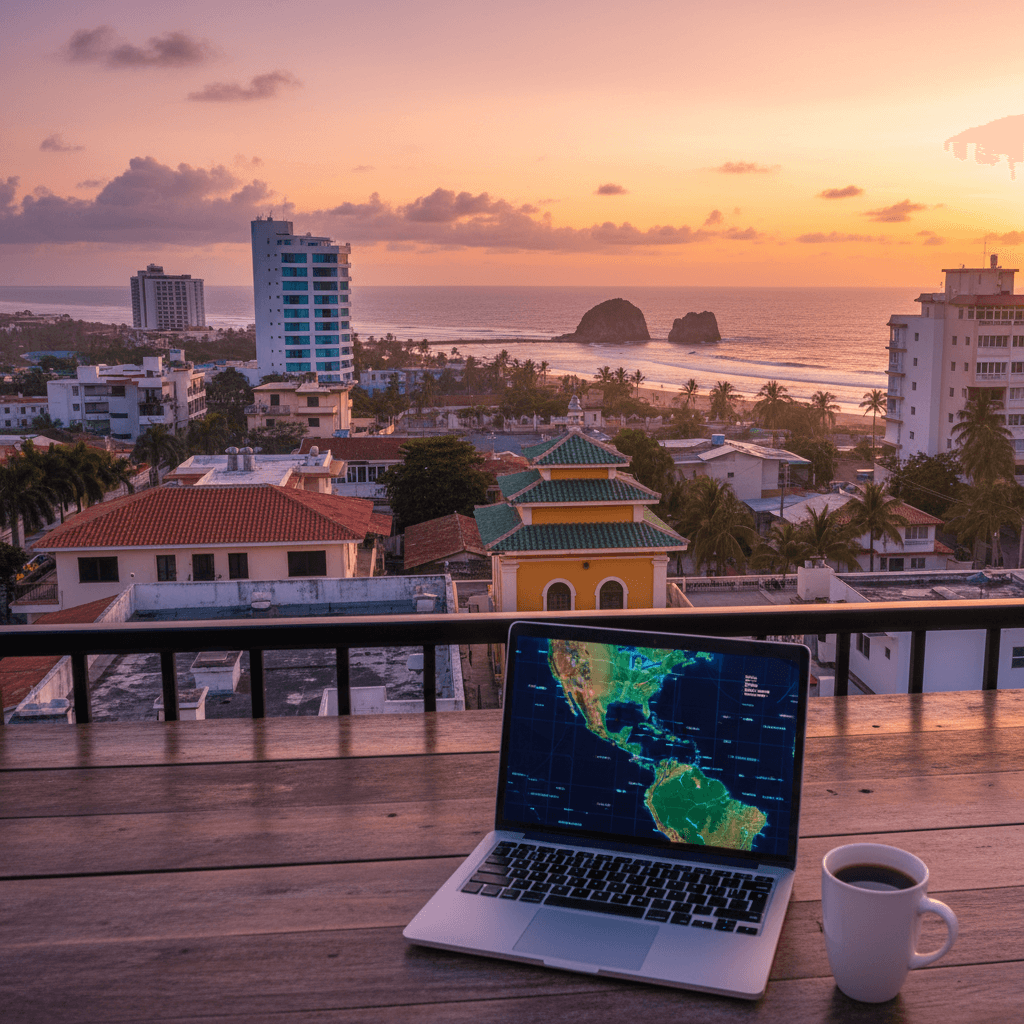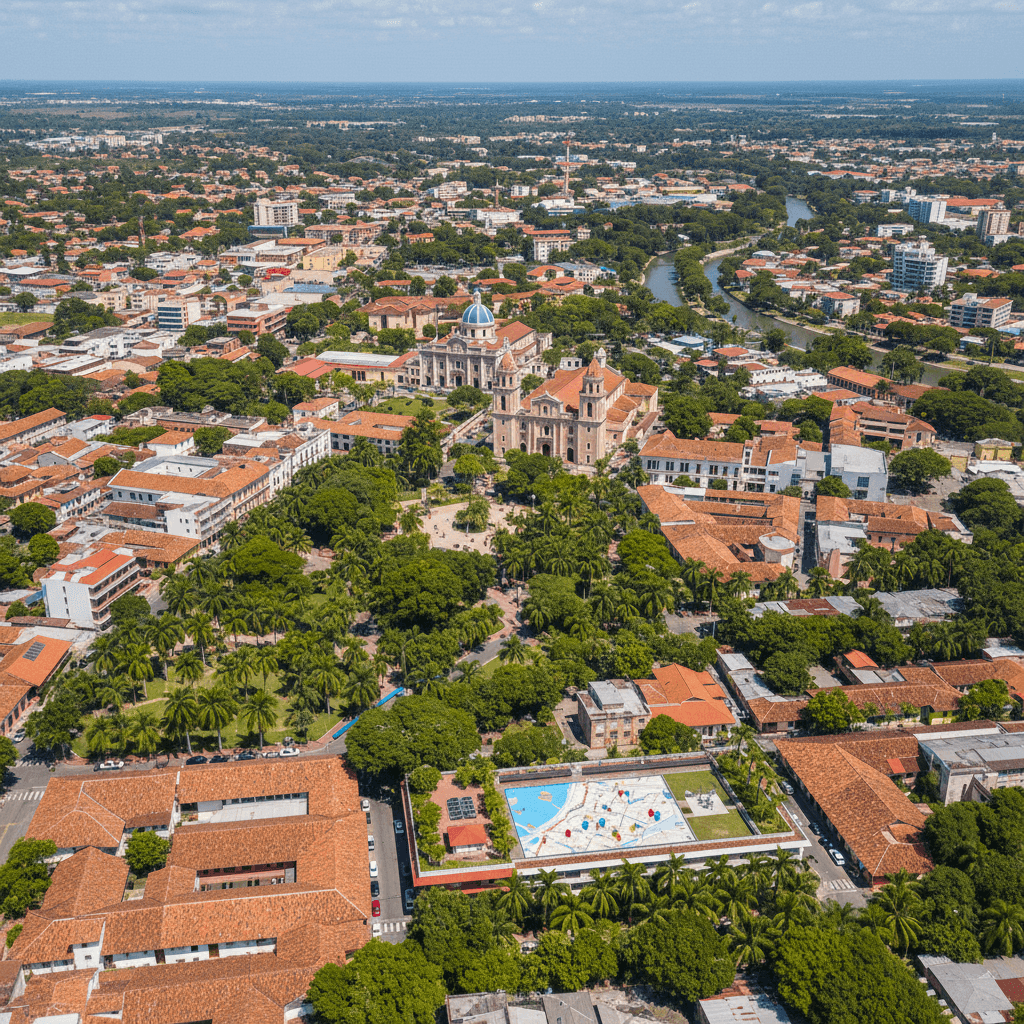
David
🇵🇦 Panama
If Panama City is the high octane, skyscraper filled engine of the country, David is its steady, sun drenched heartbeat. As Panama's third largest city, it serves as the commercial hub for the Chiriquí Province, but it feels more like a sprawling, oversized town than a frantic metropolis. It is a place where the pace slows down, the humidity rises, and the cost of living drops significantly. For nomads who find the capital too chaotic or Boquete too touristy, David offers a middle ground of authentic Panamanian life with all the modern infrastructure you actually need.
The Local Atmosphere
The vibe in David is unpretentious and industrious. You won't find the curated, "nomad specific" aesthetic of places like Medellín or Bali. Instead, you get a city that works for its residents. It is a land of 15 minute commutes, where everything from high end hospitals to massive shopping malls is within a short drive. Most expats and travelers describe the culture here as warm and welcoming, though you will definitely want to brush up on your Spanish. While English is common in the expat circles of the northern suburbs, the city runs on Spanish.
Life here is defined by the heat and the proximity to nature. It is a tropical environment where 75 to 85 degree temperatures are the norm. You'll see locals ducking into air conditioned malls during the midday peak and coming alive in the cooler evenings. The real magic of David is its position as a "base camp." You can work from a cafe in the morning and be at the beach or the cool highlands of Boquete in just 30 minutes.
What Nomads Love and Hate
- The Pros: The affordability is unbeatable. You can live well on $1,200 to $1,500 a month. The healthcare is world class, with facilities like Hospital Chiriquí rivaling what you would find in the U.S. or Europe.
- The Cons: The infrastructure can be temperamental. During the rainy season from May to December, heavy afternoon storms can cause occasional power flickers or internet drops. It is also not a "party town," so if you are looking for a wild nightlife scene, you might find David a bit too quiet.
Cost of Living Breakdown
David is one of the most budget friendly urban centers in Central America. Your dollar goes much further here than in the capital.
- Budget Tier ($1,200 to $1,500): This covers a basic 1 bedroom downtown apartment for $400 to $500, eating at local fondas for $3 to $5 per meal, and using the local bus system.
- Mid Range Tier ($1,500 to $2,000): This is the sweet spot for most expats. You can rent a nice house in a suburban "urbanización" for $500 to $700, eat at mid range restaurants for $10 to $12, and use taxis or Uber frequently.
- Comfortable Tier ($2,000+): This allows for a large home in a gated community, frequent upscale dining at places like the Hilton, a dedicated coworking setup, and weekend trips to the coast.
Connectivity and Work
While David isn't overflowing with dedicated coworking spaces yet, the infrastructure for remote work is solid. Standard home internet speeds usually hover between 20 and 30 Mbps, which is plenty for video calls and streaming. Most nomads find that the local cafes are happy to let you work for a few hours if you are buying coffee. For mobile data, pick up a SIM card from Claro or Movistar at the Enrique Malek Airport or any local shop for about $10 to $20 to stay connected during power outages.
Safety and Health
You can breathe easy here. David is widely regarded as a safe city with low crime rates. Standard common sense applies, like not wandering into poorly lit, isolated areas late at night, but most travelers feel perfectly comfortable walking the populated downtown zones. The healthcare is a massive draw; many people move here specifically because the medical care is high quality and incredibly affordable. If an emergency pops up, dialing 911 connects you to reliable services.
Ultimately, David is for the nomad who wants to "disappear" into a real community rather than a digital nomad bubble. It is a place to save money, eat fresh fruit from the street markets, and enjoy a slower, more deliberate way of life.
The Lowdown on David’s Affordability
If you're looking to stretch your dollars without sacrificing urban conveniences, David is arguably the best value play in Panama. While Panama City prices have climbed toward $2,100 a month for a solo traveler, you can live a high quality life here for significantly less. Most digital nomads and expats find they can cover all their bases on a budget between $1,200 and $1,500 a month.
The city doesn't have the flashy skyscraper energy of the capital, but it makes up for it with a drastically lower overhead. You're effectively trading the high end glitz for a relaxed pace where your biggest monthly expense, housing, is often less than half of what you'd pay elsewhere in the region.
Monthly Budget Breakdowns
- The Budget Traveler ($1,200 to $1,500): This covers a basic but comfortable downtown studio, heavy reliance on the local bus system, and eating at fondas or street stalls.
- The Mid-Range Lifestyle ($1,500 to $2,000): This is the sweet spot for most expats. It allows for a two bedroom house in a quiet suburb, frequent taxi rides, and eating out at mid range spots a few times a week.
- The Comfortable Life ($2,000+): At this level, you’re looking at a gated home in a premium development, a car rental or frequent private drivers, upscale dining, and weekend trips to the Boquete highlands or nearby beaches.
Housing and Neighborhoods
Rent is where you’ll see the most dramatic savings. Unlike the competitive Airbnb market in tourist hubs, David’s rental market is driven by local supply and long term expat stays. Most people find the best deals by checking Facebook Marketplace or networking in local expat groups rather than relying on international booking platforms.
Downtown (El Centro)
- Studio/1BR Apartment: $400 to $600
- Vibe: High walkability and immediate access to shops and pharmacies. It's busy and lacks green space, but it's the most convenient for those without a car.
Northern Suburbs and Urbanizaciones
- 2BR to 3BR House: $500 to $700
- Vibe: These gated or semi gated communities offer a quieter, more suburban feel. You get more space and often a yard, though you'll need to factor in the cost of taxis or a car to get into the city center.
Food and Dining Costs
Eating in David can be as cheap or as expensive as you want it to be. Local Panamanian food, often called "comida corriente," is incredibly affordable and filling. If you stick to local produce from the markets, your grocery bill will stay impressively low.
- Street Food and Fondas: $3 to $5 for a hearty plate of rice, beans, and chicken.
- Mid-range Restaurants: $8 to $12 for a meal at a standard sit down spot.
- Upscale Dining: $15 to $25 per person for a high end dinner, such as at the restaurants inside the Hilton or other top tier hotels.
- Monthly Groceries: $300 to $400 for a single person shopping at local spots like Super 99 or Rey.
Transport and Connectivity
Getting around is remarkably cheap. The city's bus network is extensive, and taxis are so plentiful you rarely wait more than two minutes for a ride. For digital nomads, the cost of staying connected is manageable, though it's wise to have a backup plan for the occasional tropical storm outage.
- Local Bus Ride: Around $0.50
- Short Taxi Trip: $2 to $5
- Coworking Pass: Expect to pay between $100 and $200 a month, though many nomads prefer working from cafes like those in the downtown area.
- Mobile Data: $10 to $20 for a starter SIM and data package from providers like Claro or Movistar.
Expats often suggest keeping a bit of "emergency" cash in your budget for those times when a storm knocks out the power and you need to head to a larger hotel or a cafe with a generator to finish your workday. While the infrastructure is generally good, the rainy season from May to December can occasionally test your patience.
Solo Travelers and Digital Nomads
If you're landing in David for a few months to work remotely, you'll want to stay Downtown. This is the heart of the action where everything is walkable. You can snag a decent 1BR apartment for $400 to $600 a month, putting you within a five minute stroll of grocery stores, banks, and the bus terminal. It is busier and lacks the greenery of the outskirts, but the convenience for a solo traveler is hard to beat.
Most nomads set up shop in local cafes since dedicated coworking spaces are still a bit of a rarity here. You'll find reliable 4G coverage citywide through providers like Claro or Movistar, which is a lifesaver when the afternoon tropical storms cause the occasional power flicker. For social vibes, nomads usually head to the Hilton area or the central eateries to meet other travelers before heading off on weekend trips to Boquete.
- Average Rent: $400 to $600
- Vibe: Urban, convenient, and social
- Top Perk: No car needed; taxis and buses are everywhere for under $2
Long-Term Expats
Expats who plan to stay a year or more usually gravitate toward the Northern Suburbs and established Urbanizaciones. These are residential neighborhoods that feel much more relaxed than the city center. You'll find spacious 2BR or 3BR houses for $500 to $700, often with small yards and gated security. It's a 15 minute drive from the center, so most expats here end up buying a car or using the inDrive app to get around.
The community here is tight knit. You'll find most of the expat crowd sharing tips on Facebook groups about the best local handymen or where to find specific imported goods. These neighborhoods offer a country feel while keeping you close to the city's top tier healthcare facilities, which many retirees cite as the main reason they chose David over smaller towns.
- Average Rent: $500 to $700
- Vibe: Quiet, secure, and residential
- Top Perk: Larger homes for much lower prices than Panama City
Families
For families, the surrounding subdivisions on the edge of the city offer the best balance of safety and space. These areas provide a suburban lifestyle where kids have room to play, but you're still only 30 minutes away from the beach at Las Lajas or the cooler mountain air of the highlands. Gated communities are the standard choice here, providing an extra layer of peace of mind.
Living on the periphery means you'll likely spend about $2,000 a month to maintain a comfortable lifestyle, including a larger home, a private vehicle, and frequent outings. The proximity to high quality private schools and modern hospitals makes these subdivisions the go to for international families relocating to Chiriquí Province.
- Monthly Budget: $2,000+
- Vibe: Family oriented and spacious
- Top Perk: Quick access to both the mountains and the Pacific coast
Budget Seekers
If your main goal is keeping costs at an absolute minimum, look for housing in the older residential pockets just outside the immediate downtown core. You can find furnished rooms or small houses for under $500 if you're willing to hunt on Facebook Marketplace rather than using a traditional realtor. These areas are perfectly safe but much more "local" in feel, meaning you'll need to brush up on your Spanish to handle daily interactions.
- Average Rent: Under $500
- Vibe: Authentic Panamanian lifestyle
- Top Perk: Lowest cost of living in a major Panamanian city
Staying Connected in David
David isn't a high-tech hub like Panama City, but it's reliable enough for most remote work needs. You can expect 50 to 100 Mbps on standard home fiber plans. While that's plenty for Zoom calls and streaming, the city's infrastructure faces a specific challenge: tropical storms. During the peak rainy season from May to December, heavy downpours can cause brief power flickers or internet drops. Most seasoned nomads here keep a backup power bank and a loaded SIM card ready to tether when the clouds get heavy.
For mobile data, skip the roaming plans. Head to a shop or the Enrique Malek Airport and grab a SIM from Claro or Movistar. A starter kit with a decent data bucket usually runs between $10 and $20. 4G coverage is solid throughout the city center and the northern suburbs, though it starts to thin out as you head toward the more remote coastal areas.
Coworking and Work-Friendly Cafes
The dedicated coworking scene in David is still catching up to the nomad trend. You won't find dozens of flashy, glass-walled offices, but there are professional options if you need a desk away from your Airbnb. Monthly passes typically range from $100 to $200, which is a steal compared to North American prices. Many digital nomads prefer the flexibility of the city's growing cafe culture, where the vibe is casual and the Wi-Fi is generally free for customers.
- The Hilton Garden Inn: A favorite for those who need a professional atmosphere. It’s upscale, quiet, and has reliable connectivity if you need to take an important meeting.
- Downtown Cafes: Several local spots near the central park offer a relaxed environment for a few hours of laptop time. Just look for the places with "Wi-Fi" stickers on the door; they're used to seeing expats with laptops.
- Urbanizaciones: If you're staying in the northern gated neighborhoods, many residents find that their home fiber is more than enough, reducing the need to commute into the city center for a desk.
Technical Logistics for Nomads
If you're planning a long-term stay, setting up your own apartment is the way to go. Most rentals in the $400 to $700 range include basic internet, but you can always negotiate an upgrade with the landlord for a few extra dollars a month. Since David is a major commercial hub, getting a technician out for an install is usually faster than in the smaller mountain towns like Boquete.
For banking and managing your local expenses, expats here swear by Wise. It makes paying for your coworking pass or transferring rent to a local landlord much smoother than dealing with traditional wire transfers. It's also a good idea to download inDrive or Uber. While they're primarily for transport, they are the easiest way to get to your favorite workspace when it's raining too hard to walk.
Internet Quick Facts
- Average Speed: 50 to 100 Mbps on standard home fiber plans.
- Mobile Data: 4G is ubiquitous in the city; $10 to $20 for a pre-paid SIM.
- Reliability: High, but prone to weather-related outages during October and November.
- Coworking Cost: Expect to pay $100 to $200 for a monthly hot desk.
Most nomads find that as long as they have a secondary data source, David provides a stable environment for full-time remote work. It’s the kind of place where you can knock out your tasks in the morning and be at the beach or the mountains 30 minutes later.
Staying Safe in David
David is widely considered one of the safer urban hubs in Panama, especially when compared to the high energy grit of Panama City. Most expats describe the vibe as a large town rather than a sprawling metropolis, which contributes to a lower stress level regarding crime. You'll find a heavy police presence in the central commercial districts and near the Enrique Malek Airport, which keeps petty theft relatively low during daylight hours.
That said, common sense goes a long way here. While there aren't specific "no-go" zones frequently cited by travelers, it's best to avoid walking alone through unlit areas of the downtown core after dark. If you're staying in the northern suburbs or gated urbanizaciones, you'll likely feel very secure, but it's still smart to keep your electronics out of sight when you're using public buses or hanging out in central parks. Most nomads find that taking a $2 to $5 taxi home at night is a cheap and easy way to eliminate any risk.
- Emergency Number: Dial 911 for general emergencies or 104 for the National Police.
- Local Tip: Keep a digital copy of your passport on your phone. While police rarely stop foreigners for random checks, having your ID handy is a standard requirement in Panama.
- Pedestrian Safety: Be careful crossing the streets. Drivers in David don't always yield to pedestrians, even at marked crossings.
World-Class Healthcare
One of the biggest draws for expats moving to David is the quality of medical care. The city serves as the healthcare hub for the entire Chiriquí Province, meaning you have access to facilities that rivals what you'd find in the U.S. or Europe. Whether you need a routine checkup or specialized care, you won't have to travel back to the capital.
Most travelers and nomads head to Hospital Chiriquí or Centro Medico Mae Lewis. These are private institutions where many doctors speak fluent English and have trained abroad. The best part is the accessibility; you can often get a specialist appointment within 24 to 48 hours, and out of pocket costs are remarkably low. A visit to a general practitioner usually runs between $30 and $50, while specialists might charge $60 to $80.
Pharmacies and Clinics
You'll find pharmacies (farmacias) on almost every major corner downtown. Chains like Arrocha are great because they function like a mini department store, carrying everything from high end sunscreens to prescription meds. Many medications that require a prescription in North America are available over the counter here, though you should always consult with a pharmacist first.
- Private Insurance: Many nomads use international plans like SafetyWing or World Nomads, but if you're staying long term, local private insurance is affordable and widely accepted.
- Dental Care: David is a popular spot for dental tourism. High quality cleanings usually cost around $40 to $60, and more complex work is a fraction of the price you'd pay in the States.
- Water Quality: While the tap water in David is technically potable and many locals drink it, most expats prefer using a filter or buying 5 gallon jugs to avoid any potential stomach sensitivity.
Overall, the healthcare infrastructure is a major safety net. Knowing that Hospital Chiriquí is just a 10 minute drive away from most neighborhoods provides a level of comfort that's hard to find in other mid sized Latin American cities. It's a reliable place to base yourself if you want the peace of mind that comes with modern medical standards.
The Daily Commute
David is the kind of city where you can get almost anywhere in 15 minutes. It doesn't have the chaotic sprawl of Panama City, which makes the logistics of daily life much simpler for nomads. While the downtown core is walkable, the tropical heat and humidity often make a $2 taxi ride a much better choice than a ten minute trek on foot.
Taxis are the lifeblood of the city. They're ubiquitous, easy to flag down, and follow a zone based pricing system. Most short trips within the city limits will cost you between $2 and $5. It's common practice to share a cab if you're headed in the same direction, so don't be surprised if the driver picks up another passenger along the way.
For those who prefer digital hailing, inDrive is the go to app here. While Uber operates in the country, inDrive is often more reliable in Chiriquí. You'll set your own price and wait for a driver to accept. It's a great way to avoid the "gringo tax" if your Spanish isn't quite up to negotiating yet.
Public Transit and Regional Buses
The local bus system, or "colectivos," consists of smaller vans and larger buses that crisscross the city. Rides are incredibly cheap, usually around $0.50. They don't have a strict digital schedule, but they run frequently along the main arteries like Avenida F Sur and Calle Central. Just look for the destination written on the windshield and wave them down.
The Terminal de Transporte David is your gateway to the rest of the province. From here, you can catch frequent buses to the highlands or the coast. It's a organized hub that makes weekend escapes easy.
- To Boquete: Buses leave every 20 to 30 minutes. The ride takes about 45 minutes and costs roughly $2.
- To Las Lajas or Boca Chica: Expect a 1 to 1.5 hour journey for about $3 to $5.
- To Panama City: Large, air conditioned "expreso" buses run day and night. The 7 hour trip costs around $15 to $20.
Driving and Car Rentals
If you're staying in the northern suburbs or gated urbanizaciones, you might find a car necessary for grocery runs and late night outings. Traffic in David is manageable compared to the capital, though the one way streets downtown can be a bit of a maze for newcomers. Many expats eventually buy a used SUV to handle the rural roads when exploring the nearby mountains.
Renting a car is straightforward at Enrique Malek International Airport. Major brands like Hertz and Budget are present. Expect to pay $30 to $50 per day for a basic sedan, including the mandatory local insurance. If you're planning to head into the rugged parts of Chiriquí, splurge on a 4WD.
Arriving in David
Most travelers arrive via Enrique Malek International Airport, located about 20 minutes from the city center. You won't find a train or a fancy shuttle, but the transport options are reliable.
- Official Airport Taxis: These have fixed rates. A ride to a downtown hotel or Airbnb usually costs $10 to $15.
- Airport Bus: There is a local bus stop just outside the airport gates if you're traveling light and want to save cash, but most nomads find the taxi much more convenient after a flight.
Cycling and Walking
Walking is viable if you're based right in the city center near the Parque Cervantes area. You'll find pharmacies, banks, and grocery stores clustered together. However, David wasn't built with cyclists in mind. There are very few dedicated bike lanes, and the combination of aggressive traffic and intense sun means you won't see many people biking for transport. If you do want to cycle, stick to the quieter residential neighborhoods in the early morning or late evening when the temperature drops.
If you're planning to make David your base, your first priority should be brushing up on your Spanish. While Panama City has a fairly high level of bilingualism in its business districts, David is a much more traditional Panamanian environment. Spanish is the undisputed primary language here. You'll find that while the local warmth is genuine, the language barrier is one of the most common hurdles mentioned by newcomers moving to the Chiriquí lowlands.
The English Reality Check
In the expat heavy pockets and higher end medical facilities like Hospital Chiriquí, you can usually find staff who speak functional English. However, once you step into a local hardware store, a neighborhood fonda, or flag down a taxi, English becomes a rarity. Most nomads find that while they can get by with "Spanglish" and hand gestures for a week, long term stays require a basic grasp of the local tongue to avoid being overcharged or misunderstood.
Expats living in the northern suburbs often recommend hiring a local tutor rather than relying solely on apps. You can usually find private Spanish lessons for $10 to $15 per hour, which is a steal compared to rates in North America or Europe. It's also a great way to get the inside scoop on the city from a local's perspective.
Essential Tech and Tools
Since you won't always have a translator handy, your smartphone is your best friend. Modern nomads in David rely heavily on a few specific tools to bridge the gap:
- Google Translate: The camera feature is a lifesaver for reading menus at local spots downtown or deciphering utility bills. Download the Spanish dictionary for offline use because data can be spotty during the afternoon thunderstorms.
- WhatsApp: This is the lifeblood of communication in Panama. Everyone from your landlord to your favorite taxi driver uses it. If you try to call a local business on a standard landline, you might not get an answer, but a WhatsApp message usually gets a quick response.
- DeepL: For more complex tasks like reviewing a lease agreement for a $500 apartment in a gated urbanización, many expats prefer DeepL for its more natural, nuanced translations compared to other apps.
Local Nuances and Slang
Panamanian Spanish has its own rhythm and vocabulary. You'll hear the word "talingo" used for the black birds around town, or "qué xopa" (pronounced ke-so-pah) as a very slangy way of saying "what's up." In David, the pace of conversation is a bit slower than in the capital, which is a blessing for those still learning.
Travelers often say that the "Chiricano" identity is strong here. People are proud of their province and appreciate it when you make the effort to speak their language. Even a simple "Buenas" when walking into a shop goes a long way. It's the standard greeting used at any time of day and signals that you respect the local customs.
Social Connection
Because David isn't a massive nomad hub like Medellín or Lisbon, you won't find many English speaking "meetups" at the local cafes. Most social coordination happens in Facebook groups like "Expats in David" or through word of mouth at popular hangouts like the Hilton or the various pizzerias downtown. If you're struggling with the language, these groups are where you'll find advice on English speaking doctors or lawyers who can help with residency paperwork.
Expect a bit of a learning curve during your first month. You'll likely pay $5 for a taxi ride that should have been $2 at least once, and you'll definitely point at a lot of food in display cases. It's all part of the experience of living in a city that hasn't been completely sanitized for tourists yet.
Tropical Realities and the Heat Factor
If you are planning a stint in David, the first thing you need to pack is a high tolerance for heat. Known as one of the warmest cities in Panama, David maintains a consistent tropical climate where temperatures usually hover between 75°F and 85°F. However, it is the humidity that defines the experience here. Expats often joke that the city has two settings: "hot" and "hotter with rain."
Most nomads find that air conditioning isn't just a luxury here; it is a requirement for productivity. If you are scouting apartments in neighborhoods like Loma Colorada or the northern urbanizaciones, always confirm the AC units are modern and efficient. High electricity bills are a common trade off for staying cool during the midday peak.
The High Season: January to April
The best time to visit David is during the dry season, locally called verano (summer), which runs from January through April. This is when you will get the most reliable sunshine and the lowest humidity levels. It is the ideal window for those who want to use David as a base for day trips. You can spend your mornings working from a cafe downtown and your afternoons taking the 30 minute drive to the Pacific beaches or heading up to the cooler mountain breezes of Boquete.
Travelers should be aware that this is also the peak period for local tourism. While David doesn't get as crowded as Panama City, you might see a slight uptick in prices for short term rentals and increased traffic near the Enrique Malek International Airport. If you are looking for a social scene, this is when the expat community is most active with outdoor meetups and local festivals.
The Rainy Season: May to December
The rainy season, or invierno, typically starts in May and stretches through December. You can expect sunny mornings followed by heavy, predictable downpours in the mid afternoon. For a digital nomad, the rain brings a specific set of challenges. Heavy tropical storms are known to cause occasional power flickers and internet outages, especially in the more residential suburbs. Expats recommend keeping a backup power bank and a Claro or Movistar SIM card with a data plan to use as a hotspot when the Wi-Fi drops.
The peak of the rain occurs in October and November. During these months, the downpours can be torrential and persistent. While the landscape turns a brilliant green and the dust of the dry season disappears, the humidity can feel heavy. If you don't mind the "cozy" vibe of working indoors while it pours outside, you can often find better deals on monthly rentals during this window since fewer travelers are passing through.
Timing Your Move
If you want the best of both worlds, aim to arrive in late November or early December. You will catch the tail end of the rains, meaning the countryside is still lush and beautiful, but you will be perfectly positioned to enjoy the clear skies of the dry season without the last minute scramble for housing. Keep these seasonal shifts in mind when budgeting:
- Dry Season (Jan to Apr): Best for beach trips and hiking, higher demand for rentals, peak social activity.
- Shoulder Season (May to July): Afternoon showers, lower dust levels, more availability in gated communities.
- Peak Rainy Season (Oct to Nov): Highest risk of power outages, lowest tourist numbers, maximum humidity.
Regardless of when you arrive, the "David afternoon" is a real thing. Between 1:00 PM and 4:00 PM, the heat usually hits its stride. Most successful nomads here adapt by starting their workday early, taking a long lunch break in the AC, and heading back out once the sun begins to dip.
Connectivity and Workspace
Internet speeds in David usually hover around 20 to 30 Mbps. While that is plenty for Zoom calls and streaming, the infrastructure is sensitive to the tropical climate. Heavy storms during the rainy season can cause brief power blips or internet outages, so having a backup data plan is a smart move. Most nomads rely on local SIM cards from Claro or Movistar, which you can pick up at Enrique Malek Airport or various shops downtown for about $10 to $20.
You won't find a massive selection of dedicated coworking spaces like you would in Panama City. Instead, the remote work scene happens in cafes and hotel lobbies. The Hilton is a popular spot for a more professional atmosphere, while downtown eateries offer a casual vibe for a few hours of laptop time. If you do find a formal desk setup, expect to pay between $100 and $200 for a monthly pass.
Cost of Living Breakdown
David is significantly more affordable than the capital, making it a favorite for those looking to stretch their budget without sacrificing urban comforts. A single person can live well here on $1,200 to $1,500 per month, though comfort seekers might prefer a budget closer to $2,000.
- Budget Tier ($1,200 to $1,500): Includes a basic $400 downtown apartment, relying on street food ($3 to $5 per meal), and using the local bus system.
- Mid-range Tier ($1,500 to $2,000): Covers a $600 home in a quiet subdivision, frequent mid-range dining ($10 to $12 per plate), and regular taxi rides.
- Comfortable Tier ($2,000+): Allows for a gated 3-bedroom home ($700+), upscale dinners ($25 per person), and frequent weekend trips to the mountains or coast.
Navigation and Safety
Getting around is straightforward and cheap. Taxis are everywhere and usually cost between $2 and $5 for trips within the city. For a more local experience, the city buses run for about $0.50. While Uber and inDrive operate in Panama, their availability in David can be hit or miss compared to the capital, so keep a few taxi numbers in your phone.
Safety is rarely a major concern for expats here. The city has a developed, suburban feel, and violent crime is low. It is best to stick to well lit, populated areas at night, but most residents feel perfectly comfortable walking their neighborhoods. If you have a medical emergency, you are in the right place; David hosts some of the best healthcare facilities in the country, with private hospitals that rival international standards. Dial 911 for emergencies.
Language and Local Customs
Spanish is the heartbeat of David. While you will find English speakers in the expat community and high end hotels, daily life at the pharmacy or grocery store requires some basic Spanish. Phrases like "Cuanto cuesta?" (How much?) and "Donde esta el bano?" (Where is the bathroom?) are essential. Locals are generally warm and patient with learners.
When dining out, a 10% tip is standard practice. The social scene is low key, revolving around neighborhood bars and Facebook expat groups rather than loud nightclubs. If you are looking for a community, search for local Chiriqui expat forums to find meetups and weekend events.
Weather and Timing
Prepare for heat and humidity. Temperatures stay between 75 and 85 degrees year round. The dry season runs from January to April and is the most popular time to visit. If you stay during the rainy season, specifically October and November, expect heavy afternoon downpours. The silver spot is that David is only 30 minutes from the cooler mountain air of Boquete and 30 minutes from the Pacific beaches, giving you a quick escape whenever the city heat feels like too much.
Need visa and immigration info for Panama?
🇵🇦 View Panama Country GuideHidden Gem
Worth the effort
Monthly Budget Estimates
More cities in Panama
Boquete
🇵🇦 Panama
Panama City
🇵🇦 Panama
Bocas del Toro (Isla Colon)
🇵🇦 Panama