Dauin (Dumaguete)
🇵🇭 Philippines
The Gentle Vibe of the South
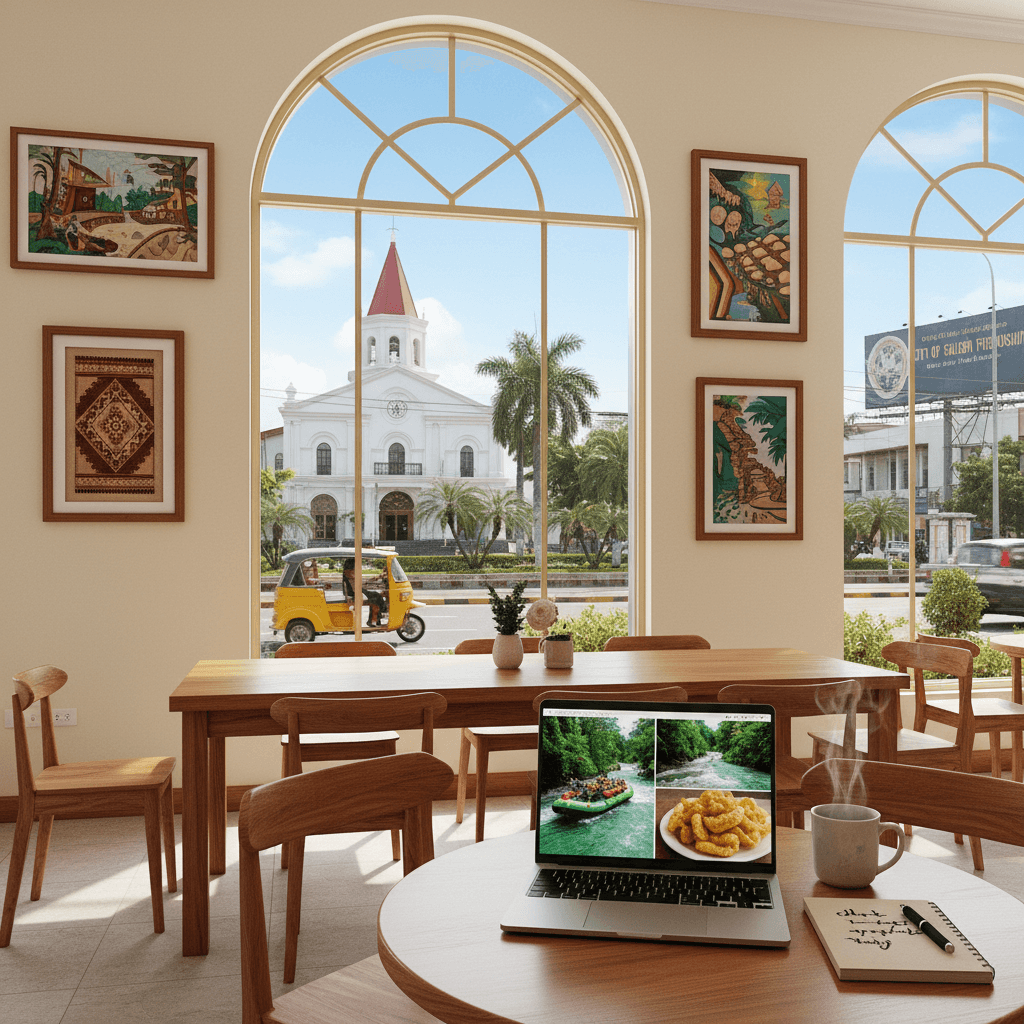
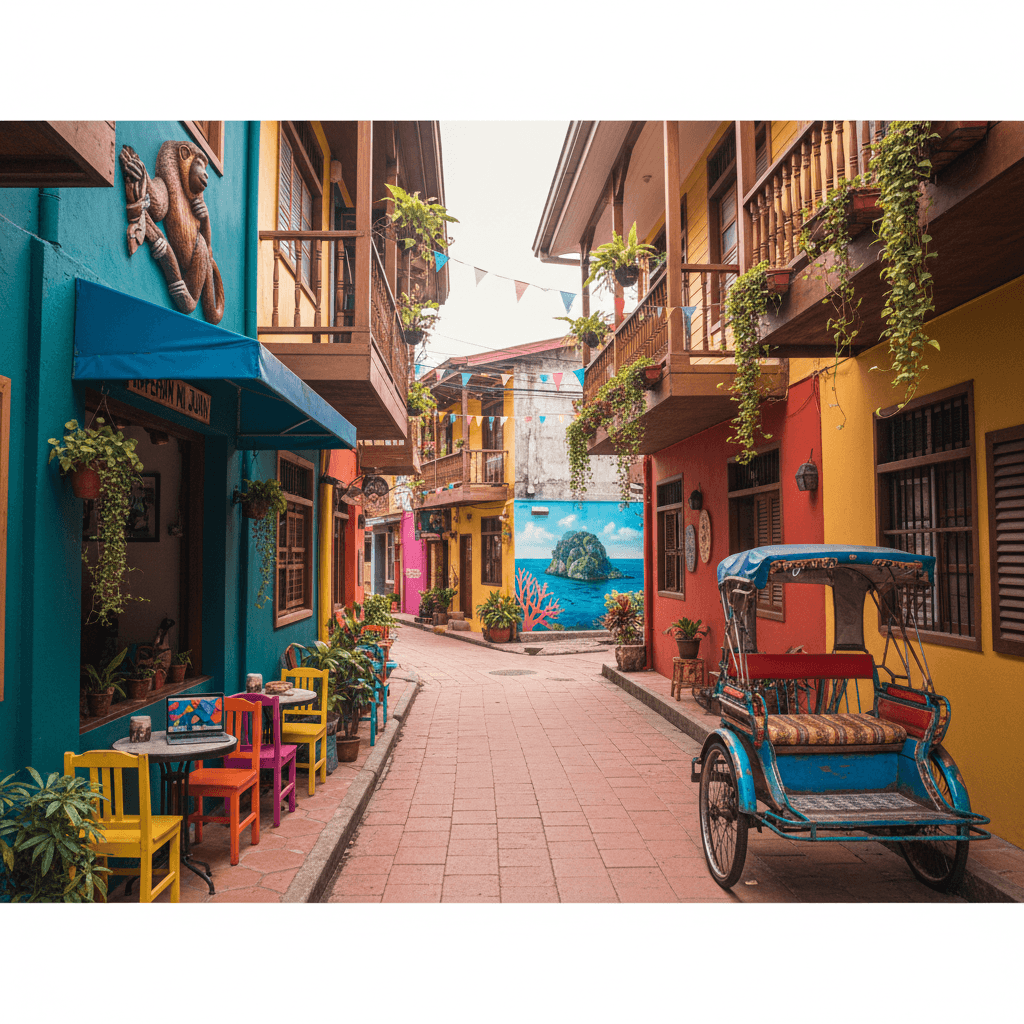
Dauin isn't your typical high octane nomad hub. While places like Canggu or Siargao thrive on a certain frantic energy, Dauin is the place you go when you finally want to exhale. Located just 16 kilometers south of Dumaguete, it feels like a secret garden shared between world class divers and remote workers who prioritize peace over parties. It carries the "Gentle People" reputation of Negros Oriental, where the locals are genuinely warm and the pace of life slows to a rhythmic crawl.
The magic of Dauin lies in its duality. You spend your mornings underwater at the coastal reefs or taking a boat to Apo Island, and your afternoons working from a breezy resort porch. When you need a dose of "city" life, Dumaguete is a quick 20 minute tricycle ride away. Most nomads find this balance perfect; you get the serenity of a beach village without the isolation, thanks to the university town energy just up the road.
What to Expect on the Ground
The emotional experience of being here is one of safety and belonging. It is one of the few places in the Philippines where solo travelers and retirees feel completely at ease walking around at dusk. You won't find massive shopping malls or neon lit nightclubs here. Instead, your social life revolves around Rizal Boulevard strolls, long dinners at spots like Salaya Beach Houses, and the quiet camaraderie of the diving community.
Expats often mention that the lack of ride hailing apps like Grab actually adds to the charm. You simply wave down a tricycle, pay your PHP 20 to 50, and strike up a conversation with the driver. It is a human centric way of living that feels increasingly rare. While the WiFi can be temperamental if you rely solely on hotel routers, the introduction of the Digital Nomad Visa and the widespread use of Globe or Smart 5G hotspots have made staying long term much more viable.
Cost of Living Breakdown
Your budget goes remarkably far here compared to Manila or Cebu. Most nomads find they can live a high quality life for a fraction of what they would spend in the West. Here is what to expect for monthly expenses in the Dauin and Dumaguete area:
- Budget Tier (PHP 20,000 to 30,000): Best for those staying in shared studios or local guesthouses, eating mostly street food for PHP 50 to 100 per meal, and using tricycles for all transport.
- Mid Range Tier (PHP 30,000 to 50,000): Includes a private 1BR apartment near the boulevard, regular meals at cafes like Cartel Coffee Deli for PHP 300, and a dedicated budget for coworking or diving.
- Comfortable Tier (PHP 50,000+): Living in a boutique beachfront property, frequenting upscale dining, and taking weekly boat trips to Apo Island.
The Neighborhood Personality
Choosing where to plant your laptop depends on how much "quiet" you can actually handle. Each pocket of this coastline offers a different flavor of the Philippine experience.
- Dauin Beachfront: This is the sanctuary. It is dominated by dive resorts and luxury stays. It is ideal if you want to wake up, swim, and work in silence. The downside is you are further from the main supermarkets and coworking cafes.
- Rizal Boulevard (Dumaguete): This is the social heart. Expect a walkable stretch of cafes, universities, and bars. It is where you go to meet people, but it can get a bit crowded during student peak hours.
- Dumaguete City Center: Best for those who want proximity to hospitals, malls, and the most stable internet connections. It is less "beachy" but very practical for long term stays.
Ultimately, Dauin is for the nomad who has outgrown the backpacker trail. It is for the professional who wants 20 to 50 Mbps speeds by day and the sound of the Mindanao Sea by night. It is a place that doesn't try too hard to impress you, and that is exactly why people end up staying for months instead of weeks.
The Price of Paradise
Dauin is where your budget finally gets a chance to breathe. While popular hubs like Siargao or Boracay have seen prices climb, the Dumaguete area remains one of the most affordable coastal stretches in the Philippines. You can live a high-quality lifestyle here for a fraction of what you would spend in Manila or Cebu, especially if you balance boutique beach living with local market runs.
Most nomads find they can live comfortably on 30,000 to 50,000 PHP per month. This mid-range budget covers a decent one-bedroom apartment, daily cafe visits, and plenty of weekend dives. If you are strictly watching your pesos, a budget of 20,000 PHP is doable if you opt for a shared studio and stick to street food, though you will likely spend more on transport getting between the beach and the city.
Accommodation and Rent
Housing in Dauin leans toward two extremes: local long-term rentals or high-end dive resorts. Many expats recommend starting in Dumaguete to find your footing before scouting for a beach house in Dauin via Facebook groups or word of mouth. Prices vary significantly based on how close you are to the sand.
- Dauin Beachfront: Expect to pay 40,000 PHP or more for premium spots like Salaya Beach Houses. These are luxury-tier but offer the best proximity to Apo Island dive boats.
- Dumaguete Central (Rizal Boulevard): A modern 1BR apartment typically runs between 10,000 and 20,000 PHP. It is the sweet spot for those who want to be near the university energy and walkable cafes.
- Suburban Dumaguete: Further inland, you can find small houses for under 10,000 PHP, though you will definitely need to rent a scooter.
Dining and Groceries
The food scene is a mix of cheap roadside stalls and surprisingly sophisticated cafes. You can grab a quick meal of grilled pork and rice for 50 to 100 PHP at a local eatery. If you are working from a laptop, mid-range spots like Cartel Coffee Deli serve excellent meals for 200 to 400 PHP.
Upscale dining at the resorts will usually set you back 500 PHP or more per person. For those who prefer cooking, hitting the public markets for fresh seafood and tropical fruit is the best way to keep costs down. A monthly grocery bill for a solo nomad usually hovers around 8,000 to 12,000 PHP depending on how much you rely on imported goods.
Connectivity and Coworking
Internet is the one "hidden cost" here. While many cafes offer free WiFi with your latte, the speeds can be temperamental. Most successful nomads invest in their own backup. A prepaid SIM from Globe or Smart with a heavy data plan costs about 1,000 PHP per month and is vital for tethering when the resort WiFi dips.
Dedicated coworking spaces are still a fresh concept, but you can find them in Dumaguete for 200 to 500 PHP per day. Many people simply treat the local cafe circuit as their office, as long as you keep the orders coming. It is a social way to work and a great way to meet other remote workers in the community.
Getting Around
Transport is refreshingly simple. There is no Grab here, so you will be flagging down tricycles for almost everything. A short hop within the city or Dauin village costs 20 to 50 PHP. If you want true independence, expats recommend renting a scooter for 300 to 500 PHP per day, or roughly 4,000 to 6,000 PHP per month for a long-term deal. This is the best way to navigate the 16km stretch between the quiet beaches of Dauin and the amenities of Dumaguete.
Visa and Admin
The Philippines is becoming increasingly nomad-friendly. The Digital Nomad Visa is the gold standard for remote workers, requiring proof of income and being at least 18 years old. If you are staying on a standard tourist visa, remember to budget a few thousand pesos every few months for your extensions at the immigration office in Dumaguete.
For Digital Nomads: Dauin Beachfront
If your priority is waking up to the sound of waves and finishing a Zoom call just in time for a sunset dive, the Dauin beachfront is your home base. This area is centered around high end resorts like Salaya Beach Houses, where the vibe is decidedly more upscale and serene than the city center. Most nomads here are underwater enthusiasts who spend their mornings at Apo Island and their afternoons working from resort terraces.
- The Vibe: Quiet, boutique, and centered on wellness and diving.
- Connectivity: WiFi can be hit or miss in smaller rentals, so nomads usually rely on Globe or Smart SIM cards as hotspots. Speeds typically hover between 20-50 Mbps in established cafes.
- Cost: Expect to pay PHP 50,000 or more for comfortable beachfront living, though smaller guesthouses tucked back from the sand offer better deals.
- Top Spot: Cartel Coffee Deli is the go-to for a productive afternoon with reliable caffeine.
For Social Expats: Rizal Boulevard, Dumaguete
Dauin is only 16 kilometers south of Dumaguete, and many expats choose to live right on the edge of the city near Rizal Boulevard to stay close to the action. It is the social heart of the region, where the "Gentle People" reputation really shines. You'll find a mix of retirees and long term travelers walking the promenade at sunset or grabbing a PHP 200 meal at a local bistro.
- The Vibe: Walkable, social, and energetic without feeling like a chaotic metropolis.
- Rent: Modern 1BR apartments near the boulevard typically range from PHP 15,000 to 20,000 per month.
- Convenience: You are steps away from the best restaurants and the ferry terminal, making weekend trips to Siquijor or Cebu effortless.
- Transportation: No need for apps; just wave down a tricycle for PHP 20 to 50 to get anywhere in the vicinity.
For Families and Retirees: Dumaguete City Center
For those moving with family or looking for long term stability, the areas slightly inland from the Dumaguete city center provide the best balance of safety and services. This neighborhood puts you within minutes of quality hospitals and shopping malls while keeping you away from the louder student crowds near the universities. It is a practical choice for those who want a "real life" feel rather than a vacation atmosphere.
- The Vibe: Residential, secure, and very convenient for errands.
- Amenities: Easy access to pharmacies and large grocery stores that stock international brands.
- Healthcare: Proximity to the city's top medical facilities is a major draw for the retiree community.
- Safety: This region ranks incredibly high for safety, with most expats reporting a 9 out of 10 comfort level even when walking at night.
For Solo Travelers: The University Belt
Solo travelers often gravitate toward the northern end of Dumaguete near the universities. The energy here is youthful and budget friendly, filled with students and backpackers. It is the easiest place to meet people, with plenty of low key bars and "merienda" spots where you can grab a snack for under PHP 100. It is less about luxury and more about the local experience.
- The Vibe: Academic, bustling, and very affordable.
- Budget: You can live comfortably on PHP 25,000 a month here if you stick to local eateries and shared housing.
- Social Scene: The cafes are always full of people open to a conversation, making it the least lonely part of town for a solo arrival.
- Note: While generally safe, keep an eye on your belongings in the larger crowds near the campus gates to avoid petty theft.
Connectivity Realities
Dauin is a dream for divers, but it can be a bit of a gamble for the data-heavy professional. While the fiber optic backbone in the region is improving, the beach village vibe often comes with inconsistent signals. Most nomads find that while luxury spots like Salaya Beach Houses offer stable connections, smaller guesthouses can be hit or miss. Expect speeds to hover between 20 and 50 Mbps in solid spots, but don't be surprised if it dips significantly during heavy rain or local power outages.
The golden rule here is redundancy. Expats recommend carrying both Globe and Smart prepaid SIM cards. Since signal strength varies depending on which side of a coconut tree you're sitting on, having both networks ensures you can almost always hotspot. For roughly PHP 1,000 a month, you can snag an "unlimited" data promo that serves as a reliable backup when the resort WiFi decides to take a siesta.
Coworking and Productive Spaces
You won't find a dedicated, glass-walled coworking hub in Dauin proper just yet. For a professional setup with ergonomic chairs and backup generators, you'll need to head 16 kilometers north into Dumaguete City. It's a quick 20-minute scooter ride or a PHP 50 tricycle trip. These spaces are emerging quickly, with daily rates generally ranging from PHP 200 to PHP 500.
If you prefer the cafe office lifestyle, Dumaguete is your playground. The "City of Gentle People" is a university town, meaning the cafes are built for students and researchers who linger for hours. Piapi Deli is a favorite for nomads because of its reliable power outlets and strong brew. Most local cafes are happy to let you work as long as you keep the coffee and snacks flowing. Just remember to bring your own noise-canceling headphones; the gentle hum of student gossip is part of the ambient soundtrack here.
The Nomad Tech Kit for Dauin
To stay productive while living the beach life, most travelers suggest a specific setup for the Dumaguete and Dauin area:
- GCash or Maya: These digital wallets are ubiquitous. You'll use them to pay for your data loads, coffee, and even some local transport.
- Portable Hotspot: Devices like Skyroam or Solis are popular for those who don't want to swap SIM cards constantly.
- Power Bank: Local brownouts are less frequent than they used to be, but a high-capacity power bank is still a requirement for working from the beach.
- Google Fi: Travelers often report that this works seamlessly as a roaming option if you don't want to mess with local registrations.
Data and Budgeting
Staying connected is one of the more affordable parts of living in Negros Oriental. Here is what you should budget for your digital life:
- Local SIM and 30-day Data: PHP 1,000 to PHP 1,500
- Daily Coworking Pass (Dumaguete): PHP 200 to PHP 500
- Cafe Working Session: PHP 300 (includes a meal and two coffees)
While the infrastructure isn't quite at the level of Cebu or Manila, the trade-off is the ability to close your laptop and be underwater at Apo Island in thirty minutes. For most nomads, that's a compromise they are more than willing to make.
Safety in the City of Gentle People
Dauin and the greater Dumaguete area consistently rank as some of the safest spots in the Philippines. Locals take pride in the "City of Gentle People" moniker, and you'll feel that hospitality the moment you step off the boat or plane. Violent crime is rare; the vibe here is much more about community gossip than street trouble.
Most nomads feel perfectly comfortable walking the Rizal Boulevard or the Dauin beachfront after dark. While the risk is low, petty theft like pickpocketing can happen in crowded areas or markets. Keep your phone tucked away in busy spots and don't leave your laptop unattended at a cafe if you're heading to the restroom.
If you're staying in Dauin, the main safety concern isn't crime, it's the road. The national highway runs right through the village. It's busy with buses and trucks, so be extra cautious if you're walking along the shoulder or pulling out on a rented scooter. If you run into any trouble, the local police can be reached at 117, though most expats find they never need to call.
Healthcare and Hospitals
One of the biggest perks of living in Dauin is its proximity to Dumaguete's medical hub. You get the quiet beach life without being hours away from a doctor. Dumaguete is a university town, which means the healthcare standards are higher than in most provincial areas.
For serious issues or specialist consultations, you'll head 15 to 20 minutes north into the city. Expats and long term travelers typically recommend these facilities:
- Silliman University Medical Center: Widely considered the best in the region, with modern equipment and English speaking staff.
- Holy Child Hospital: Another reliable private option located near the city center.
- Ace Dumaguete Doctors: A newer facility with a good reputation for emergency services.
For minor ailments, Dauin has local clinics, and pharmacies like Mercury Drug or Rose Pharmacy are everywhere in Dumaguete. You can find most common medications over the counter, but it's always smart to bring a supply of specific prescriptions from home.
Emergency Logistics
In a pinch, a tricycle is your fastest way to get to a hospital from Dauin if you don't have your own wheels. Expect to pay between PHP 200 and PHP 500 for a private hire into the city depending on the time of day. Most major resorts, like Salaya Beach Houses, have 24/7 staff who can coordinate transport or medical assistance in an emergency.
Health insurance is a must. While a standard doctor's visit is relatively affordable, costs for accidents or surgeries can climb quickly. Most nomads use SafetyWing or Genki, which are well understood by the billing departments at the larger private hospitals in Dumaguete.
Practical Wellness Tips
- Water Safety: Don't drink the tap water. Stick to bottled water or the 5 gallon blue jugs provided by most rentals. Ice in established cafes and resorts is generally made from purified water and is safe.
- Sun and Heat: The tropical sun here is brutal, especially out on the water near Apo Island. Heat exhaustion is more likely to ruin your week than a local virus.
- Vaccinations: Standard travel shots for Hep A and Typhoid are recommended. While malaria isn't a major concern in Negros Oriental, Dengue can be, so use repellent during the rainy season from June to October.
The Tricycle Economy
Dauin is a place where you'll quickly learn to ditch your ride-hailing habits. You won't find Grab cars or Uber here. Instead, the local transport system is powered by the iconic Filipino tricycle. These are sidecars attached to motorcycles, and they're the lifeblood of the coastal road connecting Dauin to Dumaguete. For a short hop within the village or a ride to a nearby dive resort, expect to pay between PHP 20 and PHP 50. Just wave one down, hop in, and give the driver a landmark like your resort name or a specific cafe.
If you're heading into Dumaguete City for a coworking session or a grocery run, the 16km trip usually takes about 20 to 30 minutes. You can take a public tricycle, which is cheaper but involves sharing the space with others, or hire a "special" trip (private) for a higher fee. Most long-term nomads eventually get comfortable with the local Ceres buses that ply the main highway. They're larger, more comfortable for the longer stretch, and very affordable.
Two Wheels for Freedom
While tricycles are great for getting from A to B, most expats and digital nomads living in Dauin prefer the independence of a scooter. Having your own wheels is almost a requirement if you want to explore the upland areas like Valencia or find those quiet beach spots away from the main resorts. You can find rentals in both Dauin and Dumaguete for roughly PHP 300 to PHP 500 per day. If you're staying for a month or more, you can usually negotiate a long-term rate that brings the daily cost down significantly.
The roads are generally in good condition, and the traffic in Dauin is remarkably calm compared to the chaos of Manila or Cebu. However, once you cross the city limits into Dumaguete, things get a bit more hectic. Parking is rarely an issue in Dauin; most resorts like Salaya Beach Houses or local cafes have plenty of space. Just remember to keep your helmet on and carry your license, as checkpoints are common on the highway.
Walkability and Logistics
Dauin itself is quite walkable if you stay near the beachfront. You can easily stroll between dive shops, small local eateries, and the beach. If you're based near the town plaza, you'll find the local market and pharmacy within a five-minute walk. However, the heat can be intense between 11:00 AM and 3:00 PM, so most people save their walking for the early morning or the sunset hours when the temperature drops to a comfortable 26°C.
For arrivals and departures, you'll likely use the Sibulan Airport (Dumaguete Airport). It's located about 30 minutes north of Dauin. You have three main options for the transfer:
- Airport Vans: The most comfortable option, costing between PHP 300 and PHP 500 for a direct drop-off at your Dauin accommodation.
- Tricycles: A bit more of an adventure with luggage, but cheaper if you're on a budget.
- Resort Pickups: Many of the higher-end dive resorts include or offer private transfers, which is the smoothest way to start your stay.
Navigation Tips
Since there's no formal "address" system that works well with GPS in the smaller lanes of Dauin, landmarks are your best friend. Instead of a street number, tell your driver you're going "near the Dauin Church" or "past the El Dorado turn-off." Most locals know every resort and major cafe by name. For your own navigation, Google Maps is fairly accurate for the main roads, but don't be surprised if some of the smaller dirt paths leading to the beach aren't perfectly mapped out yet.
The Local Linguistic Landscape
Dauin is a breeze for English speakers. Because Dumaguete is a major university hub just 16 kilometers up the road, the local population is highly educated and remarkably fluent. You'll find that English is the primary medium of instruction in schools and the language of choice for business, menus, and government signs. Most nomads find they can handle everything from complex visa renewals to negotiating scooter rentals without ever hitting a language barrier.
The native tongue here is Cebuano, often referred to locally as Bisaya. While Tagalog is the national language and understood by almost everyone, Cebuano is what you'll hear in the markets and among the dive boat crews. Learning a few words goes a long way in building rapport with the "Gentle People" of Negros Oriental. Expats recommend lead with a smile and a "Salamat" (thanks) to instantly warm up the conversation.
Key Phrases for Your Kit
While you don't need to be fluent to thrive, dropping a few local words shows you're not just another tourist passing through. These are the most practical terms for daily life in Dauin and Dumaguete:
- Maayong buntag: Good morning.
- Palihug: Please.
- Salamat: Thank you.
- Tagpila?: How much? (Vital for market runs and tricycles).
- Asa ang...?: Where is the...?
- Way sapayan: You're welcome.
- Lami!: Delicious! (Use this at the beachside grills in Dauin).
Communication Apps & Staying Connected
Digital nomads in Dauin rely heavily on a few specific apps to keep life moving. Since there is no Grab car service in the immediate area, communication is more about data than ride-hailing apps. You'll want to have these ready on your phone:
- GCash or Maya: These are the undisputed kings of local fintech. You can pay for your latte at Cartel Coffee Deli or send money to a landlord via a phone number.
- Facebook Messenger: This is the primary way to contact local businesses, resorts like Salaya Beach Houses, and even tricycle drivers for scheduled pickups. Many small shops in Dauin don't have websites; they have active Facebook pages.
- Google Translate: While rarely needed for English-to-Cebuano, it's helpful for reading specific labels or deeper immersion in rural areas outside the main dive strip.
- GlobeOne or Smart App: Essential for managing your prepaid data loads. Most nomads spend about PHP 1,000 per month for generous data packages to use as a hotspot when the cafe WiFi gets spotty.
Social Etiquette and Nuance
Communication in Dauin is famously "gentle." The local culture prizes harmony and avoiding public confrontation. If you're negotiating a long-term stay at a beach house or discussing a dive package, keep your tone light and friendly. Raising your voice or showing frustration is a quick way to shut down a conversation.
Travelers often notice the "Filipino Yes," which can sometimes mean "I understand you" rather than "I agree" or "it is done." If you're arranging a tricycle to the Sibulan airport for PHP 300-400, it's smart to double-check the time and location twice. It's not about being difficult; it's just the relaxed, "island time" pace of life that makes Dauin so appealing in the first place.
For those staying long-term, joining local Facebook groups like "Dumaguete Expats" or "Digital Nomads Philippines" is the best way to get real-time info on everything from long-term visa options like the Digital Nomad Visa to the best spots for a quiet work session. You'll find the community is very active and happy to help newcomers settle in.
The Sweet Spot: December to March
If you're planning a stint in Dauin, aim for the window between December and March. This is the sweet spot for the dry season when the humidity drops just enough to make those beachside work sessions comfortable. Temperatures hover between 25°C and 32°C, and the skies stay clear, which is vital if you're planning to take the boat out to Apo Island for mid-week snorkeling.
Expats in the area usually prefer this time because the "Amihan" (northeast monsoon) winds bring a cooling breeze. It's the most popular time for a reason, so expect slightly more foot traffic at spots like Cartel Coffee Deli in Dumaguete or the dive resorts along the Dauin coast. If you're looking to network with other nomads or find a community at Salaya Beach Houses, this is when you'll find the most active scene.
Managing the Heat and Rain
The wider dry season technically runs from November through April. Outside of this window, things get a bit more unpredictable. April and May are the hottest months, often pushing past 33°C with high humidity that can make non-air-conditioned spaces feel like a sauna. If you're sensitive to heat, ensure your accommodation has a reliable AC unit during these months.
The rainy season typically spans May to October. While it doesn't rain all day every day, you'll see more frequent afternoon downpours. The real challenge for nomads during this time is the potential for typhoons, which are most common between July and September. These storms can occasionally knock out power or disrupt the already finicky WiFi in the more remote parts of Dauin. If you choose to stay during the low season, having a backup power bank and a Smart or Globe SIM with a heavy data plan is a non-negotiable insurance policy for your deadlines.
Seasonal Logistics for Nomads
- Diving Conditions: For the underwater enthusiasts, the best visibility usually aligns with the dry season. However, Dauin's famous muck diving is viable year-round since you're looking at critters in the sand rather than wide reef vistas.
- Peak Pricing: Expect prices for short-term stays and scooter rentals to tick upward during Christmas, New Year, and Chinese New Year. If you're looking for a monthly rental under PHP 20,000, book well in advance if your stay overlaps with these holidays.
- The Shoulder Season: Many long-termers recommend October and November. The landscape is lush and green from the rains, the crowds haven't fully arrived yet, and the temperatures are beginning to mellow out.
Ultimately, Dauin is a year-round destination if you're flexible. Just keep an eye on the weather apps during the summer months and have a backup plan for those days when the tropical rain decides to settle in for the afternoon.
Connectivity and Data
Internet in Dauin can be a bit of a mixed bag. While the luxury resorts like Salaya Beach Houses offer solid connections, smaller guesthouses often struggle. Most long-termers rely on mobile data as a backup. Grab a Globe or Smart SIM card at the airport or a mall in Dumaguete. You can load these via the GCash or Maya apps, which are the local gold standards for digital payments.
For a reliable workspace, head 16 km north into Dumaguete. Cartel Coffee Deli is a favorite for its productive atmosphere and decent speeds. Expect to pay between PHP 200 and PHP 500 for a day pass at emerging coworking spots, though many nomads just work from cafes for the price of a latte. If you're staying in Dauin proper, consider bringing a portable hotspot like a Skyroam or Solis to bridge the gaps during tropical storms.
Budgeting for the Beach Life
Living here is remarkably affordable compared to Cebu or Manila. You can live well on a mid-range budget of PHP 30,000 to PHP 50,000 per month. This covers a nice room near the boulevard, regular cafe meals, and plenty of diving. If you're looking to splurge on a beachfront villa, your monthly spend will easily crest PHP 50,000.
- Street Food: PHP 50 to PHP 100 per meal
- Mid-range Dining: PHP 200 to PHP 400 per meal
- Tricycle Rides: PHP 20 to PHP 50 within town
- Scooter Rental: PHP 300 to PHP 500 per day
Getting Around
Don't bother looking for Grab; ride-hailing hasn't really hit this corner of Negros Oriental yet. Instead, you'll master the art of the tricycle. Just wave one down and tell them your landmark. If you're heading from Sibulan Airport to Dauin, a private van or tricycle transfer will cost between PHP 200 and PHP 500 depending on your haggling skills.
For daily freedom, renting a scooter is the way to go. The roads between Dauin and Dumaguete are well-paved, but watch out for stray dogs and pedestrians. Walking is perfectly fine if you're staying right on the Dauin beachfront or near Rizal Boulevard, but you'll want wheels for everything else.
Health and Safety
This is widely considered one of the safest regions in the Philippines. The "City of Gentle People" nickname isn't just marketing; the community is genuinely welcoming. Solo travelers and retirees often feel comfortable walking around at night, though you should still use common sense in crowded areas like the night markets to avoid pickpockets.
If you get sick, the hospitals in Dumaguete, particularly those near the universities, provide high-quality care. Pharmacies are everywhere and well-stocked. In an emergency, your best bet is often a quick tricycle ride to a city hospital or calling 117 for the police.
Visa and Logistics
The Digital Nomad Visa is a game-changer for those looking to stay longer than a standard tourist stint. You'll need to be at least 18 years old and show proof of remote income. For those on a standard tourist visa, extensions are straightforward at the immigration office in Dumaguete. Most expats recommend joining local Facebook groups to find the best apartment leads, as the best deals often aren't listed on Airbnb.
Local Etiquette
English is spoken fluently here, thanks to the massive student population in Dumaguete. However, learning a few words of Cebuano goes a long way. Salamat (thanks) and Palihug (please) are the basics. Remember to remove your shoes before entering someone's home and prepare for merienda, the afternoon snack break that locals take very seriously. Tipping isn't mandatory, but rounding up the bill or leaving a small amount is always appreciated.
Need visa and immigration info for Philippines?
🇵🇭 View Philippines Country GuideEasy Landing
Settle in, no stress
Monthly Budget Estimates
More cities in Philippines
Legazpi City
🇵🇭 Philippines
Naga City
🇵🇭 Philippines
Pasig (Ortigas)
🇵🇭 Philippines