Dammam
🇸🇦 Saudi Arabia
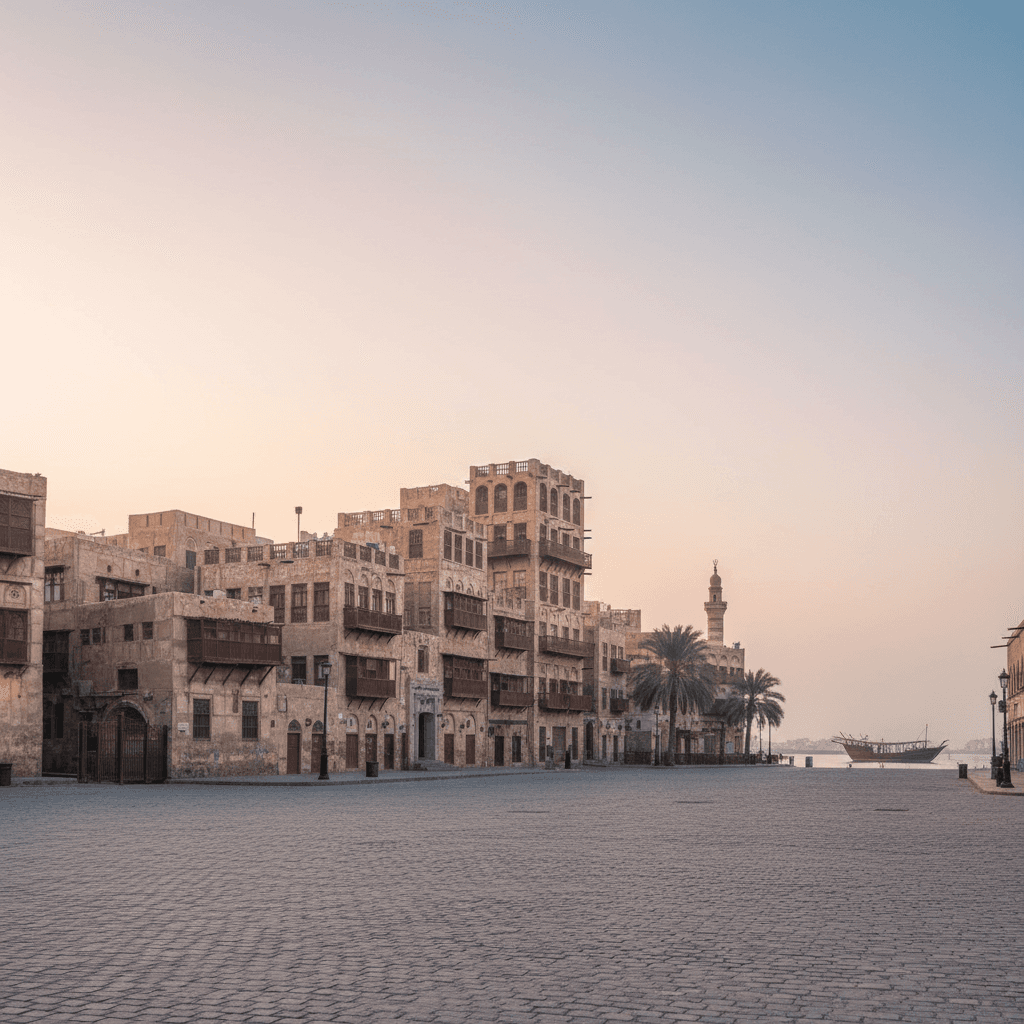
Dammam doesn't try to be Dubai, and for the right kind of nomad, that is exactly the point. While the skyscrapers of the Emirates scream for attention, Dammam hums with the steady, industrious energy of the world's oil capital. It is a city of wide boulevards, massive infrastructure, and a growing skyline that feels more like a frontier of the future than a polished tourist trap. You come here if you want to see Saudi Arabia's Vision 2030 transformation in real time without the eye watering price tags of Riyadh.
The vibe is a unique blend of corporate hustle and coastal chill. By day, the city is fueled by the energy and logistics sectors, but as the sun dips, the focus shifts to the Corniche. You'll see locals and expats alike walking the waterfront to catch the breeze. It is a conservative city, yes, but it is opening up fast. The social scene is quieter than what you'll find in Europe, revolving around high end coffee shops and massive new retail developments rather than bars or clubs. It feels safe, grounded, and surprisingly welcoming once you tap into the expat circles.
The Digital Nomad Reality
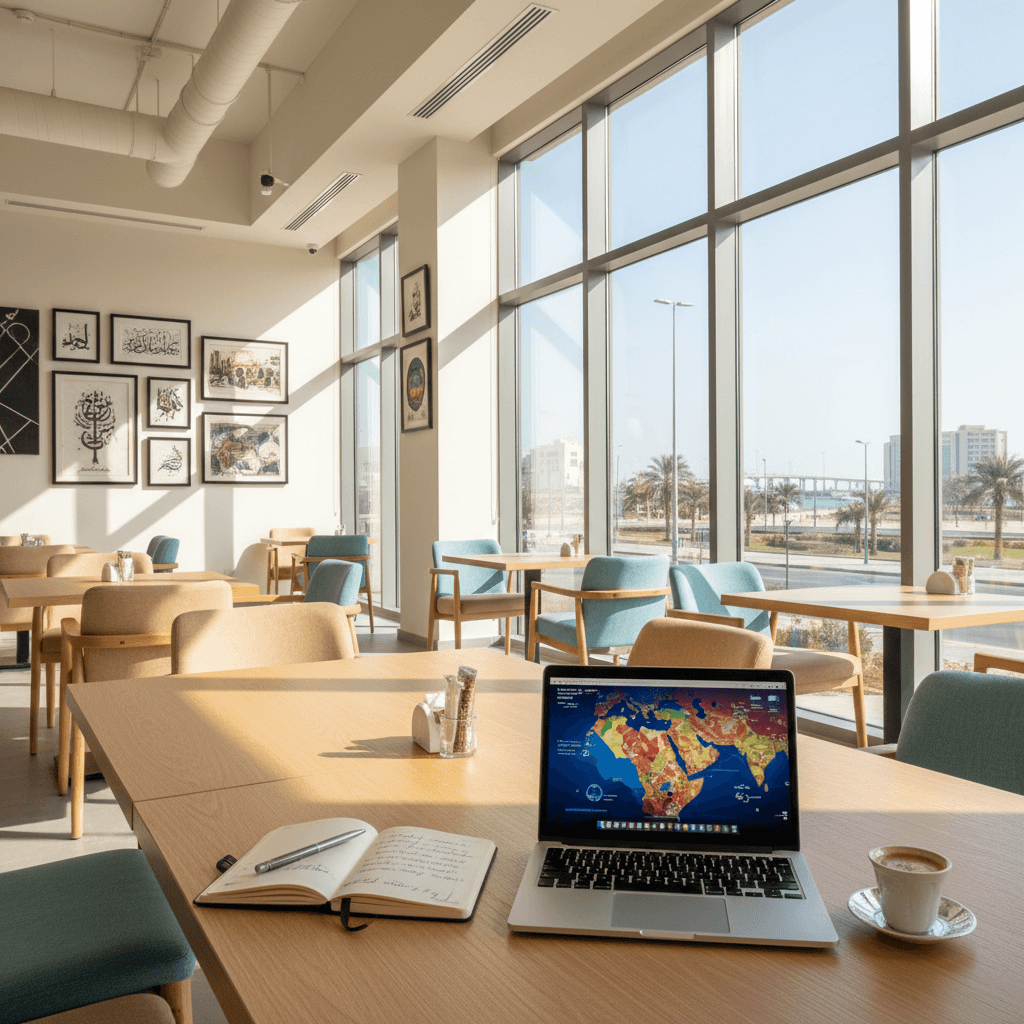
Working from Dammam is a high speed experience. You are looking at 5G coverage almost everywhere and home fiber speeds often exceeding 150 Mbps. While dedicated coworking spaces aren't as thick on the ground as they are in Bali, the cafe culture is elite. Expats and local entrepreneurs tend to congregate in the newer districts where the Wi-Fi is fast and the interior design is world class. VoIP services work perfectly now, so your Zoom calls and Slack huddles won't skip a beat.
- Connectivity: 5G is standard; grab a SIM from STC, Mobily, or Zain at the airport or any mall.
- The Commute: You will need Uber, Careem, or Jeeny. The city is built for cars, and walking between districts isn't realistic, especially when the heat kicks in.
- The Escape Valve: If you need a change of pace, the King Fahd Causeway puts Bahrain and its more liberal social scene just a short drive away.
Cost of Living & Logistics
Dammam offers a solid cost to quality balance. You can live a very comfortable, mid range life here for $2,000 to $3,000 a month. While there isn't a specific digital nomad visa yet, most long termers are here on business setups or the Premium Residency program. It is a place where your money goes much further than in the neighboring Gulf hubs, particularly when it comes to high quality housing and dining.
- Monthly Budget: Expect to spend around $2,100 for a well rounded lifestyle including rent, food, and transport.
- Housing: Modern 1BR apartments in central areas are becoming more available, moving away from the old reliance on closed compounds.
- Daily Costs: A mid range meal will run you about $15 to $25, while local street food is significantly cheaper.
The Climate Factor
The weather dictates the rhythm of life here. From November to March, the city is pleasant and mild, perfect for outdoor meetings and evening walks. However, the summer months from June to August are intense, with temperatures frequently hitting 50°C (122°F). During this time, life moves entirely indoors. You'll find yourself hopping from air conditioned apartments to air conditioned Ubers to air conditioned malls. It is a trade off for the high safety standards and the chance to be part of one of the fastest growing economies on the planet.
Ultimately, Dammam is for the nomad who values stability and infrastructure over party scenes. It is a place to get work done, build a network in the energy or tech sectors, and experience a culture that is rapidly redefining itself. It feels like being in on a secret before the rest of the world catches up.
The Cost-Quality Balance
Dammam is often overlooked in favor of the flashy skylines of Dubai or Doha, but for nomads who prioritize their bank balance without sacrificing infrastructure, it's a strategic win. You'll find a high standard of living here for significantly less than in the UAE. Most nomads and expats find they can live comfortably on $2,000 to $3,000 per month, which covers a modern one bedroom apartment, frequent dining out, and the necessary car expenses.
If you're on a tighter budget, it's possible to scrape by under $2,000 by opting for shared housing and sticking to the local street food scene. On the flip side, $3,500+ puts you in the premium bracket, granting access to upscale compounds and high end amenities in the newer parts of the city. While there isn't a specific digital nomad visa yet, most long termers arrive via employment sponsorship or the Premium Residency program.
Monthly Budget Breakdown
- Mid-range 1BR Apartment: $800 to $1,200
- Monthly Groceries: $300 to $450
- Dining Out (Per Meal): $10 to $40
- Transportation (Fuel and Ride-hailing): $200 to $400
- High-Speed 5G Internet: $60 to $90
Housing and Neighborhoods
The local housing market is expanding fast. While expats historically flocked to nearby Khobar or Dhahran for a more Western feel, central Dammam is catching up with new retail hubs and modern apartment blocks. Central Dammam is the place to be if you want to be near the action, though it remains very car-heavy. Many families and solo travelers still lean toward the established expat zones near the international schools for the built-in social network.
Rents are generally stable, though the quality can vary wildly between older builds and the new Vision 2030 developments. Most people use apps like Bayut or Aqar to scout listings, but checking expat forums is often the best way to find a lead on a compound spot, which usually includes gym and pool access.
Connectivity and Workspace
Internet is one area where Dammam truly shines. You can expect 5G speeds hitting 150+ Mbps across most of the city. Since 2023, VoIP restrictions have eased significantly, so jumping on Zoom or Teams calls is seamless. Providers like STC, Mobily, and Zain offer competitive data packages that you can pick up right at King Fahd International Airport.
Dedicated coworking spaces aren't as prevalent as they are in Riyadh yet. Most nomads here adopt a cafe-working culture. You'll find plenty of expats laptop-deep in high-end coffee shops in the newer commercial strips. If you need a formal desk, expect to pay around $200 to $300 a month for a hot desk in a business center, though many choose to work from home to avoid the midday heat.
Transportation Costs
This is the non-negotiable part of your budget. Dammam is not a walkable city, and public transit is almost non-existent. You will either need to rent a car or rely on ride-hailing apps like Uber, Careem, or Jeeny. Fuel is incredibly cheap by global standards, but those daily cross-city trips add up. If you're planning a weekend escape, the King Fahd Causeway to Bahrain is a popular route, though you'll need to factor in the tolls and insurance for the crossing.
Food and Social Life
Your grocery bill will stay low if you shop at local markets, but imported goods will eat into your funds quickly. Dining is the primary social activity here. While the scene is more conservative than Dubai, there's a massive variety of international cuisine fueled by the diverse expat workforce in the energy sector. Expect to spend about $15 for a solid mid-range lunch, while a fancy dinner in a newer development will run closer to $50 per person.
For Digital Nomads: Central Dammam and Coastal Hubs
If you're landing in Dammam to work remotely, you'll likely want to stick to the newly expanded central districts. While the city doesn't have a dedicated nomad visa yet, those on Premium Residency or business setups gravitate here for the 150+ Mbps 5G speeds. The infrastructure is modern, but the lifestyle is undeniably car dependent. You won't find many walkable streets, so most nomads rely on Uber or the Careem app to get between their apartments and the growing number of high end cafes.
The vibe in central Dammam is professional and industrious. You'll find yourself working alongside expats from the energy and logistics sectors. While dedicated coworking spaces aren't as prevalent as in Riyadh, the local cafe culture is stepping up. You can expect to spend about $2,100 per month for a mid range lifestyle including a decent one bedroom apartment and regular dining out. If you need a change of scenery, the King Fahd Causeway is right there, making a weekend trip to Bahrain an easy escape.
- Monthly Budget: $2,000 to $3,000
- Internet: Reliable 5G via STC or Mobily
- Top Perk: Massive cost savings compared to Dubai or Doha
For Expats: Al Shati and New Residential Zones
Expats moving for the long haul usually head toward Al Shati or the newer residential pockets on the outskirts of the city. These areas have seen a surge in housing supply recently, meaning you don't have to commute from nearby Khobar or Dhahran like people used to. It's a land of convenience where massive retail malls and international supermarkets are just a short drive away. Life here revolves around the workplace and the home, with a social scene that is conservative but welcoming within expat circles.
The cost quality balance is the big draw here. You get much more square footage for your money than in other Gulf hubs. Most expats recommend looking for housing through platforms like Bayut or Aqar, though many still find their best leads through word of mouth in expat forums. Expect to pay around $3,000+ if you want a premium villa or a high floor apartment in a modern tower. Keep in mind that summer temperatures can hit 50°C, so a neighborhood with underground parking is a lifesaver.
- Rent: $1,200 to $2,500 for modern apartments
- Transport: Mandatory car ownership or heavy Jeeny app usage
- Social Life: Focused on private compounds and networking groups
For Families: Low Density Districts near International Schools
Families generally prioritize proximity to the international schools located on the western and southern edges of the city. These neighborhoods offer a quieter, more suburban feel with less traffic than the industrial heart of Dammam. Safety is a non issue; the city is remarkably secure, and kids often play within the gated confines of residential compounds. You'll find plenty of green spaces tucked inside these private communities, which is vital since the public parks can be too hot to handle for half the year.
Living here requires a bit more logistics. You'll be doing the school run and grocery hauls in an SUV, as public transit is virtually non existent for family needs. Healthcare is top tier, with several major hospitals and 24 hour pharmacies nearby. For a comfortable family life with a three bedroom home and school fees, budgets typically start at $4,500 per month. The best time to explore the city with kids is from November to March when the weather is mild enough for outdoor activities.
- Primary Needs: Proximity to schools and 24/7 medical clinics
- Atmosphere: Quiet, secure, and family oriented
- Emergency Contacts: 997 for ambulance and 999 for police
For Solo Travelers: The Corniche and Waterfront Areas
If you're in Dammam solo, the waterfront areas near the Corniche are your best bet. This is where the city feels most alive, especially in the evenings when the heat breaks. It's the closest you'll get to a social hub, with plenty of restaurants and the occasional pop up event. Solo travelers often find the city a bit isolating due to the car culture, but the local expat community is known for being inclusive once you break the ice in online groups.
English proficiency is high in these commercial zones, so you'll have no trouble getting by with just a few Arabic phrases like Shukran. For those on a tighter budget, shared housing options in the older parts of central Dammam can bring monthly costs under $2,000. It's a great base if you want to experience the rapid changes of Saudi Vision 2030 firsthand without the frantic pace of Riyadh.
- Budget Tier: Under $2,000 for shared setups
- Dining: Diverse options from local street food to upscale mall eateries
- Connectivity: Easy access to King Fahd International Airport for regional travel
Connectivity and Speed
Dammam is a powerhouse when it comes to digital infrastructure. You won't be hunting for a decent signal here; the city is blanketed in 5G coverage that consistently hits speeds of 150 Mbps or higher. Whether you're uploading large video files for a client or jumping on a Zoom call, the connection is rock solid. Local providers like STC, Mobily, and Zain have made it incredibly easy to get online. You can pick up a 5G enabled SIM card directly at King Fahd International Airport or at any of the major malls like Dana Mall or Othman Mall.
One of the biggest reliefs for nomads in recent years is the digital infrastructure. Zoom and Teams work reliably for video calls. WhatsApp calling availability varies; check current status upon arrival. Most apartments and high end rentals come with fiber optic lines as standard, so your home base will likely be as fast as any office hub in Europe or North America.
Coworking and Workspace Culture
While Dammam doesn't have the sheer volume of dedicated coworking franchises you'll find in Riyadh or Dubai, the scene is growing alongside the city's industrial expansion. Most nomads and expats find themselves gravitating toward the neighboring areas of Khobar and Dhahran for the most established spaces. These spots are just a 15 to 20 minute drive away and serve as the social and professional heart for the region's remote workforce.
Expect to pay roughly $200 to $400 a month for a dedicated desk, though many spaces offer flexible day passes if you just need a change of scenery. Local entrepreneurs and energy sector consultants often gather at these hubs, making them great for networking if you're looking to break into the Saudi market.
- Work and Network: While specific brand names in Dammam proper are still emerging, look for local business centers that cater to the oil and gas industry; they often have high end facilities and quiet environments.
- Cafe Culture: This is where the real work happens. The Eastern Province has a massive coffee culture. You'll find nomads tucked away in specialty cafes with fast, free Wi-Fi and plenty of power outlets.
- The Khobar Connection: Many digital nomads live in Dammam for the lower rent but commute to Khobar for the more "Western style" coworking vibes and social meetups.
The Laptop Cafe Scene
If you prefer the hum of a coffee shop over the silence of an office, you're in luck. The cafe scene in Dammam and nearby Khobar is sophisticated and very laptop friendly. Unlike some European cities where you might get a side eye for staying too long, Saudi cafe culture is built around long stays and social gatherings. You’ll see plenty of locals and expats alike with MacBooks out, fueled by high quality Saudi coffee or flat whites.
Most of these cafes stay open late, often until midnight or 1:00 AM, which is perfect if you're working for clients in European or US time zones. Just keep in mind that the city moves a bit slower during prayer times, though many modern establishments now stay open or simply dim the lights for a few minutes. If you're planning a marathon work session, just check the Wi-Fi status before you order; most places are happy to give you the password with your drink.
Practical Tech Tips
Since the city is so car dependent, your phone is your lifeline. You'll want to have apps like Uber, Careem, and Jeeny downloaded and linked to a local number for reliable transport between your workspace and home. For food delivery while you're in the zone, HungerStation and Jahez are the local favorites. Because of the extreme summer heat, which can soar to 50°C, having these apps ready means you never have to step outside into the sun just to find a meal or a ride.
If you're staying long term, look into the Premium Residency options. While there isn't a specific "Digital Nomad Visa" yet, the government is making it easier for freelancers and investors to stay legally without a traditional corporate sponsor. It’s a bit of an investment, but for those who want to make Dammam a permanent base, it’s the most seamless path forward.
The Safety Landscape
Dammam is remarkably safe for its size. Most expats find that the biggest risk they face isn't crime, but the local traffic. The city has a high concentration of energy sector professionals, and the residential areas are generally quiet and well monitored. You'll likely feel comfortable walking around shopping districts or parks after dark, especially since the city stays active late into the evening during the cooler months.
There aren't specific "no-go" zones to worry about, though the industrial outskirts are mostly just dusty and uninteresting for nomads. While the vibe is modernizing quickly, it's still a conservative environment. Respecting local customs and dressing modestly helps you blend in and avoids unwanted attention. If you ever run into trouble, the emergency numbers are easy to remember: dial 999 for police, 997 for ambulance, and 998 for fire department.
Healthcare Infrastructure
The healthcare system in Dammam is robust, particularly in the private sector where most nomads and expats seek care. The facilities are modern, and you'll find that many doctors and nursing staff speak excellent English. Since there isn't a dedicated digital nomad visa, you'll likely be there on a work sponsorship or Premium Residency, both of which require a medical exam and valid health insurance.
Pharmacies are everywhere and usually well stocked. You can find major chains like Nahdi or Al-Dawaa in almost every neighborhood and mall. Most standard medications are available over the counter, but it's smart to bring a copy of your prescription for anything specialized. For medical emergencies, the ambulance service can be reached at 997.
Practical Wellness Tips
The real health challenge in Dammam is the environment. The summer heat is intense, often hitting 50°C (122°F) between June and August. Dehydration and heat exhaustion are genuine risks if you're not careful. Most locals stay indoors during the day and head out after the sun goes down.
- Water Quality: While tap water is generally fine for washing, most expats stick to bottled or filtered water for drinking.
- Health Insurance: Private insurance is a must. Ensure your policy covers the major private hospitals in the Eastern Province to avoid massive out of pocket costs.
- Respiratory Health: Occasional dust storms can affect air quality. If you have asthma or allergies, keep an eye on local weather apps and have your medication ready during the transition between seasons.
Key Contacts for Peace of Mind
Keep these numbers saved in your phone just in case. The response times in the city center are generally quick, and the operators are used to dealing with the international community.
- Police: 999
- Ambulance: 997
- Fire Department: 998
- Traffic Accidents: 993 (specifically for car related incidents)
Most travelers find that as long as they stay hydrated and drive defensively, Dammam is a very low stress place to live. The city's growth under Vision 2030 has brought a lot of investment into public safety and medical tech, making it one of the more stable hubs in the region for long term stays.
Navigating the Eastern Province
Dammam is a city built for the car. Unlike the rapidly expanding metro systems you'll find in Riyadh or the walkable pockets of Jeddah, the Eastern Province remains a sprawling urban grid. If you're coming from a city where you rely on sidewalks and subways, you'll need to adjust your expectations quickly. Most nomads find that while the infrastructure is top tier, it's designed almost exclusively for four wheels.
Walking is rarely an option here, especially between June and August when temperatures regularly hit 50°C. Even in the milder months from November to March, the city layout lacks the connectivity for pedestrians. You'll mostly be moving between air-conditioned hubs, whether that's your apartment, a coworking space, or a shopping mall.
Ride-Hailing and Apps
If you aren't planning to get behind the wheel yourself, ride-hailing apps are your lifeline. They are reliable, available 24/7, and generally more comfortable than the older white taxis you might see on the street. Expect to spend between $200 and $500 per month on transportation if you're out and about daily.
- Careem: Often considered the gold standard in Saudi Arabia. It's reliable and offers various car tiers.
- Uber: Works exactly as it does elsewhere and is widely available throughout Dammam and neighboring Khobar.
- Jeeny: A popular local alternative that often provides more budget-friendly rates for shorter hops.
The Driving Culture
For those staying longer than a few weeks, renting a car is the most cost-effective move. Gasoline is notably cheap compared to European or North American prices, which helps balance out the cost of living. Be prepared for a fast-paced and sometimes aggressive driving style on the highways. The roads are wide and well-maintained, but traffic during peak industrial shift changes can be heavy.
If you're looking to explore beyond the city limits, a car is mandatory. Many expats and nomads take advantage of Dammam's proximity to the King Fahd Causeway. The King Fahd Causeway, located about 70 km away (roughly 50 minutes drive), is a 25-kilometer bridge connecting Saudi Arabia to Bahrain, making for an easy weekend getaway when you need a change of scenery or a more relaxed social atmosphere.
Air Travel and Connectivity
Your entry point will likely be King Fahd International Airport (DMM). Interestingly, it's known for being the largest airport in the world by land area. It sits about 30 to 40 minutes away from the city center. A ride-hail from the airport usually costs around $20 to $30 depending on your exact destination in Dammam or Khobar.
Public buses do exist, managed by SAPTCO, but they are primarily used by laborers and don't provide the coverage or frequency most digital nomads require for a professional schedule. Stick to private transport to keep your productivity high and your sweat levels low.
Logistics for Nomads
- Fuel Costs: Extremely low, making car rentals a viable long-term strategy for those with a valid international permit.
- Parking: Generally plentiful and free in most residential areas and malls, though central Dammam can get crowded.
- Navigation: Google Maps is highly accurate here and essential for navigating the complex highway interchanges.
- Connectivity: Ensure you have a local SIM from STC or Mobily before heading out; you'll need the 5G data for real-time navigation and hailing apps.
The Linguistic Landscape
While Arabic is the official language of the Kingdom, you'll find that Dammam is a remarkably easy place to navigate if you speak English. Because the city is the industrial engine of the Eastern Province, English serves as the bridge for the massive international community working in oil, gas, and tech. Most nomads find they can get through a typical day without knowing more than a few polite Arabic phrases.
In the business districts and major retail hubs, English proficiency is high. From ordering a flat white at a local cafe to discussing a project with a client, you won't encounter much of a barrier. However, the experience changes slightly when you head into the older parts of Dammam or deal with government services. Having a translation app ready is a smart move for those moments.
Key Phrases to Know
Locals genuinely appreciate it when you make an effort to speak their language. It breaks the ice and shows respect for the culture. Start with these basics:
- Shukran: Thank you. You'll use this constantly.
- Min fadlak: Please. Useful for ordering food or asking for directions.
- As-salamu alaykum: The standard greeting, meaning peace be upon you.
- Inshallah: God willing. You'll hear this in response to almost any future plan or request.
Digital Communication and Connectivity
Dammam is a powerhouse when it comes to infrastructure. You aren't going to struggle with dropped Zoom calls here. The city boasts widespread 5G coverage and average internet speeds often exceed 150 Mbps. VoIP services like Zoom work reliably, though WhatsApp calling availability has been inconsistent. Check current status upon arrival, as restrictions have been periodically relaxed and reinstated.
Most expats recommend picking up a local SIM card immediately upon arrival. You can find kiosks for the major providers right in the arrivals hall at King Fahd International Airport or at any major mall like Al Nakheel. Expect to pay around $30 to $50 per month for a solid data plan.
- STC: Generally considered the most reliable coverage across the country.
- Mobily: Great 5G speeds and often has competitive packages for expats.
- Zain: A solid third option that frequently offers budget-friendly data bundles.
Navigating Daily Life
Since Dammam is a car-dependent city, you'll be communicating with drivers frequently. Apps like Uber and Careem are standard, but locals also use Jeeny for competitive pricing. These apps are all available in English, which removes the stress of explaining your destination to a driver who might not speak your language.
For housing and local services, many nomads use expat forums or platforms like Bayut and Aqar. While the interfaces are becoming more English-friendly, some of the specific property descriptions might be in Arabic. This is where the expat community in Dammam really shines; there are active groups on social media where people are happy to help translate or recommend services. If you're looking for a coworking vibe, you'll mostly find it in high-end cafes, as dedicated spaces are still catching up to the demand seen in Riyadh.
Social Etiquette and Tone
Communication in Saudi Arabia is often more indirect and polite than in the West. It's common to spend the first few minutes of a meeting or a social interaction on small talk and pleasantries. Being overly blunt can sometimes come across as rude. Patience is a virtue here, especially when dealing with bureaucracy or service industries. Keep your tone respectful, dress conservatively, and you'll find the people of Dammam to be incredibly hospitable and welcoming to outsiders.
The Seasonal Sweet Spot
Dammam isn't a city where you can just wing it year-round. If you're planning a stint here, your calendar is your most important tool. The window for a comfortable life opens in November and stays pleasant through March. During these months, daytime temperatures hover between 18°C and 25°C (64°F to 77°F), making it the only time you'll actually want to walk along the Corniche or work from an outdoor cafe terrace.
Expats usually find the winter months ideal for weekend trips across the King Fahd Causeway to Bahrain or driving out to the desert for camping. The air is crisp, and while it rarely rains, the occasional shower can happen in January or February. You'll want a light jacket for the evenings, as the desert air cools down significantly once the sun sets.
Survival Strategy for Summer
From June to August, the heat is a force of nature. Temperatures frequently spike to 50°C (122°F), and the humidity from the Arabian Gulf can make it feel even more intense. This is the "indoor season" for everyone in the Eastern Province. Nomads who stay through the summer shift their entire schedules to avoid the sun, doing most of their socializing and errands after 8:00 PM when the city truly comes to life.
During these peak summer months, your lifestyle will revolve around air conditioning. Most travelers recommend sticking to indoor coworking hubs or malls during the day. If you aren't a fan of extreme heat, plan your "deep work" months for the summer and save your exploration for the cooler half of the year. The transition months of April, May, September, and October are manageable but still hot, with averages sitting between 30°C and 38°C (86°F to 100°F).
Planning Your Arrival
When timing your move, keep these seasonal factors in mind to get the most out of the city:
- Best for Outdoor Life: December to February. This is peak season for festivals, outdoor markets, and waterfront activities.
- Best for Budgeting: Summer (June to August). While the weather is harsh, you might find better deals on short term housing as the city slows down.
- The Shoulder Season: October and April. These months offer a balance of warm days and cooler nights before the extremes kick in.
What to Pack
Your wardrobe needs to pull double duty in Dammam. Even when it is 45°C outside, offices, malls, and cafes blast the AC so hard you'll feel like you're in the Arctic. Most nomads recommend layering. Lightweight, breathable fabrics like linen and cotton are a must for the heat, but always keep a hoodie or blazer nearby for indoor work sessions.
Remember that the vibe remains conservative. While the rules have relaxed significantly under Vision 2030, most expats still opt for loose fitting clothing that covers the shoulders and knees to stay comfortable and respectful in public spaces. In the winter, don't underestimate the chill; a solid sweater or mid-weight coat is necessary for those 10°C desert nights.
Connectivity and Workspace
Dammam is a powerhouse for infrastructure, so you won't struggle with slow speeds. Most nomads find the 5G coverage is rock solid, often hitting 150+ Mbps in the city center. You can pick up a local SIM from STC, Mobily, or Zain at the airport or in any major mall. Update to reflect current VoIP status as noted above, making those Zoom calls back home much easier.
While Dammam doesn't have the massive coworking hubs you'll find in Riyadh, the cafe culture is where the work happens. Expats often gather at local spots in the newer retail developments or head over to nearby Khobar for a wider variety of laptop friendly cafes. If you need a more formal setup, look into local business centers that offer daily desk rentals.
The Cost of Living
One of the biggest draws here is the cost quality balance. It's significantly more affordable than Dubai or Doha, but you still get high end amenities. On average, a comfortable nomad lifestyle will run you between $2,000 and $3,000 per month. If you're on a tighter budget and don't mind shared housing or street food, you can get by on under $2,000.
- One Bedroom Apartment: $800 to $1,200 per month depending on the area.
- Mid range Dinner: $15 to $30 per person.
- Monthly Transport: $200 to $400, mostly for ride hailing or a rental car.
- Internet and Utilities: $100 to $150.
Getting Around
Dammam is a car dependent city through and through. Public transit is limited, and the city isn't designed for walking, especially when the heat kicks in. Most travelers rely on ride hailing apps like Uber, Careem, or Jeeny. If you're staying for more than a month, renting a car is usually the smarter, more economical move.
The city's proximity to the King Fahd Causeway is a major perk. It's a quick drive over to Bahrain for a change of pace or a weekend getaway. For long distance travel, King Fahd International Airport connects you to the rest of the region easily.
Neighborhoods to Watch
The housing market in Dammam is expanding rapidly, so you don't necessarily have to live in Khobar anymore to find good amenities. Central Dammam is seeing a lot of new retail and residential growth. Families and solo travelers often gravitate toward areas near international schools or the major energy hubs where the expat community is most active. While specific district names are evolving, look for "compounds" if you want a more social, Western style environment, though these come at a premium price.
Health and Safety
Safety is rarely a concern for expats here. The city is very secure, and the energy sector presence means there's a constant international community. For healthcare, the quality is high, though you'll need private insurance. In an emergency, dial 997 for an ambulance or 999 for the police. Most doctors speak excellent English, so communication isn't a barrier.
Weather and Timing
The climate is the biggest hurdle. From June to August, temperatures can soar to 50°C (122°F), making outdoor activity almost impossible. The sweet spot is November through March, when the weather is mild and perfect for exploring. If you visit in the summer, expect to live your life entirely in air conditioned spaces.
Visas and Customs
Saudi Arabia doesn't have a dedicated digital nomad visa yet. Most long term residents are either on an employment sponsorship or the Premium Residency program. For shorter stays, the e-visa is the standard route. Remember that while the country is modernizing quickly under Vision 2030, it remains conservative. Dress modestly in public and be respectful of local customs, especially during prayer times.
Need visa and immigration info for Saudi Arabia?
🇸🇦 View Saudi Arabia Country GuideEasy Landing
Settle in, no stress
Monthly Budget Estimates
More cities in Saudi Arabia
Riyadh
🇸🇦 Saudi Arabia