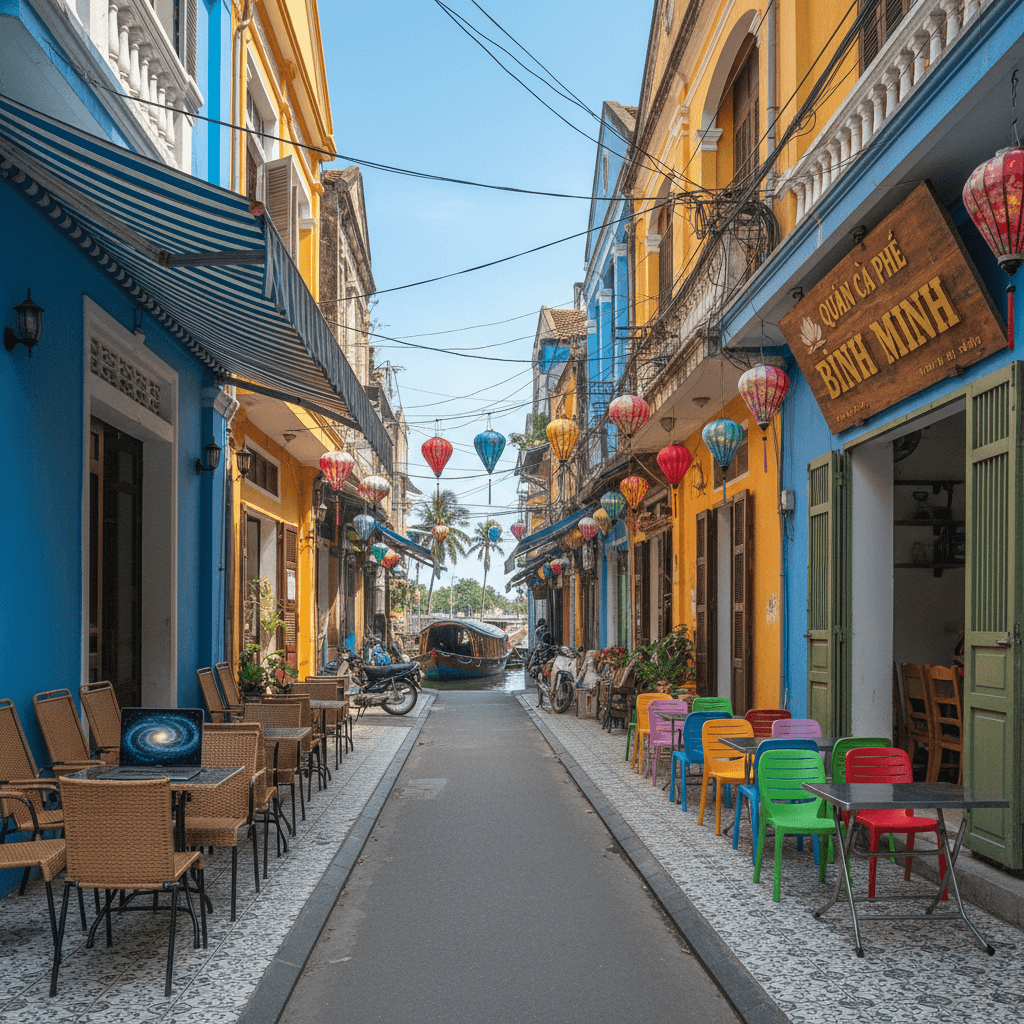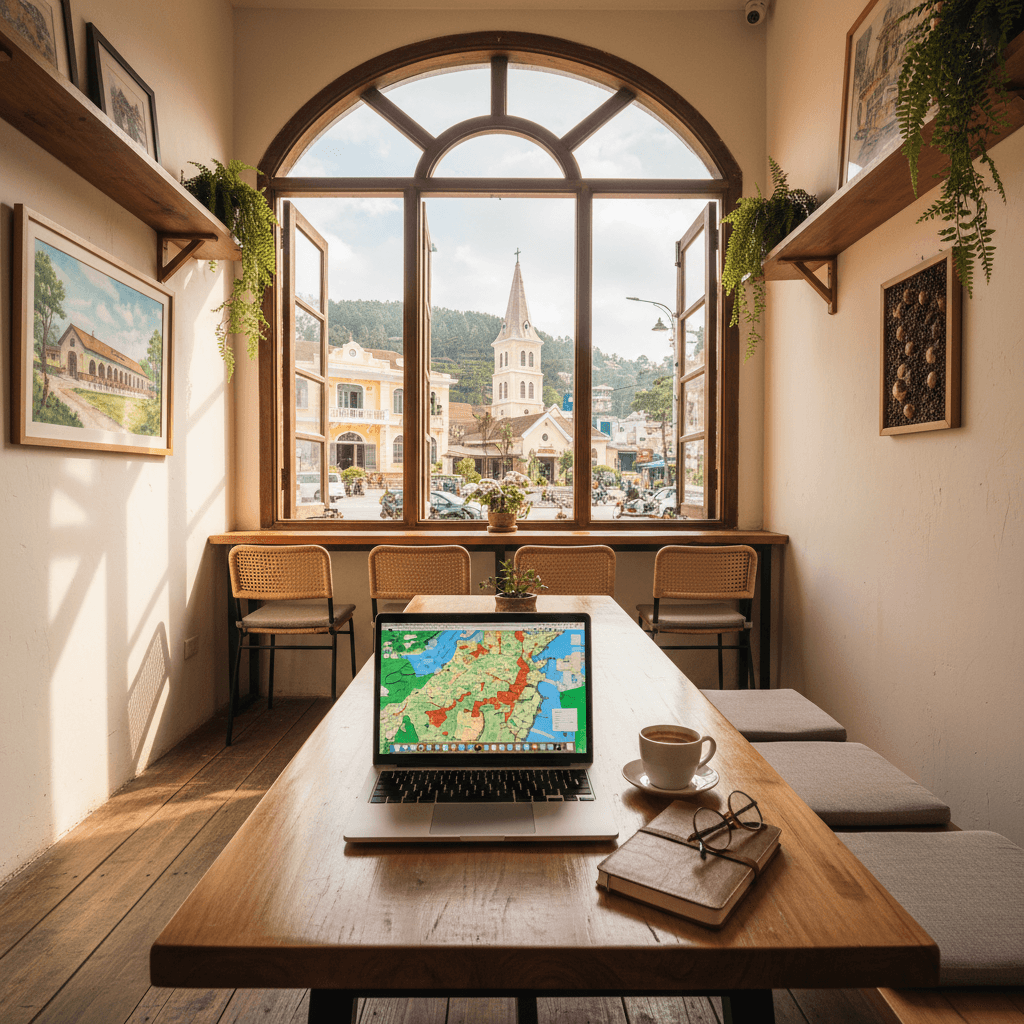
Da Lat
🇻🇳 Vietnam
High up in the Central Highlands, Da Lat feels like a glitch in the typical Southeast Asian travel map. While the rest of Vietnam swelters in tropical humidity, this city greets you with cool, pine-scented air and a persistent morning mist that clings to the valleys. It was built by the French as a hill station to escape the heat of Saigon, and that European DNA still lingers in the sloping red tiled roofs, the Art Deco villas, and a strangely convincing replica of the Eiffel Tower standing over the town center.
The Highland Vibe
Living here feels like being in a perpetual autumn. The pace is noticeably slower than in Hanoi or Ho Chi Minh City. You won't find the aggressive hustle of the coastal hubs; instead, life revolves around the City of Eternal Spring moniker. Locals take their gardening and coffee seriously, and the streets are lined with hydrangeas and marigolds year round. It is a place for deep work and quiet evenings rather than late night parties.
The city has a split personality. During the day, it's a peaceful retreat where you can ride a motorbike through winding mountain roads. By night, the Da Lat Night Market transforms the center into a chaotic, neon lit carnival of street food, where everyone gathers to eat grilled rice paper (Vietnamese pizza) and drink hot soy milk to ward off the evening chill. It’s cozy, slightly kitschy, and deeply romantic, which explains why it’s the top honeymoon destination for Vietnamese couples.
What Nomads Love
- The Climate: You can actually wear a sweater. For many nomads, the break from 90 degree weather is the biggest selling point.
- Cafe Culture: Da Lat has arguably the best cafe scene in Vietnam. Whether it's a specialty roastery like The Married Beans or a rustic spot overlooking a valley, the WiFi is almost always fast enough for Zoom calls.
- Affordability: Your dollar goes incredibly far here. A monthly budget of $600 to $800 buys a very comfortable lifestyle, including daily cafe visits and frequent dining out.
- Freshness: This is Vietnam's garden. You're eating strawberries, artichokes, and avocados that were likely picked that morning just a few miles away.
The Trade-offs
If you're looking for a massive, pre-packaged nomad community like you'd find in Canggu or Chiang Mai, you might find Da Lat a bit lonely. The expat circle is small and tight knit, meaning you'll need to be proactive about meeting people at spots like One More Cafe.
The geography also demands a motorbike. While the center is walkable, the best villas and views are tucked away in Phuong 8 or Phuong 10, and relying on Grab cars can get old quickly. You also have to contend with the rainy season from May to October. When it rains in the highlands, it really pours, often turning the afternoon into a mandatory indoor session.
Ultimately, Da Lat is for the nomad who wants to swap the beach for the forest. It’s for the writer, the developer, or the creator who needs a few months of crisp air and mountain views to actually get things done. It’s a place that invites you to slow down, put on a jacket, and stay for a second cup of coffee.
The Price of the Eternal Spring
Da Lat is famously easy on the wallet, even by Southeast Asian standards. While coastal hubs like Da Nang have seen prices creep up, this highland retreat remains a sanctuary for those looking to stretch their dollars without sacrificing a high quality of life. You can live quite well here for a fraction of what you would spend in Western cities, or even neighboring Thailand.
Most digital nomads find that $600 to $800 USD per month hits the sweet spot. This budget covers a modern studio, daily cafe visits, and plenty of meals out. If you are on a tighter budget, it is entirely possible to get by on $400 to $500 USD by sticking to local markets and shared housing. On the flip side, $1,200 USD a month buys a lifestyle that feels genuinely luxurious, including a large villa and high end dining.
Monthly Rent and Housing
Housing is your biggest variable. Prices fluctuate based on how close you are to Xuan Huong Lake and whether you want a modern apartment or a traditional Vietnamese home. Most expats recommend looking in Ward 10 for charm or Ward 8 for better value.
- Studio Apartment (City Center): Expect to pay between $230 and $260 (5.5M to 6.2M VND). These are usually serviced, meaning cleaning and water might be included.
- One-Bedroom Apartment: Outside the immediate center, these drop to around $230 (5.5M VND), while central spots stay near $260 (6.2M VND).
- Three-Bedroom House or Villa: If you are traveling with a group or family, a large space in the city center averages $460 (11M VND).
- Utilities: Electricity and water usually run about $24 per person. Heating is rarely needed, and air conditioning is almost nonexistent because of the cool mountain air.
Dining and Groceries
The "breadbasket of Vietnam" tag isn't just marketing. Because so much produce is grown right in the surrounding hills, vegetables and fruits are incredibly cheap and fresh. Eating out is often more convenient than cooking at home.
- Local Meals: A bowl of Pho or a plate of Com Tam at a street stall costs between $2 and $4.
- Mid-range Restaurants: A sit down dinner with a drink usually lands between $5 and $8.
- Coffee Culture: You will likely spend a lot of time in cafes. A high quality latte or a traditional salt coffee ranges from $1.20 to $2.80 (30,000 to 70,000 VND).
- Groceries: If you shop at the Da Lat Market or Go! Supermarket (formerly Big C), a weekly grocery haul for one person stays under $30.
Transportation and Connectivity
Da Lat is hilly and spread out, so you will need a plan for getting around. Walking is great in the French Quarter, but most nomads rent a bike for flexibility.
- Motorbike Rental: Monthly rentals are affordable, usually around $60 to $80 depending on the bike's condition.
- Ride Hailing: If you prefer not to drive, Grab is the go to app. A short trip across town costs about $1.50. Most nomads budget around $28 a month for occasional rides.
- Home Internet: A high speed line (50+ Mbps) costs roughly $15 per month. It is remarkably stable for a mountain town.
- Mobile Data: A 30 day SIM card from Vinaphone with 5GB of daily data costs about $5 (120,000 VND). It is cheap enough that many travelers keep a backup SIM from Viettel just in case.
Overall, the lack of a massive "tourist tax" makes Da Lat one of the most sustainable places for long term stays. You aren't constantly haggling, and the local prices are generally what you will pay as well. It is the kind of place where you can stop checking your bank balance every day and just enjoy the mountain air.
The Nomad Hub: City Center (Phuong 1)
If you're landing in Da Lat for the first time, Phuong 1 is where you'll likely start. It's the most walkable part of the city, centered around the iconic Da Lat Market and Xuan Huong Lake. Most nomads choose this area because it eliminates the immediate need for a motorbike rental, as dozens of work friendly cafes like An Cafe or The Married Beans are just a few minutes apart on foot.
- The Vibe: Social, convenient, and energetic. It's the best spot for networking with other travelers.
- Housing: Studio apartments here typically run between $231 and $259 per month.
- Pros: You're steps away from $2 street food and the best grocery options.
- Cons: It gets loud on weekends when domestic tourists flood the center.
The Long-Term Expat Choice: Phuong 10 (French Quarter)
Expats who have been in Da Lat for a while often migrate toward Phuong 10. It feels worlds away from the downtown noise, defined by wide, winding roads and restored French colonial villas. This is the "old world" Da Lat that people fall in love with. It's much quieter, making it ideal for those who work from home and need a professional environment without the sound of honking horns.
- The Vibe: Sophisticated, leafy, and calm. It has a distinct European mountain village feel.
- Housing: You'll find better value for space here. Mid range villas and larger apartments are common, with prices often staying around $260 to $450 depending on the level of renovation.
- Pros: Beautiful architecture and much cleaner air than the city center.
- Cons: You'll definitely need a motorbike or a Grab account, as it's not a walkable district.
Nature Lovers and Families: Phuong 8
Located to the north of the center, Phuong 8 is the gateway to Da Lat’s famous flower gardens and Valley of Love. Families and slow travelers prefer this area because the housing lots are larger and the proximity to nature is immediate. It's significantly greener than Phuong 1, with plenty of cycling paths and less traffic congestion.
- The Vibe: Laid back and residential. You'll see more locals going about their daily lives than tourists.
- Housing: This is often the most affordable area for houses. You can find multi bedroom homes for under $500.
- Pros: Close to the university area, which means plenty of cheap, high quality local eateries.
- Cons: It can feel a bit isolated if you don't have your own transport.
Solo Travelers and Social Seekers: Phuong 3
If you're coming to Da Lat to meet people and enjoy a few beers after work, Phuong 3 is the "nightlife" district. Don't expect Saigon style clubs; instead, think cozy bars with live acoustic music and scrappy backpacker hostels. It’s a hilly, atmospheric neighborhood that’s great for solo travelers who want to be near the action without the price tag of the absolute center.
- The Vibe: Youthful and slightly edgy. It’s where the city’s creative energy usually clusters.
- Housing: Dominated by guesthouses and budget friendly studios. Expect to pay around $230 for a basic but clean 1 bedroom setup.
- Pros: High density of bars and late night food spots. It's only about 45 minutes from the airport.
- Cons: The hills are steep. Walking home after a few drinks is a genuine workout.
High End Retreats: Tuyen Lam Lake
For those with a higher budget or families who want a resort lifestyle, the area around Tuyen Lam Lake (south of the city) is the premier choice. It’s home to luxury villas and high end resorts. While it's too far for a daily commute into town, it's perfect for "deep work" retreats where you only want to hear the wind in the pine trees.
- The Vibe: Exclusive and peaceful. It feels like a private forest sanctuary.
- Housing: Prices vary wildly, but luxury rentals can exceed $1,000 per month.
- Pros: The most beautiful scenery in the region.
- Cons: You are 15 to 20 minutes away from the nearest supermarket.
Connectivity and Speeds
Da Lat is a dream for digital nomads who prioritize a quiet environment over high energy coworking hubs. You'll find that average WiFi speeds hover around 30 to 40 Mbps. While it isn't the blazing fiber you might find in Seoul or Singapore, it's remarkably stable. Most nomads find it more than enough for Zoom calls, heavy Slack usage, and streaming without much buffering.
Mobile data is your best backup. Vinaphone is the go to recommendation from the expat community here because it's cheap and reliable. You can pick up a SIM at the BigC shopping mall for about 120,000 VND ($5 USD) which usually includes 5GB of data for the month. Viettel is another solid choice with slightly better coverage if you plan on trekking into the surrounding pine forests.
Top Coworking and Study Spaces
The coworking scene in Da Lat is intimate rather than corporate. You won't find massive, glass walled offices here. Instead, the "work from cafe" culture is the backbone of the nomad lifestyle.
- One More Cafe: This is a staple for the long term expat crowd. The dedicated coworking space is located upstairs, offering a quiet, mellow vibe. It’s essentially free to use as long as you’re buying food or coffee, which usually runs around 150,000 VND ($6 USD) for a full meal and drink. They have reliable 30 Mbps speeds and free water.
- The Married Beans Coffee Concept: Located on Truong Cong Dinh Street, this is arguably the best specialty coffee in the city. It’s a focused atmosphere where people actually come to work rather than just socialize. They offer a day pass for $5 USD or a monthly membership for $80 USD if you want a more consistent "office" feel.
- Anna’s Coffee House: If you need a break from Vietnamese food, Anna’s is famous for its Mexican dishes and imported treats. The WiFi hits about 35 Mbps and they have power strips available at almost every table. It’s surrounded by greenery and flowers, making it one of the most aesthetic places to clear your inbox.
Reliable Work Cafes
If you prefer a more casual setting, several local chains and independent spots are built for laptop users. Just keep in mind that weekends can get loud with domestic tourists, so plan your deep work for Monday through Friday.
- Windmills Coffee: The branch on Thang Hai Street is a favorite. They have plugs at every table and large communal desks designed for long sessions. Drinks are affordable, ranging from 30,000 to 70,000 VND, and they often give a 10% discount to regulars.
- An Cafe: This is right in the heart of downtown. It’s built into a hillside with lots of plants and separate rooms. While it’s great for a couple of hours of work, it gets busy in the afternoons. Every table has a power outlet, which is a huge plus.
Practical Tips for Remote Workers
Power outages are rare but can happen during the peak of the rainy season from May to October. It’s smart to keep your laptop charged and have a data plan active just in case. Most cafes are very accommodating of remote workers, but the unspoken rule is to buy a new drink or a snack every three hours if you’re taking up a table.
If you're looking for a community, the expat groups on social media are quite active. Since there aren't many "official" nomad events, most networking happens organically at One More Cafe or The Married Beans. Locals are incredibly welcoming, and you'll often find yourself sharing a table with Vietnamese students or entrepreneurs also working on their laptops.
Staying Safe in the Highlands
Da Lat is widely considered one of the safest cities in Vietnam. Violent crime is extremely rare, and the general atmosphere is significantly more relaxed than the high energy chaos of Ho Chi Minh City. Most nomads find they can walk around at night without worry, even in the quieter neighborhoods like Phuong 10 or Phuong 8.
Petty theft like bag snatching is far less common here than in the coastal hubs, but you should still keep your wits about you in crowded spots like the Da Lat Night Market. Keep your phone tucked away while walking and don't leave your laptop unattended in cafes. If you're renting a villa or a ground floor apartment, ensure your windows are locked at night; most break ins are crimes of opportunity rather than planned events.
The biggest safety risk in Da Lat isn't crime, it's the roads. The city is famous for having no traffic lights, which locals take pride in, but it can be intimidating for newcomers. If you're renting a motorbike, be aware that the hilly terrain and winding roads can be slick during the rainy season from May to October. Always wear a helmet and consider using Grab for late night trips if you've been enjoying the local craft beer scene.
Healthcare Facilities and Quality
For minor ailments, Da Lat has plenty of pharmacies (Nha Thuoc) where you can get most medications over the counter. Look for the Pharmacity or Long Chau chains for reliable pricing and English speaking staff. For more serious issues, the local infrastructure is decent but limited for complex procedures.
- Lam Dong General Hospital: This is the primary public facility in the city. It's equipped for emergencies and basic diagnostics, though English proficiency among staff can be hit or miss. It's affordable, but expect long wait times and a very local experience.
- Hoan My Da Lat Hospital: Most expats and digital nomads head here. It's a private hospital that offers a higher standard of care, cleaner facilities, and better English support. It's located near Than Tho Lake and is the best bet for specialist consultations or laboratory tests.
- Dental Care: Da Lat has several modern dental clinics, such as Smile Care, which provide high quality work at a fraction of Western prices. Many travelers actually schedule routine cleanings or fillings here while passing through.
Insurance and Emergency Prep
While healthcare costs in Vietnam are low, a serious accident or medical evacuation to Bangkok or Ho Chi Minh City can cost tens of thousands of dollars. Most long term residents use SafetyWing or Genki for flexible nomad insurance. If you're staying for several years, local private plans from Bao Viet or Liberty Insurance are popular choices among the expat community.
Keep these emergency numbers saved in your phone, though be aware that operators may not speak English fluently:
- 113: Police
- 114: Fire Department
- 115: Ambulance
Most nomads recommend having a "go bag" with your passport, insurance details, and some cash in VND just in case. If you have a specific chronic condition, it's wise to stock up on your prescriptions in a larger city like Hanoi or Saigon before heading to the highlands, as specialized medications can sometimes be harder to track down in Da Lat's smaller pharmacies.
The No-Traffic-Light City
Da Lat is famous across Vietnam for having no traffic lights. While a few have recently been installed at major intersections to manage holiday crowds, the city still relies on roundabouts and a "flow" mentality. It's much less chaotic than Saigon, but the hilly terrain and winding alleys mean you'll need a solid plan for getting around.
Renting a Motorbike
For most nomads, renting a scooter is the ultimate way to reclaim your freedom. The city is spread out, and many of the best cafes and views are tucked away on steep hillsides that will leave you breathless if you try to walk them. Expect to pay between 120,000 and 150,000 VND ($5 to $6 USD) per day for a standard automatic like a Honda AirBlade or Vision. If you're staying for a month or more, you can negotiate this down to around 1.5 to 2 million VND ($60 to $80 USD).
Be aware that Da Lat's roads are often slick during the rainy season from May to October. The "one-way" system in the city center can also be confusing for newcomers, so keep an eye on Google Maps to avoid a ticket from the local police. Always wear a helmet; it's the law, and the hills here don't forgive mistakes.
Ride-Hailing Apps
If you aren't comfortable on two wheels, Grab is your best friend. It works seamlessly here, though you might wait a few minutes longer for a car than you would in Hanoi. GrabBike is the fastest and cheapest way to zip through the center, usually costing between 15,000 and 30,000 VND ($0.60 to $1.20 USD) for short trips. For rainy days or grocery runs, a GrabCar will usually run you 50,000 to 100,000 VND ($2 to $4 USD) within the city limits.
Traditional Taxis
Lado Taxi and Mai Linh are the two most reliable traditional companies. Lado is particularly popular with locals for airport transfers because they offer fixed rates. You can usually spot their turquoise cars parked near the Central Market or outside major hotels. They use meters for city trips, and the pricing is very similar to GrabCar. Most drivers are honest, but it's always smart to ensure the meter is running as soon as you pull away.
Walking in Da Lat
Phuong 1, the city center, is quite walkable if you stay near the lake or the market. It's one of the few places in Vietnam where the cool air makes a 20 minute walk actually pleasant rather than a sweat-inducing ordeal. However, outside the immediate center, sidewalks often disappear or become makeshift parking lots for motorbikes. If you're living in Phuong 8 or the French Quarter, don't count on walking as your primary mode of transport unless you're looking for a serious leg workout.
Getting to and from the Airport
Lien Khuong Airport (DLI) is about 30 kilometers south of the city. You have three main options for the 45 minute journey:
- Lado Taxi: They offer a fixed price of around 165,000 to 200,000 VND ($7 to $8 USD) for a trip from the airport to the city center. This is often cheaper than a standard Grab.
- Airport Shuttle Bus: These run frequently and cost about 40,000 to 50,000 VND ($2 USD). They drop you off near the Ngoc Lan Hotel by Xuan Huong Lake.
- Private Transfer: Many homestays and hotels will arrange a pickup for around 250,000 to 300,000 VND ($10 to $12 USD), which is convenient if you have a lot of luggage.
Cycling
You'll see plenty of mountain bikers on the trails surrounding the city, but cycling as a commute is rare. The hills are steep and the roads are narrow. If you're an avid cyclist, stick to the paths around Xuan Huong Lake for a morning ride, or head out toward Tuyen Lam Lake for more challenging terrain. Rental bikes are available at shops near the lake for about 100,000 to 150,000 VND per day.
The Language Landscape
In Da Lat, Vietnamese is the primary language, but the city's history as a French hill station and its growing popularity with digital nomads have created a unique linguistic mix. You'll find that English proficiency is generally higher here than in more remote highland areas, though it's still hit or miss once you step away from the digital nomad hubs and specialty cafes.
Most young people working in the coffee industry or at popular coworking spots like One More Cafe speak decent English. However, if you're venturing into the Da Lat Market or eating at local stalls in Phuong 8, communication often relies on smiles, pointing, and a few key Vietnamese phrases. It's part of the charm of the "City of Eternal Spring," and locals are remarkably patient with foreigners trying to stumble through the tones.
Essential Vietnamese for Your Stay
Vietnamese is a tonal language, which can be intimidating at first. Even if your pronunciation isn't perfect, making an effort goes a long way with the residents. Here are the basics you'll use daily:
- Xin chào (Sin chow): Hello
- Cảm ơn (Gahm un): Thank you
- Tính tiền (Tinh tyen): Check, please
- Bao nhiêu? (Bow nyew): How much?
- Không cay (Khong ky): Not spicy (useful for street food)
- Một, Hai, Ba, Dô! (Mot, Hi, Ba, Yo!): 1, 2, 3, Cheers!
Communication Tools and Apps
Technology bridges most gaps here. You'll see locals using their phones constantly, and you should too. These apps are the standard for survival and socializing in Da Lat:
- Google Translate: The camera feature is a lifesaver for reading menus at local spots or signs at the pharmacy. The voice-to-text feature is also great for more complex conversations with landlords.
- Zalo: This is the WhatsApp of Vietnam. If you're renting an apartment in Phuong 10 or booking a motorbike, your contact will almost certainly ask for your Zalo. It's the primary way to communicate with businesses, delivery drivers, and new friends.
- Grab: Even if you don't speak a word of Vietnamese, Grab allows you to book rides and order food without ever needing to explain your location or negotiate a price.
Cultural Nuances in Communication
Communication in Da Lat is softer and more indirect than in the frantic streets of Ho Chi Minh City. People here are known for being polite and slightly more reserved. "Saving face" is important; if there's a misunderstanding with a bill or a service, staying calm and smiling will get you a result much faster than raising your voice.
When paying for your 30,000 VND coffee or handing over your passport for registration, use both hands. It's a small gesture of respect that doesn't go unnoticed. You'll also notice people using different pronouns based on age. While you don't need to master the complex "anh, chi, em" system immediately, using "Oi!" to get a server's attention is standard practice and isn't considered rude.
Connectivity for Work
For digital nomads, communication isn't just about talking to people; it's about staying online. A local SIM card is a requirement. Most expats recommend Vinaphone or Viettel for the best highland coverage. You can pick one up at the Go! supermarket (formerly BigC) for about 120,000 VND. This gives you a local number, which you'll need to set up your Zalo account and receive OTP codes for various local services.
While the WiFi in cafes like The Married Beans is fast enough for Zoom calls, having a 5GB or 10GB data plan as a backup is wise for those days when the mountain mist interferes with the local infrastructure. Most nomads find that a combination of a good data plan and the city's ubiquitous "WiFi everywhere" culture makes staying connected effortless.
The Eternal Spring Vibe
Da Lat is famous for its temperate climate, which is a massive relief if you're coming from the sweltering humidity of Ho Chi Minh City or Hanoi. Sitting at 1,500 meters above sea level, the air is crisp and the temperatures usually hover between 15°C and 24°C. You'll actually need a light jacket here, especially after the sun goes down.
The city doesn't really have a "winter" in the traditional sense, but it does have two very distinct seasons: the dry season and the rainy season. Most nomads find the dry months much easier for getting work done in cafes and exploring the surrounding pine forests on a motorbike.
The Dry Season: November to April
This is widely considered the best window to visit. From November to April, the skies are generally clear and the humidity is low. It's the peak season for flowers, and the city looks its best. If you're into photography or outdoor activities like canyoning and hiking, this is your time.
- November and December: These are the coolest months. Nighttime temperatures can drop to 10°C or 12°C. It's also when the wild sunflowers bloom, turning the hillsides yellow.
- January to March: This is the sweet spot. The weather is stable, and the famous cherry blossoms usually appear around late January or early February. Be warned that the Tet Lunar New Year (usually in February) sees the city get incredibly crowded and expensive as domestic tourists flood in.
- April: The tail end of the dry season. It starts getting a bit warmer, but it's still very comfortable before the rains arrive.
The Rainy Season: May to October
When May hits, the rain starts. It usually doesn't rain all day, but you can expect heavy afternoon downpours that last a few hours. This is the "low season," which means you can often find better deals on long term rentals and boutique villas.
The rain brings a misty, romantic atmosphere to the highlands that many writers and artists love. However, the dampness can be a bit much if your accommodation doesn't have good insulation or a heater. July and August are typically the wettest months, and the mountain roads can get slippery, so take extra care if you're riding a scooter.
What to Pack
Packing for Da Lat is different from the rest of Southeast Asia. You won't get far with just shorts and flip flops. Expats here recommend a "layering" strategy because the temperature swings can be dramatic between noon and 8:00 PM.
- A light down jacket or hoodie: Essential for evening walks around Xuan Huong Lake.
- Rain gear: A high quality poncho or rain jacket if you're visiting between May and October.
- Good walking shoes: The city is hilly, and you'll be doing a lot of incline walking.
- Long pants: Most locals wear jeans or trousers year round, and you'll want them for the chilly nights.
Pro Tip for Nomads
If you're planning a stay during the transition months of October or May, check if your apartment or guesthouse provides a dehumidifier. The highland humidity can make your clothes feel slightly damp if the room isn't well ventilated. Also, keep an eye on the local flower festivals; while beautiful, they can double the price of a Grab ride and make the city center feel a bit chaotic for a few days.
Getting Around Town
Da Lat is famously hilly, so walking is a great workout but isn't always practical for longer distances. Most expats and long term travelers rely on Grab, Southeast Asia's go to ride hailing app. You can book a car or a motorbike taxi for just a few dollars. It's the most transparent way to get around without worrying about the language barrier or negotiating prices.
For more freedom, renting a motorbike is the local standard. Expect to pay around 120,000 to 150,000 VND ($5 to $6 USD) per day, or roughly 1.5M to 2M VND ($60 to $80 USD) for a monthly rental. Be aware that Da Lat is one of the few cities in Vietnam without traffic lights. Drivers here rely on a system of roundabouts and "polite" merging, which can be intimidating for beginners. If you're not confident on two wheels, stick to Grab.
Visas and Staying Legal
Vietnam's visa policies shift occasionally, but most nomads currently enter on a 90 day e-visa. You can apply for this online before you arrive. It allows for single or multiple entries, making it easy to take a quick trip to Bangkok or Kuala Lumpur if you need to reset your stay. Just make sure you have a digital copy and a printed version when you land at Lien Khuong Airport (DLI).
Connectivity and SIM Cards
Don't bother with the overpriced SIM cards at the airport arrival hall. Head into the city to a Viettel or FPT Shop. Vinaphone is a favorite among nomads for its consistent speeds in the highlands. You can get a 30 day plan with 5GB of daily data for about 120,000 VND ($5 USD). Most cafes have reliable fiber optic internet, but having a beefy data plan is a smart backup for those rainy afternoons when the power might flicker.
Health and Wellness
The air in Da Lat is significantly cleaner than in Hanoi or Ho Chi Minh City, which is a huge draw for the health conscious. For medical needs, Hoan My Da Lat Hospital is the most modern facility in the area and has staff who speak English. It's located near the French Quarter and handles everything from basic checkups to emergency services.
- Tap Water: Do not drink it. Even locals boil their water or buy large 20 liter jugs for the house.
- Pharmacy: Look for the Pharmacity chain for Western brands and reliable service.
- Gyms: Rosy Gym and Power Gym are popular spots for expats, with monthly memberships costing around 300,000 to 500,000 VND ($12 to $20 USD).
Weather Realities
Pack a jacket. People often forget that Da Lat is at 1,500 meters elevation. While the rest of Vietnam is sweltering, Da Lat can drop to 10 to 12 degrees Celsius (50 degrees Fahrenheit) at night. The rainy season runs from May to October. It usually doesn't rain all day, but you'll get heavy afternoon downpours. Most nomads plan their deep work sessions for the afternoon and explore the outdoors in the clear, crisp mornings.
Money and Banking
Cash is still king at the local markets and smaller stalls. TPBank and VPBank are the best ATMs for international travelers because they often allow for higher withdrawal limits and sometimes don't charge local fees. You'll find plenty of these around Hoa Binh Square. For larger restaurants and supermarkets like Go! (formerly BigC), credit cards are widely accepted.
Need visa and immigration info for Vietnam?
🇻🇳 View Vietnam Country GuideEasy Landing
Settle in, no stress
Monthly Budget Estimates
More cities in Vietnam
Ho Chi Minh City
🇻🇳 Vietnam
Ha Long City
🇻🇳 Vietnam
Vung Tau
🇻🇳 Vietnam