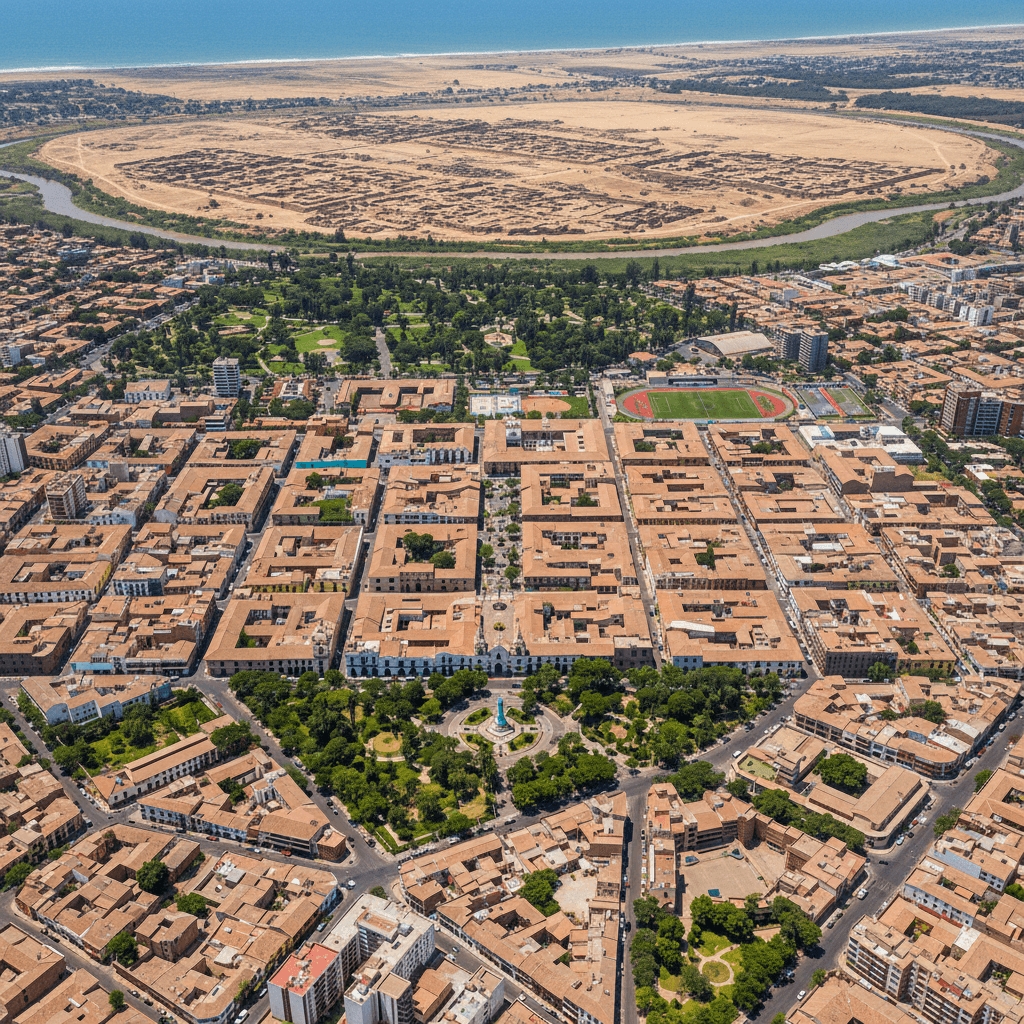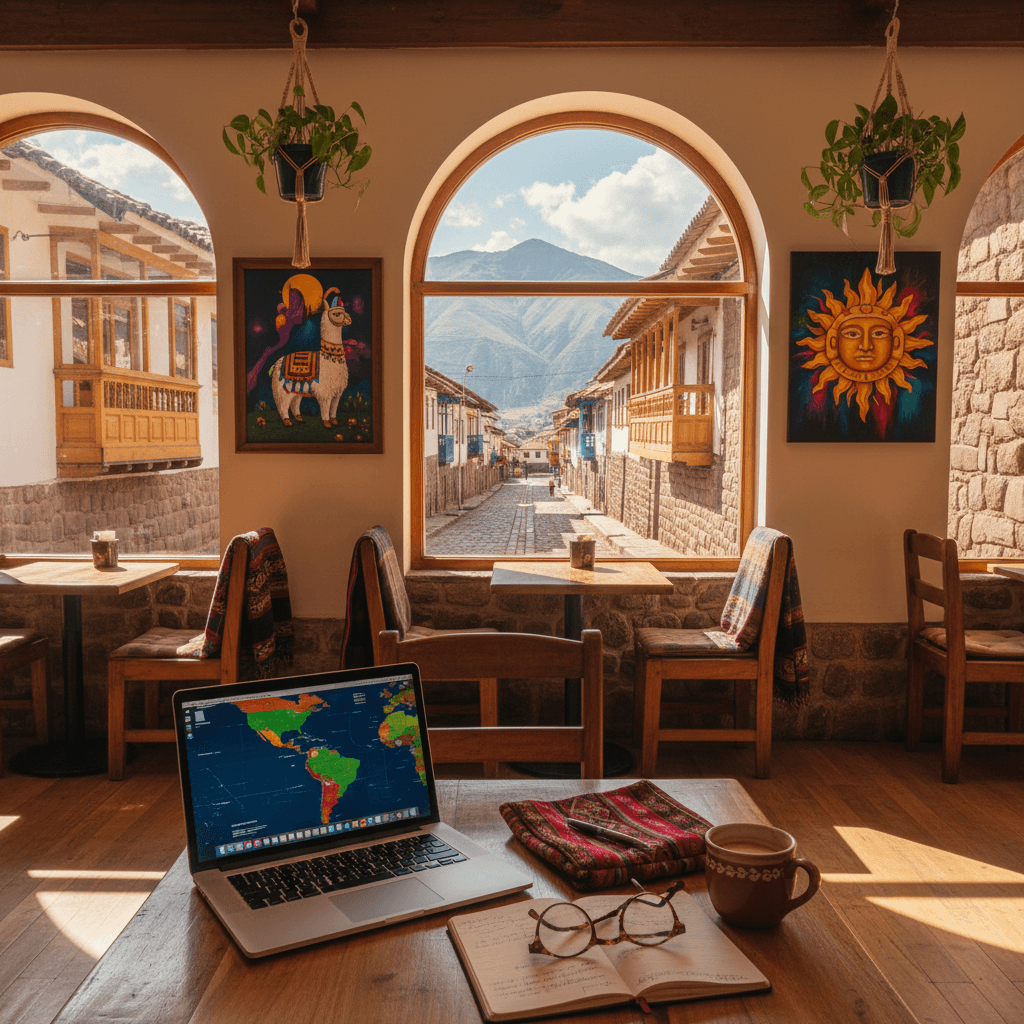
Cusco
🇵🇪 Peru
Cusco is where the ancient world crashes headlong into a modern, bohemian lifestyle at 11,150 feet elevation. It isn't just a pitstop on the way to Machu Picchu; it's a place where you'll find yourself working from a 500 year old stone building while sipping coca tea to ward off the altitude. Most nomads find the first 2 to 3 days a wash as they acclimatize, but once your lungs adjust, the city offers an inspiring, slow paced rhythm that's hard to find anywhere else in South America.
The Local Vibe and What to Expect
Living here feels like being part of a living museum. You'll share the narrow, cobblestone streets with local women in traditional textiles and fellow remote workers hunting for the strongest WiFi signal. The community is a mix of spiritual seekers, mountain trekkers, and a growing expat crowd. While the internet can be spotty if you don't choose your base wisely, the trade off is a cost of living that lets you live comfortably on $800 to $1,500 USD per month.
The city is highly walkable, though your calves will feel the burn in steeper neighborhoods. Digital nomads usually gravitate toward San Blas for its creative energy and views, or the Historic Center for proximity to the best cafes and markets. If the city starts feeling too crowded, many expats recommend heading an hour out to Pisac in the Sacred Valley for a quieter, more nature focused experience.
Cost of Living Breakdown
- Monthly Rent: Expect to pay $200 to $500 for a nomad friendly studio or one bedroom apartment, particularly in San Blas.
- Daily Coworking: Spaces like Selina Cusco or Ayni Coworking cost between $5 and $10 per day.
- Dining out: You can grab a massive lunch at San Pedro Market for $2 to $4, while a mid range dinner at a spot like Café Panam runs $8 to $12.
- Transport: Local buses are just $0.50, and using apps like inDriver for a private ride usually costs between $3 and $5.
Productivity and Connectivity
Don't rely on your Airbnb's WiFi without a speed test. Fiber internet is becoming more common in the center, but it's wise to have a local SIM card from Claro or Movistar as a backup. For a reliable work session with great coffee, nomads often frequent The Meeting Place Café or Laggart Café. If you need a professional environment for calls, Ayni Center is the go to for stability.
Safety and Practicalities
Cusco is generally safe, especially in the well lit tourist areas. Like any major destination, keep an eye on your phone and wallet in crowded markets. The real "danger" here is the weather and the height. The dry season from May to October offers crisp, sunny days around 15 to 20°C, but temperatures plummet once the sun goes down. Most apartments don't have central heating, so you'll quickly learn the value of a high quality alpaca wool sweater.
Social Scene and Integration
Meeting people is easy if you know where to look. Many newcomers start at Pariwana Hostel or join a Bloody Bueno Peru walking tour, which usually ends at a rooftop bar. Spanish is the primary language, and while you'll get by with English in cafes, learning basic phrases will change how locals interact with you at the markets. It’s a city that rewards those who take the time to slow down, respect the Inca history, and embrace the Andean pace of life.
Living the Andean High Life
Cusco is a city where history literally forms the foundation of your favorite coffee shop. Living at 11,150 feet isn't just about the views; it requires a slower pace of life that most nomads find deeply grounding. You'll trade high speed urban chaos for cobblestone climbs and local markets that haven't changed much in centuries.
The financial sweet spot for a comfortable lifestyle sits between $800 and $1,500 per month. While you can definitely scrape by on less if you're eating exclusively at the San Pedro market, a mid range budget allows for a private apartment in a historic neighborhood and plenty of weekend trips into the Sacred Valley.
Monthly Budget Tiers
- The Budget Nomad ($800): You're looking at a room in a shared house or a basic studio further from the center. You'll eat plenty of $2 to $4 street food and limit your upscale dining to special occasions.
- The Mid-Range Resident ($1,000): This covers a private one bedroom apartment in San Blas or the Historic Center. You can afford frequent meals at spots like Café Panam and a dedicated desk at a coworking space.
- The Comfortable Expat ($1,500+): At this level, you're renting a premium apartment with modern amenities and dining at the city's top gastronomy spots, where meals typically start at $20.
Where to Plant Your Flag
Choosing a neighborhood in Cusco is mostly a choice between convenience and character. Most nomads gravitate toward these three areas:
San Blas
- The Vibe: Bohemian, artistic, and undeniably trendy. It's the neighborhood for those who want city views and craft shops at their doorstep.
- Rent: Expect to pay $300 to $500 for a nomad friendly studio.
- The Catch: It is steep. You will be walking a lot of stairs, and the prices for groceries and laundry are higher than in less touristy zones.
Historic Center
- The Vibe: The heart of the action. You're steps away from the best coworking spaces, the San Pedro market, and the main plaza.
- Rent: Prices are similar to San Blas, often $400 to $700 depending on the age of the building.
- The Catch: It's loud. Between the parades, the traffic, and the crowds, it's not the place for someone seeking peace and quiet.
Pisac
- The Vibe: Located an hour away in the Sacred Valley, this is where nomads go to escape the Cusco crowds. It's much more affordable and offers immediate access to hiking trails.
- The Catch: The infrastructure is thinner. Internet can be hit or miss, and you'll have fewer options for high end dining or networking.
Connectivity and Productivity
Fiber internet has finally made Cusco a viable long term base, but don't expect it to work perfectly everywhere. Most expats recommend testing the WiFi speed before signing a lease. For guaranteed stability, nomads head to Ayni Coworking or Selina Cusco, where daily passes cost between $5 and $10.
When you need a change of scenery, the cafe culture is strong. The Meeting Place Café and Cappuccino Café are known for having reliable signals and enough table space for a laptop. For mobile data, grab a local SIM from Claro or Movistar during your first week. If you prefer to hit the ground running, an eSIM via Holafly works well for basic navigation until you get a local number.
Navigating the City
Cusco is incredibly walkable, provided your lungs are adjusted to the altitude. For longer distances, public buses are a steal at $0.50 per ride. If you're out late or carrying groceries, use apps like inDriver or Beat. A typical trip across town usually costs between $3 and $5. Avoid hailing random taxis on the street at night; stick to the apps for better safety and transparent pricing.
Health wise, the biggest hurdle is the altitude. Give yourself at least three days to acclimatize before attempting any major hikes. Local pharmacies are everywhere and well stocked, but for anything serious, expats generally prefer the private clinics in the city center over the public hospitals. Keep the emergency numbers 105 for police and 116 for medical assistance saved in your phone just in case.
For Nomads and Creatives: San Blas
San Blas is the undisputed headquarters for the remote work crowd. It sits just above the main square, defined by steep cobblestone alleys and white-washed walls. Most nomads gravitate here for the bohemian energy and the views. You can look out over the terracotta rooftops of the city while sipping a coffee at Laggart Café or The Meeting Place, both of which are famous for reliable Wi-Fi and a community of people on laptops.
- Rent: Expect to pay $350 to $500 for a stylish studio or a shared house with other expats.
- Vibe: Artistic, quiet at night, but physically demanding due to the "San Blas stairs."
- Coworking: You are a short walk from Selina Cusco, which is the local hub for networking and structured office setups.
The trade-off for the charm is the incline. At 11,150 feet, those stairs feel twice as steep. It is also one of the pricier pockets of the city, but most find the proximity to craft shops and vegan-friendly bistros worth the extra soles.
For Solo Travelers and First-Timers: Historic Center
If you want to be in the thick of it, the Historic Center is your base. This is where the Inca foundations meet Spanish colonial architecture. It is the most walkable part of Cusco, putting you steps away from the San Pedro Market where you can grab a massive fresh juice for $2 or a local lunch for under $4.
- Rent: Prices vary wildly, but nomad-friendly spots usually land between $300 and $450.
- Vibe: High energy, very social, and occasionally loud.
- Practicality: Best access to banks, pharmacies, and tour operators for weekend trips to Machu Picchu.
Solo travelers often start at Pariwana Hostel or nearby guesthouses to meet people. For work, Ayni Coworking is the gold standard here. It costs about $5 to $10 a day and offers the stability you need for Zoom calls that hotel Wi-Fi might not handle. Just be prepared for the crowds and the persistent street vendors near the Plaza de Armas.
For Families and Slow-Paced Expats: Lucrepata and Santa Ana
Expats moving with families or those staying for six months or more often drift slightly away from the plaza. Lucrepata is a flatter, quieter alternative to San Blas that still feels connected to the action. Santa Ana sits on a hill opposite San Blas and offers some of the best sun exposure in the city, which is a major factor during the cold nights of the dry season from May to October.
- Rent: Larger 2-bedroom apartments can be found for $500 to $700.
- Vibe: Residential, local, and much calmer than the tourist center.
- Transport: Easy access to inDriver or Beat apps, with rides to the center costing about $3.
These areas feel more like a neighborhood and less like a postcard. You will find local "tiendas" for groceries and fewer souvenir shops. It is a better fit if you need a dedicated home office and a break from the constant "tours, massage?" offers in the center.
For Nature Lovers and Peace Seekers: Pisac
While technically a separate town in the Sacred Valley, Pisac is a major satellite for the Cusco nomad community. It is about one hour away by "colectivo" (a shared van that costs about $2). Many travelers move here after a few weeks in Cusco to escape the exhaust fumes and noise.
- Rent: Highly affordable, often $250 to $400 for a garden cottage.
- Vibe: Spiritual, rural, and focused on the outdoors.
- Drawbacks: Internet can be spotty. You will definitely want a Claro or Movistar SIM card to use as a backup hotspot.
It is the place to be if your priority is hiking the Andes on your lunch break rather than hitting a rooftop bar. The community is tight-knit, English-speaking, and very focused on wellness and sustainability.
Connectivity at Altitude
Working from the Andean highlands requires a bit of strategic planning. While the days of dial up speeds in the mountains are mostly gone, the infrastructure hasn't quite caught up to the demands of heavy video calls in every corner of the city. Most nomads find that fiber optic internet is now standard in the Historic Center and San Blas, but you should always ask for a speed test before signing a lease. It is common to see speeds around 50 to 100 Mbps in modern apartments, though older colonial buildings with thick stone walls can act like Faraday cages, killing your signal the moment you walk into a bedroom.
Travelers often say the biggest hurdle isn't the speed, but the occasional power flicker or maintenance outage. To stay productive, you'll want a local backup. Pick up a Claro or Movistar SIM card during your first week. It usually costs about $5 to $10 for a decent data package. If you prefer to have things ready before you land, an eSIM from Holafly is the go to choice for instant, albeit slightly pricier, connectivity. Use your phone as a hotspot when the cafe Wi-Fi decides to take a siesta.
Top Coworking Spaces
If your Airbnb Wi-Fi is shaky or you just need to escape the thin mountain air for some community vibes, Cusco has a few reliable hubs. Most spaces charge $10 per day for a day pass.
- Ayni Coworking: This is widely considered the gold standard for serious work. It's quiet, the chairs are ergonomic, and the connection is stable enough for important client calls. It feels more like a professional office than a social club.
- Selina Cusco: Located in the heart of the city, this is where you go to meet other nomads. It has a more social, high energy atmosphere. It's perfect for casual Slack sessions and networking, though it can get a bit loud during peak hours.
- Pariwana Hostel: While primarily a hostel, their common areas are a magnet for remote workers. It's a great spot if you don't mind a little background noise and want to grab a beer the second you clock out.
Laptop Friendly Cafes
Cusco’s cafe culture is top tier, especially if you enjoy high altitude coffee beans. However, not every spot appreciates a nomad taking up a table for four hours. These spots are known for being welcoming to the laptop crowd:
- Laggart Café: Great lighting and plenty of outlets make this a favorite for morning deep work sessions.
- Café Panam: Expats recommend this spot for its reliable Wi-Fi and excellent pastries. It’s a solid mid day office alternative.
- The Meeting Place Café: This is a non profit spot in San Blas. It’s cozy, has great views, and the staff won't hover if you're working on a project.
- Cappuccino Café: Located right on the Plaza de Armas, it has surprisingly strong Wi-Fi and some of the best people watching views in the city.
Practical Tech Tips
Keep in mind that the local infrastructure is under constant pressure from the sheer volume of tourists. During the peak dry season from May to October, the networks can get congested in the afternoons. Most veterans here suggest front loading your heavy uploads for the early morning when the rest of the city is still asleep or out on a Machu Picchu tour. Also, download the inDriver or Beat apps for getting around; they are much more reliable than trying to explain a complicated destination to a taxi driver in broken Spanish when you're in a rush for a meeting.
If you're heading out to Pisac for a few days of quiet, be prepared for a significant drop in internet quality. While some specialized nomad retreats there have installed Starlink, the general infrastructure in the Sacred Valley is much patchier than in the Cusco city center. Always keep your Wise or Revolut cards handy for quick payments at cafes, though carrying a bit of cash for smaller spots is still the move since card machines often lose signal in the narrow cobblestone streets.
Acclimatizing to the Altitude
The first thing you’ll notice in Cusco isn't the history, it’s the air. At 11,150 feet, the altitude is the biggest health hurdle you'll face. Most nomads find they need at least 2 to 3 days to adjust before they can focus on deep work or steep hikes. It’s common to feel winded just walking to a cafe in San Blas.
Expats recommend sipping coca tea, staying hydrated, and avoiding heavy meals or alcohol for the first 48 hours. If you’re feeling particularly rough, local pharmacies are well stocked with Sorojchi Pills, which help with the headaches and nausea. Don't push yourself; the city moves at a slower pace for a reason.
Staying Safe on the Cobblestones
Cusco is generally a safe, welcoming environment for solo travelers and nomads, especially in the Historic Center and San Blas. During the day, you can walk freely with your laptop bag, though it’s smart to keep an eye on your belongings in crowded spots like the San Pedro Market. Pickpockets operate in high traffic tourist zones, so keep your phone in your front pocket and your bag zipped.
When the sun goes down, stick to well lit, busy streets. While the center is lively at night, some of the narrow back alleys can get deserted. If you’re heading back to your apartment late, skip the walk and use a ride hailing app like inDriver or Beat. A ride across town usually costs between $3 and $5, which is a small price for peace of mind.
Healthcare and Medical Services
If you do get sick or injured, you’re in good hands, provided you know where to go. Pharmacies are on almost every corner and can handle minor issues like stomach bugs or altitude meds without a prescription. For anything more serious, expats typically head to private clinics in the city center rather than public hospitals, as the quality of care and English proficiency are much higher there.
- Medical Emergencies: Dial 116 for an ambulance.
- Police Emergencies: Dial 105 for the National Police.
- Private Clinics: Look for facilities in the downtown area that cater to international travelers; they often have staff who speak English and understand nomad insurance requirements.
Practical Safety Tips
Most safety issues in Cusco are crimes of opportunity. Travelers often say that staying aware of your surroundings is 90% of the battle. If you’re working from a cafe like The Meeting Place or Laggart Café, don't leave your gear unattended while you grab a refill.
- Use ATMs located inside banks rather than on the street to avoid skimming devices.
- Stick to bottled or filtered water; the tap water in Cusco isn't safe to drink and can quickly derail your week with a stomach infection.
- Keep a digital copy of your passport and insurance details on your phone, but leave the physical documents in a secure spot at your accommodation.
Overall, Cusco is a city where common sense goes a long way. Once you’ve conquered the thin air and learned which streets to avoid after midnight, you’ll find it’s one of the more comfortable and secure hubs in South America for remote work.
The Pulse of the Pavement
Cusco is a city that demands you slow down, quite literally. At 11,150 feet, even the shortest walk to a coffee shop can feel like a workout during your first 48 to 72 hours. Once you have acclimatized, you will find that the Historic Center and San Blas are remarkably compact and walkable. Most nomads spend their days navigating narrow, cobblestone alleys where the biggest traffic concern is often a group of tourists taking photos with a llama.
While walking is the default, the terrain is steep. San Blas is famous for its stairs, which offer incredible views but can be punishing after a long day of work. If you are carrying a laptop or groceries, you will likely opt for wheels to get back up the hill.
Ride-Hailing and Taxis
For longer trips or getting home after dark, skip the street hails and use an app. inDriver and Beat are the go to choices here. They provide a layer of security and transparent pricing that you won't get by waving down a random car. Expect to pay between $3 and $5 for most trips within the city limits.
If you do take a traditional taxi, always negotiate the price before you get in. There are no meters in Cusco. Most short hops should cost around 8 to 10 Soles. If you are heading to the airport (CUZ), a taxi usually runs between $5 to $11 USD, though you can snag a colectivo for about $2 if you are traveling light and feel adventurous.
Public Transit: The "Combi" Experience
The local buses, or combis, are an experience in themselves. They are incredibly cheap at roughly $0.50 per ride. You will see a "cobrador" hanging out the door shouting the route names. It is chaotic, crowded, and not exactly built for comfort, but it is the most authentic way to move around like a local. Just keep a firm grip on your belongings, as pickpockets occasionally target these packed routes.
Two-Wheeled Travel
You can find bike and scooter rentals near the local markets for about $5 a day. While it sounds idyllic, the steep hills and uneven stones make cycling a challenge for anyone without mountain biking experience. Most expats recommend sticking to two feet or four wheels unless you are heading out of the city toward the more level paths of the Sacred Valley.
Escaping the City
When the weekend hits, you will likely want to explore the Sacred Valley or Pisac. Pisac is about one hour away and serves as a popular quiet alternative to Cusco. Colectivos (shared vans) depart regularly from designated lots near the city center. They are the standard for nomad travel because they are frequent, fast, and easy on the wallet. For a more structured trip to places like Machu Picchu or the Amazon, most residents find it easier to book through local agencies or use the PeruRail train system from the Wanchaq or Poroy stations.
Getting Around Summary
- Walkability: High in the center, though very steep in San Blas.
- Ride-Hailing Apps: inDriver and Beat are the most reliable.
- Average Ride Cost: $3 to $5 for most city trips.
- Public Bus: $0.50 per ride; look for the route names on the windshield.
- Airport Transfer: $5 to $11 USD by taxi; 20 to 30 minutes depending on traffic.
The Spanish and Quechua Balance
In the high altitude of the Andes, language is a blend of colonial history and indigenous survival. Spanish is the primary language you will use for daily life, but in the markets and rural outskirts, you will hear the rhythmic, guttural sounds of Quechua. While the local tourism industry is robust, don't expect everyone to speak English. In nomad hubs like San Blas or the Historic Center, staff at cafes like Laggart Café or The Meeting Place speak it well, but stepping two blocks away often requires a basic grasp of Spanish.
Most nomads find that a "survival Spanish" level is enough to get by, but if you want to negotiate prices at San Pedro Market or chat with a taxi driver, you will need more than just the basics. Locals appreciate when you try. Even a simple "Hola" or "Gracias" goes a long way, but learning how to ask "¿Cuánto cuesta?" (How much does it cost?) is vital for daily transactions where prices aren't always listed.
Quechua in the Streets
You don't need to learn Quechua to live here, but knowing a few words earns massive respect from the locals. It is the living language of the Inca, and in Cusco, it is a point of immense pride. You might hear people refer to the city as Qosqo. If you head out to Pisac for a weekend, you will hear it spoken almost exclusively among the older generation. It’s a beautiful part of the atmosphere that makes the Sacred Valley feel so distinct from the rest of Peru.
Tech and Translation Tools
Since English proficiency is moderate at best in professional settings and low in residential neighborhoods, your phone will be your best friend. Expats recommend downloading the Spanish file on Google Translate for offline use, as cell service can be spotty when you are tucked away in a stone walled cafe or traveling between towns. For real-time help, an eSIM from Holafly or a local Claro SIM card is the standard move for staying connected while you find your bearings.
Communication Tips for Nomads
- Download WhatsApp: This is the universal tool for everything in Cusco. You will use it to book your spot at Ayni Coworking, message your landlord, and even order delivery.
- Learn your numbers: Prices for street food are often $2 to $4, and ride-hailing apps like inDriver will require you to understand the fare you are agreeing to.
- Be patient: The pace of life is slower at 11,150 feet. Communication is often indirect and polite. Rushing a conversation is considered rude; start with a greeting before jumping into your request.
- Use Apps for Transport: If your Spanish is shaky, stick to inDriver or Beat. You can set your price or see the fare upfront, which eliminates the need for verbal haggling in a language you might not master yet.
Language Schools and Immersion
If you are staying for a month or more, taking a few classes is a great way to meet people. Many nomads spend their first week in San Blas taking intensive morning lessons before heading to Selina Cusco to work in the afternoon. It is a common social bridge that helps you move from being a tourist to feeling like a local. Plus, understanding the menu at a local picantería is much more rewarding than sticking to the English menus in the center.
The High-Altitude Rhythm
Living at 11,152 feet means the weather dictates your daily schedule more than any calendar app. In Cusco, the seasons aren't about spring or autumn; it's a binary choice between dry and dusty or lush and rainy. Most nomads find that the climate isn't just a backdrop, it’s a lifestyle factor that determines when you'll be productive and when you'll be out hiking the Sacred Valley.
The temperature stays remarkably consistent throughout the year, usually hovering between 50°F and 68°F (10°C to 20°C) during the day. However, the Andean sun is intense. You will feel the heat on your skin at noon, but the moment you step into the shade or the sun dips behind a mountain, the temperature drops instantly. It is common to wear a t-shirt at lunch and a heavy alpaca wool sweater by 5:00 PM.
The Dry Season: Peak Productivity (May to October)
This is widely considered the best time to base yourself in the city. The skies are a brilliant, cloudless blue, making it the ideal window for weekend trips to Machu Picchu or Pisac. Because there is almost zero rainfall, the mountain trails are stable and the light is perfect for photography.
- The Cold Snap: June through August are the coldest months. While days are pleasant, nighttime temperatures can plummet to 41°F (5°C) or lower.
- The Heating Reality: Most local apartments and even some budget hotels do not have central heating. Expats recommend checking if your Airbnb provides a space heater or heavy blankets before booking a long term stay.
- The Crowds: This is peak tourist season. Expect the Historic Center and San Blas to be packed, and prices for short term rentals may spike.
The Rainy Season: The Quiet Retreat (November to April)
If you prefer a slower pace and don't mind the occasional afternoon thunderstorm, the rainy season has its own charm. The surrounding mountains turn a deep, vibrant green, and the dust of the city washed away. January and February are the wettest months, often seeing heavy downpours that can turn cobblestone streets into small streams.
- Lower Costs: You can often negotiate better monthly rates at nomad hubs like Selina or private studios in San Blas during these months.
- Trail Closures: Be aware that the Inca Trail specifically closes in February for maintenance and safety due to the rain.
- The Afternoon Slump: Many nomads use the rainy afternoons to hunkered down at Ayni Coworking or Laggart Café. Since the rain usually hits in the late afternoon, you can still get your errands or morning walks in before the clouds roll in.
When to Visit: The Sweet Spot
If you want the best balance of manageable weather and fewer crowds, aim for the shoulder months of May or October. During these windows, you avoid the bone-chilling nights of mid-winter and the heavy mud of the rainy season. The prices are more reasonable than in July, and you won't have to fight for a seat at The Meeting Place Café.
Regardless of when you arrive, give yourself at least 2 to 3 days to acclimatize before attempting any strenuous activity. The "Cusco flu" (altitude sickness) is real, and no amount of beautiful weather will help if you are stuck in bed. Drink the local coca tea, stay hydrated, and let your body adjust to the thin Andean air before you start ticking off your bucket list.
Acclimatizing and Health
The first thing you will notice in Cusco isn't the history; it's the air. At 11,150 feet, altitude sickness is more than a myth. Most nomads recommend taking at least 2 to 3 days to rest before trying to hit a deadline or hike a mountain. Sip on coca tea, stay hydrated, and keep your first few days light. If you need medical help, stick to private clinics in the city center rather than public hospitals; they are better equipped for expats. For emergencies, dial 105 for police or 116 for medical assistance.
The Cost of Living
Cusco is incredibly kind to a nomad budget. A comfortable lifestyle usually sits between $800 and $1,500 USD per month. If you are on a budget, you can get by on $800 by eating at markets and sharing a flat. For $1,500, you will have a private apartment in a prime spot and eat out at top tier restaurants regularly.
- Rent: Expect to pay $200 to $500 for a nomad friendly studio in San Blas or the center.
- Dining: Street food and market meals at San Pedro cost $2 to $4. A mid range dinner is usually $8 to $12, while high end gastronomy starts around $20.
- Transport: Local buses are a steal at $0.50, while a ride hailing app trip across town costs about $3 to $5.
Where to Set Up Base
San Blas is the go to for the creative crowd. It is bohemian, packed with craft shops, and offers the best views of the city. Just be ready for the stairs; the hills here are steep and will test your lungs. It is a bit pricier and more touristy, but the vibe is unmatched.
The Historic Center is better if you want everything within a five minute walk. You will be near the San Pedro market and the main coworking hubs. It gets noisy and crowded, but the convenience is hard to beat. If the city feels too intense, many nomads head to Pisac in the Sacred Valley. It is an hour away, much quieter, and cheaper, though the internet can be hit or miss.
Internet and Coworking
Fiber internet has made life much easier in the city center, but it is still wise to have a backup. For a guaranteed connection, Selina Cusco is the most popular community hub. Ayni Coworking is another solid choice for those who need a quiet environment for calls, with daily rates between $5 and $10.
If you prefer working from cafes, check out Laggart Café or The Meeting Place Café. They are used to laptops and have reliable speeds. For mobile data, grab a local SIM from Claro or Movistar during your first week. If your phone supports it, a Holafly eSIM is a quick way to get connected the moment you land.
Getting Around and Safety
Cusco is a walking city. In San Blas and the center, your feet are your best transport. For longer trips, use apps like inDriver or Beat rather than hailing random cars on the street. It is safer and the pricing is transparent. When you arrive at the airport, a taxi to the center should cost $10 to $15, or you can hop on a colectivo for $2 if you are traveling light.
The city is generally safe, but pickpockets are active in crowded spots like the San Pedro market. Use common sense: don't flash your laptop in unlit areas at night and keep your bag in front of you in busy plazas. Most expats feel very comfortable here as long as they stay aware of their surroundings.
Weather and Timing
The Andean climate is defined by the sun and the rain. The dry season from May to October is the prime time to visit. Days are crisp and sunny, around 15 to 20°C, but nights get very cold, often dropping to 5°C. The rainy season runs from November to April. It gets muddy and some hiking trails become difficult, but the landscape turns a brilliant green and the crowds thin out significantly.
Need visa and immigration info for Peru?
🇵🇪 View Peru Country GuideEasy Landing
Settle in, no stress
Monthly Budget Estimates
More cities in Peru
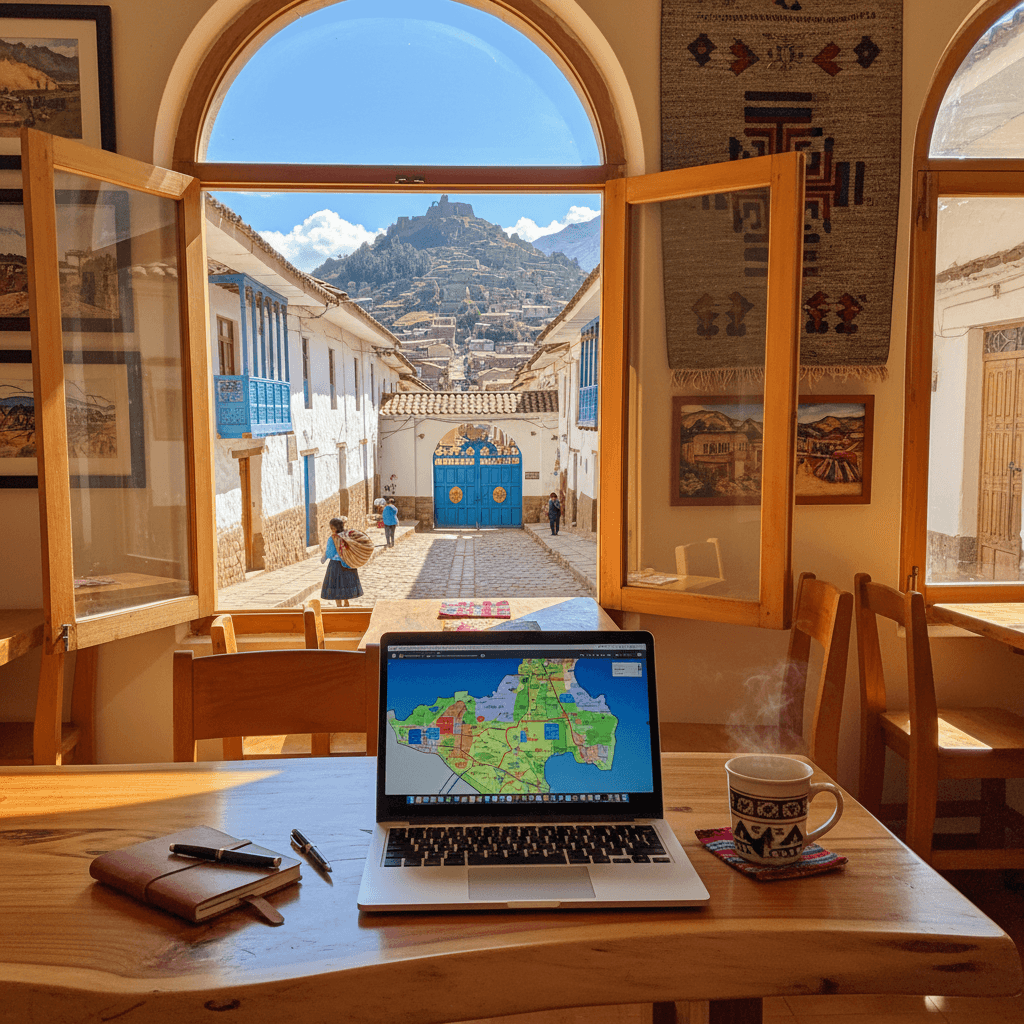
Pisac
🇵🇪 Peru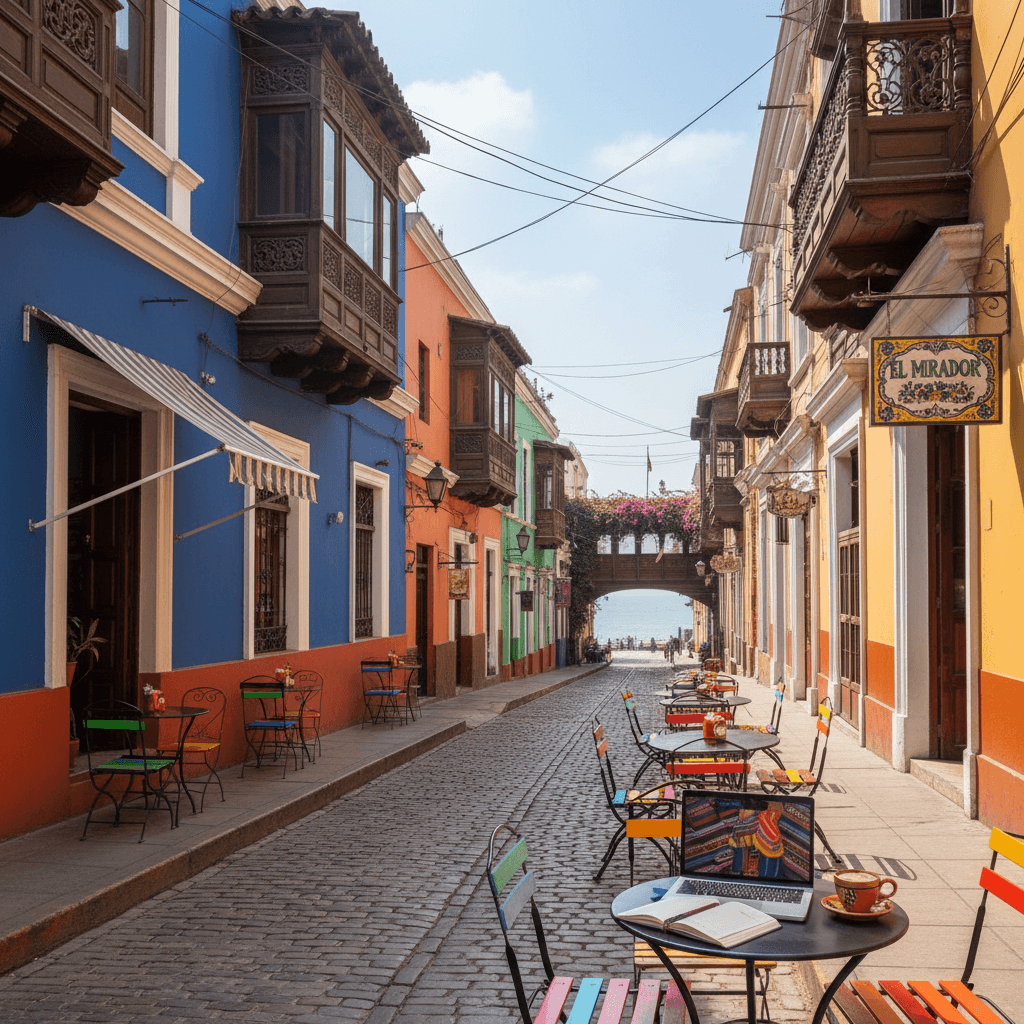
Lima
🇵🇪 Peru
Huanchaco
🇵🇪 Peru