Curridabat
🇨🇷 Costa Rica
The Sweet Spot of the Central Valley
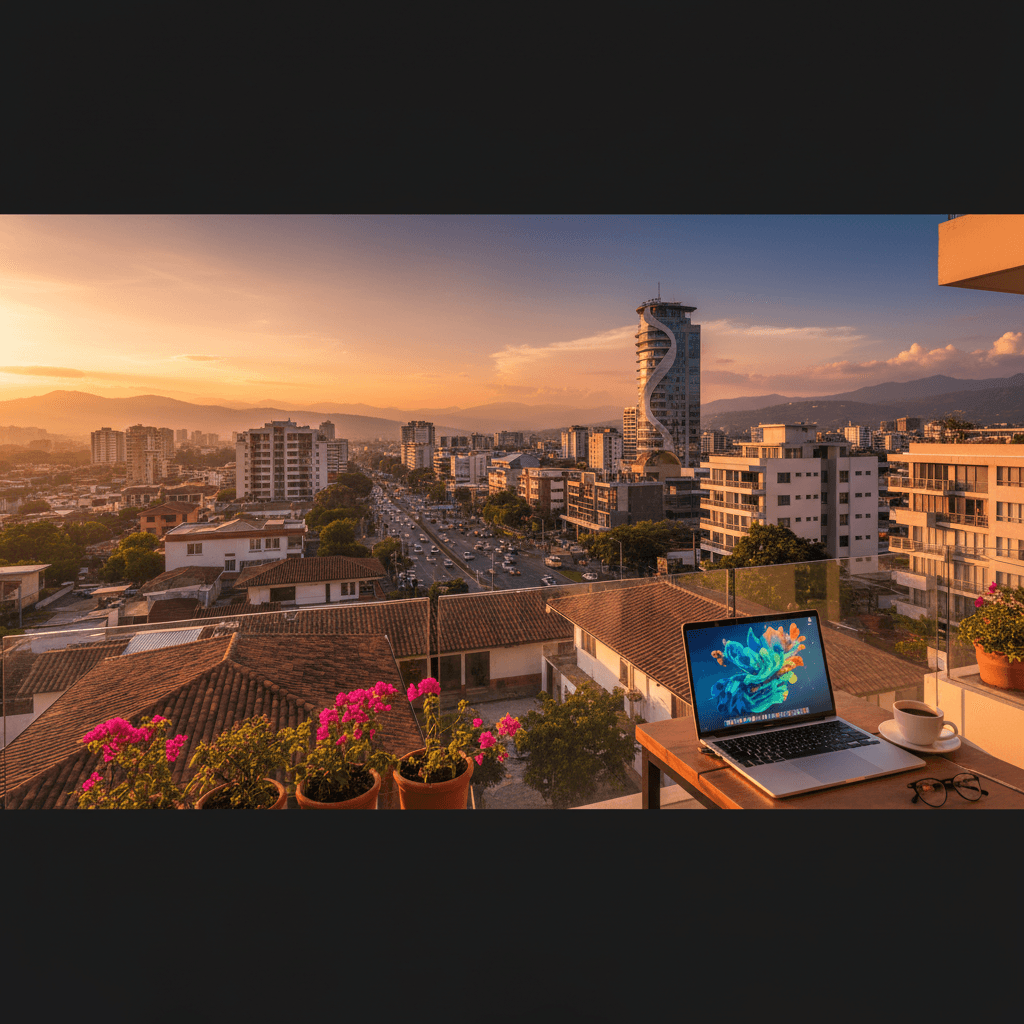
If you're looking for the typical Costa Rican postcard of surfboards and palm trees, you won't find it here. Curridabat is something entirely different. Known locally as the "City of Sweetness," this eastern suburb of San José has transformed itself into a model of urban planning where nature and concrete actually get along. It's the kind of place where you'll see bee-friendly gardens lining the sidewalks and residents jogging through parks that feel like mini-jungles.
For nomads, the vibe is refreshing. It’s significantly calmer than the chaotic center of San José, yet it doesn't feel like a sleepy retirement village. There's a distinct intellectual energy, likely because it’s so close to the University of Costa Rica. You'll spend your mornings working from a high-design cafe and your afternoons hiking the nearby mountains. It’s a lifestyle built on balance rather than the high-octane party scene found on the coast.
What It Costs to Live Here
Living in Curridabat is a strategic move for your wallet. While the digital nomad visa requires proof of $3,000 monthly income, your actual expenses here will likely be much lower than in overpriced beach towns like Tamarindo. You're paying local prices for high-end amenities.
- The Budget Setup ($1,500/mo): You'll grab a studio in Centro Curridabat for around $600, eat at local sodas for $5 a plate, and rely on the efficient bus system and occasional Ubers.
- The Mid-Range Life ($2,500/mo): This gets you a modern apartment near the parks in Rancho Curridabat for $1,000, a dedicated desk at Urbanes Coworking, and plenty of dinners out at spots like Mantras.
- The High-End Experience ($4,000+ /mo): You're looking at luxury gated communities on the border of Escazú or high-rise condos with mountain views for $1,800+, private drivers, and frequent fine dining at Bacchus.
The Neighborhood Breakdown
Choosing where to plant your flag matters. Curridabat is walkable in pockets, but the topography and traffic can be tricky if you pick the wrong spot.
Centro Curridabat
- Rent: $500 to $700
- Vibe: Urban, convenient, and a bit noisy.
- Best for: Nomads who want to be steps away from the market and the main bus lines.
Rancho Curridabat
- Rent: $800 to $1,200
- Vibe: Green, quiet, and residential.
- Best for: Long-term stays and anyone who prioritizes morning runs in the park over nightlife.
Tirrases & Near Multiplaza
- Rent: $450 to $800
- Vibe: Hilly and budget-friendly.
- Best for: Those who want easy access to the massive Multiplaza mall and don't mind a slightly more industrial feel.
Connectivity and the Daily Grind
Reliable internet is the baseline here, not a luxury. Most apartments come with fiber optic connections hitting 50 to 100 Mbps via providers like Kolbi. When you need a change of scenery, Urbanes Coworking is the local favorite, charging about $15 for a day pass. It’s professional, quiet, and full of local entrepreneurs rather than just backpackers.
The social scene is subtle but welcoming. You won't find many "digital nomad meetups" with neon signs, but you will find community in the cafe culture. Travelers often say that joining a local CrossFit box or attending a weekend farmers market at the Plaza is the fastest way to make friends. People here are proud of their "blue zone" wellness focus, so don't be surprised if your new friends invite you for a 6:00 AM hike instead of a 10:00 PM beer.
Safety is a major draw. While you should always keep your wits about you in any metropolitan area, Curridabat feels significantly more secure than downtown San José. It’s the kind of place where you can walk to the pharmacy or the grocery store at dusk without looking over your shoulder. If you do have a health scare, you're only 10 minutes from CIMA Hospital, which offers world-class care and English-speaking staff.
Living in Curridabat feels like a breath of fresh air compared to the concrete sprawl of central San Jose. It is known locally as the "Sweet City" for its focus on urban pollinators and green spaces, making it a favorite for nomads who want city perks without the metropolitan headache. You can expect a lifestyle that balances modern convenience with a slower, suburban pace.
The cost of living here is a middle ground. It is more expensive than rural mountain towns but significantly lighter on the wallet than popular beach hubs like Tamarindo or Santa Teresa. While the digital nomad visa requires proof of a $3,000 monthly income, many solo travelers live comfortably on $2,000 to $2,500. If you are sticking to a tighter budget, $1,500 is doable if you cook at home and stick to local sodas for your meals.
Monthly Budget Estimates
- Budget: $1,500. This covers a basic studio in Centro, groceries from local ferias, and using the bus or walking for transport.
- Mid-Range: $2,500. The sweet spot for most expats. This includes a nice one bedroom near the parks, a dedicated coworking membership at Urbanes, and eating out a few times a week.
- Comfortable: $4,000+. This gets you a high end condo in a gated community, frequent Uber trips, upscale dining at spots like Bacchus, and weekend trips to the coast.
Housing and Neighborhoods
Rent will be your biggest variable. Prices fluctuate based on how close you are to the green zones and modern shopping centers. Most nomads look for places with "walking scores" that allow them to skip the infamous San Jose traffic.
- Centro Curridabat: This is the heart of the action. You'll find studios and older apartments ranging from $500 to $700. It's walkable and close to markets, but it can get noisy during the day.
- Rancho Curridabat: A quieter, greener pocket popular with families and long term expats. Expect to pay $800 to $1,200 for a modern one bedroom near the parks.
- Tirrases: This area is more hit or miss but offers the most affordable rentals, often starting under $500. It is close to the Multiplaza mall but lacks the charm of the greener neighborhoods.
Eating and Socializing
Food costs depend entirely on your habits. If you shop at the local farmers markets (ferias) and eat at "sodas" (small, family run restaurants), you can keep your food bill around $300 to $400 a month. A hearty casado plate at Soda Viquez usually runs between $6 and $9.
For a night out, Curridabat has a growing scene. A mid range dinner for two with drinks at a place like Mantras will cost about $40 to $50. Coffee culture is huge here; expect to pay $3 to $5 for a high quality pour over at Cafe El Jardin. If you are looking for nightlife, it is relatively quiet, so most people head toward San Pedro or Escalante for bars and clubs, which is a $5 to $8 Uber ride away.
Connectivity and Logistics
Internet is rarely an issue in this part of the Central Valley. Most rentals come with fiber optic connections ranging from 50 to 100 Mbps. If you prefer a dedicated office environment, Urbanes Coworking is the local go to, charging around $15 for a day pass or $150 for the month. For mobile data, grab a Kolbi or Claro SIM card. A prepaid plan with 20GB of data usually costs about $10 to $15 and is easy to top up via their apps.
Getting around is simple enough without a car. The local buses are cheap, usually under $1 per ride, and connect you directly to San Jose. Uber and DiDi are the most reliable ways to get home after dark, with most cross town trips costing less than $6. If you are flying in, the trip from SJO airport takes about 45 minutes and costs roughly $25 by Uber.
For Digital Nomads: Centro Curridabat
If you need to be within walking distance of a strong espresso and a reliable desk, the town center is your best bet. It is the most urban part of the district, where the grid layout makes it easy to hop between cafes like Café El Jardín and local markets without needing a car. Most nomads gravitate here because the infrastructure is the most consistent, and you are never more than a few minutes from the main bus lines heading into San José.
- The Vibe: Energetic, convenient, and unpretentious.
- Coworking: You will likely spend your days at Urbanes Coworking, which charges about $15 a day or $150 a month. It is one of the few dedicated spaces in the area that feels professional enough for deep work.
- Housing: Expect to pay between $500 and $700 for a decent studio or one bedroom apartment.
- Pro Tip: Stick to the side streets just off the main plaza to avoid the heaviest traffic noise while staying close to the action.
For Expats and Long-Termers: Tirrases
Tirrases has evolved into a go-to spot for expats who want to be near the modern conveniences of the Multiplaza mall but don't want to pay the premium prices of Escazú. It is a bit hillier and more residential than the center, offering a mix of older Tico homes and newer apartment complexes. It is a solid choice if you plan on staying for six months or more and want a neighborhood that feels like a real community rather than a transit hub.
- The Vibe: Local and lived-in with a growing international influence.
- Rent: You can often find better value here, with larger units going for $600 to $900.
- Dining: This area is great for sodas, which are small local diners. Grab a massive plate of Gallo Pinto at Soda Viquez for about $5.
- Note: Having an Uber or DiDi account is a must here, as the hills can make walking with groceries a bit of a workout.
For Families and Nature Lovers: Rancho Curridabat
Curridabat is famous for its "Sweet City" initiative, which prioritizes pollinators and green space, and nowhere is this more evident than in Rancho Curridabat. This is the greenest pocket of the city, characterized by parks like La Libertad and plenty of trees. It is much quieter than the center, making it the preferred choice for those traveling with kids or anyone who prioritizes morning walks over nightlife.
- The Vibe: Peaceful, safe, and suburban. It feels more like a park than a city suburb.
- Housing: Rentals are tighter here and often consist of larger houses in gated communities. Expect to pay $1,200 to $1,500 for a family sized home.
- Amenities: You are close to CIMA Hospital, which is the gold standard for healthcare in the region with English speaking staff.
- Transport: A car or a long term scooter rental is highly recommended in this area to get the most out of the nearby hiking trails.
For Solo Travelers and Budget Seekers: Near University Zones
While not a formal neighborhood name, the areas bordering the eastern universities provide a steady stream of affordable rooms and social energy. Solo travelers often find it easier to meet people here, as the student population keeps the local bars and cheap eateries active. It is less polished than Rancho Curridabat but has a lot more character if you are looking for the "real" Costa Rica.
- The Vibe: Youthful, social, and budget friendly.
- Cost of Living: You can find shared housing or simple rooms for as low as $400.
- Social Scene: Head to El Chante for a beer and to meet locals and other travelers. It is one of the few spots where the nightlife doesn't feel completely tucked away.
- Connectivity: The Kolbi or Claro 5G signals are generally excellent here, making it easy to work from a phone hotspot in a park if needed.
Connectivity and Speed
Curridabat is a standout for remote workers who need stability without the salt air corroding their laptop ports. While beach towns often struggle with brownouts or fluctuating speeds, this eastern suburb benefits from being part of the Greater Metropolitan Area infrastructure. You can expect fiber optic connections to be the standard in most modern apartments and dedicated workspaces.
Most nomads find that 50 to 100 Mbps is the baseline here, though some high end rentals push toward 200 Mbps. Providers like Kolbi (ICE) and Liberty are the most reliable. If you are moving into a local Airbnb, always ask for a screenshot of a speed test; Curridabat has pockets of older infrastructure where speeds might dip if the building hasn't been upgraded to fiber yet.
For your mobile backup, grab a Kolbi or Claro SIM card. You can pick these up at the Multiplaza del Este mall or any small pulpería. A prepaid plan with 20GB of data usually runs around $10 to $15. If your phone supports eSIM, the Kolbi app is the most seamless way to get connected before you even leave the airport.
Coworking Spaces
The coworking scene in Curridabat is more professional and less "party vibe" than what you'll find in places like Santa Teresa. It caters to a mix of local entrepreneurs, tech workers from nearby universities, and international expats who prefer a quiet office environment.
- Urbanes Coworking: Located right in the heart of Curridabat, this is the neighborhood favorite. It is quiet, has ergonomic chairs, and the coffee is actually good. Expect to pay about $15 for a day pass or $150 for a monthly membership.
- Selina San José: While technically a short Uber ride away in Barrio Otoya, many nomads head here when they want a more social atmosphere. It is better for networking, though it can get loud. Monthly hot desk plans hover around $200.
The Cafe Culture
If you prefer the "laptop and a latte" lifestyle, Curridabat is arguably one of the best spots in the Central Valley. The neighborhood is walkable and packed with specialty coffee shops that don't mind if you linger for a few hours, provided you keep the orders coming.
- Franco (Pinares): Located in the Momentum Pinares area, this spot is a favorite for its high-quality coffee and modern atmosphere. While it can get busy during the lunch rush, their WiFi is solid and the food is top tier. Expats recommend getting there early to snag a table near a power outlet.
- Starbucks (Pinares): It is a bit cliché, but the Starbucks in the Pinares area is a reliable "emergency" office. It has fast internet, plenty of seating, and is surrounded by other amenities like pharmacies and banks.
Practical Logistics for Remote Workers
Power outages are less frequent here than on the coast, but they still happen, especially during the peak of the rainy season in October. Most serious remote workers invest in a small UPS (Uninterruptible Power Supply) for their router or simply ensure their mobile hotspot is topped up.
The cost of staying connected is manageable for most. If you are budgeting for a month of remote work, factor in about $200 to $300 for a mix of a dedicated coworking desk and frequent cafe visits. This gives you the flexibility to escape your apartment and engage with the local community, which is one of the biggest draws of living in this "Blue Zone" inspired city.
Safety Overview
Curridabat is widely considered one of the safest pockets in the San José metropolitan area. While the city center of the capital can feel a bit gritty after dark, Curridabat maintains a more relaxed, residential atmosphere. Expats often describe it as a breath of fresh air because the local government has invested heavily in "sweet city" initiatives, focusing on lighting, parks, and pedestrian safety.
That said, you shouldn't let your guard completely down. Petty theft, like phone snatching or car break-ins, is the most common issue. Most nomads recommend avoiding unlit side streets in neighborhoods like Tirrases late at night. Stick to well-trafficked areas near Centro Curridabat or the Multiplaza vicinity, and you'll likely find it much calmer than other Latin American hubs.
- Emergency Number: Dial 911 for all immediate police, fire, or medical needs.
- Tourist Police: Call 2521-3280 for assistance specifically geared toward foreigners.
- Local Tip: Use apps like Uber or DiDi for door-to-door transport after 9:00 PM, even for short distances. It usually costs less than $5 and adds a layer of security.
Healthcare Access
One of the biggest perks of basing yourself here is the proximity to world-class medical care. Costa Rica is famous for its high healthcare standards, and Curridabat sits right in the heart of the best facilities. You'll have access to both the public system (Caja) and private hospitals, though most nomads opt for private care for the speed and English-speaking staff.
CIMA Hospital is the gold standard in the region. It is about a 10 to 15-minute drive depending on traffic and feels more like a high-end hotel than a clinic. A standard consultation with a specialist usually starts around $100. For minor issues, Clinica Biblica also has a strong presence nearby and is highly recommended by the expat community for its modern diagnostic equipment.
Pharmacies and Everyday Care
Pharmacies, known locally as farmacias, are everywhere. Farmacia Fischel and La Bomba are the two big chains you'll see on almost every corner. Many are open 24 hours, and the pharmacists are often qualified to give advice on minor ailments or suggest over-the-counter alternatives for common prescriptions.
- Health Insurance: To qualify for the Digital Nomad Visa, you must show proof of a policy that covers you for at least $50,000 in Costa Rica.
- Water Quality: The tap water in Curridabat is generally safe to drink, which is a huge plus for your budget and the environment.
- Vaccinations: No specific shots are required for entry, but travelers often stay up to date on Hepatitis A and B before arriving.
Wellness and Environment
Healthcare in Curridabat isn't just about hospitals; it's built into the urban design. The city is pushing a "Blue Zone" lifestyle, encouraging residents to use the extensive network of bike paths and urban gardens. Expats say the air quality feels better here than in downtown San José because of the "biocorridors" designed to bring nature back into the streets. If you're looking for a place where you can maintain a fitness routine without much effort, the local parks like La Libertad offer plenty of space for outdoor yoga or jogging.
Curridabat is one of the few places in the San Jose metro area where you can actually get around without feeling like you are trapped in a metal box. The local government has spent the last few years leaning into the "Sweet City" initiative, which means they have prioritized pollinators, trees, and people over cars. While most of Costa Rica remains notoriously car dependent, Curridabat is a breath of fresh air for nomads who prefer to use their legs or public transit.
Walking and Biking
If you base yourself in Centro Curridabat or near Rancho Curridabat, you'll find the area surprisingly walkable. The sidewalks are generally better maintained than in downtown San Jose, and the abundance of pocket parks makes a morning trek to a cafe quite pleasant. For those who prefer two wheels, the city has been expanding its bike lane network. You can grab a mountain bike or a hybrid at a local bike shop like Innova Bikes for about $10 a day. Just keep in mind that the Central Valley is hilly; your calves will definitely feel the elevation changes after a week of riding.
Ride-Hailing Apps
For most expats, Uber and DiDi are the go-to solutions for getting across town or heading into San Jose for a night out. They are reliable, safer than flagging down a random taxi, and you won't have to struggle with explaining directions in Spanish. A typical trip within the neighborhood usually costs between $3 and $5. If you are heading to the SJO Airport, expect to pay between $20 and $30 depending on traffic, which can be brutal during the afternoon rush. Pro tip: download both apps to compare prices, as DiDi often runs aggressive promotions in the suburbs.
Public Buses
The bus system is the backbone of local transit and it's incredibly cheap. Most rides within the district or into the city center cost between $0.50 and $1.00. Look for the buses labeled "Curridabat" or "Lomas de Ayarco" at the stops. While they are efficient, they can get cramped during the 7:00 AM and 5:00 PM rush hours. You'll need small change in Colones; don't try to pay with a 10,000 colon note or US dollars, as the drivers won't have the change and it holds up the line.
The Train (Tren Interurbano)
One of the best kept secrets for nomads is the commuter train that runs through the Curridabat station. It connects you to San Pedro, San Jose, and even Heredia. It only runs during peak morning and afternoon hours, but it's a fantastic way to bypass the gridlock on the highway. A ticket is roughly $1. It's a bit loud and vintage, but it's the fastest way to reach the western suburbs without losing your mind in traffic.
Car Rentals and Driving
Unless you are planning frequent weekend trips to the coast or the mountains, you probably don't need a car here. If you do decide to drive, be prepared for narrow streets and "creative" parking. If you are renting for a quick getaway, expect to pay around $40 to $60 a day for a basic sedan including the mandatory insurance. Most locals recommend using the Waze app over Google Maps; it's far more accurate for navigating Costa Rica's lack of formal street addresses and real time traffic jams.
Summary of Costs
- Uber/DiDi (Short trip): $3 to $5
- Local Bus Fare: $0.60 average
- Bike Rental: $10 per day / $50 per week
- Airport Transfer (Uber): $25 average
- Train Ticket: $1.15
The Linguistic Landscape
In Curridabat, you'll find a sophisticated blend of Spanish and English that reflects its status as a rising hub for tech workers and university students. While the coastal towns of Costa Rica often feel like English speaking enclaves, Curridabat keeps its Tico soul intact. Spanish is the primary language for daily life, but because the area hosts several international schools and corporate offices, English proficiency is significantly higher here than in rural provinces.
Most expats find that they can get by with English at the Multiplaza mall, upscale dining establishments, or modern coworking spaces. However, the local "ferias" (farmers markets) and smaller "sodas" usually require some Spanish. People are patient and generally appreciate it when you try to use their language, even if you're just stumbling through a coffee order.
Key Phrases for Your Toolkit
Costa Rican Spanish is famous for being clear and relatively slow, which is a blessing if you're still learning. You'll hear Pura Vida dozens of times a day. It is used as a greeting, a goodbye, or a way to say everything is fine. Beyond that, there are a few local quirks you should know:
- Tuanis: This means "cool" or "nice." If a nomad tells you a coworking spot is tuanis, it's a high recommendation.
- Upe: Use this instead of knocking loudly or ringing a bell at a local residence. It's a polite way of saying "Anyone home?"
- Regáleme: Literally "gift me," but Ticos use it to mean "I would like to buy" or "Please give me." For example, "Regáleme un café" is the standard way to order your morning brew.
- Con gusto: You'll hear this instead of "de nada" for "you're welcome." It translates to "with pleasure."
Communication Logistics
Staying connected is rarely an issue in this part of the Central Valley. For mobile data, most nomads skip the airport kiosks and head straight to a Claro or Liberty store in Curridabat. A prepaid SIM card usually costs around $2, and you can load a 20GB data plan for about $10 to $15 per month. If you have a newer phone, Kolbi offers an eSIM that you can set up via their app, which saves you a trip to the physical store.
For navigating the city and chatting with locals, WhatsApp is the undisputed king. You'll use it for everything from booking a haircut to communicating with your landlord. Don't expect businesses to rely on email; if you want a quick answer, send a WhatsApp message or a voice note. For translation on the fly, travelers recommend downloading the Spanish offline dictionary on Google Translate, as it helps when you're inside concrete buildings where signal might drop.
Language Schools and Integration
If you're planning to stay for the full duration of a digital nomad visa, investing in classes is a smart move. Curridabat is close to several language institutes in the neighboring San Pedro area. Many remote workers prefer private tutors who can meet at cafes like Franco for conversation practice. Expect to pay between $15 and $25 per hour for one on one instruction.
Socializing is the best way to sharpen your skills. Local Facebook groups like Expats in Costa Rica often organize mixers where you can meet a mix of locals and internationals. While the younger generation in the city is often fluent in English, they usually enjoy doing a language exchange over a craft beer at El Chante, making it easy to build a community while improving your Spanish.
Living in Curridabat means trading the sticky heat of the coast for the "eternal spring" of the Central Valley. Because of its elevation, you'll dodge the sweltering humidity found in places like Tamarindo or Manuel Antonio. Instead, expect a tropical highland climate where the air stays crisp and the breeze actually cools you down.
The Golden Window: December to April
This is the dry season, or Verano as locals call it. You can expect clear blue skies and temperatures hovering between 24°C and 28°C (75°F to 82°F) during the day. It’s the peak time for nomads who want to utilize the city’s famous green spaces like La Libertad Park without checking a radar app every hour.
Expats usually find the evenings during these months surprisingly chilly. Temperatures can drop to 16°C (60°F), so you'll actually get use out of that light jacket or hoodie you packed. It's the best time for hiking nearby volcanoes or exploring the "Blue Zone" wellness initiatives the municipality is known for.
The Monsoon Shift: May to November
The rainy season, or Invierno, isn't as intimidating as it sounds if you plan your deep-work sessions correctly. Most days follow a predictable pattern: bright, sunny mornings followed by a heavy downpour starting around 2:00 PM or 3:00 PM. Digital nomads often treat these afternoon showers as their cue to head to a coworking space like Urbanes or a cozy cafe like Franco.
- September and October: These are the wettest months, often seeing over 300mm of rain. Travelers often mention that minor flooding can happen in lower-lying areas, and the humidity finally makes an appearance.
- Veranillo de San Juan: Keep an eye out for a "little summer" in late June or early July. It’s a brief period where the rains stop and the sun returns for a week or two, giving everyone a mid-season break.
- Lightning: San José and its suburbs are known for impressive afternoon thunderstorms. If you’re working on a desktop, expats recommend using a surge protector to keep your gear safe during the heavy strikes.
Strategic Planning for Nomads
If you're moving here for a few months, January through March offers the most reliable weather for weekend trips to the mountains or the coast. However, keep in mind that prices for short-term rentals on Facebook groups or Airbnb tend to spike during this window.
For those on a tighter budget, arriving in November is a smart play. The rains are tapering off, the landscape is incredibly lush and green, and you can often snag better long-term lease deals before the January rush. Just make sure your apartment has good drainage and isn't at the bottom of a steep hill in Tirrases, as the tail end of the rainy season can be intense.
Regardless of when you visit, the "Sweet Spot" in Curridabat is usually 10:00 AM. The morning mist has cleared, the sun is out, and it hasn't yet reached the midday peak. It’s the perfect time to grab a $4 plate of street tacos at the Mercado and enjoy the city's walkable, pollinator-friendly streets before the afternoon clouds roll in.
Logistics and Local Essentials
Living in Curridabat means trading the chaotic sprawl of central San José for a "Sweet City" initiative that prioritizes bees, butterflies, and pedestrians. It's a breath of fresh air, literally, but you'll still need to get your bearings on the basics to make the most of this highland suburb.
Connectivity and Remote Work
Internet reliability is a major draw here. Unlike the coastal towns where a heavy storm can knock out your Zoom call, Curridabat's infrastructure is rock solid. Most modern apartments come wired with fiber optics, typically through Liberty or Kolbi, pushing speeds of 100 Mbps or more.
- Coworking: If you need a professional environment, Urbanes Coworking is the local favorite. It's quiet, professional, and costs about $15 for a day pass or $150 a month.
- Cafe Culture: For a more casual vibe, nomads often post up at Café El Jardín. The WiFi is free, the coffee is world-class, and they won't shoo you away if you stay for a few hours.
- SIM Cards: Skip the airport kiosks. Head to a Claro or Liberty store in the city. A prepaid 20GB data plan usually runs around $10 to $15 and covers you nationwide.
Money and Budgeting
While Costa Rica isn't the budget haven it used to be, Curridabat offers much better value than the tourist-heavy beaches. You'll use a mix of US Dollars and Costa Rican Colones. Most larger establishments take cards, but you'll want cash for the smaller sodas (local diners) and farmers markets.
- Budget Nomad: Expect to spend around $1,500 a month. This covers a modest studio in Tirrases, eating at local sodas, and using public buses.
- Mid-Range: Around $2,500 a month gets you a nice one-bedroom near Rancho Curridabat, frequent Uber rides, and a dedicated coworking desk.
- High-End: At $4,000+ a month, you're looking at luxury gated communities, dining at spots like La Fabbrica, and private gym memberships.
Getting Around
Curridabat is one of the few places in the Central Valley where you can actually enjoy a walk. The sidewalks are better maintained than in San José, and the city has invested heavily in bike paths. For longer distances, the Uber and DiDi apps are your best friends. A cross-town trip rarely exceeds $5.
The public bus system is efficient but can be intimidating for newcomers. Buses to San José run every few minutes during peak hours and cost less than $1. If you're heading to the airport, an Uber will take about 45 minutes and cost roughly $25, depending on the notorious Central Valley traffic.
Health and Safety
Expats generally feel very safe here. It's a family-oriented area where people look out for one another. That said, don't leave your laptop visible in a car and try to avoid walking alone in unlit areas late at night. For medical needs, you're in one of the best spots in Central America. CIMA Hospital is a short drive away; it's world-class, many doctors speak English, and a standard consultation starts around $100. For minor issues, look for a Farmacia Fischel, they're everywhere and the pharmacists can provide basic medical advice.
The Social Scene
Don't expect wild nightclubs. Curridabat's social life revolves around parks, craft breweries, and dinner parties. El Chante is a popular spot for a local beer and meeting other young professionals. If you're looking for the nomad community, fine, but note or check Nomad List meetups, though many find the most authentic connections happen at the local ferias (farmers markets) on weekends.
Quick Tips for a Smooth Stay
- Tipping: A 10% service charge is almost always included in your restaurant bill. Feel free to add a little extra for great service, but it's not mandatory.
- Language: You can get by with English in hipster cafes and hospitals, but knowing basic Spanish phrases for the bus and the market will change how locals treat you.
- Water: The tap water in Curridabat is generally safe to drink, which is a huge plus for your budget and the environment.
- Banking: Use BAC or Banco Nacional ATMs for the most reliable service with international cards like Wise or Revolut.
Need visa and immigration info for Costa Rica?
🇨🇷 View Costa Rica Country GuideHidden Gem
Worth the effort