Coronado
🇵🇦 Panama
The Pacific Playground Built for Convenience
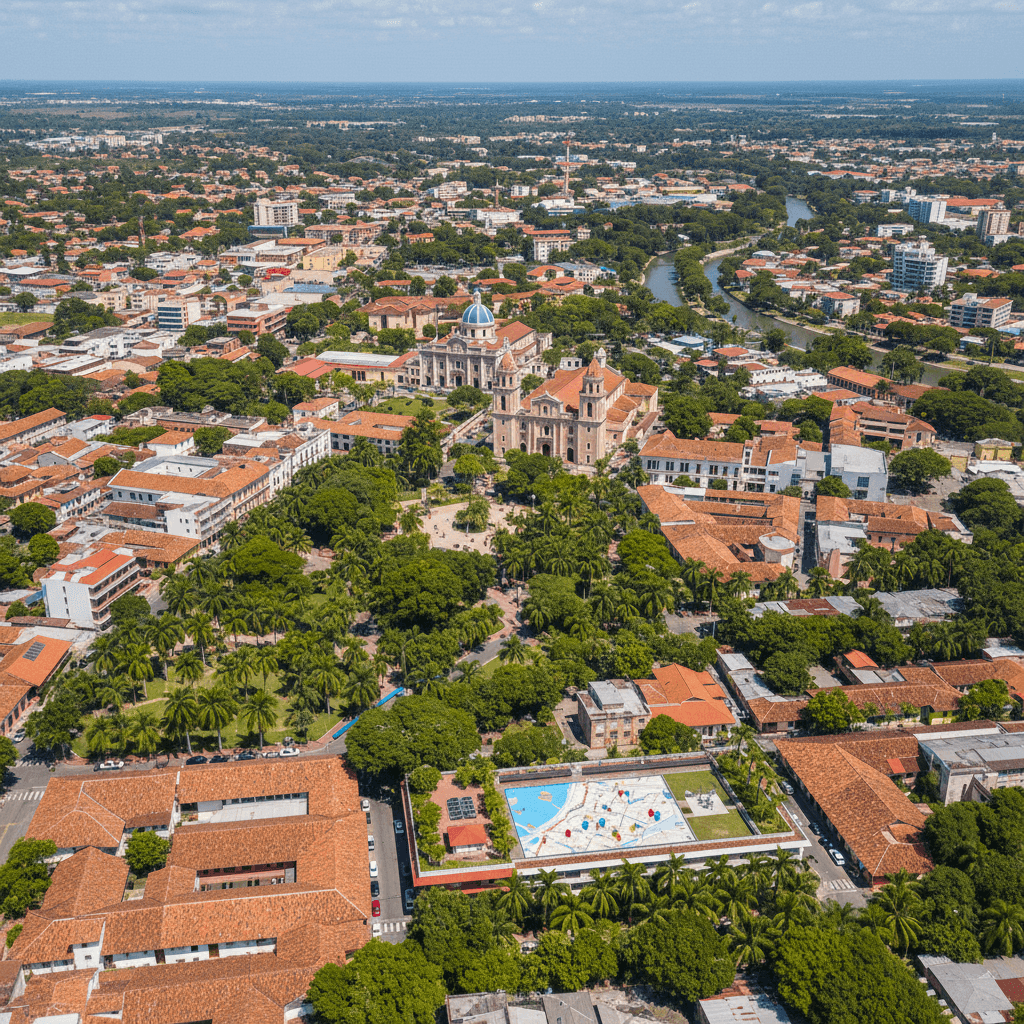
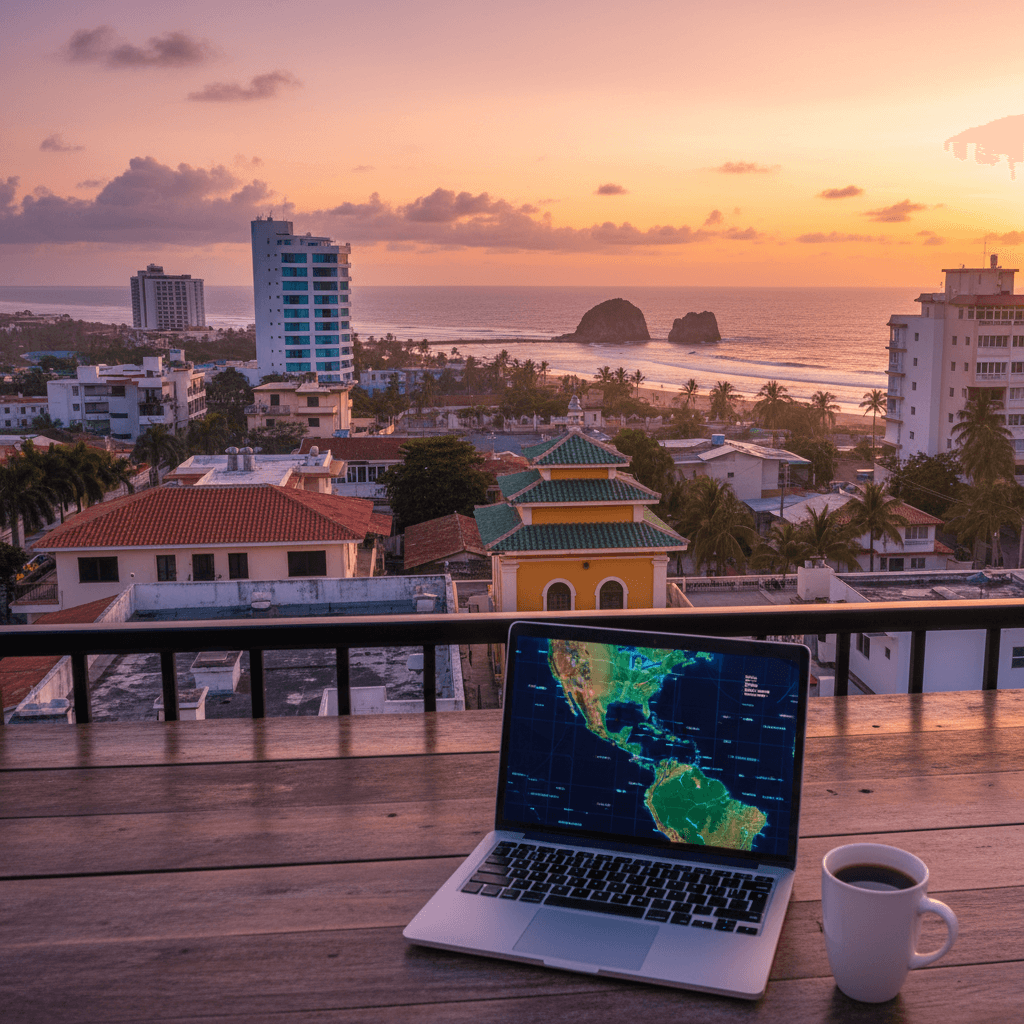
Coronado isn't your typical bohemian beach outpost where you'll be hacking through jungle to find a signal. Developed as a resort getaway since the 1940s, it's a established, polished coastal hub that feels more like a relaxed Florida suburb dropped into the Panamanian tropics. Just 90 minutes from Panama City, it strikes a balance that's rare in Central America: you get the black-sand beaches and salt air without sacrificing high-speed internet, drinkable tap water, or familiar grocery aisles.
The vibe here is undeniably laid-back but professional. It’s a place where you’ll see digital nomads finishing a morning surf before heading to a café to take a Zoom call, while retirees head to the golf course and families drop kids off at international schools. It’s safe, predictable, and incredibly easy to navigate. If you’re looking for a raw, "off-the-grid" adventure where you’re the only foreigner in town, Coronado will likely feel too sanitized for you. But if you want a "move-in ready" lifestyle where everything just works, this is the spot.
The Nomad Reality Check
Expats and long-term travelers often describe Coronado as a "bubble." While that means you won't get deep cultural immersion unless you seek it out in neighboring towns, it also means you won't deal with the typical frustrations of tropical living. You’ll find 24-hour supermarkets, private hospitals, and a community that speaks a high level of English. It’s a social town where people meet at the Coronado Luxury Club or over $5 local lunches at the plazas, making it one of the easiest places in Panama to build a social circle quickly.
Cost of Living Breakdown
Living here costs significantly less than in North America or Western Europe, with most nomads reporting savings of 40% to 60% compared to home. You can live well on a modest budget, but there’s plenty of room for luxury if your income allows.
- Budget Lifestyle: A single nomad can get by on $1,500 per month by eating locally and renting a modest studio.
- Mid-Range Couple: Expect to spend between $2,500 and $2,600 per month for a modern condo, frequent dining out, and a few weekend trips.
- High-End Living: For $4,000+, you’re looking at beachfront penthouses, private club memberships, and high-end dining.
Where to Set Up Camp
The town is compact, but your choice of location changes your daily experience. Most remote workers gravitate toward the central hub or the gated areas near the water.
Central Coronado & Beachfront
- Rent: $800 to $1,200 for a 1-bedroom condo with a view.
- The Vibe: This is the heart of the action. You’re within walking distance to the sand and the main supermarkets. It’s social, busy on weekends when city dwellers arrive, and offers the best "work from home" setups with reliable infrastructure.
Gated Communities & Resorts
- Rent: $1,000 to $1,500+ for larger apartments or small villas.
- The Vibe: Favored by families and those staying for six months or longer. It’s quiet, secure, and often built around amenities like golf courses or equestrian centers. You’ll likely want a car or a golf cart if you stay deep inside these residential zones.
Why Nomads Choose Coronado
The emotional draw of Coronado is the lack of stress. You aren't fighting traffic or worrying about safety. The sun shines almost daily from December to April, and even in the rainy season, the mornings are usually bright and clear. It’s a place that allows you to focus on your work during the day so you can actually enjoy your life in the evening. Most travelers find the "cost-to-quality" ratio unbeatable; you’re getting a first-world lifestyle at a fraction of the price, all while wearing flip-flops to the grocery store.
The Price of Paradise
Living in Coronado feels like a cheat code for North Americans. You get the modern infrastructure of a gated beach community at about 40% to 60% of the cost of living in Florida or California. It is a place where you can comfortably trade your high stress commute for a golf cart and a ocean breeze without draining your savings.
For a single nomad on a budget, you can make life work on $1,500 a month. Couples looking for a mid range lifestyle usually spend between $2,000 and $2,600, while families wanting every luxury and private schooling should budget $3,000 to $5,000. You are paying for convenience here, but that convenience is surprisingly affordable.
Monthly Breakdown
- Rent: Modern studios or one bedroom condos in central areas start around $700. If you want to wake up to the sound of waves in a beachfront tower, expect to pay between $800 and $1,200.
- Groceries and Dining: Local "fondas" serve hearty lunches for $5. A mid range dinner out costs $10 to $15, while an upscale meal at a resort might hit $25. Groceries from Super 99 or Rey are affordable if you stick to local brands.
- Connectivity: High speed internet is standard in most modern rentals. A prepaid SIM card from Claro or Movistar with unlimited data will only set you back about $10 to $20 a month.
- Transport: Local taxis and buses around town cost between $1 and $5. If you are heading to Panama City, a bus ride is roughly $5 to $10, while an Uber or private shuttle usually runs $50 to $80.
Neighborhood Pricing
Coronado is compact, but where you plant your flag changes your monthly burn. Most nomads gravitate toward the central beachfront for the social scene, while families often head slightly inland to the gated estates.
Central Coronado & Beachfront
- Rent: $800+ for modern condos.
- Vibe: Walkable, social, and close to the surf.
- Pros: You won't need a car for daily errands; supermarkets and cafes are right there.
- Cons: It gets crowded and a bit noisier on weekends when Panama City residents drive down.
Gated Communities & Golf Resorts
- Rent: $1,000+ for houses or large apartments.
- Vibe: Quiet, family oriented, and manicured.
- Pros: High security, access to private pools, and proximity to international schools.
- Cons: It feels less like "Panama" and more like a high end suburb; you will likely want a car or golf cart.
Smart Spending Tips
Expats recommend doing your big shopping trips at the local plazas like Coronado Village or Las Terrazas. These hubs have everything from pharmacies to hardware stores, so you rarely need to make the 1.5 hour trek to the city for supplies. Healthcare is another area where you'll save significantly; local clinics offer U.S. standard care at a fraction of the price, though for major emergencies, most people still head to the specialized hospitals in Panama City.
If you are looking to save on food, follow the locals to the roadside stands for fresh tropical fruit and seafood. While the upscale restaurants are tempting, the real value is in the fresh, local ingredients. Most nomads find that by mixing home cooking with a few nights out a week, they can live a lifestyle that would be considered upper class back home for the price of a modest apartment in a mid sized U.S. city.
For Digital Nomads: Central Coronado and Beachfront Condos
If you're coming to Coronado to work with a view, you'll want to stick to the high rise condos lining the coast or the apartments near the main town plazas. This is the heart of the action where you'll find the best balance of beach access and reliable infrastructure. Most nomads opt for modern 1BR condos or studios which typically start around $700 to $800 a month. While there isn't a dedicated "WeWork" style space yet, the local cafes are very welcoming to laptops and the internet speeds in these modern buildings are consistently fast enough for video calls and heavy uploads.
- Rent: $700 to $1,200 for modern units with reliable WiFi.
- Vibe: Social and convenient. You can walk from your desk to a beach bar in five minutes.
- Best for: People who want to ditch the car and be near other remote workers.
Expect to spend about $10 to $15 for a mid range lunch at the plazas. The main drawback here is the weekend crowd. Since Coronado is only 1.5 hours from Panama City, these central areas get busy when city dwellers head down for their Saturday sunshine.
For Expats: The Gated Communities and Golf Greens
Long term expats often gravitate toward the established gated communities like Coronado Golf or the areas surrounding the professional courses. These neighborhoods feel like a manicured tropical suburbia. It's safe, quiet, and incredibly easy to meet people through the various social clubs and golf groups. You'll find a mix of North Americans and Europeans who have been here for decades, making it easy to integrate if your Spanish is still a work in progress.
- Rent: $1,000 to $1,500 for larger houses or premium golf course villas.
- Vibe: Relaxed and community oriented. It feels more like a private resort than a traditional Panamanian town.
- Best for: Retirees and long term residents who value security and a quiet night's sleep.
Living here usually requires a car or a golf cart to get to the supermarkets. While it's not the "authentic" Panamanian experience some travelers seek, it's undeniably comfortable. You'll have access to private pools and some of the best social networking in the country.
For Families: Near the International Schools
Families usually settle in the residential pockets close to the international schools. These areas offer a bit more space and a focus on safety. Because Coronado is a full service town, you aren't sacrificing amenities for a beach lifestyle. There are modern hospitals and large supermarkets like Rey or Super 99 right down the road. Most families find that a budget of $3,000 to $5,000 a month allows for a very high standard of living, including private school tuition and a house with a yard.
- Rent: $1,200 to $2,000 for 3+ bedroom homes.
- Vibe: Safe and wholesome. Kids can bike around the gated streets.
- Best for: Parents who want a tropical environment without giving up North American style conveniences.
The sense of community is a major draw here. Between school events and weekend beach trips, it's easy for both kids and parents to build a social circle quickly. The peace of mind regarding healthcare and safety makes this a top choice for "slow travel" families.
For Solo Travelers: Town Plazas and Social Hubs
If you're traveling solo and want to keep costs down while staying social, look for rentals near the commercial plazas or the smaller guest houses. Staying near the "entrance" of Coronado puts you within walking distance of the cheapest eats, where a local Panamanian lunch costs about $5. You'll be close to the bus stops for easy $10 trips into Panama City or nearby surf breaks. This area is more vibrant and less secluded than the gated resorts.
- Rent: $600 to $900 for smaller apartments or long term guest house stays.
- Vibe: Active and unpretentious. You'll rub shoulders with both locals and budget conscious travelers.
- Best for: Solo explorers who want to save money on rent to spend more on surfing or day trips.
While it can be a bit noisier due to the proximity to the Inter-American Highway, the convenience is unbeatable. You're steps away from pharmacies, banks, and the most affordable grocery options in town. It's the best spot to experience the "real" side of Coronado's growth.
Connectivity and Speed
Coronado isn't the place you go to disappear off the grid. It is a modern hub where the internet infrastructure rivals what you'll find in North American suburbs. Most modern condos and gated communities are wired with high speed cable internet, making it a reliable base for those who spend their days on Zoom or uploading large files. You can expect stable connections that handle streaming and remote work without the frequent drops common in more remote beach towns.
For mobile data, skip the international roaming plans. You'll find kiosks for providers like Claro and +Móvil right inside the local supermarkets. A prepaid SIM card is the way to go; you can snag unlimited data plans for roughly $10 to $20 per month. The 4G coverage is excellent throughout the town center and along the main beach stretches, though it can get a little spotty if you head deep into the residential backroads.
Working from Cafés and Hubs
While Coronado doesn't have a massive "Google Campus" style coworking space yet, the digital nomad community has carved out its own corners. Most remote workers here fluctuate between their home setups and local "laptop friendly" spots. The town plazas are home to several air conditioned cafés where the WiFi is free and the coffee is strong. You'll often see small clusters of expats working from these hubs during the morning hours before the midday heat kicks in.
- Home Offices: Most rentals in central Coronado or the beachfront towers include high speed WiFi in the monthly rent. If you're staying long term, you can easily upgrade your package through local providers.
- Coworking Costs: In the absence of dedicated branded spaces, community hubs and shared office rentals in the plazas typically cost between $100 and $200 per month for a consistent desk.
- Café Culture: The local plazas are the heartbeat of the social and work scene. Expect to spend about $3 to $5 for a good coffee and a few hours of bandwidth.
The Remote Work Lifestyle
The real draw for nomads here isn't just the bitrates; it is the work life balance. Most people follow a "work early, surf late" schedule. Since the town is highly walkable, you can wrap up a client call and be on the sand in ten minutes. Travelers often mention that the "unbeatable cost to quality ratio" is what keeps them here. You're getting U.S. standard infrastructure for about 40% to 60% less than what you'd pay in Florida or California.
If you need a more formal office environment for a day, Panama City is only 1 to 1.5 hours away. Some nomads choose to head into the city once a week for networking or high level meetings, utilizing the cheap $5 to $10 bus ride or a $50 Uber. However, with the reliability of the local connection, most find they rarely need to leave the beach to stay productive.
Practical Tech Tips
- Power Backups: While the internet is fast, tropical storms can occasionally cause brief power flickers. Many seasoned expats recommend a small UPS (Uninterruptible Power Supply) for your router to keep you online during a quick outage.
- Fintech: Local ATMs are everywhere, but many nomads use apps like Wise or Revolut to manage their finances and pay for longer term rentals without heavy bank fees.
- VPNs: If you need to access specific streaming services or secure work servers from home, a standard VPN works perfectly here with no throttled speeds.
Peace of Mind on the Pacific
Coronado is widely regarded as one of the safest hubs in Panama. Unlike the frantic energy of Panama City, this beach town maintains a quiet, respectful atmosphere where the biggest "danger" is usually a falling coconut. Most nomads and retirees describe the area as extremely safe, largely because it functions as a tight-knit community where people actually know their neighbors. While you won't find a heavy police presence on every corner, the gated entrances to many residential areas and the general laid-back culture keep petty crime remarkably low.
That said, basic travel common sense still applies. While you can walk most places during the day without a second thought, it is best to stick to well-lit areas or take a quick taxi if you are heading home late at night. The beaches are beautiful for a sunset stroll, but locals generally recommend staying off the unlit sand after dark. Most residents don't report issues with theft, but it's always smart to keep your electronics out of sight when leaving your car at the supermarket or the beach clubs.
Healthcare Quality and Access
One of the main reasons Coronado became the expat capital of the coast is its medical infrastructure. You aren't middle-of-nowhere here; you have access to U.S. standard facilities without the eye-watering price tags. For routine issues, there are several modern clinics and well-stocked pharmacies right in the main town plazas. Many of the doctors in these facilities speak excellent English and have trained abroad, making it easy to explain your symptoms without a translation app.
- San Fernando Clinic: This is the go-to facility for most expats. It is a satellite branch of one of the top hospitals in Panama City, offering emergency services, lab work, and specialist consultations.
- Clinica Hospital Panamericano: Another reliable option for urgent care and general medicine located right in the heart of the commercial district.
- Pharmacies: You'll find major chains like Arrocha and Metro Plus in the shopping centers. They carry most international brands, and many medications that require a prescription in North America are available over the counter here.
For major surgeries or specialized long-term care, Panama City is only 1 to 1.5 hours away. The capital is home to John Hopkins-affiliated hospitals that are world-class. Many nomads choose to pay out-of-pocket for basic visits because the costs are so low, often ranging from $20 to $50 for a general consultation. If you're staying long-term, local private insurance is affordable and widely accepted at the clinics in town.
Emergency Basics
In the event of an emergency, the local clinics can stabilize patients before transporting them to the city if necessary. It is a good idea to keep the direct number for the San Fernando emergency room saved in your phone, as it's often faster than calling general emergency lines. Most expats also use WhatsApp to stay connected with community safety groups, which are great for real-time updates on everything from power outages to road conditions.
Water safety is another plus here. Unlike many tropical destinations, the tap water in Coronado is generally considered safe to drink. This is a massive perk for nomads who want to avoid the constant cycle of buying plastic jugs. However, if you have a sensitive stomach or are staying in an older building, a simple carbon filter is a cheap way to ensure you stay hydrated and healthy during the hotter months.
The Lay of the Land
Coronado is one of the few beach towns in Central America where you don't actually need a car to survive. The town center is compact and highly walkable, especially if you're staying in the central condos or the gated areas near the main plazas. You'll find supermarkets, clinics, and local eateries clustered together, making a quick grocery run or a coffee meeting a simple ten minute stroll.
While the tropical sun is reliable, it can be intense between 11:00 AM and 3:00 PM. Most nomads plan their walking for the early morning or late afternoon when the breeze kicks in. If you're heading to the beach from the upper town area, it's a longer trek, so many residents opt for a bicycle or a quick taxi ride to beat the heat.
Local Transit and Ride-Hailing
For getting around town without breaking a sweat, local taxis are the standard. You'll usually pay between $2 and $5 for a short hop within the Coronado gates or to the nearby shopping plazas. It's a small town, so drivers often become familiar faces after a week or two.
If you prefer using an app, Uber and inDrive both operate in the area. While they're reliable, the fleet is smaller than what you'd find in Panama City. During the quiet weekdays, you might wait ten minutes for a ride, but on weekends when the city crowd arrives, availability picks up significantly. These apps are also the most convenient way to arrange a trip to the nearby surfing beaches or neighboring coastal communities.
Getting to and from Panama City
Coronado sits about 1 to 1.5 hours away from Panama City, depending on the notorious bridge traffic. If you're coming straight from Tocumen International Airport (PTY), a private transfer or an Uber will typically cost between $50 and $80. It's a straightforward drive along the Inter-American Highway.
For those on a budget or looking for a more local experience, the "pajaritos" (small buses) and large coach buses run constantly along the main highway. You can catch a bus toward the city for roughly $5 to $10. They're frequent, air conditioned, and will drop you at the Albrook Mall terminal, which is the central hub for the capital's metro system.
Wheels and Rentals
If you're planning an extended stay and want to explore the mountains of El Valle de Anton or the surf breaks at Playa Teta, renting a car or a scooter is a smart move. Most nomads find that a bicycle is plenty for daily life within Coronado itself, and you can often find rentals near the beach resorts or through expat community boards for about $5 to $10 a day.
- Walking: Best for central errands and beach access if staying oceanside.
- Taxis/Apps: $1 to $5 for local trips; Uber is available but less frequent than in the city.
- Buses: Frequent service to Panama City for under $10.
- Airport Shuttles: Expect to pay $50+ for a direct 90 minute ride.
A pro tip from the local expat community: if you're heading into Panama City for a day trip or a flight, try to avoid the Sunday afternoon rush. Everyone heads back to the city at the same time, and that 90 minute drive can easily double. Stick to mid week travel if you want to keep your transit stress levels low.
The English-Spanish Balance
In Coronado, you'll find a linguistic environment that is unique compared to the rest of Panama. Because this has been a hub for North American and European retirees since the 1940s, English is incredibly prevalent. In the supermarkets like Rey or Super 99, at the golf clubs, and within the gated beach communities, you can often get by without speaking a word of Spanish. Most service staff in the main plazas and healthcare workers at the local clinics speak at least functional English.
However, don't let the "expat bubble" keep you from learning the basics. While you can order a $25 steak in English at an upscale resort, the $5 local fonda lunch experience is much smoother if you can navigate a Spanish menu. Locals are notoriously patient and welcoming; they appreciate any effort you make to speak their language. If you're planning to venture out of the immediate Coronado area to nearby surfing beaches or mountain towns like El Valle, your Spanish needs will increase significantly.
Key Phrases for Daily Life
Panamanians are polite and value formal greetings. Always start an interaction with a greeting before diving into your request. Here are the essentials you'll use every day:
- "Buenas": A universal, shortened greeting used at any time of day when entering a shop or passing someone on the street.
- "¿Cuánto cuesta?": How much does it cost? Use this at local markets or when hailing a taxi.
- "La cuenta, por favor": The check, please. (Note: A 10% tip is standard in sit-down restaurants).
- "¿Habla inglés?": Do you speak English? Use this as a polite bridge if you're struggling.
- "Muchas gracias": Thank you very much.
Digital Communication and Apps
Like much of Latin America, WhatsApp is the lifeblood of communication in Coronado. You won't just use it for texting friends; you'll use it to book tee times, schedule a doctor's appointment, or contact a real estate agent for a $700 studio rental. If a business has a phone number listed, assume it's a WhatsApp account first.
For translations, Google Translate is the standard choice, especially the camera feature for translating menus or utility bills. If you're looking to brush up on your skills, many nomads use Duolingo or Babbel before arriving, though nothing beats the immersion of the local Coronado social clubs. For financial logistics, expats frequently use Wise or PayPal to handle transfers, as these are widely understood by the local international community.
Staying Connected
Getting a local SIM card is one of the first things you should do. You can find kiosks for providers like Claro or +Móvil inside the major supermarkets in the town center. Prepaid data plans are very affordable, usually costing between $10 and $20 per month for unlimited data packages. Most nomads find the LTE coverage in Coronado to be excellent, often using their phone as a hotspot if their condo's WiFi has a rare hiccup.
If you're working remotely, you'll be relieved to find that "fast internet" isn't just a marketing slogan here. Most modern condos and gated communities offer cable internet speeds that rival North American standards. While there isn't a dedicated "big city" coworking brand in town yet, the local cafes and expat hubs serve as informal offices where the WiFi is reliable and the coffee is strong.
The Eternal Summer
Coronado sits in what locals call the Arco Seco, or Dry Arch. This specific geographic position means the town receives significantly less rainfall than Panama City or the lush Caribbean side of the country. You can expect consistent tropical warmth with temperatures hovering between 75°F and 85°F throughout the year. It is the kind of climate where your daily wardrobe rarely evolves beyond linen shirts, flip-flops, and swimwear.
The humidity is a factor, as with any tropical destination, but the coastal breeze in Coronado makes it much more manageable than the stifling heat of the interior. Most nomads find that they only need to run the air conditioning in their condos during the heat of the mid-afternoon or for a few hours at night to sleep comfortably.
Dry Season: December to April
This is widely considered the peak window to visit. The skies are a relentless blue, and the Pacific breeze picks up, providing a natural cooling system for those long walks along the volcanic sand beaches. This is the best time for outdoor social clubs, golfing at the local resorts, and networking at beachside cafes.
Because the weather is so reliable, this is also the busiest time of year. You will notice an influx of "snowbirds" from North America and weekend travelers from Panama City. If you are planning to secure a rental in a popular beachfront condo like the Coronado Bay towers, you should book several months in advance. Prices for short-term stays often spike during these months, particularly around the holidays.
Green Season: May to November
Don't let the term "rainy season" scare you off. In Coronado, the rain usually follows a predictable pattern: sunny mornings followed by a heavy, refreshing downpour in the late afternoon that lasts about an hour. It clears up quickly, leaving the evenings cool and the landscape surprisingly lush.
- May to August: These months are a favorite for digital nomads who want to avoid the crowds. The mornings are still perfect for remote work on a balcony, and the ocean remains warm enough for surfing or swimming.
- October and November: These are the wettest months of the year. If you aren't a fan of grey skies or high humidity, you might find this period a bit gloomy. Many long-term expats use this time to travel back home or explore the higher, cooler elevations of Boquete.
- Surfing Conditions: For those looking to catch waves, the green season actually provides more consistent swells at nearby spots like Playa El Palmar, just a ten-minute drive away.
When to Visit for the Best Value
If you want the best balance of weather and affordability, aim for the "shoulder" months of May or June. The landscape is turning a vibrant green, the dust of the dry season has settled, and rental prices often drop as the winter crowds head north. You can often negotiate better monthly rates on apartments during this time, sometimes finding modern studios for closer to $700 or $800 compared to the premium prices charged in January.
Regardless of when you arrive, the social scene in Coronado remains active. Unlike some tourist towns that shut down in the off-season, Coronado is a functional town with a permanent population of expats and locals. The supermarkets, private clinics, and restaurants stay open year-round, ensuring your workflow isn't interrupted by seasonal closures.
The Financial Reality
Living in Coronado provides a high quality of life for roughly 40% to 60% less than you would spend in a comparable North American beach town. Most single nomads find they can live comfortably on $1,500 a month, while couples typically spend between $2,500 and $2,600 for a lifestyle that includes a modern condo, utilities, and frequent dining out.
- Rent: You can find modern studios or 1BR apartments starting at $700. If you want to be right on the sand or inside a gated resort, expect to pay between $800 and $1,200.
- Food: Local "fondas" serve traditional lunches for $5. A mid-range dinner at a cafe usually runs $10 to $15, while a high end meal with drinks tops out around $25.
- Connectivity: A prepaid SIM card from Claro or Movistar with unlimited data costs about $10 to $20 per month.
Where to Set Up Base
Coronado is compact, but where you stay defines your daily rhythm. Most remote workers gravitate toward the central beachfront area because it is the most walkable part of town.
Central Coronado & Beachfront
This is the heart of the action. You are within walking distance of the major supermarkets, pharmacies, and the beach. It is the best spot for those who do not want to rely on a car. Rent usually starts at $800 here. The only downside is that it gets much busier on weekends when Panama City residents drive down to their beach houses.
Gated Communities & Golf Resorts
Families and those seeking long term stability often choose the gated areas near the international schools. These spots are incredibly safe and offer amenities like private pools and golf courses, but they feel less like a "local" town. Expect to pay $1,000 or more for a house or large condo in these zones.
Staying Productive
Unlike more rugged surf towns, Coronado offers U.S. standard infrastructure. The internet is fast and reliable, provided through cable companies. Most nomads work directly from their apartments or set up in local cafes. While there are not many formal corporate coworking spaces, the expat community is active in local plazas, and you will find plenty of people on laptops at the coffee shops near the main entrance.
If you need a dedicated office setup, look for modern condo buildings. Many of these include social areas with Wi-Fi that function as de facto workspaces. For banking, ATMs are everywhere, and most expats use apps like Wise to manage international transfers and avoid high bank fees.
Health and Safety
This is one of the safest pockets of Panama. The community is tight knit, and violent crime is rare. You should still use common sense, like avoiding unlit stretches of beach late at night, but most residents feel comfortable walking around at all hours. Healthcare is a major draw here; the local clinics and hospitals offer high quality care for a fraction of what you would pay in the U.S., and pharmacies are well stocked and easy to find.
Getting Around
The town center is highly walkable, especially if you stay near the main plazas. For longer trips, you have several easy options:
- Buses: Frequent buses run to Panama City for about $5 to $10.
- Ride-Hailing: Uber and inDrive both operate in the area, making it easy to get across town for a few dollars.
- Airport Transfers: The drive from Tocumen International Airport takes about 1.5 hours. A private shuttle or Uber will cost between $50 and $80.
Weather and Timing
The weather stays between 75°F and 85°F year round. To get the best experience, aim for the dry season between December and April. You will get constant sunshine and a steady breeze. The wet season peaks in October and November, where you can expect heavy afternoon rain, though it rarely ruins the entire day. If you want a quiet experience, visit during the week; if you want a social, high energy vibe, the weekends are when the town truly wakes up.
Need visa and immigration info for Panama?
🇵🇦 View Panama Country GuideHidden Gem
Worth the effort
Monthly Budget Estimates
More cities in Panama
Boquete
🇵🇦 Panama
Panama City
🇵🇦 Panama
Bocas del Toro (Isla Colon)
🇵🇦 Panama