Corfu Town
🇬🇷 Greece
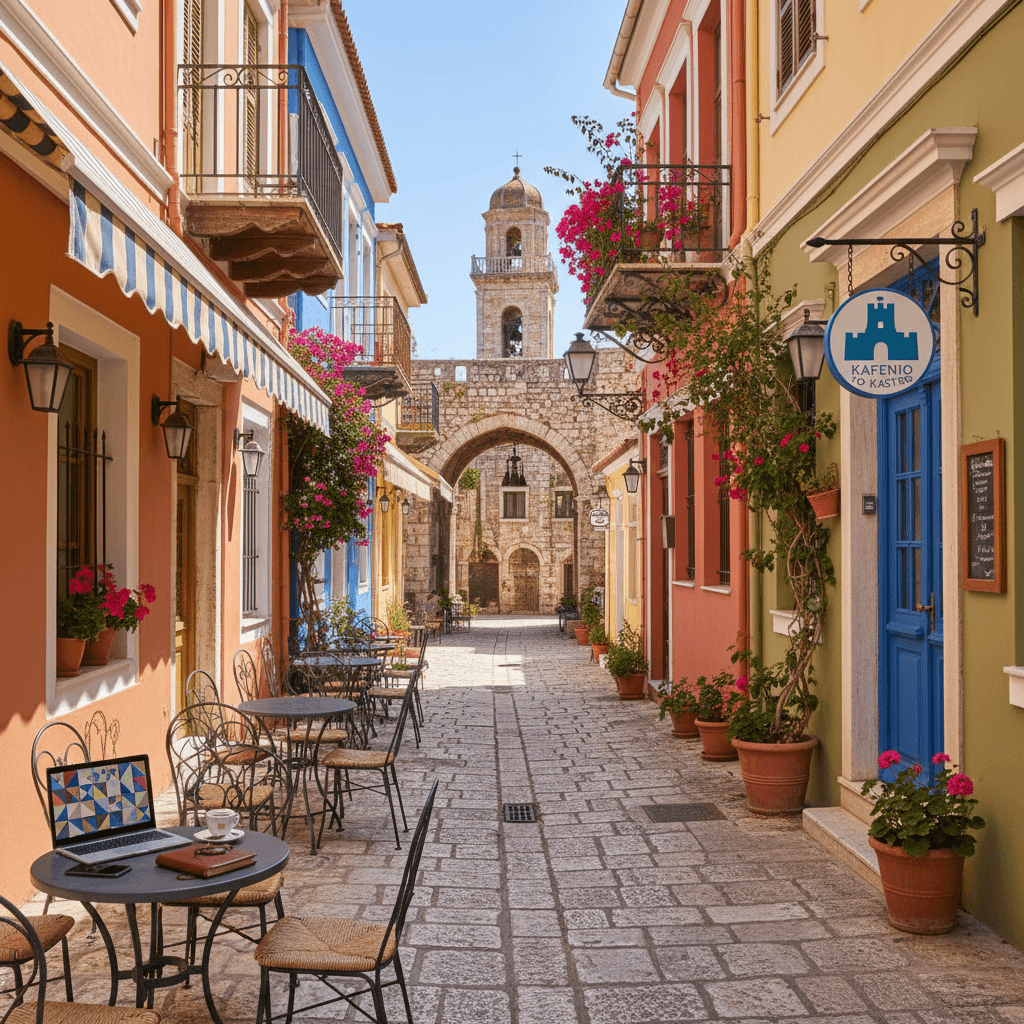
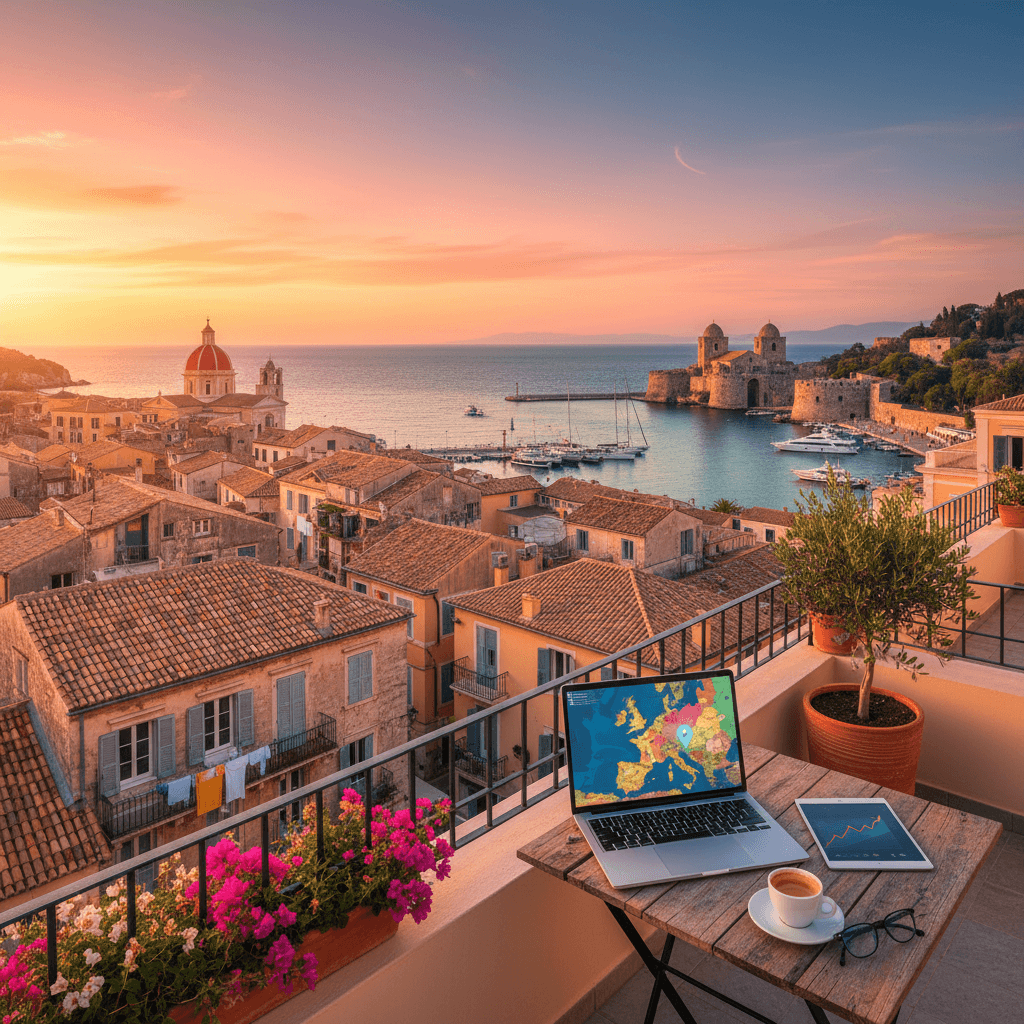
Corfu Town doesn't feel like your typical whitewashed Greek island outpost. Walking through the UNESCO-protected Old Town, you'll notice the distinct lack of blue domes; instead, you're surrounded by terracotta roofs, pastel Venetian shutters, and grand French-style colonnades. It's a place where the Ionian Sea meets a history shaped by Italian, French, and British rule, creating a multicultural hub that feels more like a lived-in European capital than a seasonal resort.
For nomads, the vibe is refined but relaxed. You can spend your morning answering emails under the arches of the Liston, a promenade inspired by Rue de Rivoli in Paris, before taking a ten-minute walk to a 15th-century fortress. While the summer months bring a surge of travelers to the narrow alleys, the town maintains an active local soul year-round. It's the kind of place where you'll see elderly locals debating politics over Greek coffee right next to a remote worker on a Zoom call.
The Cost of Living
Living here is generally more affordable than in Western Europe, though the popularity of the Old Town keeps prices higher than the Greek mainland. Most nomads find a monthly budget of €1,500 to €2,000 covers a comfortable lifestyle including rent and dining out.
- Housing: A studio or one-bedroom apartment in the historic center typically runs between €600 and €900. If you look toward the outskirts like Kanoni, you can find better value at €500 to €700.
- Food & Drink: A quick gyro on the go costs about €3 to €5. A proper sit-down dinner at a local taverna usually averages €10 to €15 per person, while a high-end meal at a waterfront spot can reach €40.
- Transport: Local buses are cheap at €1.50 to €2.50 per ride. Many residents rent a scooter or ATV for around €20 to €40 a day to explore the island's olive groves and hidden beaches.
Where to Base Yourself
Choosing a neighborhood depends on how much you value being in the thick of the action versus having easy beach access.
Corfu Town (Kerkyra Old Town)
- Best For: First-timers, social nomads, and history buffs.
- The Draw: You're steps away from the best coworking spots, museums, and the Spianada, the largest square in Greece. Everything is walkable.
- The Trade-off: It gets crowded during the cruise ship season, and parking is a nightmare.
Kassiopi
- Best For: Those seeking a quieter, coastal work-life balance.
- The Draw: A charming fishing village on the north coast with great waterfront dining and a castle ruin. It feels more "authentic" and less urban.
- The Trade-off: It's over an hour from the airport and lacks the high-speed infrastructure of the main town.
Paleokastritsa
- Best For: Nature lovers and weekend explorers.
- The Draw: Stunning rock formations and some of the best water for swimming on the island.
- The Trade-off: Extremely touristy in July and August; the hilly terrain makes getting around on foot a workout.
The Digital Nomad Experience
The community here is growing, supported by the Work From Greece initiative. While there aren't dozens of large-scale coworking hubs, the local cafe culture is incredibly welcoming to laptops. You'll find reliable internet averaging 50 to 100Mbps in most town center rentals. For reliable mobile data, pick up a local SIM from Cosmote or Vodafone at the airport for about €20; the coverage is surprisingly strong even in the mountainous interior.
What really sets Corfu Town apart is the "after-hours" transition. When the sun dips, the town shifts from a workspace into a social playground. You'll find yourself grabbing a gelato in the square, joining an expat meetup at a wine bar, or hiking a segment of the Corfu Trail on your day off. It's a place that rewards those who stay long enough to learn the difference between a tourist trap and the back-alley taverna where the locals actually eat.
The Price of Mediterranean Living
Living in Corfu Town feels like a balanced trade between historic charm and modern convenience. While it's not the cheapest corner of Greece, it remains far more affordable than major digital nomad hubs in Western Europe. Most nomads find that a monthly budget between €1,500 and €2,000 covers a comfortable lifestyle, including a private apartment, frequent dinners at local tavernas, and plenty of weekend trips across the island.
Your biggest variable will be the season. Prices for short term rentals skyrocket during the peak summer months of July and August. If you're planning a longer stay, expats recommend arriving in September or May to negotiate better rates with local landlords before the tourist rush or after the crowds thin out.
Monthly Budget Breakdown
- Budget Tier (€1,200 to €1,800): This covers a modest studio on the outskirts of town, like the Kanoni area, cooking most meals at home, and using the Green Bus network for island exploration.
- Mid-Range Tier (€2,000 to €3,000): You'll likely land a well-situated 1-bedroom apartment near Spianada Square, eat out at local tavernas several nights a week, and keep a dedicated desk at a coworking space.
- Comfortable Tier (€3,000+): This allows for a premium apartment in the heart of the Old Town or a private villa, frequent fine dining at spots like the Liston, and a car rental to reach the more remote western beaches.
Housing and Neighborhoods
The Old Town is the heartbeat of the island. It's where you'll find the most character, but you'll pay a premium for those Venetian views. If you want more space for your money, look just slightly outside the historic center.
Corfu Town (Old Town)
- Monthly Rent: €600 to €900 for a studio or 1-bedroom.
- Vibe: Urban, historic, and highly walkable.
- Pros: You're steps away from every major cafe, coworking spot, and the central bus station.
Kanoni (Outskirts)
- Monthly Rent: €500 to €700 for similar sized units.
- Vibe: Residential and quieter.
- Pros: Better value for money and easier parking if you decide to rent a scooter or car.
Food and Drink
Corfu's food scene is a highlight, blending Greek staples with Italian influences. You can eat well on any budget if you know where to look. A quick pita gyro from a street stall will set you back about €3 to €5, making it the ultimate budget lunch. For a sit down meal at a mid-range taverna, expect to pay around €15 per person including house wine.
Grocery shopping at local markets is affordable, especially for seasonal produce, olive oil, and feta. If you're feeling fancy, dinner at an upscale restaurant in the Old Town usually averages €25 to €40 per person. Coffee culture is huge here; an iced Freddo Espresso at a cafe on the Spianada typically costs between €3 and €5.
Transport and Connectivity
The Old Town is small enough to navigate entirely on foot. For longer trips, the Blue Bus serves the city and suburbs for about €1.50, while the Green Bus takes you to further coastal villages for €5 to €10. Taxis are available but pricey for short hops, often starting at €10.
Reliable internet is standard in most modern apartments and cafes. Coworking spaces in Corfu Town usually charge daily rates between €10 and €20. For mobile data, travelers suggest picking up a local SIM from Cosmote or Vodafone. You can usually find a prepaid plan with 20GB to 50GB of data for roughly €20, which is plenty for hotspots during beach days.
For Digital Nomads: Corfu Old Town (Kerkyra)
If you need to be within walking distance of a reliable espresso and a coworking desk, the Old Town is your base. It's a UNESCO-listed maze of Venetian alleys where the internet is surprisingly stable for a historic island hub. Most nomads gravitate toward the area surrounding Spianada Square, the largest square in Greece, where you can work from cafes like those along the Liston under French-style arches.
- Rent: Expect to pay €600 to €900 for a renovated studio or one bedroom apartment.
- Vibe: Urban, historic, and social. You'll find the most active expat meetups here through platforms like Work From Greece.
- Connectivity: This is the island's tech heart. You'll find coworking spaces charging roughly €15 to €20 per day, and local SIM cards from Cosmote or Vodafone provide solid 5G coverage across the city.
The main drawback is the summer surge. Between June and August, the narrow streets get packed with cruise ship passengers. However, being the central transport hub means you can hop on a Green Bus for €2 to €5 and reach almost any beach on the island when you need a break from the screen.
For Solo Travelers: Kassiopi
Kassiopi, located on the northeast coast, strikes a balance between a traditional fishing village and a social hub. It's smaller and more intimate than Corfu Town, making it easy to meet people at waterfront tavernas or while exploring the Byzantine castle ruins. It feels safer and more laid back, perfect for those traveling alone who want a mix of nature and nightlife without the "big city" grit.
- Rent: Slightly more affordable than the Old Town, with local rooms often ranging from €500 to €700 per month during the shoulder season.
- Pros: Incredible pebble beaches within walking distance and a very welcoming local community.
- Cons: It's a long haul from the airport. A taxi will set you back €50 or more, and the bus ride takes over an hour.
For Families: Kalami and Kerasia
The northeast coast is often called Kensington-on-Sea by regulars because of its upscale, safe, and family-friendly atmosphere. Kalami and Kerasia are the highlights here. These areas are less about late-night bars and more about calm, turquoise waters and boat rentals. It's the kind of place where kids can swim safely while parents enjoy a long lunch at a seaside taverna.
- Rent: This is "Comfortable" tier territory. Private villas are the norm here, often starting at €3,000 per month and going much higher for waterfront spots.
- Activities: Renting a small motorboat for the day (usually €80 to €120 plus fuel) is the best way to explore the hidden coves that aren't accessible by car.
- Food: Middle-to-upper range dining. A family dinner at a reputable taverna will usually cost between €60 and €100.
For Long-Term Expats: Kanoni and the Outskirts
Expats who want to stay close to the action of Corfu Town but avoid the astronomical "tourist" rents of the Old Town often settle in Kanoni. It's a leafy peninsula just south of the city center. You get stunning views of Mouse Island and the monastery, but you're far enough away to have a quiet night's sleep. It's a practical choice for those who plan to stay six months or longer.
- Rent: You can often find larger apartments here for €500 to €700, a significant discount compared to the city center.
- Transport: It's a short 10-minute bus or bike ride into the heart of town. Many expats here rent a scooter for about €25 per day to get around the island's hilly interior.
- Healthcare: You're located very close to the General Hospital of Corfu, which is a major plus for long-term residents.
Whether you're looking for the high-energy lifestyle of the Old Town or the quiet olive groves of the north, Corfu's neighborhoods are distinct. Most people find that May, June, September, and October are the sweet spots for living here, as the weather stays around a perfect 25°C and the crowds are manageable.
Corfu Town manages to pull off a difficult trick: it feels like a lived-in Mediterranean capital while offering the digital infrastructure needed to run a business from a cafe table. While the island is famous for its rugged coastline and olive groves, the Old Town is where the practical magic happens for nomads. You'll find a reliable backbone of connectivity here, though the experience changes drastically depending on whether you're working from a dedicated desk or a sun-drenched square.
Connectivity and Speeds
Internet reliability in Corfu Town has stabilized significantly over the last few years. Most apartments and local businesses offer speeds ranging between 50Mbps and 100Mbps. If you're staying in the heart of the UNESCO Old Town, keep in mind that the thick Venetian stone walls can be a natural enemy to Wi-Fi signals. Expats usually recommend checking that your host has a modern router or, better yet, a mesh system if the place is large.
For a foolproof backup, the local 4G and 5G coverage is excellent. You can pick up a local SIM card from providers like Cosmote, Vodafone, or Nova at the airport or in shops around the city center. A prepaid data plan typically runs between €10 and €20, and Cosmote generally gets the nod from long-termers for having the most consistent coverage across the island's more remote hilly areas.
Coworking Spaces
The coworking scene in Corfu is intimate rather than corporate. You won't find massive global chains here; instead, the spaces are community-driven and often double as networking hubs for the Work From Greece initiative. Most spots are concentrated in Corfu Town, making it the logical base for anyone who needs a professional environment to take calls.
- Typical Daily Rates: Expect to pay between €10 and €20 for a hot desk.
- Weekly/Monthly Passes: These usually offer a 15% to 25% discount over daily rates and often include perks like 24/7 access.
- Community Vibes: These spaces are the best way to meet the local nomad crowd, who often organize weekend hikes along the Corfu Trail or group dinners in the suburbs.
The "Cafe Office" Culture
If you prefer a more relaxed atmosphere, the cafe culture in Corfu Town is top-tier. The Spianada Square and the Liston are the iconic spots for people-watching, but they can get loud and crowded during the summer peak. For a productive afternoon, head into the narrower alleys of the Old Town or toward the Kanoni area where the pace is slower.
Most cafes are happy to let you linger over a €3 to €5 freddo espresso for a couple of hours, provided you aren't taking up a large table during the lunch rush. It's common practice to ask "Echete Wi-Fi?" before sitting down, though almost every establishment now provides a password as standard. Just be prepared for the occasional power surge or connection dip during heavy winter rainstorms.
Practical Nomad Tips
- Power Adapters: Greece uses the standard European Type C and F plugs. If you're coming from the UK or US, grab a sturdy surge protector, as older buildings in the Old Town can have temperamental wiring.
- Noise Levels: If you have important client meetings, avoid working from the Liston during the late afternoon. The combination of tourists, bells from St. Spyridon Church, and local chatter can be a bit much for a professional call.
- Digital Nomad Community: Join local Facebook groups or the Work From Greece platforms. The community is very active, and you'll often find people sharing tips on which cafes have the most comfortable chairs or the fastest upload speeds for video editors.
Staying Safe in Kerkyra
Corfu Town is remarkably safe, even by relaxed Mediterranean standards. You'll find that the local vibe is more about late-night gelato walks than looking over your shoulder. Most nomads feel comfortable walking through the narrow kantounia of the Old Town at 2:00 AM without a second thought. Serious crime is rare, and the community is tight-knit enough that people generally look out for one another.
That said, the summer crowds bring out the opportunists. Between June and August, pickpockets occasionally operate around Spianada Square and the Liston, where tourists are most distracted by the architecture. Keep your bag zipped when you're squeezed into a packed Green Bus or navigating the souvenir stalls near the Old Fortress. If you're out enjoying the nightlife in the bars along the coast road, just use the same common sense you would at home.
If you do run into trouble, the emergency number is 112 for general assistance. You can reach the local police at 100. Most officers in the town center speak excellent English and are used to helping expats with paperwork or lost items.
Healthcare and Medical Services
The healthcare standard in Corfu Town is high, especially for a Greek island. The General Hospital of Corfu is located just on the outskirts of the main town area. It’s a modern facility equipped to handle emergencies and more serious medical issues. For digital nomads from the EU, your EHIC card will cover most urgent treatments, while those from further afield should ensure their private insurance is up to date.
For day-to-day health needs, you'll notice an abundance of pharmacies, marked by bright green flashing crosses. These are everywhere in the Old Town and near Saroko Square. Greek pharmacists are highly trained and can often provide consultations or over-the-counter medications for minor ailments like "Corfu tummy" or sun exposure without needing a doctor's visit.
- Ambulance: Dial 166 for urgent medical transport.
- Pharmacies: Usually open 8:00 AM to 2:00 PM, with rotating "on-call" shops open late and on weekends.
- Private Clinics: Several private doctors and specialists operate in the town center, often charging €40 to €60 for a standard consultation.
Practical Wellness Tips
The biggest health risk you'll likely face isn't a virus, it's the Ionian sun. Temperatures regularly hit 35°C in July, and the humidity can be surprisingly high. Expats recommend staying hydrated with bottled water; while the tap water in Corfu Town is technically safe for brushing your teeth, most residents prefer the taste of bottled water for drinking.
If you're planning on exploring the coastline, grab a pair of sturdy water shoes. Many of the best spots near town, and further out in places like Paleokastritsa, have pebbly entries or sea urchins hiding among the rocks. A €10 pair of shoes from a local market will save you a painful trip to the clinic.
Finally, keep an eye on the local "Kerkiraika" mosquitoes during the humid months of September and October. They aren't dangerous, but they are persistent. Most local mini-markets sell "Fidaki" (incense coils) or plug-in repellents that do a much better job than anything you'll bring from home.
The Walkable Heart of Kerkyra
If you are basing yourself in the Old Town, your primary mode of transport will be your own two feet. The UNESCO-listed center is a labyrinth of narrow Venetian alleys (kantounia) and wide squares like Spianada where cars simply cannot go. Most nomads find that living in the center eliminates the need for a vehicle entirely for daily life. You can wander from a morning coffee at the Liston to a coworking session and then to the Old Fortress all within a fifteen minute radius.
Mastering the Bus Networks
Corfu has a dual bus system that can be confusing at first, but it is the most affordable way to traverse the island. Blue Buses serve Corfu Town and the immediate suburbs like Kanoni or the airport. A single ride usually costs between €1.50 and €2.50. You can buy tickets at kiosks or directly from the driver, though buying ahead is always slightly cheaper.
For longer treks to the northern beaches or the west coast, you will use the Green Buses (KTEL). The main station is located near the New Port. These are comfortable, air-conditioned coaches that connect the capital to hubs like Kassiopi or Paleokastritsa. Expect to pay between €2 and €5 depending on the distance. They are reliable, but the schedules change frequently between the high and low seasons, so always check the physical board at the station before planning a big day trip.
Two Wheels or Four?
While the bus is great for budget travel, nomads who want to explore olive groves and secluded coves usually opt for a rental. If you are comfortable on a scooter or an ATV, these are the best ways to handle the island's winding, often narrow roads. Prices for a scooter usually hover around €20 to €30 per day, while an ATV might run you €40. Just be aware that the terrain can be hilly and the local driving style is assertive.
Car rentals are plentiful near the airport and the port. If you are staying for a month or more, you can often negotiate a better rate with local agencies rather than the big international chains. Having a car is a game changer if you are living in quieter areas like Kalami, where public transport is less frequent.
Taxis and Ride-Hailing
You won't find Uber or Lyft here. Instead, the local taxi scene is the standard. For a quick ten minute jump from the airport to the Old Town, expect to pay around €15 to €20. Within the town limits, short hops usually cost about €10. While some drivers use apps like Beat (common in Athens), in Corfu it is still very much a "call a radio taxi" or "find the stand" kind of culture. Always confirm the price with the driver before the door shuts to avoid the "tourist tax."
Arriving and Departing
Corfu International Airport (CFU) is incredibly close to the city center. In fact, it is one of the few places where you could technically walk to your terminal if you were staying on the southern edge of town, though the €2 bus or a quick taxi is much more civilized with luggage. If you are arriving by sea, the New Port is the hub for ferries from Igoumenitsa on the mainland or international boats from Italy. It is well connected to the Blue Bus line, making the transition to your apartment fairly seamless.
- Blue Bus (Local): Best for town and airport, €1.50 to €2.50 per ride.
- Green Bus (Regional): Best for island exploration, €2 to €5 per trip.
- Scooter Rental: Ideal for solo nomads, €20 to €30 per day.
- Airport Taxi: Fixed-ish rates around €15 to €20 to the center.
While Greek is the official language, you'll find that Corfu Town is one of the most linguistically accessible spots in the Mediterranean. Because of the island's unique history under British and Venetian rule, plus its long standing status as a travel hub, English is spoken fluently by almost everyone you'll interact with in the Old Town. From the baristas at the cafes on Liston to the staff at the General Hospital of Corfu, communication is rarely a barrier for nomads.
Language Dynamics
In the heart of the city, menus are almost always bilingual, and shopkeepers are happy to switch to English the moment they see you're a visitor. You'll also hear a fair amount of Italian and German, especially during the summer months. If you head into the smaller villages like Kassiopi or Kalami, the older generation might speak less English, but they're incredibly adept at using hand gestures or calling over a younger relative to help out.
Expats and long term residents often mention that while you can survive indefinitely with just English, learning a few Greek phrases goes a long way. It shifts your status from a passing tourist to a respected neighbor. Locals appreciate the effort, even if your pronunciation isn't perfect.
Essential Greek Phrases
- Kalimera: Good morning. Use this until about 1:00 PM.
- Efharisto: Thank you. It's the most important word in your vocabulary.
- Parakalo: Please or You're welcome.
- Yassas: A polite Hello or Goodbye.
- Poso kani?: How much does it cost? Useful for the local markets.
- Nai / Ochi: Yes / No. Be careful here; "Nai" sounds like "No" to English speakers, but it actually means "Yes."
Digital Tools and Connectivity
For more complex interactions, like signing a rental agreement for a studio near Spianada Square or discussing a specific medical issue, Google Translate is the standard tool. The app's camera feature is particularly handy for translating Greek utility bills or government signs that aren't mirrored in English.
To keep these apps running, most nomads pick up a local SIM card immediately upon arrival. You can find Cosmote, Vodafone, or Nova shops right in Corfu Town. A prepaid plan with a generous data package typically runs between €10 and €20. Coverage is strong throughout the city, though it can get spotty if you're hiking remote sections of the Corfu Trail or exploring the far west coast.
Social Etiquette
Communication in Corfu is often as much about the setting as the words. Much of the social life happens over a slow Freddo Espresso in the Old Town. Don't be surprised if a quick question to a local turns into a twenty minute conversation. The pace here is slower, and people generally prefer a face to face chat over a quick text or email. If you're looking to meet people, the Work From Greece community and local Facebook groups are active, but the best connections often happen organically at the tavernas or during a sunset walk along the fortress walls.
When to Land in the Ionian Capital
Corfu Town doesn't just shut down when the cruise ships leave. Because it's a living, breathing administrative hub with a permanent university population, it maintains a steady pulse year-round. However, for a nomad trying to balance deep work with island exploration, timing is everything. You'll find the most comfortable rhythm between May and June or throughout September and October.
During these shoulder seasons, the thermometer hovers between 20°C and 25°C. The air is crisp enough for a midday hike on the Corfu Trail, but the Ionian Sea remains warm enough for a post-zoom call dip. Most importantly, the narrow alleys of the Old Town are actually walkable. You can snag a table at a Spianada Square cafe without a reservation and the local internet infrastructure isn't being throttled by thousands of tourists uploading 4K videos at once.
The Summer Surge
If you choose to visit in July or August, prepare for the heat and the crowds. Temperatures frequently climb toward 35°C, and the humidity can make the Old Town feel like a Venetian sauna. This is when the island is at its loudest and most expensive. While the energy is high and the nightlife is peak, many nomads find it difficult to stay productive. If you're here during the height of summer, you'll likely want to retreat to air-conditioned coworking spaces or head to the cooler, breezier northern coast near Kassiopi during the weekends.
The Quiet Season
Winter in Corfu Town is a different beast entirely compared to the Cyclades. From November through March, the "Emerald Isle" earns its name through significant rainfall. It’s the wettest period of the year, with temperatures sitting around 10°C to 15°C. While it isn't beach weather, it's the best time for those on a budget. Rent prices for Old Town studios can drop significantly, and the local tavernas belong almost exclusively to the residents.
Expats often recommend the winter months for creative projects or heads-down work. Just keep in mind that many of the tourist-centric shops and beach bars in places like Paleokastritsa will be shuttered. You'll be relying on the year-round spots in the city center, like the cozy cafes tucked away near the Liston.
A Month-by-Month Snapshot
- January to March: Cool and rainy. Expect 12°C averages. It's quiet, authentic, and the cheapest time to secure a long-term rental.
- April to May: Spring brings wildflowers and the famous Corfiot Easter celebrations. Temperatures rise to 18-22°C. It's a fantastic window for hikers.
- June: The sweet spot. Everything is open, the water is inviting, and the 25°C heat is manageable.
- July to August: Peak season. Highs of 30-35°C. Expect crowded buses and premium prices for central accommodation.
- September to October: The second sweet spot. The sea is at its warmest, the "back to school" vibe settles the town, and the light is perfect for photography.
- November to December: The rains return. It's moody and green. Perfect for those who prefer a fireplace and a laptop over a beach towel.
Most digital nomads agree that September is the goldilocks month. You get the full Mediterranean experience without the logistical headaches of the mid-summer rush. If you're planning a stay longer than a month, aim to arrive in late August to scout out your favorite workstations before the autumn tranquility sets in.
Connectivity and Workspace
You'll find that Corfu Town is surprisingly well equipped for remote work, provided you stick close to the historic center. Most nomads report reliable fiber speeds between 50 and 100Mbps in the Old Town. For the best mobile data, head to a Cosmote or Vodafone shop in town to grab a local SIM; €10 to €20 usually gets you a generous monthly data package.
The local nomad community often gathers at Spianada Square. It's the largest square in the Balkans and serves as an unofficial outdoor office where you can nurse a freddo espresso for hours. While dedicated coworking spaces are popping up to meet the demand of the Work From Greece initiative, many expats prefer the cafe culture. Prices for a day desk typically hover around €15.
Cost of Living Breakdown
Living here isn't as cheap as the Greek mainland, but it's manageable if you avoid the peak summer spikes. A realistic monthly budget for a comfortable nomad lifestyle sits between €2,000 and €3,000.
- Housing: A studio in the Old Town near the Liston will run you €600 to €900. If you look toward Kanoni, prices drop to €500 or €700.
- Dining: A quick gyro costs €3 to €5. A proper dinner at a mid-range taverna is usually €15 per person. Fine dining in the upscale spots near the fortresses starts at €30.
- Transport: Local Blue Buses are €1.50, while the Green Buses that head out to the villages cost between €5 and €10.
Neighborhood Guide
Choosing where to plant your flag depends on how much you value a car versus a short walk to the grocery store.
Corfu Town (Kerkyra)
- Best For: Urban nomads and social butterflies.
- Pros: Everything is walkable; high density of bars, gyms, and history.
- Cons: It gets incredibly crowded in July and August; parking is a nightmare.
Kassiopi
- Best For: Quiet focus and coastal views.
- Pros: A authentic fishing village vibe with great boat access.
- Cons: It's over an hour from the airport and has fewer year round amenities.
Paleokastritsa
- Best For: Nature lovers and weekend hikers.
- Pros: Stunning rock formations and the best water on the island.
- Cons: Very hilly; you'll definitely need a scooter or car to live here.
Getting Around
The Old Town is strictly for pedestrians. Its narrow "kantounia" alleys weren't built for cars, so you'll be doing a lot of walking. For island exploration, renting a scooter or ATV for €20 to €40 a day is the standard move. It's the only way to reach spots like the Porto Timoni trailhead or hidden olive groves.
Taxis are available but can be pricey; a 10 minute ride from the airport to the center is about €20. Greece uses the Beat app in many cities, but in Corfu, you'll often find yourself calling local radio taxi services instead. If you're heading to the beaches, the Green Bus system is actually quite reliable and much cheaper than a rental.
Health and Safety
Corfu is remarkably safe. The biggest risk you'll face is a "kamaki" (local charmer) or a pickpocket in the dense crowds near the Old Fortress. If you need medical help, the General Hospital of Corfu is located right in town. Pharmacies are everywhere and are the first stop for minor issues; look for the green illuminated crosses. In an emergency, dial 112 for general assistance or 166 for an ambulance.
Local Nuances
English is spoken almost everywhere, but a little Greek goes a long way. Try "Kalimera" for good morning or "Efharisto" for thank you. Most shops and tavernas take cards, but keep some cash for small purchases at kiosks. If you're heading to the western beaches, buy a pair of water shoes for the pebbles. Finally, if you plan on seeing the sights, the Corfu City Pass is a solid investment to save on entrance fees for the museums and fortresses.
Need visa and immigration info for Greece?
🇬🇷 View Greece Country GuideEasy Landing
Settle in, no stress
Monthly Budget Estimates
More cities in Greece
Thessaloniki
🇬🇷 Greece
Ermoupoli
🇬🇷 Greece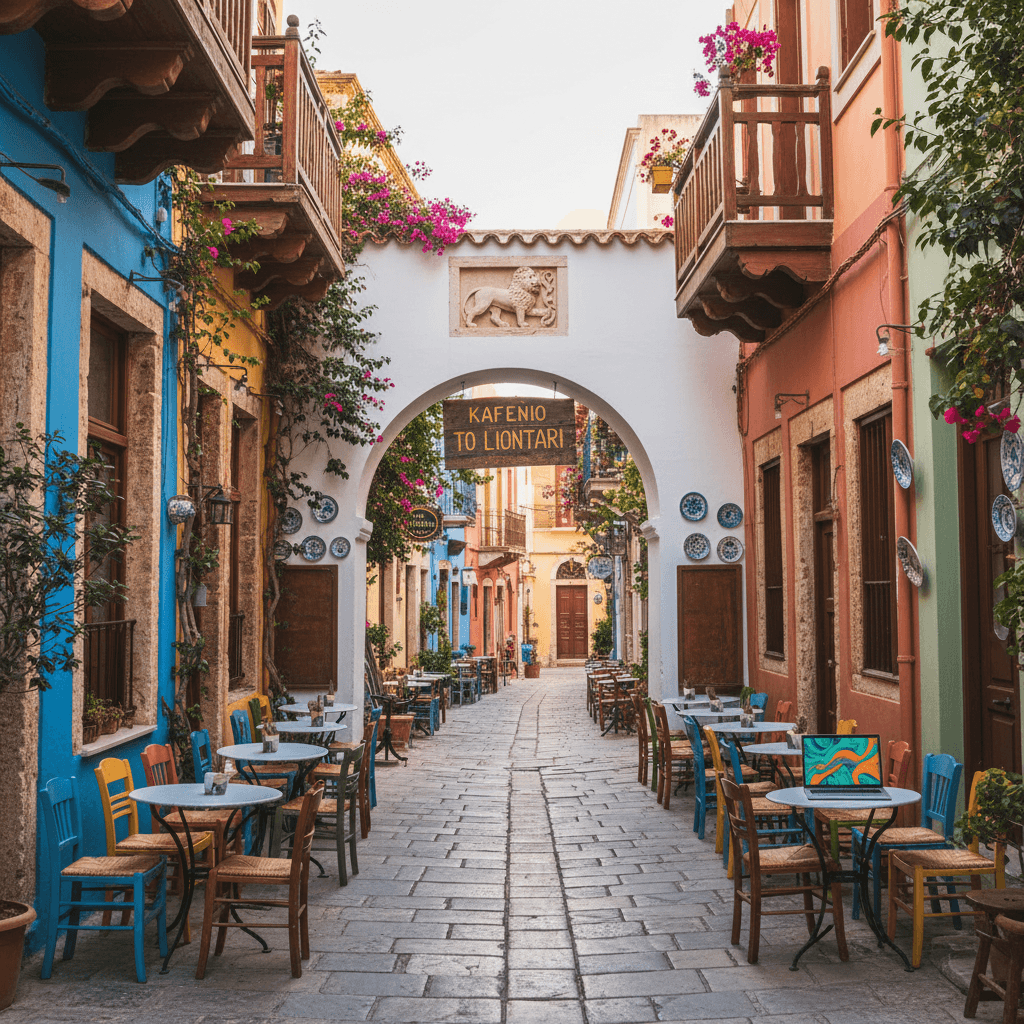
Chania
🇬🇷 Greece