Copenhagen
🇩🇰 Denmark
The Hygge-Fueled Productivity Hub
Copenhagen feels like a city designed by people who actually like living in cities. It is a masterclass in urban planning where historical charm meets a relentless drive for innovation. For the digital nomad, the vibe is distinct: it is efficient without being cold, and cozy without being lazy. You will find yourself biking over the Dronning Louises Bro bridge alongside thousands of commuters, feeling less like a tourist and more like a part of a highly functional, well-designed machine.
The local secret sauce is hygge. It is more than just candles and blankets; it is a cultural commitment to comfort and togetherness that softens the edges of the workday. While the city earned a Nomad Score of 80/100, the experience comes at a premium. You are trading a lower bank balance for world-class infrastructure, air you can actually breathe, and a sense of safety that is rare in major capitals. It is the ideal spot if you are looking to buckle down on a project during the day and lose yourself in a candlelit wine bar or a harbor-side sauna by 5:00 PM.
The Cost of the Danish Dream
Let's be real: Copenhagen is expensive. Most nomads budget between $2,500 and $3,571 per month. The sticker shock is real when you buy your first $9 latte, but you quickly learn to live like a local to keep costs manageable. This means embracing street food, utilizing the incredible grocery stores, and making the bicycle your primary mode of transport.
- Budget Tier ($2,500): Shared housing in Nørrebro or Amager, heavy reliance on the Donkey Republic bike app, and eating smørrebrød (open-faced sandwiches) from local bakeries for $10 to $15.
- Mid-Range ($3,000): A studio on the outskirts, a mix of public transport and biking, and dining at mid-range bistros where meals run $20 to $30.
- Comfortable ($4,000+): A central apartment in Vesterbro, a full-time desk at a top-tier coworking space, and frequenting the upscale Nordic fusion scene where dinner starts at $50.
Where to Plant Your Flag
Choosing a neighborhood determines your social life here. Most remote workers gravitate toward these three hubs:
Vesterbro
- Best For: Creative nomads and nightlife lovers.
- The Vibe: Once the gritty meatpacking district, it is now the epicenter of cool. It is packed with design studios, galleries, and the best bars in the city.
- Pros: Home to Republikken coworking; incredibly bike-friendly.
- Cons: It is loud on weekends and rent for a 1BR often exceeds $1,500.
Nørrebro
- Best For: Budget-conscious travelers and students.
- The Vibe: The most diverse neighborhood in Copenhagen. It is gritty, colorful, and feels more "lived-in" than the polished city center.
- Pros: More affordable food options; great parks like Assistens Cemetery for a walk.
- Cons: A bit further from the main tourist sights, though still well-connected.
Nyhavn & Central
- Best For: Short-term stays and first-timers.
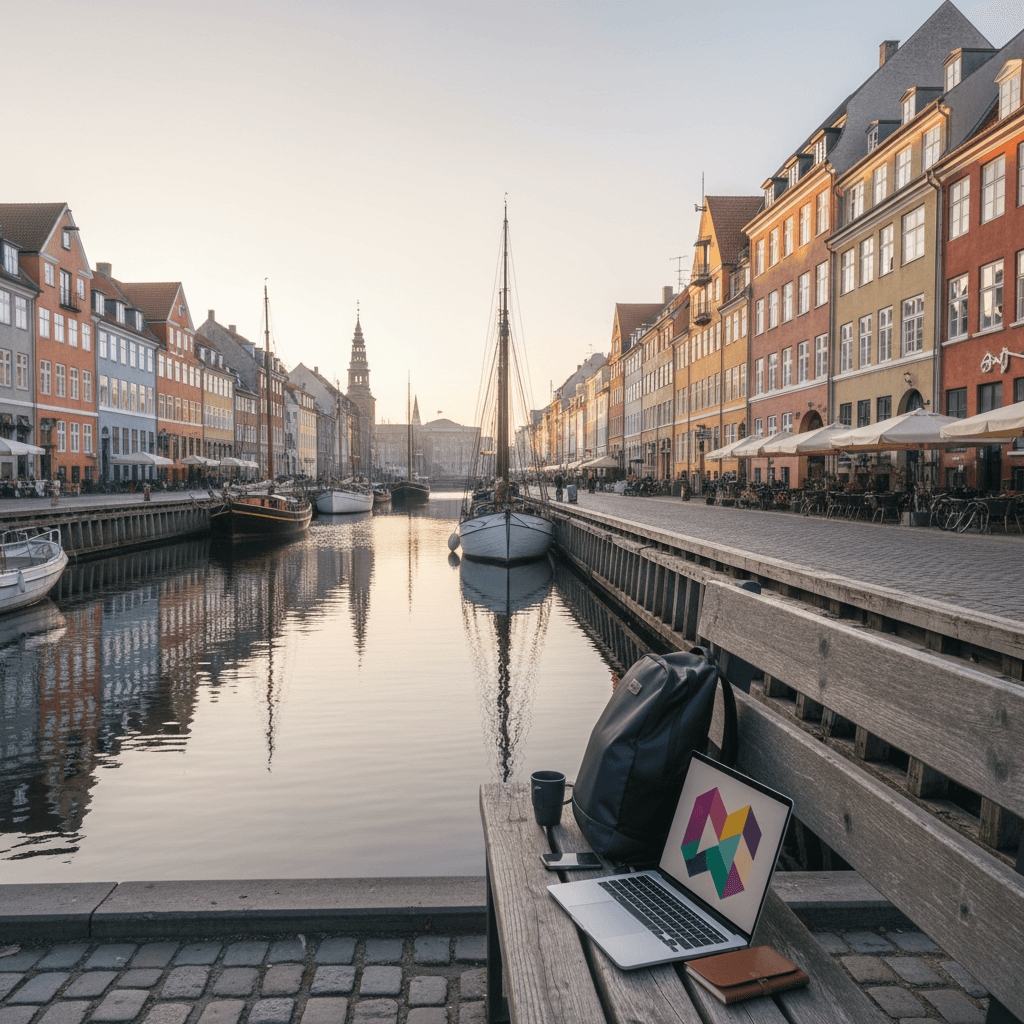
- The Vibe: This is the postcard version of Denmark with colorful 17th-century townhouses and wooden ships.
- Pros: Stunning views and walking distance to everything.
- Cons: Crowded during the June to August peak season; prices are inflated for tourists.
Connectivity and Deep Work
The internet here is blistering. With average speeds of 227 Mbps, you will never struggle with a video call. If you prefer the hum of a cafe, The Coffee Collective is a nomad staple with multiple locations and rock-solid Wi-Fi. For those who need a professional setup, Republikken near the Central Station is the gold standard, offering a relaxed atmosphere and networking events for around $300 a month. Symbion is another heavy hitter, providing gym access and free coffee to keep your productivity high.
When the sun finally comes out, you don't have to stay indoors. Expats often head to Kongens Have (the King’s Garden) or Ørstedsparken, where the city’s free Wi-Fi reaches the park benches. It is the ultimate Copenhagen flex: finishing a report while surrounded by Renaissance gardens and locals enjoying a midday picnic.
The Price of Hygge
Copenhagen isn't a budget destination, and there is no way to sugarcoat it. You are paying for a world class infrastructure, safety that is practically unrivaled, and a city design that works flawlessly. Most nomads find themselves spending between $2,500 and $3,571 per month. It is a high bar, but the quality of life often justifies the sticker shock for those who value efficiency and aesthetics.
The local currency is the Danish Krone (DKK), though cards are king here. You can go weeks without touching physical cash. Expats recommend using Wise or Revolut to avoid bank fees, as every saved Krone counts when a mid range dinner can easily set you back $30. If you are watching your wallet, stick to the $2,500 budget by opting for shared housing in Nørrebro and leaning heavily on the city's street food scene.
Breaking Down the Monthly Budget
Your biggest hurdle will be housing. Short term rentals with a dedicated desk and reliable Wi-Fi are in high demand and short supply. If you want to live like a local, here is how the tiers typically shake out:
- Budget ($2,500): You'll likely be in a shared apartment or a small studio in the outskirts like Amager. You'll cook most meals, rely entirely on a bike for transport, and stick to free Wi-Fi in parks like Ørstedsparken.
- Mid-Range ($3,000): This buys you a private one bedroom apartment outside the immediate city center. You can afford a few nights out at spots like Reffen street food and a dedicated desk at a coworking space.
- Comfortable ($4,000+): You are living centrally in Vesterbro or near Nyhavn. You're eating at upscale Nordic fusion restaurants, using coworking spaces like Republikken, and taking the occasional taxi or Bolt when it rains.
Neighborhood Price Points
Where you park your bags dictates your daily burn rate. While the center is tempting, the surrounding boroughs often provide a better balance for remote work.
Vesterbro
- Best for: Design lovers and social nomads.
- Rent: Expect $1,500+ for a decent studio.
- Vibe: Trendy and vibrant, but the nightlife can get noisy and the prices are among the highest in the city.
Nørrebro and Amager
- Best for: Long term stays and students.
- Rent: Slightly more approachable, often found through Facebook groups or platforms like HousingAnywhere.
- Vibe: International and diverse with plenty of green spaces, though you'll rely more on the metro or a longer bike ride to reach the historic center.
Food, Coffee, and Connectivity
Eating out is where the budget usually breaks. A simple smørrebrød (open faced sandwich) costs about $10 to $15, while a coffee at a top tier spot like The Coffee Collective runs around $6. Many nomads mitigate this by working from cafes that welcome laptops, though the unspoken rule is to keep the caffeine orders flowing.
Internet speeds are phenomenal, averaging 227 Mbps. You won't struggle with Zoom calls here. For a professional setup, Republikken near the Central Station is a favorite for its relaxed atmosphere and networking events, costing roughly $300 a month. If you need more amenities like a gym and free coffee, Symbion is a solid alternative.
Smart Savings and Transport
Don't bother with a car. Copenhagen is the world's premier cycling city, and there are more bikes than people. Renting through the Donkey Republic app costs about $19 a day or 19 DKK per hour. It is the fastest way to get around and saves you a fortune on public transport tickets, which average $3 to $5 for a short metro trip.
For your phone, grab a prepaid SIM from Lebara or Telenor. You can get unlimited data for around $20 a month, which is a steal compared to other local costs. This keeps you connected while you explore the city's parks or take a 30 minute train ride over to Sweden for a quick change of scenery.
For Digital Nomads: Vesterbro
If you want to be where the action is, Vesterbro is the undisputed heavyweight champion for the remote work crowd. Once a gritty district, it's transformed into a hub of design studios and craft beer bars. Most nomads gravitate here because it balances a high-energy social scene with serious productivity hubs like Republikken, which sits right near the Central Station and offers desk space for around $300 a month.
Living here puts you in the heart of the bike culture. You can grab a ride via the Donkey Republic app for about 19 DKK an hour and be anywhere in the city within fifteen minutes. The downside is the cost; expect to pay $1,500 or more for a studio, and the nightlife can get loud on weekends. It's the place to be if you value networking and being steps away from The Coffee Collective for a morning brew and a strong Wi-Fi signal.
For Expats and Long-Termers: Nørrebro and Amager
Expats looking to stretch their budget without sacrificing the local vibe usually head to Nørrebro or Amager. Nørrebro is the city's most international district, home to students and young professionals who frequent the diverse eateries along Nørrebrogade. It's slightly more affordable than the center, though "affordable" in Copenhagen still means budgeting at least $2,500 to $3,000 for your total monthly expenses.
Amager offers a different pace, with more green space and proximity to the beach. It's a great spot if you need to be near the IT University or Symbion coworking spaces, which are known for their excellent facilities like gyms and cafeterias. While these areas are a bit further out, the metro runs 24/7, so you're never actually isolated from the city center.
For Solo Travelers: Central Areas and Nørreport
If you're in town for a shorter stint and want everything within walking distance, look for spots near Nørreport Station. This is the ultimate transit hub, making it easy to hop on a train to Sweden for a day trip or catch the 15 minute metro ride to the airport. You'll be close to Ørstedsparken and the King's Garden, where you can actually find free public Wi-Fi while sitting on the grass during the mild summer months from June to August.
Solo travelers often prefer the safety and density of the center. You won't need to worry about "bad neighborhoods" here, as the city is remarkably safe, though you should keep an eye on your bike and bags in crowded tourist areas. For food, you can save money by hitting up Reffen for street food meals that cost between $10 and $15, a steal compared to the $50 price tags at mid-range sit-down restaurants.
For Short Stays and Sightseers: Nyhavn
Nyhavn is the Copenhagen you see on postcards, with its colorful 17th-century houses and historic wooden ships. It's the best choice if your priority is iconic views and historic charm, but it comes with a "tourist tax" in the form of higher rents and crowded sidewalks. Most seasoned nomads find it a bit too hectic for long-term work, but for a week-long stay, the convenience is hard to beat.
- Vesterbro: Best for networking, nightlife, and proximity to Republikken.
- Nørrebro: Best for a multicultural vibe, international food, and slightly lower rents.
- Amager: Best for quiet productivity, green spaces, and modern coworking at Symbion.
- Indre By (Center): Best for short-term convenience and being near the major parks and transit lines.
Regardless of where you land, remember that Copenhagen runs on apps. Download DOT for public transport and Rejsekort for the best fares. If you're staying long-term, start your apartment hunt early on platforms like HousingAnywhere or specialized nomad Facebook groups, as desks and high-speed internet are high-demand amenities that get snapped up fast.
Connectivity and Speed
Copenhagen is a powerhouse when it comes to digital infrastructure. You won't have to hunt for a signal here; the city is blanketed in high speed fiber and 5G. Copenhagen has excellent internet infrastructure with speeds typically exceeding 100 Mbps, ranking among Europe's fastest, though even on a bad day or a crowded cafe network, you can expect at least 46 Mbps. This makes it a reliable hub for developers, video editors, or anyone who spends their day on Zoom calls.
For your phone, skip the expensive roaming fees. Most nomads grab a prepaid SIM card from Lebara or Telenor. You can get a solid data package with unlimited or very high limits for about $20 a month. The coverage is seamless, even when you're taking the train across the bridge to Sweden for a day trip.
Top Coworking Spaces
The coworking scene in Copenhagen reflects the city's love for minimalist design and functional workspaces. It isn't just about a desk and a chair; it's about the community and the "hygge" vibe that makes a long workday feel less like a grind.
- Republikken: Located right near the Central Station in Vesterbro, this is the go-to spot for the nomad community. It’s relaxed, hosts frequent networking workshops, and costs roughly $300 a month for a flexible seat. It’s perfect if you want to meet fellow creatives and expats.
- Symbion: With two main locations, this space is built for serious productivity. They offer high speed internet, printers, and a cafeteria. They even have an on-site gym and free coffee to keep you fueled. It is a bit more corporate than Republikken but incredibly efficient.
- The Office: A smaller, more boutique option often favored by freelancers who need a quiet, professional environment without the flash of larger tech hubs.
Laptop-Friendly Cafes and Public Spaces
If you prefer the hum of a coffee shop over a dedicated office, Copenhagen is incredibly accommodating. Unlike some European cities where staff might glare at a laptop, many Danish cafes embrace the remote work culture, provided you keep the coffee flowing.
The Coffee Collective has several locations across the city, including Nørrebro and the Torvehallerne market. Their Wi-Fi is strong, though seating can get tight during the morning rush. For a more academic vibe, the Copenhagen Business School Library or the IT University are great spots where you can blend in with students and focus for hours.
When the weather is nice between May and September, you can actually work outside. Public parks like Kongens Have (King’s Garden) and Ørstedsparken often have accessible Wi-Fi zones or strong enough 5G coverage that you can tether your phone and work from a blanket on the grass.
Practical Tips for Remote Workers
While the internet is fast, the cost of living is the main hurdle. Most nomads recommend budgeting between $2,500 and $3,571 per month to live comfortably. Finding an apartment with a dedicated desk can be tricky, so many expats suggest using platforms like HousingAnywhere or local Facebook groups to vet the workspace before you sign a lease.
To save money while staying connected, download the Donkey Republic app. Renting a bike for 19 DKK per hour (about $3) or 129 DKK per day ($19) is the most efficient way to hop between your apartment, a cafe in Vesterbro, and a coworking space in the city center. It’s how the locals do it, and it ensures you aren't spending your entire budget on taxis or trains.
A Culture of Trust
Copenhagen is consistently ranked among the safest cities on the planet, and you'll feel it the moment you step off the train. There's a palpable sense of social trust here. It's the kind of place where locals leave their bikes unlocked for a quick errand or parents leave strollers with sleeping babies outside a cafe while they grab a latte. For a nomad, this translates to a low stress environment where you can focus on your deep work without constantly checking over your shoulder.
Violent crime is incredibly rare. Your biggest concern will be opportunistic petty theft, particularly bike theft, which is practically a national sport. If you rent a bike through the Donkey Republic app, always use the built in electronic lock. In heavy tourist hubs like Nyhavn or the Nørreport station area, keep a casual eye on your bag to ward off pickpockets. Otherwise, you can comfortably walk or bike through any neighborhood, including Vesterbro and Nørrebro, at any hour of the night.
World Class Healthcare
The Danish healthcare system is efficient, high tech, and high quality. If you're an EU citizen, your European Health Insurance Card (EHIC) covers most urgent needs. For non EU nomads, you'll need private travel insurance like SafetyWing or Insured Nomads. Most expats find that even if they have to pay out of pocket for a standard GP visit, the costs are reasonable compared to US prices, and the level of care is exceptional.
- Emergency Services: Dial 112 for life threatening emergencies. For non urgent medical advice after hours, dial 1813 to speak with a nurse or doctor who can direct you to an urgent care clinic.
- Hospitals: Rigshospitalet is the main central hospital known for its specialized care and English speaking staff.
- Pharmacies: Look for the Apotek sign. Most are open during standard business hours, but Steno Apotek near the Central Station is open 24/7 for late night needs.
- Language: Don't worry about a language barrier in a medical setting. Nearly every doctor and nurse in Copenhagen speaks fluent English.
Environmental Health and Safety
The city's "safety" extends to the environment. The air quality is excellent thanks to the massive biking infrastructure and the harbor water is clean enough to swim in. During the summer, you'll see crowds jumping into the water at Islands Brygge. Food safety standards are also among the highest in the world, so you can eat at street food markets like Reffen or grab a 15 DKK smørrebrød from a local deli without a second thought.
If you're visiting in the winter, the biggest safety hazard is actually the weather. The "dark season" from December to February can be mentally taxing. Expats recommend leaning into the hygge lifestyle, buying a high quality raincoat, and taking Vitamin D supplements to combat the short daylight hours. Also, pay attention to bike lane etiquette; staying to the right and signaling your stops is a matter of safety, as the bike lanes move fast and locals take their commuting seriously.
Practical Safety Tips
- Tap Water: It is perfectly safe and actually tastes better than bottled water. Carry a reusable bottle to save $4 to $5 per drink.
- Solo Travel: Copenhagen is ideal for solo travelers and women. The well lit streets and reliable 24/7 Metro make getting home late feel secure.
- Apps to Have: Download 112 App, which sends your GPS coordinates to emergency services if you call through it.
The Two-Wheeled Way of Life
In Copenhagen, the bicycle isn't just a mode of transport; it's the city's pulse. There are actually more bikes than people here, and you'll see everyone from CEOs to students pedaling through rain or shine. For nomads, the go-to app is Donkey Republic. You can find their orange bikes parked all over the city and unlock one for about 19 DKK (~$2.50-3) per hour or 99 DKK (~$13-14) for a full day. It's the fastest way to get between meetings in Vesterbro and lunch in the city center.
The bike lanes are wide, safe, and strictly regulated. If you're new to the city, remember the golden rule: stay to the right and use hand signals before you stop or turn. Locals are patient but they move fast, so keep your eyes on the lane. If you aren't comfortable on two wheels, the city is incredibly walkable, especially around the central Nørreport area and the historic harbor of Nyhavn.
Mastering Public Transit
When the weather turns or you're hauling gear to a coworking space like Symbion, the public transport system is flawless. It runs 24/7, which is a lifesaver if you're out late in the Vesterbro nightlife scene. The Metro, buses, and S-trains all use the same ticketing system, making transfers seamless.
- The DOT App: This is your best friend for buying single tickets on the fly. A typical trip from the airport to the city center takes only 15 to 20 minutes and costs between $3 and $5.
- Rejsekort: If you're staying for more than a week, pick up this reloadable card. It significantly lowers the fare for every journey compared to buying single tickets.
- City Pass: Good for short-term visitors who want unlimited travel in the central zones for 24 to 120 hours.
Ride-Hailing and Taxis
You won't find Uber here due to local regulations. If you need a car, the Bolt app is the most common alternative and is widely used by expats. Taxis are also available but they're notoriously expensive. Most nomads avoid them unless it's a genuine emergency or they're splitting the fare with a large group. For a quick trip across town, a taxi can easily set you back $30 or more, whereas the Metro or a bike costs a fraction of that.
Regional Connections
One of the best perks of being based in Copenhagen is the proximity to Sweden. You can hop on a train at Central Station and be in Malmö in less than 30 minutes. It's a popular day trip for nomads who want a change of scenery or a slightly different pace of work. The trains are frequent, comfortable, and equipped with reliable Wi-Fi, making it easy to get some deep work done while crossing the Øresund Bridge.
Practical Transit Tips
Copenhagen uses a zone system for fares, which can be confusing at first glance. Most of the central attractions and nomad hubs fall within Zones 1 and 2. If you're heading to the outskirts like Amager for cheaper rent, check how many zones you'll be crossing before you buy your pass. Also, keep in mind that you can take your bike on the S-trains for free, but you'll need a special bicycle ticket for the Metro during peak hours. Digital nomads often suggest using the Rejseplanen app to plan routes in real time; it's much more accurate than generic map apps for local delays or platform changes.
The English Standard
You can breathe a sigh of relief when it comes to the language barrier in Copenhagen. It basically doesn't exist. Denmark consistently ranks as one of the most proficient non-native English-speaking countries in the world, and in the capital, that proficiency is near-universal. From the barista at The Coffee Collective to the bus driver or the person sitting next to you at Republikken, everyone speaks English fluently and often with a neutral, easy-to-understand accent.
Most nomads find they can live, work, and socialize for months without ever feeling the "foreigner's frustration." All official signage in the metro, menus at Reffen street food market, and government websites are either bilingual or easily decipherable. If you're ever in a pinch, Google Translate handles Danish text perfectly, though you'll rarely need it for anything beyond reading the back of a milk carton at the supermarket.
Mastering the Local Lingo
While English is the default for business and tourism, the local language is Danish. It's a North Germanic language that looks much easier on paper than it sounds in practice. The "silent letters" and soft glottal stops can make pronunciation a bit of a puzzle for English speakers. Even though you don't need Danish to survive, learning a few words goes a long way in showing respect for the local culture.
- Hej (Hi): Pronounced like "hi," this is the standard greeting everywhere.
- Tak (Thanks): You'll use this constantly. A double "Tak, tak!" is a common way to be extra polite.
- Hygge: You've likely heard this one. It doesn't have a direct translation but refers to a sense of cozy contentment and enjoying the good things in life with good people.
- Ja / Nej: Yes and No.
Communication Norms and Etiquette
Danish communication is famously direct and egalitarian. Expats often note that there's very little "fluff" in professional conversations. If a Dane disagrees with you, they'll likely say so plainly; it isn't meant to be rude, it's just efficient. This honesty makes networking at coworking spaces like Symbion much more productive, as people tend to get straight to the point.
Socially, Danes can sometimes seem reserved at first, especially in public spaces or on the metro. Don't mistake this for coldness. It's more about respecting personal space. Once you're in a social setting, like a meetup at a bar in Vesterbro, that reserve disappears. The "hygge" culture means that once the candles are lit and the drinks are poured, people are incredibly warm and open.
Digital Connectivity
In Copenhagen, your digital life will be as seamless as your physical one. The city is highly digitized, and you'll rarely see anyone using cash. Most nomads rely on Wise or Revolut for daily transactions, as cards and mobile payments are accepted everywhere, even at small fruit stands.
- Internet Speeds: You can expect blazing fast connections, often averaging around 227 Mbps. Even the "slow" spots usually clock in at 46 Mbps, which is plenty for video calls.
- Mobile Data: Pick up a prepaid SIM card from Telenor or Lebara. For about $20 a month, you can get a plan with massive data allowances that work perfectly across the city.
- Public Wi-Fi: It's reliable and free in most parks like King’s Garden or Ørstedsparken, making it easy to send a few emails while enjoying the rare Danish sunshine.
Emergency Communication
If you ever find yourself in a bind, help is just a phone call away. The emergency number is 112. The operators speak excellent English and can dispatch police, fire, or medical services immediately. For non-emergency medical issues, pharmacies are easy to find, and the staff can provide advice and over-the-counter solutions in English without any hesitation.
The Sweet Spot: May to September
If you want to experience Copenhagen when the city truly comes alive, aim for the window between May and September. This is when the legendary Danish "hygge" moves outdoors. The sun stays up late, sometimes until 10:00 PM in mid-summer, giving you plenty of daylight to finish a deep-work session at Republikken and still have time for a harbor swim or a bike ride through Vesterbro.
Most nomads find June, July, and August to be the peak experience, with temperatures hovering between 18°C and 22°C (64°F to 72°F). It’s rarely scorching, which is perfect for those who find Southern Europe too intense in the summer. You’ll see locals congregating at the Islands Brygge harbor bath or grabbing a coffee at The Coffee Collective to sit in King’s Garden. Just be prepared for crowds and peak pricing; central apartments near Nyhavn or Nørreport go fast, and you’ll likely pay a premium for anything with a dedicated desk.
The Shoulder Seasons
May and September are the insider picks for those who want a better balance of price and pace. The weather is crisp but manageable, and the tourist hordes have either not yet arrived or just packed up. It's the best time to find mid-range housing in neighborhoods like Amager or Nørrebro, where you can still find a studio for around $1,500 if you book early through platforms like HousingAnywhere.
Late spring brings the first blooms to Ørstedsparken, while September offers beautiful autumn colors and a final burst of outdoor events before the "dark season" arrives. Rain is a constant companion in Denmark, so regardless of the month, you’ll want a solid waterproof jacket if you plan on using Donkey Republic bikes as your primary transport.
Surviving the Winter
If you’re looking for a budget-friendly entry point, the winter months of January and February are the cheapest, but they aren't for the faint of heart. Temperatures stay between 0°C and 5°C (32°F to 41°F), and the days are incredibly short. By 3:30 PM, the sun is down, and the city enters a quiet, indoor-focused hibernation.
Expats recommend leaning into the indoor lifestyle during this time. It’s a great season for productivity; with fewer outdoor distractions, you can hunker down at Symbion or the Copenhagen Business School Library. December is the outlier here, as the Christmas markets and festive lights make the cold feel magical rather than dreary, though prices spike again briefly for the holidays.
What to Pack and Expect
The Danish weather is famously fickle. A sunny morning can turn into a drizzly afternoon in minutes. To live like a local, you’ll need to master the art of layering. Even in the height of summer, a light sweater is necessary for the evenings when the maritime breeze kicks in. Here is the seasonal breakdown of what you'll encounter:
- Summer (Jun-Aug): Mild and bright. Expect highs of 22°C (72°F). Perfect for harbor swimming and outdoor markets like Reffen.
- Autumn (Sep-Nov): Wet and windy. This is the wettest time of year, particularly October and November. Great for cozying up in cafes with fast 227 Mbps Wi-Fi.
- Winter (Dec-Feb): Cold and dark. Highs rarely top 5°C (41°F). Snow is possible but often turns to slush quickly.
- Spring (Mar-May): Unpredictable. You might get a 15°C (59°F) sunny day followed by a frost. It’s a beautiful time to watch the city's parks transition back to green.
Regardless of when you visit, remember that Copenhagen is a bike-first city. If it rains, the locals don't stop cycling; they just put on high-end rain gear. If you want to fit in, do the same. Grab a prepaid SIM from Lebara for about $20 so you can check the radar on the go, and you'll be set for whatever the Danish sky throws at you.
The Price of Hygge
Copenhagen is a high-cost, high-reward destination. While it isn't the place for a budget backpacker, digital nomads find the quality of life justifies the price tag. You should budget between $2,500 and $3,571 per month to live comfortably. A basic studio or one-bedroom apartment in a central area will run you at least $1,500, and finding a place with a dedicated desk and fast Wi-Fi requires booking several months in advance.
Daily expenses add up quickly, but you can manage them by eating like a local. A smørrebrød (open-faced sandwich) or street food meal costs around $10 to $15, while a mid-range dinner sits between $20 and $30. If you are going upscale, expect to pay $50 or more. Most nomads use cards for everything; apps like Wise or Revolut are your best friends here to avoid bank fees.
Where to Set Up Shop
Choosing the right neighborhood defines your experience. Most remote workers gravitate toward Vesterbro. It is trendy, packed with design shops, and home to a great coworking scene, though the nightlife can get a bit loud on weekends. If you want the classic postcard view, Nyhavn is beautiful but touristy and expensive.
- Nørrebro and Amager: These are the more affordable outskirts. They have a younger, international student vibe and plenty of green space, but you will rely more on your bike or the metro to get into the city center.
- Central (near Nørreport): This area is incredibly walkable and close to parks like Ørstedsparken. It gets crowded during the peak season from June to August, but it is unbeatable for convenience.
Connectivity and Coworking
The internet in Copenhagen is some of the fastest in Europe, with speeds often hitting 227 Mbps. You will find reliable Wi-Fi in almost every cafe. The Coffee Collective is a favorite for those who need a caffeine fix while clearing their inbox. For a more formal setup, Republikken near Central Station is a top pick for nomads. It costs about $300 a month and has a relaxed, professional atmosphere.
If you need heavy-duty amenities like gym access and printers, Symbion has two locations that offer a great community feel. For mobile data, grab a prepaid SIM from Telenor or Lebara. You can get unlimited data for around $20 a month. If the weather is nice, you can even work outside in King’s Garden, which has free public Wi-Fi.
Getting Around
Copenhagen is a city built for two wheels. There are more bikes than people here, and the infrastructure reflects that. Download the Donkey Republic app to rent a bike; it costs about 19 DKK (roughly $3) per hour or 129 DKK ($19) for a full day. Just remember to learn the hand signals and yield to pedestrians, as bike etiquette is taken seriously.
The public transport system is flawless. Use the DOT app or get a Rejsekort card for the trains, buses, and metro. The trip from the airport to the city center takes only 15 to 20 minutes and costs about $3 to $5. While ride-hailing is limited, the Bolt app is the most common alternative to traditional taxis.
Health, Safety, and Language
This is one of the safest cities you will ever visit. You can walk almost anywhere at night without worry, though you should still keep an eye on your bike and belongings in crowded tourist spots. English proficiency is incredibly high. You won't have any trouble communicating, but learning a few Danish words like Tak (thanks) and Hej (hello) goes a long way with the locals.
The weather is the only thing that might catch you off guard. Aim to visit between May and September for long, mild days. Winters from December to February are dark and chilly, with temperatures hovering between 0 and 5°C. If you are here during the wet months of October to December, make sure your gear is waterproof.
Need visa and immigration info for Denmark?
🇩🇰 View Denmark Country GuideNomad Haven
Your home away from home
Monthly Budget Estimates
More cities in Denmark
Aarhus
🇩🇰 Denmark
Aalborg
🇩🇰 Denmark
Esbjerg
🇩🇰 Denmark