Constantine
🇩🇿 Algeria
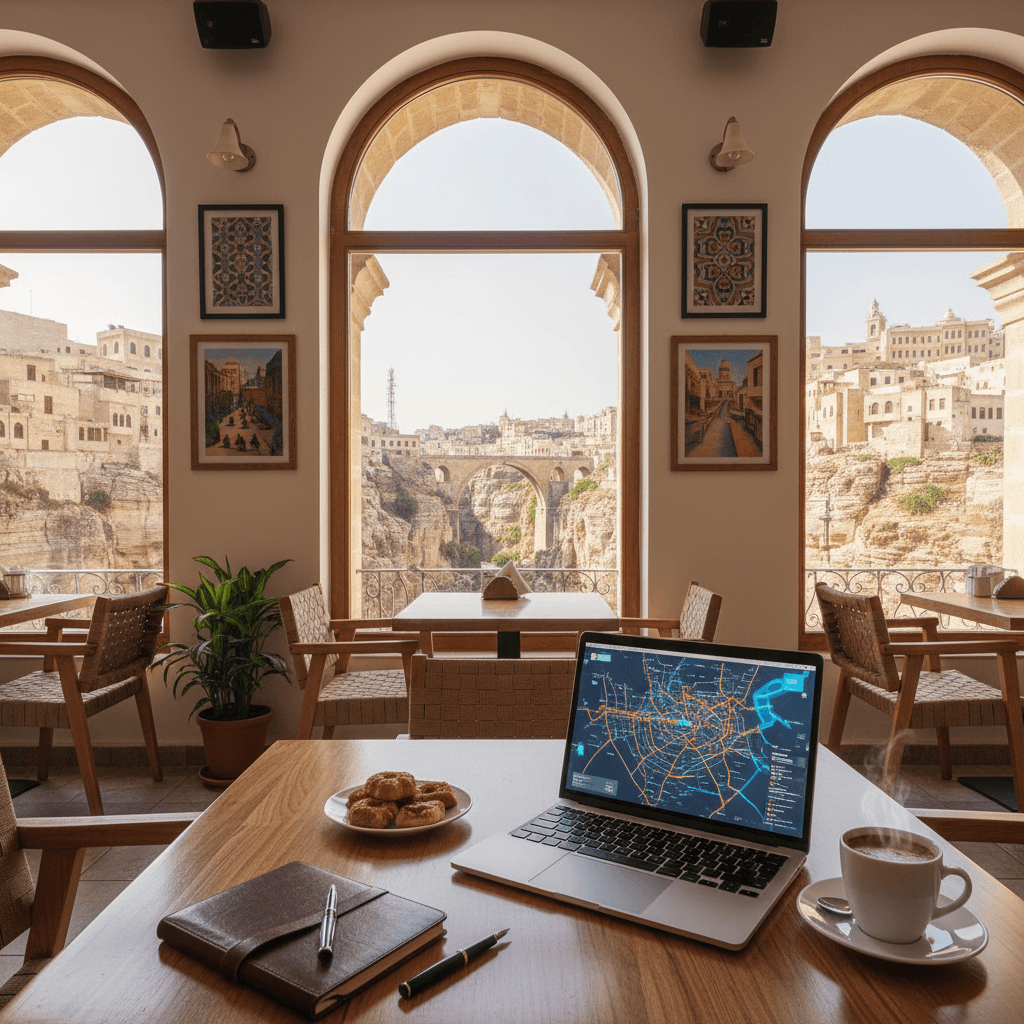
Constantine feels carved out of stone and old habits. The bridges are the headline, sure, but the real mood is slower, more private and a little stubborn, with Ottoman facades, steep lanes, calls to prayer and the sound of car horns bouncing around the gorge. It’s not a city that performs for outsiders.
That’s part of the appeal and part of the headache. Costs are very low, a single nomad can get by on roughly $441 to $600 if they live local and a comfortable month with cafes, taxis and some imports usually lands around $800 to $1,200. Internet speeds have improved as of April 2026, with ADSL now at 20 Mbps and fiber at 100 Mbps, though actual performance varies by provider and location.
Summer is brutal. July and August hit 35 to 36°C, the heat sits on the skin and the city gets dusty and tired, while spring and autumn feel much better for wandering. Winters are cooler and damp, with rain tapping on balconies and cold tile floors in apartments that don’t always heat well.
Where Most Nomads End Up
- Coudiat: Central, practical, easy for markets, taxis and daily errands, though it gets crowded and noisy.
- Belouizdad: Good for transport and basic amenities, but traffic can be a pain.
- Ali Mendjeli: Better if you want newer buildings, parks and wider streets, though it’s farther from the historic core.
- Old Medina: Best for atmosphere and cheap food, though the stairs, petty theft risk and narrow lanes can get old fast.
Food is simple and cheap. Street plates like chorba or merguez usually run around $3, coffee is often about $1 and a nicer dinner might still stay under $10, which, surprisingly, makes it easy to eat out without feeling reckless. The catch is nightlife, it’s limited and conservative, so expect cafes, family restaurants and the occasional low-key place in La Medina, not late nights with a crowd of backpackers.
People are generally warm once you get through the French, Darija and polite reserve and you’ll hear a lot of “Sa7a” before any real conversation starts. Digital nomads who stick around usually settle into a routine of cafes, The Nomads Club and careful planning around connectivity, because Constantine rewards patience, not urgency.
Constantine is cheap, but not dirt-cheap in the way backpackers fantasize about. A single nomad can live here on about $441 to $1,583 a month, depending on how local you go and the jump between those tiers is mostly rent, food and how much you insist on imported comforts. Not fancy. Still manageable.
If you eat like locals, shop at neighborhood markets and ride buses or app-based taxis, your money goes far, weirdly far for a city with such dramatic scenery and such clunky infrastructure. A studio or 1BR in the center runs around $152, street meals hover near $3 and a short taxi ride is often around $1, though drivers without apps will absolutely try it on. The city sounds busy, with honking, coffee spoons and the call to prayer folding over the gorge, but your wallet won’t feel the noise.
Budget setup
- Total: $441 to $600
- Rent: About $152 for a basic central place
- Food: Mostly markets, bakeries and $3 street meals
- Transport: Buses and the occasional cheap taxi
- Data: Around $7 for a modest SIM package
This tier works if you’re fine living local and skipping the imported snacks, bigger cafes and constant ride-hailing. Honestly, that’s how most people keep costs down here, because Constantine punishes daily convenience less than it punishes unnecessary spending.
Mid-range life
- Total: $800 to $1,200
- Rent: $152 to $200 for a better flat
- Food: Around $5 for many casual meals
- Work setup: Cafes and occasional coworking
- Transport: More ride-hailing, less waiting around
Most nomads end up here, because it buys you sanity, not luxury. Coffee at places like Chich Coffee is cheap, coworking at The Nomads Club or Regus adds structure and the slower internet, honestly, makes a paid desk feel worth it when your video call starts freezing at 5 Mbps.
Comfortable tier
- Total: $1,500+
- Housing: Better apartment, maybe more central
- Food: More upscale dining, imported groceries
- Work: Coworking membership, regular cafe days
- Trade-off: Convenience costs extra here
That top tier is for people who want the easier version of Constantine and don’t mind paying for it. You can live well, but the city still throws curveballs, slow bureaucracy, patchy healthcare and summers that feel like hot dust pressing against your skin at 2 p.m.
Nomads
Coudiat is the easiest place to land if you want to work, eat and get moving without much drama. It’s central, walkable and close to markets and transport, though the crowds can get loud, with taxi horns, fruit sellers and the smell of grilled merguez floating through the streets. Internet is, honestly, the weak point everywhere, so don’t expect smooth video calls unless you’ve got backup data and patience.
If you’re staying a month or two, start here, then move only if you hate the noise. A modest central studio can run around $152 a month and that’s the number most nomads keep circling back to when they realize Constantine stays cheap but the slow WiFi doesn’t magically improve.
Expats
Belouizdad works best for expats who want a practical base with decent access to the rest of the city. You’ll get more everyday convenience here, plus easier transport, but traffic can be annoying and the streets feel less relaxed at rush hour, with engines idling and people weaving around parked cars, which, surprisingly, gets old fast.
Pick Belouizdad if you don’t want to spend your life haggling with taxis or climbing endless stairs in the old core. Coudiat still wins for central errands, though, so plenty of long-stay visitors split their time between the two and keep their expectations low on nightlife.
Families
Ali Mendjeli is the safest-feeling option for families because it’s newer, wider and easier to live in with kids. The parks are cleaner, the streets are broader and there’s less of that cramped old-city chaos, though you’ll pay for it with longer rides into the historic center and the bridges.
- Best for: Space, parks, calmer routines
- Trade-off: Farther from the sights
- Housing: Modern apartments, usually better for long stays
It’s not romantic, frankly, but it’s practical. If you want grocery runs, stroller-friendly streets and fewer surprise detours up steep lanes, Ali Mendjeli makes sense.
Solo Travelers
The old medina has the most character and it’s where Constantine feels like Constantine, with stone alleys, Ottoman facades and views that stop you mid-step. Stay there for atmosphere and cheap eats, but keep your phone tucked away and don’t wander the quieter corners late, because petty theft happens and the stairs can be slippery after rain.
Solo travelers usually like it in daylight and regret it after dark. That’s the trade, simple as that.
Best overall pick: Coudiat for most nomads, Belouizdad for expats, Ali Mendjeli for families and the old medina for solo travelers who want mood over convenience.
Internet in Constantine is, honestly, the weak link. Internet speeds in Constantine have improved significantly as of April 2026, with ADSL upgraded to 20 Mbps and fiber connections to 100 Mbps, though actual speeds vary by provider and location. Mobile data remains a reliable backup for remote work. A rainy afternoon in a cafe can turn into a buffering headache, especially if the room is full of students, espresso cups and the sound of chairs scraping on tile.
Most nomads don’t rely on cafe WiFi alone, because it’s patchy and inconsistent, then one open tab too many and the whole thing slows to a crawl. Get a local SIM first, preferably Djezzy, Mobilis or Ooredoo, since $7 to $11 can get you roughly 10GB to 50GB depending on the plan and that’s much safer for daily work than gambling on someone else’s router.
Coworking and Work Spots
- The Nomads Club: One of the few dedicated options, call ahead, because space is limited and you shouldn’t assume a desk will be free.
- Regus: Regus offers dedicated coworking desks starting from DZD 700 per person per day (approximately $5 USD), with various other options available, so it works if you need a quiet, predictable setup.
- Cafes: Chich Coffee and similar spots work for light laptop days, but the WiFi can be slow and the room gets noisy fast.
The coworking scene is small, turns out and that’s the reality here. If you need long calls, upload-heavy work or steady cloud access, book a proper desk or work from home, because trying to run a serious remote day off cafe WiFi will test your patience.
What Nomads Actually Do
- Use a SIM: Buy it at the airport or a shop, then hotspot your laptop when the cafe connection dies.
- Work early: Mornings are calmer, with less honking outside and fewer people crowding the network.
- Choose centrally: Coudiat and Belouizdad are better for easy access, transport and coffee runs.
Frustrating? Yes. Still, Constantine’s low costs make the compromise easier to swallow and the city has a grounded rhythm that a lot of nomads end up liking. You’ll hear calls to prayer, scooter engines and the clatter of cups, then step outside into dry heat or winter air that feels cold on the skin, which, surprisingly, makes a focused workday feel more human than polished.
Safety
Constantine feels fairly safe in the center and police presence does keep violent crime low, but petty theft still happens around markets, bus stops and the Old Medina. Stay alert after dark, especially on quieter streets with bad lighting and lots of stairs, because a quick phone grab can turn into a stupid hassle fast.
It’s a conservative city, so dress modestly and keep public affection low-key, especially if you’re staying in Coudiat, Belouizdad or near the historic core, where people notice what you’re doing. Women traveling solo usually do fine during the day, though frankly, the social rules are stricter than many visitors expect and that can feel watchful.
Best areas: Coudiat, Belouizdad and Ali Mendjeli for calmer, more practical day-to-day living.
Be careful: Old Medina lanes at night, remote outskirts and crowded tourist spots with pickpockets.
Healthcare
Healthcare in Constantine is mixed, honestly and locals don’t sugarcoat it, smaller clinics can be okay for basics, but major hospitals are often under strain and the experience can feel slow and chaotic. Pharmacies are the real safety net here, they’re everywhere, staff usually know what’s available and many common meds are easier to get there than at a clinic.
If you need serious treatment, expect delays and bring patience, because paperwork moves slowly and English isn’t widely spoken. The new university medical center should help once it’s fully running, but for now, don’t rely on local hospitals for anything complicated unless you really have to.
Pharmacy use: Good for first-line care, prescriptions and quick advice.
Emergency numbers: 17 for police, 14 for ambulances.
Practical advice
- Travel insurance: Get it before you arrive and make sure it covers hospital transfer if you need a bigger city.
- Day-to-day meds: Bring your own basics, then restock at pharmacies rather than hunting through clinics.
- Night movement: Use Yassir, Heetch or InDrive after dark, because hailing a random taxi late can invite overcharging.
- Solo routine: Stick to busy streets, keep your phone tucked away and don’t flash cash, it draws attention.
The city’s sounds are part of the vibe, car horns bouncing off the gorge, the call to prayer drifting through the afternoon heat and shopkeepers calling out over the clatter of tea glasses. That same density helps with safety in the center, weirdly, because there are always eyes around, but you still don’t want to test the quiet edges of town.
Getting around Constantine is cheap, but it can be a little annoying, because the city is built on cliffs, bridges and steep roads that make every cross-town trip feel longer than it looks on a map. Walk the center if you can, though your calves will complain and the honking, bus fumes and call to prayer drifting over the gorge give the whole place a slightly sleepy, slightly chaotic rhythm.
Public transport exists, but it’s not glamorous. Buses are the cheapest option, taxis are everywhere and ride-hailing apps like Yassir, Heetch and InDrive usually save you from haggling, which, surprisingly, is half the battle here, because street taxis can overcharge if they think you don’t know the route.
Best ways to move around
- Buses: Very cheap, crowded and slow at peak hours.
- Ride-hailing: Usually around $1 for short hops, cleaner than street taxis.
- Street taxis: Fine in a pinch, but agree on the fare first.
- Walking: Good in the center, brutal on steep streets and stairs.
If you’re staying in Coudiat or Belouizdad, getting around is pretty painless, since you’re close to markets, cafes and most practical errands, but the old medina can turn a five-minute errand into a sweaty climb past cracked stone steps and shuttered shopfronts. Ali Mendjeli is easier for parking and wider roads, frankly, yet it sits farther out, so you’ll spend more time in traffic or in a taxi if you want to reach the historic core.
There’s no meaningful bike or scooter scene here, so don’t plan on zipping around like you would in a flatter city. The center is walkable, but the hills are real and after a rain the stone gets slick underfoot, so decent shoes beat style every time.
Getting in and out
- Airport taxi: About 20 to 30 minutes into town.
- Airport fare: Roughly $10 to $15, depending on time and negotiation.
- Best move: Take a taxi or app ride, skip pre-booked transfers.
From Mohamed Boudiaf Airport, just take a taxi when you land and don’t overthink it. Pre-booked cars aren’t really necessary and the direct ride into the city is usually easy enough unless you arrive late, when everything feels a bit more tired and the roads go quiet except for the occasional engine drone and stray dog barking in the dark.
Constantine runs on Arabic Darija and French and English is patchy enough that you'll feel it fast the minute you step off the airport taxi. The good news, weirdly, is that people usually try to help, even if the conversation turns into gestures, half-French and a lot of pointing at the phone screen. Use Google Translate and keep it open.
Don't expect smooth small talk. You’ll hear greetings in the street, shopkeepers chatting over tea, calls to prayer drifting through the old quarters and the usual soundtrack of horns and scooter engines, so basic phrases matter more than perfect grammar.
Useful Phrases
- Sa7a: hello or a casual greeting
- Sba7 elkhir: good morning
- Chukran: thank you
- La shukran: no, thanks
- Wain...? where is...?
French gets you much farther than English in cafes, taxis, pharmacies and apartment hunting, honestly and even a rough attempt gets a better reaction than waiting for someone to switch languages for you. In the medina or around Coudiat, older residents often prefer French or Darija, while younger people may know a little English but won't always feel comfortable using it.
Speak slowly, keep your sentences short and don't pile on slang from other countries, because that just muddies things. If you're asking for directions, prices or a SIM card, write the words down, show the address and repeat the key number, since people here are used to getting by with quick practical exchanges, not long explanations.
How People Communicate Here
- Directness: polite, but not overly chatty
- Timing: replies can be slow, especially by text
- Best tools: WhatsApp, Google Translate, notes app
- Best backup: ask a local, then confirm the details twice
WhatsApp is the default for everything, from apartment landlords to cafe contacts to ride-hailing drivers and texts often move faster than calls. For errands, you'll do better with a local SIM from Mobilis, Djezzy or Ooredoo, because public WiFi is, frankly, too shaky for real work and video calls can freeze at the worst possible second.
One more thing, dress and tone matter. A polite greeting, modest clothes and a calm voice go a long way in Constantine, where people tend to read the room quickly and appreciate respect more than polished English.
Constantine has a proper seasonal swing. Summers get brutally hot; July and August see daytime highs around 35-36°C, with extreme heat occasionally reaching 44°C or higher. The dry heat sits on the stone and gorges like a lid, while winter feels cool enough to want a jacket indoors because the tile floors stay cold. Spring and autumn are the sweet spot, honestly and the city feels easier then, with milder days, clearer walks across the bridges and less of that sticky fatigue.
Best months: April to June, then October. Worst months: July to August, plus the damp, chilly edge of January. Rain shows up mainly in March and November, so if you hate gray skies and slick stairways in the old quarters, skip those weeks or at least plan around them.
April through June is the smart window for most visitors. You get 20 to 30°C weather, enough warmth for café terraces without sweating through your shirt and the city looks better when you can actually enjoy the views over the ravine instead of ducking for shade every five minutes. October is similar, weirdly gentle and walkable, with less tourist stress and better comfort for roaming Coudiat, Belouizdad and the old medina.
- April to June: Best overall, mild temperatures, easier walking, good for day trips.
- October: Quiet, comfortable, still warm enough for outdoor coffee.
- July to August: Brutal heat, dry air, heavy afternoons, not fun for long errands.
- January: Cool and a bit raw, especially after dark.
Summer in Constantine can drain you fast. The sun bounces off concrete, traffic huffs through the hills and even a short taxi ride can leave you sweaty and irritated, so if you come then, keep daytime plans light and work from a shaded café or your apartment in the afternoon. Honestly, locals slow down too and that tells you plenty.
For long stays, aim for shoulder season and you’ll have a better time. You’ll still get the city’s noise, the call to prayer drifting across the gorge and the smell of grilled merguez from street corners, but without the punishing heat that makes everything feel harder than it should.
Constantine is cheap, but it can feel a little rough around the edges. The city runs on family routines, tea, taxi horns and slow bureaucracy, so don’t expect things to move fast and honestly you’ll be happier if you plan for delays.
Money and Daily Costs
- Rent: A central studio or 1BR can start around $150 and nicer furnished places climb quickly.
- Food: Local meals often cost $3 to $5, street food is even cheaper and imported groceries sting.
- Transport: Short taxi rides are usually about $1, ride-hailing apps are safer for pricing and buses are packed.
- Internet: A local SIM with 50GB can run about 1,500 DZD, which helps because home WiFi is, weirdly, often slow.
Cash is still king here and ATMs usually hand out small amounts, so keep enough dinars on you for taxis, cafés and groceries. Don’t assume cards will work, because plenty of shops still prefer cash and some places just shrug if you ask.
Where to Stay
- Coudiat: Best for central access, markets and getting around on foot.
- Belouizdad: Good for transport and everyday convenience, though traffic can be annoying.
- Ali Mendjeli: Better for space, parks and a calmer feel, but it’s farther out.
- Old Medina: Great atmosphere and cheap eats, with stairs, noise and a petty-theft risk.
Most nomads settle in Coudiat or Belouizdad, because errands are easier and you’re not stranded on the city’s steep hills after dark. The old quarters are great for atmosphere, with the smell of grilled meat, coffee and exhaust hanging in the air, but you’ll want to stay alert in crowded lanes.
Internet, Work and Getting Around
WiFi is often around 5 Mbps, so video calls can get choppy and cafés aren’t a clean fix either. The Nomads Club is the best-known coworking option, Regus exists if you want a more formal setup and many remote workers end up using a good SIM plus café hopping.
Yassir, Heetch and InDrive are the apps to keep, because street taxis can overcharge if you don’t know the rate. Walk the center when you can, though the hills will make you feel it in your calves and skip late-night wandering in quiet side streets.
Local Etiquette
- Dress: Modest clothing goes down better, especially in conservative neighborhoods.
- Greetings: Say “Sa7a” or “Sba7 elkhir,” then expect a warm, formal reply.
- Social habits: Public affection gets frowned on and tea hospitality usually means you should stay a few minutes.
- Language: French helps a lot, Arabic helps more and English won’t get you very far.
Healthcare is mixed, so for anything serious, move fast and go where locals tell you, not where a glossy sign looks reassuring. Pharmacies are often the easiest first stop and if you need help in an emergency, the police are 17 and ambulances are 14.
Frequently asked questions
How fast is the internet in Constantine for remote work?
How much does it cost to live in Constantine as a digital nomad?
Which neighborhood is best for digital nomads in Constantine?
Is Constantine safe for solo travelers and digital nomads?
What is the best area to stay in Constantine if I want atmosphere?
What kind of workspaces are available in Constantine?
When is the best time of year to stay in Constantine?
Need visa and immigration info for Algeria?
🇩🇿 View Algeria Country GuideOff the Radar
Pioneer territory