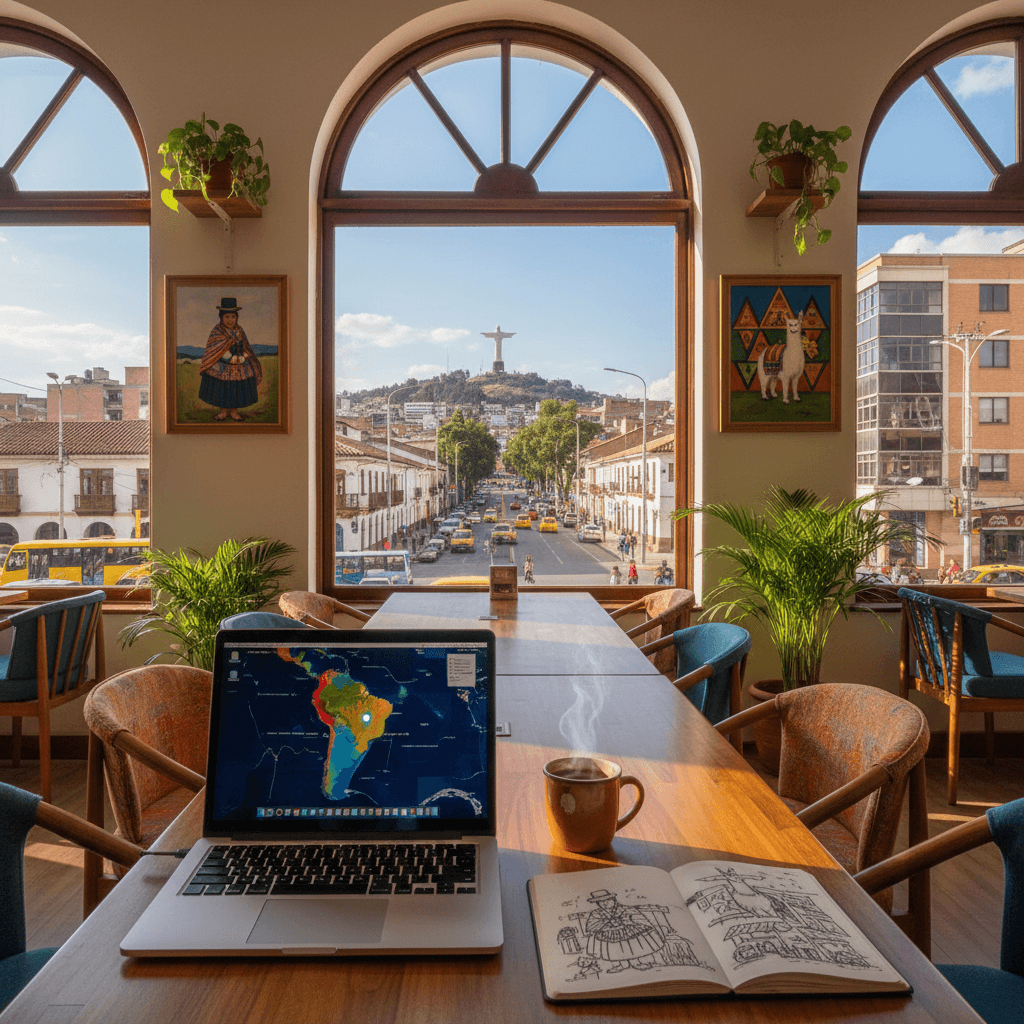
Cochabamba
🇧🇴 Bolivia
The City of Eternal Spring
Cochabamba doesn't shout for attention like the salt flats of Uyuni or the dizzying heights of La Paz. Instead, it hums with a steady, comfortable energy that makes you want to unpack your bags and stay a month longer than planned. Sitting at a comfortable 8,400 feet, it avoids the thin air of the Altiplano while maintaining a climate that residents call "Eternal Spring." You can expect sunny days and mild temperatures year round, usually hovering between 15°C and 25°C.
For the nomad who's tired of the frantic pace of Medellin or the tourist crowds in Cusco, Cochabamba is a breath of fresh air. It feels authentic because it is. You'll see indigenous Cholitas selling giant rounds of cheese next to modern glass office buildings. It's a place where tradition and modernity don't just coexist; they're tangled up together in a way that feels honest and unpretentious.
The Culinary Heart of Bolivia
If you ask a Bolivian where to find the best food in the country, they'll point you straight to "Cocha." This is the nation's gastronomic capital, and the locals take that title seriously. Life here revolves around the table. You'll find yourself planning your workday around a $3 to $5 plate of Silpancho (a massive, thin breaded steak topped with egg) or hunting down the best Salteñas for a mid morning snack.
The vibe is decidedly laid back. People move slower here, and they expect you to do the same. While the nightlife isn't as loud or flashy as other South American hubs, the evening energy in the plazas is infectious. You'll see families, students, and the small but growing expat community gathered for coffee or a Paceña beer as the sun dips behind the surrounding mountains.
The Nomad Reality
While it's getting easier to work from here, Cochabamba is still a bit of a frontier for remote workers. The internet, once a major pain point, has leveled up significantly. Most modern apartments in the north now offer speeds between 25 and 50 Mbps, which is plenty for Zoom calls and heavy uploads. You won't find a nomad on every corner, which is exactly why people love it. It's a place to actually get work done without the distractions of a massive party scene.
- The Cost Advantage: Your dollar goes incredibly far. A comfortable life here costs around $1,140 a month, and you can snag a high end studio for $300 to $700. Local salaries average around $400 to $700.
- Safety: It’s generally safer than La Paz or Santa Cruz, though you still need to keep your wits about you in crowded spots like La Cancha.
- Language: English isn't common. You’ll need some basic Spanish or a very active Google Translate app to get by at the markets.
Why It Feels Different
There’s a specific kind of magic in the valley. It’s the feeling of walking through the Plaza Metropolitana at dusk or taking the cable car up to the Cristo de la Concordia statue to see the city lights flicker on below. It doesn't feel like a "destination" curated for travelers; it feels like a home that’s letting you in on a secret. Most nomads arrive for the low prices but stay for the hospitality and the lack of pretense. It’s a city that invites you to slow down, eat well, and actually live like a local.
The Price of the Eternal Spring
Cochabamba is arguably the best value proposition in South America for 2025. While the Bolivia-wide average for nomads sits closer to $1,600, you can live a high-quality life here for significantly less. Most digital nomads find that a monthly budget of $1,140 covers a modern lifestyle, including a comfortable apartment, frequent dining out, and a few weekend trips.
The city operates primarily on a cash economy. While you'll find card readers in upscale cafes in the North Centre, you'll want a stack of Bolivianos for the markets and taxis. Local salaries average around $900, so your spending power as a remote worker goes incredibly far here.
Monthly Budget Tiers
- The Budget Nomad ($800 to $1,000): You're likely sharing a flat or staying in a modest guesthouse, eating primarily at markets like La Cancha, and using the micros to get around.
- The Mid-Range Professional ($1,000 to $1,400): This is the sweet spot. You'll land a private 1BR in a modern building, eat out at mid-range spots most nights, and use radio taxis after dark.
- The High-End Expat ($1,500+): At this level, you’re looking at a luxury penthouse in Queru Queru, nightly fine dining, a full-time coworking membership at 360 Workplace, and zero budget stress.
Housing and Rent
Rent is your biggest variable. The market for nomad-style apartments has matured lately, with many new builds featuring the dedicated workspaces and reliable Wi-Fi that were hard to find five years ago. Most expats recommend looking in the North Centre or Queru Queru for the best balance of safety and modern amenities.
- Modern Studio or 1BR Apartment: Expect to pay between $300 and $700 per month. The higher end typically includes utilities and high-speed fiber internet.
- Shared Housing: If you're looking for a room in a shared house, prices can drop as low as $150 to $250.
Dining and Groceries
Cochabamba is the culinary capital of Bolivia, and the prices reflect a city that loves to eat. You can grab a massive plate of Silpancho on the street for $2 to $5. If you prefer a sit-down experience in a trendy neighborhood, a mid-range meal will usually run you between $5 and $10. Even the city's most upscale restaurants rarely break the $20 mark for a full dinner with drinks.
- Street Food/Market Meal: $2 to $4
- Mid-range Restaurant Dinner: $7 to $12
- Liter of Local Beer: $2.50
- Cappuccino in a Nomad-friendly Cafe: $2 to $3
Transport and Connectivity
Getting around is remarkably cheap. A ride on a micro or local bus is roughly $0.30, though most nomads prefer the safety and convenience of radio taxis. A cross-town trip in a taxi usually costs less than $5. For your phone, a SIM card from Tigo or Entel costs about $1.50, and data packages are affordable and easy to top up at any pharmacy.
Coworking spaces like 360 Workplace and Cowork Cafe are becoming the go-to hubs for the small but growing nomad community. While specific monthly rates vary, budgeting around $200 for a dedicated desk is a safe bet, putting it on par with similar spaces in La Paz.
Nomads and Remote Workers
If you're looking for the best mix of modern infrastructure and walkability, head to the North Centre. This is where you'll find the newer apartment builds that cater specifically to the remote work crowd. It's common to find sleek 1BR apartments here for between $300 and $700 per month on Airbnb. This area feels more polished than the historic core and houses the city's most reliable workspaces, including 360 Workplace and Cowork Cafe.
For a more traditional vibe without sacrificing convenience, the City Centre is the place to be. It's the heart of the action, making it easy to stroll over to Modena Cafe for a morning coffee and a few hours of emails. You'll be steps away from the massive La Cancha market, which is perfect for grabbing a $3 lunch. Just keep your wits about you in the crowds, as petty theft can happen in the busier plazas.
- Top Pick: North Centre for the best Wi-Fi and modern amenities.
- Monthly Rent: $400 to $600 for a high-end nomad flat.
- Vibe: Fast-paced, convenient, and social.
Expats and Long-Term Residents
Queru Queru is the neighborhood most expats eventually call home. It sits just north of the hustle, offering a quieter, more residential atmosphere that feels a world away from the downtown noise. The streets are wider and greener, making it a favorite for those who plan to stay for six months or longer. It's safe, leafy, and has a community feel that's harder to find in the transient city center.
Living here means you're still close enough to the action to grab a $5 Silpancho for dinner, but you'll enjoy much quieter nights. Most expats recommend using radio taxis to get back and forth from the center after dark, as it's a bit of a trek on foot. It's the kind of place where you actually get to know your neighbors.
- Top Pick: Queru Queru for peace and quiet.
- Pros: Low noise levels, safe streets, and larger living spaces.
- Cons: You'll need to commute for the best cafes and coworking spots.
Solo Travelers and Culture Seekers
If you're in town for the atmosphere and want to be surrounded by history, look for a spot near Plaza Metropolitana. This area captures the "City of Eternal Spring" energy perfectly with its beautiful public spaces and colonial architecture. It's the social hub of the city where locals and travelers mingle on park benches under the sun. It's an ideal base if you want to be within walking distance of everything.
The South Centre near the lake is another scenic option for those who prioritize views and food. While it's slightly less developed in terms of high-speed internet infrastructure, it's packed with authentic eateries and provides a more rugged, local experience. It's great for a shorter stay where you want to soak up the valley scenery.
- Top Pick: Plaza Metropolitana for the best architecture and people-watching.
- Safety Tip: Avoid the bus station area and the trails near the Cristo statue at night. Take the cable car instead.
- Budget: Very affordable, with local guesthouses often under $25 a night.
What to Avoid
While Cochabamba is generally safer than many other South American hubs, there are spots to skip. The area immediately surrounding the main bus station is gritty and prone to muggings, especially after the sun goes down. Similarly, while La Cancha is a must-visit during the day for cheap gear and food, it becomes a no-go zone at night. When moving between neighborhoods late at night, skip the street hails and use a radio taxi or a trusted ride app to get home safely.
Connectivity Standards
The old stories about Bolivia's painful internet speeds are finally becoming a thing of the past. While you won't find the lightning fast fiber of Seoul or Tallinn, the situation in Cochabamba has stabilized significantly. Fixed broadband speeds now average around 25-50 Mbps, which is more than enough for Zoom calls and uploading large files. Most modern apartments in neighborhoods like Queru Queru or the North Centre come equipped with reliable Wi-Fi, though it's always smart to ask for a speed test screenshot before you book.
Mobile data is your best backup and surprisingly affordable. You can pick up a SIM card from Tigo, Entel, or Viva for about 10 BOB (roughly $1.50) at the airport or almost any pharmacy. Tigo is generally the favorite among nomads for its consistent 4G coverage across the city. Just keep in mind that once you leave the urban valley and head into the mountains, your signal will likely vanish.
Top Coworking Spaces
The coworking scene here is small but professional, catering to a mix of local entrepreneurs and the growing expat community. You won't find a massive global chain, which actually helps keep the vibes more personal and less corporate.
- 360 Workplace: This is the gold standard for productivity in the city. It's modern, quiet, and designed for people who actually need to get deep work done. Expect ergonomic chairs and a community that respects the quiet zone.
- Cowork Cafe: If you prefer a bit of background hum and a more social atmosphere, this is the spot. It blends the amenities of an office with the comfort of a high end coffee shop. It's a great place to meet local freelancers and other travelers.
While exact pricing can fluctuate, most nomads budget between $200 and $250 for a monthly hot desk. This is comparable to what you'd pay in La Paz and is a fair price for the reliability and community you get in return.
Laptop Friendly Cafes
Cochabamba has a burgeoning cafe culture that rivals its famous food scene. If you're the type who likes to "cafe hop" throughout the day, you'll find plenty of spots that won't give you the side eye for staying a few hours.
- Modena Cafe: Located at the corner of Calle Beni and Potosí, this is arguably the most nomad friendly spot in town. The staff is used to the laptop crowd, the power outlets are accessible, and the coffee is excellent.
- North Centre Cafes: Wander around the modern blocks near the plaza and you'll find several smaller boutiques with decent Wi-Fi. Many nomads find these spots perfect for cleared out morning emails before the afternoon heat kicks in.
Practical Workflow Tips
Power outages aren't a daily occurrence, but they can happen during the rainy season from December to March. It's a good idea to keep your laptop and power banks topped up. If you're planning on staying for a few months, look for modern apartment builds. These are often marketed specifically to remote workers and usually have the best internal wiring for high speed internet.
Digital nomads often report that while the community is small, it's very welcoming. You won't find the "digital nomad bubbles" common in Medellin or Bali, which means you'll actually get to practice your Spanish and integrate with the locals while you work. Most people find that a mix of a dedicated coworking membership for heavy lifting and cafe sessions for lighter tasks provides the perfect balance for the "City of Eternal Spring."
Safety Overview
Cochabamba is widely considered one of the safer urban hubs in Bolivia, especially compared to the chaotic energy of La Paz or the sprawl of Santa Cruz. Locals are famously hospitable, and the overall vibe is more "relaxed valley town" than "gritty metropolis." Most nomads feel comfortable walking the streets of the North Centre or Queru Queru during the day without much worry.
That said, situational awareness is your best friend here. Petty theft and opportunistic muggings do happen, particularly in crowded areas where tourists stand out. The La Cancha market is a sensory marvel, but it's also a hotspot for pickpockets. Keep your phone tucked away and your backpack on your front when navigating the stalls. Once the sun goes down, it's best to avoid the market area and the vicinity of the main bus station entirely.
If you're heading up to the iconic Cristo de la Concordia statue, take the cable car. While there is a walking trail, it has a reputation for muggings targeting solo travelers. The cable car is cheap, safe, and provides the best views of the city anyway. For solo female travelers, the consensus is to stick to well lit areas at night and use radio taxis rather than hailing a random car off the street. If you're out late at a bar or restaurant, ask the staff to call a trusted cab company for you.
Healthcare & Medical Services
Healthcare in Cochabamba is functional but varies significantly between public and private facilities. For anything more than a cold, you'll want to head straight to a private clinic. These facilities are generally modern and much faster than public hospitals, though you should expect to pay in cash upfront even if you have insurance. Most nomads find that basic consultations are very affordable, often costing between $20 and $40.
Pharmacies, or farmacias, are on almost every corner and are surprisingly well stocked. You can get many medications over the counter that would require a prescription back home. If you have a minor ailment, the pharmacists are usually quite helpful, though a little Spanish goes a long way here as English proficiency in the medical sector isn't guaranteed.
- Emergency Number: Dial 110 for police or 911 for general emergencies.
- Pharmacies: Look for chains like Farmacorp for reliable service and 24 hour locations.
- Water Safety: Do not drink the tap water. Stick to bottled water, which is cheap and available everywhere, or use a high quality filter.
- Altitude: At roughly 8,400 feet, altitude sickness isn't as severe as in La Paz, but you'll still feel the thin air. Stay hydrated and take it easy for your first 48 hours.
Insurance & Practical Precautions
While the city is becoming a more popular stop for remote workers, the infrastructure isn't quite at Western standards. Most expats recommend having a solid travel insurance policy that includes medical evacuation, just in case of a serious emergency. Since Bolivia is still a cash heavy society, don't carry large sums of money on you. Instead, carry enough for the day and keep a backup card locked in your apartment.
Regarding digital safety, the recent improvements in internet speeds (now averaging 25 to 54 Mbps) mean you'll likely be working from cafes like Modena Cafe or coworking spaces like 360 Workplace. These spots are generally very secure, but never leave your laptop unattended, even for a quick bathroom break. In a city where the average local income is around $400 to $700 a month, a $1,500 MacBook is a significant temptation.
Public Transit: Micros and Trufis
Navigating Cochabamba is actually quite straightforward once you get the hang of the local system. The most common way to get around is by micros (colorful vintage buses) and trufis (fixed-route minivans or cars). These are incredibly cheap, usually costing around $0.30 per ride. You'll see the routes painted on the windshields or written on placards. Just wave one down from the sidewalk and shout "¡me quedo!" or "¡esquina!" when you want to hop off.
While they're budget-friendly, micros can get cramped during the lunch rush and evening commute. If you’re carrying a laptop bag or groceries, it might feel a bit tight. Most nomads use these for short hops across the city center during the day but switch to other options after dark.
Taxis and Ride-Hailing
For more comfort or late-night trips, radio taxis are the gold standard. These are dispatched through a central office, making them a safer bet than flagging a random car on the street. Expats usually keep a few dispatch numbers in their WhatsApp contacts. A typical ride within the city will set you back between $1.50 and $3.00.
While global giants like Uber aren't the primary way to move here, local ride-hailing apps are gaining some traction. However, most long-term residents still prefer calling a trusted radio taxi service, especially when heading home from a bar or restaurant in the North Centre. If you're coming from Jorge Wilstermann International Airport (JAA), expect to pay between $10 and $20 for a 20 to 30 minute ride to the city center.
Walkability and Safety
Cochabamba is a very walkable city, particularly in the City Centre and Queru Queru. The "City of Eternal Spring" weather makes strolling between cafes and coworking spaces like 360 Workplace a pleasant experience. The sidewalks in the modern northern districts are generally well-maintained and lined with trees.
However, you need to stay alert in high-traffic areas. La Cancha market is a labyrinth where it's easy to get turned around, and petty theft can be an issue in the thick of the crowds. Travelers generally advise against walking alone at night near the bus station or through the market area. If you want to see the Cristo de la Concordia statue, take the cable car rather than the walking trail, as the path has a reputation for muggings.
Getting Out of Town
If you're planning weekend trips to nearby villages or trekking spots, you'll likely head to the main bus terminal. Buses in Bolivia are affordable but vary wildly in quality. For longer hauls to La Paz or Sucre, look for "bus cama" options which feature seats that recline nearly flat.
For daily logistics, keep these tips in mind:
- Carry small change: Micro drivers rarely have change for large bills. Keep 2 and 5 BOB coins handy.
- Download offline maps: While internet is improving, mobile signal can be spotty in certain pockets of the valley.
- Verify the fare: Always confirm the price with a taxi driver before you put your bags in the trunk, as most don't use meters.
- Language: English is limited among drivers, so having your destination written down or pinned on a map is a lifesaver.
Most nomads find they don't need a car here. Between the walkable central streets and the constant stream of cheap trufis, you can get almost anywhere in the valley for less than the price of a coffee.
The Language Barrier
Expect a bit of a steep learning curve if your Spanish is rusty. Cochabamba isn't a major international tourist hub like Cusco or Cartagena, so English proficiency remains low to moderate across the city. While you might find a few English speakers in upscale cafes in Queru Queru or at 360 Workplace, the vast majority of your daily interactions at the markets and with taxi drivers will happen entirely in Spanish.
Most nomads find that locals are incredibly patient and hospitable, even if you're just butchering the basics. They appreciate the effort, especially in a city that hasn't been overrun by westerners yet. If you're planning to stay for more than a few weeks, enrolling in a local language school or finding a conversation partner at Modena Cafe is a smart move to help you integrate into the local scene.
Indigenous Influence
While Spanish is the primary language of business and daily life, Cochabamba sits in the heart of the Andes. You'll frequently hear Quechua spoken in the aisles of La Cancha or on the micros. You don't need to learn it, but picking up a few Quechua loanwords used by locals will earn you some serious respect. It's part of what gives the city its authentic, traditional feel compared to more globalized South American capitals.
Essential Tools and Phrases
Because English is limited, you'll want to have Google Translate downloaded for offline use. It's a lifesaver when you're trying to negotiate prices or understand specific ingredients at a local pension. For quick interactions, keep these phrases in your back pocket:
- ¿Cuánto cuesta? (How much does it cost?) - Use this constantly at the markets.
- ¿Dónde está el baño? (Where is the bathroom?)
- La cuenta, por favor. (The check, please.)
- ¿Me puede ayudar? (Can you help me?)
Staying Connected
Communication isn't just about what you say; it's about staying online. Mobile data is cheap and reliable enough for most remote work needs. You can pick up a SIM card for about 10 BOB ($1.50) at the airport or almost any pharmacy. Tigo and Entel are the heavy hitters here, offering the best coverage across the valley.
For messaging, WhatsApp is the undisputed king. Whether you're booking a radio taxi, talking to your landlord, or joining a local expat group, everything happens through WhatsApp. Make sure your local number is linked to your account as soon as you land.
Professional Communication
If you're worried about client calls, the internet situation has improved significantly. Recent speed tests show downloads ranging from 25-40 Mbps. You won't struggle with Zoom calls or Slack, but it's always worth having a backup data plan on your Viva or Tigo SIM just in case of a local power flicker.
The City of Eternal Spring
Cochabamba earns its nickname every single day. Sitting at an altitude of 8,200-8,400 feet (2,500 meters), the city avoids the thin, freezing air of La Paz and the sweltering humidity of the Amazon. Most nomads find the climate here to be the closest thing to perfection in South America. You can expect consistent daytime highs between 23°C and 28°C (73°F to 82°F) throughout much of the year.
The valley setting creates a microclimate where it's rarely too hot or too cold. You'll spend most of your time in light layers, though the mountain air means temperatures dip once the sun goes down. It's the kind of place where you can leave the windows open while you work at Cowork Cafe or 360 Workplace without needing AC or heavy heating.
The Best Window: August to November
If you're planning a three month stint, aim for the window between August and November. This is springtime in the Andes, and the valley is at its best. The days are reliably sunny, the skies are clear for trips up to the Cristo de la Concordia statue, and the city’s parks are in full bloom.
Expats often prefer this season because it avoids the dust of the deep winter and the heavy rains of the new year. It's the peak time for outdoor cafe culture in neighborhoods like Queru Queru and North Centre, where you can get through a full workday on a patio without a cloud in sight.
The Rainy Season: December to March
Summer in Bolivia brings the rain. From December through March, the valley sees frequent downpours. While it rarely rains all day, the storms can be intense, occasionally turning the streets into small rivers and making the famous La Cancha market a bit of a muddy trek.
If you're here during these months, you'll still see the sun in the mornings, but you should plan your outdoor errands early. The silver lining is that the surrounding mountains turn a brilliant, deep green, and the local produce at the markets is at its peak. Just make sure your Airbnb or apartment in the Plaza Metropolitana area has reliable roofing and good drainage, as older buildings can sometimes struggle with the summer deluges.
Winter and Shoulder Seasons
- June to July: This is the heart of winter. While days remain a pleasant 20°C (68°F), nights can drop toward freezing. Since central heating is rare in Bolivian apartments, you'll want to check if your host provides a space heater or extra alpaca blankets.
- April to May: A beautiful shoulder season. The rains have stopped, the air is crisp, and the humidity disappears. It's a quiet, dry time that's perfect for exploring the nearby Tunari National Park.
Seasonal Packing Essentials
Because of the high altitude and valley geography, your packing list should focus on versatility rather than heavy gear. Travelers usually recommend focusing on these basics:
- High SPF Sunscreen: The sun at 8,200-8,400 feet (2,500 meters) is significantly stronger than at sea level, even on cool days.
- A Versatile Jacket: You'll want something light for the 15°C (59°F) evenings, especially if you're walking back from dinner in the City Centre.
- Quality Umbrella: If you're visiting between December and March, a sturdy one is better than a cheap plastic poncho that will catch the wind.
- Moisturizer: The air gets very dry during the winter months of June and July, which can be a shock to your skin if you're coming from the tropics.
Overall, Cochabamba is a year round destination. Unlike the Altiplano, where winter can feel like a survival test, or the lowlands, where summer is oppressive, this valley stays comfortable enough for shorts and a t shirt almost any day of the year.
Connectivity and Tech Setup
Internet in Cochabamba has finally caught up with the needs of remote workers. While it used to be a struggle, you'll now find reliable speeds averaging between 25 and 50 Mbps in most modern apartments and cafes. It's a massive improvement from just a few years ago, making video calls and large uploads much less of a headache.
For a dedicated work environment, head to 360 Workplace or Cowork Cafe. These spots are the go-to hubs for the small but growing nomad community. Expect to pay around $200 to $250 for a monthly pass, which is comparable to prices in La Paz. If you prefer working from cafes, Modena Cafe on Calle Beni is a favorite for its laptop friendly atmosphere and decent coffee.
Pick up a local SIM card immediately upon arrival. Tigo and Entel are the top choices for coverage. You can grab a SIM for about 10 BOB ($1.50) at the airport, local pharmacies, or small corner shops. Just remember that mobile data gets spotty once you leave the city limits and head into the valley.
Money and Budgeting
Cochabamba is incredibly kind to your wallet. Most nomads live comfortably on about $1,140 a month, including a nice apartment. Cash is king here, so keep a stash of Bolivianos on you at all times. While nicer restaurants take cards, the markets and smaller shops are strictly cash only. ATMs are easy to find in the City Centre and North Centre, but they can occasionally run out of bills on weekends.
- Budget Lifestyle ($800 to $1,000): Focuses on shared housing, eating at markets like La Cancha, and using public micros.
- Mid-range Nomad ($1,000 to $1,400): Covers a private one bedroom apartment in a modern building, frequent dining out, and occasional coworking.
- Comfortable Living ($1,500+): Includes a high end apartment in Queru Queru, upscale dinners, and a full time coworking membership.
Safety and Local Transit
The city is generally safer than other Bolivian hubs, but you still need to keep your wits about you. Petty theft is common in crowded spots like La Cancha or the main bus station. If you're visiting the Cristo de la Concordia statue, take the cable car. The walking trail has a reputation for muggings, so it's best to avoid it entirely.
Public transport is dominated by "micros" (small buses) that cost roughly $0.30 per ride. They're efficient but can be confusing for newcomers. For a more direct route, use radio taxis. They're safer and more reliable than hailing a random car on the street, especially at night. A taxi from the airport to the center should cost between $10 and $20 and takes about 25 minutes.
Language and Culture
Don't expect much English outside of the coworking spaces. Spanish is the primary language, and having a basic grasp of it will change your entire experience. Locals are famously hospitable, but they'll appreciate it if you can manage a few phrases for ordering food or asking for directions. Download an offline version of Google Translate before you land; you'll use it daily.
The "City of Eternal Spring" lives up to its name with temperatures usually hovering between 15°C and 25°C. The best time to visit is from August to November when the sun is out and the air is crisp. Try to avoid the rainy season from December to March if you don't want your afternoon walks interrupted by sudden downpours.
Need visa and immigration info for Bolivia?
🇧🇴 View Bolivia Country GuideHidden Gem
Worth the effort