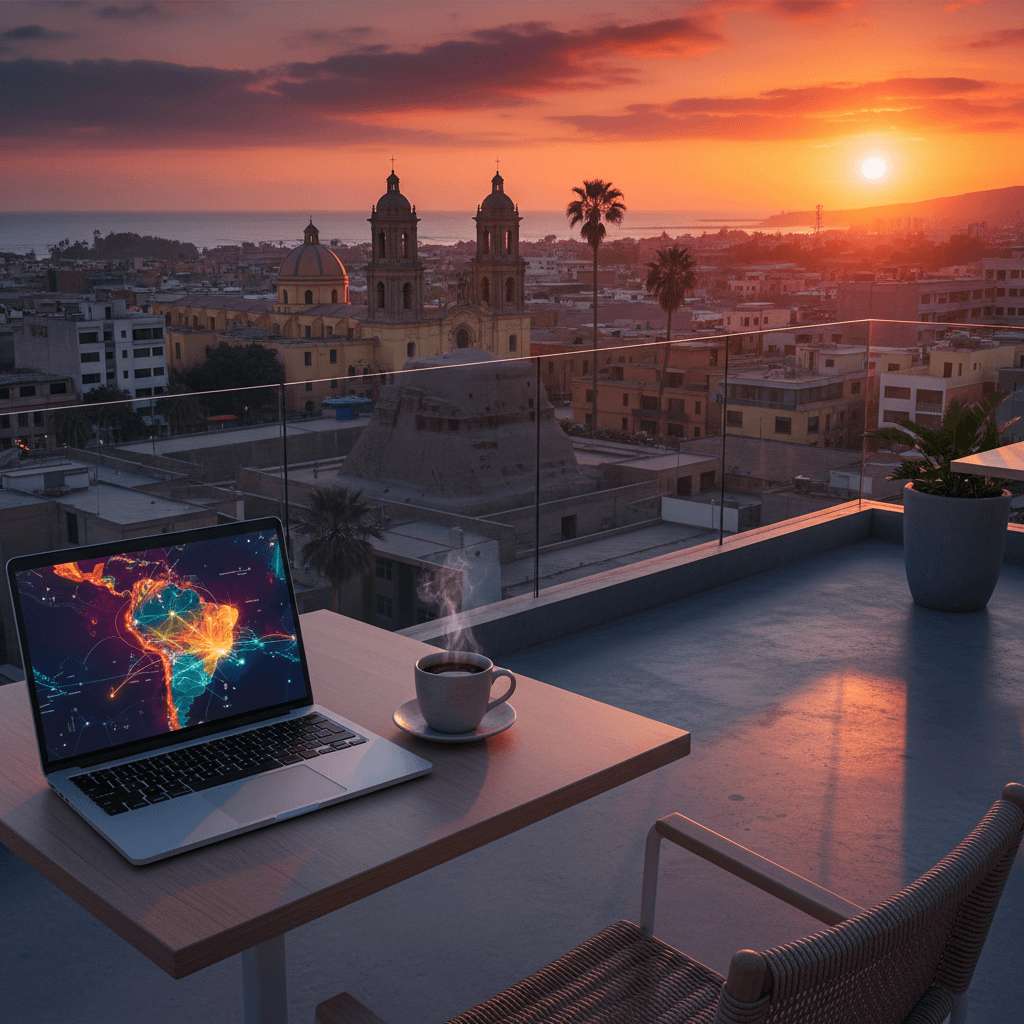
Chiclayo
🇵🇪 Peru
The Capital of Friendship
Chiclayo doesn't try to impress you with colonial polish or the manicured parks of Miraflores. It's a city that feels raw, loud, and incredibly honest. Known throughout Peru as the Capital of Friendship, the vibe here is defined by the warmth of the locals rather than the aesthetics of the architecture. You'll notice it quickly when a market vendor strikes up a long conversation or a taxi driver gives you the real scoop on where to find the best duck rice without you even asking.
Most nomads end up here because they're looking for an authentic Northern Peruvian experience away from the heavy tourist trails of the south. It's a commercial hub, which means it’s busy and chaotic, but that energy is infectious. You aren't just a spectator here; you're part of the daily grind of a city that lives for its food and its history.
A Different Kind of Pace
The emotional experience of Chiclayo is one of sensory overload followed by coastal relief. The city center is a whirlwind of motor-taxis, shouting street food sellers, and the scent of cilantro and lime. It feels like a place where things are actually happening, rather than a museum city preserved for visitors. It's gritty, yes, but it’s a grit that feels productive and lively.
When the city heat gets too intense, the locals head to Pimentel. This nearby beach town is where the vibe shifts. Watching the traditional caballitos de totora (reed boats) hit the water at sunset while you sip a cold beer provides a necessary balance to the urban hustle. It’s this proximity to the Pacific that makes Chiclayo a viable long term base for those who need both a functional city and a place to breathe.
Why Nomads Choose Chiclayo
While Lima is the culinary heavyweight, many travelers argue that the North, and Chiclayo specifically, is the soul of Peruvian cooking. The cost of living is significantly lower than in the capital, allowing your budget to stretch much further. You’re trading high end coworking spaces for local cafes and a much more immersive Spanish speaking environment.
- The Market Culture: The Mercado Modelo is legendary, not just for food, but for the Witch’s Market (Mercado de Brujas). It’s a place where ancient traditions and modern commerce collide.
- The Archaeological Access: You’re a short drive from the Lord of Sipan site and the pyramids of Tucume. It’s living history without the Disney-fied crowds of Cusco.
- The Food Scene: This is the birthplace of Arroz con Pato and some of the freshest ceviche in the country. Eating well isn't a luxury here; it's a daily standard.
The Infrastructure Reality
You won't find a dozen dedicated coworking spaces with ergonomic chairs here. Instead, you'll find a community of entrepreneurs and students in spots like Café 900 or local bakeries. The internet is generally reliable in the better neighborhoods, but it’s always smart to have a local SIM card from Claro or Entel as a backup. It’s a city for the nomad who has their systems dialed in and doesn't mind a bit of localized navigating.
Expats often recommend staying in neighborhoods like Santa Victoria or Urbanización Los Sauces. These areas offer a bit more quiet and safety while still being close to the action. You’ll find that life here moves to the rhythm of the sun and the sea, and once you get past the initial noise, Chiclayo has a way of making you feel like you actually belong.
The Price of the Northern Life
Living in Chiclayo feels like stepping into a version of Peru that hasn't been inflated by the massive tourism bubbles of Cusco or Lima. Your dollar, euro, or pound stretches significantly further here, making it one of the most affordable coastal hubs for anyone looking to settle in for a few months. Most nomads find they can live a very comfortable, middle class lifestyle for roughly $800 to $1,100 per month, all in.
The city operates on a cash heavy economy, though larger supermarkets like Metro and Plaza Vea accept cards without a fuss. You'll want to keep soles on you for the mototaxis and the local markets, which is where the real savings happen. If you're eating like a local, your daily spend will be shockingly low.
Monthly Budget Estimates
- One bedroom apartment in Santa Victoria: $350 to $500 per month
- Shared room or budget studio: $200 to $300 per month
- Utilities (Electricity, Water, Gas): $40 to $60 per month
- High speed fiber internet: $25 to $40 per month
- Monthly groceries: $150 to $200 per month
- Coworking membership: $80 to $120 per month
Housing and Neighborhoods
Rent is your biggest variable, but even the upscale neighborhoods are a bargain compared to Miraflores in Lima. Expats and remote workers typically gravitate toward Santa Victoria. It's the most modern part of the city, featuring paved streets, better security, and walkable access to cafes. You can find a modern, furnished one bedroom flat here for around $450 if you're willing to sign a three month lease.
If you want something quieter and more residential, Pimentel is the beach suburb about fifteen minutes away. Renting a place with an ocean view usually costs between $500 and $700. It's a bit more expensive than the city center because of the resort vibe, but the sea breeze is a fair trade for the higher price tag. Keep in mind that electricity can spike in the summer months if you're running air conditioning constantly to beat the northern heat.
Food and Dining
Chiclayo is the capital of northern Peruvian cuisine, and the prices reflect a local market rather than a tourist one. A Menú del Día (a three course lunch) at a local spot in the city center typically runs between 12 and 20 soles ($3 to $5). This usually includes a soup, a main dish like Arroz con Pato, and a drink.
For a high end dinner at a place like Fiesta, which is arguably one of the best restaurants in the country, you might spend $40 to $60 for a full meal with drinks. Shopping at the Mercado Modelo will cut your grocery bill in half. You can get a week's worth of fresh tropical fruit and vegetables for about $15. Local beer, like Cusqueña or Cristal, will cost you about $2 in a bar or less than a dollar at the corner store.
Transport and Connectivity
You won't need a car here. Mototaxis are the lifeblood of Chiclayo and usually cost between 3 and 7 soles ($0.80 to $1.85) for most trips within the city. If you prefer a standard car, apps like InDrive and Uber work well and are generally safer for late night trips. A ride from the city center out to the pier in Pimentel usually costs around 15 soles ($4).
For work, the infrastructure is catching up quickly. Fiber optic providers like WIN or Movistar offer speeds up to 200 Mbps in the better neighborhoods. If your apartment wifi is spotty, spaces like reWork provide reliable desks and stable connections for a daily or monthly fee. A local SIM card from Claro or Entel with a generous data package will only set you back about $10 a month.
For the Urban Nomad: Santa Victoria
If you're looking for the heart of the action with the best infrastructure, Santa Victoria is where you'll end up. It's the most modern district in the city and functions as the primary hub for professionals and remote workers. You'll find the highest concentration of cafes with reliable Wi-Fi here, which is a major draw since dedicated coworking spaces are still a bit thin on the ground in Chiclayo.
- Rent: Expect to pay between $350 and $550 for a furnished one-bedroom apartment.
- Vibe: Upscale, walkable, and relatively safe for late-night walks to local bistros.
- Top Spot: Most nomads grab a table at Pana Cafe; the internet is stable and the coffee is some of the best in the north.
Living here puts you within walking distance of the Real Plaza mall, which is handy for quick grocery runs or banking needs. The streets are lined with trees and the noise levels are significantly lower than the chaotic city center. It's the closest thing Chiclayo has to a "digital nomad bubble."
For Long-Term Expats: Pimentel
Many expats decide that living in the city center isn't worth the dust and noise, so they head about 15 to 20 minutes west to the beach town of Pimentel. It's technically a separate district but functions as a residential suburb for those who want a slower pace. You'll get fresh sea breezes and a much more relaxed social scene centered around the iconic wooden pier.
- Rent: $400 to $700 for modern condos with ocean views.
- Commute: A "collectivo" (shared taxi) into the city costs about S/1.50 to S/3 and takes 15-20 minutes.
- Pros: Excellent seafood, morning surf sessions, and a tighter-knit international community.
The main trade-off in Pimentel is the internet. While fiber is becoming more common, you’ll want to double-check the connection before signing a lease. It's the perfect spot if your work schedule allows for a "siesta" lifestyle where the afternoons are spent on the malecon rather than in front of a screen.
For Families: Urbanización Los Sauces
Families moving to Chiclayo usually gravitate toward Los Sauces or the newer developments near the Villarreal area. These are gated or semi-gated residential zones that offer more security and quiet than the commercial districts. You'll find larger houses here rather than just cramped apartments, often with small yards or patio spaces.
- Rent: $500 to $900 for a three-bedroom family home.
- Amenities: Close to private schools like San Agustin and Algarrobos.
- Safety: High, with private security patrols and limited through-traffic.
The neighborhood is primarily residential, so you'll need to rely on taxis or a private car for shopping and dining. However, the peace of mind and the ability for kids to play outside makes it the top choice for those relocating with children.
For Budget Solo Travelers: The City Center (Cercado)
If you're only staying for a few weeks and want to be in the thick of the chaos, the area around the Plaza de Armas is your best bet. It's loud, crowded, and perfectly situated for exploring the famous Mercado Modelo and the Witch's Market. You won't find many luxury stays here, but it's the most affordable way to experience the "real" Chiclayo.
- Rent: Guesthouses and basic studios go for $200 to $300 a month.
- Food: You can find a solid "menu del dia" (lunch special) for about 10 to 15 Soles.
- Transport: You are at the epicenter; every bus and taxi line starts or ends nearby.
Solo travelers often prefer this area because everything is accessible. You can walk to the Cathedral, the main banks, and the best "Chifa" (Peruvian-Chinese) spots in the city. Just keep your wits about you in the crowded market areas, as pickpockets are common in the dense foot traffic.
Connectivity Realities
Chiclayo isn't Lima, and it certainly isn't Cusco. While it serves as the commercial gateway to Northern Peru, the digital infrastructure here is still catching up to its status as a major trade hub. You won't find a massive selection of sleek, glass walled coworking spaces, but you can definitely get work done if you're strategic about where you set up shop.
Most mid range hotels and modern apartments in neighborhoods like Santa Victoria or Urbanizacion Villarreal offer stable fiber optic connections. You can generally expect speeds between 30 Mbps and 80 Mbps. However, shared residential lines can get sluggish during the early evening when everyone is streaming. If you're hopping on video calls, it's a good idea to have a local SIM card as a backup.
Claro and Movistar have the best coverage in the city center. A prepaid SIM card is cheap, usually around 5 to 10 Soles, and you can load 10GB or 20GB of data for less than 30 Soles. Use the Mi Movistar or Mi Claro apps to top up your balance easily. The 4G signal is reliable throughout the city, though it can drop off if you head out toward the ruins of Tucume or the beaches in Pimentel.
Coworking Spaces and Work Friendly Cafes
The coworking scene in Chiclayo is intimate. You won't find the big international chains here. Instead, you'll find local hubs that double as business centers for regional entrepreneurs. These spots are great for meeting local professionals, but they don't always have that "digital nomad" social vibe you might find in Miraflores.
- Nexus Cowork: A professional environment located in the city, offering dedicated desk space and a reliable atmosphere for those needing to focus on deep work.
- Ventura Cowork: A newer addition that caters to the local startup crowd. It's a bit more modern and offers a comfortable environment if you need to hunker down for an eight hour shift. Monthly memberships usually hover around 450 Soles.
- Pana Cafe: This is a favorite for nomads who prefer a laptop and a latte. It's located in Santa Victoria and has plenty of power outlets and a decent Wi-Fi connection. The coffee is excellent, and it stays relatively quiet during the morning hours.
- Hebron Coffee: Another solid choice in the Santa Victoria area. It's more of a restaurant, but the staff is usually cool with you working for a few hours if you're ordering food. Their lunch specials are a great deal, usually around 15 to 20 Soles.
Digital Nomad Logistics
If you're planning to stay for more than a week, skip the hotels in the noisy city center and look for an Airbnb in Santa Victoria. This neighborhood is the sweet spot for nomads because it's walkable, safe, and has the highest concentration of cafes with decent Wi-Fi. You can find a nice one bedroom apartment here for $400 to $600 USD per month.
For those who need a change of scenery, many nomads take a 20 minute taxi or "combi" out to Pimentel. Working from a balcony overlooking the Pacific is a great perk, but be warned that the internet speeds in the beach town are significantly slower and more prone to outages than in the city. Save your heavy upload tasks for when you're back in the urban center.
Power outages aren't a daily occurrence, but they do happen occasionally during the summer months when the grid is under pressure. Always keep your laptop and power banks charged. Most cafes won't have backup generators, so if the power goes out, your best bet is to switch to your phone's hotspot and hope the cell tower is still humming.
Keeping Your Wits and Your Wallet
Chiclayo isn't a polished tourist bubble like Miraflores in Lima. It's a gritty, high energy commercial hub that feels very authentic but requires a bit more street smarts. Most nomads find that the city is generally safe during the day, especially in the central business district and the more upscale residential areas like Santa Victoria and Pimentel.
Pickpocketing and phone snatching are the most common headaches here. Local expats suggest keeping your phone in your pocket when you're walking near the Mercado Modelo, as the crowds make it easy for someone to lift your gear without you noticing. If you need to check a map, step inside a cafe or a shop first. At night, stick to well lit main avenues and avoid walking alone in the outskirts or the areas immediately surrounding the bus terminals.
Transportation safety is mostly about being smart with taxis. Avoid hailing random cars off the street after dark. Instead, use apps like InDrive or Cabify, which allow you to track your ride and see your driver's rating. If you're heading back from a late dinner in Pimentel to the city center, a taxi should cost you around 15 to 20 Soles. It's a small price to pay for peace of mind.
Healthcare and Medical Facilities
If you get a bout of "Peruvian belly" or something more serious, you'll find the private clinics in Chiclayo are surprisingly capable. The public hospitals can be overwhelmed and slow, so nomads almost always head to private facilities for faster service and better English speaking staff. Clinica Juan Pablo II is a frequently recommended spot for foreigners, though you should verify Clinica Avendaño's general medical services or look for a general practice clinic for non-specialized needs. These facilities are generally equipped to handle most routine emergencies and diagnostic tests.
For minor issues, look for a Botica or Farmacia. Chains like Inkafarma and Mifarma are on nearly every major corner. The pharmacists there can often provide over the counter advice and basic medications for common ailments. Just keep in mind that while many drugs that require a prescription in the US or Europe are available over the counter here, it's always better to consult a doctor first.
- Emergency Number: Dial 105 for the National Police or 116 for the fire department and medical emergencies.
- Private Consultation: Expect to pay between 80 and 150 Soles for a walk in visit at a private clinic.
- Travel Insurance: Most local clinics expect payment upfront in cash or credit card, so keep your receipts to get reimbursed by your provider later.
Staying Healthy in the Heat
The sun in northern Peru is no joke. Chiclayo is often windy, which can trick you into thinking it's cooler than it actually is. Wear high SPF sunscreen even on overcast days. More importantly, never drink the tap water. Even locals stick to bottled or filtered water for drinking and brushing their teeth. A large 7 liter jug of water at the supermarket costs about 8 Soles and will save you a lot of digestive trouble.
When it comes to food safety, use your best judgment with street stalls. The ceviche in Chiclayo is world class, but it's best eaten at established spots like El Fiesta or La Proa during lunch hours when the fish is freshest. If a place is packed with locals, it's usually a good sign that the food turnover is high and the kitchen is trustworthy.
The Chaos and the Charm
Chiclayo isn't a city that asks for your permission; it just happens to you. It's often called the City of Friendship, but you'll likely first know it as the city of a thousand mototaxis. Unlike Lima, there is no subway or sophisticated rapid transit system here. Getting around requires a bit of grit, a lot of small change, and a willingness to embrace the local rhythm.
Most nomads find that the city is surprisingly compact. If you're staying in the Santa Victoria or Las Musas neighborhoods, you can reach the Plaza de Armas on foot in about 15 to 20 minutes. However, the heat and the lack of shade often make motorized transport the smarter choice during the day.
Mototaxis and Taxis
The mototaxi is the undisputed king of the Chiclayo streets. These three wheeled covered chairs are everywhere, and they're the cheapest way to zip between neighborhoods. A typical ride within the city center or between adjacent districts should cost you between 2 and 4 Soles. Always agree on the price before you sit down, as there are no meters in these vehicles.
For longer distances or when you're heading out at night, stick to traditional four wheeled taxis. They are more comfortable and offer a bit more protection from the wind and dust. A ride from the city center to the Real Plaza shopping mall or out to the residential areas of Pimentel usually runs between 8 and 12 Soles. While street hailing is common, expats often prefer using apps for an added layer of security and fixed pricing.
- InDrive: This is the dominant app in Chiclayo. You bid what you want to pay, and drivers accept or counter. It's the best way to ensure you aren't paying a "gringo tax."
- Uber: It works here, but the fleet is much smaller than in Lima. You might wait 10 minutes for a car that would take two minutes to find on InDrive.
- Official Taxi Companies: If you're at the airport or a bus terminal, use the registered desks inside. You'll pay a premium, usually 15 to 20 Soles, but it's worth it when you have all your gear with you.
The Colectivo Culture
If you want to live like a local and save your Soles for ceviche, learn the colectivo routes. These are shared cars or minivans that run set paths. You'll see them with signs in the windshield indicating their destination, like Lambayeque or Pimentel. You just flag them down, hop in, and pay a flat rate, usually around 2 or 3 Soles.
The route to Pimentel is particularly popular for nomads looking to escape the city heat for an afternoon. These colectivos leave frequently from the intersection of Calle Vicente de la Vega and Avenida Leonardo Ortiz. The trip takes about 20 minutes and drops you right near the pier.
Regional Travel
Chiclayo is a major transit hub for northern Peru, but it doesn't have a single central bus terminal. Instead, each bus company has its own station, mostly clustered around Avenida Bolognesi or the Panamericana Norte. This can be confusing, so always double check the exact address on your ticket.
- Cruz del Sur: The gold standard for long hauls to Lima or Piura. Their terminal is clean, safe, and has decent Wi-Fi.
- Movil Bus: A solid mid range choice with frequent departures to Chachapoyas if you're planning to see Kuelap.
- Transportes Chiclayo: Best for shorter regional hops to Trujillo or nearby coastal towns.
For air travel, Capitán FAP José A. Quiñones González International Airport is remarkably close to the action. It's only about 2 kilometers from the city center. A taxi there shouldn't cost more than 10 Soles from Santa Victoria, making it one of the easiest airport commutes in the country.
Getting Around the Language Barrier
In Chiclayo, you won't find the same English proficiency levels that you see in Miraflores or Cusco. This is a working city, not a tourist hub, so the local vernacular is Spanish through and through. If you arrive with zero Spanish, you'll likely feel a bit isolated, but the locals are incredibly patient and used to the occasional foreigner wandering through the Mercado Modelo.
Most expats find that a basic grasp of "Castellano" is necessary for daily life. You'll need it for negotiating mototaxi fares, ordering a 15 soles menu del dia, or asking for specific spices at the market. If you're looking to level up your skills, check out local language schools like El Cultural, which is a popular spot for meeting both locals and other foreigners.
Local Slang and Nuances
Peruvian Spanish is generally clear, but Chiclayanos have their own rhythm. You'll hear "ya" used for everything from "okay" to "I understand." Another common term is "chela" for beer, which you'll hear plenty of if you're hanging out at a bar in the Santa Victoria neighborhood. If someone calls you "cholo" or "chola," don't take offense; in this part of Peru, it's often used as a term of endearment among friends.
Keep an ear out for the word "bacán," which means cool or great. Using it correctly will instantly earn you some points with the locals. Most nomads recommend downloading the Spanish pack on Google Translate for offline use, as cell service can be spotty when you're inside the thick concrete walls of older buildings or deep in the market stalls.
Staying Connected
Reliable internet is the lifeline of any nomad, and Chiclayo is catching up quickly. While your Airbnb might claim to have high speed internet, it's always smart to ask for an actual speed test screenshot before booking. Fiber optic is becoming more common in residential areas like Pimentel and Victoria, but it isn't a given everywhere yet.
For mobile data, you have a few main players to choose from. Most travelers recommend sticking with the big names for the best coverage across the Lambayeque region:
- Claro: Generally considered to have the most consistent coverage in the city center and out toward the beaches in Pimentel.
- Movistar: A solid runner up with competitive prepaid packages, though their customer service can be a bit of a headache.
- Entel: Often praised for having the fastest 4G speeds in urban pockets, though the signal can drop off faster once you head toward the ruins or rural areas.
You can pick up a SIM card at the Real Plaza mall for about 5 to 10 soles. You'll need your passport for the registration process. Topping up is easy; you can do it at any "bodega" or pharmacy that displays the carrier's logo. A data package with 10GB of data will usually set you back around 30 soles and lasts for 30 days.
The Digital Nomad Setup
Chiclayo doesn't have a massive selection of dedicated coworking spaces like Lima, but the cafe culture is growing. If you need to get a few hours of work in, head to places like Cafetería 900 or any of the larger spots near the Main Park. They usually have decent Wi-Fi and won't mind if you linger over a coffee for a while. If you're staying in Pimentel, some of the boutique hotels have started offering day passes for their common areas, which provides a much better view than a standard office booth.
For those who need a backup plan, a portable power bank and a local hotspot are smart investments. Power outages aren't a daily occurrence, but they happen often enough that you don't want to be caught in the middle of a Zoom call without a secondary power source. Most nomads find that a combination of a Claro SIM and a decent home router is enough to stay productive while enjoying the lower cost of living here.
The Land of Eternal Spring
Chiclayo earns its nickname as the Capital of Friendship, but it could just as easily be called the city of perpetual sun. Unlike Lima, which spends half the year smothered under a thick gray mist called the garua, Chiclayo stays bright and dry almost year round. You are looking at a desert climate here, meaning humidity is low and rain is a rare event that usually catches locals by surprise.
The temperature stays remarkably consistent. Most days hover between 70°F and 85°F. You will rarely need more than a light hoodie for the evenings, and your heavy winter gear can stay at the bottom of your suitcase. It is the kind of weather that makes you want to spend your afternoons at the beach in Pimentel rather than hunched over a laptop in a dark cafe.
When to Visit: The Sweet Spots
If you want the absolute best balance of weather and local energy, aim for the window between April and November. This is technically the cooler season, but in Northern Peru, cooler just means crisp mornings and perfect afternoons. The sun is less aggressive during these months, making it much more comfortable to walk through the sprawling Mercado Modelo without overheating.
The summer months from December to March can get surprisingly hot. Temperatures often climb past 90°F, and the sun at this latitude is no joke. If you are here during this time, you will want to ensure your apartment has decent airflow or air conditioning, as the midday heat can make deep focus difficult. This is also the period when the occasional El Niño phenomenon can bring heavy rains to the region, though these events are years apart.
Festivals and High Season
Timing your stay around local holidays adds a layer of chaos and color to the nomad experience. Chiclayanos love a party, and the city fills up fast during specific dates. You should expect higher prices for short term rentals and busier crowds during these times:
- Fexticum (July): Located in nearby Monsefu, this is the massive festival of tradition and food. It is the best time to try authentic northern cuisine, but the city gets crowded.
- Anniversary of Chiclayo (April 18): Expect parades, street food stalls, and late night music across the main plazas.
- Christmas and New Year: Like the rest of Peru, the city goes into a frenzy. Many businesses close, and the nearby beach towns like Pimentel and Santa Rosa become packed with vacationing families.
The Nomad Perspective on Seasons
Most long term travelers prefer the shoulder seasons of September and October. The air is clear, the prices for Airbnbs are stable, and the surfing conditions in nearby spots are reliable. It is also a great time for weekend trips to the ruins of Sipán or the pyramids of Túcume because you won't be baking under the intense summer sun while exploring the archaeological sites.
One thing to keep in mind is the wind. Chiclayo is famous for its afternoon breezes. While it keeps the city from feeling like an oven, it can kick up dust in certain neighborhoods. If you are sensitive to allergies, the windier months of August and September might be a bit of a challenge, so choosing a modern apartment with tight sealing windows in a neighborhood like Santa Victoria is a smart move.
Getting Around Town
Chiclayo is known as the city of motorcycles. You will see thousands of mototaxis buzzing through the streets. They are the cheapest way to get across town, usually costing between 3 and 5 soles for a short trip. Just make sure you agree on the price before you hop in, as they don't use meters.
For longer distances or if you want some air conditioning, use apps like InDrive or Uber. InDrive is particularly popular here; you suggest a price and drivers bid on it. A standard car ride across the city generally runs about 8 to 12 soles. If you are heading out to the beach at Pimentel, look for the colectivos (shared taxis) near the intersection of Calle Vicente de la Vega and Leonardo Ortiz. These cost about 3 soles per person and leave as soon as the car is full.
Staying Connected
Internet reliability can be a bit of a mixed bag. Most modern apartments in neighborhoods like Santa Victoria or Urbanizacion Villarreal have fiber optic connections now. You can expect speeds around 50 to 100 Mbps if you confirm the provider is Win or Movistar Total. Always ask your host for a speed test screenshot before booking a long term stay.
For mobile data, grab a SIM card from Claro or Entel. You can find their kiosks in the Real Plaza mall. A 30 day prepaid plan with plenty of data costs roughly 30 soles. 4G coverage is solid throughout the city center, but it can get spotty once you head toward the archaeological sites in the valley.
Money and Costs
Chiclayo is significantly more affordable than Lima or Cusco. You can find a solid menu del dia (a two course lunch with a drink) for 12 to 18 soles at local spots. If you prefer upscale dining in Santa Victoria, expect to pay 40 to 60 soles for a main course and a cocktail. ATMs are everywhere, but BCP and Scotiabank usually have the highest withdrawal limits and the most reliable machines for international cards.
- Monthly Rent (1BR Apartment): $350 to $500
- Coworking Day Pass: 35 to 50 soles
- Local Beer (Pilsen): 8 soles
- Laundry (per kilo): 5 to 7 soles
Safety and Local Savvy
The city has a gritty, high energy feel. Most nomads feel perfectly safe during the day in the center and the main residential zones. At night, it is better to take a car rather than walking, especially if you are moving between the city center and the outskirts. Keep your phone tucked away when you are standing on busy street corners, as phone snatching by passing motorbikes can happen.
The tap water is a hard no. Even locals don't drink it. You will need to buy those 20 liter jugs for your apartment, which cost about 15 soles for the initial bottle and 8 soles for refills. Most small bodegas will deliver these right to your door if you ask nicely.
When to Visit
Chiclayo is the land of eternal sunshine, but it gets seriously hot from January to March. Temperatures often sit around 30 degrees Celsius with high humidity. The most comfortable time for digital nomads is between May and November, when the air is cooler and the coastal breeze makes walking around the markets much more pleasant. If you hate rain, you are in luck; it almost never rains here unless there is an El Nino event.
Need visa and immigration info for Peru?
🇵🇪 View Peru Country GuideEasy Landing
Settle in, no stress