Cebu City
🇵🇭 Philippines
Cebu City is where the grit of a major Asian metro meets the laid-back soul of the Visayas. It doesn't have the polished, curated feel of Bali or the quiet temple vibes of Chiang Mai. Instead, it’s a high-energy hub where you can polish off a 100 Mbps Zoom call in a skyscraper and be eating lechon on a plastic stool twenty minutes later. For nomads, the draw is the balance: you get the infrastructure of a capital city without the astronomical price tag of Manila.
The Neighborhood Breakdown
Most nomads gravitate toward IT Park in Lahug. It’s a gated, modern enclave that feels like a city within a city. It’s walkable, secure, and packed with 24/7 cafes catering to the BPO industry. If you want a more local, slightly chaotic vibe with lower rent, the rest of Lahug or Mandaue are solid bets, though you'll deal with more traffic. Cebu Business Park is the place for those who want to be steps away from high-end malls like Ayala Center, while Mactan is where you stay if you need to see the ocean every morning, even if the internet there can be a bit moodier.
- IT Park: Best for productivity. Expect fast fiber (100 to 500 Mbps), plenty of coworking spaces, and a safe, Westernized environment. Rent for a studio or 1BR runs between PHP 20,000 and 35,000 ($350 to $600 USD).
- Lahug: A mix of expats and locals. It’s less polished than IT Park but offers better value, with rents dipping to PHP 15,000 to 25,000 ($260 to $440 USD).
- Mandaue: Useful for long-term stays but can feel industrial. Stick to the main roads at night.
Cost of Living
Cebu is remarkably kind to your bank account. A budget of $800 to $1,000 USD covers the basics comfortably if you’re happy with local transport and shared spaces. A mid-range lifestyle of $1,200 to $1,500 USD gets you a private condo in a good area and frequent dinners out. If you’re pushing $2,000+ USD, you’re living at the top of the market with upscale dining and weekend trips to the islands.
- Meals: Street food like puso (hanging rice) and barbecue costs PHP 50 to 100 ($1 to $2 USD). A hearty plate of lechon belly in a mid-range spot is about PHP 300 to 500 ($5 to $9 USD).
- Transport: Jeepneys are the local way to go at PHP 12 to 15 per ride. For comfort, Grab is the go-to app, with most city rides costing PHP 100 to 300 ($2 to $5 USD).
- Connectivity: A monthly unlimited data SIM from Globe or Smart costs around PHP 1,000 ($18 USD).
The Work-Life Reality
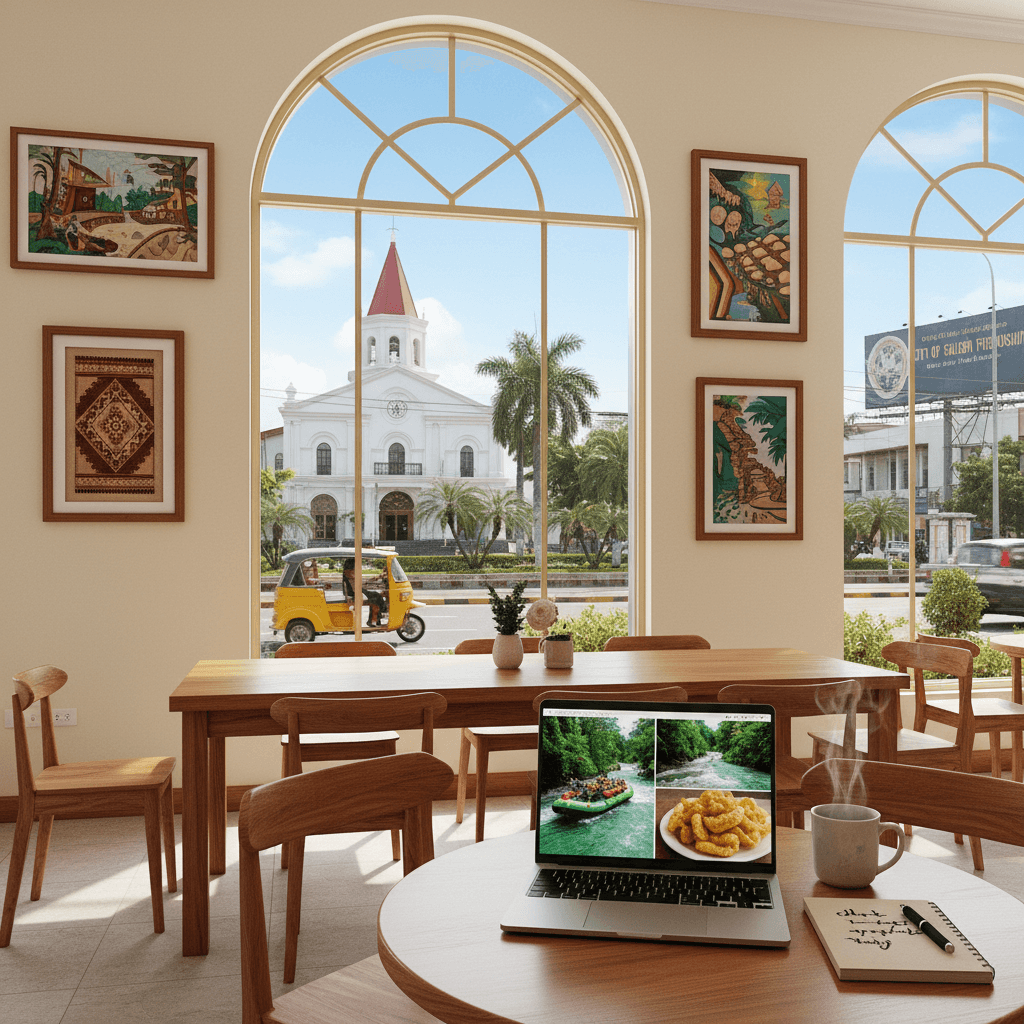
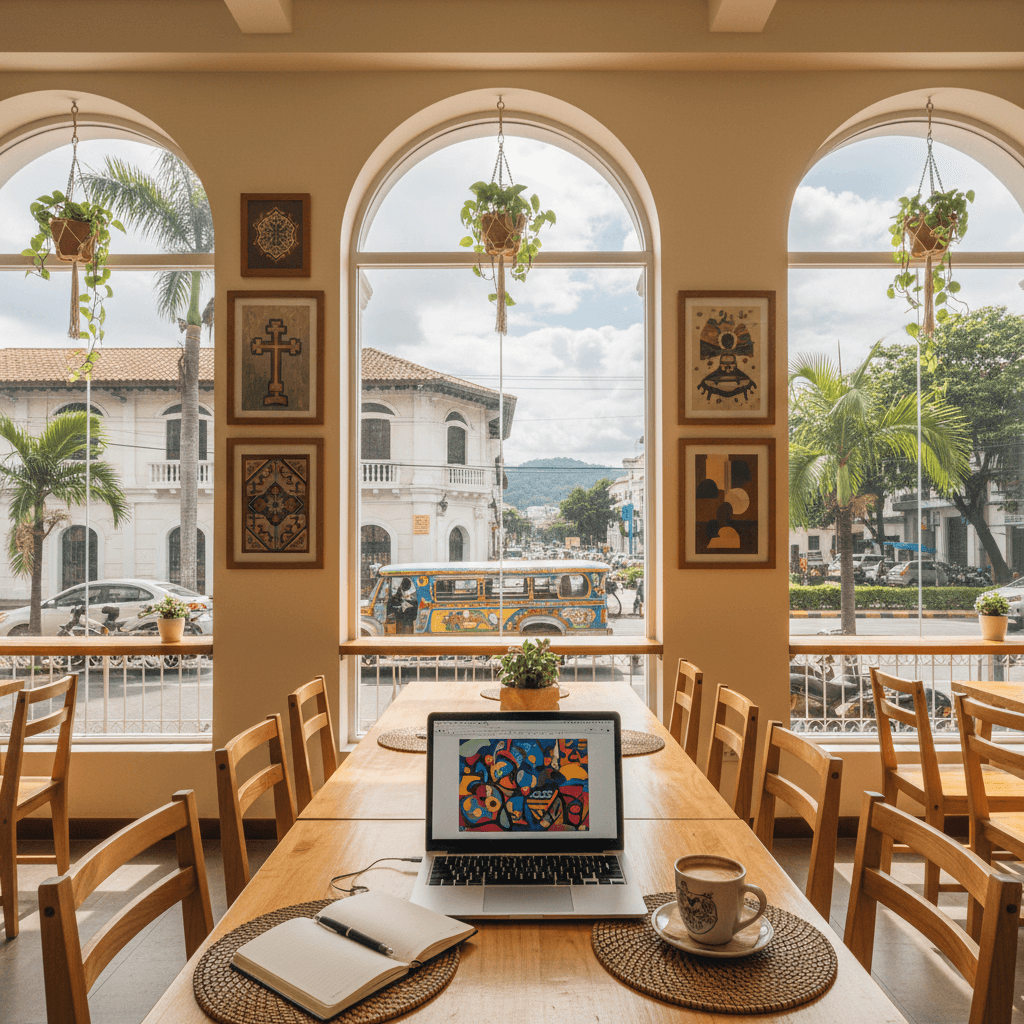
The "work" part of the nomad life is easy here. The Company Cebu and Nomad’s Hub are staples in the community, offering day passes for PHP 300 to 500 ($5 to $9 USD). If you prefer cafes, The Workplace Café is designed specifically for people with laptops, featuring quiet zones and plenty of outlets. Abaca Baking Company and Yolk Café are better for casual meetings or brunch-heavy work sessions.
The "life" part is where Cebu shines. The city is the gateway to the rest of the Philippines. On a Friday afternoon, you can hop on a bus to Moalboal for world-class diving or take a ferry to Bantayan for white sand beaches. The local community is incredibly welcoming; English is spoken everywhere, so you won't struggle to make friends or negotiate a ride. Just be prepared for the traffic, which can be brutal during rush hour, and the occasional power flicker. Most high-end condos have back-up generators, which is something seasoned nomads always check for before signing a lease.
When to Go
The best window is the dry season from January to April. The weather is sunny, typically between 28°C and 32°C, and the humidity is manageable. The rainy season kicks in from June to November, with the highest risk of typhoons between July and October. If you can, aim to be there in January for Sinulog, the city's massive cultural festival, just book your accommodation months in advance.
The Bottom Line
Cebu City is currently one of the best value-for-money hubs in Southeast Asia. While it lacks the manicured polish of BGC in Manila, it more than makes up for it with a lower price tag and better access to the ocean. Most nomads find they can live a high-quality life here for significantly less than they would spend in Bali or Chiang Mai.
Your monthly burn depends heavily on your tolerance for traffic and your need for Western amenities. You can get by on a $800 to $1,000 USD budget if you're willing to share a studio and stick to local eateries. A mid-range lifestyle, which includes a private 1BR in a decent area and regular Grab rides, usually lands between $1,200 and $1,500 USD. If you want a luxury condo in a high-rise with a pool and daily upscale dining, expect to spend $2,000 or more.
Typical Monthly Costs
- Housing: A modern studio or 1BR in IT Park or Lahug typically runs between PHP 20,000 and 35,000 ($350 to $600 USD). If you head to Mandaue, you can find solid options for as low as PHP 15,000 ($260 USD).
- Food: Local street food or a quick "point-point" meal is incredibly cheap at $1 to $2 USD. A proper sit-down dinner with lechon belly at a spot in IT Park will cost about $5 to $9 USD, while a high-end meal in the Business Park starts around $14 USD.
- Connectivity: A local SIM from Globe or Smart with unlimited data costs roughly $18 USD per month. Coworking day passes at spots like Nomad’s Hub or The Company Cebu range from $5 to $9 USD.
- Transport: Jeepneys are the cheapest way to move at $0.25 USD per ride, but most nomads rely on Grab. Expect to pay $2 to $5 USD for most cross-city trips.
Where to Plant Your Flag
IT Park is the undisputed favorite for new arrivals. It is walkable, secure, and packed with 24/7 cafes like Coffee Bay and The Workplace Café. You'll pay a premium for rent here, but the 100 to 500 Mbps fiber speeds and the proximity to coworking spaces like Enscape make it worth the extra cash.
Lahug is the go-to for long-term expats looking for a more "real" feel. The rents are lower and the restaurant scene is fantastic, though the traffic can be brutal and it isn't as walkable as the gated business hubs. It is a great middle ground if you want a local-expat mix without the IT Park price tag.
Cebu Business Park sits near the major malls and is perfect for solo travelers who want everything within reach. It is slightly less nomad-focused than IT Park but offers better access to nightlife and banking. If you're a beach lover, Mactan is the choice, though you'll sacrifice internet stability and deal with more "tourist pricing."
Practical Spending Tips
Download GCash or Maya immediately. These mobile wallets are used everywhere from high-end malls to small vendors, making it much easier to manage your daily spending without carrying stacks of cash. For groceries, sticking to local markets instead of the high-end supermarkets in Ayala Mall can shave 30 percent off your food bill.
If you're planning on staying more than a month, skip the Airbnb fees and look at Facebook groups like "Cebu Digital Nomads." You can often find short-term condo rentals directly from owners that include utilities and high-speed internet for a fraction of the platform price. Just be sure to verify the internet speed in person before signing anything, as "high speed" is a relative term once you leave the main business districts.
IT Park: The Nomad Hub
If you're landing in Cebu with a laptop and a deadline, IT Park is where you'll likely end up. It feels less like a traditional Philippine city and more like a modern, secure campus. The area is walkable, packed with 24/7 dining options, and has the most reliable fiber internet in the city, often hitting 100 to 500 Mbps.
- Vibe: High energy, safe, and very westernized.
- Rent: Modern studios or 1BR condos run between $350 and $600 USD.
- Work: You're steps away from The Company Cebu and Enscape. For a cafe vibe, The Workplace Café is a local favorite because it's designed specifically for productivity with plenty of outlets.
- Pros: You can walk to dinner at 2 AM at the Sugbo Mercado night market and feel perfectly safe.
- Cons: It gets crowded on weekends and lacks that "authentic" local feel.
Lahug: The Expat Standard
Just outside the gates of IT Park, Lahug offers a more grounded experience. It's a favorite for long term expats who want to save on rent without losing access to the city's best amenities. You'll find a mix of high end gated communities and more affordable local apartments.
- Vibe: A blend of local grit and expat comfort.
- Rent: You can find solid apartments for $260 to $440 USD.
- Food: This is the home of the famous lechon belly spots where a meal costs about $5 to $9 USD.
- Pros: Lower cost of living and a more diverse social scene.
- Cons: The traffic on Salinas Drive can be a nightmare during rush hour.
Banilad: The Family Choice
For those traveling with kids or looking for a quieter pace, Banilad is the go to suburban choice. It’s home to several international schools and upscale shopping centers like Streetscape and BTC. The streets are wider, and the atmosphere is noticeably more relaxed than the city center.
- Vibe: Suburban, upscale, and quiet.
- Rent: Expect to pay $600+ USD for larger houses or premium condos.
- Pros: Better air quality and proximity to the best grocery stores and schools.
- Cons: You'll definitely want a car or a frequent Grab budget here; it’s not very walkable.
Cebu Business Park: Solo Travelers and Shoppers
If you want to be in the heart of the action, Cebu Business Park is the place. It's built around Ayala Center Cebu, which serves as the city's unofficial town square. It’s perfect for solo travelers who want gyms, cinemas, and banks all within a five minute walk.
- Vibe: Corporate but convenient.
- Rent: Similar to IT Park, ranging from $400 to $650 USD.
- Nightlife: You're a short $3 USD Grab ride away from the bars on Mango Avenue.
- Pros: Best access to shopping and transport hubs.
- Cons: It can feel a bit sterile and "mall centric" after a while.
Mactan and Beyond: For Nature Lovers
Some nomads prefer to skip the city entirely. Mactan Island is where the airport and resorts are located. It's great if you want to go diving every morning, but the traffic into Cebu City can take over an hour. For the hardcore nature crowd, Moalboal is a three hour bus ride south. It’s world class for diving, though you'll have to deal with spotty internet and fewer professional coworking spaces.
- Mactan Rent: $400 to $700 USD for resort style condos.
- Moalboal Rent: $300 to $500 USD for beach bungalows.
- Pros: Immediate access to the ocean and a slower pace of life.
- Cons: Frequent power outages and slower WiFi compared to the city hubs.
Cebu City has quietly become the most reliable digital hub in the Philippines, mostly because it has figured out the one thing that plagues the rest of the archipelago: stable, high speed fiber. If you stick to the urban core, you are looking at speeds between 100 Mbps and 500 Mbps via providers like Globe and PLDT. It is a massive jump from the spotty connections you will find in the islands, though you should still expect the occasional power hiccup during typhoon season.
Top Coworking Spots
The nomad scene is concentrated in IT Park and Cebu Business Park. These areas feel like a different world compared to the rest of the city, with paved sidewalks and 24/7 energy. Most nomads start their journey at one of these reliable spots:
- The Company Cebu: With locations in IT Park and Mandaue, this is the gold standard for community. It is bright, airy, and full of people actually getting work done. Expect to pay around PHP 400 to 500 ($7 to $9) for a day pass.
- Nomad’s Hub: Located near the nightlife of Mango Avenue, this spot doubles as a co-living space. It is one of the most budget friendly options at roughly PHP 300 ($5) per day, including unlimited coffee.
- Enscape: A solid choice for those who need a more corporate, quiet environment. It is professional and the backup power systems are top tier.
- IiOffice Cebu: A Japanese managed space that is incredibly affordable, often charging around $6 for a full day of access.
Laptop Friendly Cafes
If you prefer the hum of a coffee shop over a structured office, Cebu’s cafe culture is surprisingly robust. The Workplace Café is specifically designed for remote workers; they have ergonomic chairs, plenty of outlets, and a "quiet zone" policy that keeps things productive. It is much better than your average Starbucks experience.
For a more aesthetic vibe, Abaca Baking Company and Yolk Café are favorites for brunch and emails. If you are a night owl, Civet Coffee in IT Park stays open 24/7, making it a reliable go-to spot for those working US or European time zones. Most of these cafes offer solid connectivity, but always check for a "laptop friendly" sign or ask about outlets before you order your latte.
Mobile Data and Connectivity Tips
Do not rely solely on cafe WiFi. Local SIM cards are cheap and non negotiable for a smooth experience. Grab both a Globe and a Smart SIM at the airport or any mall; coverage can vary block by block, and having a backup is the only way to ensure you never miss a Zoom call. An unlimited monthly data plan usually runs around PHP 1,000 ($18).
Most expats recommend using your phone as a mobile hotspot when the building WiFi fluctuates. Also, download the GCash or Maya apps immediately. These are the lifeblood of the local economy; you can use them to pay for everything from your coworking desk to your Grab ride, and they make managing your local expenses much easier than carrying stacks of cash.
The Connectivity Trade-off
The reality of Cebu is a sharp divide between the city and the coast. While you will enjoy blazing speeds in IT Park, that connectivity drops off significantly once you head south to Moalboal or north to Bantayan. Most nomads treat Cebu City as their "deep work" base for three weeks, then head to the islands for a week of lighter task management. If your job requires constant video streaming or heavy uploads, stay within the city limits and save the island hopping for your days off.
Living Securely in Cebu
Cebu City is generally a safe bet for nomads, especially if you stick to the modern hubs like IT Park and Cebu Business Park. These areas feel like bubble cities within the city; they are well lit, heavily patrolled by private security, and designed for walking. Most nomads feel comfortable walking to a 24/7 cafe like Coffee Bay at 2 AM without a second thought.
Outside these bubbles, you need to keep your wits about you. Colon Street and the nightlife areas around Mango Avenue are notorious for petty crimes like pickpocketing. If you're heading there at night, keep your phone tucked away and don't wear flashy jewelry. Travelers often suggest using Grab for door to door service after dark rather than wandering through unfamiliar side streets. While the locals are incredibly friendly, the sheer density of the city means opportunistic theft can happen in crowded markets or on jeepneys.
Healthcare Standards and Facilities
If you get sick, you're in one of the best spots in the Philippines for medical care. The city is a regional healthcare hub with facilities that meet international standards. Expats and long term nomads consistently recommend Cebu Doctors' University Hospital and Chong Hua Hospital for anything serious. These private hospitals have English speaking staff and modern diagnostic equipment.
- Emergency Number: Dial 911 for immediate assistance.
- Pharmacies: You'll find Mercury Drug or Rose Pharmacy on almost every major corner. They are reliable for over the counter meds and filling prescriptions.
- Payment: Private hospitals usually expect payment upfront or a guarantee of payment from your insurance. Always keep a digital copy of your policy handy.
While the urban care is excellent, keep in mind that medical facilities become very basic once you leave the city for places like Moalboal or Bantayan. If you're heading south for a diving trip, handle any recurring prescriptions or checkups in Cebu City first.
Practical Safety Tips
The biggest physical risk in Cebu isn't actually crime, it's the traffic. The roads are chaotic and sidewalks are often non-existent or blocked. When crossing the street, watch the locals and follow their lead. If you're renting a scooter for PHP 300 to 500 a day, wear a helmet and stay hyper alert; the "right of way" is more of a suggestion here.
Digital security is also worth mentioning. Since you'll likely be hopping between coworking spaces like The Company and various cafes, use a VPN. Power outages happen occasionally, so most nomads keep a charged power bank and a Globe or Smart SIM card with a data load of about PHP 1,000 as a backup to the fiber internet at their condo.
For water safety, stick to the bottled stuff. Even in high end condos in Lahug, the tap water isn't for drinking. Most locals and expats order those large 5 gallon blue jugs for their apartments, which only cost about PHP 30 to 50 for a refill.
Cebu City is a place where you'll spend a significant amount of time looking out of windows, either at the stunning mountain views or the gridlocked cars on the street below. Moving around this city requires a bit of strategy and a lot of patience. While it's one of the most connected hubs in the Philippines, the infrastructure hasn't quite kept pace with the rapid growth of the IT and BPO sectors.
The Ride-Hailing Standard
For most nomads, Grab is the non-negotiable lifeline. It's the safest and most reliable way to get from a condo in IT Park to a meeting in Cebu Business Park. Expect to pay between PHP 100 to 300 ($2 to $5 USD) for most cross-city trips. If you're heading to or from Mactan-Cebu International Airport, a Grab usually runs between PHP 300 and 500 and takes anywhere from 20 to 40 minutes depending on the bridge traffic.
If you're feeling adventurous or in a rush, JoyRide is the local answer to motorcycle taxis. It's much faster for weaving through the heavy congestion that hits during the morning and evening rush. You can rent scooters through similar apps for about PHP 300 to 500 per day, but only do this if you're comfortable with the aggressive driving style of local motorists.
Local Flavor: Jeepneys and Buses
The iconic jeepney is the cheapest way to travel, costing a mere PHP 12 to 15 per ride. They follow specific routes, and while they aren't the most comfortable in the tropical heat, they're a quintessential Cebuano experience. Increasingly, you'll see modern "Beep" buses, which are air-conditioned versions of the jeepney that follow similar routes and offer a much more pleasant ride for the same low price.
Walkability and Logistics
Cebu isn't a city built for long-distance walking. The humidity is high year-round, and sidewalks can be uneven or non-existent once you leave the main hubs. However, certain pockets are exceptionally walkable:
- IT Park: This is the gold standard for nomads. It's a secure, modern enclave where you can walk between your apartment, The Workplace Café, and various 24/7 restaurants without ever needing a car.
- Cebu Business Park: Home to Ayala Center Cebu, this area is well-maintained and pedestrian-friendly, making it easy to hop between the mall and nearby office buildings.
- Lahug: While more local and less polished than IT Park, it's manageable on foot if you're staying near the main strip of restaurants.
Leaving the City
When the city noise gets too loud, nomads head south to Moalboal or north to Bantayan. For these trips, you'll head to the South Bus Terminal or North Bus Terminal. Public buses are affordable, but many expats recommend booking a private van or a "V-Hire" for a faster, air-conditioned journey. Just keep in mind that once you leave the urban core, internet speeds drop significantly, so finish your uploads before you board the bus.
Pro Tips for the Road
- Download GCash or Maya. While many taxis and jeepneys still prefer cash, more Grab drivers and transport services are moving toward digital payments.
- Avoid Colon Street and Mango Avenue late at night unless you're with a group. While generally safe, these areas are known for petty pickpockets.
- Always carry a "backup" power bank. Between the heavy use of navigation apps and the occasional power flicker in the city, you don't want your phone dying mid-route.
- Time your movements. If you can avoid being on the road between 5:00 PM and 7:00 PM, your stress levels will thank you.
Navigating the Local Lingo
You won't have much trouble getting your point across in Cebu City. English is a secondary official language in the Philippines, and in hubs like IT Park or Cebu Business Park, proficiency is incredibly high. Most locals you'll interact with, from Grab drivers to baristas at The Workplace Café, speak it fluently. It's the primary language for business, government, and signs, making it one of the easiest transitions for Western nomads in Southeast Asia.
While English gets the job done, the heart of the city beats in Cebuano (often called Visayan). It’s distinct from Tagalog, the language spoken in Manila. If you’ve spent time in the capital, you’ll notice the difference immediately. Using a few Cebuano words goes a long way in building rapport with locals at the Sugbo Mercado night market or when haggling for a scooter rental. Most nomads find that even a tiny effort to learn the local dialect earns a lot of smiles and better service.
Key Phrases to Know
- Salamat: Thank you. This is the big one. If you want to be extra polite, add "po" at the end (Salamat po), though "po" is technically more common in Tagalog, it's still widely understood and appreciated as a sign of respect.
- Maayong buntag / hapon / gabii: Good morning / afternoon / evening.
- Tagpila ni?: How much is this? Use this at local markets or when buying street food like lechon belly.
- Pwede po ba?: May I? or Is it possible? Useful for asking if a cafe allows laptops or if a seat is taken.
- Para: Stop. You'll need this when riding a jeepney. Shout it out when you reach your destination so the driver knows to pull over.
Technology and Communication Tools
Don't rely on your home SIM card. As soon as you land at Mactan-Cebu International Airport, grab a local SIM. Globe and Smart are the two main players. Most expats recommend getting both or checking which has better signal in your specific condo, as dead zones can be strangely specific in Cebu. A monthly plan for unlimited data usually runs around PHP 1,000 (about $18 USD).
For day to day life, download GCash or Maya. These are the dominant digital wallets. While cash is still king at small stalls, you can pay for almost everything else, from your Grab rides to your Abaca Baking Company coffee, by scanning a QR code. It saves you the headache of carrying around heavy coins or worrying about whether a shop has change for a PHP 1,000 bill.
Social Etiquette and Nuance
Communication in Cebu is generally soft and indirect. Locals are famously friendly and will often say "yes" even if they mean "maybe" or "I'm not sure" just to avoid being rude or disappointing you. If you're asking for directions or a specific service, it's a good idea to double check or ask clarifying questions.
If you're looking to meet people, the Cebu Digital Nomads Facebook group is the go to spot for meetups. You'll also find plenty of English speaking locals and fellow travelers at Nomad’s Hub or The Company Cebu. These spaces often host tech workshops or language exchanges that are perfect for breaking the ice. If you get stuck with a translation, Google Translate handles Cebuano surprisingly well, but you'll rarely need it for anything more than translating a local menu or a sign in a more rural area like Moalboal.
Cebu City is a tropical hub where the seasons dictate your workflow just as much as your weekend plans. Since it sits in the heart of the Visayas, the weather is generally split into two distinct phases: the dry season and the rainy season. Getting your timing right means the difference between a productive stint in IT Park and being stuck indoors during a tropical downpour.
The Sweet Spot: January to April
Most nomads agree that the first four months of the year are the prime window for a Cebu residency. The weather is consistently sunny with temperatures hovering between 25°C and 32°C (77°F to 90°F). This is the period with the lowest rain risk, making it the best time to book those weekend trips to Moalboal for diving or Bantayan for beach days.
January is particularly special because of Sinulog, the city's massive cultural festival. While the energy is unmatched, be prepared for soaring accommodation prices and crowded coworking spaces like The Company Cebu. If you prefer a quieter pace, aim for February or March. The humidity is manageable, and the sea conditions are usually calm enough for smooth ferry rides between islands.
The Shoulder Season: May and December
May marks the peak of the Philippine heat. Temperatures often climb above 32°C, and the humidity can feel heavy if you aren't in an air-conditioned condo in Lahug. It is the tail end of the dry season, so you'll still get plenty of sun, but you'll find yourself retreating to The Workplace Café or Abaca Baking Company just for the climate control.
December is a wildcard. It is technically the start of the cooler, drier months, but it can still see occasional rain. The city goes into a festive frenzy during this time. Expect heavy traffic around Cebu Business Park and Ayala Center as locals prep for the holidays. It is a great time for social nomads to meet people, but your Grab rides will take twice as long.
The Rainy Season: June to November
This is the period when the Pacific typhoon season kicks in. While Cebu is somewhat shielded by surrounding islands, it still faces heavy rains and high humidity. July through October typically see the highest rain risk. You can expect sudden, intense afternoon thunderstorms that can cause localized flooding and occasional power outages.
- June to August: Frequent rain showers but often interspersed with sunny mornings. Good for those who don't mind staying tethered to Nomad’s Hub.
- September to November: Higher risk of typhoons. Travel to places like Kawasan Falls can be dangerous or closed due to weather.
- Internet Reliability: While fiber speeds in IT Park stay stable at 100 to 500 Mbps, heavy storms can occasionally disrupt local infrastructure. Always keep a Globe or Smart SIM with a loaded data plan as a backup.
Seasonal Survival Tips
Experienced expats recommend staying in modern developments during the wet months. Areas like IT Park have better drainage and more reliable power grids than older parts of the city. If you're planning to stay during the rainy season, look for condos that offer "island" power (backup generators) to ensure your Zoom calls aren't cut short by a lightning strike.
Regardless of when you arrive, the temperature rarely drops below 24°C (75°F). You won't need a jacket for the outdoors, but you will definitely need one for the coworking spaces and malls. The Filipinos love their air conditioning, and they keep it set to "arctic" levels year round.
Making Cebu Work for You
Cebu City is a high energy hub where the grind of the workday meets the pull of the ocean. It is a city of contrasts. You might spend your morning on a 500 Mbps fiber connection in a glass skyscraper and your afternoon eating lechon at a plastic table on the sidewalk. Most nomads find that while the city lacks the polished serenity of Ubud, it makes up for it with raw convenience and a very low barrier to entry.
Where to Set Up Your Base
Your choice of neighborhood will dictate your entire experience. If you want to skip the worst of the city's gridlock, stay where you work.
- IT Park: This is the nomad gold standard. It is a gated, modern district that feels like a city within a city. It is walkable, safe, and packed with 24/7 cafes. Expect to pay $350 to $600 USD for a studio or one bedroom condo here.
- Lahug: Just outside IT Park, this area offers a more local feel and slightly cheaper rent, usually between $260 and $440 USD. It is a favorite for long term expats who want to be near the action without the IT Park price tag.
- Cebu Business Park: Best if you want to be near the big malls like Ayala Center. It is professional and clean, though it lacks the specific nomad community vibe found in IT Park.
- Mactan: Only stay here if you are okay with slower internet and a resort atmosphere. It is great for weekends, but the commute into the city can take over an hour in bad traffic.
The Cost of Living
Cebu remains significantly more affordable than Bali or Chiang Mai. A budget of $1,200 to $1,500 USD per month buys a very comfortable mid range lifestyle including a nice apartment, frequent Grab rides, and plenty of dining out.
Housing and Utilities: A modern condo in a prime spot costs around PHP 20,000 to 35,000. Electricity can be pricey if you run the AC all day, so factor in an extra $50 to $100 USD for bills.
Food and Drink: You can eat well on any budget. Street food like puso (hanging rice) and skewers will cost you $1 to $2 USD. A solid meal at a mid range spot in IT Park, like a plate of lechon belly, runs about $5 to $9 USD. If you are feeling fancy, upscale dinners start around $14 USD.
Connectivity: A local SIM from Globe or Smart with unlimited data costs roughly $18 USD a month. Most nomads carry both or have a backup pocket WiFi because signal strength can vary between buildings.
Internet and Coworking
The city's infrastructure has improved massively. You will find reliable fiber in most modern condos, but having a "work home" is part of the Cebu culture. The Company Cebu and Enscape are top tier choices for productivity. If you need a place to stay and work simultaneously, Nomad’s Hub near Mango Avenue offers co-living and coworking for about $5 to $9 USD a day with unlimited coffee.
For a more casual vibe, the cafe scene is thriving. The Workplace Café is specifically designed for laptops with plenty of outlets and a quiet atmosphere. Abaca Baking Company is the go to for a stylish brunch with decent WiFi, while Coffee Bay stays open 24/7 for those working on Western time zones.
Getting Around the Chaos
Traffic is the one thing every nomad in Cebu complains about. It is heavy, unpredictable, and loud. Download the Grab app immediately; it is the safest and most reliable way to get around, with most city trips costing $2 to $5 USD. For a faster, wind in your hair option, use JoyRide to book a motorcycle taxi for $1 to $2 USD.
The iconic Jeepneys are the cheapest way to travel at $0.25 USD per ride. They are great for short hops if you aren't carrying valuables, but they can be confusing for newcomers. When you arrive at Mactan-Cebu International Airport, a Grab to the city center usually takes 20 to 40 minutes and costs around $5 to $9 USD.
Health and Safety
Cebu is generally safe, especially in the business districts. However, use common sense at night. Avoid walking around Colon Street or Mango Avenue alone after dark, as petty crime can happen in these crowded areas. For medical needs, Cebu Doctors' University Hospital is highly regarded by the expat community. Pharmacies like Mercury Drug are on almost every corner for basic supplies.
Weather and Timing
The best time to be here is the dry season from January to April. Temperatures hover between 25°C and 32°C, and the humidity is manageable. The rainy season kicks in from June to November. While it doesn't rain all day, the typhoons between July and October can cause power outages and flight cancellations, so keep your devices charged and your schedule flexible.
Need visa and immigration info for Philippines?
🇵🇭 View Philippines Country GuideNomad Haven
Your home away from home
Monthly Budget Estimates
More cities in Philippines
Legazpi City
🇵🇭 Philippines
Naga City
🇵🇭 Philippines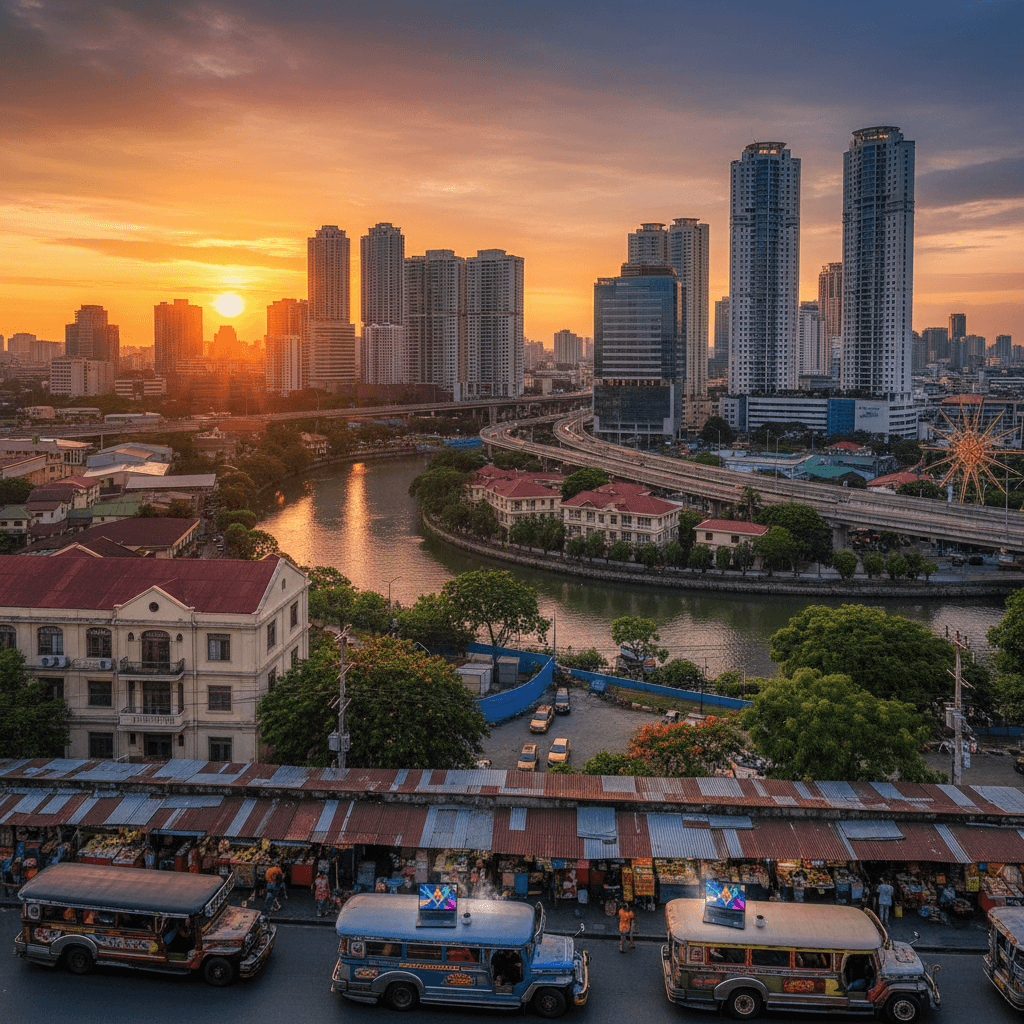
Pasig (Ortigas)
🇵🇭 Philippines