Canggu
🇮🇩 Indonesia
The Canggu Vibe
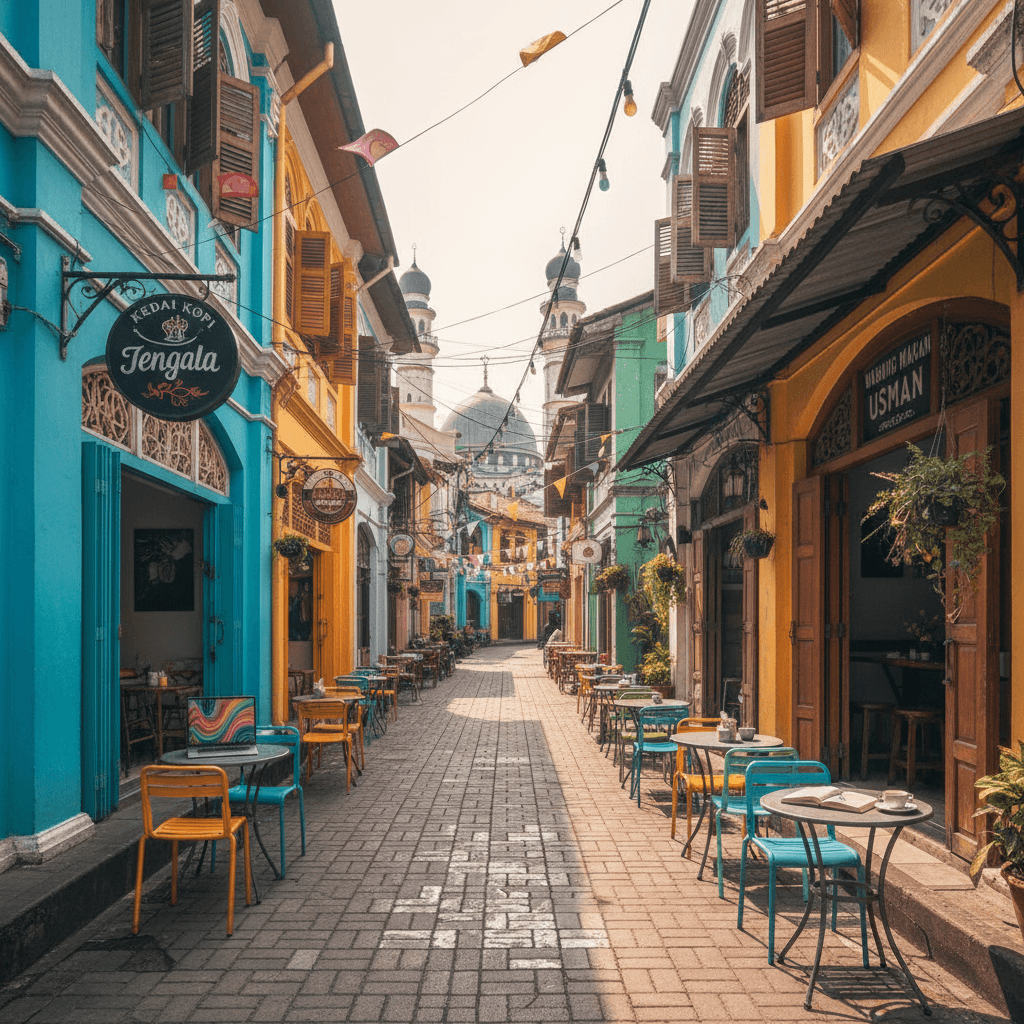
Canggu isn't just a destination; it's a lifestyle experiment that’s currently in overdrive. If you visited five years ago, you wouldn't recognize the place today. It has evolved from a sleepy surf outpost into a high-energy hub where MacBook Pros and surfboards are the standard uniform. The air is thick with incense and scooter exhaust, and the soundscape is a mix of crashing waves and construction crews building the next big beach club.
The energy here is infectious but can be polarizing. You'll spend your mornings at a world-class cafe sipping a Rp 35K flat white and your afternoons dodging gridlocked traffic on a shortcut through the rice fields. It’s a place of extreme contrasts where you can find a $1.50 plate of Nasi Campur right next to a boutique selling $200 linen dresses. Most nomads find that while the "old Bali" charm is fading under the weight of development, the community density is unmatched anywhere else in the world.
Cost of Living Breakdown
Living here can be as cheap or as expensive as you want it to be, but the days of the $800 monthly budget are largely over. Most single nomads should budget between $1,500 and $2,500 to live comfortably in 2025.
- Budget Tier ($1,200 to $1,800): You'll likely stay in a shared villa or a local guesthouse for around Rp 5M to 8M per month. You'll eat mostly at local warungs and rent a basic scooter for Rp 900K a month.
- Mid-Range Tier ($1,800 to $2,500): This covers a private one-bedroom apartment or a nicer studio for Rp 10M to 15M. You can afford daily cafe meals, a dedicated coworking membership, and plenty of Gojek rides.
- Comfortable Tier ($2,500+): This is for those wanting a private villa with a pool, upscale dinners at spots like Sa'Mesa, and memberships at premium clubs like Finns.
Strategic Neighborhoods
Choosing where to base yourself changes your entire experience because the traffic makes traveling even two kilometers a chore.
Batu Bolong
This is the heart of the action. It's the best spot for solo nomads who want to be within walking distance of the beach and the main social scene. However, it's noisy, crowded, and has the highest rates of petty phone snatching.
Berawa
A bit more polished and popular with long-term expats. It’s home to massive beach clubs like Finns and a high concentration of international schools. The traffic here is notoriously bad, especially during sunset hours.
Pererenan
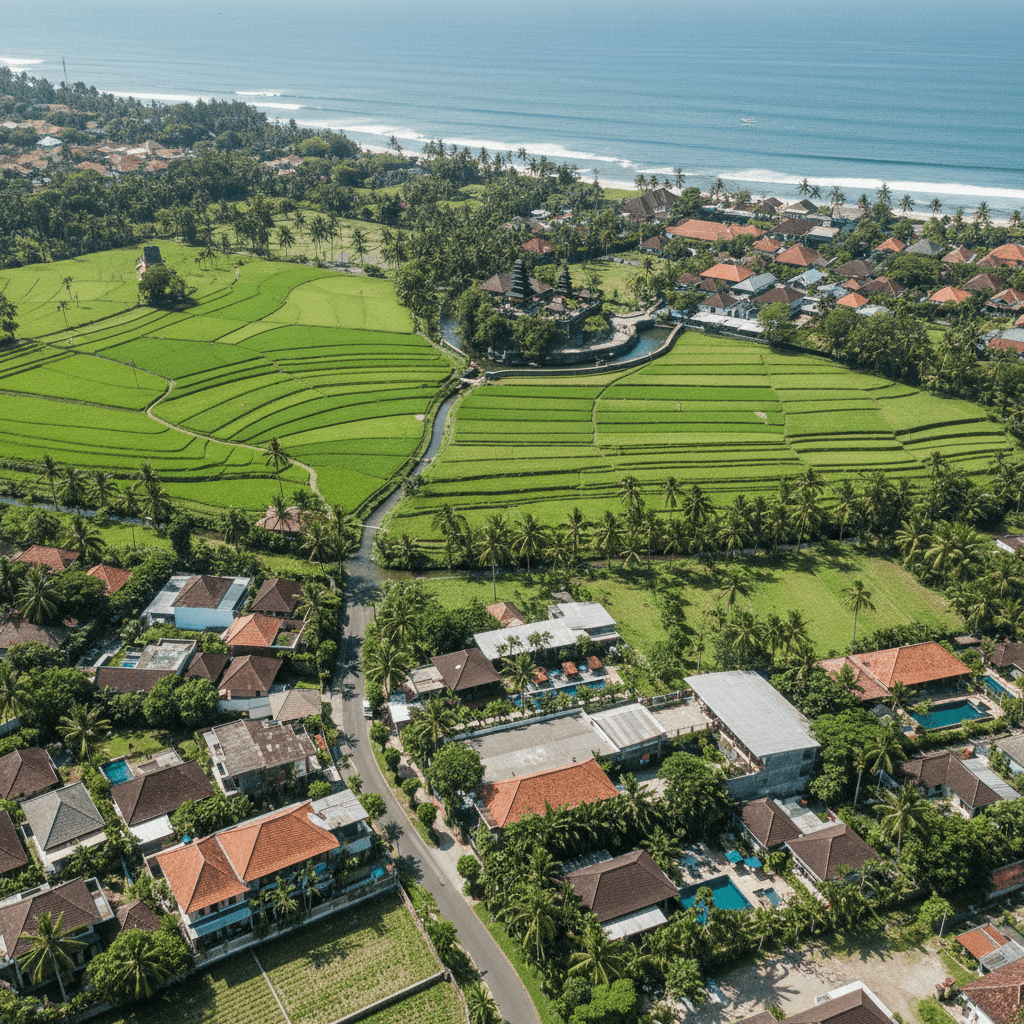
Located just across the river from central Canggu, this area still feels a bit more "authentic." It’s quieter, more affordable, and popular with digital nomad couples and families who want to see a rice field when they wake up.
Umalas
Tucked between Canggu and Seminyak, this is a serene pocket favored by families. It’s more expensive and less walkable, so you’ll definitely need a scooter or a Gojek driver on speed dial.
Connectivity and Productivity
Internet in Canggu has improved significantly, but it’s still Bali. While cafes usually offer decent speeds, villa WiFi is notoriously spotty. Most serious remote workers rely on a Telkomsel SIM card or an eSIM for backup. Expect to pay about Rp 100K for 10GB of data.
- Bwork Bali: Very popular for its focused atmosphere and rooftop yoga sessions.
- Tribal Canggu: A "work-friendly" hostel and cafe where you don't need a membership, just a minimum spend on food and drinks.
- Crate Cafe: The ultimate spot for a working breakfast, though it gets incredibly loud by mid-morning.
The Reality Check
It's not all sunset Bintangs and easy living. The "Bali Belly" is a real rite of passage for many, usually caused by contaminated water or poor food hygiene. You'll need to be cautious about where you eat and never drink the tap water. Safety is generally high, but scooter accidents are the number one cause of injury for nomads. Always wear a helmet and consider getting a local license or SafetyWing insurance before you arrive.
The infrastructure is struggling to keep up with the 2025 population boom. Roads are narrow, and sidewalks are almost non-existent outside the very center of Batu Bolong. If you hate traffic and noise, you might find Canggu frustrating. But if you're looking for a place where you can network with tech founders at 10 AM and be surfing by 4 PM, there is nowhere else quite like it.
The Bottom Line
Living in Canggu isn't as cheap as it was a few years ago, but it still offers some of the best value for money in Southeast Asia if you know where to look. For a single nomad, a realistic monthly budget sits between $1,500 and $2,500 USD. If you are moving with a family, expect those costs to jump to $5,000 or more once you factor in private villas and international school fees.
The local currency is the Indonesian Rupiah (IDR), and while cards are becoming more common in trendy cafes, cash is still king for local markets and smaller warungs. Most long term residents use a mix of cash and local fintech apps like Gojek or OVO to handle daily expenses.
Budget Tiers
- The Budget Nomad ($1,200 to $1,800): You'll likely stay in a shared villa or a guesthouse for around Rp5M ($315) a month. You'll eat mostly at local warungs where a meal costs Rp25K to 50K ($1.50 to $3) and rent a basic scooter for about Rp1.5M ($95) monthly.
- The Mid Range Resident ($1,800 to $2,500): This covers a private one bedroom apartment or studio for roughly Rp10M ($630). You'll split your time between local spots and Western cafes, use Gojek for transport, and likely hold a membership at a coworking space.
- The Comfortable Expat ($2,500+): At this level, you're looking at a high end private villa for Rp20M ($1,260) or more. Your budget includes frequent upscale dining, beach club memberships like Finns, and weekend trips around the island.
Housing and Neighborhoods
Rent prices fluctuate wildly based on how close you are to the beach. Batu Bolong is the heart of the action but also the priciest, with studios often going for Rp15M ($950). If you want more peace and slightly better prices, look toward Pererenan or Umalas.
Batu Bolong
- Best For: First timers and solo travelers who want to be near the nightlife.
- Rent: High. Expect to pay a premium for the convenience of walking to the beach.
- Pros: Most walkable area, packed with the best cafes and gyms.
- Cons: Extremely noisy at night and prone to heavy traffic.
Pererenan
- Best For: Digital nomads and families looking for a "old Bali" feel.
- Rent: Moderate. You get more space for your money here.
- Pros: Quieter streets, beautiful rice field views, and a growing food scene.
- Cons: You definitely need a scooter to get anywhere.
Berawa
- Best For: Social butterflies and families.
- Rent: High. Driven by the proximity to international schools and major beach clubs.
- Pros: Great shopping and home to the massive Finns Recreation Club.
- Cons: The traffic congestion here is some of the worst in Bali.
Daily Expenses
Eating out is one of the biggest draws. A coffee at a trendy spot like Crate or Satu Satu will set you back about $2 to $3. For dinner, a mid range meal for two usually lands around Rp250K ($15), while high end spots like Sa'Mesa can easily cost $30 per person or more.
Transportation is almost exclusively handled via apps. A short scooter ride on Gojek or Grab usually costs between Rp15K and Rp30K ($1 to $2). If you prefer to rent your own wheels, a monthly scooter rental averages Rp900K to Rp1.5M ($55 to $95) depending on the model and your negotiation skills. Always budget for a good insurance policy like SafetyWing, as minor scooter accidents are a common rite of passage here.
Remote work costs are another factor. While many cafes have decent WiFi, serious professionals usually head to spaces like Bwork or Tribal. A monthly hot desk pass at a top tier coworking space typically runs around $200 to $240. This usually includes high speed internet, which is much more reliable than the spotty connections found in most private villas.
For Digital Nomads and Solo Travelers
If you are landing in Canggu to work and socialize, Batu Bolong is the undisputed heart of the action. It is the most walkable part of town, though that is a relative term given the narrow roads and lack of sidewalks. You will be steps away from iconic spots like Crate Cafe and Satu Satu, where the coffee is strong and the plugs are plentiful. Most solo nomads find the social scene here effortless; you can meet people at Bwork or similar coworking spaces during the day and head to XBar or Luigi’s Pizza on a Monday night.
- The Vibe: High energy, surf-centric, and social.
- Cost: Expect to pay Rp 10M to 15M ($630 to $950 USD) for a decent room or studio.
- The Trade-off: It is noisy, traffic is a nightmare, and phone snatching is a known issue on dark shortcuts.
For those who prioritize waves over parties, Echo Beach is the better bet. It is right next to Batu Bolong but feels slightly more rugged. Surfers congregate here for the consistent swells and sunset beers. The amenities are a bit more basic, but you are still within a five minute scooter ride of the main hubs. Just keep an eye on the water quality, as runoff can be an issue after heavy rains.
For Long-Term Expats
Berawa has evolved into the trendy, upscale sibling of central Canggu. It is the land of designer boutiques and massive beach clubs like Finns. Expats often choose this area because it balances lifestyle and convenience. The dining scene here is world class, with plenty of mid range options where a meal for two costs around Rp 250K ($15 USD).
- The Vibe: Fashionable, polished, and busy.
- Cost: Rents are higher here, often starting at $2,000 USD per month for a private villa.
- The Trade-off: The "shortcut" road to Seminyak is a notorious bottleneck that can add 30 minutes to a short trip.
For Families and Slow Travelers
If you have kids or just want to wake up to the sound of birds instead of motorbikes, look toward Pererenan or Umalas. Pererenan still retains some of that old Bali charm with actual rice field views, though development is catching up fast. It is quieter and more affordable than Berawa, making it a favorite for those staying three months or longer. You will definitely need a scooter here, as the area is spread out and lacks the dense cafe clusters of the center.
- Pererenan: Great for quiet villas and high end dining like Sa’Mesa. A 1BR can still be found for Rp 6M to 9M ($380 to $570 USD) if you hunt offline.
- Umalas: Positioned between Canggu and Seminyak, this is the go-to for families. It is home to international schools and large, serene estates.
- The Trade-off: You are further from the beach and the main coworking hubs. It can feel a bit isolated if you do not have a established social circle.
Practical Living Standards
Regardless of where you park your suitcase, your budget will likely fall between $1,500 and $2,500 USD per month as a single nomad. Budget travelers can scrape by on $1,200 by eating at local warungs where Nasi Goreng costs about Rp 25K ($1.50) and sharing a villa. If you want the "Instagram lifestyle" with a private pool and daily cafe brunches, $2,500+ is a more realistic starting point.
Internet is generally reliable at 24 Mbps in dedicated workspaces, but villa WiFi is notoriously spotty. Most residents use Telkomsel or an eSIM from esimcanggu.com as a backup. For getting around, ignore the lack of sidewalks and download Gojek or Grab immediately. A scooter ride across town usually costs less than Rp 20K ($1.30) and is the only way to beat the gridlock.
Connectivity and Speed
Internet in Canggu has seen significant upgrades in recent years. While villa WiFi can still be fickle, average speeds in coworking spaces now exceed 100 Mbps with fiber optic connections up to 150 Mbps. You'll find lightning fast fiber in dedicated coworking spaces and modern cafes, but if you're planning on taking high stakes Zoom calls from your rental, always have a backup plan.
Most nomads rely on a local SIM card or eSIM to tether when the power dips or the villa router acts up. Telkomsel is the gold standard for coverage, though XL offers better value if you're on a budget. You can expect to pay around Rp 100,000 for a 10GB starter pack. For those who want to hit the ground running, an eSIM costs about Rp 600,000 for a massive 50GB data allowance valid for 30 days.
Top Coworking Spaces
The coworking scene is the heartbeat of the Canggu nomad community. These spaces aren't just for desks; they're where you'll find your next business partner or weekend surf crew. Most spots offer daily, weekly, and monthly memberships to suit your flow.
- Bwork Bali: Extremely popular for its aesthetic and community focus. They offer flexible 30 hour passes and even host rooftop yoga sessions to help you decompress after a long day of deep work.
- Tribal Canggu: Located in Pererenan, this is Bali's first purpose built coworking hostel. It has a massive open air work area, great coffee, and no membership fee if you're just staying for a few hours, though day passes range from Rp 150,000 to Rp 280,000.
- Matra Co-Living: If you prefer a quieter vibe, Matra offers spacious air conditioned desks and a more focused atmosphere away from the beach club noise.
The Cafe Office Culture
If you find coworking memberships too pricey, Canggu is packed with "work friendly" cafes. You'll see rows of MacBooks at almost every brunch spot. It's generally accepted to work from a cafe for a few hours as long as you keep the coffee and food orders coming.
- Crate Cafe: The ultimate spot for a loud, high energy morning. The food is affordable and the portions are huge, but it gets crowded fast.
- Satu Satu: A local favorite for its own grown Balinese coffee. It's much cheaper than the beachfront spots, has plenty of power plugs, and the WiFi is surprisingly stable for a small cafe.
- Zin Cafe: An architectural beauty near the beach with a dedicated "quiet zone" for workers. There's no fee to sit, making it a top pick for casual afternoons.
Practical Workflow Tips
The heat and humidity in Bali can be brutal on electronics. Many nomads recommend working from air conditioned "quiet rooms" during the peak afternoon sun to prevent your laptop from throttling. It's also wise to invest in a VPN and a sturdy power bank, as small local power outages still happen during the monsoon season.
Most spaces are busiest between 10:00 AM and 4:00 PM. If you're working for a US based company, you'll likely have the whole place to yourself in the evenings, which is when the internet speeds tend to peak. Just remember to secure your gear; while the community is tight, phone and laptop snatches can happen if you leave your tech unattended on a cafe table while grabbing a refill.
Staying Safe in the Surf Capital
Canggu is generally a safe place for remote workers, but the rapid development and influx of tourists have brought some growing pains. While violent crime is rare, petty theft is the most common headache. Most nomads find that Batu Bolong and Umalas are the main hotspots for phone snatching. It usually happens when you're on a scooter with your phone in a visible mount or held loosely in your hand. Keep your tech tucked away in the under seat compartment while driving and avoid using your phone right on the roadside at night.
The real danger in Canggu isn't crime, it's the roads. The "Canggu Shortcut" is infamous for a reason. It's narrow, lacks barriers, and cars often tumble into the rice paddies. If you're renting a scooter, wear a helmet and drive defensively. Expats recommend avoiding unlit backroads after dark, not just because of potential theft, but because of stray dogs and deep potholes that are hard to spot in the shadows.
- Phone Safety: Never leave your phone on a cafe table near the street or hold it out while riding.
- Bag Security: Wear your bag cross body and keep it on the side of your body away from traffic.
- Home Security: If you're staying in a villa, always lock your sliding doors and use the provided safe for your passport and extra cash.
Healthcare and Wellness
The most frequent health issue you'll face is "Bali Belly." It's an upset stomach usually caused by contaminated water or hygiene standards at local stalls. Most travelers say you should stick to bottled or filtered water for everything, including brushing your teeth if you have a sensitive stomach. If you do get sick, local pharmacies (Apotek) are everywhere and sell effective over the counter treatments like charcoal tablets or Norit.
For more serious issues or routine checkups, Canggu has decent local clinics. Sanmed Medical is a go to for most nomads needing a quick consultation or IV drip. If you have a real emergency or need specialized care, you'll want to head to BIMC Hospital in Kuta. It's 24/7, English speaking, and meets international standards, though it's about a 45 to 60 minute drive depending on the brutal traffic.
- Medical Emergencies: Dial 112 for general emergencies.
- Specialized Care: Pro Physio is the top choice for surf injuries or posture issues from long hours at a desk.
- Insurance: Most nomads use SafetyWing or similar nomad focused providers, as local out of pocket costs at international hospitals can climb quickly.
Environmental Health
One thing many first timers don't expect is the water quality at the beaches. After heavy rain, runoff can make the water at Batu Bolong or Echo Beach a bit murky. Keep an eye on local surf reports and avoid swallowing the water if it looks brown or has debris. Air quality can also dip during the dry season when farmers burn rice husks, so if you have asthma, it's worth checking the AQI levels before booking a long term villa right next to a field.
Essential Health Contacts
- Sanmed Medical Canggu: Best for minor infections, flu, or Bali Belly.
- BIMC Kuta: The gold standard for accidents, 24 hour ER, and imaging.
- Guardian or Kimia Farma: Reliable pharmacy chains found on almost every main street.
Getting Around Canggu
Navigating Canggu is an exercise in patience and strategy. While the distance between your villa in Berawa and a sunset drink in Batu Bolong might only be two kilometers, the infrastructure hasn't kept pace with the region's explosive growth. You won't find buses or trains here. Instead, life moves on two wheels, fueled by ride hailing apps and a heavy dose of defensive driving.
Ride Hailing and Apps
For most nomads, Gojek and Grab are the lifelines of daily transit. These apps are the Uber of Southeast Asia, offering both motorbikes (ojeks) and cars. If you're solo, hop on the back of a bike to weave through the gridlocked "Shortcuts" that cars can't manage. It's the fastest way to get around and incredibly cheap.
- Scooter rides: Expect to pay Rp 20,000 to Rp 40,000 for most trips within the main hub.
- Car rides: These usually cost Rp 50,000 to Rp 100,000, but they often get stuck in "macet" (traffic) for twice as long as a bike.
- Airport transfers: A private car or app booking from Ngurah Rai International Airport typically runs between Rp 250,000 and Rp 350,000.
Scooter Rentals
If you're staying for more than a week, renting your own wheels is the standard move. It gives you the freedom to explore Pererenan or head up to Tanah Lot without waiting for a driver. However, the learning curve is steep. The roads are narrow, often unpaved at the edges, and shared with stray dogs and erratic trucks.
- Daily rates: Expect Rp 60,000 to Rp 90,000 for a standard Honda Vario or Scoopy.
- Monthly rates: Long term stays usually negotiate this down to around Rp 900,000 to Rp 1,500,000 depending on the bike's age.
- Requirements: You technically need an International Driving Permit (IDP) and a helmet. Police checkpoints are common, and "donations" for missing paperwork are a frequent headache for expats.
The Walkability Reality
Canggu is famously hostile to pedestrians. Outside of a small stretch in central Batu Bolong, sidewalks are non-existent or crumble into open sewers. Heat, humidity, and the lack of lighting at night make walking more of a chore than a leisure activity. Most seasoned nomads recommend against planning to walk everywhere, even if your map says the cafe is only ten minutes away.
Traffic and Shortcuts
The infamous Canggu Shortcut, a narrow brick road connecting Berawa and Batu Bolong, is a rite of passage. It's notorious for cars falling off the edge into rice paddies and massive bottlenecks during peak sunset hours. Travelers often say that timing is everything. Try to avoid being on the main roads between 5:00 PM and 7:00 PM unless you're prepared to sit in fumes. For a quieter experience, many digital nomads are moving their base to Pererenan, where the traffic is slightly more manageable and the rice field views haven't been entirely replaced by concrete yet.
Communication Basics
You won't have much trouble getting by in Canggu if you only speak English. Because the area has transformed into a global nomad hub, almost everyone you'll interact with in the service industry speaks English well. From the baristas at Satu Satu to the staff at Finns Beach Club, communication is seamless. Most nomads find they can navigate daily life, from ordering Rp25,000 nasi goreng to negotiating monthly scooter rentals, without knowing a word of the local tongue.
That said, the primary languages are Indonesian (Bahasa Indonesia) and Balinese. While English is the language of commerce in the trendy parts of Batu Bolong and Berawa, the vibe changes once you step into a local warung or head further into Pererenan. Learning a few phrases goes a long way with the locals and shows you aren't just another fly by night tourist. It often helps when you're trying to get a fair price at a local market or chatting with your villa owner.
Key Phrases for Your Kit
Indonesian is surprisingly phonetic and lacks complex tenses, making it one of the easier languages to pick up. Here are the essentials that expats recommend keeping in your back pocket:
- Terima kasih: Thank you (Response: Sama-sama)
- Selamat pagi: Good morning
- Berapa harganya?: How much is this?
- Tolong: Please or Help
- Minta bill: Can I have the bill?
- Suksma: Thank you in Balinese (a great way to earn a smile)
Digital Connectivity
Reliable internet is the lifeblood of the Canggu scene, but it can be inconsistent. While coworking spaces like Bwork and Tribal offer rock solid speeds, villa WiFi is notorious for dropping out during tropical storms or random outages. Most seasoned nomads treat a local SIM card as a mandatory backup rather than an option.
For your mobile data, Telkomsel is the gold standard for coverage, though XL offers decent value if you're staying strictly within the main hubs. You can grab a physical SIM at the airport or any small kiosk on the street for around Rp100,000 for 10GB. If your phone supports it, esimcanggu.com is a popular choice for digital nomads who want to skip the kiosk hassle, offering large data packages like 50GB for 30 days at roughly Rp600,000.
Apps You Actually Need
In Canggu, your phone is your most important tool for survival and social life. Download these before you land:
- Gojek or Grab: These are non negotiable. You'll use them for everything from Rp20,000 scooter rides to ordering late night food. They also have built in chat features with auto translate, which is a lifesaver when your driver is lost.
- WhatsApp: This is how the entire island communicates. You'll use it to book hair appointments, message your landlord, and join the massive community groups for Canggu nomads.
- Google Translate: The camera feature is perfect for reading menus at traditional warungs or translating signs in more residential neighborhoods like Umalas.
Social Etiquette and Nuance
Communication in Bali is as much about body language as it is about words. The Balinese are famously polite and indirect. Raising your voice or showing outward frustration, even when stuck in the legendary Batu Bolong traffic, is seen as a major loss of face. Travelers often find that a smile and a calm demeanor get things fixed much faster than a demanding tone.
When you're out and about, keep an eye out for the Canang Sari (small flower offerings) on the ground. Stepping on one is a major faux pas. Likewise, when visiting temples or government offices, dress modestly and remember that "yes" sometimes means "I understand you" rather than "I agree." It's a subtle shift, but once you get used to the flow of communication here, you'll find it's one of the easiest places in Southeast Asia to call home.
Seasonal Breakdown
Canggu stays warm year round with temperatures hovering between 24°C and 31°C. You are essentially choosing between two distinct settings: the dry season and the monsoon season. Both have their perks, but your experience will vary wildly depending on when you land.
The dry season runs from April to October. This is the peak window for nomads and surfers. You will get consistent offshore winds and sunny skies, making it the best time for hitting the waves at Batu Bolong or Echo Beach. The humidity is manageable, and the evenings are actually quite pleasant. Most travelers aim for May through September to guarantee the best weather, though you will deal with more crowds and higher demand for top tier villas.
The wet season kicks in from November to March. Expect heavy, tropical downpours, usually in the afternoons or overnight. It is incredibly lush and green, but the humidity can feel like a heavy blanket. December and January are typically the wettest months. While the rain often clears quickly, it can turn Canggu’s dirt roads into muddy tracks and lead to more trash washing up on the beaches. On the plus side, you can often snag better deals on long term rentals during this window.
The Best Time to Visit
If you want the "Goldilocks" zone, aim for May, June, or September. You will beat the heavy rain and avoid the absolute madness of the July and August holiday crowds. Traffic is always a factor in Canggu, but it is slightly more bearable during these shoulder months. The surf is still world class, and every cafe from Crate to Satu Satu will be in full swing.
What to Pack and Prepare For
- The Heat: Even in the rainy season, the sun is intense. Pack lightweight, breathable fabrics. If you are planning to work from cafes like Zin or Bwork, bring a light hoodie because the AC can be aggressive.
- The Rain: If you are here during the monsoon, a high quality poncho is a requirement for scooter travel. Forget umbrellas; they are useless on a bike.
- The Gear: Bring a dry bag for your laptop and electronics. Tropical storms can catch you off guard while you are commuting between your villa in Pererenan and your coworking space.
- The Health Factor: Humidity and heat are the perfect recipe for "Bali Belly." Stick to bottled or filtered water and be cautious with ice at smaller street stalls.
Key Events and Logistics
Keep an eye on the Balinese calendar. Nyepi, the Day of Silence, usually falls in March. The entire island shuts down for 24 hours. No lights, no travel, and even the airport closes. It is a beautiful cultural experience, but you will be confined to your villa.
For the social crowd, August is the peak of the party season. Beach clubs like Finns and The Lawn host their biggest events then. If you prefer a quieter pace, October is a great time to transition into the island's slower rhythm before the holiday rush starts again in late December.
Getting Around the Gu
Canggu isn't built for walking. The roads are narrow, sidewalks are rare, and the heat makes a ten minute stroll feel like a marathon. Most nomads rely on Gojek or Grab. These apps are your lifeline for quick scooter taxis or car rides, usually costing between Rp20,000 and Rp50,000 per trip.
If you're brave enough to drive, monthly scooter rentals run around Rp900,000. Companies like Bikago can even have one waiting at the airport. Just be careful; traffic congestion is the number one complaint here, and "The Shortcut" between Berawa and Batu Bolong is notoriously chaotic. Always wear a helmet and drive defensively.
Internet and Productive Spaces
While villa WiFi can be hit or miss, the coworking scene is world class. Finns Coworking Hub is a heavy hitter at Rp3.8M ($240) a month, giving you access to a pool and gym. If you prefer a community vibe with yoga, Bwork Bali is the go to. For a more casual day, Tribal Canggu offers day passes between $10 and $18.
For connectivity, don't rely on your home SIM. Pick up a Telkomsel card for the best coverage, usually around Rp100,000 for 10GB. If your phone supports it, an eSIM from esimcanggu.com is the most convenient way to hit the ground running with 50GB of data.
Cost of Living Breakdown
Your budget depends entirely on your lifestyle. A single nomad can get by on $1,500 to $2,500 a month, but families should expect to spend $5,000 or more. Here is how the tiers typically look:
- Budget ($1,200 to $1,800): You'll be staying in a shared villa for about Rp5M, eating at local warungs, and driving your own scooter.
- Mid-range ($1,800 to $2,500): This covers a private 1BR for Rp10M, regular cafe meals, and coworking day passes.
- Comfortable ($2,500+): Expect a high end private villa for Rp20M, upscale dining at spots like Sa'Mesa, and a full Finns membership.
Choosing Your Neighborhood
Where you live dictates your experience. Batu Bolong is the heart of the action with the best cafes and nightlife, but it's noisy and prone to phone snatches. Berawa is the hub for expats and big beach clubs like Finns, though the traffic here is some of the worst in Bali.
For a slower pace, Pererenan still has some rice field views and more affordable villas. Umalas is the quiet choice for families, while Echo Beach is strictly for the surf crowd who want to be steps away from the waves. Travelers often suggest booking a week in a guest house and scouting villas in person to avoid getting scammed on Facebook.
Health and Safety Essentials
Bali Belly is real. Stick to bottled or filtered water and be cautious with ice in smaller stalls. For medical needs, Sanmed Medical handles basics, while BIMC Hospital in Kuta is the gold standard for emergencies and 24/7 English speaking care. Make sure you have SafetyWing or similar insurance before you land.
Safety is generally high, but petty theft is rising. Keep your phone tucked away when on a scooter and avoid unlit shortcuts at night. If you're heading to the beach, be mindful that water quality can dip after heavy rain, especially near Echo Beach.
Cultural Etiquette
Balinese culture is deeply spiritual. You'll see small offerings called Canang Sari on the ground everywhere; do your best not to step on them. When visiting temples, dress modestly and cover your shoulders and knees. It's also standard practice to remove your shoes before entering someone's home or certain small boutiques. A little respect goes a long way in keeping the local community on your side.
Weather and Timing
The best time to visit is the dry season from May to September. You'll get sunny days and the best surf conditions. The wet season kicks in from November to March. Expect humid afternoons and heavy downpours, especially in December and January. While it's cheaper, the rain can make the already difficult roads even more of a headache.
Need visa and immigration info for Indonesia?
🇮🇩 View Indonesia Country GuideEasy Landing
Settle in, no stress
Monthly Budget Estimates
More cities in Indonesia
Ubud
🇮🇩 Indonesia
Balikpapan
🇮🇩 Indonesia
Yogyakarta
🇮🇩 Indonesia