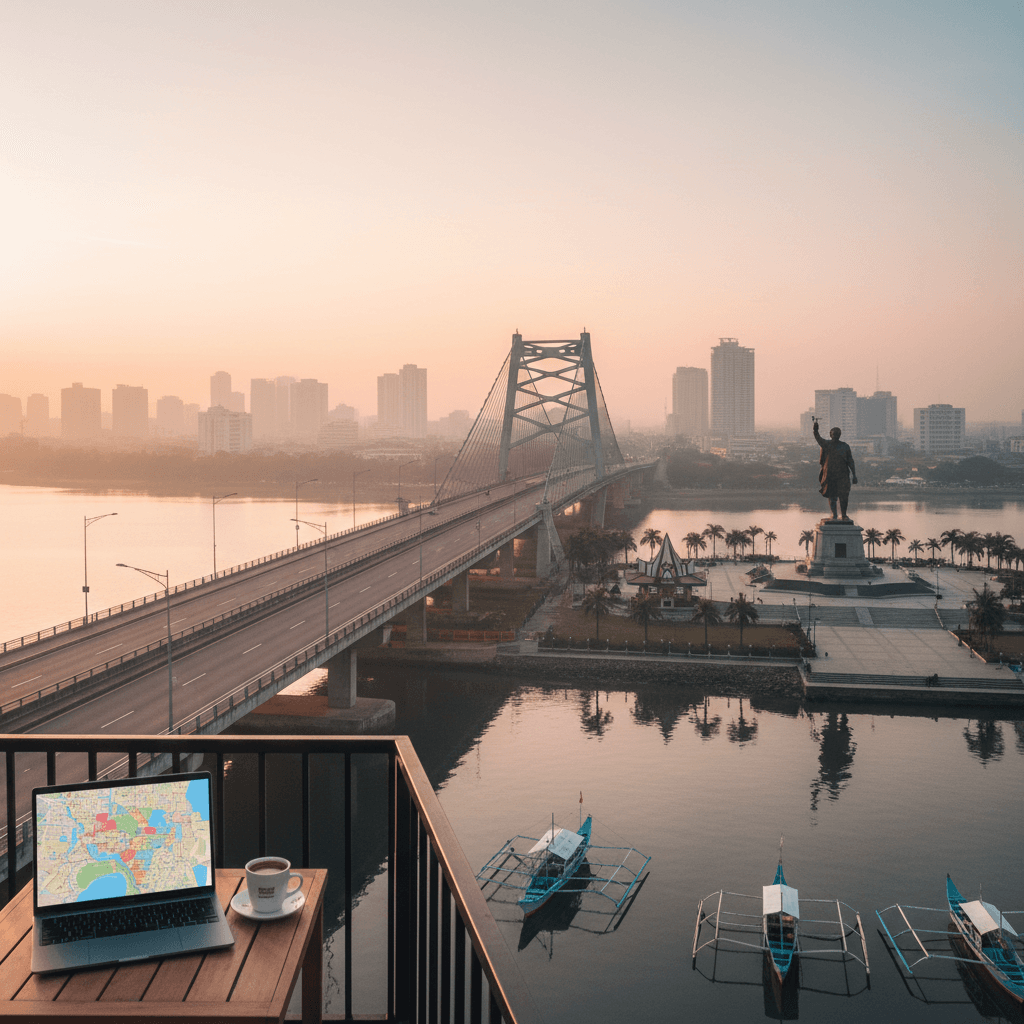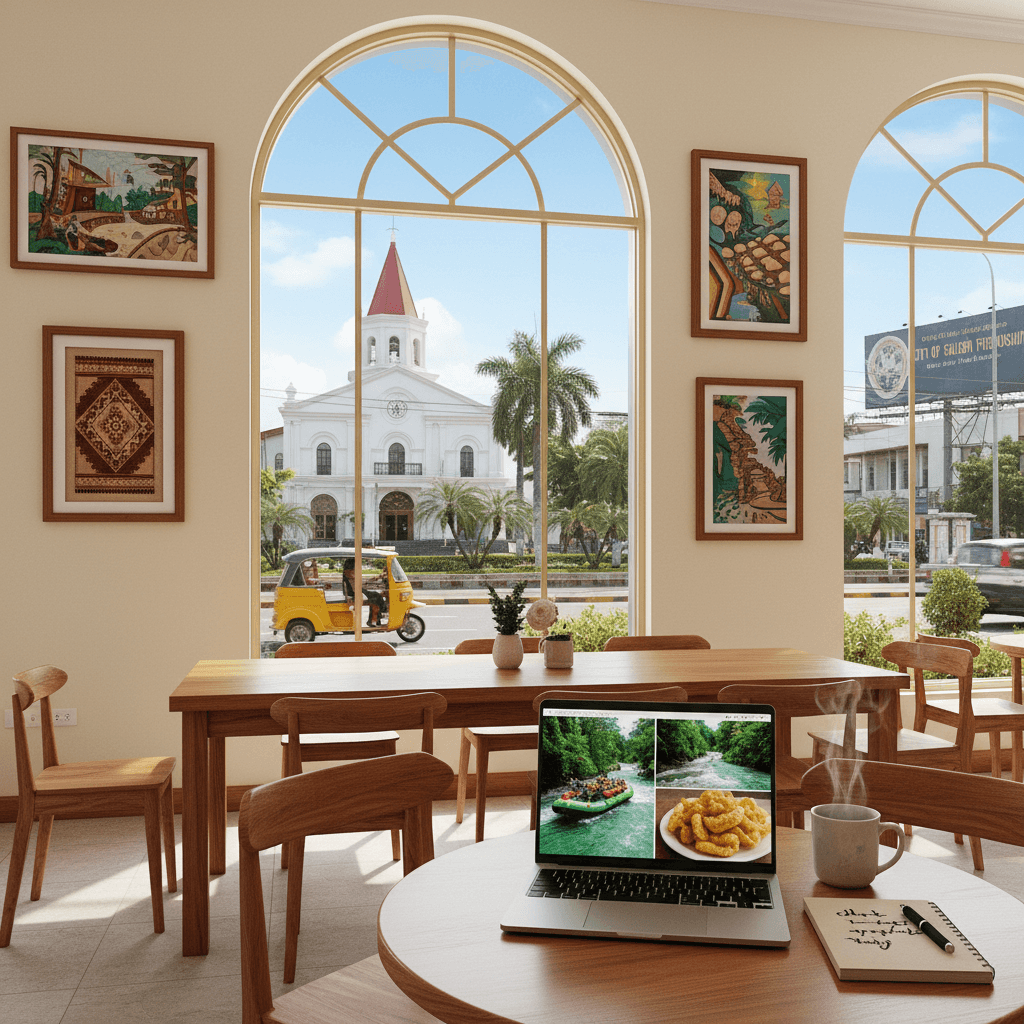
Cagayan de Oro
🇵🇭 Philippines
The Gateway to Northern Mindanao
Cagayan de Oro, or simply CDO, represents a specific middle ground in the Philippines that most nomads overlook. It isn't the chaotic sprawl of Manila or the tourist heavy surf camps of Siargao. Instead, it is a mid sized urban hub that feels like a real city where people actually live and work, rather than just a backdrop for vacation photos. Locals call it the City of Golden Friendship, and while that sounds like a tourism slogan, you will feel the sincerity of it within forty eight hours of landing. People here are famously approachable, even by Filipino standards.
The vibe is surprisingly industrious but lacks the frantic pace of the capital. You will find a growing middle class, a massive student population, and a retail scene that punches way above its weight. It is the kind of place where you can spend your morning on a high speed conference call and your afternoon white water rafting through limestone canyons. For nomads, the appeal lies in this balance; you get the comforts of modern malls and specialty coffee without the soul crushing traffic of Cebu.
A Shifting Landscape for 2025 and 2026
The big news for anyone looking at CDO as a long term base is the June 2025 launch of the Philippine Digital Nomad Visa. This changes the game for remote workers who previously had to juggle monthly tourist extensions. You can now secure a one year stay, renewable for another year, provided you show proof of $24,000 in annual foreign income. This new legal pathway makes CDO an attractive, low cost alternative to more expensive Southeast Asian hubs. Expect to pay between $200 and $300 for the application fee, and make sure your police clearances and health insurance are sorted before applying through the new evisa portal.
Life here is affordable, even by regional standards. While prices have ticked up slightly, your dollar still goes incredibly far. A comfortable lifestyle in a modern condo won't break the bank, and the local food scene is both diverse and cheap. Most nomads find that they can live quite well on a fraction of what they would spend in the West, allowing for more weekend trips to nearby Bukidnon or Camiguin Island.
Where the Community Gathers
The city's layout is divided between the traditional downtown area and the newer, breezy developments in the highlands. If you want to be where the action is, you will likely find yourself in one of these two pockets:
- Pueblo de Oro: This is the upscale, "uptown" area. It is cooler, quieter, and feels more suburban. It is home to SM City CDO Uptown and several gated communities. It is the preferred spot for expats who want a bit of distance from the humidity and noise of the city center.
- Limketkai Center: This is the heart of the city's commercial life. It is a massive complex of malls, hotels, and office buildings. If you enjoy being able to walk from your apartment to a cinema, a gym, and five different coffee shops, this is your zone.
- Nazareth: A more residential, grid like neighborhood known for its local eateries and quieter streets. It feels more "authentic" and less commercial than the mall districts.
The Infrastructure Reality Check
Let's be honest about the pain points. Internet reliability remains the primary hurdle. While fiber is available in most modern condos and coworking spaces, outages happen. Smart nomads always carry a Globe or Smart SIM card as a backup. Using your phone as a mobile hotspot is a standard part of the workflow here. You will also want to download the Grab app immediately; it is the most reliable way to get around without haggling over tricycle fares, though the local "motorelas" are a fun, albeit cramped, way to travel short distances for just a few pesos.
Coworking is still a developing scene compared to Makati, but spaces like The Libray or various study hubs near the universities provide the stable power and AC you need for deep work. When the sun goes down, the city shifts into a relaxed social mode. You will find people congregating at the Lifestyle District for live music and cold San Miguel beers, or heading up to High Ridge for a view of the city lights. It is a place that rewards those who stay long enough to make actual friends rather than just passing through.
The Sweet Spot of Value
Cagayan de Oro, or CDO as everyone calls it, sits in that perfect middle ground for the budget conscious nomad. It is significantly cheaper than Manila or Cebu, but offers more infrastructure than the remote surf towns. You are looking at a lifestyle that feels high end on a mid range budget. Most expats find they can live very comfortably here for $1,200 to $1,800 a month, including a modern condo and plenty of weekend trips to nearby Bukidnon or Camiguin.
The local economy is driven by a mix of BPO hubs and university life, which keeps food and entertainment prices grounded. You won't feel like you are paying a tourist tax here. Instead, you are paying what the locals pay, which makes your dollars or euros go incredibly far.
Housing and Neighborhoods
Your biggest expense will be rent, but even that is a bargain compared to Western standards. The city is split between the older downtown area and the newer, breezy uptown district. Most nomads gravitate toward the uptown area for the peace and better air quality.
- Pueblo de Oro (Uptown): This is the premier choice for long term stays. A modern one bedroom condo in a development like Primavera Residences or The Loop usually runs between $350 and $550 per month. It is quieter, safer, and closer to the SM City CDO Uptown mall.
- Limketkai Center (Downtown): If you want to be in the thick of it, this area puts you within walking distance of the best gyms and major shopping hubs. Rents here are similar, roughly $400 to $600 for a furnished studio or one bedroom, but expect more noise and traffic.
- Utilities: Budget about $80 to $120 for electricity and water. Air conditioning is the main variable here; if you run it 24/7, that bill will climb quickly.
Food and Daily Life
Eating out is a way of life in CDO. You can grab a solid meal at a local carinderia for under $3, or head to the night market at Plaza Divisoria for cheap street food. If you prefer sit down restaurants in Limketkai or Centrio Mall, a nice dinner for two usually costs around $20 to $30.
- Groceries: A weekly shop at Robinsons Supermarket or SM Supermarket will cost about $40 to $60. Local markets are even cheaper for fresh mangoes, pineapples, and seafood.
- Coffee: A latte at a specialty shop like H Proper Coffee Roasters or a local Starbucks is about $3 to $4.
- Transport: Grab is the go to app for cars and is very affordable. A cross town ride is usually $3 to $5. For the authentic experience, a jeepney ride is only about $0.25.
The New Visa Reality
The game changes in June 2025 with the launch of the official Philippines Digital Nomad Visa. While many nomads previously hopped from one tourist visa extension to another, this new option provides a stable one year stay that you can renew. It removes the stress of monthly trips to the Bureau of Immigration office in Magsaysay Park.
To qualify, you need to show an annual foreign income of at least $24,000. The application fee is expected to be around $200 to $300, and you will need to provide proof of health insurance and a clean police record. It is a straightforward path for those who want to make CDO a semi permanent base without the constant paperwork shuffle.
Connectivity and Coworking
Reliable internet used to be the Achilles heel of Mindanao, but things have improved. Fiber connections in the major condo buildings are now standard. However, smart nomads always keep a backup. Pick up both a Globe and a Smart SIM card to use as mobile hotspots if the main line flickers. For a dedicated workspace, Regus SM CDO Downtown Tower or similar hubs where a monthly desk goes for roughly $120 to $150. These spots offer the stability and community that home setups sometimes lack.
For the Social Nomad: Uptown (Pueblo de Oro)
If you want to escape the humidity of the valley and find a community that feels familiar, Uptown is where you'll end up. This area sits on a plateau overlooking the city and has become the de facto hub for remote workers and the local upper class. It feels less like a traditional Philippine city and more like a master-planned suburb, with wider roads and significantly better air quality.
Most nomads gravitate toward the SM City CDO Uptown area or the Pueblo de Oro township. You'll find plenty of modern condos here, like Primavera Residences, which is popular because it's eco-friendly and has reliable backup power, a necessity in Mindanao. For work, Calle 85 and various cafes around Regatta Square provide decent WiFi, though most regulars carry a Smart or Globe 5G pocket router as a failsafe.
- Estimated Studio Rent: 18,000 to 25,000 PHP per month
- Atmosphere: Modern, breezy, and suburban
- Top Perk: Proximity to the Seven Seas Waterpark and better jogging paths
For the Urban Expat: Downtown (Limketkai and Centrio)
Living downtown means you're in the thick of the action. This is the commercial heart of Cagayan de Oro, centered around the Limketkai Center and Centrio Mall. Expats who prefer being able to walk to a high-end grocery store or a movie theater choose this area. It's dense, it's loud, and the traffic can be a headache, but you'll never be more than five minutes away from a decent meal.
The Aspira Towers or Centrio Tower are the go-to choices for high-rise living. These buildings are literally steps away from Ayala Malls, giving you easy access to Coffee Bean & Tea Leaf for morning meetings. The Digital Nomad Visa launching in June 2025 makes these long-term condo rentals even more attractive, as you'll have a stable base for your one-year stay while meeting the $24,000 annual income requirement.
- Estimated Studio Rent: 22,000 to 30,000 PHP per month
- Atmosphere: High-energy, convenient, and commercial
- Top Perk: The best concentration of gyms and international restaurants
For Families: Nazareth and Macasandig
These are the traditional residential heartlands of the city. Nazareth is laid out in a grid and is famous for its quiet streets and massive concentration of local hole-in-the-wall eateries. Families tend to like these neighborhoods because they are close to the top schools like Xavier University and Corpus Christi. It feels more like a "real" neighborhood where people know their neighbors.
You won't find many high-rise condos here. Instead, you'll be looking at townhouses or older gated compounds. It's a great place to experience the local "Cagayanon" lifestyle without the sterile feel of the newer developments. Just keep in mind that internet infrastructure here can be hit or miss depending on the specific street, so always ask for a speed test before signing a lease.
- Estimated 2-Bedroom House: 25,000 to 40,000 PHP per month
- Atmosphere: Quiet, leafy, and established
- Top Perk: Easy access to Cuyamis for local snacks and the best Lechon shops
For Solo Travelers and Budget Seekers: Carmen
Carmen is one of the most populous districts and offers the lowest cost of living while staying relatively close to the city center. It's across the river from the main malls, which keeps the prices down. Solo travelers on a budget often look for "apartelles" or small studio conversions in this area. It's gritty and authentic, which appeals to those who find the malls a bit too sanitized.
The Carmen Market is a chaotic, wonderful place to get fresh produce for a fraction of mall prices. While it's not the primary choice for someone working a high-stakes corporate job due to occasional noise and congestion, it's perfect for the slow traveler who wants their $200 to $300 visa application fee to be their biggest monthly "extra" expense.
- Estimated Studio Rent: 10,000 to 15,000 PHP per month
- Atmosphere: Local, busy, and very affordable
- Top Perk: Authentic street food culture and cheap transportation via Motorela
Connectivity in the City of Golden Friendship
Cagayan de Oro (CDO) occupies a unique middle ground for digital nomads in the Philippines. It lacks the saturated nomad infrastructure of Cebu or Siargao, but it makes up for it with a more stable power grid and a growing tech scene fueled by local startups. You won't find a coworking space on every corner, but the hubs that do exist are reliable and significantly cheaper than what you'll pay in Manila.
The city's internet landscape is dominated by PLDT and Globe fiber. Most modern apartments in the Pueblo de Oro township or high rise condos near Limketkai Center offer speeds between 50 Mbps and 200 Mbps. However, the local infrastructure can still be temperamental during heavy tropical storms. Smart nomads always keep a backup. Grab a Globe or Smart 5G SIM card as soon as you land at Laguindingan Airport. Expect to pay around $10 to $15 a month for a generous data promo that you can use to tether your laptop if the building WiFi flickers.
Coworking Spaces and Work Cafes
If you need a professional environment to escape the humidity, CDO has several solid options. The vibe is generally more "local entrepreneur" than "international influencer," which makes for a productive, low distraction atmosphere.
- Diligence Cafe: A favorite for the night owl crowd and students, often staying open late. It is less corporate and more cozy, perfect for clearing out an inbox.
- Limketkai Center: This massive commercial complex is packed with cafes like Bo's Coffee, a Filipino staple that usually provides decent WiFi with every purchase. It is a great spot for a few hours of light work between meetings.
The New Digital Nomad Visa
The game changes significantly in June 2025 with the official rollout of the Philippines Digital Nomad Visa. For years, nomads relied on rolling 30 day tourist visa extensions, which was a bureaucratic headache. The new system simplifies life for long termers who want to make Mindanao their base.
To qualify for the one year renewable stay, you will need to apply through the official e-visa portal. The main hurdle is proving a foreign earned income of at least $24,000 annually. You will also need to provide a police clearance and health insurance. The application fee is expected to land between $200 and $300, with a processing time of about 4 to 6 weeks. This visa strictly prohibits taking local jobs, so ensure your clients are all based outside the Philippines.
Practical Tech Tips for CDO
Living here requires a bit of tactical planning to stay online. Local expats recommend a few specific habits to keep your productivity from tanking.
- Power Banks are Mandatory: While CDO has fewer brownouts than smaller islands, they still happen. A high capacity power bank that can charge a laptop is a lifesaver.
- Download the GCash App: You will use this for everything from paying for your coworking desk to topping up your mobile data. It is the lifeblood of the local digital economy.
- Use a VPN: Some banking apps and foreign sites get finicky with Philippine IP addresses. A reliable VPN will save you a lot of login headaches.
- Grab Car: Use the Grab app to get between your accommodation and coworking spaces. It is safer, has fixed pricing, and keeps you in the air conditioning for as long as possible.
Most nomads find that Pueblo de Oro is the best neighborhood for a stable setup. It is up on the plateau, away from the flood prone riverside areas, and features newer developments with better internal wiring. You will pay a premium for rent there, but the peace of mind regarding your connection is usually worth the extra $100 a month.
Staying Safe in the City of Golden Friendship
Cagayan de Oro, or CDO, earned its nickname for the hospitality of its residents, and you'll feel that warmth almost immediately. Unlike some of the more chaotic hubs in Southeast Asia, CDO maintains a laid back, provincial city vibe. Most nomads find it significantly safer than Manila or Cebu. While it's in Mindanao, it sits far north of the areas typically flagged in travel advisories; it’s a major economic center with a heavy police presence and a very active local government.
The safest areas to base yourself are Pueblo de Oro in the Uptown district and the Limketkai Center area Downtown. Uptown is particularly popular with expats because it’s gated, quieter, and sits on a plateau away from the flood zones. If you’re walking around at night, stick to these well lit commercial areas. Pickpocketing is rare but can happen in crowded markets like Cogon, so keep your phone tucked away and don't flash expensive camera gear while navigating the stalls.
For getting around, Grab is your best friend. It’s reliable, tracked, and saves you the hassle of negotiating fares with taxi drivers. If you want the local experience, the "motorelas" (CDO’s unique version of a rickshaw) are great for short hops, but stick to ride hailing apps after dark for peace of mind. Travelers often say the biggest "danger" here is actually the tropical sun and the occasional flash flood during typhoon season, so keep an eye on weather apps like AccuWeather during the later months of the year.
Healthcare and Hospitals
You won't have to worry about finding quality medical care here. CDO is the healthcare hub for Northern Mindanao, meaning people travel from all over the region to use its facilities. English is the primary language for all medical staff, so communicating your symptoms is never an issue.
- Capitol University Medical Center (CUMC): Located in Gusa, this is widely considered one of the best private hospitals in the city with modern equipment and specialized doctors.
- St. Francis Doctors' Hospital: A solid choice for routine checkups or minor emergencies, known for being efficient.
- Maria Reyna Xavier University Hospital: Centrally located and highly reputable, especially for diagnostic tests.
Pharmacies are everywhere. You’ll see a Mercury Drug or Watsons on almost every major corner. They are well stocked with international brands, though you should bring a physical copy of your prescription if you need specific maintenance meds. Most nomads pay out of pocket for basic visits, as a consultation with a specialist usually costs between $10 and $20. For anything serious, you'll want your insurance to cover private hospital stays.
The Nomad Visa and Logistics
The administrative side of staying in the Philippines is getting a massive upgrade. The new Digital Nomad Visa, set to fully roll out by June or July 2025, is a game changer for those tired of the "visa run" cycle. This visa allows you to stay for 12 months and is renewable for another year. It’s a huge step up from the standard tourist extensions that previously required monthly trips to the Bureau of Immigration.
To qualify for this new program, you'll need to show proof of foreign income of at least $24,000 per year. The application is handled online through the evisa.gov.ph portal, and you should expect a processing time of 4 to 6 weeks. The application fee sits around $200 to $300. You will also need to provide a clean police clearance and, most importantly, proof of health insurance that covers you in the Philippines. This insurance is mandatory for the visa approval, so don't skip it.
If you arrive before the visa is fully streamlined, you’ll likely enter on a 30 day tourist stamp. You can extend this at the Bureau of Immigration office at Gateway Tower, Limketkai Center. It’s one of the most convenient immigration offices in the country because you can grab a coffee or go shopping while you wait for your passport to be processed.
Emergency Contacts
It’s smart to keep these local numbers saved in your phone just in case:
- General Emergency (Police/Fire/Ambulance): 911
- CDO City Disaster Risk Reduction and Management Office: (088) 853-9381
- Roadside Assistance: Use the Grab app or contact local towing services found on Facebook Marketplace.
The Pulse of the City
Cagayan de Oro, or simply CDO, is the major gateway to Northern Mindanao. Unlike the gridlocked chaos of Manila, CDO has a manageable flow that feels more like a large town than a sprawling metropolis. Most of your daily life will likely revolve around the Limketkai Center or the Pueblo de Oro township, and getting between these hubs is straightforward once you know the local rhythm.
The city is a mix of traditional Philippine transport and modern ride-hailing apps. While the traffic can get heavy during the 5:00 PM to 7:00 PM rush hour, especially along Claro M. Recto Avenue, you'll rarely find yourself stuck for hours. It is a city that moves, even if it does so with a bit of local flair.
Ride-Hailing and Taxis
For most nomads, Grab is the gold standard. It is the most reliable way to get around without haggling over prices or explaining complicated directions. You can book both cars and GrabTrike through the app. A typical 15-minute ride across town usually costs between 150 and 250 PHP.
- GrabCar: Best for air-conditioned comfort during the humid midday heat.
- Taxis: Plenty of white metered taxis roam the streets. Always ensure the driver turns the meter on before you pull away. A flag-down rate is usually around 45 PHP.
- JoyRide: A popular alternative to Grab that often has better availability during peak rain or rush hours.
The Jeepney Experience
You can't live in CDO without hopping on a jeepney at least once. These brightly painted icons are the backbone of local transit. They follow specific routes, usually indicated on the side of the vehicle. If you are heading from the downtown Divisoria area toward the Uptown district, look for signs saying "Carmen" or "PNP Camp."
The fare is incredibly cheap, usually starting at 13 PHP for the first few kilometers. To stop, just tap a coin on the metal roof or shout "Para!" loudly. It is not the most comfortable way to travel with a laptop bag, but it is the fastest way to feel like a local.
Three-Wheeled Transit
In the quieter residential neighborhoods and outskirts, you will rely on Motorelas. These are CDO's unique version of a tuk-tuk or tricycle, looking like a miniature jeepney draped over a motorcycle. They are shared vehicles, so expect to sit close to your neighbors.
- Capacity: They officially seat six to eight people, though they often squeeze in more.
- Cost: Short hops within a neighborhood usually cost about 10 to 15 PHP.
- Routes: They don't have fixed stops; you just hail them from the sidewalk like a cab.
Getting to and from the Airport
The Laguindingan International Airport is actually about 45 minutes to an hour outside the city center. You have a few solid options for the trek:
Most expats recommend the Magnum Express or LAX Shuttle vans. These depart from Limketkai Center and Centrio Mall every 30 minutes. A seat costs roughly 200 PHP. If you prefer privacy, a dedicated taxi or Grab will run you about 700 to 1,000 PHP depending on your bargaining skills and the time of day.
Walking and Safety
CDO is relatively walkable in specific pockets like Divisoria or the Pueblo de Oro master-planned community. However, the tropical heat and occasional lack of consistent sidewalks make long-distance walking a sweaty endeavor. Most nomads find that a combination of short Grab rides for errands and walking within their immediate neighborhood works best. Always keep your phone tucked away while walking near busy intersections to avoid opportunistic petty theft, though the city is generally considered one of the safer urban hubs in Mindanao.
The Linguistic Landscape
You'll find that getting around Cagayan de Oro is remarkably easy compared to other Southeast Asian hubs. While Tagalog is the national language, the heart of CDO beats to the rhythm of Binisaya (Cebuano). It's the primary language spoken in the streets, markets, and homes. However, you don't need to be a polyglot to thrive here. English is the unofficial second language and the primary medium for business, education, and government.
Most locals are bilingual or even trilingual. From the barista at H Proper Coffee Roasters in Bakke to the security guards at Limketkai Center, almost everyone speaks functional to fluent English. You won't struggle to order a meal, negotiate a ride, or discuss your WiFi needs with a technician. This high level of English proficiency is one of the biggest draws for nomads looking to settle in Northern Mindanao without the constant barrier of a translator app.
Local Nuances and Etiquette
While English gets you through the day, learning a few Binisaya phrases goes a long way in building rapport. The people here, known as Kagay-anons, are famously friendly, often dubbed the City of Golden Friendship. Starting a conversation with "Maayong buntag" (Good morning) or saying "Salamat" (Thank you) instead of the Tagalog "Salamat" earns you immediate smiles and often better service at the local pala-pala seafood spots.
Communication here is generally polite and indirect. It's common to hear people use "Po" or "Opo" when speaking Tagalog, though this is less frequent in Binisaya. If you're heading up to Pueblo de Oro or hanging out around Xavier University, you'll notice a mix of English and local dialects known as "Taglish" or "Bislish." Don't be surprised if a sentence starts in English and ends in Binisaya; it's just the local flow.
Connectivity and Staying Online
Communication isn't just about talking; it's about your data. Since the Philippines is notorious for patchy internet, you need a solid setup. Most nomads in CDO rely on a two pronged approach. First, grab a local SIM card immediately. Globe and Smart are the two major players. You can pick these up at Laguindingan Airport or any 7-Eleven for about $1 to $2.
- Globe: Generally offers great coverage in the downtown areas and Uptown CDO.
- Smart: Often has faster 5G speeds in specific pockets like Corrales Avenue.
- Data Promos: Look for "PowerAll" or "Go+99" packages. You can get 8GB to 20GB of data for roughly $2 to $5 per week.
For your "office" setup, don't rely solely on Airbnb WiFi. While fiber internet is becoming standard in newer condos near Centrio Mall, it can still go down during heavy rains. Expats usually carry a backup pocket WiFi device or use their phones as hotspots. If you need a stable environment, head to coworking spaces like The Libray or The Librewry Cafe. They offer the most reliable speeds in the city, usually ranging from 50Mbps to 100Mbps, which is plenty for Zoom calls and heavy uploads.
The Digital Nomad Visa Factor
Looking ahead to 2025 and 2026, the communication with immigration becomes even more streamlined. The upcoming Digital Nomad Visa, expected to launch in June 2025, will move much of the bureaucratic talk online via evisa.gov.ph. You'll need to prove a foreign income of $24,000 per year and provide a police clearance. The application fee is expected to be around $200 to $300. This new system aims to cut out the "fixers" and confusing manual paperwork that travelers previously faced at the Bureau of Immigration office near the port.
In short, if you can speak English, you can live a full life in CDO. The combination of high English literacy and the rollout of digital-first visa processes makes this one of the most accessible spots in Mindanao for remote workers who want to skip the language school and get straight to work.
Timing Your Stay in the City of Golden Friendship
Cagayan de Oro, or CDO, doesn't follow the typical four season pattern you might be used to. Instead, your life here will be dictated by the balance between the scorching tropical sun and the sudden afternoon downpours. The city sits in a sweet spot in Northern Mindanao that stays outside the main typhoon belt, making it a more reliable base for remote work than Manila or the eastern islands.
The best window to visit is between January and April. This is the dry season, where you can expect clear blue skies and manageable humidity. It is the prime time for white water rafting on the Cagayan River, which is the city's main claim to fame. During these months, the water levels are predictable and the sun makes the river expeditions much more enjoyable. You will pay a bit more for short term rentals in areas like Pueblo de Oro during this peak, but the reliable weather makes it worth the premium.
The Tropical Calendar
- The Dry Season (January to May): This is when the heat really cranks up. By April and May, midday temperatures often hit 34°C (93°F). You will want to make sure your accommodation has a high quality air conditioning unit; don't try to "tough it out" with just a ceiling fan if you plan on being productive during the day.
- The Rainy Season (June to December): This isn't a constant monsoon, but you should expect heavy rain most afternoons. The upside is that the surrounding hills of Bukidnon turn a brilliant green, and the temperature drops to a comfortable 24°C to 28°C. Digital nomads often prefer this period because the cafes aren't as crowded and the dust from the city streets is washed away.
- Typhoon Awareness: While CDO is generally safer than Luzon, late year storms in November and December can still bring heavy flooding. Always check the local weather apps before booking a river trek during these months.
Key Dates and Events
If you want to see the city at its most energetic, aim to be here in August. The Higalaay Festival takes over the city for most of the month, culminating on August 28. It is a massive celebration with street dancing, parades, and a lot of local pride. While it is a fantastic cultural experience, be aware that internet speeds in central areas like Limketkai Center might crawl due to the sheer volume of people using the towers, and getting a Grab car becomes a test of patience.
For those looking for a quieter vibe, September and October are excellent. The festival crowds have thinned out, the "Ber" months (the start of the long Filipino Christmas season) haven't reached full frenzy yet, and you can often find better monthly rates on Airbnb or through local Facebook groups for condos in Centrio or The Loop.
The Nomad Visa Factor
The timing of your trip should also align with the new Digital Nomad Visa rollout expected in mid-2025. This visa is a game changer for those wanting to stay longer than the standard tourist waiver allows. If you are planning a long term stint in CDO starting in 2026, you will need to show proof of $24,000 in annual foreign income. Applying during the shoulder season of June or July is a smart move, as it gives you a few months of lower cost living while your paperwork processes through the new online portal.
Most expats recommend arriving on a standard tourist visa first to get a feel for the neighborhoods. Spend a few weeks in a hotel near Divisoria to see if you like the city's pace before committing to a year long lease. The weather is consistent enough that there is no truly "bad" time to arrive, but having a Smart or Globe SIM ready for mobile hotspots is a necessity regardless of the month, as heavy rain can occasionally knock out local fiber lines for an hour or two.
Getting Connected
Internet connectivity in Cagayan de Oro is better than in the remote islands, but it still requires a strategy. Most nomads rely on a dual setup. Grab a local SIM card from either Globe or Smart as soon as you land. You can find kiosks at Laguindingan Airport or any mall like Centrio or Limketkai. Data is cheap, usually around $10 to $20 for a month of heavy usage.
Fiber internet is common in modern condos around Pueblo de Oro and the downtown core, but outages happen. Always have your phone ready as a hotspot. If your home setup fails, head to coworking spots like Lifestyle District or Limketkai Center. These areas have the highest concentration of cafes with decent speeds and backup generators, which are vital during the occasional tropical storm or maintenance power cut.
The New Visa Reality
The game changed with the introduction of the Digital Nomad Visa in mid-2025. If you want to stay long term without the old "visa run" headache, this is your best bet. It allows for a 1 year stay and is renewable. You will need to show proof of foreign income of at least $24,000 annually. The application is handled through the evisa.gov.ph portal.
Expect to pay between $200 and $300 for the processing fee. You will also need a clean police clearance and health insurance that covers you in the Philippines. The process usually takes 4 to 6 weeks, so apply well before your current tourist stamp expires. If you are just passing through, the standard visa on arrival for most Western passports still grants 30 days, which you can extend at the local Bureau of Immigration office near the town center.
Budgeting for CDO
Cagayan de Oro is significantly more affordable than Manila or Cebu. Your dollar goes a long way here, especially regarding food and transport. Most expats find that a monthly budget of $1,200 to $1,500 allows for a very comfortable lifestyle, including a modern apartment and frequent dining out.
- Studio Apartment: $300 to $500 per month
- Local Meal: $3 to $5
- Coworking Day Pass: $8 to $12
- Grab Car Ride: $2 to $5 across town
Getting Around
Download the Grab app immediately. It is the safest and most reliable way to get around the city without haggling over prices. For a more local experience, try the jeepneys or "motorelas," which are CDO's unique version of a large rickshaw. They cost pennies but can be confusing for newcomers. If you are heading out to the white water rafting sites or the hills of Bukidnon, renting a scooter is an option, though the city traffic is aggressive and not for the faint of heart.
Safety and Health
CDO is generally much safer than its reputation might suggest to those who haven't visited Mindanao. Stick to well lit areas like Uptown or the Corrales Avenue strip at night. For healthcare, Capitol University Medical Center and Maria Reyna are the top choices for expats. They have modern facilities and English speaking staff who are used to dealing with international insurance providers.
Tap water is a no go. Stick to bottled or filtered water, which is delivered in 5 gallon jugs to most apartments for about $1. Most nomads also recommend carrying a power bank and a small portable fan, as the humidity in the lowlands can be intense during the midday peak.
Need visa and immigration info for Philippines?
🇵🇭 View Philippines Country GuideEasy Landing
Settle in, no stress
Monthly Budget Estimates
More cities in Philippines
Legazpi City
🇵🇭 Philippines
Naga City
🇵🇭 Philippines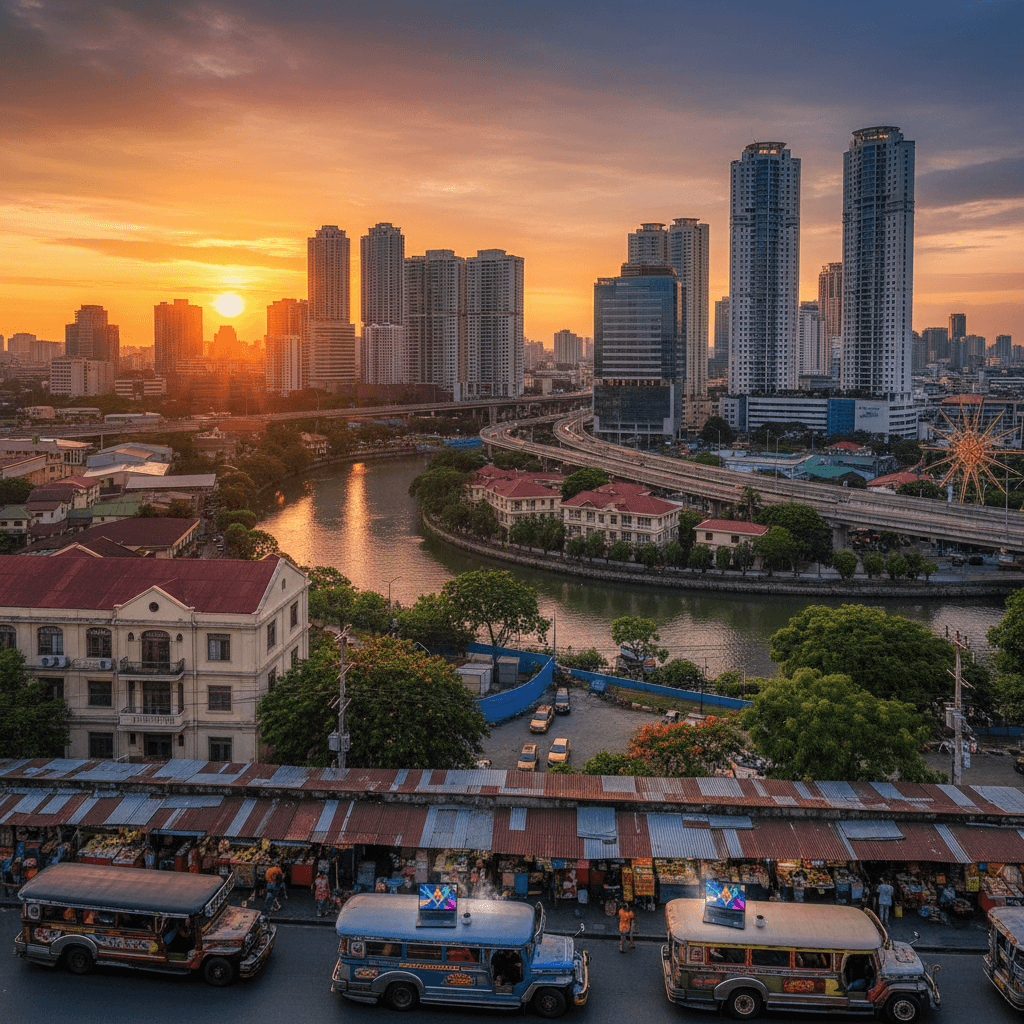
Pasig (Ortigas)
🇵🇭 Philippines