Burgas
🇧🇬 Bulgaria
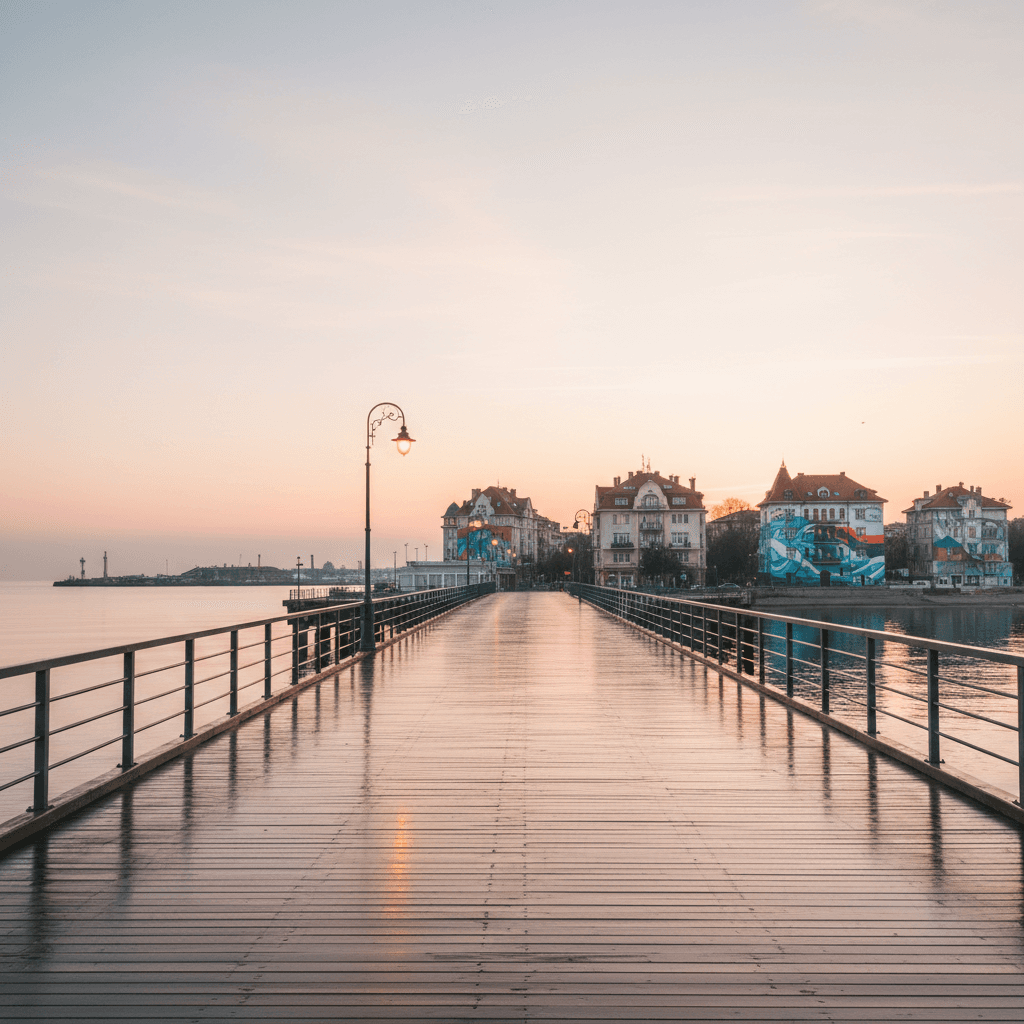
Burgas feels slower than Sofia and less polished than Varna and that’s the charm. You get Black Sea air, long beach walks and a city that still feels Bulgarian first, tourist town second, which, surprisingly, makes day-to-day life easier if you’re here to work and not to pose for it.
It’s coastal, laid-back and a little scruffy in places. The Sea Garden is the real heartbeat, with pine scent, salty wind and kids yelling near the paths, while the center has coffee shops, markets and enough traffic noise to remind you this isn’t a resort bubble.
Why nomads like it: low rents, decent internet, beach access after work and a pace that doesn’t chew up your day. What annoys people: nightlife can feel thin, English drops off fast outside tourist spots and crowded buses or markets are where petty theft tends to happen.
What daily life feels like
- Rent: a studio or 1BR usually runs 400 to 700 BGN outside the center, 600 to 1200 BGN in Lazur or City Center.
- Utilities: plan on 100 to 250 BGN, depending on heat, AC and how much hot water you burn through.
- Food: cheap lunches can be 10 to 25 BGN, a decent dinner for two often lands around 55 to 110 BGN.
- Work: internet is typically 60+ Mbps for 20 to 32 BGN and CodeBurg starts around 179 BGN a month.
Lazur is the sweet spot for many nomads, close to the Sea Garden, walkable, greener than you’d expect and still close enough to the beach that you can end a call, grab a towel and be in the water fast. City Center is better if you want cafes, markets and more life, though the noise and traffic can get old.
Best areas
- Lazur: best for walkability and beach access, a bit pricier.
- City Center: best for cafes and errands, noisier and more touristy.
- Sarafovo: quiet, beachy, near the airport, though it feels detached from the center.
- Meden Rudnik: cheapest option, but less walkable and I’d avoid the outskirts at night.
Public transport is cheap, taxis start around 1.95 BGN and Bolt works well, so you don’t need a car unless you’re planning lots of trips. The city feels safe in lit central areas, though you should keep an eye on bags in crowds, because, frankly, that’s where Burgas gets annoying.
Overall, Burgas suits people who want a calmer base, not a scene. The summer air can be sticky, winter is grey and damp and the place won’t wow you every night, but if you like sea swims, quiet mornings and a low-friction monthly budget, it makes a very solid home base.
Burgas is still one of the cheaper Black Sea bases, but it doesn’t feel cheap in the way some inland Bulgarian cities do. You pay less than Sofia, you get sea air, long walks in the Sea Garden and a slower pace, though the tradeoff is fewer late-night options and a city that can feel a bit sleepy once summer ends.
Rent: a studio or 1BR usually runs 400 to 700 BGN in places like Meden Rudnik, then jumps to 600 to 1200 BGN in City Center or Lazur, where you’re paying for walkability and beach access. Utilities are usually 100 to 250 BGN and honestly, winter heating can bite harder than people expect when the wind comes off the sea.
- Lazur: popular with nomads and families, green, walkable, close to the Sea Garden, slightly pricier.
- City Center: best for cafes and markets, noisier, more tourist traffic, but you can live without a car.
- Sarafovo: quiet and beachside, good if you like calm mornings and airport access, less convenient for central life.
- Meden Rudnik: the budget pick, affordable and self-sufficient, but less walkable and you probably don’t want to linger out late.
Food is manageable if you eat like a local. Lunch spots usually land around 10 to 25 BGN, a mid-range dinner for two sits around 55 to 110 BGN and a three-course meal for two can hit 65 BGN without feeling fancy, which, surprisingly, still leaves room for dessert and coffee.
Transport: buses are cheap at about 1 BGN per ride and a monthly pass is around 45 BGN. Bolt works well, taxis start near 1.95 BGN and Line 15 from the airport gets you into town in about 20 to 30 minutes, so you don’t need to overthink arrival day.
The internet setup is solid and that matters if you work online. Home broadband usually lands around 20 to 32 BGN a month for 60+ Mbps, mobile plans with decent data run 15 to 45 BGN and CodeBurg starts at 179 BGN monthly, with day passes if you just need a desk for a few hours.
- Budget solo: about 800 EUR a month.
- Mid-range: roughly 1000 to 1200 EUR a month.
- Comfortable: 1500 EUR plus, especially if you eat out often and add private health insurance.
That insurance usually runs 30 to 50 EUR monthly and many expats get it because private clinics are affordable and faster than dealing with public systems. The city feels easy on the wallet, though not friction-free, because English can be patchy outside the center and the occasional crowd theft at markets or buses is real.
Burgas feels calm in a way Sofia never does, with sea air, tramless streets and that low summer hum from cafes, scooters and gulls fighting over scraps near the promenade. The tradeoff is obvious, nightlife can feel thin, English drops off fast once you leave the center and petty theft shows up in crowds, so I’d pick a neighborhood for your habits, not just your budget.
Nomads
- Lazur: Best all-rounder for remote workers, green, walkable, close to the Sea Garden and beaches and only a bit pricier than the rest.
- City Center: Handy if you want cafes, markets and quick access to coworking, though it’s noisier and touristier, with more honking and late-night foot traffic.
- Rent: Expect about 600 to 1200 BGN for a studio or 1BR in the better-located parts, while coworking at CodeBurg starts around 179 BGN a month, which, surprisingly, isn't bad for a seaside city.
Lazur is the easy answer for most nomads, because you can finish work, walk through the Sea Garden and hit the beach without needing a taxi. City Center works if you like having everything close, though frankly, the noise and tourist spillover get old fast.
Expats
- Zornitsa: Good for professionals who want newer buildings, sea views and quieter residential streets, though traffic around it keeps getting worse.
- City Center: Best if you want older apartment stock, easy errands and a more local feel, even if the pavements are uneven and parking is a pain.
- Budget: Monthly living can land around 1000 to 1200 EUR for a comfortable setup, with utilities often adding 100 to 250 BGN and meals running much cheaper than Western Europe.
Expats who want a practical base usually end up in Zornitsa or the center, then complain about parking, apartment quirks and the occasional landlord who thinks a crooked shower curtain counts as renovation. Still, the low cost of living and decent internet make the irritations tolerable, honestly.
Families
- Lazur: The best family pick, green blocks, playground access and easy walks to the park and beach.
- Zornitsa: Strong if you want a newer flat, space and access to services without living in the middle of the noise.
- Sarafovo: Good for a quieter beach life near the airport, but you’ll feel the distance if you commute into the center often.
Families tend to like Lazur because the Sea Garden is basically the city’s living room, kids ride bikes, people jog at sunset and the air smells like salt, pine and grilled fish. Sarafovo is calmer and more suburban, which works if you want less chaos and don’t mind being a bit removed.
Solo Travelers
- City Center: The easiest base for first-timers, with cafes, bus connections and a decent chance of meeting people at bars or events.
- Sarafovo: Better if you want quiet mornings, beach walks and a slower pace, though it can feel sleepy fast.
- Meden Rudnik: Only for very budget-focused stays, it’s cheap, but it’s less walkable and I wouldn’t recommend wandering around there late at night.
Solo travelers usually do best in the center, then use Bolt or the buses when they want to branch out, because Burgas is walkable but not endlessly entertaining after dark. Skip Meden Rudnik unless the savings really matter, it’s practical, but it doesn’t have the same comfort or ease.
Burgas is easy on the internet bill and that matters when you’re working by the sea. A home connection usually runs 60+ Mbps for 20 to 32 BGN a month, which, surprisingly, is enough for calls, uploads and the usual Slack circus and mobile plans with 10GB or more sit around 15 to 45 BGN if you want a backup line.
It’s not a “wow, tech capital” kind of place. Still, the connection is solid in most central neighborhoods and cafes in Lazur and the City Center usually have free WiFi, so you can land somewhere with an iced coffee, a salty breeze and do real work without babysitting your hotspot every ten minutes.
Where nomads actually work
- CodeBurg: The main coworking pick, with memberships from 179 BGN a month and day passes around €3 to €15, it’s the safest bet if you want proper desks, quiet and fewer laptop hunters wandering around.
- Cafes: Many accept laptop workers during the day, though honestly you should order something every couple of hours, because lingering for four cappuccinos makes you look cheap in a city this small.
For SIMs, A1 and Vivacom are the names you’ll see most and kiosks usually sell prepaid cards without drama. eSIMs are a decent move if you’re landing late, because the airport run, the taxi chatter and the first grocery stop are enough hassle already and you don’t need a second errand.
Best areas for remote work
- Lazur: Best all-around for nomads, green streets, Sea Garden access and easy beach breaks, though rents are a bit higher.
- City Center: Good if you want cafes, markets and walkability, but the traffic and tourist noise can get annoying fast.
- Sarafovo: Quiet, beachside and close to the airport, though you’ll spend more time getting into town.
The sweet spot is simple. Work from home on the cheap, then head out when the sun drops and the promenade fills with sea air, scooter buzz and people spilling out of bars in Sea Garden.
If you’re staying a month or more, Burgas makes sense, especially if you like low costs and don’t need a flashy coworking scene every day. The internet won’t impress anyone, but it works and that’s the real test.
Burgas feels calm on the surface and mostly safe, but don’t mistake that for zero hassle. The center, Sea Garden and lit streets near the beach are fine at night, though the occasional pickpocket still works the crowds around markets, buses and summer events. Not perfect.
Petty theft is the main annoyance, not violence and that’s the honest read most expats give too. Keep your phone zipped away on packed buses, don’t leave a laptop hanging off a cafe chair and be a bit more careful in Meden Rudnik, especially on the outskirts after dark, because that’s where people feel the city gets sketchier.
Healthcare
- Private consults: Usually 40 to 100 BGN, which is cheap enough that many nomads skip the wait and just go private.
- Hospitals: Heart and Brain, Burgas has 24/7 emergency care and cardiology, while Life Hospital handles trauma and more serious cases.
- Pharmacies: Easy to find across the city and most central areas have at least one open late.
- Emergency: Call 112.
If you need care fast, the private system works better than people expect, honestly. English varies, paperwork can be clunky and reception desks may feel curt, but you’ll usually get seen without the long public-hospital wait that can make a minor problem turn into a miserable afternoon.
Practical safety habits
- Carry less: Keep cash small, cards separate and your passport locked up unless you truly need it.
- Use lit routes: Central streets, the Sea Garden and busy taxi stands are fine, empty side roads aren’t.
- On buses: Watch bags during rush hour, especially near the market and station areas.
- After dark: Stick to the center, Lazur or the waterfront and don’t wander into quieter edges just because it looks close on a map.
The city’s low-key rhythm is part of the appeal, but it also means you shouldn’t expect a big-city safety net. Burgas is the kind of place where you hear trampling feet on pavement, a bus braking hard, fried fish and exhaust mixing near the terminal, then a quiet beach path ten minutes later and that contrast is exactly why common sense goes a long way here.
If you’ve got private insurance, keep the policy details handy and save the airport medical number, +359 56 870 236, in your phone. Most days you won’t need it, which is a good thing, but when something does go wrong, being prepared beats trying to Google directions while you’re already stressed.
Burgas is easy to get around and honestly, that’s part of the appeal. The center, Sea Garden and beach areas are walkable, so you can leave the phone in your pocket, hear gulls, bike bells and the low hum of traffic, then just drift between coffee, errands and the promenade.
Public buses are cheap and reliable, with a one-way fare around 1.20-1.50 BGN. Ticket packages available like 50 tickets for 60 BGN. They do get crowded at rush hour and the stops can feel a bit old-school, but they’ll get you across town without much drama.
- Bus: Best for everyday trips, no-frills and budget commuting.
- Airport bus: Line 15 runs from Burgas Airport to the center in about 20 to 30 minutes, which, surprisingly, makes arrivals pretty painless.
- Bolt: The ride-hailing app locals actually use, good when it’s raining or you’ve missed the last bus.
- Taxi: Starts around 1.20 BGN, but check the meter, because some drivers will test your patience.
Best way to move around
- On foot: Best in City Center, Lazur and around Sea Garden, where the air smells like salt and sunscreen in summer.
- By bike or scooter: Handy for short hops near the coast, though the traffic can get weirdly impatient near busy intersections.
- By bus: Smart if you’re heading farther out, especially toward neighborhoods that aren’t as walkable.
Neighborhoods and movement
- City Center: Easiest without a car, with cafes, markets and most daily errands close by.
- Lazur: Walkable and green, near the Sea Garden, so you can skip transport most days.
- Sarafovo: Quieter and close to the airport, but you’ll probably rely on buses or Bolt for central plans.
- Meden Rudnik: Cheap, yes, but less pleasant on foot and best avoided late at night.
If you’re staying a while, skip the idea that you’ll need a car. You probably won’t. Parking can be a hassle, the city’s compact enough for most routines and the real trick is choosing housing near where you actually spend time, not where a listing looks cheapest.
One last thing, the center feels safe enough after dark if the streets are lit and active, but petty theft does happen in crowded areas and buses, so keep your bag zipped and your phone where you can feel it. That’s the real trade-off, not the transport itself.
Bulgarian is the default in Burgas and English only gets you so far. In the center, around hotels, cafes and the beach, you’ll hear enough English to order coffee, book a cab or ask for directions, but once you drift into residential streets or jump on a bus, things get patchier, honestly fast.
That’s where Google Translate earns its keep. Most younger locals have at least some English, some older people speak Russian and a few basic Bulgarian phrases will make everyday life smoother, especially when you’re dealing with landlords, pharmacy staff or a taxi driver who doesn’t want to bother with English at 7 a.m.
What Helps Day to Day
- Hello: Zdravei!
- Thank you: Blagodaria!
- Excuse me, where is...?: Izvinete, kade se namira...?
- Yes / No: Da / Ne
Those four will get you surprisingly far. Weirdly, the biggest win isn’t perfect pronunciation, it’s just trying, because people in Burgas tend to soften up when they see you making an effort instead of expecting everyone to switch languages for you.
Where English Works Best
- City Center: Cafes, shops, hotels, tourist services.
- Sea Garden area: Beach bars, seasonal spots, casual service staff.
- Lazur: Better odds with younger residents and families.
- Sarafovo: Tourist-facing places near the airport and beach.
Outside those pockets, don’t assume much. A utility office, a corner bakery or a bus stop can turn into a lot of pointing, half-sentences and head shaking and Bulgarians use a nod for “no,” which still trips people up when they first arrive.
Phone translation helps in noisy places, because Burgas can get loud with traffic, bus brakes, sea wind and summer crowds near the promenade. If you need a SIM, A1 and Vivacom are the usual picks and having data makes apartment viewings, deliveries and medical visits way less annoying.
Best habit: keep addresses saved in Cyrillic and Latin script. Best backup: download offline translation before you need it, because cell service can be fine one minute and weirdly useless inside a building the next.
Burgas has proper seasons, so timing your trip matters. Summer is the easy answer, but it gets hot, sticky and busy around the Sea Garden, with sunscreen smell, iced coffee and the constant hiss of buses mixing into the air.
Best months: June through August are the sweet spot, with highs around 28°C and less rain. July and August feel the most beach-friendly, though honestly they can be brutally warm at midday, so work mornings and save the sand for late afternoon.
Spring can be tricky. May and June bring more rain, around 48 to 50 mm and the wind off the Black Sea can make a sunny day feel colder than the forecast suggests, especially if you’re sitting outside near the promenade with a laptop and a cold drink.
Spring and early summer
- March to May: Mild, quieter and cheaper, but you’ll get more gray skies and rain than people expect.
- June: My pick for nomads, warm enough for beach days, still manageable for working and the city hasn’t gone fully into tourist mode yet.
- Best for: People who want long walks in the Sea Garden without roasting alive.
Peak summer
- July and August: Best sea temperatures, longest evenings and the most social energy, though cafés and buses feel crowded and loud.
- Downside: Prices tick up, beaches get packed and the humidity can cling to your skin after sunset.
- Best for: Swimmers, sunseekers and anyone who wants a more animated coastal scene.
Autumn is underrated. September still feels like summer, just calmer and October is pleasant for city life with highs around 19°C, fewer tourists and that first crisp bite in the morning air.
Winter is the rough patch. January and February are cool, around 6°C and rainy enough that the sea feels moody and gray, so unless you like empty beaches and quiet cafés, you’ll probably get restless fast.
If you’re coming for work
- Most comfortable: Late May, June and September, when you can still get beach time without sweating through every call.
- Most annoying: July heat, because the apartment can feel stuffy and the air-con bill starts to sting.
- Best balance: September, which, surprisingly, gives you warm water, softer crowds and easier day-to-day living.
Travelers often say Burgas feels best when you slow down with it. Stay near Lazur or the City Center if you want easy access to the Sea Garden and skip the idea that winter here will somehow be cozy and picturesque, because it mostly isn’t.
Burgas is easy to live in and sometimes a bit sleepy. That’s the tradeoff, frankly, you get sea air, cheap lunches and a slower pace, but you also get quieter nights, fewer English speakers once you leave the center and the odd crowded-bus pickpocket if you’re careless.
For most nomads, the sweet spot is Lazur or the City Center, because you can walk to the Sea Garden, grab coffee without planning your whole day and still get home without a taxi. Meden Rudnik is cheaper, weirdly self-contained and not somewhere I’d pick unless budget matters more than convenience.
Money and monthly costs
- Rent: 400 to 700 BGN for a studio or 1BR outside the center, 600 to 1,200 BGN in Lazur or City Center.
- Utilities: Usually 100 to 250 BGN, depending on heating and air-con.
- Food: Street food and simple lunches run 10 to 25 BGN, a mid-range dinner for two is 55 to 110 BGN.
- Transport: Monthly bus pass is 45 BGN, single rides are about 1 BGN.
- Work setup: CodeBurg starts around 179 BGN a month.
You can live here on about 800 euros a month if you’re careful, but 1,000 to 1,200 euros feels more realistic once you add cafes, the occasional seafood meal and private health insurance, which, surprisingly, most remote workers do end up buying. Comfortable means 1,500 euros or more and that buys less stress, not luxury.
Internet, SIMs and workspaces
- Home internet: Around 60 Mbps or better, often 20 to 32 BGN a month.
- Mobile data: A1 and Vivacom prepaid plans usually land between 15 and 45 BGN.
- Coworking: CodeBurg is the local standard.
Internet is, honestly, better than the city’s reputation suggests and cafes usually have free Wi-Fi if you don’t mind a clatter of cups, espresso steam and the smell of burnt sugar drifting from the pastry case. A1’s 5G can be fast, eSIMs are handy and prepaid SIMs are easy to grab at kiosks, so there’s no reason to overcomplicate it.
Getting around and staying sane
Walk the center, use Bolt when you’re lazy and take the bus when the weather turns ugly. Line 15 from the airport gets you to town in about 20 to 30 minutes, taxis start around 1.95 BGN and bike paths through the Sea Garden are lovely until the summer crowds fill them with scooters and shouting kids.
Safety is fine in the lit central streets, though crowded markets and buses are where petty theft happens. Keep your phone zipped away, avoid the darker edges of Meden Rudnik at night and use 112 if you need help, because the hospitals are decent and pharmacies are everywhere.
For day trips, go to Atanasovsko Lake, St. Anastasia Island or Chengene Skele, then come back before dinner. Burgas customs are simple, take your shoes off indoors and if someone says no, they’ll often nod side to side instead of shaking their head like you’d expect, which throws people off at first.
Need visa and immigration info for Bulgaria?
🇧🇬 View Bulgaria Country GuideHidden Gem
Worth the effort
Monthly Budget Estimates
More cities in Bulgaria
Veliko Tarnovo
🇧🇬 Bulgaria
Bansko
🇧🇬 Bulgaria
Plovdiv
🇧🇬 Bulgaria