Bordeaux
🇫🇷 France
The Vibe: Wine, Tech, and Riverside Runs
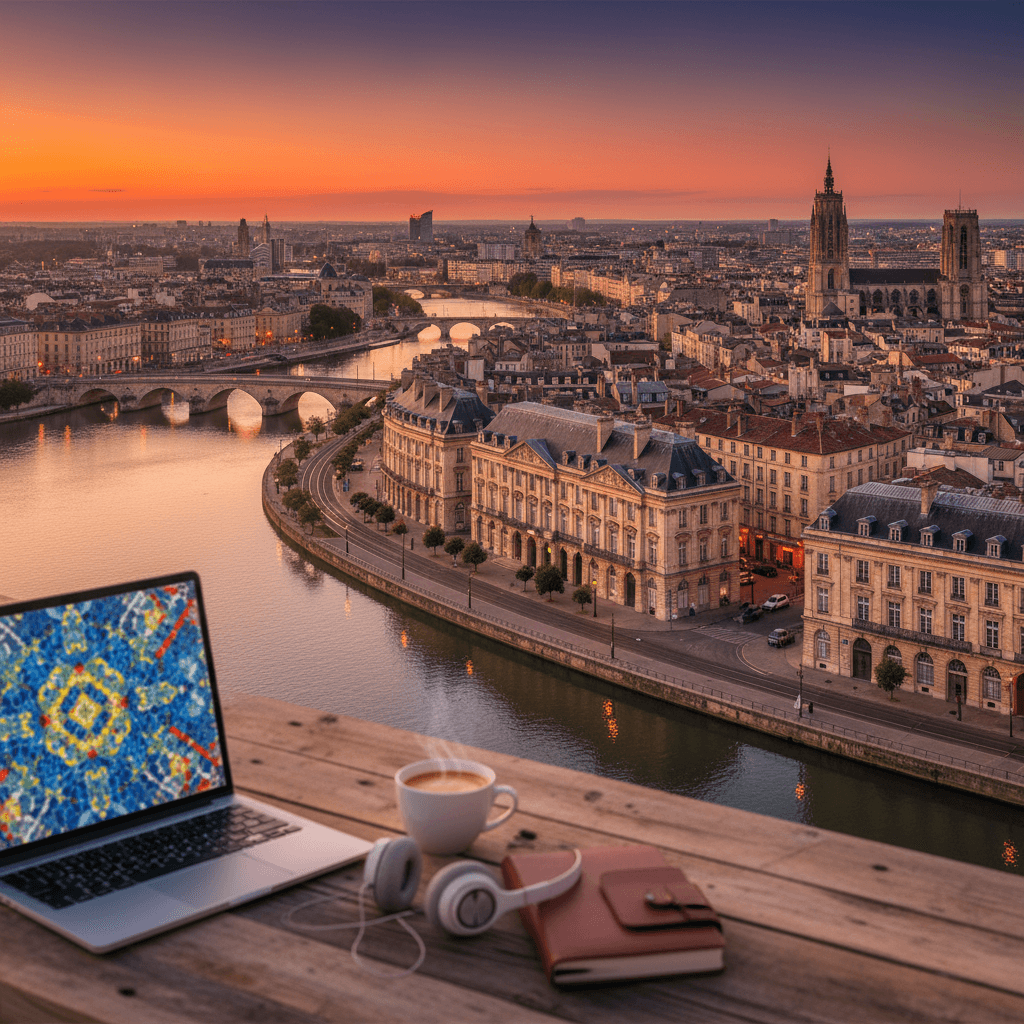
Bordeaux doesn't feel like the frantic, ego-driven streets of Paris. It’s a city that has mastered the art of the slow burn. You’ll spend your mornings cycling past 15th-century limestone facades and your afternoons working from a minimalist tech hub. It’s elegant and polished, yet there’s a gritty, creative energy bubbling up in the southern districts and across the river.
Most nomads find the city strikes a rare balance between old-world prestige and a forward-thinking "smart city" mentality. You’re surrounded by UNESCO-listed architecture, but the person sitting next to you at the cafe is likely working for an AI startup or a green-tech incubator. It’s a collaborative environment fostered by hubs like La French Tech Bordeaux, making it easy to find professional traction if you’re looking to network.
The emotional payoff of living here is the accessibility of the Garonne river. Whether it’s a sunset run along the quays or a bottle of Saint-Émilion shared on the grass, the water dictates the pace of life. It’s a medium-sized city where you can actually breathe, though some expats mention that the social scene can feel a bit more reserved and "clique-y" compared to the open-arms chaos of Berlin or Lisbon.
Cost of Living Breakdown
Bordeaux isn't a budget destination, but it’s significantly more manageable than London or Paris. You should budget between €2,000 and €2,500 per month for a mid-range lifestyle. If you’re opting for a private one-bedroom in the city center, expect to pay €1,000 to €1,200 in rent alone.
- Housing: Studio apartments in trendy areas like Chartrons start around €1,000. For something more affordable, nomads head to Saint-Michel where prices sit closer to €800.
- Food & Drink: A quick bakery lunch or street food will run you €5 to €10. A nice dinner with wine pairings usually starts at €40.
- Coworking: Monthly hot desks typically cost between €250 and €500.
- Transport: A monthly tram pass is roughly €35, though most people just use the Vélodib bike-share app.
Where to Plant Your Flag
Choosing a neighborhood in Bordeaux changes your experience entirely. The city is highly walkable, but each pocket has a distinct personality.
Chartrons
- The Draw: The historic wine merchant district. It’s full of antique shops, upscale bakeries, and expats.
- Vibe: Sophisticated and quiet.
- Trade-off: Some of the highest rents in the city.
Saint-Michel
- The Draw: This is the soul of the city’s nomad community. It’s home to the Marché Royal and the Outsite coliving space.
- Vibe: Diverse, energetic, and a bit rougher around the edges.
- Trade-off: It’s less "polished" than the historic center.
Bastide
- The Draw: Located on the right bank of the river, it offers more modern housing and a quieter atmosphere.
- Vibe: Great for families or those who want a "local" feel away from the tourists.
- Trade-off: You’re further from the main wine tour hubs and the central nightlife.
Connectivity and Productivity
The internet infrastructure is excellent, with speeds often reaching 125 Mbps in central areas. You won't struggle to find a stable connection for video calls. For a dedicated workspace, Mama Works and W’iN Bordeaux are the go-to spots for the local startup crowd. If you prefer a more community-focused environment, Outsite Bordeaux in Saint-Michel offers a built-in network of travelers and regular events.
When you need to get around, the tram system is exceptionally efficient. Tram C will get you from the airport to the city center in about 25 minutes for just €3. For weekend trips, the high-speed rail means you can be in Paris in two hours, though most nomads prefer taking a €55 day trip to the vineyards of Saint-Émilion instead.
Practical Realities
While English is common in tech circles and coworking spaces, you’ll have a much better time if you can handle basic interactions in French. Apps like DeepL are helpful, but a simple "Bonjour" goes a long way in local shops. The weather is generally mild, but don't forget an umbrella; it rains frequently between November and March. The best time to arrive is May through October, when the wine harvest season brings the city to life and the riverside cafes stay open late for the ritual of "apéro."
The Bottom Line
Bordeaux is often called "Little Paris," but your bank account will tell a different story. While it isn't exactly a budget destination like Lisbon or Chiang Mai, it offers a high quality of life for significantly less than the capital. Most nomads find they need between €2,000 and €2,500 per month to live comfortably here, though you can scrape by on €1,500 if you're willing to share a flat and stick to market food.
Housing is your biggest hurdle. The market is competitive, and prices vary wildly depending on whether you want a polished limestone facade in the center or a grittier, creative vibe across the river. Expect to pay €800 to €1,200 for a decent studio or one bedroom apartment in the city core.
Neighborhood Breakdown
- Saint-Michel: This is the go to for solo travelers and nomads looking for a deal. It feels more lived in and less polished than the historic center. You'll find the Marché Royal here for cheap produce. Outsite Bordeaux offers coliving in this area, which helps bypass the nightmare of French rental paperwork.
- Chartrons: Once the wine merchant district, this is now the expat favorite. It's elegant, full of antique shops, and right on the river. It's beautiful but expect rents to start at €1,000 plus.
- Jardin Public: Best for those who need green space nearby. It’s walkable and central, though it gets crowded with tourists during the summer wine season.
- Bastide: Located on the right bank of the Garonne, this area is quieter and more modern. It's a solid choice if you want more space for your money and don't mind a short tram ride into the thick of things.
Daily Expenses and Lifestyle
Eating out is a highlight, and it doesn't always have to be a splurge. A quick lunch at a bakery or a street food spot in Saint-Michel will run you €5 to €10. A mid range dinner with a glass of local Bordeaux usually lands between €15 and €25. If you’re heading to the riverside for upscale pairings, keep at least €40 in your pocket.
Getting around is remarkably cheap. The city is flat and incredibly bike friendly; most expats recommend just using the Vélodib rental bikes or Lime scooters. If you prefer the tram, a monthly pass is around €35. For those just arriving, the Bordeaux CityPass covers unlimited rides for 24 to 72 hours, costing between 35 and 52 Euros.
Coworking and Connectivity
The tech scene is growing fast, which means the infrastructure for remote work is solid. High speed WiFi is standard, with speeds often hitting 125 Mbps in coworking spaces. For a dedicated desk, expect to pay between €250 and €500 per month.
- Mama Works: A stylish, high energy spot near the water.
- W’iN Bordeaux: Located in a stunning converted chapel, offering a very "Bordeaux" aesthetic.
- La Halle Héméra: A massive startup hub that's great for networking with the local French Tech community.
For data, nomads usually skip the local contracts and grab a Holafly eSIM for unlimited data. If you're staying longer, a local Orange or SFR SIM card is easy to pick up at shops in the city center.
Practical Realities
Healthcare is top tier. The CHU de Bordeaux is the main hospital, and pharmacies are on almost every corner. While the city is very safe, standard urban common sense applies at night, especially around the main train station. One thing to budget for is the "Apéro" culture. Socializing almost always involves pre dinner drinks and cheese boards; it's the primary way to meet people, but those €7 glasses of wine add up quickly over a week.
For Nomads and Social Seekers: Saint-Michel
If you want to be where the action is without the polished veneer of the tourist center, Saint-Michel is the spot. It is the city's most eclectic district, south of the historic core and centered around the gothic spire of the Basilica. Nomads gravitate here for the Marché Royal, where you can grab affordable produce and street food for €5 to €10.
The neighborhood is home to Outsite Bordeaux, a popular coliving space that solves the housing headache for short term stays. You get high speed WiFi and a built in community of remote workers for a single monthly price. While the streets feel a bit more lived in and less manicured than the northern districts, the proximity to the Garonne river and the relaxed nightlife make it the best choice for solo travelers looking to make friends quickly.
For Expats and Style Enthusiasts: Chartrons
Once the hub of the wine trade, Chartrons has transformed into the city's trendiest enclave. It is perfect for expats who want a village feel with high end amenities. The architecture here is elegant, the streets are lined with antique shops, and the bakeries are some of the best in France. It is exceptionally bike friendly, making it easy to commute to the riverfront for a morning run.
Quality of life comes at a premium here. Expect to pay €1,000 or more for a one bedroom apartment. Most expats find the cost worth it for the proximity to Halle des Chartrons and the dozens of wine bars where an upscale pairing will run you about €40. It is quieter than the center but retains a sophisticated, international energy.
For Families and Quiet Living: Bastide
Located on the right bank of the Garonne, Bastide offers a modern, spacious alternative to the cramped limestone streets of the left bank. It is the go to for families or solo travelers who prioritize a balanced life and green space over being steps away from the bars. The area is home to Darwin Ecosystem, a repurposed military barracks that now houses a skate park, organic grocery store, and Le Campement, a hub for green tech startups.
While it is farther from the traditional wine tour circuits, the tram system is efficient. You can hop on Tram A and be in the city center in about 10-15 minutes. Rents are generally more competitive here than in the historic core, and the views of the Bordeaux skyline across the water are unbeatable at sunset.
For Solo Travelers and Short Term Stays: The Historic Center
If you only have a month or two and want to soak up the 15th century charm, stay in the city center near the Hôtel de Ville. You will be surrounded by the city's most famous landmarks and vibrant markets. It is incredibly walkable, though the crowds can get intense during the peak season from May to October.
Living here means you are minutes away from top tier coworking spaces like W’iN Bordeaux or La Halle Héméra, which typically cost between €250 and €500 per month. Housing is tight and competition is fierce, so many travelers opt for serviced apartments like Adagio Aparthotels. You’ll pay more for the convenience, but you won't need a car or even a bike pass to see the best of the city.
For Greenery and Commuters: Jardin Public
The area surrounding the Jardin Public is a favorite for those who want a central vibe without the noise of the main shopping thoroughfares. It is a prestigious neighborhood that feels like an extension of the park itself. It is ideal for nomads who need a quiet environment for deep work but still want to be within walking distance of the Quinconces tram hub.
- Rent: High, usually €1,100+ for a comfortable studio or one bedroom.
- Vibe: Sophisticated, quiet, and very green.
- Transport: Excellent access to Tram B and C, with the airport transfer taking about 25 minutes for €3.
Connectivity and Speed
Bordeaux has shed its old provincial reputation to become a legitimate tech hub, and that transition is reflected in the infrastructure. You'll find high speed fiber optic connections throughout the city center and the popular Saint Michel district. Most nomads report download speeds ranging from 23 Mbps to 125 Mbps, which is more than enough for video calls or heavy uploads to the cloud. If you're working from an Airbnb or a coliving space, always ask for a speed test screenshot, as some of the older 18th century stone buildings have thick walls that can occasionally throttle WiFi signals.
For mobile data, staying connected is straightforward. Many travelers opt for an eSIM from Holafly for unlimited data, which saves you the hassle of finding a physical shop. If you prefer a local number and potentially better rates for a long term stay, head to an Orange or SFR boutique. A local SIM card usually offers 4G or 5G coverage that remains stable even when you're taking the tram across the Garonne river.
Top Coworking Spaces
The coworking scene here is professional but leans into the city's relaxed, aesthetic focused lifestyle. You won't find many sterile, corporate cubicles; instead, expect renovated warehouses and historic buildings with plenty of natural light.
- W’iN Bordeaux: Located in a stunning converted chapel, this is arguably the most unique place to answer emails in France. It’s right in the center and attracts a mix of local entrepreneurs and international nomads. Monthly hot desks typically run between €250 and €500.
- Mama Works: Situated in the trendy Bastide area, this space is part of the Mama Shelter family. It has a high energy, creative vibe and excellent onsite coffee. It's a great pick if you want a social atmosphere and modern amenities.
- La Halle Héméra: A massive, light filled startup hub housed in a former bottling plant. It’s the heart of the local tech scene, making it the best spot for networking if you're in AI or green tech.
- Outsite Bordeaux: Located in the Saint Michel neighborhood, this is the go to for nomads who want a "work, live, play" setup. It combines high quality desks with community events and city views, making it easy to meet people the moment you land.
The Cafe Office Culture
Bordeaux's cafe culture is evolving. While the traditional brassieres might give you a side eye for lingering over a laptop, a new wave of "laptop friendly" spots has emerged. In the Chartrons district, you'll find plenty of expats and nomads working from cafes near the river. Most of these spots offer free WiFi, though it's polite to keep the coffee or croissants flowing every 90 minutes or so.
If you need a quiet place for deep focus without the coworking price tag, the public libraries are surprisingly good. They offer stable internet and a peaceful environment, though you'll need to step outside for any Zoom calls. For those staying in Saint Michel, the proximity to the Marché Royal means you can grab a cheap €5 to €10 lunch between deep work sessions.
Community and Networking
The tech ecosystem is anchored by La French Tech Bordeaux, which hosts regular meetups and hackathons. If you're looking for a social life outside of work, the nomad community often organizes through Facebook groups and Meetup. Wine tours are the unofficial networking events of the city; many nomads find that a Saturday spent in Saint Émilion is the fastest way to turn a coworking acquaintance into a genuine friend. The vibe is collaborative rather than competitive, a refreshing change for those used to the frantic pace of Paris.
Staying Safe in the Port of the Moon
Bordeaux is widely considered one of the safest major cities in France, often feeling significantly more relaxed and manageable than the frantic energy of Paris. Most nomads find the city has a collaborative, community focused vibe that makes solo exploration feel easy. While it's a modern tech hub, it retains a provincial level of security where serious crime is rare.
Standard urban awareness is still your best friend here. While there aren't specific "no-go" zones, the areas around the main train station, Gare Saint Jean, and certain pockets of Saint Michel can feel a bit gritty late at night. Pickpockets occasionally target crowded tourist spots like the Miroir d'eau or busy trams during rush hour, so keep your phone and wallet tucked away. If you're out late enjoying the riverside nightlife, you'll generally find the atmosphere friendly rather than aggressive.
- Emergency Number: Dial 112 for all emergency services. This is the EU-wide standard and operators usually speak English.
- Local Police: For non-emergencies, the main Commissariat Central is located on Rue François de Sourdis.
- Walking at Night: Stick to well-lit main thoroughfares like Rue Sainte-Catherine or the river quays, which are popular with joggers and walkers well into the evening.
Navigating the Healthcare System
France is famous for its high quality medical care, and Bordeaux is no exception. The city is a regional medical powerhouse, anchored by the CHU de Bordeaux (Bordeaux University Hospital), which is consistently ranked as one of the best teaching hospitals in the country. You'll find that specialists and general practitioners are highly trained, and many younger doctors in the city center speak excellent English.
For minor issues, the local pharmacy is your first line of defense. Look for the bright green neon crosses; they are everywhere. French pharmacists are highly qualified and can offer advice or over the counter treatments for ailments that might require a doctor's visit in other countries. If it's after hours, pharmacies operate on a "garde" or rotation system, so there's always one open in the city at any time of night.
- Finding a Doctor: Most expats and nomads use the Doctolib app. It's the gold standard here for booking appointments and allows you to filter for practitioners who speak English.
- Public Hospitals: Hôpital Pellegrin is the largest site within the CHU network and handles most major emergencies.
- Cost of a Visit: A standard consultation with a general practitioner typically costs around €30+. If you aren't covered by the French state system (PUMa), you'll pay upfront and can request a feuille de soins to claim reimbursement from your private travel insurance.
Practical Health Tips for Nomads
The tap water in Bordeaux is perfectly safe to drink, though some find it has a slightly hard mineral taste. Most locals use a filter jug at home. If you're heading out for a long bike ride through the vineyards or a run along the Garonne, you can refill bottles at public fountains found in parks like Jardin Public.
If you're staying long term and have a residency permit, you should apply for a Carte Vitale. This card streamlines the reimbursement process for medical expenses. For shorter stays, ensure your private insurance covers "repatriation" and "civil liability," which are standard requirements for many long stay visa applications in France. Digital nomads frequently recommend providers like SafetyWing or World Nomads for bridge coverage while they get settled in their coliving spaces like Outsite or Mama Works.
The Two-Wheel Advantage
Bordeaux is arguably the most bike friendly city in France, and for most nomads, a set of wheels is the primary mode of transport. The terrain is flat, the lanes are well marked, and the city's medium size means you can cross from the historic center to the trendy Chartrons district in under 15 minutes. Most residents use the Vélodib (TBM Vélo) bike sharing system, which has docking stations every few blocks. You can grab a short term pass or a monthly subscription for a few euros, making it the most cost effective way to get around.
For those who prefer electric options, apps like Lime provide scooters and e-bikes throughout the city. While convenient for quick hops across the Garonne river, the costs add up faster than the public system. Just keep an eye on the cobblestones in the older quarters; they can be unforgiving on skinny tires.
Mastering the Tram and Bus
If it's raining or you're heading further out, the tram system is exceptionally clean and efficient. There are four main lines (A, B, C, and D) that intersect at the city center. A single trip costs about €1.80, but if you're staying for a month, a pass for around €45 is the smarter move. You can also pick up a Bordeaux CityPass for 24, 48, or 72 hours (ranging from €35 to €52) if you're in a sprint to see the museums, as it includes unlimited rides.
- Line A: Connects the west to the east, perfect for reaching the Bastide area.
- Line B: The "student and wine" line, running from the university hubs through the center up to the Cité du Vin.
- Line C: Your gateway to the train station (Gare Saint-Jean).
- Line D: Services the northwestern suburbs and Jardin Public.
Airport and Regional Connections
Getting from Bordeaux-Mérignac Airport (BOD) to your apartment is no longer the headache it used to be. Tram Line A connects the airport to the city center in about 35 minutes for the price of a standard ticket. If you're carrying heavy luggage, an Uber or Bolt will typically cost between €30 and €50 depending on the time of day and traffic.
For weekend escapes, the Gare Saint-Jean is a major hub. You can catch a high speed train to Paris in just 2 hours or take a local TER train to the medieval village of Saint-Émilion for a day of wine tasting. Most nomads find the regional trains reliable, though it's always smart to check for strikes on the SNCF Connect app before you head to the platform.
Walking the Historic Core
The 15th-century architecture of the city center is best experienced on foot. The area between Place de la Bourse and the Saint-Michel neighborhood is almost entirely pedestrianized or limited to light traffic. It's a highly walkable city where you can easily hit 10,000 steps just by wandering between your coworking space at Mama Works and a riverside cafe for an afternoon apéro.
Ride-Hailing and Taxis
While you won't need them for daily life, Uber and Bolt are active and reliable for late nights when the trams stop running (usually around midnight on weekdays and 1:00 AM on weekends). Taxis are available but generally more expensive and harder to hail on the street. It's better to use an app or find a designated taxi rank near the main squares.
Practical Transport Tips
- Validation: Always validate your tram ticket at the machine inside the carriage. Fines are steep and inspectors are common.
- River Shuttles: Use the Bat3 river bus. It's part of the public transport network, costs the same as a tram ticket, and offers the best views of the limestone facades along the quays.
- Wine Country: If you're heading to the Médoc or deeper into the vineyards, skip the car rental and book an organized shuttle tour starting from €55, as the rural roads are winding and French drink driving laws are very strict.
The French Connection
In Bordeaux, language is less of a barrier and more of a bridge to the local lifestyle. While you can certainly get by with English in the central tourist hubs and the tech-heavy coworking spaces, the city still operates firmly in French. Most nomads find that while the younger generation and tech professionals at hubs like La French Tech Bordeaux speak excellent English, the local boulangerie or Marché Royal vendor might not.
Expats recommend leaning into the local etiquette to get the best service. Starting every interaction with a clear "Bonjour" isn't just a greeting; it's a social requirement. If you skip it and dive straight into English, you'll likely find the atmosphere turns chilly. Once you've established that baseline of respect, most locals are happy to help you work through a transaction with a mix of basic French and hand gestures.
Tech-Savvy Communication
Connectivity in the city is seamless, which makes up for any linguistic stumbles. High-speed WiFi is the standard here, with speeds typically ranging between 23 and 125 Mbps. You won't struggle to find a reliable signal in the cafes of Chartrons or the dedicated workspaces in Saint-Michel. For mobile data, travelers often skip the hassle of local contracts and opt for an eSIM from Holafly for unlimited data, though you can grab a local SIM from Orange or SFR if you need a French phone number for local deliveries or services.
Digital nomads frequently rely on DeepL or Google Translate for more complex interactions, like reading a lease or understanding a utility bill. For daily life, learning a few phrases will change your experience entirely. Focus on "Merci" (thanks), "S'il vous plaît" (please), and "Où est le tram?" (where is the tram?). It shows you're trying, which goes a long way in a city that prides itself on its heritage.
Social Circles and Networking
Building a social life here is often easier through shared interests rather than just hanging out at bars. The tech scene is collaborative and growing, especially in aerospace and green tech. If you're looking to meet people, the community events at Outsite Bordeaux or the networking nights at Mama Works and W’iN Bordeaux are the best places to start. These spaces act as a middle ground where English is the lingua franca and the "nomad" lifestyle is the common denominator.
Outside of work, the social culture revolves around the apéro. This pre-dinner drink is the primary way locals and expats bond. If you're invited to one, remember that la bise (the cheek kiss) is the standard greeting among friends, though a firm handshake works in professional settings. Joining local Facebook groups or Meetup events for wine tours is another effective way to break the ice; it's much easier to practice your French after a glass or two of local Merlot.
Practical Language Resources
- Language Apps: Use DeepL for accurate translations of written documents and Google Translate for real-time conversation.
- Local Classes: Many expats recommend short-term intensive courses if you plan to stay longer than 3 months, as it opens up more authentic dining and social opportunities.
- Coworking Communities: Places like La Halle Héméra offer a mix of French and international members, making them ideal for casual language exchange.
- Emergency Communication: Dial 112 for EU-wide emergency services. In major hospitals like CHU de Bordeaux, you can usually find staff who speak English, but having a translation app ready is a smart move.
The Seasonal Rhythm
Bordeaux follows an oceanic heartbeat, meaning the weather stays relatively mild but rarely stays dry for long. You'll experience soft, misty winters and warm, golden summers that feel tailor made for sipping Rosé on a terrace. While the city is beautiful year round, the experience changes drastically depending on when you drop your bags.
Most nomads aim for the window between May and October. This is when the city truly wakes up, the riverside parks fill with people, and the surrounding vineyards are at their most photogenic. During these months, temperatures usually hover between 17°C and 25°C (63°F to 77°F), though heatwaves in July and August can occasionally push things past 30°C (86°F).
When to Visit: A Seasonal Breakdown
- Spring (April to June): This is arguably the sweet spot for digital nomads. The crowds haven't peaked yet, and the air is crisp. You'll see the first apéro sessions starting by the Garonne river. It's perfect for biking through Chartrons without breaking a sweat.
- Summer (July to August): It's peak tourist season. While the vibe is lively and the days are long, accommodation prices in the center and Saint-Michel spike. Many locals head to the coast, but the city’s tech hubs like La French Tech remain active.
- Autumn (September to October): This is harvest season (the vendanges). The vineyards turn deep shades of orange and red, making it the best time for weekend trips to Saint-Émilion. The weather remains pleasant, usually staying around 18°C (64°F).
- Winter (November to March): Expect a lot of grey. It doesn't get bone chillingly cold, with averages between 7°C and 12°C (45°F to 54°F), but it is the rainiest time of year. If you don't mind working from a cozy cafe like those near Jardin Public, you can find much better deals on monthly rentals during this stretch.
The Rain Factor
Rain is a constant companion in southwest France. It’s rarely a torrential downpour, but a persistent drizzle is common, especially from November through March. Expats quickly learn to carry a light raincoat and check the weather apps before committing to a long bike ride. If you're planning a stay during the winter months, prioritize a coliving space or apartment with plenty of natural light to offset the overcast skies.
Planning Your Arrival
If your goal is to network and hit the ground running with the local nomad community, try to arrive in September. The city feels refreshed after the summer break, and coworking spaces like Mama Works or W’iN Bordeaux often host kickoff events for the autumn season. You'll avoid the highest humidity of summer and the gloom of mid winter, giving you a few solid months of outdoor living before the rainy season truly kicks in.
For those on a tighter budget, late March or April is a smart alternative. You'll catch the tail end of lower winter housing rates while enjoying the first blooms in the public gardens. Just keep a reliable umbrella in your bag, as April showers are a very real thing in this corner of the world.
Survival Finances
Bordeaux isn't exactly a bargain, but it's significantly more manageable than Paris. Most nomads find they need between €2,000 and €2,500 per month to enjoy the city without constantly checking their bank app. If you're sharing a flat or sticking to the Saint-Michel area, you can squeeze by on €1,500, while a high-end lifestyle with frequent wine tours and a central 1BR apartment will easily push you past €3,000.
- Housing: Expect to pay €800 to €1,200 for a studio or one-bedroom in the center. Prices drop slightly in Saint-Michel but climb quickly in Chartrons or near Jardin Public.
- Coworking: A dedicated desk typically runs between €250 and €500 per month.
- Daily Spend: A casual lunch at a bakery or market stall costs €5 to €10, while a nice dinner with a glass of local Saint-Émilion averages €25.
The Neighborhood Breakdown
Choosing where to drop your bags changes your entire experience. Bordeaux is compact, but each "quartier" has a distinct personality.
Chartrons: This is the expat favorite. It's elegant, full of antique shops and bakeries, and sits right on the river. It's perfect if you have a higher budget and want a village feel within the city.
Saint-Michel: Located in the south center, this is the go-to for solo travelers and nomads on a budget. It's home to the Marché Royal and the Outsite coliving space. It's less polished than the historic core but much more authentic and lively at night.
Jardin Public: Best for those who need green space to stay sane. It's central and walkable, though the influx of tourists in the summer can make the streets feel a bit crowded.
Bastide: If you prefer a modern vibe and a quieter pace, head across the river to the east side. It's great for families and offers a fantastic view of the limestone facades across the Garonne.
Connectivity and Workspace
The WiFi in Bordeaux is generally excellent, often hitting speeds between 23 and 125 Mbps. For mobile data, grab an eSIM from Holafly before you land, or visit an Orange or SFR shop in the city center for a local SIM card.
If you need a professional environment, W’iN Bordeaux and Mama Works are the heavy hitters for the tech and startup crowd. La Halle Héméra is another solid choice for those looking to network with the local French Tech scene. For a more community-focused vibe, Outsite Bordeaux in Saint-Michel combines living and working, making it easy to meet people the moment you arrive.
Getting Around
Don't bother with a car. Bordeaux is one of the most bike-friendly cities in Europe. You can use the Vélodib app for quick rentals or Lime for electric scooters. The tram system is incredibly efficient; Tram C will get you from the airport to the city center in about 25 minutes for just €3.
For longer stays, a monthly tram pass is about €35. If you're planning on being a tourist for a few days, the Bordeaux CityPass (€35 to €52) covers all public transport and entry to several museums.
Health and Safety
Bordeaux is remarkably safe, even compared to other major French cities. You should use standard urban common sense in crowded areas and around the nightlife spots in Saint-Michel, but violent crime is very low. The healthcare system is world-class. If you need a doctor, the CHU de Bordeaux is the main hospital hub. For emergencies, dial 112. Pharmacies are everywhere, marked by bright green neon crosses, and can help with minor ailments without a doctor's visit.
Local Customs and Language
While English is common in tech hubs and tourist centers, learning a few French basics goes a long way. Start every interaction with a clear "Bonjour". It's considered rude to dive straight into a question without a greeting. Get used to the "apéro" culture, where friends meet for drinks and light snacks before dinner. If you're invited to a social gathering, "la bise" (kisses on the cheeks) is the standard greeting, though a firm handshake works in professional settings.
Need visa and immigration info for France?
🇫🇷 View France Country GuideEasy Landing
Settle in, no stress
Monthly Budget Estimates
More cities in France
Rennes
🇫🇷 France
Nice
🇫🇷 France
Paris
🇫🇷 France