Bern
🇨🇭 Switzerland
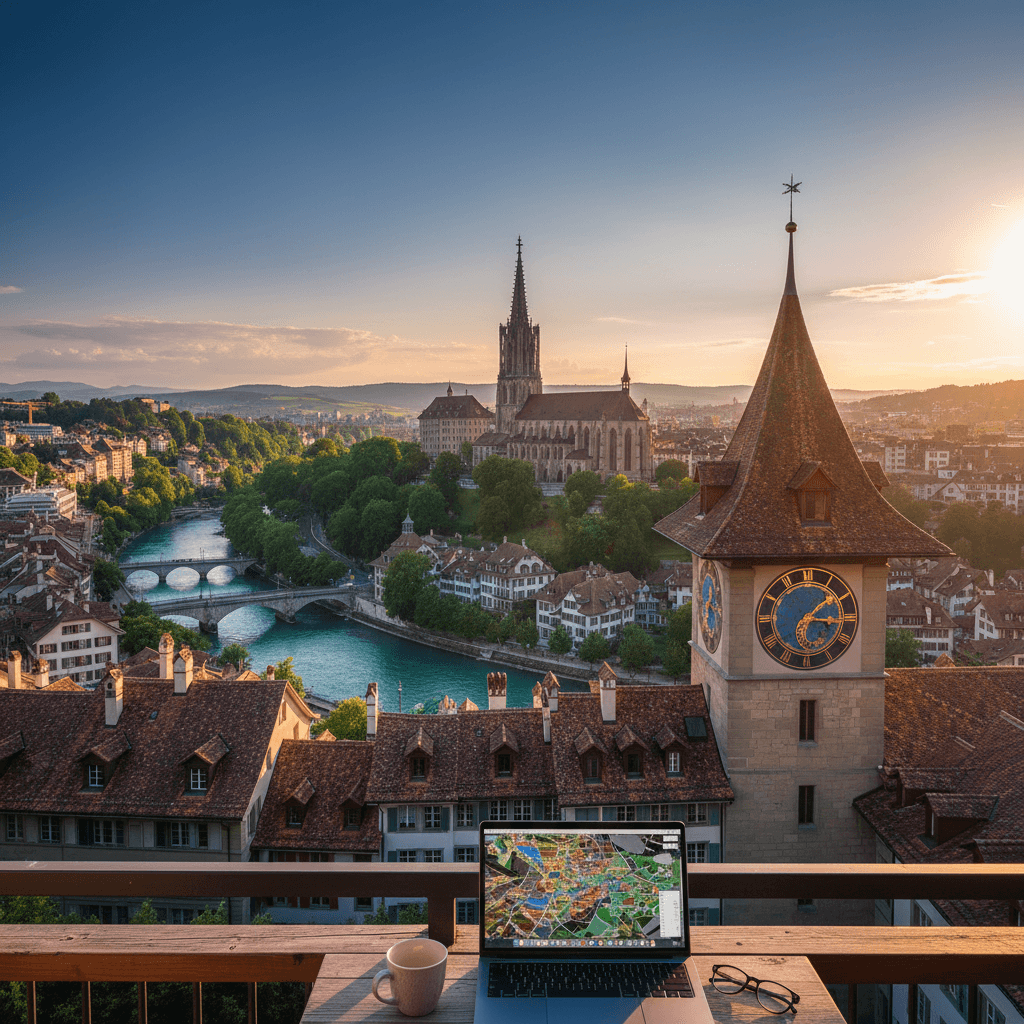
Bern feels calm in a way most capitals don't. The UNESCO-listed Old Town is all sandstone arcades, clock towers and the slow clack of tram wheels, then the Aare cuts through it with that green water locals seem weirdly unfazed by. It’s safe, tidy and very Swiss, but it can also feel a bit quiet, frankly, if you’re used to places where people spill out onto the street until midnight.
The nomad setup is strong. Internet averages exceed 200 Mbps, among the fastest globally, mobile coverage is solid and English gets you surprisingly far in cafés, coworking spaces and day-to-day errands, though the Bernese dialect still catches people off guard. The downside is obvious and it hits hard, Bern is expensive enough to make even well-paid remote workers pause before ordering lunch.
Expect monthly living costs around 5,500 CHF for a single person, with a simple one-bedroom in the center at about 1,529 CHF and a similar place outside the core at 1,273 CHF. A decent meal runs about 24 CHF, a dinner for two can hit 100 CHF and a monthly transport pass is only 80 CHF, which helps, but it doesn't make the city cheap.
Where people tend to stay
- Altstadt: Best if you want to walk everywhere, sit under the arcades and live in the middle of the action, though the tourist traffic and noise can get old fast.
- Breitenrain-Lorraine: Leafier, more residential and good for longer stays, with shops, cafés and a less polished feel that some nomads like because, honestly, it feels more lived-in.
Coworking is solid, not flashy. Impact Hub Bern is the name that comes up most, check current pricing on their website as rates vary, meeting rooms cost 74 CHF an hour and places like Hauptsitz and Urbanfish give you more options if you want a different scene. Cafés like Boréal Coffee Shop are also workable, though you'll want to buy something and stay mindful of the local no-nonsense vibe.
Safety is one of Bern’s biggest draws and also part of why some people find it a little too orderly. There aren't really any areas to avoid, the city ranks among the safest globally and late-night walks feel fine, with the sound of trams, church bells and the occasional splash from the river instead of the usual big-city tension.
Getting around is easy. Bernmobil is reliable, a one-way ride costs 3.65 CHF and the monthly pass sits at 80 CHF, while PubliBike and the Taxi Bern app cover the gaps. For social life, you’ll want to be intentional, because friendships don't happen by accident here, so InterNations events, Let's Dine meetups and expat groups are often the fastest way in.
Bern is pricey, full stop. A single nomad averages about 5,500 CHF a month and if you want to live comfortably, 6,000 CHF+ is the realistic target, not some fancy edge case. The rent stings first, then groceries and dinner out keep nibbling at your budget.
A one-bedroom in the city center runs around 1,529 CHF, while the outer neighborhoods sit closer to 1,273 CHF, which still feels steep when the trams are rolling by and the bakery smells hit you every morning. A simple restaurant meal is about 24 CHF, a mid-range dinner for two lands near 100 CHF and a monthly transit pass is 80 CHF, honestly one of the few things here that feels sane.
Typical Monthly Budget
- Budget tier: about 3,000 CHF, tight and pretty bare-bones.
- Mid-range: around 4,500 CHF, workable if you cook often and don’t eat out too much.
- Comfortable: 6,000 CHF+, which gives you breathing room for rent, cafés and the occasional nice dinner.
Altstadt is the obvious splurge. It’s beautiful, walkable and central, but it’s also touristy, noisy and expensive, with old stone streets echoing under tram brakes and weekend chatter drifting up from cafés. Breitenrain-Lorraine is a better deal for many expats, leafy and residential with shops nearby, though it’s less central and can feel quieter than people expect.
Where the Money Goes
- Internet: Fast and reliable, around 42 Mbps on average and most cafés and spaces handle remote work fine.
- Coworking: Hot desks at places like Impact Hub Bern cost roughly 300 CHF a month, which, surprisingly, many nomads still pay because the home setup can be cramped.
- Mobile data: About 26 CHF for 10GB on Swisscom, Salt or Sunrise.
Food costs add up fast if you’re not careful. The produce is good, the bread is excellent and the coffee scene is solid, but Swiss prices mean even a casual week of lunches can make your wallet wince. If you’re budget-conscious, cook at home, use the tram pass and skip the habit of grabbing a 24 CHF lunch every time the weather turns gray and rainy.
There’s a tradeoff here and it’s obvious. Bern gives you safety, speed and a calm day-to-day rhythm, but you pay for the privilege and then some. If your budget’s tight, this city will test your discipline hard.
Solo travelers
Altstadt is the obvious pick if you want Bern on foot, with arcades, the Zytglogge clock tower and cafés where you can hear cups clink and trams hiss past outside. It’s central, pretty and easy, but it’s also touristy, a bit noisy and rent bites hard, so don’t expect peace or bargains.
Still, for a short stay it works well, honestly, because you can leave your flat and be at the river, a bakery or a coworking desk in minutes, which, surprisingly, matters more here than chasing the “coolest” street. Not cheap. At all.
Digital nomads
Altstadt also suits nomads who want the safest bet for internet, cafés and quick access to Impact Hub Bern on Spitalgasse, where hot desks run around 300 CHF a month and meeting rooms are about 74 CHF an hour. The city’s average internet speed sits around 42 Mbps and that’s decent enough for calls, uploads and normal remote work, though a few old apartments still have weirdly patchy WiFi.
If you’d rather work somewhere calmer, try Breitenrain-Lorraine, it’s leafy, more residential and less in your face, with a mixed crowd that feels local instead of polished. You won’t get the postcard view every morning, but you may get better sleep, lower stress and fewer footsteps echoing up the stairwell at 1 a.m.
- Altstadt: Best for walkability, coworking access and first-time stays.
- Breitenrain-Lorraine: Best for longer stays, quieter streets and a more lived-in feel.
- Budget check: Plan on roughly 5,500 CHF a month for a single nomad, with central 1BRs around 1,529 CHF.
Expats
Breitenrain-Lorraine is the one expats tend to recommend when they’ve had enough of central rents and café crowds, because it feels more residential, has useful shops and keeps you close enough to town without living inside the postcard. The tradeoff is simple, you’re less central and some streets feel a little uneven from block to block.
That said, Bern is safe almost everywhere, the trams run on time and you can get by with English while you learn the Bernese dialect, so daily life tends to be smooth even when the paperwork isn’t. The bureaucracy can be maddening, frankly, but the actual neighborhoods rarely are.
Families
Families usually do better in Breitenrain-Lorraine than in the Old Town, because it’s quieter, greener and feels more like a place where people live instead of pose for photos. You’ll still be close to stadiums, schools, bakeries and public transport and the city’s safety record makes late walks feel pretty normal, even in winter when the air turns sharp and cold.
Altstadt can work for a short family stay, but the noise, crowds and higher rent wear thin fast, especially if you’ve got kids and strollers to haul over cobblestones. Skip it unless you really want the historic center, because everyday life in Bern is easier outside the core.
Bern’s internet is, honestly, better than the city’s reputation for being sleepy. Average download speeds exceed 200 Mbps, among the fastest globally, WiFi is easy to find, mobile coverage is solid and most nomads end up working from a flat, a café or a coworking desk without much drama.
That said, the city isn’t cheap. A hot desk at Impact Hub Bern runs about 300 CHF a month and if you want meeting space, you’re looking at roughly 74 CHF an hour, so budget carefully unless your client work pays in a very generous currency.
Best coworking spots
- Impact Hub Bern: The best-known option, central on Spitalgasse 28, with reliable internet, a professional crowd and prices that sting a bit.
Cafés can work too, especially Boréal Coffee Shop, where the espresso smells sharp, chairs are usually decent and the background noise stays at a level that won’t fry your concentration. Just don’t expect endless laptop culture, some places tolerate it, some don’t and a polite glance from staff usually tells you where you stand.
Working online in Bern
- SIM cards: Swisscom has the best coverage, while Salt and Sunrise are fine if you want to spend a bit less, a 10GB plan is around 26 CHF.
- WiFi: Widely available in cafés, public spots and coworking spaces, though speeds can dip if you’re trying to upload huge files on a busy afternoon.
- Best setup: Most nomads mix home WiFi with coworking, because Bern’s apartments are pricey and you’ll want the office separation anyway.
The city feels calm, almost hushed and that helps if you need to focus, though the tradeoff is a slightly isolating vibe after dark when the streets go quiet and trams hum past the Altstadt stone. If you want human contact, use coworking, meetups or even regular café visits, because making friends here takes more effort than getting online does.
For remote work, Bern works well. Not cheap. But the connection is steady, the infrastructure is polished and once you’ve settled on a good desk, the whole city starts to feel like a very efficient place to spend a rainy Tuesday.
Bern feels safe in the way expensive places often do: quiet streets, tidy tram stops and very little street chaos. Still, it isn’t sleepy in a bad way, because the Old Town has enough foot traffic to feel alive without getting sketchy and even late at night most nomads stick to the same central routes. No real no-go zones.
Crime: low, with Bern ranking near the top of global safety lists. Pickpocketing can happen around busy stations or events, so keep your phone zipped away, especially if you’re half-distracted and staring at the Aare river instead of the crowd.
Best areas to stay:
- Altstadt: central, walkable and easy for solo travelers, though it can get noisy and touristy, especially near the arcades and bars.
- Breitenrain-Lorraine: leafy, residential and popular with expats and families, with a calmer feel and fewer crowds, but you’ll commute a bit more.
The city’s healthcare is excellent and honestly, that matters when you’re far from home and dealing with a flu, a weird rash or a bike scrape after a wet cobblestone spill. Hospitals and clinics are well run, pharmacies are easy to find and the care feels calm and professional instead of rushed. That said, it’s expensive, so don’t treat a doctor visit like a casual errand.
Emergency number: 144 for an ambulance. Pharmacies or Apotheken, are spread around the center and residential districts and many staff speak enough English to sort out basic issues without drama.
Air quality is good, which you’ll notice on clear days when the air smells clean instead of exhaust-heavy and the city’s pace makes it easier to recover from jet lag or burnout. The downside is that if you do need urgent care, you’ll probably pay more than you’d expect, so keep travel insurance current and don’t gamble on coverage gaps.
Practical habits:
- Carry your insurance card and passport details.
- Use pharmacies first for minor issues, they’re usually the fastest option.
- If something’s serious, call 144 right away, then head to the nearest hospital.
Most nomads sleep better in Bern because the city feels orderly, the trams hum instead of screech and you’re not dealing with late-night noise every night. It’s safe, clean and medically reliable, but weirdly, that can also make it feel a bit too controlled if you’re used to messier cities.
Bern’s center is compact, but it doesn’t always feel easy to move through. The Old Town is mostly walkable, the cobbles are smooth enough for daily use and the tram bells, bus brakes and occasional church chime give the place a calm, old-school rhythm. Still, if you’re hauling groceries or commuting in winter slush, you’ll feel the hills and the cold tile pavements.
Bernmobil is the system most nomads end up using, because it’s clean, on time and covers the city well. A monthly pass runs about 80 CHF, while a single ride is 3.65 CHF, which gets pricey fast if you keep jumping between cafés, coworking spaces and the station. Honestly, locals just tap in, ride and move on, arguing with the clock in Bern gets you nowhere.
Best ways to get around
- Trams and buses: Best for daily life, especially if you’re based in Altstadt or Breitenrain-Lorraine.
- Walking: Great in the core, less fun when you’re climbing slopes with a backpack and a laptop.
- PubliBike: Handy for short hops and the network is the largest bike-share option in town.
- Taxi Bern App: Useful late at night or in bad weather, though you’ll pay for the convenience.
Breitenrain-Lorraine is a nice compromise if you want a quieter residential feel without being stranded and the tram connection still keeps the center close. Altstadt is more convenient, but tourist chatter, delivery scooters and weekend foot traffic can make it noisy, especially around lunch when the air smells like coffee, cheese and exhaust. Weirdly, that mix can be charming one day and irritating the next.
Airport and arrivals
- BRN airport transfer: Take bus 334 and then the S-Bahn, usually 15 to 20 minutes.
- From the main station: Connections are frequent, so you’re rarely stuck waiting long.
- Ride-hailing: Limited compared with bigger cities, so don’t count on app-based cars everywhere.
If you’re cycling, Bern’s bike setup is decent but not perfect, turns out the city’s compact size helps, yet some streets still feel awkward or narrow when traffic piles up. For a day trip, Zürich is about an hour by train and that’s usually smoother than driving. No one here expects you to tip much and punctuality matters, so be on time or you’ll look sloppy fast.
Language & Communication
Bern feels easy on the ear, even when the Swiss German dialect starts chewing up whole syllables. German is the main language, but English works well in cafés, coworking spaces and most service spots, so day-to-day life usually isn’t a struggle. Still, learning a few basics helps and people light up when you say Grüezi or Danke.
The local Bernese dialect can sound soft, almost lazy, then suddenly clipped and quick, which, surprisingly, makes it harder to catch than standard German. Don’t expect everyone to switch into English forever, though, because in smaller shops or older neighborhoods you’ll get better reactions if you keep it simple and polite. Frankly, that’s the social price of living here, a city that’s friendly but a bit reserved.
Most nomads get by with English and a translation app, then pick up a few survival phrases on the side. Swiss Words, Grüezi Switzerland and Schweizerdeutsch Lernen are the apps people actually use and they’re handy when you’re staring at a menu or trying to understand a train announcement. The speech rhythm can feel brisk and nasal and when trams screech past on Spitalgasse, you’ll notice how quiet the rest of the city usually is.
- Main language: German, with Bernese Swiss German in daily life
- English: Widely understood in central areas, coworking spaces and tourism-facing businesses
- Useful phrases: Grüezi, Danke and a simple “Sprechen Sie Englisch?”
- Best approach: Start in English, then switch to basic German if needed
In practical terms, Bern is comfortable for international workers, but not in a lazy, everyone-speaks-English way. You’ll still want to read a few signs, handle forms and listen carefully at the post office or pharmacy, because accents and dialect can blur together, especially when someone’s speaking fast over the hum of traffic and the hiss of rain on tram wires. Honestly, the city rewards anyone who makes a small effort.
For social life, language matters more than people expect. InterNations events, meetups and group dinners are usually easy entry points, but if you only stay in the English bubble, Bern can feel chilly and oddly distant, even on a sunny terrace near the Aare. Say hello first, keep your German imperfect and people tend to relax.
Bern’s weather is fairly mild by Swiss standards, but it still has a sharp edge. Winter mornings can feel raw, with damp cold that sneaks through gloves and settles into the stone streets of the Old Town and summer only gets properly pleasant for a short window. Not cheap. Not tropical.
If you want the sweet spot, aim for June through August, when daytime temperatures usually sit around 20 to 22°C and the city finally feels made for long walks, river dips and café terraces. Honestly, that’s when Bern makes the most sense, because the light is good, the parks are green and you won’t spend half your day trying to dry off from rain.
The catch is rain. May through July can be wet, with May often the soggiest month, so pack a real jacket and shoes that can handle slick cobblestones, not just something cute for photos. January is the grimmest stretch, cold and rainy and if you’re sensitive to grey skies, it can feel longer than it sounds.
Best Months
- June to August: Best overall weather, mild afternoons, livelier streets and better chances of getting outside without layers.
- May: Green and quiet, but wet, which, surprisingly, can make the city feel even more medieval.
- January: Cold, damp and a bit bleak, especially if you’re here for work and not skiing.
Season-by-Season Feel
- Spring: Starts cool, then shifts fast, but don’t trust the sun, showers can roll in with no drama and no warning.
- Summer: Warm without being brutal, though crowds pick up and some apartments get stuffy if you’re stuck on an upper floor.
- Autumn and winter: Quieter, cheaper in some spots, but the chill is real and the river air bites harder than you’d expect.
Most nomads prefer summer, then early autumn, because Bern’s pace is slower and the weather finally matches it. The air smells like wet stone after rain, trams hiss past the center and on cooler nights you’ll want a proper coat, not optimism. If you hate gloom, skip deep winter. If you like quiet streets and low-season calm, it can work, just bring thicker socks.
Bern feels calm on the surface, but the practical stuff can bite. The Old Town is easy to love, with tram bells, bakery smells and cobblestones that punish bad shoes, though the city is expensive in a way that catches a lot of nomads off guard.
Budget around 5,500 CHF a month if you want a normal life, not a survival story. A basic 1BR in the center runs about 1,529 CHF, meals can be 24 CHF at the cheap end and a coworking hot desk is roughly 300 CHF a month, so Bern can feel calm and pricey at the same time.
Where to stay
- Altstadt: Best for solo nomads who want everything close, old stone streets, cafes and tram access, though the tourist noise and higher rent get old fast.
- Breitenrain-Lorraine: Good for expats and longer stays, with a more residential feel, leafy blocks and easier day-to-day living, but it’s less central and you’ll ride the tram more.
No part of Bern feels dangerous, honestly and that changes how people move through the city, people leave bikes unlocked for a minute, walk home late and still keep their heads on a swivel near the station because every city has its petty stuff.
Internet and getting online
- Speed: Average download is about 42 Mbps, which is fine for calls, cloud work and normal nomad life.
- SIMs: Swisscom has the best coverage, then Salt and Sunrise and you’ll need ID at the shop.
- Coworking: Impact Hub Bern is the name most people mention, with hot desks around 300 CHF a month and meeting rooms about 74 CHF an hour.
For daily life, Bernmobil is the easy choice, a monthly pass costs about 80 CHF and a single ride is 3.65 CHF, so don’t bother trying to improvise every trip by taxi. PubliBike works well for short hops and the airport transfer is quick, about 15 to 20 minutes with the bus and S-Bahn.
Money, food and social life
- Banking: Use ATMs in the city, airport cash machines can be annoying and expensive.
- Housing: Check Homegate, Immoscout and WG-Gesucht, because apartments go fast and the good ones vanish weirdly quickly.
- Food and friends: InterNations, Let’s Dine and Reithalle are where people actually meet, not in some magical spontaneous way, but through repeated showing up.
The social scene takes effort, frankly and Bern won’t hand you instant friends. Punctuality matters, tipping isn’t expected and if you’re heading to Zurich for the day, the train gets you there in about an hour without much drama.
Need visa and immigration info for Switzerland?
🇨🇭 View Switzerland Country GuideHidden Gem
Worth the effort
Monthly Budget Estimates
More cities in Switzerland
Basel
🇨🇭 Switzerland
Zurich
🇨🇭 Switzerland