Batu Ferringhi
🇲🇾 Malaysia
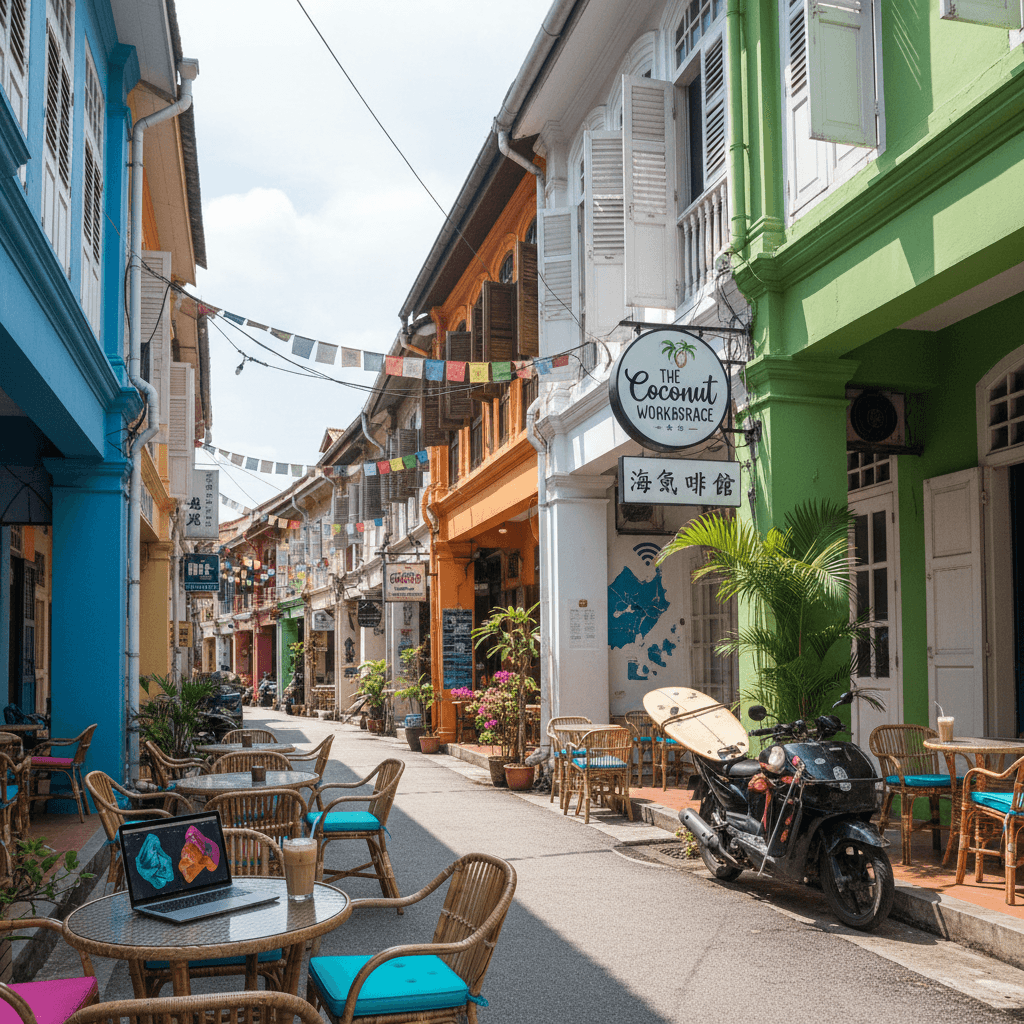
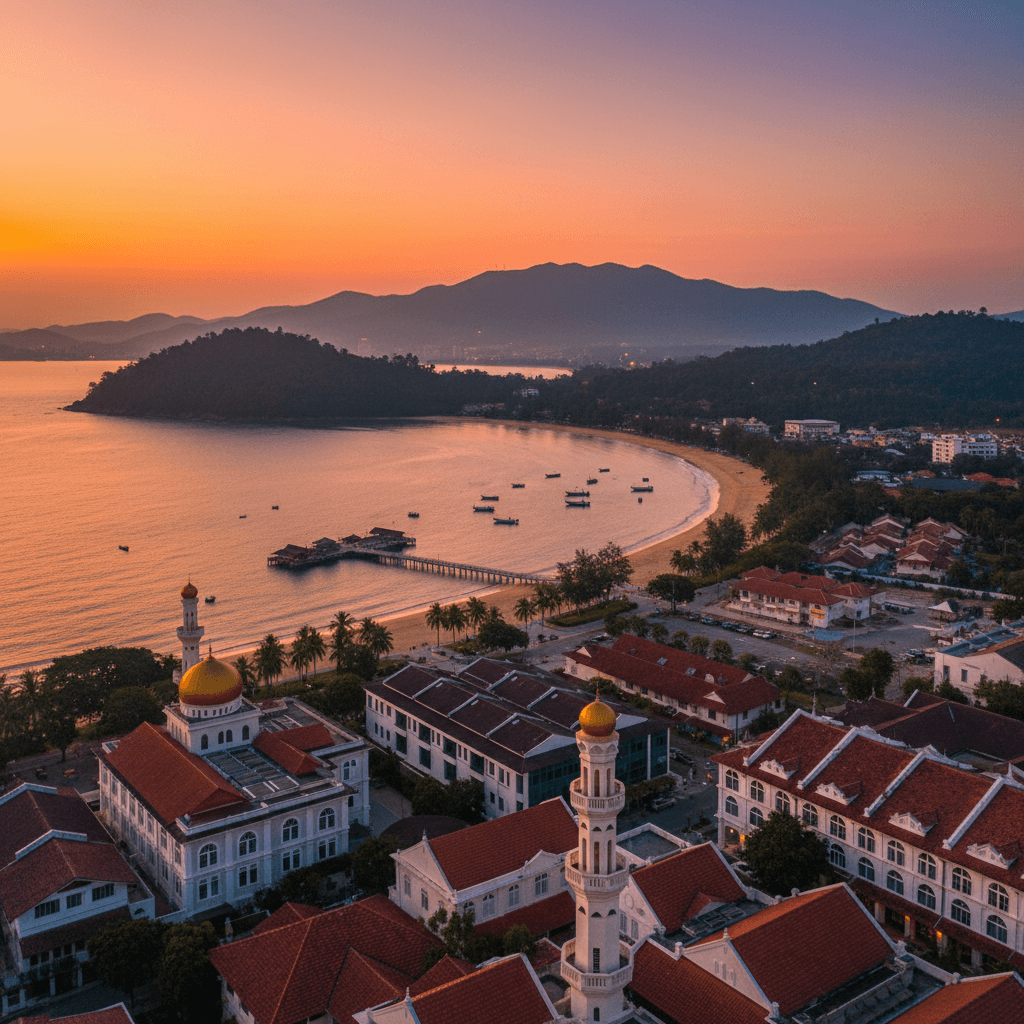
Batu Ferringhi feels like Penang turned sideways, slower, saltier and a bit more touristy than most long-stay nomads expect. The beach is the big draw, long sand, warm water, palms rattling in the wind and a constant backdrop of scooter engines, hawker smoke and hotel music drifting out after dark.
It’s relaxed, honestly, but not sleepy. You get resort bars, night markets and a lot of beach-foot traffic, then you’ve got weekend congestion, patchy sidewalks and the occasional frustration of realizing the nearest proper supermarket or coworking space is back in George Town, which, surprisingly, makes planning your week matter more than you’d think.
Most people who like Batu Ferringhi are either here for the beach or for a quieter base with easy Grab rides and cheaper living than many island resorts. It’s not the best place if you want a polished nomad setup, though, because the WiFi can be flaky, the crowds build up fast and beach time sometimes means sharing your view with families, vendors and jet skis buzzing out in the water.
What it feels like to live here
- Best for: Short stays, beach lovers, slower mornings, people who don’t mind hopping into George Town for workdays
- Not great for: Heavy coworking users, big grocery runs, anyone who hates tourist noise
- Daily rhythm: Coffee, laptop, swim if the water looks decent, then night market snacks after sunset
Budget snapshots
- Rent: RM1,480 to RM2,800 for a studio or 1BR, beachfront condos cost more and go fast
- Food: RM10 to RM23 at hawker stalls, RM30 to RM50 for mid-range meals, RM100+ at Hard Rock Cafe
- Transport: Grab usually runs RM10 to RM20 per trip, buses are cheaper, but slower
The atmosphere is friendly enough, with English widely used in hotels, cafes and restaurants and the food scene is the real everyday win, char kway teow smoke, roti canai sizzling on metal plates and beach bars where the sea air mixes with grilled seafood and beer. Safety is generally fine, but the water isn’t for casual swimming every day, jellyfish and rough conditions are a real thing, so don’t treat the beach like a resort brochure.
If you want cleaner convenience, Tanjung Bungah or Tanjung Tokong usually make more sense. If you want the full beachfront mood, Batu Ferringhi still has a charm that’s hard to fake, just don’t expect it to work like a polished city base.
Batu Ferringhi isn’t cheap by Malaysian standards, especially if you want a beachfront condo and don’t fancy sharing a room. A basic monthly setup can start around RM3,000, but that assumes you’re keeping rent low, eating hawker food and saying no to too many Grab rides.
Once you move closer to the sea, the price climbs fast, honestly. Studios and one-bedroom units usually run from RM1,480 to RM2,800 a month and furnished places in beachy buildings like Ferringhi Residence 2 can push higher, with bigger units around RM2,800 and smaller studios nearby often sitting in the RM1,500 to RM2,500 range.
Typical Monthly Budget
- Budget: RM3,000, shared room, mostly street food, minimal rides
- Mid-range: RM5,000, one-bedroom, mixed local and cafe meals
- Comfortable: RM8,000+, beach condo, more taxi or Grab use, upscale dining
Food is still one of the nicer parts of living here. Hawker meals at spots like Long Beach Cafe usually cost RM10 to RM23, mid-range meals land around RM30 to RM50 and if you’re in the mood for Hard Rock Cafe or similar tourist-facing places, dinner can jump past RM100 without much effort.
Transport adds up if you’re lazy about distance, because Batu Ferringhi sits about 30 minutes from George Town and the traffic can get ugly on weekends. Grab rides usually cost RM10 to RM20 a trip, buses are much cheaper at about RM1.40 to RM4 and a lot of people end up using Grab anyway because waiting for buses in the humidity gets old fast.
What Pushes Costs Up
- Beachfront rent: You pay for the view and then some
- Weekend traffic: More ride-hailing, more time sitting in heat and exhaust
- Tourist pricing: Restaurants near the beach charge more than inland spots
That said, Batu Ferringhi can still work for nomads who want sea air, sandy walks and a slower pace without paying Singapore prices. The trick is knowing what you’re buying, because the beach vibe is lovely, but groceries, coworking and convenience are better in Tanjung Bungah, Tanjung Tokong or George Town, which, weirdly, can make a place feel cheaper even when rent looks higher.
My take is simple. If you’re staying short term and want sunsets, go for Batu Ferringhi, if you’re planning a longer stay and need better day-to-day logistics, look south.
Solo travelers
Batu Ferringhi Beach is the obvious pick and honestly, it works best for short stays, beach time and lazy mornings with coffee and salt in the air. You get the night market, resort pools, hawker food and a long strip of sand, but weekend traffic can be ugly and major groceries are thin on the ground.
- Rent: RM1,480 to RM2,800 for a studio or 1BR
- Best for: Beach days, night markets, easy resort living
- Watch out for: Crowds, jammed roads, weak convenience for long stays
It’s relaxed, though not exactly quiet, because motorbikes hum past the strip and the air smells like grilled satay, exhaust and sea spray all at once. If you want to wake up near the water and don’t mind leaning on Grab a lot, this is the cleanest fit.
Nomads
Tanjung Bungah and Tanjung Tokong are the smarter move for longer stays, weirdly enough, because you get more local life, better access to groceries and fewer tourist bottlenecks while still staying close to the sea. Most nomads who stick around end up here, then pop up to Batu Ferringhi for beach time.
- Rent: Often around RM1,500 to RM2,800 for condo-style places
- Best for: Longer stays, expat mix, practical day-to-day living
- Watch out for: Some traffic, less of that full beach-resort feel
The coworking scene is mostly in George Town, so plan on a 30-minute ride if you need proper desks and stable WiFi, because cafe internet on this side can be flaky and public connections, frankly, aren’t great. For many remote workers, that tradeoff is fine, since the beach, cheaper food and slower pace make up for the extra Grab rides.
Expats
Tanjung Bungah and Tanjung Tokong suit expats who want a steadier base with easier access to banks, pharmacies and supermarkets, without going full urban in George Town. You’ll still hear calls to prayer drifting through the afternoon heat, but you won’t be stuck in tourist gridlock every weekend.
- Rent: Mid-range condo units usually start around RM1,500+
- Best for: Longer leases, routines, school runs, errands
- Watch out for: Less beachfront charm, some congestion
Stay near Batu Ferringhi only if you really want the resort mood, because the convenience gap shows up fast when you’re doing weekly life stuff and honestly, that gets old. For healthcare and shopping, this side of Penang is easier to live with.
Families
George Town makes the most sense for families who want schools, services and faster access to everything, though you’ll lose the beach and gain more noise, traffic and humidity that sticks to your skin. Batu Ferringhi is fine for holidays, but as a daily home base, it can feel isolated.
- Rent: Around RM1,500 to RM2,800 for apartments, more for premium condos
- Best for: Schools, clinics, errands, food variety
- Watch out for: No beach lifestyle, heavier city pace
If your family wants a calmer compromise, pick Tanjung instead, then use Batu Ferringhi for weekends and swimming, though the sea itself isn’t ideal for regular dips because of jellyfish and water quality issues. That’s the real trade, beach setting versus day-to-day practicality.
Batu Ferringhi is lovely for beach time, not for desk life. The WiFi can be patchy, the crowds get loud on weekends and your laptop battery will matter more than you think when the power dips or the cafe router crawls. Honestly, most nomads here end up working from their apartment, then heading out for sunset and supper.
If you want a proper work setup, plan around George Town or nearby Tanjung Bungah and Tanjung Tokong. That commute is around 30 minutes when traffic behaves, which, surprisingly, it sometimes doesn't and the tradeoff is better internet, better food options and actual coworking spaces instead of hoping a beachfront cafe has a decent line.
Coworking spots worth the trip
- @CAT Penang: about RM25 for a day pass, around RM300 for monthly platinum access, solid if you want a quiet desk and predictable speeds.
- Common Ground: day pass around RM50, hot desk from RM399/month (check current rates), pricier, but the setup is polished and the connection tends to behave.
- Cafe work: fine for a few hours at beachside cafes, but check speeds first, because a pretty view doesn’t fix buffering.
In Batu Ferringhi itself, cafes are a mixed bag, some are fine for email and calls, others choke the minute you open a video meeting and the general public WiFi around Penang can be slow enough to make you mutter at your screen. If you’re staying longer than a week, get your own SIM and stop gambling on borrowed bandwidth.
Internet and SIMs
- U Mobile: new ULTRA prepaid plans from RM28/month for 50GB shared data, often the easiest pick for nomads.
- Celcom: widely used, decent coverage, usually available at airport kiosks or malls.
- What to bring: passport, because they’ll ask for it when you buy a local SIM.
Work in the morning, then leave before the traffic snarls. Beach road gets noisy with engines, hawker stalls and the smell of grilled seafood and frying oil drifting in with the humid air and once the night market starts up, your focus goes out the window anyway. If you need clean productivity, Batu Ferringhi can do it, but only if you bring your own setup and don't expect the neighborhood to carry you.
For most long stays, I’d split the difference, sleep near the beach, work in George Town. That setup saves a lot of frustration and frankly, it’s the only way to keep both your deadlines and your sanity.
Batu Ferringhi feels calm on the surface, but the beach has a few real hazards and locals don’t treat the water casually. Jellyfish, sea snakes and murky surf turn up enough that most residents and repeat visitors skip swimming, especially after rain, when the water gets choppy and the sand smells faintly of salt, diesel and fried noodles from the night market.
Beach safety: Don’t assume the sea is friendly, because it isn’t always. Stick to the shore, swim only if conditions look clean and calm and watch kids closely near the waterline, where waves can drag them sideways fast.
Petty theft does happen in crowded stretches, especially on weekends when the road jams, the market gets noisy and everyone’s distracted by bags, phones and food stalls. Keep your phone zipped away, don’t leave a backpack on a café chair and honestly, most of the usual tourist-common-sense habits go a long way here.
There aren’t major no-go zones, which, surprisingly, makes life easier, but the place isn’t polished in the way some beach towns pretend to be. You’ll still deal with loud motorbikes, honking Grab cars and humid evenings that make you leave a place of air-con to a wall of warm air.
Healthcare
- Clinic care: Batu Ferringhi has local clinics including Klinik Desa Batu Ferringhi (KD Batu Ferringhi) for basic treatment, prescriptions and minor bugs.
- Pharmacies: Evergreens and Caring Pharmacy are the practical stop for medicine, bandages and quick advice and they’re usually easier than waiting around at a clinic.
- Emergency care: Dial 999 for emergencies, then head to Penang Adventist Hospital if you need proper treatment, it’s about a 20 minute drive and the standard is solid.
For anything serious, skip the guesswork and go straight to a private hospital, because waiting too long in tropical heat with a fever or stomach issue can get miserable fast. Most nomads also keep a local SIM and a Grab account ready, so if you need a pharmacy run or a late-night clinic trip, you’re not stuck bargaining with a taxi driver at the roadside.
Practical habit: Save your passport number, emergency contacts and the nearest hospital in your phone on day one. It sounds boring, but when your stomach’s cramping at 2 a.m. and the rain is hammering the roof, boring is exactly what you want.
Getting Around
Batu Ferringhi is easy enough to move around, but it’s not a place where you casually drift from café to café on foot all day. The beach road is walkable in parts, still traffic can get ugly on weekends, with honking, engine noise and that hot asphalt smell pressing in by late afternoon.
Grab is the default here and honestly, most people lean on it for short hops to Tanjung Bungah or George Town, where rides usually land around RM10 to RM20. Taxis exist, though Grab tends to be cleaner and less of a negotiation headache, which, surprisingly, matters when you’re tired and the humidity’s sticking to your skin.
Local transport
- Rapid Penang buses: Cheap at about RM1.40 to RM4, they run from roughly 6am to 11pm and connect Batu Ferringhi with George Town and Teluk Bahang.
- Grab: The easiest option for most trips, especially if you’re carrying groceries, a laptop bag and don’t want to wait under the sun.
- Taxis: Available, but fares can feel less predictable, so check the price before you get in.
- Bike or scooter: Some hotels and local rental outfits offer them, though the roads aren’t exactly relaxed for casual riders.
For day-to-day life, the bus is fine if you’re patient and don’t mind slow travel, but it won’t save you much time if you’re headed into George Town during peak traffic. The ride can take about 30 minutes or more and with the windows open you’ll catch diesel fumes, sea air and the occasional blast of rain on the roof.
If you’re staying near the beach strip, walking works for the market, cafés and resorts, but the sidewalks are patchy and crossings can be awkward. So plan on mixing modes, because Batu Ferringhi isn’t built for car-free living and that’s part of the tradeoff.
Getting in and out
- Airport transfer by Grab: Usually around RM40 to RM60 from Penang International Airport.
- Airport bus: Cheaper, slower and about an hour if traffic behaves.
- To George Town: Budget an easy 30-minute ride, longer on weekends.
For longer stays, many nomads end up picking a place with parking or just budgeting for daily Grab rides, because the convenience beats wrestling with bus timings. If you’re arriving with luggage, take Grab straight from the airport, the aircon alone feels worth it after the sticky terminal heat.
My take? Don’t bother trying to make Batu Ferringhi work like a walkable city neighborhood. It isn’t one and once you accept that, the place gets a lot easier to live in, just slower, looser and a bit more dependent on your phone than your feet.
Language & Communication
English gets you pretty far in Batu Ferringhi, especially in hotels, beach bars and hawker spots near the night market, but the moment you step into a smaller shop or a taxi queue, Malay becomes handy. Terima kasih means thanks and Berapa harga? gets you the price fast, which, surprisingly, can save a lot of back-and-forth when someone’s pointing at seafood through a steamed-up glass case.
Don’t expect polished multilingual service everywhere. Tourism keeps the area easy enough to manage, but outside the resort strip, people often switch between Malay, Hokkien, Mandarin and Tamil in the same conversation, so you’ll hear snippets drifting past with the smell of grilled squid, petrol fumes and damp rain on asphalt.
For digital nomads, the real issue isn’t language, it’s internet consistency, honestly. Cafe WiFi can be fine for email and calls, then wobble when the place fills up, so if you need stable video work, use a dedicated coworking space in George Town like @CAT Penang or Common Ground instead of gambling on a beach cafe.
Buy a local SIM early. U Mobile, Celcom and airport stalls are common and you’ll usually need your passport, a quick process that saves you from hunting for signal while Grab maps freezes and the ceiling fan just pushes warm air around your neck.
Useful phrases
- Terima kasih: thanks
- Berapa harga? how much?
- Tak mahu: I don’t want it
- Boleh: can, okay
What locals actually use
- Google Translate: best for menus and quick signs
- Offline Malay-English dictionary: helpful when signal dies
- WhatsApp: the default for bookings, repairs and delivery updates
People in Batu Ferringhi are usually patient with foreign accents, though they’ll move faster if you keep it simple and direct. Speak clearly, don’t overcomplicate requests and if you’re bargaining at the night market, a smile plus a basic Malay phrase goes further than a long explanation in English.
Honestly, the language barrier here is mild, but the communication style can feel indirect. Prices may shift, answers may be vague and sometimes you’ll get a polite nod that really means maybe, so confirm transport, bookings and room details twice, then once more if the weekend crowds are building and everyone looks rushed.
Batu Ferringhi stays warm all year, usually hovering around 27°C to 32°C and the air feels heavy enough to stick to your skin by breakfast. The dry stretch is roughly December to March, so mornings are easier, laundry dries faster and beach walks don’t feel like a sauna. Rain picks up from April to November and October to November can get properly miserable, with hard showers that drum on tin roofs and turn the road into a slick, noisy mess.
Best months: January and February. Wettest stretch: October and November. Simple as that.
If you want the most comfortable version of Batu Ferringhi, aim for January through February, when the rain backs off and the beach is more usable, though it still gets hot by midday and the humidity never really quits. Honestly, this is when the place feels most livable, because you can work in the morning, grab lunch at Long Beach Cafe, then head out without worrying that a thunderstorm will trap you inside a condo with weak WiFi.
What Each Season Feels Like
- December to March: Best for beach time, easier scooter rides and fewer washout days, but it’s still warm and muggy.
- April to September: Hot, sticky and storm-prone, with sudden downpours that arrive fast and leave the air smelling of wet pavement and exhaust.
- October to November: Avoid if you can, because the heaviest rain hits then and weekend traffic plus flooded patches can be a pain.
Travelers who want quieter streets should skip peak weekends, because Batu Ferringhi gets clogged with day trippers, honking Grab cars and slow-moving traffic heading past the night market. The sea looks tempting, but don’t be reckless, local swimmers often warn about jellyfish and rougher water, so stick to the sand and save the actual swimming for somewhere safer.
If you’re planning a longer stay, the shoulder months can still work, just bring a light rain jacket, quick-dry clothes and a real plan for power cuts or lazy afternoons stuck inside. Weirdly, the rain can be a plus if you like lower room rates and empty cafes, but if you need reliable beach weather and easy day trips, January and February are the smart pick.
Practical Tips
Batu Ferringhi runs on beach time, but don’t mistake that for convenience. Groceries are thin on the ground, weekends clog the road with honking traffic and the sea looks lovely even when the water’s too rough to bother with, honestly, so plan your errands before 5pm and keep expectations grounded.
Money: A basic studio or 1BR usually lands around RM1,480 to RM2,800 and beachfront condos push higher fast, especially if you want furniture and sea views. Eat at Long Beach Cafe hawkers for RM10 to RM23, spend RM30 to RM50 for a nicer dinner and budget RM10 to RM20 for most Grab rides, which, surprisingly, adds up quicker than meals.
What to expect
- Best area: Batu Ferringhi Beach for short stays, beach walks and night market chaos.
- Better balance: Tanjung Bungah or Tanjung Tokong if you want easier shopping and fewer resort-only headaches.
- Long-term base: George Town if you need coworking, reliable cafés and proper city services.
Internet can be patchy in cafés, weirdly enough, so don’t assume a nice latte comes with a productive work session. If you need dependable speeds, head to @CAT Penang or Common Ground in George Town, buy a local SIM from U Mobile or Celcom with your passport and keep a backup hotspot because public WiFi can fall over right when a call starts.
Safety is decent, but the beach isn’t the place to get casual. Jellyfish, sea snakes and murky water are real risks, petty theft happens in busy night-market crowds and the smartest move is to swim elsewhere, keep your phone zipped away and use the new Klinik Desa for small issues while calling 999 for anything serious.
Getting around is simple, though not cheap if you’re lazy about it. Rapid Penang buses cost about RM1.40 to RM4, Grab is the default for most trips and if you’re landing at Penang International, the airport run usually comes to RM40 to RM60 by ride-hailing, which beats wrestling luggage onto a bus after a long flight.
Food is half the reason people stay. Try char kway teow and roti at the hawker stalls, grab a drink at Frandy Beach Bar, skip the overpriced tourist dinners unless you really want the air-conditioning and remember that modest dress, taking off your shoes indoors and a polite “Terima kasih” go a long way.
For day trips, use Penang Hill or Teluk Bahang when the beach gets repetitive and book apartments through Facebook groups, Airbnb or FazWaz if you want the best shot at local pricing. No car? You’ll feel it. Batu Ferringhi works best when you accept that slow pace, then build your routine around it.
Need visa and immigration info for Malaysia?
🇲🇾 View Malaysia Country GuideHidden Gem
Worth the effort
Monthly Budget Estimates
More cities in Malaysia
Miri
🇲🇾 Malaysia