Basel
🇨🇭 Switzerland
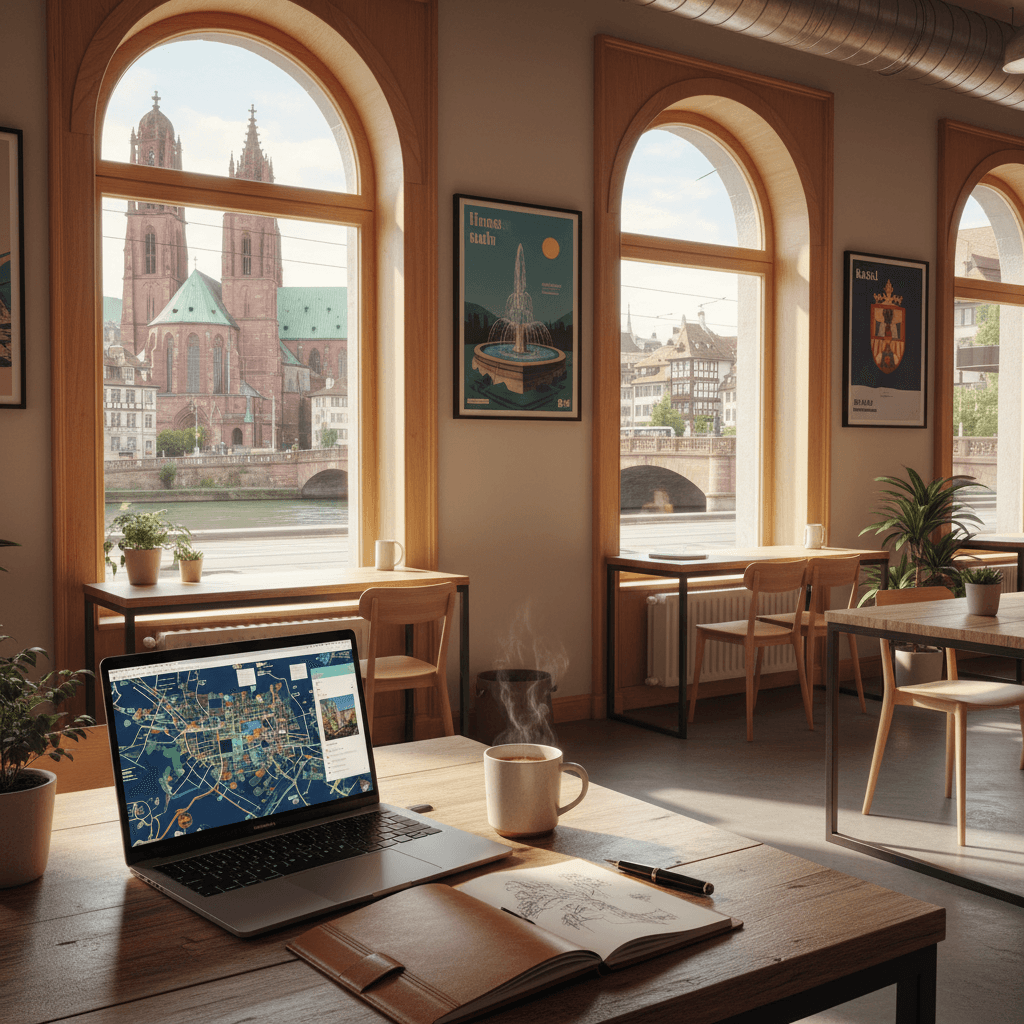
Basel feels polished without being flashy. The city runs on trams, clean sidewalks and quiet routines, but the Rhine keeps it from feeling sterile, with people sitting on the banks in summer, shoes off, beer in hand, while barges slide past and church bells drift across the water.
It’s one of the more pleasant places to base yourself in Europe, though not a cheap one. Monthly life for a solo nomad usually lands around CHF 3,000 if you keep things lean and it climbs fast once you want a central flat, regular coworking and the occasional decent dinner that doesn’t feel like a financial mistake.
The vibe is cultured, efficient and a bit reserved, frankly, so don’t expect instant best-friend energy. People are polite, but friendships take time and the city’s calm pace can feel lovely one week and lonely the next, especially if you’re used to a more chaotic nomad scene.
Where people actually like living
- Grossbasel: Best if you want the old town, cafes and easy walking. Rent is the steepest here, often CHF 2,000 to 2,600 and you’re paying for location.
- Bachletten: Quieter and greener, with a more residential feel. It suits expats and families who want peace without giving up quick tram access.
- Kleinbasel: More affordable, a little edgier and closer to the Rhine bars, which, surprisingly, is exactly why solo nomads end up here.
- Erlenmatt: Practical for families, connected, less central and a bit more modern in feel.
The city’s practical side is a big part of the appeal. Internet averages exceed 100 Mbps, coworking at places like Coworking Basel, ORBIZ Aeschengraben or Regus Stücki Village is solid and public transport is easy enough that you don’t need a car unless you enjoy wasting money.
Food is good, but your wallet will notice every meal. A cheap lunch runs about CHF 15 to 25, mid-range dinners often hit CHF 25 to 50 and a grocery shop for one person can still chew through CHF 300 to 500 a month, which turns out to be the part that annoys people most.
Safety is excellent and that matters here. You can walk around most areas without much stress, though station-area petty theft happens and the city’s healthcare and transport systems are both the kind of boringly reliable that makes daily life easier.
Basel suits people who want order, museums, river air and easy access to France and Germany. It doesn’t suit people who need cheap rent, loud nightlife or a social scene that does the work for you.
Basel isn’t cheap and trying to pretend otherwise is pointless. A solo nomad can scrape by at about CHF 3,000 a month, but that’s a tight life, with rent eating the budget fast and every café order, tram ride and grocery run nibbling at what’s left.
For a more normal setup, expect around CHF 4,500 a month if you’re living alone and closer to CHF 6,800 if you want comfort without counting coins. Groceries for one usually land around CHF 300 to 500, a monthly transport pass runs CHF 80 to 100 and hot desks at places like Coworking Basel around CHF 400-500 monthly.
- City-center studio or 1BR: CHF 1,500 to 2,000
- Outside the center: CHF 1,200 to 1,500
- Cheap meal: CHF 15 to 25
- Mid-range dinner: CHF 25 to 50
That rent spread matters because Basel’s neighborhoods feel very different in the wallet and on the street. Grossbasel is the pricey, central choice, with old streets, tram clatter and cafés where you can sit for hours, but you’ll pay for the privilege, often CHF 2,000 to 2,600 for a good place. Bachletten is calmer and greener, which, surprisingly, makes it a favorite for expats with families, while Kleinbasel is more affordable, livelier and a little rougher around the edges, with Rhine views and late-night noise drifting up from the bars.
What nomads usually choose
- Grossbasel: Best for central access, priciest option
- Bachletten: Good for families, quieter evenings
- Kleinbasel: Better value, trendier feel, slightly edgier
- Erlenmatt: Kid-friendly, well connected, less central
The daily costs sting most when you’re out and about, because Basel has that polished Swiss efficiency and Swiss pricing to match. Internet is solid, around 32 Mbps on average and the city’s safe enough that most people stop worrying about crime, though petty theft around the station still happens, so keep your bag zipped and don’t get lazy on a crowded tram.
Healthcare is excellent, but insurance can add CHF 250 to 500 a month and that bill lands hard if you’re used to cheaper systems. Still, the buses run on time, the air smells clean after rain and the Rhine promenade gives you free scenery, so if you’re spending money here, make it on things you’ll actually use, not random convenience purchases that add up fast.
Basel’s neighborhoods are pretty easy to sort out and honestly the city makes the choice for you pretty fast, because your budget, nightlife tolerance and appetite for quiet streets all point in different directions. It’s safe, compact and very expensive, so the trick is picking the right tradeoff, not hunting for some magic cheap district. Not cheap.
For nomads
Grossbasel is the default pick if you want the cleanest daily routine, the best cafe access and a short walk to the Old Town, where the streets smell like coffee, trams rattle past and the Rhine is never far away. It’s also the priciest part of town, with studio and 1BR rents often around CHF 2,000 to 2,600, so bring a real housing budget, not optimistic math.
- Best for: central living, museums, easy meetings
- Rent: CHF 2,000 to 2,600
- Vibe: polished, walkable, expensive
Kleinbasel is where a lot of solo nomads end up, because it’s cheaper, a little rougher around the edges and has Rhine views plus more evening energy. The bars get noisy, the air smells like river water and grilled meat on warm nights and you’ll hear more languages than in the old town, which, surprisingly, makes it feel less stiff.
For expats
Bachletten is the smart middle ground, with leafy streets, cafes and enough calm to make long stays feel manageable. It’s close enough to the center that you’re not trapped in suburbia, but it’s quieter after dark, so if you want late-night noise and bar-hopping, you’ll probably get bored.
- Best for: longer stays, couples, everyday routines
- Strengths: green, residential, near the center
- Downside: nightlife is limited
For expats who care more about school runs and convenience than bar crawls, Erlenmatt makes sense, though it feels a bit less central and slightly newer in character. The transport links are solid, the streets are calmer and frankly it’s a practical choice rather than a sexy one.
For families
Erlenmatt and Bachletten are the easy family picks, because both are safer-feeling, better for strollers and less annoying than living right in the center with weekend crowds under your windows. Basel’s trams are efficient, monthly passes run about CHF 80 to 100 and that makes school runs and grocery trips much less painful.
- Best for: schools, parks, quieter streets
- Transport: trams and buses are excellent
- Tradeoff: you’ll pay a lot for the calm
If you want the full Basel experience, choose Grossbasel, pay the premium and enjoy being able to walk almost everywhere. If you want fewer tourists and a looser feel, go Kleinbasel, just know the nightlife can spill into your sleep. That’s the real split.
Basel’s internet is solid, not showy. Average fixed broadband exceeds 100 Mbps, which ensures stability even when you’re on a video call and a tram rattles past the window or your café WiFi gets busy.
Most nomads end up in coworking spaces rather than cafés, because the cafés are pleasant but unpredictable and honestly nobody wants to hunt for a socket near the Rhine all morning. Coworking Basel is the usual all-round pick, ORBIZ Aeschengraben has proper desk setups if you need to lock in and Regus at Stücki Village works if you just want something simple and corporate.
- Coworking Basel: Best overall, central, reliable for day-to-day work.
- ORBIZ Aeschengraben: Dedicated desk about CHF 2,600 monthly, flex around CHF 750.
- Regus Stücki Village: From about CHF 579, decent if you want a lighter commitment.
The SIM situation is straightforward, turns out and Swisscom is the name people trust most. Prepaid plans can run about CHF 20 for seven days of unlimited data with 5G coverage, which is handy if you’ve just landed and need to stop burning through café WiFi.
Cheap it isn’t. A hot desk around CHF 410 a month, a city-center studio at CHF 1,500 to 2,000 and groceries that can easily hit CHF 300 to 500 for one person make Basel feel expensive fast, so remote workers who spend freely tend to get annoyed within a week.
Where nomads usually base themselves
- Grossbasel: Best for central living, historic streets, cafes, but rent bites hard, often CHF 2,000 to 2,600.
- Kleinbasel: Better value, Rhine views, more buzz, though the vibe is a bit rougher around the edges.
- Bachletten: Quieter, greener, good if you want calm and still be close to the center.
If you work from home, expect long stretches of quiet broken by church bells, trams squealing on the tracks and the smell of espresso drifting out of narrow streets, then evenings that feel oddly calm compared with bigger European cities. Basel’s fast enough for work, but the pace is slower, the city is expensive and making friends takes effort, frankly more than most places.
Use Wise or Revolut for spending, grab Swisscom or Sunrise at the airport if you need data fast and don’t expect bargain hunting to save you. Basel’s internet setup is good, the coworking options are decent, but the city rewards people who budget carefully and don’t mind paying for convenience.
Basel feels safe in a very Swiss way, quiet streets, clean trams and the kind of order that makes you relax without thinking about it. Petty theft happens around the main station and busy tourist spots, though, so keep an eye on your phone and bag when the platform gets noisy and everyone’s moving fast. There aren’t real no-go zones, honestly, which is rare for a city this central.
Night walks along the Rhine in Kleinbasel are usually fine, but you’ll still want the usual city caution after dark, especially near transport hubs and in empty side streets where the air feels colder and the tram brakes squeal in the distance. Basel’s healthcare is top tier and that matters when you’re living abroad, because you can book a doctor, get a prescription and find a pharmacy without the circus you get in some bigger cities. Insurance is mandatory and the monthly premium can sting.
What to expect on the ground
- Crime: Low overall, mostly pickpocketing and bag theft in crowded areas.
- Best habit: Keep valuables zipped up at Basel SBB and on packed trams.
- Emergency: Call 144 for an ambulance.
- Hospitals: University Hospital Basel is the big one, with a strong reputation.
- Pharmacies: Easy to find and many are open late enough for basic needs.
Healthcare costs aren’t tiny, with mandatory insurance often landing around CHF 250 to 500 a month, depending on your plan and deductible and the first bill can feel rude if you’re used to cheaper systems. Still, the care is fast, clean and professional and doctors usually speak solid English, so you won’t be stuck translating symptoms with hand gestures and a sinking feeling in your stomach. Turns out, that calm efficiency matters when you’re actually sick.
If you’re choosing where to stay, Basel’s safer, calmer neighborhoods make a difference. Grossbasel is the priciest but feels polished and central, Bachletten is greener and family-friendly and Kleinbasel has more edge but still doesn’t feel dangerous, weirdly enough, just busier and a bit rougher around the seams. The city’s compact size helps, because you’re never far from a clinic, tram stop or pharmacy and that makes everyday life feel manageable.
Quick health tips
- Pharmacy run: Have your passport or ID handy for some meds.
- Insurance: Buy it early, don’t wait until you need care.
- Transport: Use trams and buses at night if you’re tired or carrying gear.
- Personal safety: Avoid flashy laptop bags and loose phone handling in crowds.
Basel doesn’t feel sketchy, it feels expensive and orderly, which is a very different problem. That’s the tradeoff here, safety and excellent medical care on one side, high insurance premiums and the occasional stolen wallet on the other, so you stay alert, keep your stuff close and enjoy the fact that the city mostly leaves you alone.
Basel is compact, flat and easy to live with, so most people don’t need a car at all. The trams are clean, frequent and usually on time, though they can get packed at rush hour with cyclists squeezing on, coat sleeves damp from the Rhine mist and that low electric hum you start to hear everywhere.
A monthly public transport pass runs about CHF 80 to 100, which feels fair in a city where taxis get expensive fast and parking is a headache. The BaselCard is a nice perk if you’re staying as a guest, because it can cover local transport and that saves real money, honestly, when you’re bouncing between coworking, groceries and dinner.
- Trams and buses: Best way to move around, fast, reliable and the default for daily life.
- Walking: Basel is very walkable, especially in Grossbasel and around the old town.
- Bike rentals: E-bikes can run about CHF 25 with BaselCard, handy for crossing the river without sweating through your shirt.
- Uber: Available, useful late at night, but you’ll pay for the convenience.
Best neighborhoods for getting around
- Grossbasel: Central, historic and the easiest base if you want cafes, museums and trams on your doorstep, though rent bites hard.
- Kleinbasel: A bit cheaper and livelier, with Rhine views and quick links across town, weirdly good if you like moving on foot.
- Bachletten: Quieter, greener and still close enough to the center that commuting barely feels like commuting.
- Erlenmatt: Practical for families, connected by transit, but less handy if you want to drift into the old town after work.
Getting in from EuroAirport is straightforward, take Bus 50 to SBB station and you’ll usually avoid the taxi bill. Uber works too, but the bus is the smarter call unless you’re lugging too much gear, because Basel’s roads are narrow enough to make even a short ride feel oddly slow.
Most nomads end up using a mix of tram, walking and the occasional bike and that combo works because Basel’s core is small enough to cross without much effort. The city feels calm, almost hushed at times, with the clatter of tram wheels, church bells and the smell of espresso drifting out of side streets, so getting around rarely feels like a chore.
Basel’s language mix is pretty friendly once you settle in, though the first week can feel like everyone’s speaking through a mouthful of marbles. The main language is Swiss German, specifically Baseldytsch and in cafés, trams and shops you’ll hear a quick, clipped dialect that can sound nothing like the German you learned in class. English works well in business settings, museums and most central restaurants, so you won’t be stuck, honestly, but don’t expect everyone to switch instantly.
Most locals appreciate a simple greeting, then they get down to business. Grüezi is the safe hello, Merci gets used constantly and Uf Widerluege is a solid goodbye, though you’ll hear plenty of people just say Tschüss in casual settings. The vibe is polite, direct and a little formal at first, which, surprisingly, makes things easier once you get used to it because nobody wastes time circling a point.
- Main language: Swiss German, especially Baseldytsch
- English: Widely understood in central Basel
- Useful phrases: Grüezi, Merci, Uf Widerluege
- Best app: Google Translate, especially for Swiss German signs and texts
For day to day life, don’t worry about perfect grammar, worry about being clear. Basel people usually prefer direct communication, so say what you need, keep it short and move on, because small talk can feel oddly stiff compared with other European cities. If you’re dealing with landlords, banks or doctors, bring patience, since the paperwork is in German and the tone is blunt in that very Swiss way, efficient but not warm.
Transit staff, reception desks and coworking spaces are used to foreigners and the city’s international crowd means you’ll hear English, French and a bit of Italian around SBB, the Rhine promenade and places like Coworking Basel or ORBIZ Aeschengraben. The only real annoyance is that Swiss German on the street can still catch you off guard, especially when it comes fast and low over tram noise, bicycle bells and the hiss of doors opening.
If you’re staying longer, learn a few phrases and keep them handy. It smooths everything out and honestly, people notice.
Basel feels best from mid-May to mid-September, when the days are mild, the Rhine looks properly inviting and you can sit outside without your hands turning numb. Still, this isn’t a city that gives you perfect weather, the rain shows up all year and in summer you’ll get those sticky, gray afternoons where the air smells like wet stone and tram brakes. Honestly, if you hate damp cold, skip winter.
January to March is the rough patch. Daytime highs sit around 1 to 8°C, it’s chilly, drizzly and the streets can feel oddly quiet, with people hunched into scarves and boots clicking on wet pavement. The upside is that museums, cafés and coworking spots feel more appealing, but the season can get old fast if you came for long river walks or outdoor lunches.
Summer is easier, though not exactly tropical. July averages about 21°C, which is pleasant on paper, but rain can still hit hard and the humidity sometimes clings to you after lunch, especially near the river or in the older streets around Grossbasel. Weirdly, that’s also when Basel feels most social, because people spill onto terraces, bars along the Rhine get louder and the whole city seems to exhale a bit.
Best Times by Type of Trip
- For the nicest weather: May through September.
- For fewer crowds: Late May, early June or September.
- For culture-heavy trips: June is strong and Art Basel season gets the city buzzing.
- For budget travelers: Winter can be cheaper, but it’s gloomy and damp.
If you’re staying longer, the shoulder seasons are the sweet spot. You’ll still need a jacket and a compact umbrella, but you won’t be sweating through a tram ride or dealing with that raw winter bite that makes the granite sidewalks feel colder than they should. Late spring also makes day trips easier, so you can hop to Colmar, Lucerne or even across the border without dragging yourself through bad weather.
My take, skip Basel in deep winter unless you love museums and don’t mind gray skies. The city’s nicest version shows up when the Rhine is blue, the cafés are full and the evening air smells faintly of river water, sunscreen and grilled food drifting from Kleinbasel.
Basel runs on Swiss efficiency, but the city still feels calm, even a little sleepy after dark. That said, it’s not cheap and if you’re coming from somewhere like Lisbon or Mexico City, the prices can hit like a slap in the face. A solo nomad should plan on roughly CHF 3,000 a month on a tight budget and honestly that’s before any fancy dinners or last-minute train hops.
For housing, start with Homegate and don’t wait too long, good places move fast. Grossbasel is the easiest base if you want old streets, cafes and quick access to everything, but the rent can sit around CHF 2,000 to 2,600 for a studio or 1BR, which makes your wallet wheeze a bit. Bachletten is quieter and greener, Kleinbasel feels cheaper and livelier and Erlenmatt works better if you’ve got kids or just want a less central, less frantic setup.
What things cost
- Studio rent: CHF 1,500 to 2,000 in the center, CHF 1,200 to 1,500 outside it
- Meals: CHF 15 to 25 at cheap spots, CHF 25 to 50 if you sit down somewhere decent
- Groceries: CHF 300 to 500 a month for one person, which adds up fast, weirdly fast
- Transport pass: CHF 80 to 100 monthly
- Coworking: About CHF 410 for a hot desk, with Coworking Basel usually the safest bet
Internet is fast, with average fixed broadband exceeding 100 Mbps, so calls and file uploads usually behave. Cafes often have free WiFi, though some of them get sluggish at lunch, when the room smells like espresso, rain-soaked coats and bread baking behind the counter.
For SIMs, grab Swisscom, Salt or Sunrise at the airport if you need service right away. Swisscom prepaid can be handy for short stays and if you need local banking, Wise or Revolut keeps fees lower than dragging everything through a regular bank, though UBS and PostFinance are the usual local names.
Getting around and daily life
- Transit: Trams and buses are excellent and the monthly pass is usually worth it
- Bike: Great for short trips, the city’s flat enough and compact enough
- Airport transfer: Bus 50 to SBB is the cheap move
- Safety: Very safe overall, but keep an eye on your stuff near stations
People are punctual, direct and a bit reserved, so don’t expect instant friendliness at first. Shake hands, say Grüezi and keep your tone plain, that works better than trying to charm your way through things, which, surprisingly, can backfire here. Tipping isn’t a big deal and yes, the bureaucracy can feel maddening when you’re trying to sort housing or insurance.
For day trips, Colmar, Lucerne and the Black Forest are easy train escapes and they give you a break from Basel’s polished quiet. If you stay long enough, you’ll probably spend more time crossing borders than you expect, because France and Germany are right there, just a short ride away.
Need visa and immigration info for Switzerland?
🇨🇭 View Switzerland Country GuideEasy Landing
Settle in, no stress
Monthly Budget Estimates
More cities in Switzerland
Bern
🇨🇭 Switzerland
Zurich
🇨🇭 Switzerland