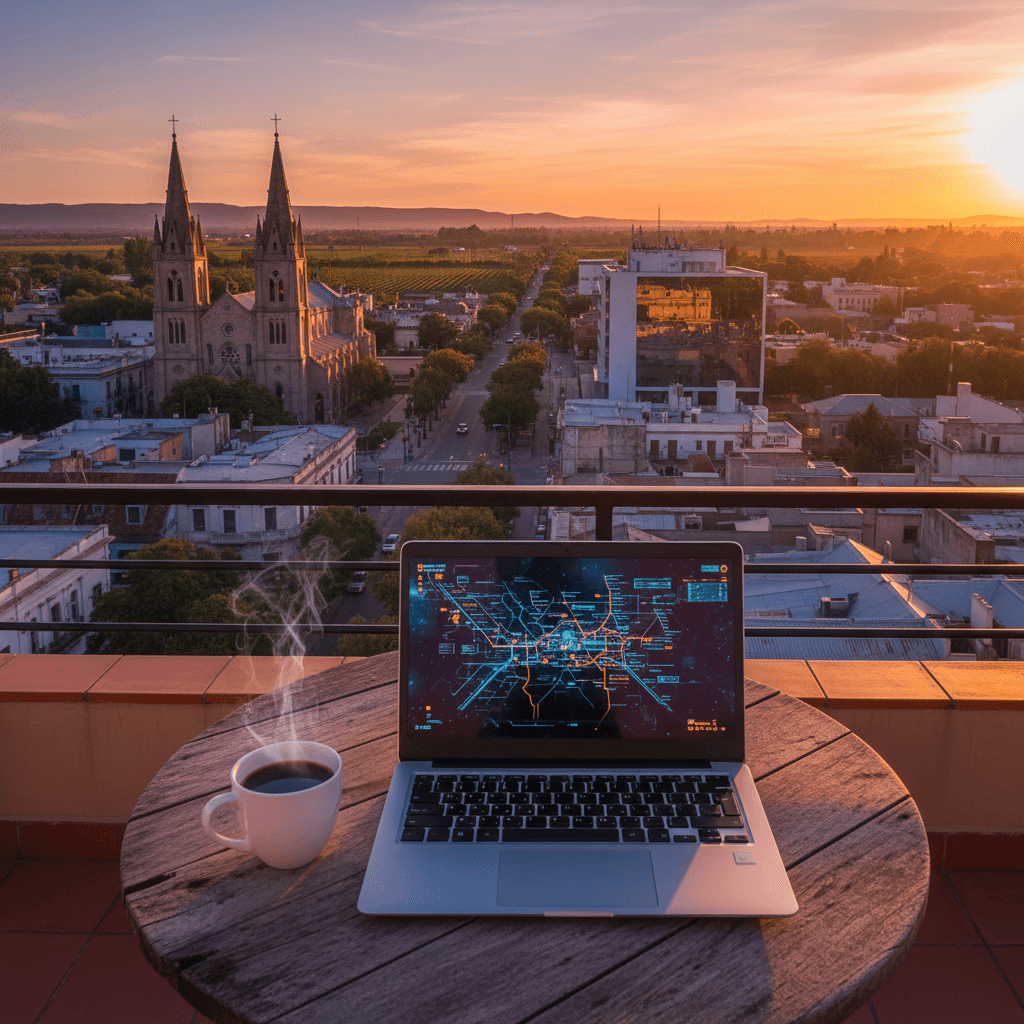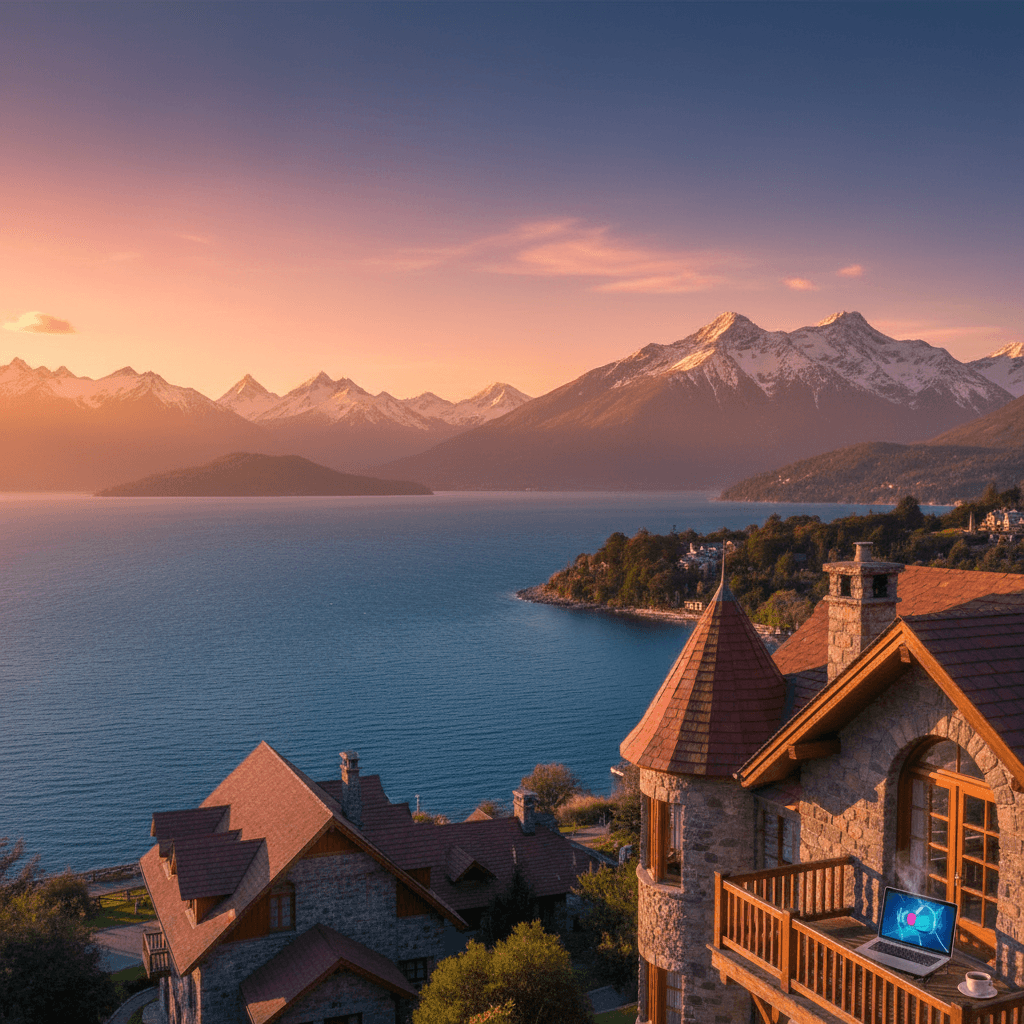
Bariloche
🇦🇷 Argentina
The Swiss-Patagonian Soul
Bariloche doesn't feel like the rest of Argentina. While Buenos Aires is all about late-night tango and European grandeur, Bariloche is where the country goes to breathe. Nestled against the jagged peaks of the Andes and the deep blue expanse of Nahuel Huapi Lake, it feels like a Swiss alpine village that took a wrong turn and ended up in South America. You'll find chocolate shops on every corner of the Centro Civico and log-cabin architecture that makes you want to swap your laptop for a pair of hiking boots.
The vibe here is a slow-burn adventure. It's a place where your morning "commute" might involve a brisk walk past stone clock towers and your post-work wind-down is a pint of local craft IPA at a lakeside brewery. Most nomads find the pace refreshing, though it requires a bit of patience. Things move slower here, and that's exactly why people stay.
What It Costs to Live Here
Argentina's economy is famously volatile, but for those earning in stronger currencies, Bariloche remains a high-value destination. While the average local income sits around US$900 a month, a solo nomad can live comfortably on about $1,600 a month, though you can scrape by on $1,200 if you stick to shared housing and local choripan stands. If you want the full experience with a lake-view apartment and frequent steak dinners, budget closer to $2,200.
- Studio/1BR in Centro: $1500 to $2000 per month.
- Lakeside Apartment (Bustillo): $500 to $800 per month.
- Mid-range Asado Dinner: $10 to $15.
- Daily Coworking Pass: $5 to $10.
- Bus Ride (Sube card): $0.50 to $1.
Choosing Your Base
Where you stay dictates your entire experience. Travelers usually split between the convenience of the city center and the serenity of the lake road.
Centro (Centro Civico)
- Best for: Walkability and social life.
- The Draw: You're steps away from the best chocolate shops, the main bus hub, and the highest concentration of bars. It's the only place where you don't strictly need a car or an Uber to get things done.
- The Downside: It gets loud and crowded during the peak ski season from July to September.
Bustillo Corridor
- Best for: The "Patagonian Dream" lifestyle.
- The Draw: This road stretches along the lake. You'll find Airbnbs with floor-to-ceiling windows overlooking the water and easy access to hiking trails.
- The Downside: You'll rely on the Sube card for buses or Uber, which can be spotty in the more remote stretches. WiFi can also be hit-or-miss the further you get from the city core.
Dina Huapi
- Best for: Long-term expats and budget seekers.
- The Draw: Located about 15 minutes east of the city, rents are significantly lower here, around $300 to $500 for a decent spot. It has a much more local, quiet feel.
- The Downside: A car is almost mandatory, and there are very few amenities for remote workers.
The Digital Nomad Reality
Let's be honest about the work side of things. Bariloche is a nature destination first and a tech hub second. While the city has decent broadband averaging around 20 Mbps, it can get shaky during storms or in the mountain shadows. Most nomads gravitate toward La Compañia or Open Work Bariloche when they have serious meetings. If you prefer cafes, Chimi Bar de Choris is a local favorite where you can grab a choripan for $4 and knock out some emails with a beer in hand.
The social scene revolves around the outdoors. You won't find a massive nomad community like you would in Medellin or Lisbon. Instead, you'll meet people at the craft breweries or on the trails. Expats recommend learning at least basic Spanish; while people in the Centro Civico might speak some English, your landlord and the local butcher almost certainly won't. It's a place that rewards those who put in the effort to integrate.
Safety is rarely an issue, though petty theft happens in crowded tourist spots. The real "danger" is the weather. Summer (December to February) is spectacular for lakeside living, but winter is cold and snowy. If you aren't here to ski, the dark days of July might feel long. But when the sun hits the mountains and you're sitting on a pier with a mate in hand, there's nowhere else you'll want to be.
Bariloche hits that sweet spot where you get Patagonia's rugged beauty without having to sacrifice every creature comfort. Digital nomads should budget closer to US$1,600 to live comfortably. Argentina's economy is famous for its volatility, so while your dollars or euros go a long way, the constant inflation means you'll want to keep a close eye on the "Blue Dollar" exchange rate to get the best value.
Cash is still king here. While bigger hotels and upscale restaurants take cards, you'll find many local shops and smaller cafes prefer cash or local transfer apps. Most nomads find it easiest to use services like Western Union to send themselves money, as ATMs often have low withdrawal limits and high fees. It's a bit of a hurdle at first, but the payoff is a lifestyle that's much cheaper than North America or Western Europe.
Monthly Budget Tiers
- Budget (US$1,200): You're likely staying in a shared house or a modest studio in Dina Huapi, eating plenty of US$3 choripans from Chimi Bar de Choris, and relying exclusively on the Sube card for the bus.
- Mid-range (US$1,600): This covers a nice one bedroom apartment in the Centro, regular meals out at mid-range grills, and the occasional Uber when you don't feel like waiting for the bus.
- Comfortable (US$2,200+): You'll be looking at a lakeview apartment along the Bustillo road, frequent dinners at upscale lakeside spots, and a dedicated desk at a coworking space like La Compañia.
Housing and Rent
The rental market varies wildly depending on how close you want to be to the water. If you want to be in the heart of the action, a studio or one bedroom in Centro typically runs between US$1500 and US$2000. It's walkable and convenient, but it gets loud during the peak ski season from July to September.
Expats who want that iconic Patagonia view usually head to the Bustillo Corridor. Expect to pay US$500 to US$800 for a place with a view of Nahuel Huapi Lake. If you're looking for a more local vibe and lower prices, Dina Huapi offers rents between US$300 and US$500, though you'll definitely need a car if you stay out there.
Day-to-Day Expenses
Eating out is one of the best parts of living here. You can grab a quick street food lunch for under US$5, while a full asado dinner with wine usually lands between US$10 and US$15. Even the high end lakeside restaurants rarely cross the US$30 mark for a massive meal.
- Coworking: Day passes at spaces like Open Work Bariloche or Roof126 cost between US$5 and US$10.
- Transport: A ride on the public bus using your Sube card is roughly US$0.50 to US$1. Short Uber trips around town usually cost between US$3 and US$7.
- Groceries: A weekly shop for one person averages US$40 to US$60, though imported goods will spike that quickly.
- Connectivity: A local SIM or an eSIM like Saily starts around US$5 for basic data packages.
Travelers often say the biggest surprise isn't the price of rent, but the cost of gear. If you plan on skiing or hiking, bring your own equipment. Import taxes in Argentina make electronics and technical outdoor gear significantly more expensive than in the US or Europe. If you need a new laptop or a high end down jacket, buy it before you land in Bariloche.
For Digital Nomads: Centro (Centro Cívico)
If you're landing in Bariloche for the first time, Centro is your tactical base. It's the most walkable part of the city, placing you within a few blocks of the iconic chocolate shops on Calle Mitre and the main public transport hub. Most nomads gravitate here because it's the only area where you can reliably hop between a coworking space and a late night craft beer spot without needing a car or a long Uber ride.
The vibe is energetic and social. You'll find yourself working from La Compañía or Open Work Bariloche during the day and grabbing a $4 choripán at Chimi Bar de Choris for lunch. While it's the most convenient spot for solo travelers to meet people, be prepared for the noise. Between July and September, the streets fill with ski crowds and student groups, so look for apartments a few blocks uphill from the lake to get a bit of quiet.
- Average Rent: $400 to $600 for a studio or 1BR apartment.
- Pros: High walkability, best access to coworking, and easy bus connections to hiking trails.
- Cons: Can feel touristy and loud during peak seasons; smaller living spaces.
For Expats and Nature Lovers: The Bustillo Corridor
The Bustillo Corridor is the long stretch of road winding west along the shores of Nahuel Huapi Lake. This is where you'll find the "Patagonian dream" lifestyle. Expats who plan to stay for several months usually choose this area for the staggering lake views and proximity to the mountains. It feels less like a city and more like a collection of boutique lodges and hidden cabins tucked into the forest.
Living here requires a bit more planning. You'll likely rely on Uber or the Sube card bus system to get into town, as it's not a walkable area. WiFi can be hit or miss depending on how deep into the trees you are, so always ask for a speed test before signing a lease. It's the perfect spot if your priority is waking up, seeing the Andes, and hitting a trailhead by 4:00 PM.
- Average Rent: $500 to $800 for a house or high end apartment with a view.
- Pros: Incredible scenery, quieter atmosphere, and better access to outdoor activities.
- Cons: Requires transport for groceries and socializing; internet stability varies.
For Families and Value Seekers: Dina Huapi
Located about 15 minutes east of Bariloche, Dina Huapi is technically a separate municipality but functions as a quiet residential suburb. It sits where the lake meets the steppe, offering a different, windier landscape than the forested west side. Families and long term expats often move here to escape the "tourist tax" of the city center and find more spacious homes with actual yards.
The community feel here is much more local. You won't find many nomad meetups, but you will find lower prices at the supermarket and a safer, suburban environment for kids. You'll definitely want a car if you live out here, as the commute into Bariloche for coworking or specialized shopping can get old quickly on the bus.
- Average Rent: $300 to $500 for larger, family style homes.
- Pros: Most affordable rents in the area, peaceful local community, and easy lake access.
- Cons: Car is almost essential; very few amenities or nightlife options.
For Solo Travelers: Melipal and Belgrano
If Centro feels too chaotic but the far reaches of Bustillo feel too isolated, the neighborhoods of Belgrano (just above the center) and Melipal (at Kilometer 4) are the sweet spots. These areas are popular with solo travelers who want a residential feel while staying close to the action. Melipal has its own small cluster of cafes and grocery stores, so you don't always have to trek into the main plaza for daily needs.
Many travelers recommend these spots because they offer a better balance of price and comfort. You can often find modern apartments with reliable fiber optic internet that are still only a $5 Uber ride from the bars in the Centro Cívico. It's the best way to live like a local without sacrificing the convenience of city life.
- Average Rent: $450 to $650 for mid range apartments.
- Pros: Great balance of quiet and convenience; more reliable modern infrastructure.
- Cons: Steep hills in Belgrano can be a workout; Melipal still requires a short commute to the center.
Getting Connected
Internet in Bariloche is a bit of a mixed bag. In the city center, you can expect broadband speeds around 50 Mbps or higher, which is plenty for video calls and standard remote work. However, the further you move toward the mountains or along the Bustillo corridor, the more the signal tends to waver. Mobile data is generally reliable in urban areas, but it can drop out entirely if you are deep in the woods or on a remote hiking trail.
For your phone, skip the hassle of hunting for a physical SIM shop and grab an eSIM through Saily. Plans usually start around $5. If you prefer a local physical SIM, Claro and Movistar have the best coverage in the region. Most nomads recommend getting a screenshot of a speed test from your Airbnb host before booking, especially if you are staying outside the Centro Civico.
Coworking Spaces
The coworking scene is small but high quality. You won't find the massive hubs typical of Buenos Aires, but the local spots are friendly and offer a solid community vibe. Daily rates generally hover between $5 and $10.
- La Compañia: Often cited as the most reliable spot for serious work. It has a professional atmosphere and a consistent community of local entrepreneurs and expats.
- Open Work Bariloche: A great alternative in the center with flexible desks and good coffee.
- Roof126: Known for its modern setup and comfortable ergonomics.
- Fab Lab Brc: A more creative, maker oriented space that occasionally hosts workshops and events.
The Cafe Office Culture
If you prefer a more casual environment, Bariloche has a deep cafe culture. However, don't expect a typical "laptop cafe" scene on every corner. In Patagonia, people take their downtime seriously, and you'll see more locals sharing mate than typing on MacBooks.
For a unique work session, head to Chimi Bar de Choris. It is a favorite for nomads who want to grab a $4 choripan and a craft beer while clearing out their inbox. The atmosphere is relaxed, and the staff won't hover if you stay for a couple of hours. Just keep in mind that public squares offer free city WiFi, but the performance is hit or miss, usually rating about a 6 or 7 out of 10 for reliability.
Practical Tips for Remote Workers
Power outages are rare but can happen during heavy winter snowstorms between July and September. If your work is time sensitive, it is smart to have a backup battery and a mobile hotspot ready. Most nomads find that the trade off for slightly slower internet is the ability to hit the trails or the lake the second the laptop closes.
If you are planning a longer stay, giving you plenty of time to experience both the ski season and the summer lakeside weather.
Personal Safety and Street Smarts
Bariloche is generally a safe haven compared to the frantic energy of Buenos Aires. Most nomads find the vibe relaxed and welcoming, but you shouldn't let the mountain air make you too complacent. Petty theft, like phone snatching or bag dipping, does happen, particularly around the Centro Civico and the main tourist drags where crowds gather for festivals or live music.
Travelers often say the city feels secure during the day, but it is best to avoid poorly lit or isolated areas once the sun goes down. There aren't specific "no-go" zones that locals warn against, but the outskirts can get gritty. If you are staying out late at a craft beer bar in the center, grab an Uber or a radio taxi instead of walking long distances back to your rental, especially if you are carrying a laptop.
- Emergency Numbers: Dial 107 for an ambulance or 101 for the police.
- Solo Travelers: Stick to the well-trafficked Bustillo Corridor or the Centro for the most secure experience.
- Hiking Safety: Always register your trekking plans with the Club Andino Bariloche or the National Park office. The terrain is rugged, and weather flips fast.
Healthcare and Medical Facilities
The air quality in Patagonia is pristine, and the food safety standards are high, so you likely won't deal with the typical traveler stomach bugs. However, if you do get sick or twisted an ankle on a trail, the healthcare system is a bit of a mixed bag. Public hospitals exist but are often crowded and under-resourced. Expats recommend heading straight to private clinics for faster service and better facilities.
Most doctors in the private sector speak some English, though having a translation app like Google Translate handy is a smart move for explaining specific symptoms. You will find that pharmacies are everywhere, easily spotted by their green crosses. They are well-stocked for basic needs, but if you have a specific prescription, bring a six-month supply with you since local brands might differ.
- Private Clinics: Look for Sanatorio San Carlos or Hospital Privado Regional for the best care.
- Insurance: Always carry a digital and physical copy of your travel insurance card; private clinics will expect proof of coverage or an upfront cash payment.
- Pharmacies: Many offer 24-hour "turno" services on a rotating basis. Check the signs in the windows of any closed pharmacy to see which one is open that night.
Environmental Hazards
The biggest threat to your health here isn't crime, it is the environment. The sun at this altitude is surprisingly intense, even when it feels chilly. Nomads often forget to pack high-SPF sunscreen and end up with nasty burns after a day on the lake. If you are visiting during the winter months of July through September, be wary of "black ice" on the sidewalks in the Centro, which can be treacherous if you don't have boots with good grip.
Water quality is excellent in town, and most people drink straight from the tap without issue. If you are out hiking, don't drink from the streams regardless of how clear they look; local parasites can ruin your week. Stick to bottled water or use a filter if you are deep in the backcountry.
The Sube Card is Your Best Friend
If you plan on using the public bus system, your first mission is to find a Sube card. These are the same rechargeable cards used in Buenos Aires; you can't pay with cash on the bus. You'll find them at kiosks (look for the blue Sube sticker in windows), though they can occasionally be out of stock. A single ride typically costs between $0.50 and $1.00, making it the most cost-effective way to reach trailheads or move between the Centro and the Bustillo corridor.
The bus network is reliable and covers most of the main arteries, but it gets crowded during the ski season and peak summer months. Download the Mi Bus app or check local schedules to track times, especially for the last runs back from the mountains. Missing the final bus from a hike can turn into an expensive logistical headache.
Ride-Hailing and Taxis
Uber has become a steady presence in Bariloche, providing a much-needed alternative to the city's somewhat fickle taxi fleet. It's generally reliable for short trips around the city center or getting home after a few craft beers at Chimi Bar de Choris. Expect to pay between $3 and $7 for a standard ride within the city limits.
While Uber works well in urban areas, it can be spotty if you're staying further out in remote parts of the Bustillo road or near Dina Huapi. Traditional taxis (remises) are available, but they often require a phone call and can be slower to arrive. Most nomads find that having the Uber app as a backup is enough for daily life, but they rely on the bus for long-distance lake excursions.
Airport Transfers
Getting from Teniente Luis Candelaria International Airport (BRC) to your accommodation is straightforward. An Uber to the Centro Civico usually costs between $10 and $20 and takes about 20 to 30 minutes depending on traffic. If you're on a budget, you can use your Sube card on the public bus that services the airport, but be prepared for a longer journey if you're hauling heavy luggage.
Walking and Biking
The Centro Civico and the immediate downtown area are highly walkable. You can easily bounce between coworking spaces like La Compañia and the various chocolate shops on foot. However, Bariloche is not a particularly bike-friendly city. The main roads are narrow, winding, and often lack shoulders or dedicated bike lanes. While you can rent bikes for specific scenic routes like the Circuito Chico, using a bicycle as your primary mode of transport isn't recommended by most expats due to the hilly terrain and aggressive traffic.
The Car Rental Question
If you've opted for a more secluded life in Dina Huapi or deep along the lakefront, a car becomes almost mandatory. Renting a vehicle gives you the freedom to explore the Seven Lakes Route or reach less-crowded trailheads that the buses don't service. Just keep in mind that parking in the Centro can be a nightmare during the high seasons of July to September and January to February. If you're staying central, skip the rental and stick to the Sube card and the occasional Uber.
The Linguistic Landscape
Expect a bit of a learning curve if your Spanish is rusty. Bariloche isn't Buenos Aires; while the capital feels like a European hub where English is common, this Patagonian outpost leans heavily into its local tongue. In the tourist heavy Centro Civico, you can usually get by with English at major hotels or upscale restaurants, but once you step into a local hardware store or a neighborhood cafe in Dina Huapi, you'll need the basics to get things done.
Most digital nomads find that having a translation app like Google Translate downloaded for offline use is a lifesaver. The local proficiency level is generally rated as low to moderate, so don't be surprised if your Uber driver or the person selling you a Sube card doesn't speak any English at all. Locals are incredibly patient and friendly, though, and they appreciate any effort you make to speak their language.
Regional Nuances and Slang
Argentine Spanish is famous for its "sh" sound (the yeísmo rehilado). If you learned Spanish in Spain or Mexico, hearing "calle" pronounced as "ca-she" might throw you off at first. You'll also encounter the voseo, where people use vos instead of tú. It’s a warmer, more informal way of connecting that fits the relaxed mountain vibe of the city.
- Greeting: Always start with a "Buen día" or "Buenas tardes." It goes a long way in setting a friendly tone.
- Mate culture: If someone offers you a sip of mate, it’s a social invitation. You don't need to say "gracias" until you are completely finished and don't want any more.
- Common phrases: Learn "¿Cuánto cuesta?" (How much?) and "¿Dónde está...?" (Where is...?) for daily errands.
Staying Connected
Communication isn't just about what you say, it's about staying online. While the city has free WiFi in some public squares, the performance is mediocre at best. For reliable data while you're out scouting hiking trails or working from a cafe like Chimi Bar de Choris, an eSIM is the way to go. Saily offers plans starting around $5, which is a solid backup for when your Airbnb's mountain WiFi inevitably flickers during a storm.
If you're staying long term, expats usually recommend getting a local physical SIM from providers like Movistar or Personal. Just keep in mind that mobile signals drop off significantly as you move further into the mountains or along the more remote parts of the Bustillo Corridor. If you have a high stakes Zoom call, stick to a dedicated coworking space like La Compañia or Open Work Bariloche where the infrastructure is more stable.
Socializing and Community
Since the nomad scene here is smaller than in the north, communication often happens in smaller, organic circles. You won't find massive, organized nomad meetups every night of the week. Instead, the social life revolves around the craft beer scene. Places like Manush or the various bars around the center are where people congregate. Joining local WhatsApp groups or expat Facebook pages for the Dina Huapi area is the best way to stay in the loop about local events, as word of mouth is still the primary way people connect here.
When to Pack Your Bags
Bariloche is a town of two distinct faces. Because it sits in the Southern Hemisphere, the seasons are flipped from what North Americans and Europeans are used to. Most nomads find that their experience depends entirely on whether they’re chasing powder or looking for lakeside sun. It's a year round destination, but the "vibe" shifts dramatically every few months.
Summer: Peak Adventure (December to February)
This is widely considered the golden window for remote workers. The days are long, the sun is out, and the thermometer usually hovers around 18°C to 20°C. It’s warm enough to jump in Lake Nahuel Huapi, though the water stays brisk even in January. This is the best time for hiking the trails around the Bustillo corridor without worrying about sudden snow squalls.
- Pros: Perfect weather for outdoor "office" days; all hiking trails are open; lively atmosphere in Centro.
- Cons: Accommodations can get pricey as local tourists flock to the lake; popular spots like Chimi Bar de Choris get crowded.
Winter: The Ski Season (June to August)
If you're a skier or snowboarder, this is your time. July and August are the peak of the winter season, with temperatures often dipping to -1°C at night and staying around 5°C during the day. The city transforms into a Swiss style winter wonderland, and the Cerro Catedral ski resort becomes the center of the universe. Expats recommend booking your apartment months in advance if you plan to stay during this window.
- Pros: World class skiing and snowboarding; cozy nights with craft beer and asado; beautiful snow covered landscapes.
- Cons: The coldest months; WiFi can be more temperamental during storms; the city center gets very congested with ski crowds.
The Shoulder Seasons: Budget and Quiet
For nomads looking for a bargain and some peace, March to May (Autumn) and September to November (Spring) are the sweet spots. Autumn is particularly stunning as the trees turn deep reds and oranges. You'll find that rent prices in areas like Dina Huapi or the lakefront rentals can drop significantly during these months.
Spring is a bit of a gamble. September still feels like winter, while November starts to see the rain pick up. However, the wildflowers in the mountains are spectacular. If you don't mind wearing a few extra layers, you'll have the hiking trails and the tables at La Compañia coworking space mostly to yourself.
Monthly Weather Snapshot
- January: High 20°C / Low 8°C. Dry and sunny. The best month for lake life.
- April: High 12°C / Low 2°C. Crisp air and fall colors. Great for focused work.
- July: High 5°C / Low -1°C. Peak snow. Bring your heaviest coat.
- October: High 13°C / Low 2°C. Windy and unpredictable, but the crowds are gone.
The Verdict
Most travelers agree that December through February offers the best balance for the nomad lifestyle. You get the best of the Patagonian nature without the logistical headaches of heavy snow. If you can't make summer work, aim for March. The weather is still mild, the crowds have thinned out, and the internet connection in the Centro cafes tends to be more stable when the city isn't at 100% capacity.
Connectivity and Workspace
You'll find speeds averaging around 50 Mbps for broadband. It's generally stable enough for Zoom calls in the city center, but the signal tends to drop off once you head into the mountains or further out along the lake. Most nomads recommend getting an eSIM like Saily for about $5 to stay connected while hiking, though local physical SIMs are an option if you have the patience for the paperwork.
Coworking spaces aren't on every corner here, but the ones available are solid. La Compañia and Open Work Bariloche are the go-to spots, typically costing between $5 and $10 per day. If you prefer a more casual vibe, the cafe culture is strong. You can easily set up at Chimi Bar de Choris with a beer and a choripan. Just remember that locals are much more likely to be sipping mate than espresso, so don't expect a high-end third-wave coffee shop on every block.
Money and Budgeting
Argentina's economy is famous for its volatility, so cash is still king for many small vendors. While you can use cards in larger supermarkets and hotels, you'll want to keep pesos on hand for street food or local markets. Many expats use Wise or Revolut to manage their funds, but withdrawing cash can sometimes be a hassle with low ATM limits.
For a solo nomad, a $1,600 monthly budget allows for a comfortable lifestyle. If you're looking to save, you can get by on $1,200 by staying in shared housing and using the bus system. On the higher end, $2,200 a month gets you a premium apartment with lake views and frequent dinners at upscale grills. Expect to pay around $10 to $15 for a mid-range asado meal, while a quick choripan on the street will only set you back about $3 to $5.
Getting Around
The Sube card is your lifeline here. It's the same card used in Buenos Aires and is required for all public buses. Rides are cheap, usually between $0.50 and $1. Buses are reliable for getting to major trailheads, but they can get packed during the ski season. If you're staying in the Centro Civico, most things are walkable, but for anything further out, Uber is now active in the city. A short trip usually costs between $3 and $7, though drivers can be scarce in remote areas or late at night.
Safety and Health
Bariloche is generally very safe, especially compared to larger Latin American hubs. The main thing to watch for is petty theft in crowded tourist spots like the Centro Civico. Don't leave your bag unattended while taking photos of the stone architecture. If you're heading into the backcountry, always check the weather and trail conditions first. For medical needs, expats usually head to private clinics rather than public hospitals. If you have an emergency, dial 107 for an ambulance or 101 for the police.
Seasonal Timing
Your experience will change drastically depending on when you arrive. July through September is peak ski season. The city is buzzing, but prices spike and the crowds can be overwhelming. Summer, from December to February, is arguably the best time for nomads. The weather is mild, with highs around 20°C (68°F), making it perfect for lakeside working sessions. If you hate the cold, avoid June through August, when temperatures frequently dip below freezing and snow is common.
Local Customs
The pace of life is slower here. Greet people with a friendly "buen día" and don't be surprised if meetings start ten minutes late. Spanish is the primary language, and while you'll find English in tourist shops, it's fairly limited elsewhere. Using a translation app is helpful, but learning basic phrases will go a long way with the locals. If you're planning a long-term stay, the Argentina Digital Nomad Visa is available for an initial 180 days and can be extended for another 180 days.
- Studio in Centro: $400 to $600 per month
- Lakeview Apartment (Bustillo): $500 to $800 per month
- Dina Huapi Rental: $300 to $500 per month
Need visa and immigration info for Argentina?
🇦🇷 View Argentina Country GuideHidden Gem
Worth the effort
Monthly Budget Estimates
More cities in Argentina
San Martín de los Andes
🇦🇷 Argentina
Villa La Angostura
🇦🇷 Argentina
La Plata
🇦🇷 Argentina