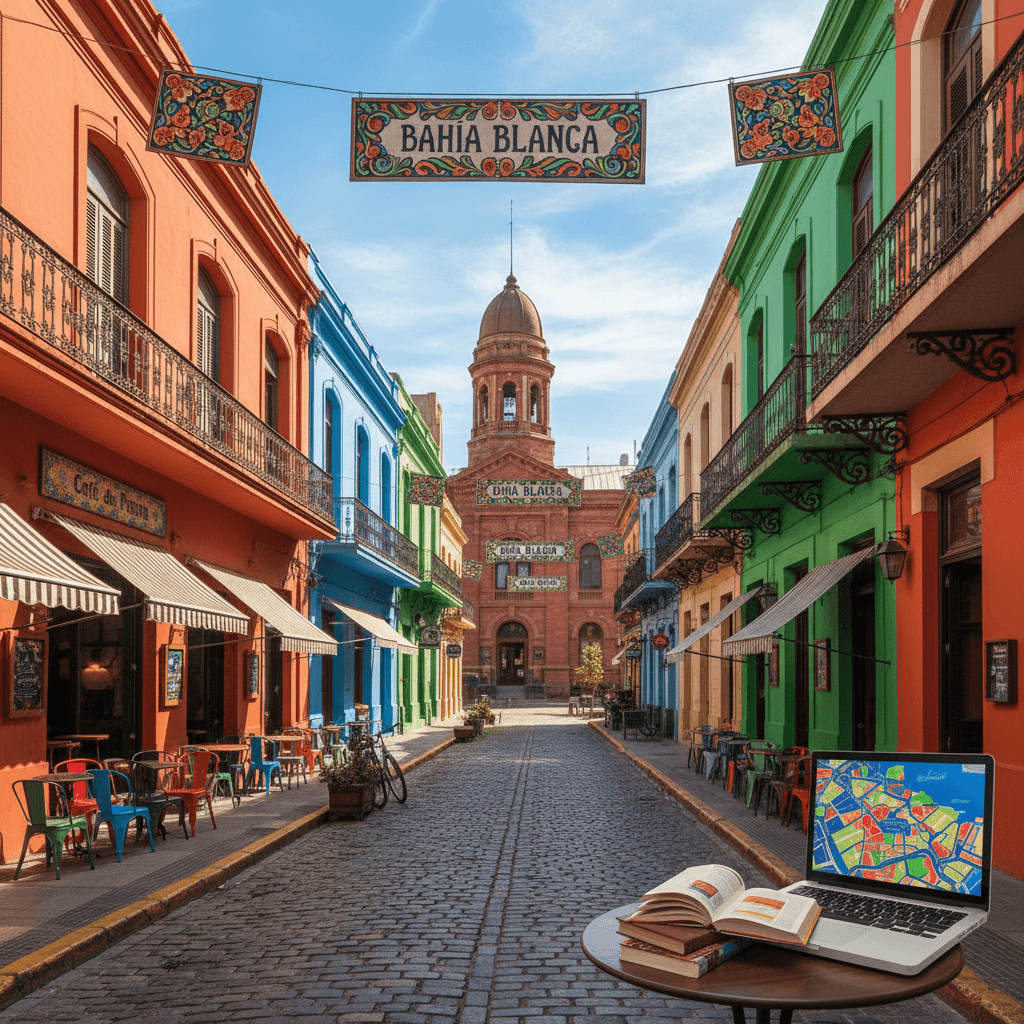
Bahía Blanca
🇦🇷 Argentina
The Gateway Vibe
If Buenos Aires is a high-octane tango, Bahía Blanca is a slow, rhythmic folk song. It is a city that doesn't feel the need to perform for tourists. Located as a strategic bridge between the pampas and the rugged beauty of Patagonia, it serves up a lifestyle that is refreshingly unpretentious. Most nomads who land here are looking for a break from the "digital nomad bubble" found in Palermo or Medellín. You are trading rooftop bars and artisanal avocado toast for leafy plazas, quiet afternoon siestas, and a community where people actually stop to talk to you.
The atmosphere is defined by its port-city heritage and a strong Italian influence. You'll feel this in the local architecture and the obsession with quality pasta and gelato. It's a place where the internet is surprisingly snappy, but the pace of life remains firmly analog. People value their downtime, and while the nightlife won't win any awards for intensity, the social scene revolves around long, late-night dinners that stretch into the early hours of the morning.
What You'll Pay
Your dollars go significantly further here than in the capital. You can maintain a high quality of life for around $1000-$1500 a month, though budget-conscious travelers can easily get by on even less if they lean into local habits. Rent is the biggest win; a solid one-bedroom apartment in a good area typically runs between $250 and $450. If you are willing to stay slightly further out, prices can drop even lower.
Daily expenses are equally manageable. A quick lunch of empanadas or street food will set you back about $3 to $5, while a nice sit-down dinner at a mid-range spot costs roughly $15. For those who enjoy the finer things, even the most upscale dining experiences rarely cross the $30 mark. Transport is a non-issue, with local bus rides costing about $0.50 and ride-hailing apps like Uber or Cabify charging $5 to $10 for most cross-town trips.
Settling In: Neighborhoods
Bahía Blanca is a city of distinct pockets, each offering a different version of Argentine life. Most remote workers gravitate toward the center for the sake of convenience and reliable infrastructure.
- The City Center: This is the heartbeat of Bahía. It's highly walkable and keeps you close to the main transport hubs and the best cafes. It is quiet by big-city standards but has everything you need within a ten-minute stroll.
- The Coast and Harbor: Perfect if you need a view of the water to feel inspired. It's more relaxed and offers great outdoor access for morning runs, though you'll find fewer amenities and coworking options here.
- The Residential Outskirts: Favored by those staying long-term or traveling with families. It's spacious and peaceful, but you'll definitely want to use ride-hailing apps to get into the thick of things.
The Remote Work Reality
Don't let the sleepy exterior fool you. The infrastructure here is professional-grade. With average internet speeds of 50-100 Mbps, you won't be sweating over Zoom calls or large uploads. While dedicated coworking spaces are still an emerging concept, the "cafe office" culture is alive and well. You can park yourself in a cozy corner for the price of a coffee and work for hours without being hassled.
For your phone, grab a SIM card from Claro or Movistar at any local kiosk. It'll cost you about $10 to $20 a month for a beefy data plan. Most nomads find the connectivity consistent and reliable enough for serious professional needs, which is a huge plus compared to some of the more remote Patagonian outposts further south.
Safety and Socializing
Safety is comparable to most mid-sized Argentine cities. It feels much safer than the gritty parts of Buenos Aires, but you should still use common sense. Don't flash your MacBook in isolated parks at night and keep an eye on your belongings in crowded areas. Healthcare is solid, with local hospitals and pharmacies providing standard Argentine care. In an emergency, dial 107 for an ambulance or 101 for the police.
Socially, the city requires a bit of effort. You won't find a massive expat community here, which is actually a blessing if you want to learn Spanish. English isn't widely spoken, so downloading Google Translate or Duolingo is a must. To meet people, check out local Facebook groups. The locals are generally warm and curious about visitors, often welcoming you into their circles if you show an interest in the local culture, the food, or the local basketball scene, which is a huge point of pride in Bahía Blanca.
The Bottom Line on Budget
Living in Bahia Blanca feels like getting a massive discount on the Argentine experience. While Buenos Aires often demands a premium for its prestige, this southern hub allows you to stretch your dollars significantly further. Most nomads find they can live a high quality life here for around $1000-$1500 per month. That figure covers a comfortable apartment, plenty of steak dinners, and your daily caffeine fix at local cafes.
When you compare it to the costs you would spend for a similar lifestyle in the capital, the savings add up. It is the kind of place where you can stop worrying about every peso and actually enjoy the pace of life. You are trading the frantic energy of a metropolis for a steady, reliable environment that treats your wallet with respect.
Where to Plant Your Flag
The city layout is straightforward, and your choice of neighborhood usually comes down to how close you want to be to the action. Expats and remote workers typically gravitate toward these three areas:
- Central Bahia Blanca: This is the sweet spot for walkability. You are close to the main transport hubs and the best cafes. Rent for a 1BR: $250-$450. Pros: Everything is within reach. Cons: It gets quiet early in the evening.
- The Outskirts: If you need more space or a garden, head further out. Rent for a 1BR/Studio: $300 to $400. Pros: Very peaceful and budget friendly. Cons: You will rely heavily on buses or ride hailing apps to get anywhere interesting.
- The Harbor District: A more relaxed, scenic vibe perfect for solo travelers who like being near the water. Rent: Variable, but usually around $500. Pros: Great for outdoor walks. Cons: Fewer amenities and grocery options compared to the center.
Daily Expenses and Lifestyle Costs
Eating out is one of the biggest perks here. You can grab a quick lunch of empanadas or street food for $3 to $5. If you want a proper sit down meal at a mid range restaurant, expect to pay between $10 and $15. Even when you decide to go upscale for a full asado experience with wine, you will rarely cross the $30 mark. It makes cooking at home feel entirely optional.
Getting around is equally cheap. A ride on the public bus system costs roughly $0.50, and it is reliable enough for most daily errands. For late nights or grocery hauls, ride hailing apps like Uber or Cabify are the standard, with most trips across town costing between $5 and $10. If you prefer a more private option, a monthly taxi budget of $50 usually covers the basics for a frequent traveler.
Connectivity and Working
You won't have to hunt for a signal here. Internet speeds average around 100 Mbps, which is more than enough for video calls and heavy uploads. While dedicated coworking spaces are still an emerging scene, you can find professional environments for $100 to $200 per month. Many nomads simply rotate between local cafes, which generally offer free WiFi with your purchase. For mobile data, pick up a SIM card from Claro or Movistar at any local kiosk for about $10 to $20 per month.
Safety and Healthcare
The city is generally safe, but it requires the same common sense you would use in any urban area. Stick to well lit streets at night and keep an eye on your belongings in crowded spots. Healthcare is accessible and meets the high standard found throughout Argentina. If you have an emergency, dial 107 for an ambulance or 101 for the police. Local pharmacies are well stocked and easy to find in the central districts.
For Digital Nomads: The City Center
If you need to be within walking distance of a decent flat white and a reliable Wi-Fi signal, the Central Bahía Blanca district is your best bet. It functions as the heartbeat of the city, where the traditional Italian architecture meets the modern convenience of the banking district. You'll find most of the city's informal coworking spots here, as nomads generally prefer working from the local cafes that line the main plazas.
- Rent: Expect to pay between $400 and $600 for a modern one bedroom apartment.
- Connectivity: This area boasts the most stable fiber optic connections, with speeds around 100 Mbps average.
- Vibe: Professional but relaxed. It is walkable, safe during the day, and puts you near the main transport hubs for weekend trips.
While the nightlife is more subdued than what you would find in Palermo Soho, the center offers the best concentration of craft beer bars and empanada shops. It is the most practical choice for anyone keeping standard office hours while managing a remote team.
For Expats and Long-Term Residents: Universitario
Expats looking for a more residential feel often gravitate toward the areas surrounding the Universidad Nacional del Sur. This neighborhood has a youthful energy without the noise of the absolute city center. It is a great middle ground for those who want a "real" Argentine neighborhood experience while staying close to amenities.
- Rent: Mid-range apartments typically go for $450 to $550.
- Lifestyle: You will find more green spaces and smaller, family owned grocery stores.
- Social: This is a prime spot to practice your Spanish, as English is less common here than in the tourist hubs of Buenos Aires.
Living here feels less like being a tourist and more like being part of the community. You'll likely get to know your local delete butcher and the person running the neighborhood kiosk within a week.
For Families: The Northern Outskirts
Families usually trade the walkability of the center for the space and tranquility of the northern outskirts. These residential zones offer larger homes, often with backyards or patios, which are a rarity in the high density center. The pace is significantly slower, and the air feels a bit fresher away from the port and the main bus terminals.
- Rent: Larger houses can be found for $600+, offering much better value per square foot than central studios.
- Transport: You will likely want to use ride hailing apps like Uber or Cabify, which cost about $5 to $10 per trip into the center.
- Safety: These areas are known for being very quiet and low traffic, making them ideal for kids.
The trade off is the commute. If you are homeschooling or working entirely from home, the distance isn't an issue, but you will need to plan your grocery runs and social outings more carefully.
For Solo Travelers: Near the Coast and Harbor
If you are in town for a shorter stint and want a more scenic, relaxed atmosphere, look toward the areas closer to the estuary and the harbor. It is a bit more rugged and industrial in parts, but it offers a unique maritime character that defines Bahía Blanca’s history. It is perfect for those who enjoy long afternoon walks and a slower, more contemplative environment.
- Rent: Budget friendly options are available for around $300 to $400.
- Activities: Great access to outdoor spaces and coastal paths for cycling or running.
- Atmosphere: Very quiet at night. It is a place to recharge rather than a place to party.
Solo travelers often find the locals here to be incredibly curious and welcoming. Since there aren't many "gringo trails" in this part of the province, you'll find that people are genuinely interested in why you've chosen their city, making it easy to strike up a conversation over a mate in the park.
Digital Reliability in a Slower Pace
If you're coming from the frantic energy of Buenos Aires, Bahía Blanca feels like a breath of fresh air. It’s a city that actually lets you get work done without the constant distraction of a thousand events. The infrastructure is surprisingly robust for a mid-sized hub. You can expect average speeds of 50-100 Mbps, which is more than enough for heavy Zoom schedules or uploading large files. Most nomads find the connection stable and consistent, even during peak hours.
While you won't find a massive "coworking district" like you would in Palermo, the city has a growing professional culture. Most remote workers here opt for a hybrid approach. They use their apartments for deep work and head to the city's cozy cafes when they need a change of scenery. Prices for dedicated desk space in the city generally hover between $100 and $200 per month, though many locals prefer the flexibility of pay-as-you-go sessions.
Top Places to Plug In
The central area is your best bet for finding a workspace with reliable power outlets and decent acoustics. Since the city serves as a major gateway to Patagonia, the local cafes are used to people staying a while with a laptop. Here is how the costs usually break down:
- Local Cafes: Usually free with a $3 to $5 purchase of coffee and a media luna.
- Standard Coworking Desk: Expect to pay around $10 to $15 for a day pass.
- Premium Monthly Access: Prices typically range from $150 to $250 for a dedicated spot with 24/7 access and meeting room credits.
Travelers often say that the "work from anywhere" culture is welcomed here, provided you aren't taking loud calls in a quiet family bistro. If you need a more formal environment, look for emerging spaces near the university or the main plaza, where the Wi-Fi is prioritized over the ambiance.
Staying Connected on the Move
Don't rely solely on public Wi-Fi. It’s hit or miss once you leave the central cafes. Getting a local SIM card is the first thing you should do after dropping your bags. The process is straightforward and much cheaper than roaming. You can pick up a chip at almost any "kiosko" (small convenience store) or official provider store.
- Claro and Movistar: These are the two heavy hitters. Most expats recommend them for the best coverage across the province.
- Data Costs: You can get a solid data package for $10 to $20 per month.
- Refills: Use the "Carga Virtual" system found in most pharmacies and kiosks to top up your balance.
If you're planning on taking the bus to the coast or heading south toward Patagonia, having a local SIM is vital. Signal strength remains strong within the city limits but can drop off quickly once you hit the rural stretches between towns.
Practical Tech Tips
Power outages aren't a daily occurrence, but they can happen during the heat of summer when everyone cranks the air conditioning. It’s a smart move to keep a power bank charged and use your phone as a hotspot if the building's router goes down. For banking and managing your funds while working remotely, most nomads here rely on Wise or Revolut to handle international transfers before withdrawing pesos locally.
Most apartments listed on platforms like Airbnb or Nomad Stays are geared toward professionals. Always ask the host for a screenshot of a speed test before booking a long term stay. If they can't provide one, it’s a sign the internet might be an afterthought rather than a feature. In a city where life moves a bit slower, having your digital life move fast is the key to enjoying the balance Bahía Blanca offers.
A Lower-Stakes Urban Experience
If you're coming from the frantic energy of Buenos Aires or Rosario, Bahía Blanca will feel like a deep exhale. The city maintains a tranquil, laid-back vibe that naturally lends itself to a safer environment for digital nomads. Most travelers find that the "big city" anxieties of theft and scams are significantly dialed down here. You won't find the same level of aggressive street solicitation or tourist-targeted crime that plagues the capital, mostly because Bahía Blanca isn't a traditional tourist trap.
That said, it is still an Argentine port city and a major transit hub. You should stick to the same common-sense habits you'd use in any mid-sized city. Keep your phone tucked away while walking near the main train station or the bus terminal, and avoid wandering into isolated industrial areas near the harbor after dark. Most expats recommend staying in the central districts where the streets are well-lit and there is a steady flow of foot traffic from locals heading to cafes and shops.
Staying Secure on the Ground
The general consensus among the nomad community is that Bahía Blanca is one of the more predictable cities in the province. While there aren't specific "no-go" zones frequently cited by travelers, the outskirts can feel a bit desolate at night. If you're heading home late from a bar or a late-night dinner, skip the walk and use a ride-hailing app like Uber or Cabify. A typical cross-town trip usually costs between $5 and $10, making it a cheap way to ensure you get door-to-door without any hassle.
For emergencies, keep these numbers programmed into your phone:
- 107: Medical Emergencies (Ambulance)
- 101: Police
- 911: General Emergency Services
Healthcare and Medical Services
Healthcare in Bahía Blanca is reliable and follows the high standards found throughout Argentina. The city serves as a regional medical hub, so you'll find well-equipped hospitals and specialized clinics that can handle most issues. For minor ailments or prescription refills, local pharmacies (farmacias) are everywhere. Many are open 24 hours on a rotating schedule known as "de turno," and pharmacists are often helpful with over-the-counter advice for common travel bugs.
Public healthcare is free even for foreigners in emergencies, but the wait times can be grueling. Most nomads prefer using private clinics for a faster, more streamlined experience. If you have international insurance or a local plan like OSDE or Swiss Medical, you'll have access to the best facilities in the city. Expect to pay around $20-$40 for a private consultation if you're paying out of pocket, which is a bargain compared to North American or European rates.
Practical Wellness Tips
The tap water in Bahía Blanca is generally considered safe to drink, though many locals and long-term expats prefer using a filter or buying bottled water due to the high mineral content which can affect the taste. If you have a sensitive stomach, stick to Villa del Sur or Eco de los Andes for the first week while you adjust.
The biggest "health" risk you'll likely face is the sun. During the summer months from December to February, the heat can be intense, often reaching 34°C (93°F). The wind in this part of the country can be deceptive, making it feel cooler than it actually is while you're getting a sunburn. Grab some high-SPF sunscreen at a local Farmacity and stay hydrated, especially if you're spending time near the coast.
Getting Around Bahía Blanca
Bahía Blanca is a major logistics hub, acting as the gateway between the pampas and the rugged landscapes of Patagonia. Because the city is built on a grid system with a compact core, you will find it much more manageable than the sprawling chaos of Buenos Aires. It is a city designed for utility, which makes getting from your desk to a dinner spot surprisingly simple.
The Bus System (Colectivos)
For most daily commutes, the local bus network is your best friend. It is reliable, extensive, and affordable, with rides averaging around $0.50-$0.80 per trip. To ride, you will need a SUBE card, which is the same rechargeable card used in Buenos Aires and other major Argentine cities. You can pick one up and top it off at most "Kioscos" (small convenience stores) around town.
- Cost: Approximately $0.50-$0.80 per trip.
- Best for: Reaching the outskirts or university areas.
- Pro Tip: Download the local transit apps or use Google Maps to track routes in real time, though asking the driver for your stop is still a common local move.
Ride-Hailing and Taxis
If you are heading home late or carrying groceries, ride-hailing apps are the way to go. Uber and Cabify operate in the city, providing a layer of transparency with pricing that nomads often prefer over street hails. A typical cross-town trip usually lands between $5 and $10. If you prefer traditional taxis, look for the black and yellow cars; they are metered, but it is always smart to ensure the "reloj" (meter) is started when you hop in.
Walkability and Cycling
The city center is highly walkable. Most nomads choose to live near the Plaza Rivadavia area because you can reach cafes, banks, and grocery stores on foot within ten minutes. If you want to stretch your legs, the walkability remains high in the residential pockets, though things get a bit more spread out as you head toward the port or the university district. While bike lanes aren't as prevalent as in the capital, cycling is growing in popularity, especially near the coastal areas and parks where the traffic is thinner.
Arriving and Departing
If you are flying in, you will land at Comandante Espora Airport (BHI). It is located about 15 kilometers from the city center. A taxi or app-based ride into town will take 15 to 30 minutes and cost between $10 and $20. For those arriving by land, the bus terminal is a hive of activity. Since Bahía Blanca is a transit pivot, you can catch long-distance "coche-cama" (sleeper buses) here to head south to Puerto Madryn or north to the capital. These buses are a point of pride in Argentina; they are comfortable, often serve meals, and are a great way to see the landscape on a budget.
Transportation Budget Summary
- Public Bus: $0.50-$0.80 per trip.
- Mid-range Ride-hailing: $5 to $10 per trip.
- Monthly Transport Budget: Most nomads spend around $50 if they mix walking with occasional taxis.
- Airport Transfer: $10 to $20 via taxi or Uber.
Most travelers find that they don't need a car here unless they plan on frequent weekend trips into deep Patagonia. For daily life, your feet and a SUBE card are all you really need to navigate this southern hub.
The Linguistic Landscape
In Bahía Blanca, Spanish is the undisputed king. Unlike the international bubble of Buenos Aires, English proficiency here is significantly lower. You won't find many menus with English translations or shopkeepers who can switch languages the moment they spot a traveler. This creates a more authentic environment, but it means you'll need to brush up on your basics before arrival.
Most nomads find that a few weeks of Spanish immersion goes a long way. Locals are generally patient and appreciate the effort when you try to communicate in their native tongue. While you can get by in the city center with a translation app and hand gestures, knowing how to order your asado or ask for the cuenta in Spanish will make your daily life much smoother. Travelers often say that the lack of English makes Bahía Blanca a superior spot for language learners compared to the more touristy hubs.
Essential Tools and Phrases
Don't expect your Uber driver or the barista at a local cafe to be fluent. You'll want to keep Google Translate or DeepL downloaded with an offline Spanish pack for those moments when you're deep in a conversation about bus routes or grocery prices. For long term stays, expats recommend finding a local tutor or joining a language exchange; since the nomad community is smaller here, these interactions often lead to genuine local friendships.
- Buen día / Buenas tardes: Good morning / Good afternoon. Use these every time you enter a shop or board a bus.
- ¿Cuánto cuesta?: How much does it cost? Essential for the local kiosks.
- Gracias / De nada: Thank you / You're welcome.
- ¿Tenés Wi-Fi?: Do you have Wi-Fi? (Note the use of "tenés" instead of "tienes," as Argentines use the voseo form).
Staying Connected
Communication isn't just about what you say, it's about staying online. Bahía Blanca is a major transportation and industrial hub, so the digital infrastructure is surprisingly robust. You'll find average internet speeds around 90-150 Mbps depending on provider, which is more than enough for Zoom calls or uploading large files to a remote server. Most modern apartments in the central districts come with reliable fiber optic connections.
For mobile data, don't rely on international roaming, which is notoriously expensive and slow in Argentina. Instead, grab a local SIM card as soon as you settle in. You can find them at kioscos (small convenience stores) throughout the city for just a few dollars. The process is straightforward, though you might need your passport for registration.
- Claro: Often cited for the best coverage in the Buenos Aires province.
- Movistar: A solid runner up with competitive data packages.
- Personal: Good speeds, especially in the urban core of Bahía Blanca.
- Monthly Data Cost: Expect to pay between $5-$15 for a generous data allowance.
Social Norms and Communication Style
The communication style here is warm and direct. It's common for people to greet with a single kiss on the cheek, even in semi professional settings. If you're invited to a social gathering, remember that "on time" usually means 30 to 60 minutes after the stated start time. Dinners are a late affair, rarely starting before 9:00 PM or 10:00 PM, so your evening communication will likely peak while the rest of the world is heading to bed.
While there isn't a massive, dedicated nomad Slack channel for the city yet, most digital nomads stay in touch through Argentina wide Facebook groups. These platforms are where you'll find the latest on coffee shop meetups or group trips out toward the coast. In a city where English is rare, these digital communities become your lifeline for navigating the more complex parts of Argentine bureaucracy or finding the best empanada spot in town.
The Seasonal Rhythm
Bahía Blanca doesn't follow the extreme climate patterns you might find in the far north or the deep south of Argentina. Instead, it offers a predictable, four-season cycle that favors those who enjoy being outdoors without the sweltering humidity of Buenos Aires. Summer, spanning December through February, is the peak of the social calendar. You'll see temperatures hovering between 20°C and 34°C, making it the ideal window for exploring the nearby harbor or taking weekend trips to the coast.
Winter arrives in June and lasts through August. While it gets chilly, it rarely reaches the bone-shaking cold of Patagonia. It's a dryer, crisp cold that nomads find manageable, provided they have a good jacket and a solid heater in their apartment. There isn't a defined monsoon or rainy season here; showers are scattered throughout the year, so you won't have to worry about your gear getting soaked during a specific month.
When to Book Your Stay
If you're looking for the sweet spot, aim for March to May (Autumn) or September to November (Spring). These shoulder seasons offer mild, pleasant days that are perfect for walking the city center without breaking a sweat. Most travelers find the spring particularly charming as the city's parks begin to green up and the cafe culture moves back onto the sidewalks.
For those who prefer a livelier atmosphere, summer is your best bet. Even though the city's nightlife is generally more subdued than the capital's, the warmer months bring more local events and outdoor gatherings. Just keep in mind that many locals head to the beaches in January, so some smaller shops might have irregular hours during the peak of summer.
Weather by the Numbers
- Summer (Dec-Feb): Highs of 30°C-34°C, lows of 16°C-18°C. Long days and plenty of sunshine.
- Autumn (Mar-May): Highs of 18°C-25°C. Crisp mornings and very comfortable afternoons.
- Winter (Jun-Aug): Highs of 12°C-15°C, lows of 2°C-5°C. Cold but usually sunny and dry.
- Spring (Sep-Nov): Highs of 20°C-26°C. The most popular time for digital nomads to arrive.
Practical Packing Tips
Layering is your best friend in this part of the Buenos Aires province. Even in the summer, evenings can bring a cool breeze from the Atlantic, so a light sweater is always a good idea for late-night dinners. If you're visiting in the winter, focus on wind-resistant clothing. Bahía Blanca translates to White Bay, but it could easily be called Windy Bay; the gusts coming off the water can make a 10°C day feel much colder than the thermometer suggests.
Nomads who have spent time here recommend bringing a sturdy pair of walking shoes. The city is highly walkable, and you'll likely find yourself trekking between central cafes and the harbor area. Since English isn't widely spoken, having your translation apps downloaded and ready for offline use is a smart move before you head out into the elements.
Making the Move: Costs and Logistics
Living in Bahía Blanca is a strategic play for nomads who want the Argentine experience without the Buenos Aires price tag. You can expect to spend around $1,800 per month for a comfortable, mid-range lifestyle. This covers a nice apartment in a central area, plenty of meals out, and your workspace overhead.
Budgeting here is straightforward because the costs are consistently lower than the capital. Here is how the monthly math usually breaks down for different lifestyles:
The Budget Tier
- Total: $1,000 to $1,500
- Rent: $300 to $400 for a studio on the city outskirts.
- Food: Sticking to empanada shops and street food for $3 to $5 per meal.
- Transport: Relying on the public bus system at roughly $0.50 per ride.
The Mid-Range Tier
- Total: $1,500 to $2,000
- Rent: $400 to $600 for a 1BR in central, walkable areas.
- Food: Frequent dinners at local parrillas for $10 to $15.
- Transport: Mixing buses with occasional Cabify or Uber rides at $5 to $10 a pop.
Connectivity and Workspace
Reliable internet is the backbone of any nomad hub, and this city delivers surprisingly well. Recent data shows average fixed broadband speeds around 50-100 Mbps, which is plenty for heavy video calls or large file uploads. Most nomads find that the local cafes are welcoming to laptops, provided you keep the coffee and medialunas flowing.
For a more professional setup, look for emerging coworking spaces in the center. While specific branded chains are still moving in, you can usually secure a desk for $100 to $200 per month. To get online immediately, grab a SIM card from a Claro or Movistar kiosk. It'll cost you about $10 to $20 for a solid monthly data package.
Where to Plant Your Flag
The city doesn't have the distinct "nomad bubbles" like Palermo in Buenos Aires, but location still matters. Most expats gravitate toward Central Bahía Blanca. It is the most walkable part of town and keeps you close to the main transport hubs. It is quiet at night, which is great for sleep but might feel a bit slow if you are looking for a party.
If you prefer a more scenic, relaxed pace, check out the areas near the harbor. You will get better access to outdoor spaces and the coast, though you will have fewer cafes to work from. For those on a strict budget, the outskirts offer spacious apartments for less money, but you will definitely be relying on the bus system or ride-hailing apps to get anything done.
Daily Life and Safety
Safety here is comparable to most mid-sized Argentine cities. Use common sense, keep your phone tucked away on busy streets, and avoid walking through isolated areas alone late at night. Local healthcare is reliable, with emergency services reachable at 107 for ambulances and 101 for police. Most pharmacies are well-stocked and can handle basic medical needs without a fuss.
Spanish is the primary language here, and English proficiency is much lower than in Buenos Aires. You will want to have Google Translate ready and learn the basics. A simple "buen día" goes a long way. Remember that dinner happens late, usually after 9:00 PM, so adjust your internal clock accordingly.
For banking, avoid local ATMs if possible due to high fees. Many nomads use Wise or Revolut for international transfers and keep a stash of cash for smaller shops. If you plan to stay long-term, check the official Argentine government website for the latest digital nomad visa requirements.
Need visa and immigration info for Argentina?
🇦🇷 View Argentina Country GuideHidden Gem
Worth the effort